Chapter 6: Chapter IV. Simplest Cases
NOW let us see how, on first principles, we can differentiate some simple algebraical expression.
Case 1.
Let us begin with the simple expression 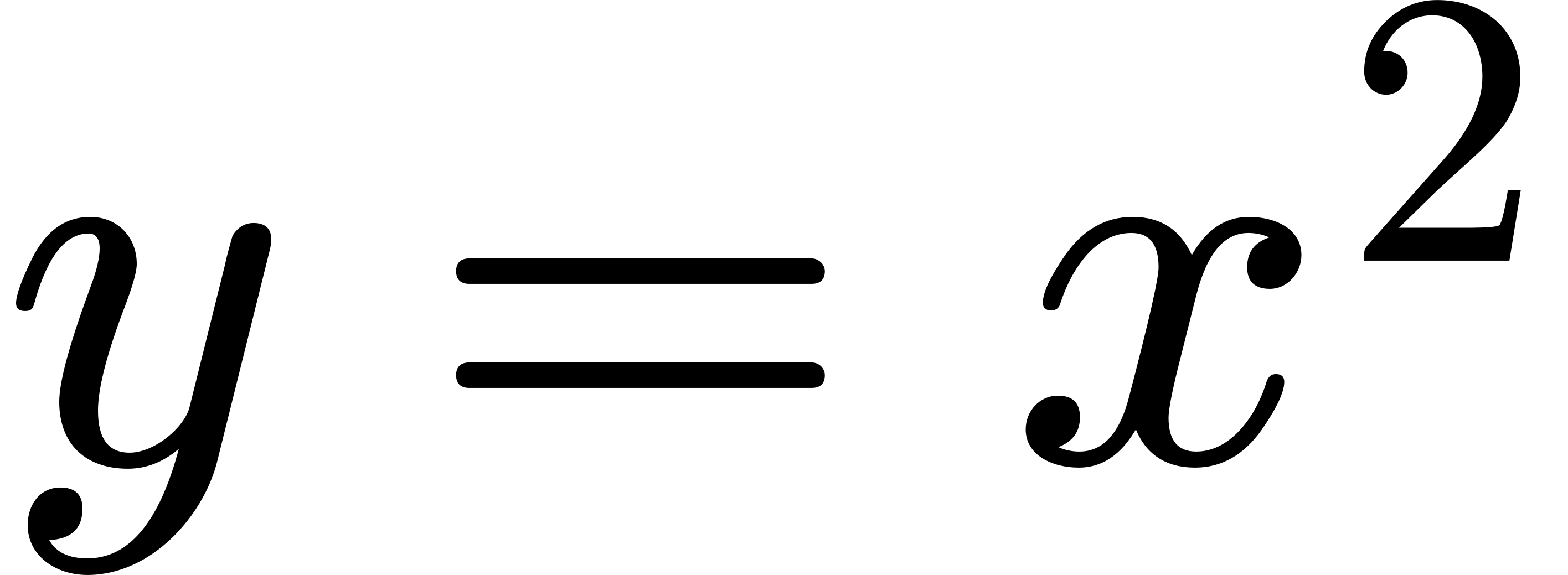 . Now remember that the fundamental notion about the calculus is the idea of growing. Mathematicians call it varying. Now as
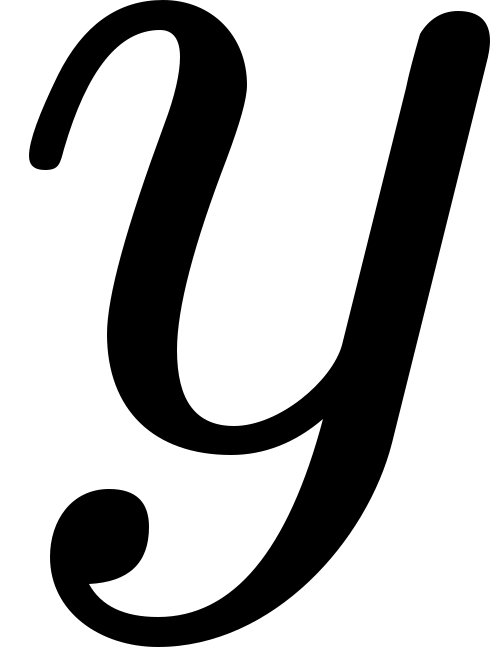 and
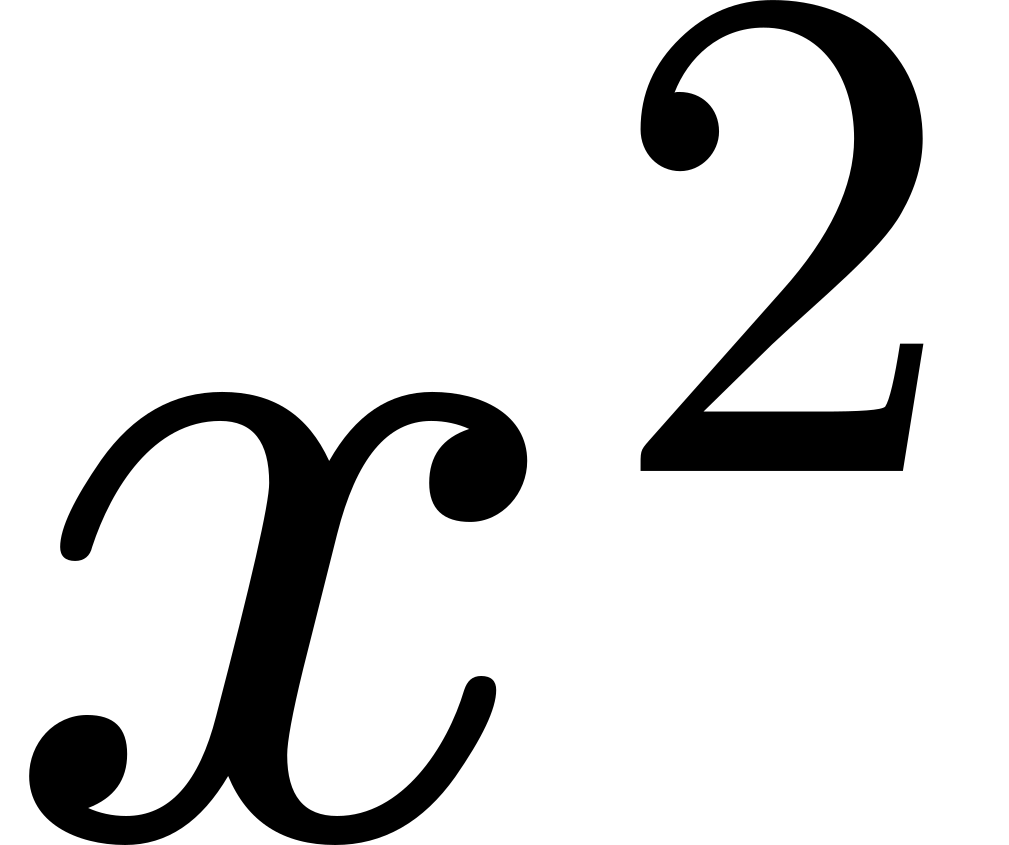 are equal to one another, it is clear that if
 grows, will also grow. And if grows, then will also grow. What we have got to find out is the proportion between the growing of and the growing of . In other words our task is to find out the ratio between
 and
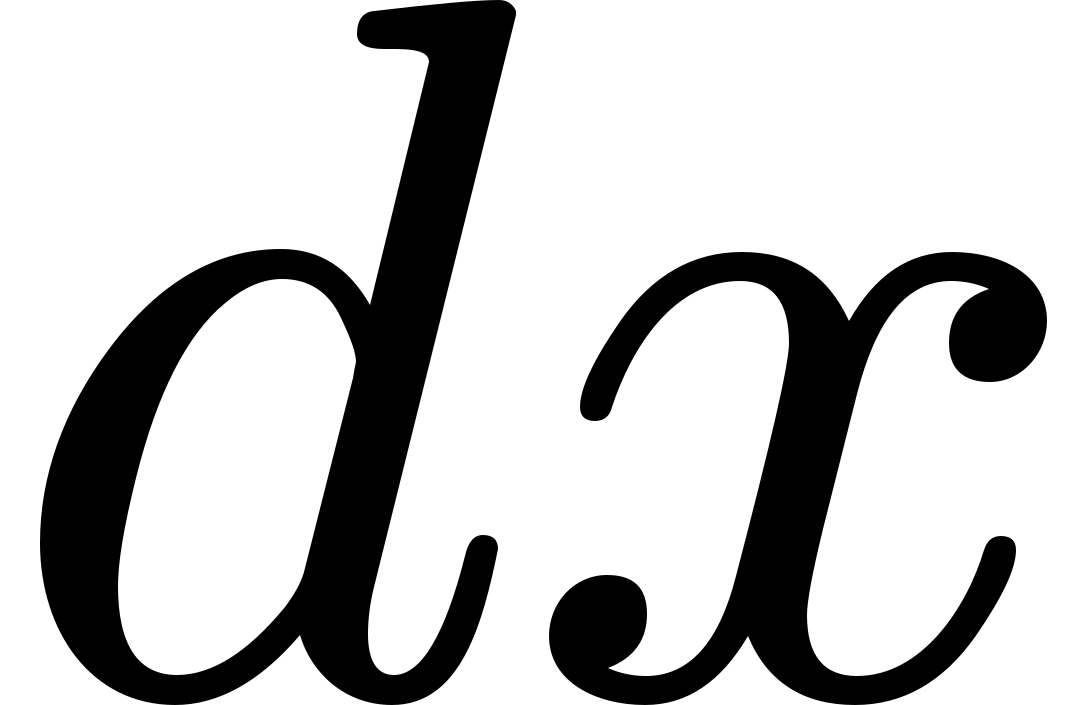 , or, in brief, to find the value of
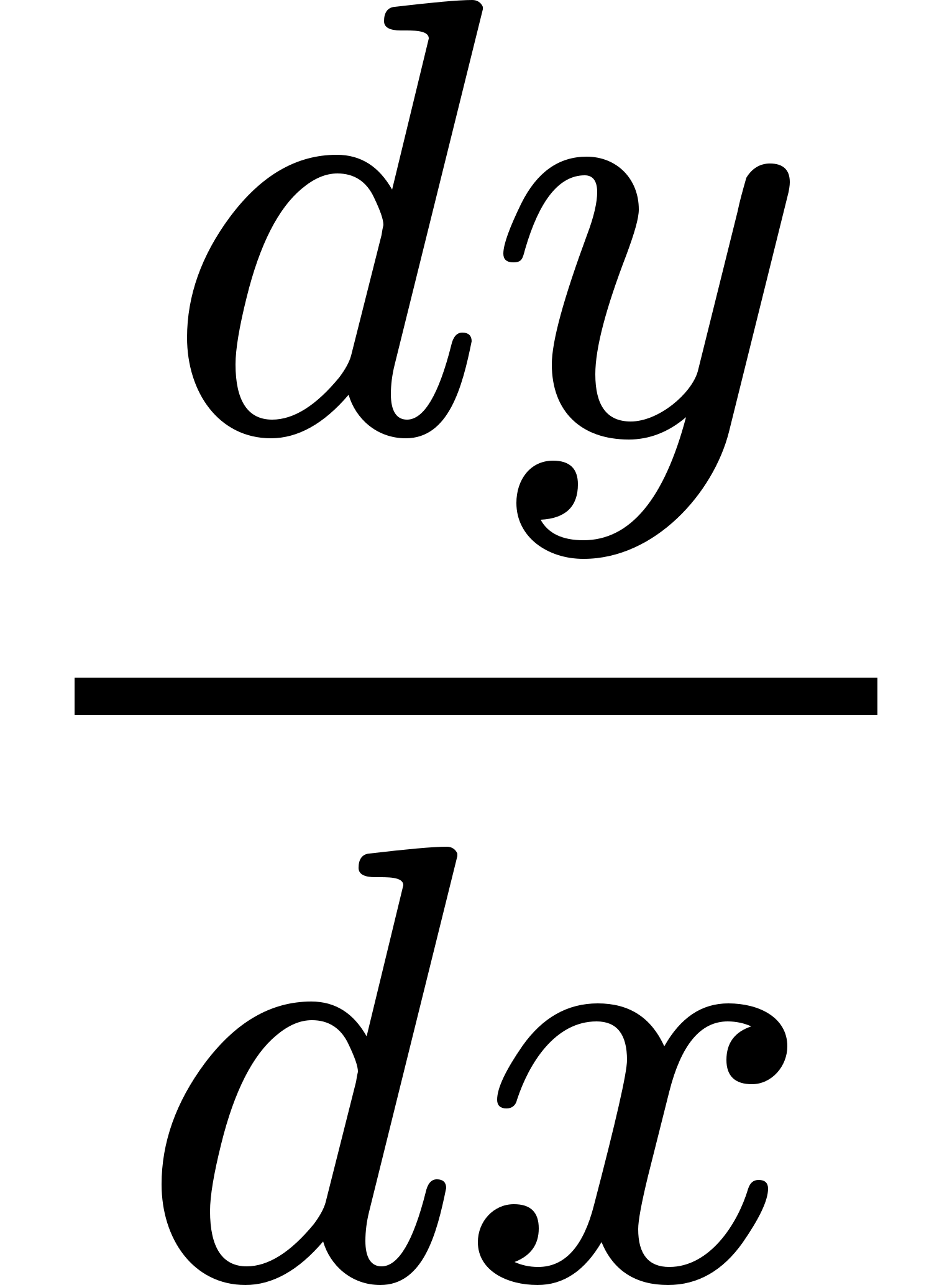 .
Let , then, grow a little bit bigger and become 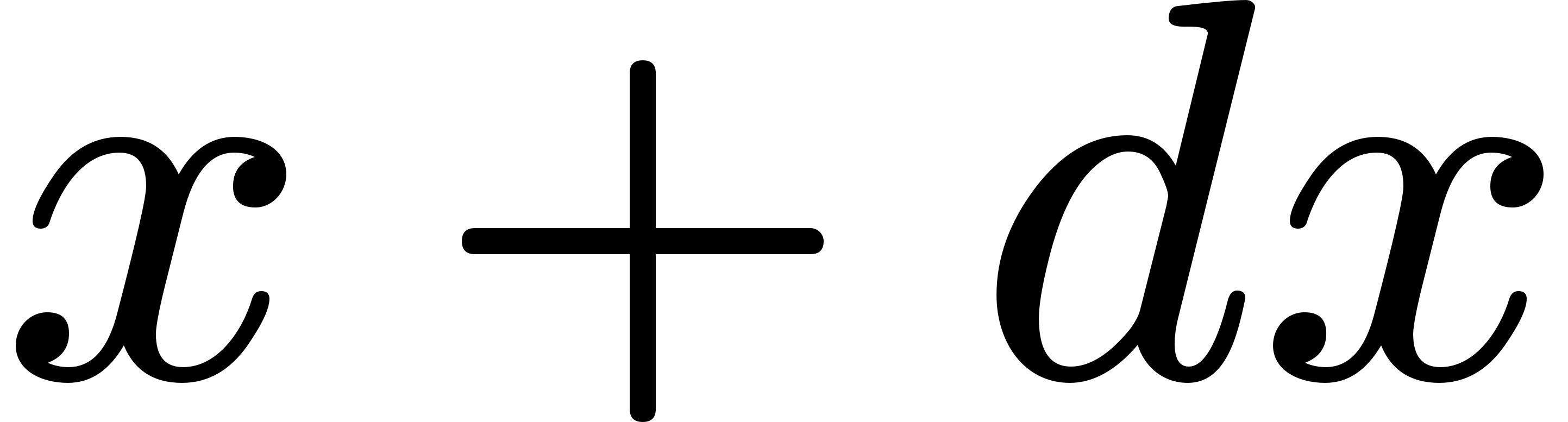 ; similarly, will grow a bit bigger and will become
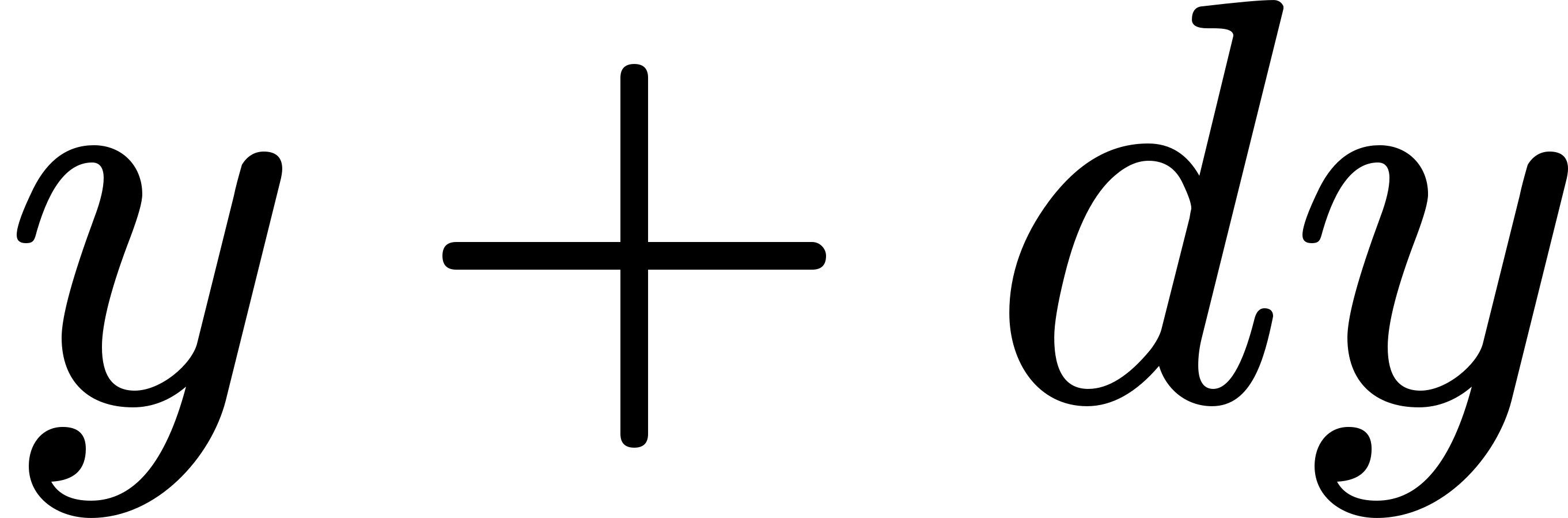 . Then, clearly, it will still be true that the enlarged will be equal to the square of the enlarged . Writing this down, we have:

Doing the squaring we get: 
What does 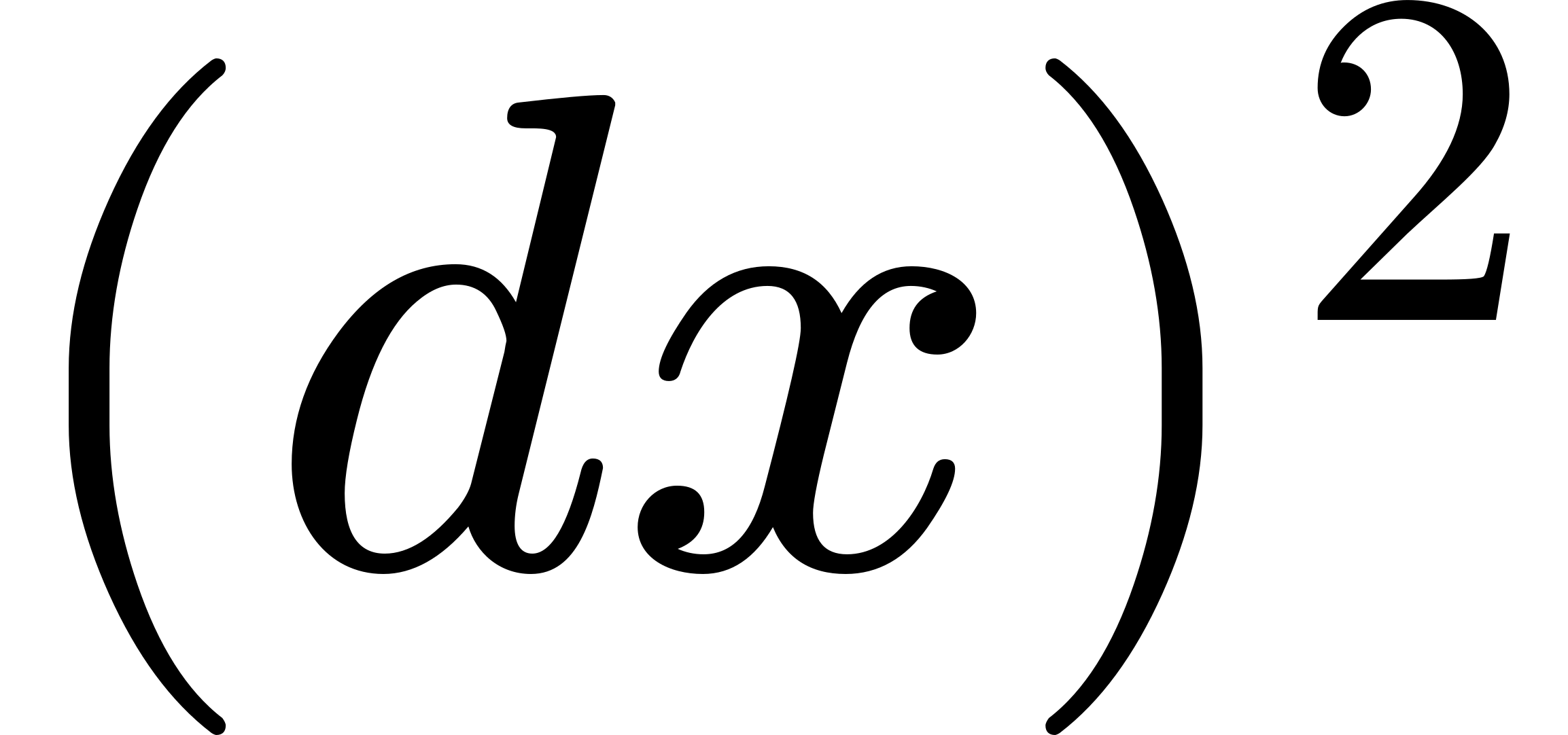 mean? Remember that meant a bit-a little bit-of . Then will mean a little bit of a little bit of ; that is, as explained above (p. 4), it is a small quantity of the second order of smallness. It may therefore be discarded as quite inconsiderable in comparison with the other terms. Leaving it out, we then have:

Now ; so let us subtract this from the equation and we have left 
Dividing across by , we find 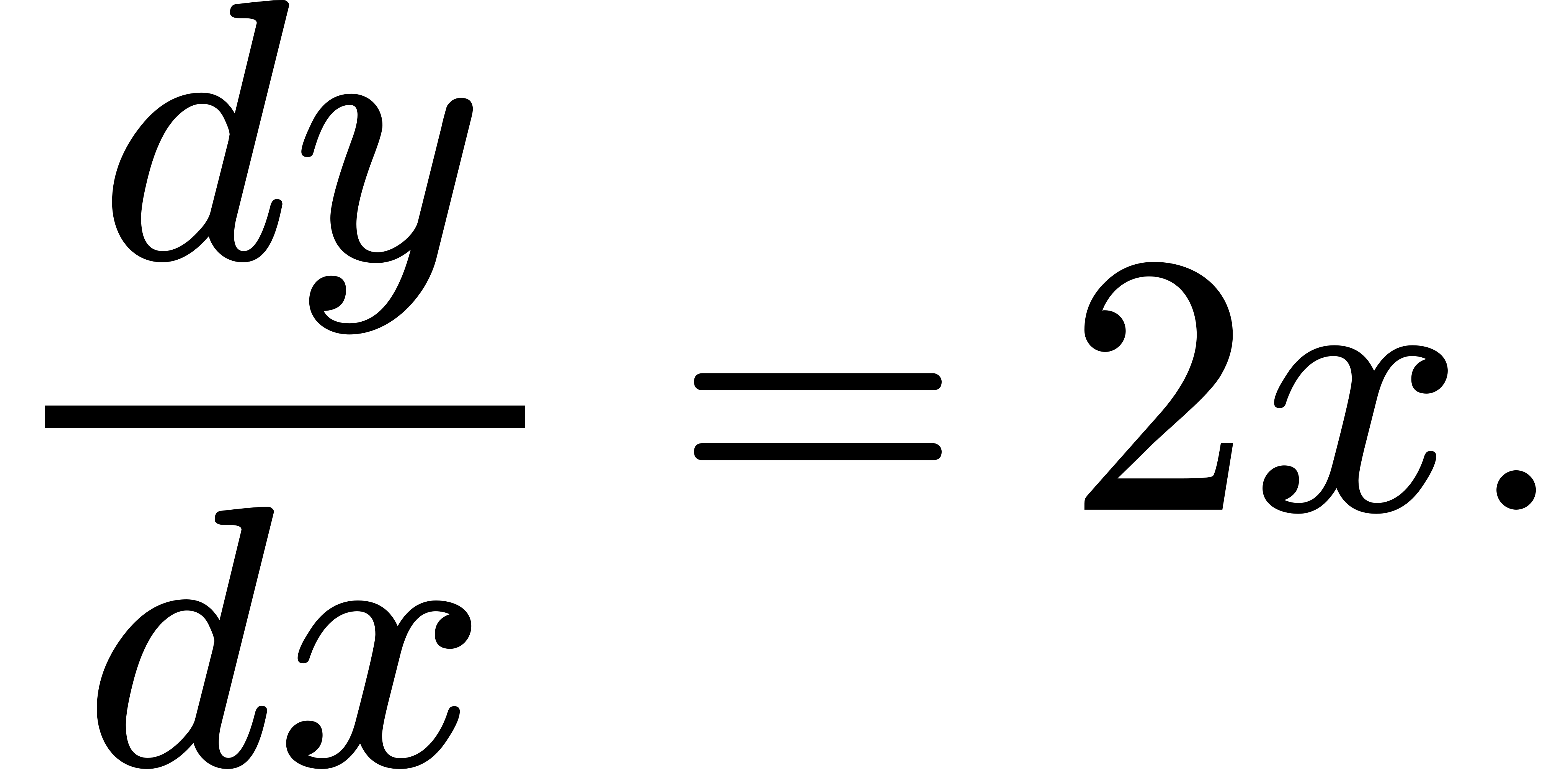
Now this[3] is what we set out to find. The ratio of the growing of to the growing of is, in the case before us, found to be 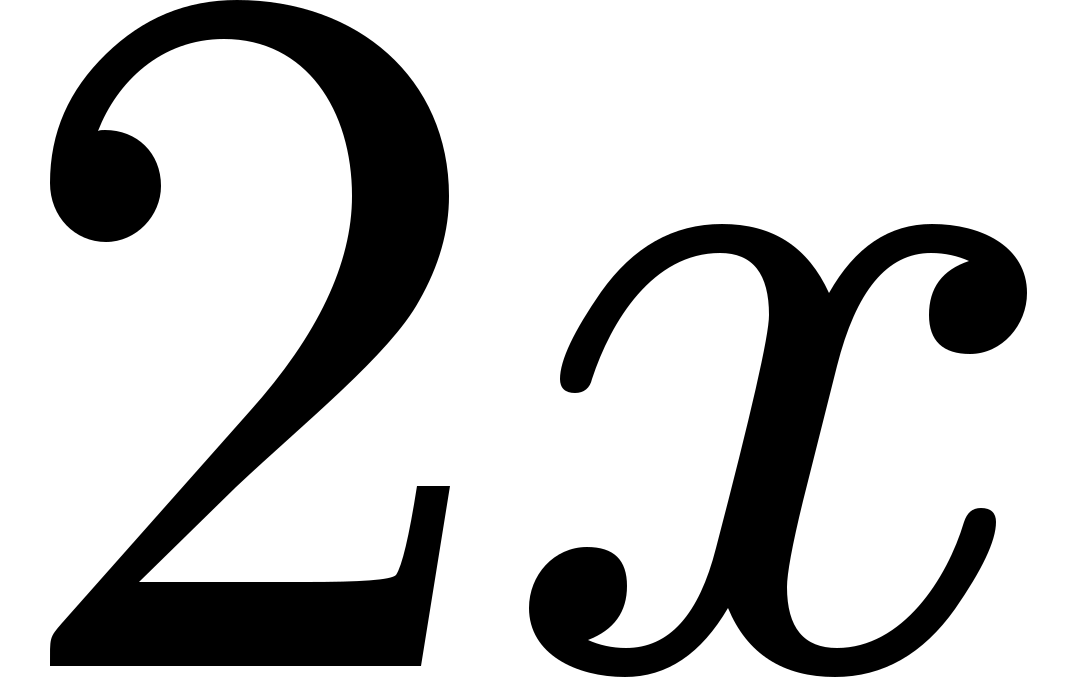 .
Numerical example.
Suppose 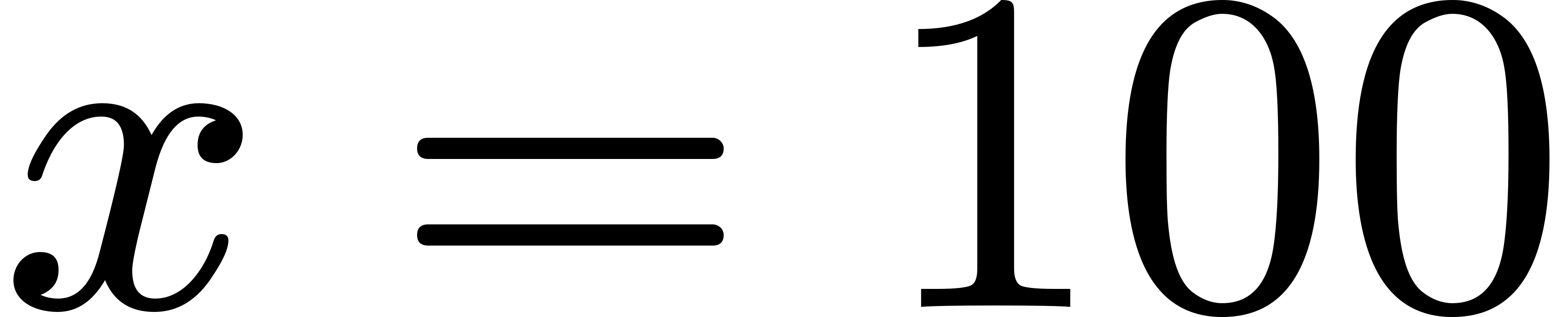 and
 . Then let grow till it becomes 101 (that is, let
 ). Then the enlarged will be
 10,201. But if we agree that we may ignore small quantities of the second order, 1 may be rejected as compared with 10,000; so we may round off the enlarged to 10,200. has grown from 10,000 to 10,200; the bit added on is , which is therefore 200.
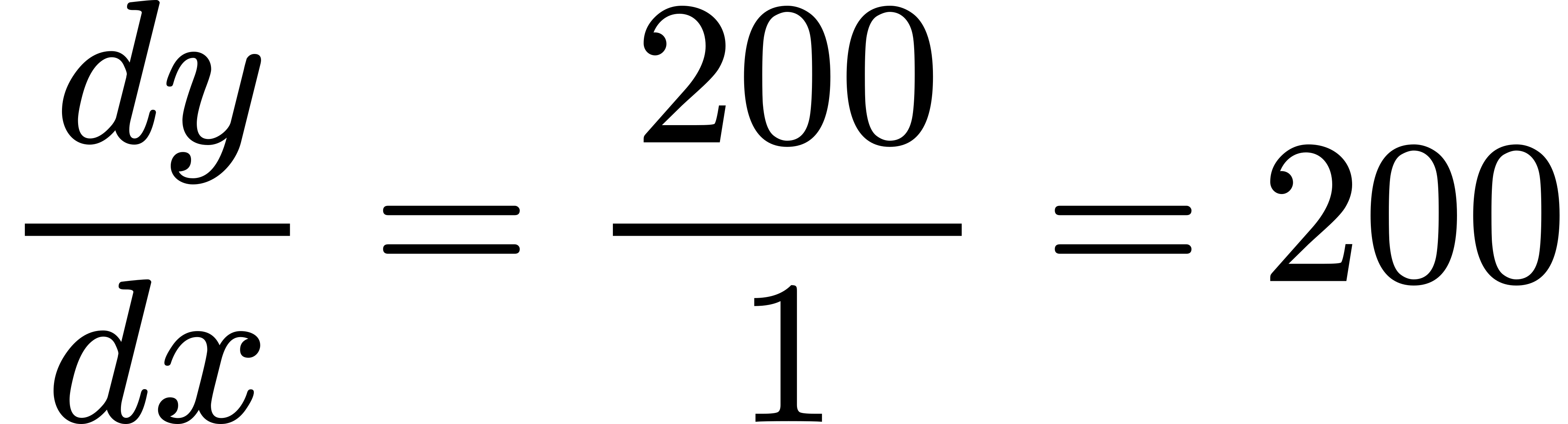 . According to the algebra-working of the previous paragraph, we find
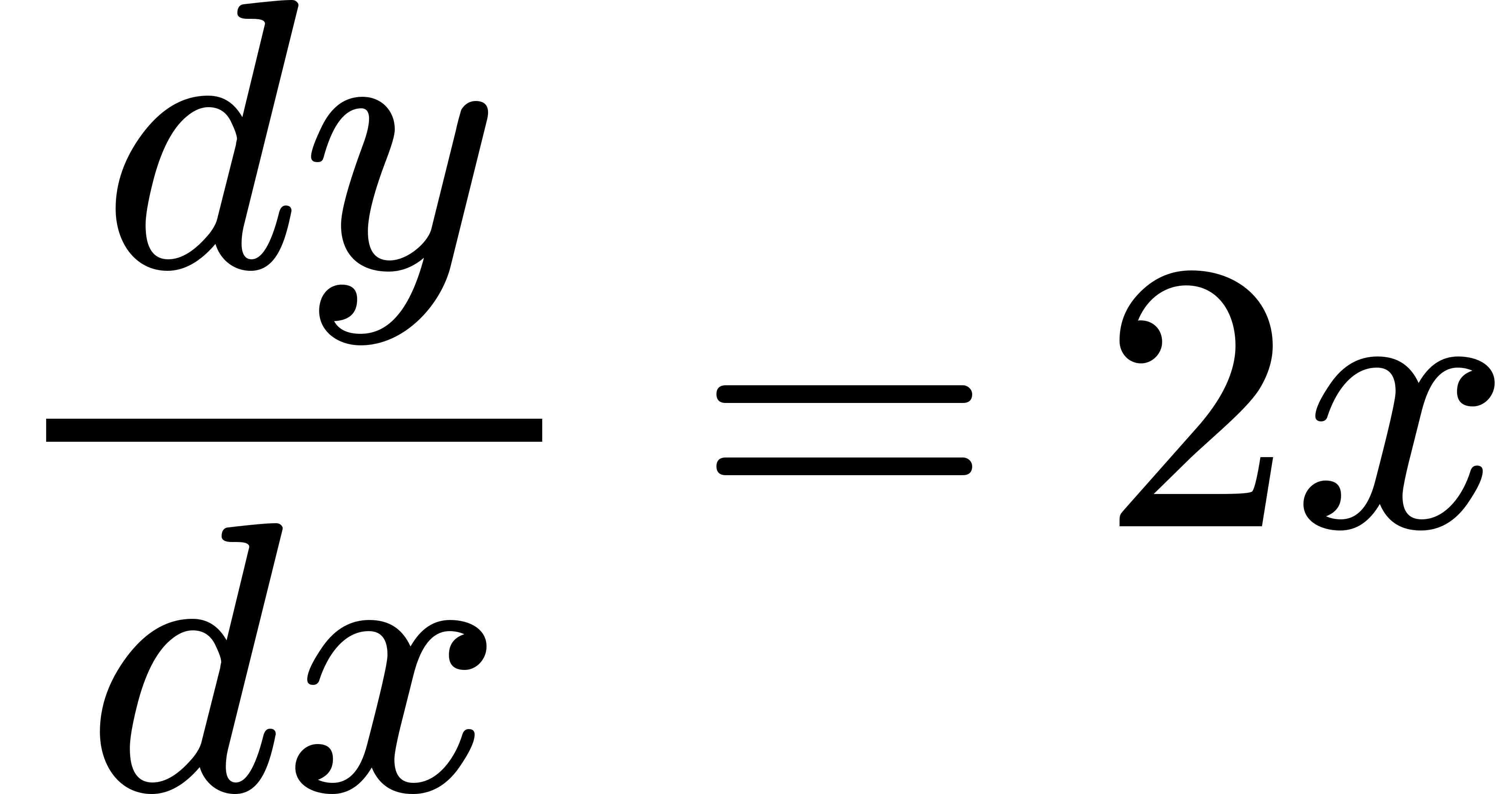 . And so it is; for and
 .
But, you will say, we neglected a whole unit.
Well, try again, making a still smaller bit.
Try 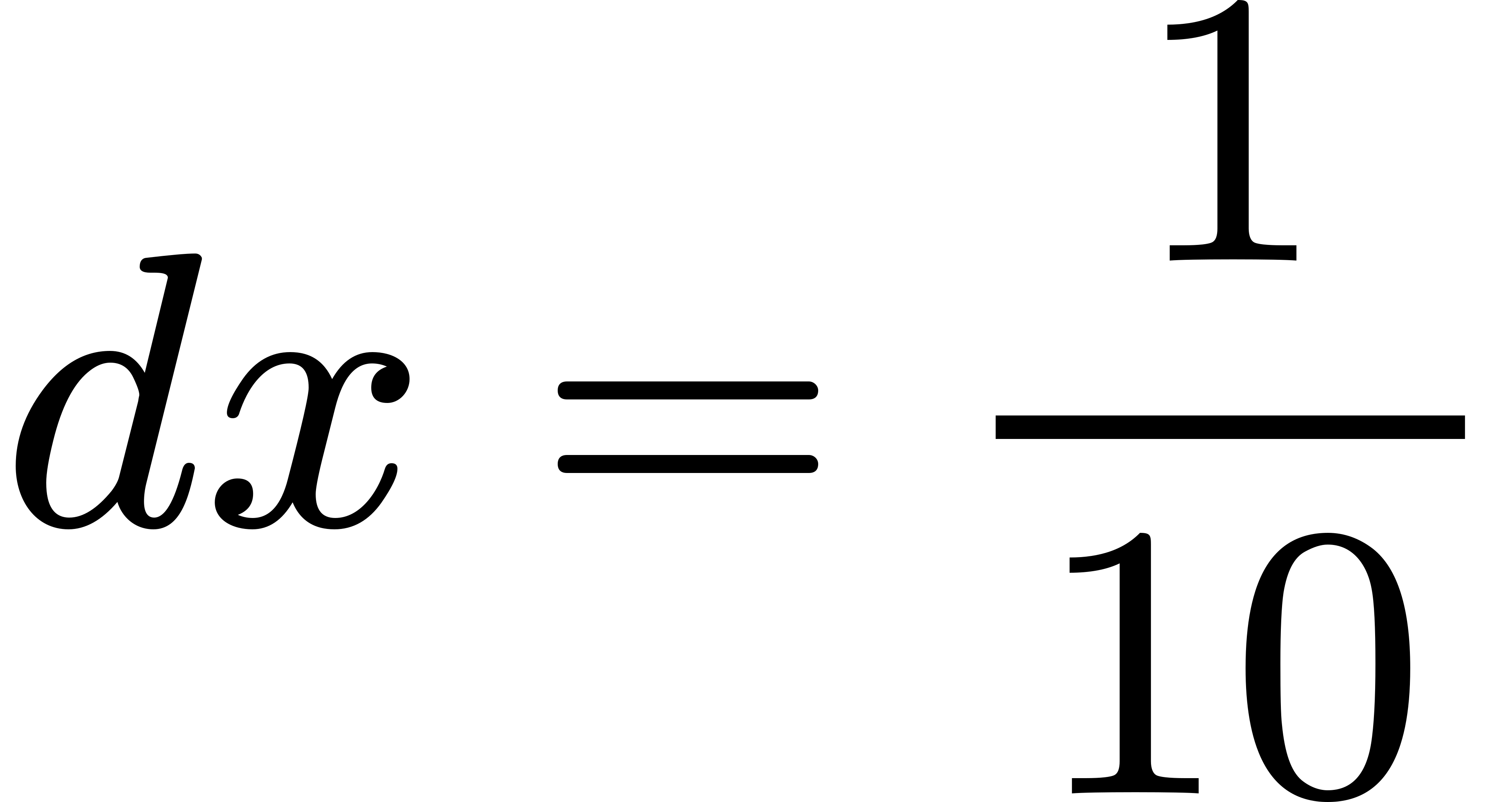 . Then
 , and

Now the last figure 1 is only one-millionth part of the 10,000, and is utterly negligible; so we may take 10,020 without the little decimal at the end.
And this makes  ; and
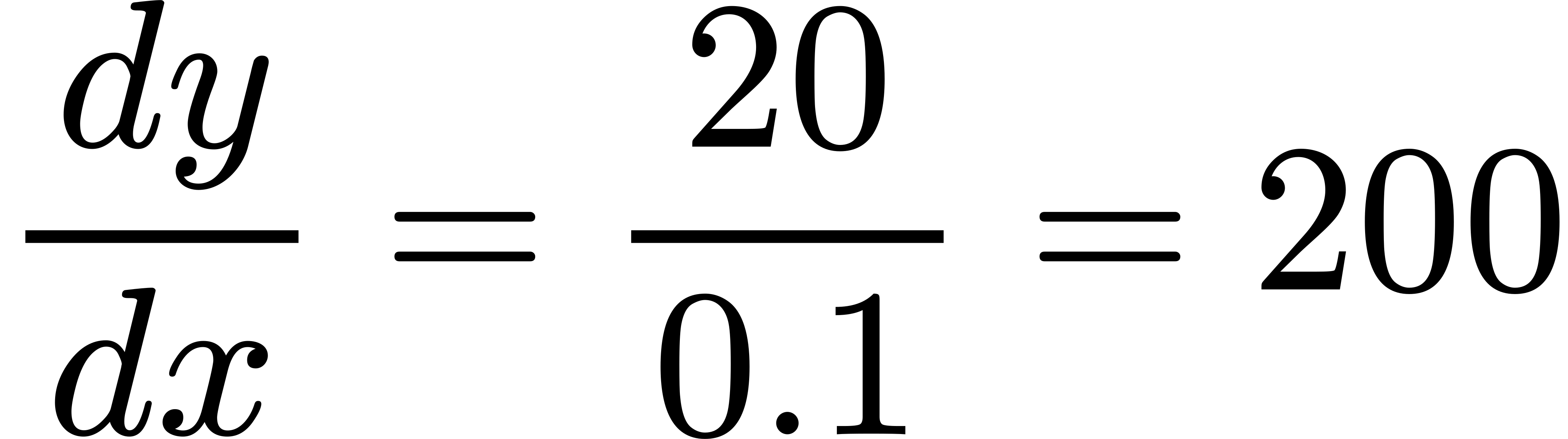 , which is still the same as
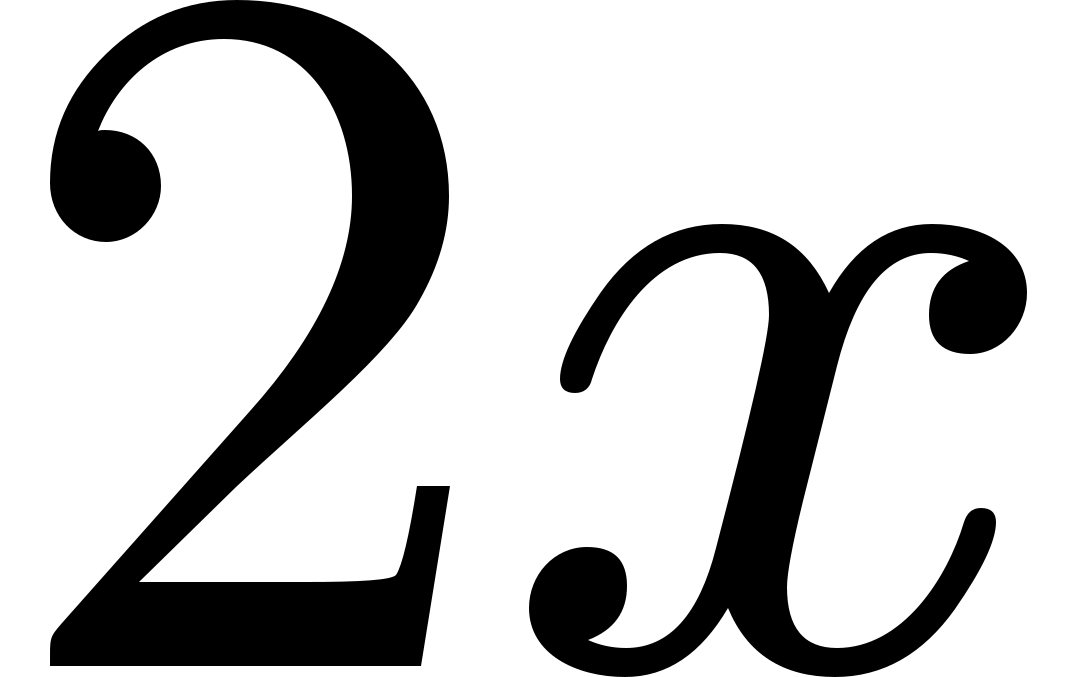 .
Case 2.
Try differentiating 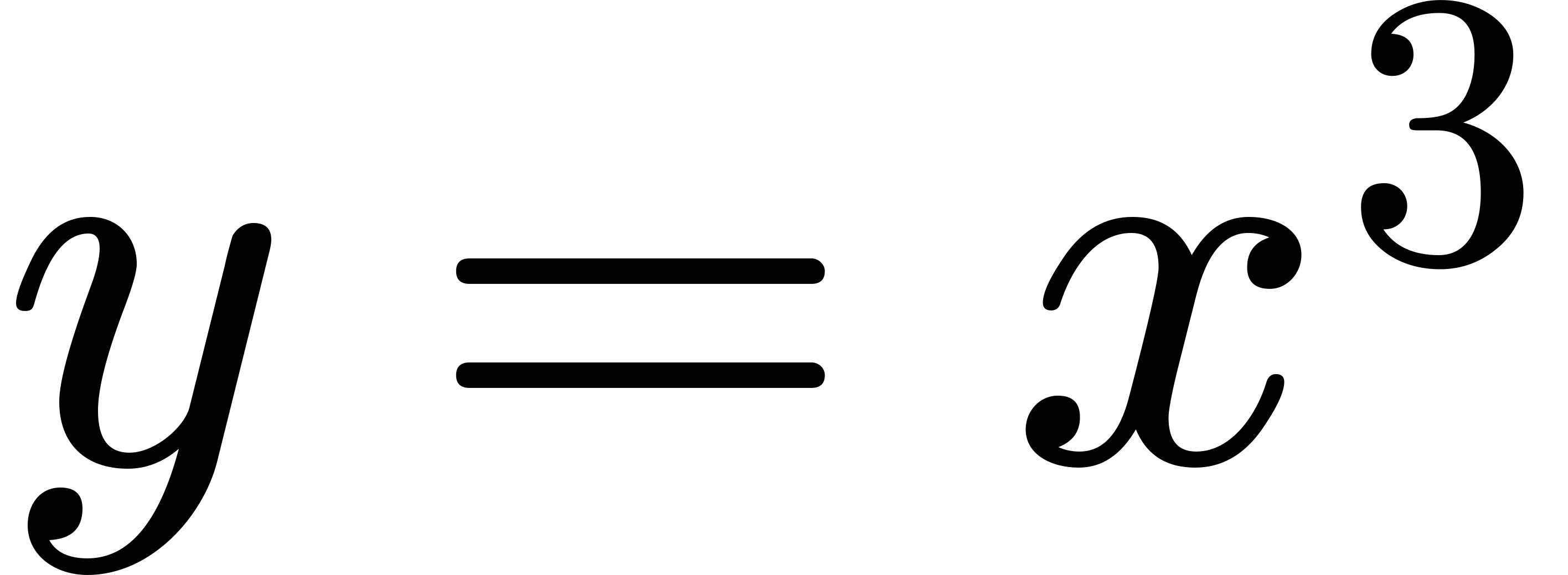 in the same way.
We let grow to , while grows to .
Then we have 
Doing the cubing we obtain 
Now we know that we may neglect small quantities of the second and third orders; since, when and are both made indefinitely small, and 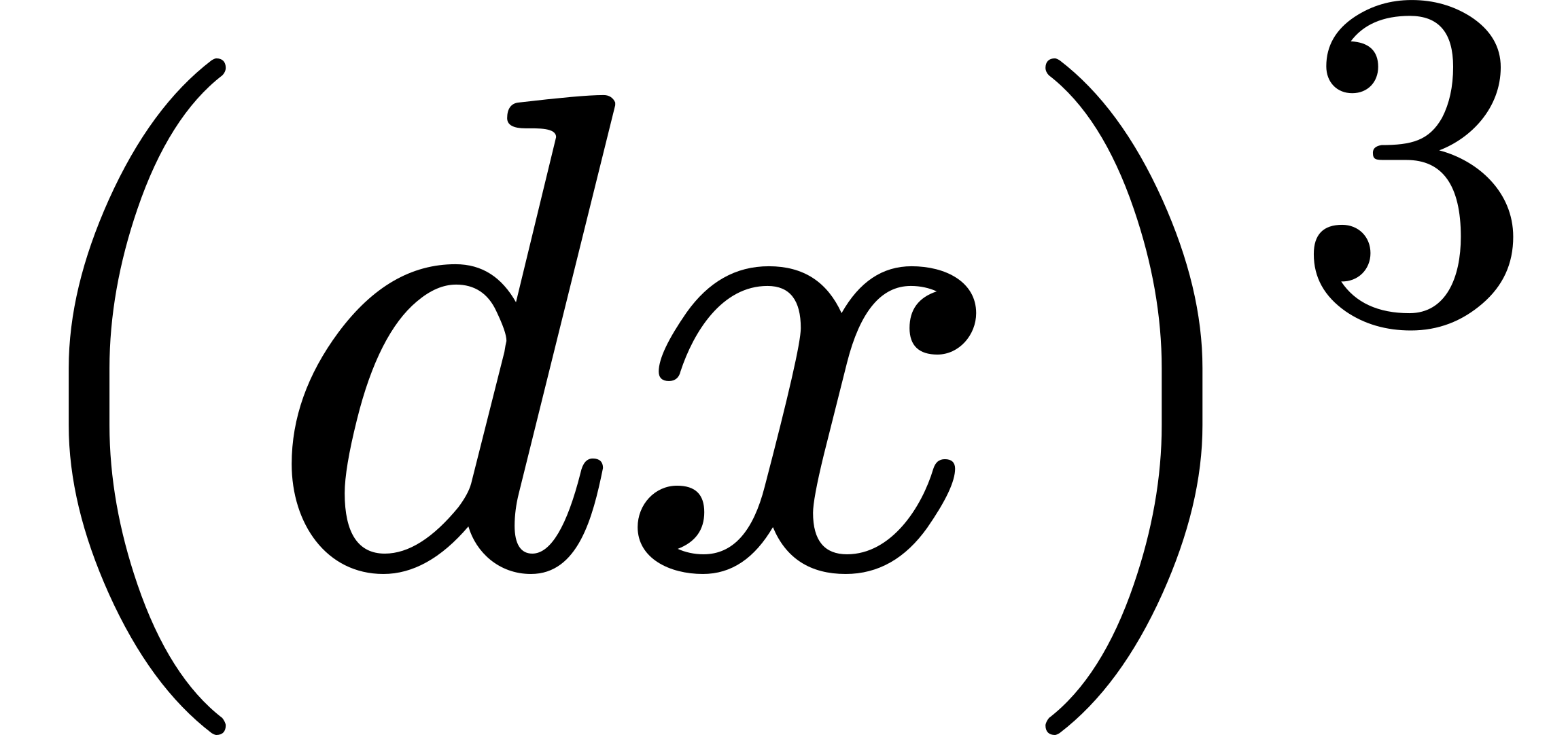 will become indefinitely smaller by comparison. So, regarding them as negligible, we have left:

But ; and, subtracting this, we have: 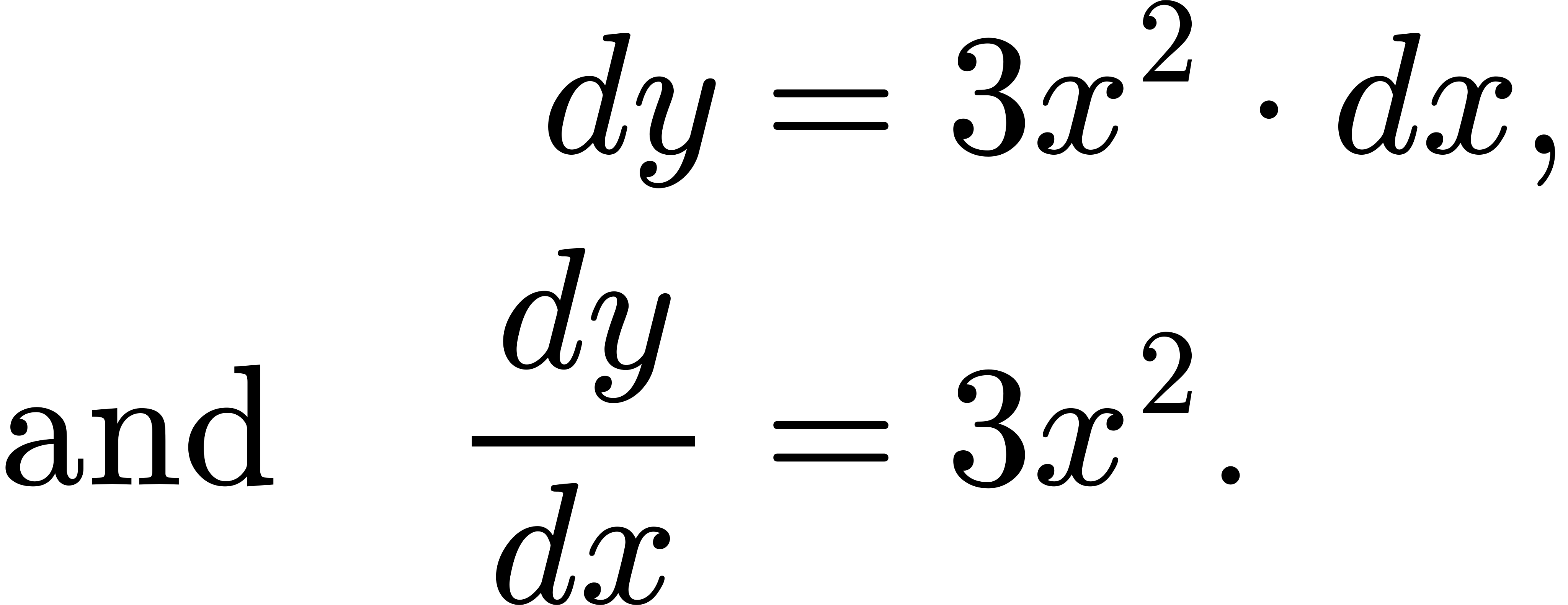
Case 3.
Try differentiating 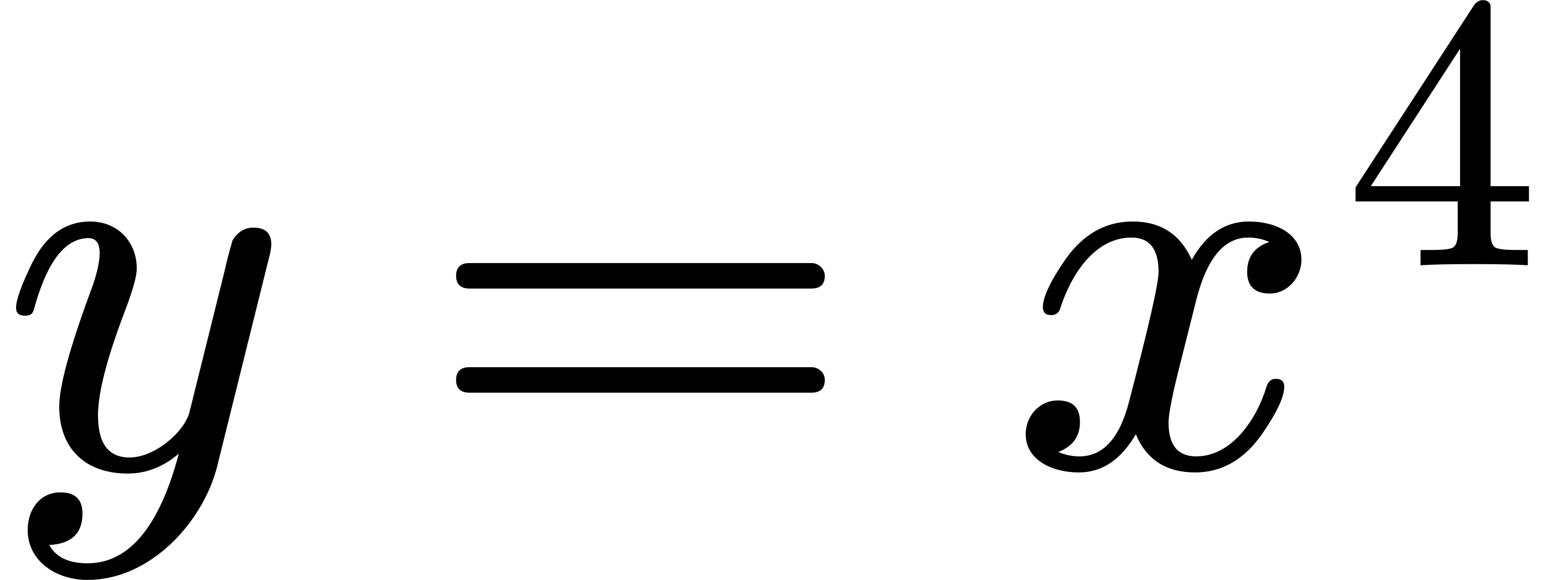 . Starting as before by letting both and grow a bit, we have:

Working out the raising to the fourth power, we get 
Then striking out the terms containing all the higher powers of 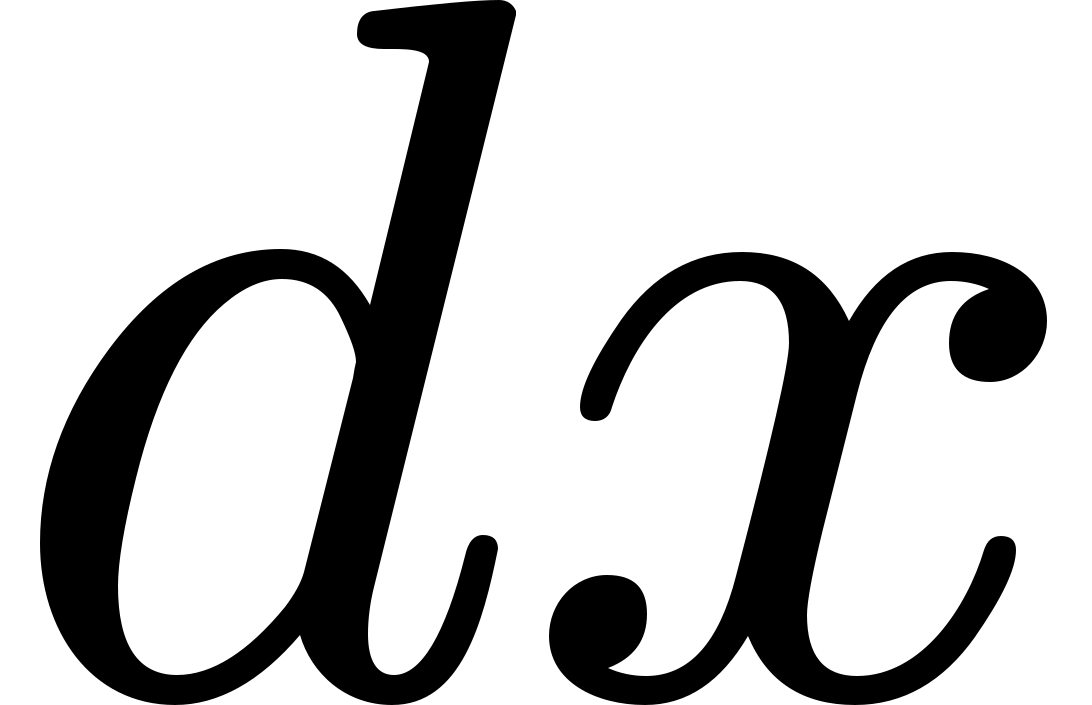 , as being negligible by comparison, we have

Subtracting the original , we have left 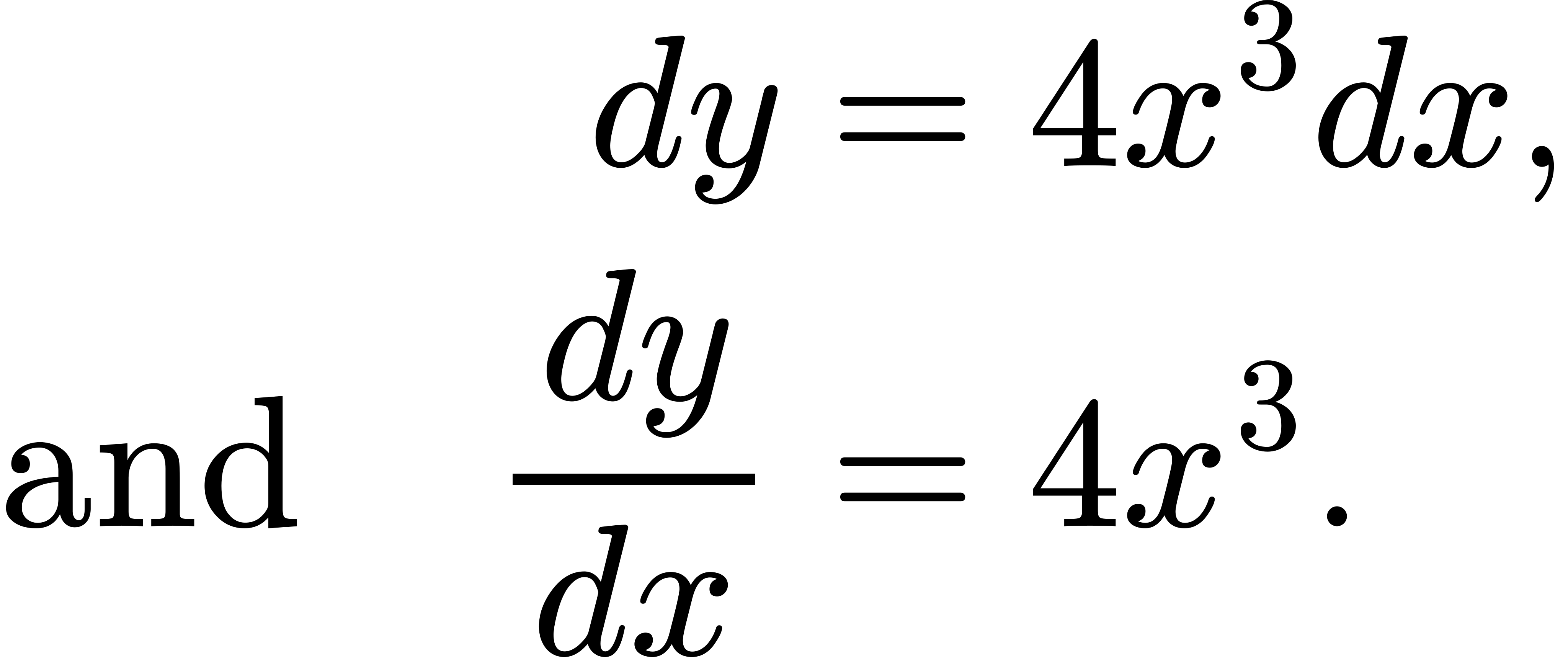
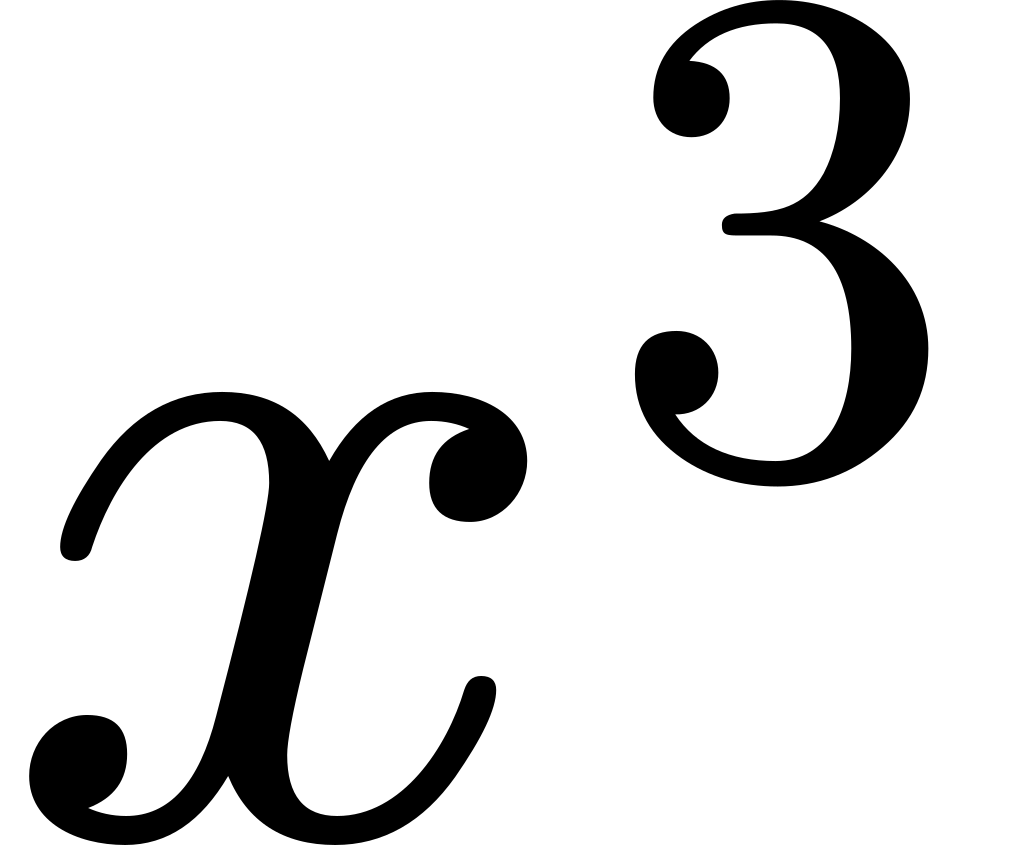
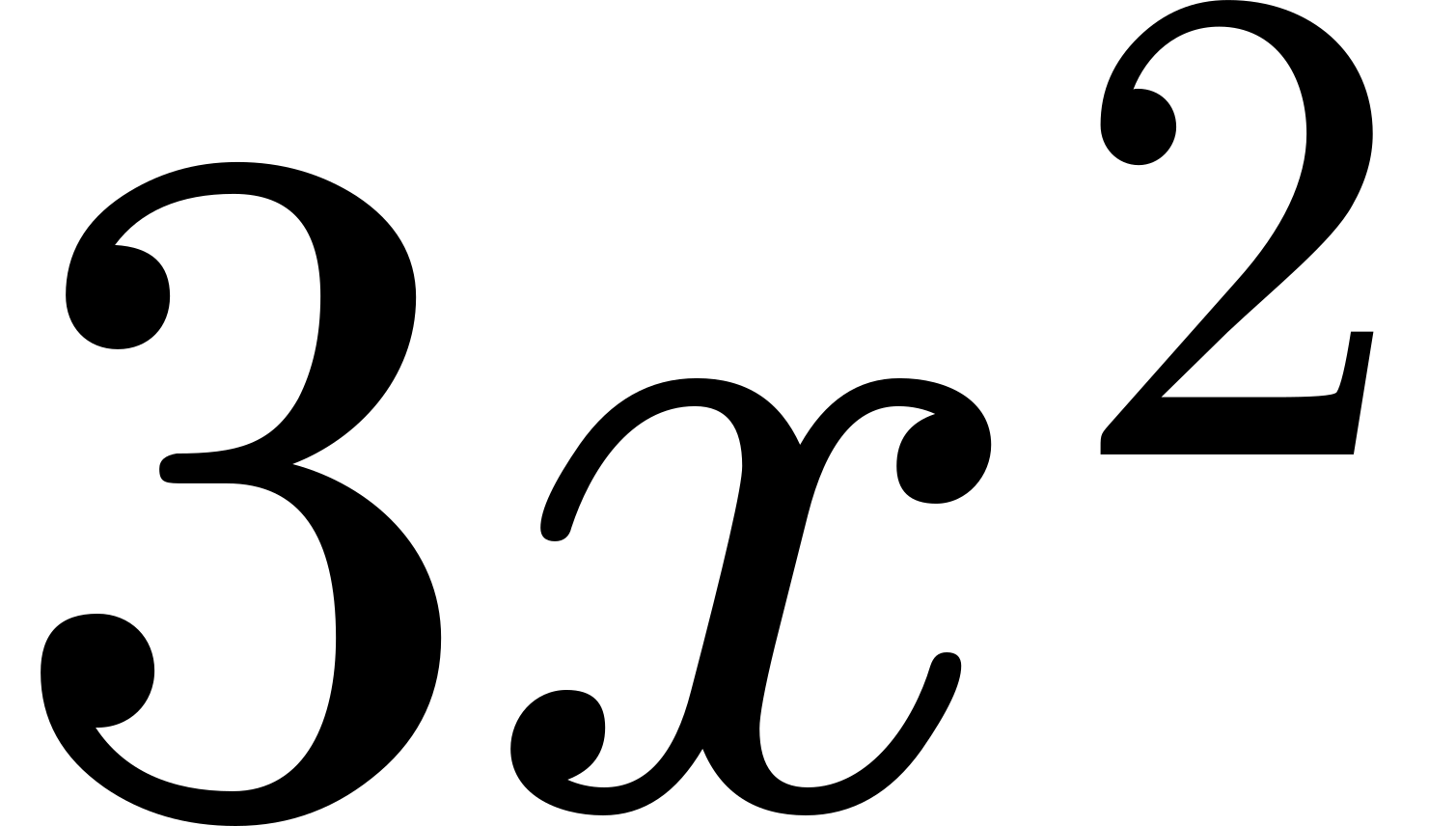
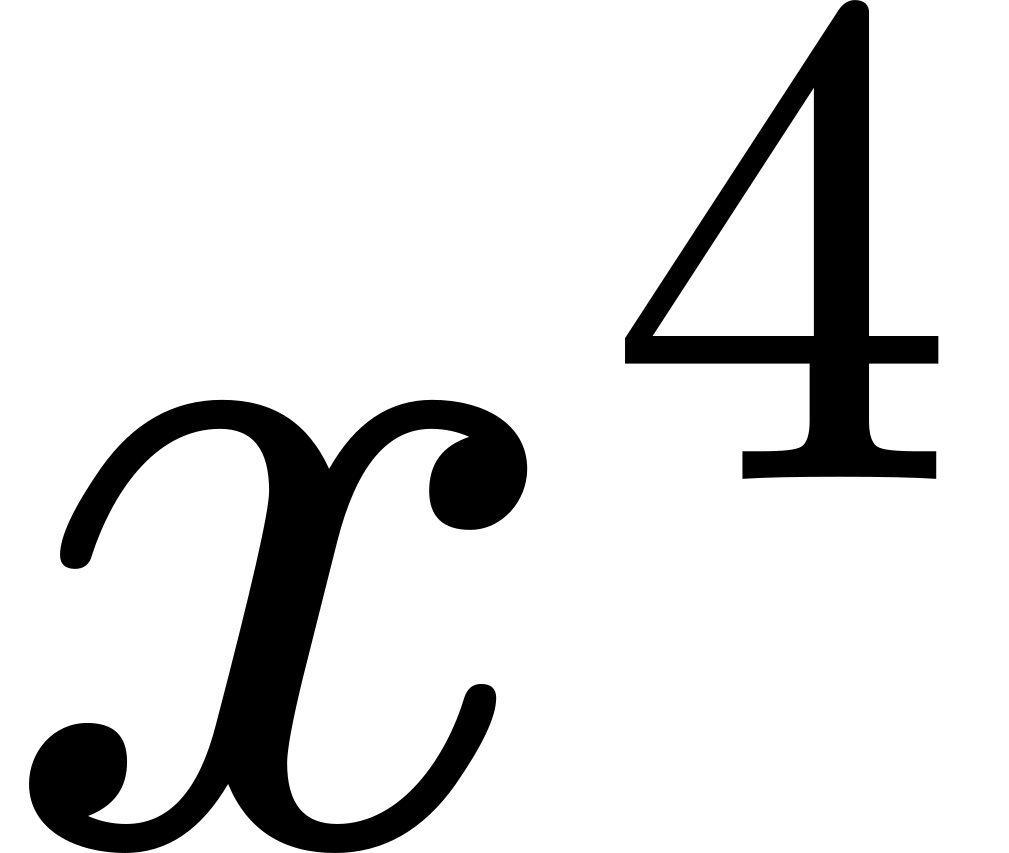
Now all these cases are quite easy. Let us collect the results to see if we can infer any general rule. Put them in two columns, the values of in one and the corresponding values found for 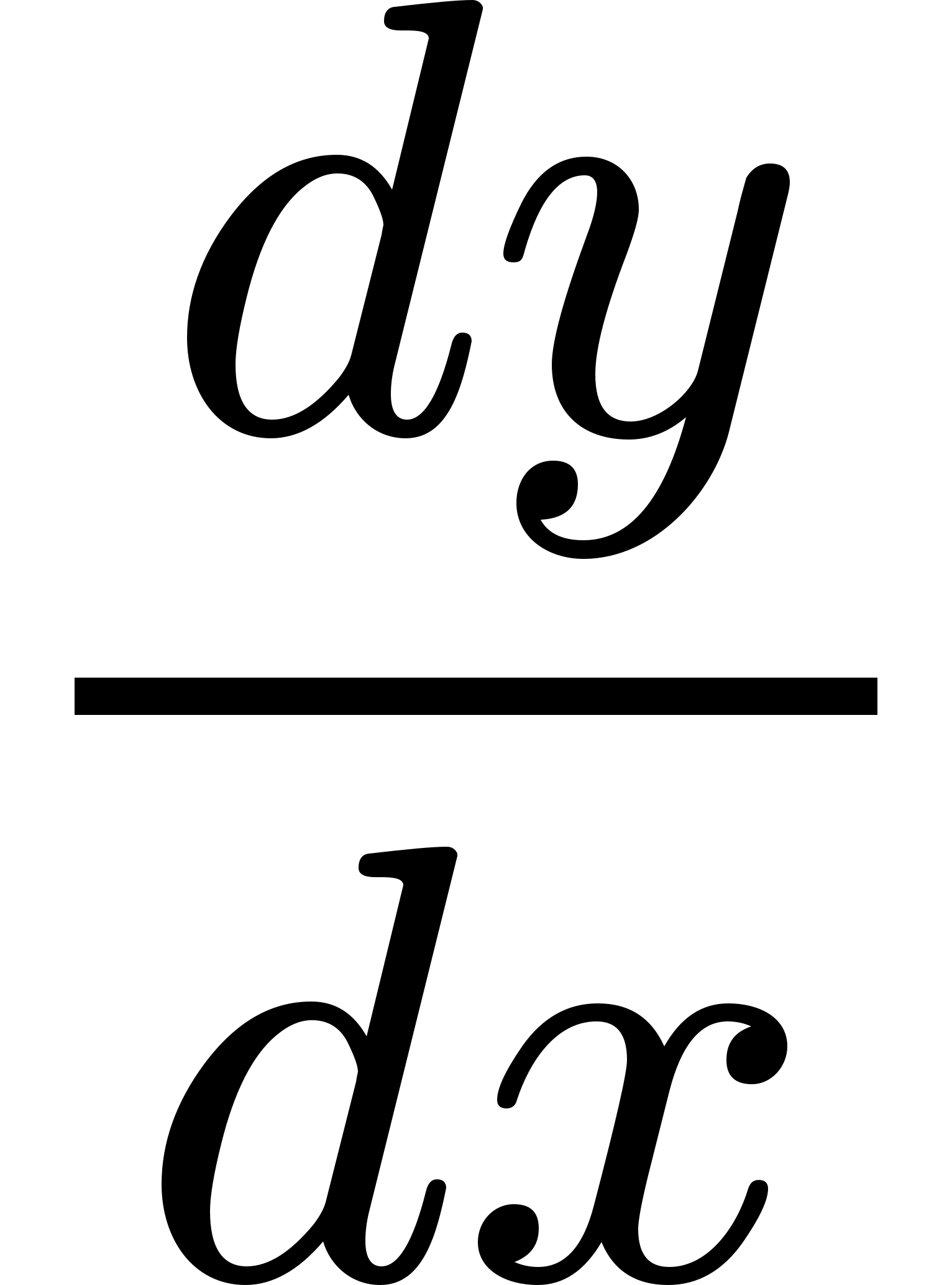 in the other: thus
| y | |
|---|---|
|
|
 |
 |
 |
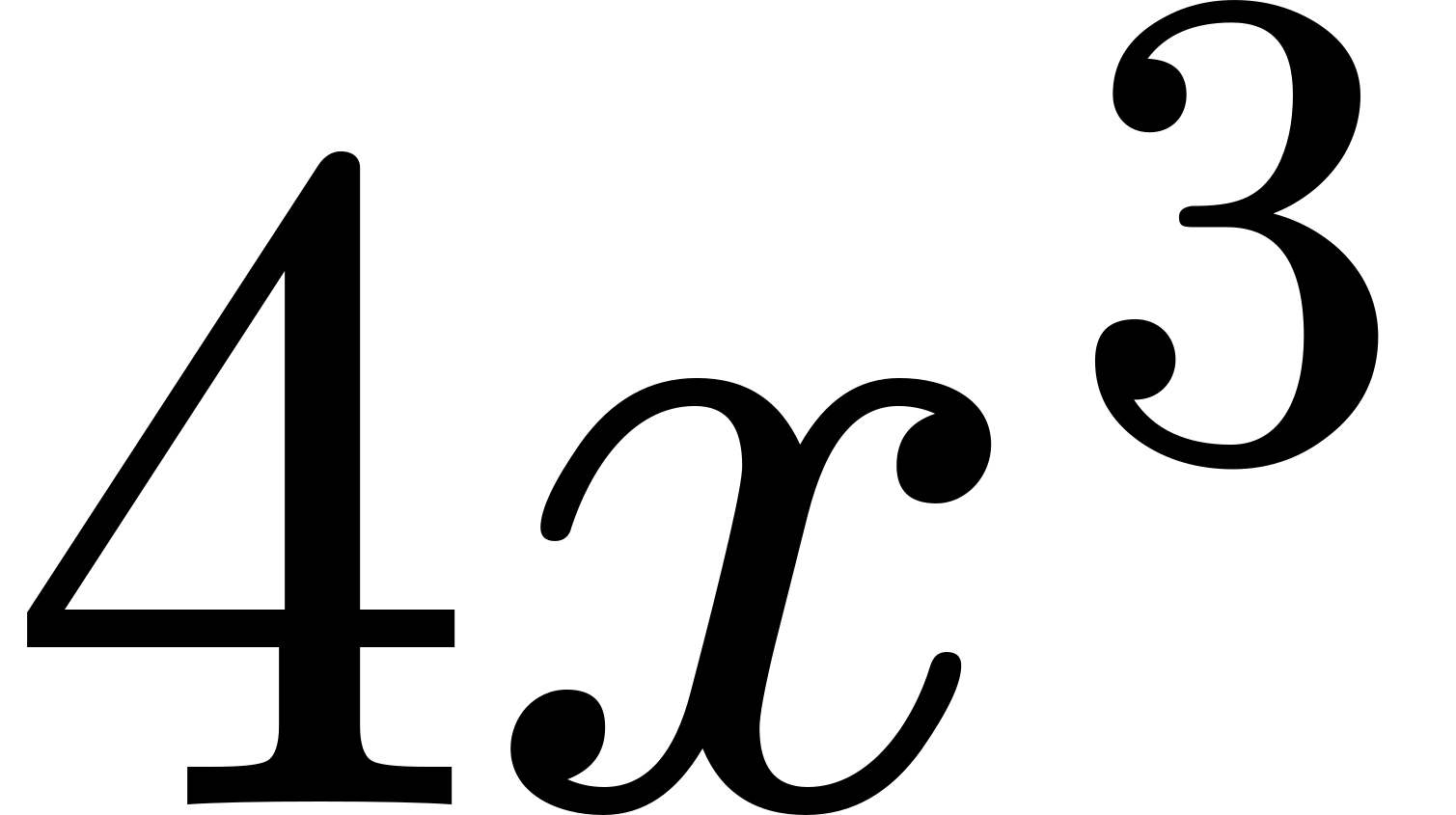 |
Just look at these results: the operation of differentiating appears to have had the effect of diminishing the power of by 1 (for example in the last case reducing to ), and at the same time multiplying by a number (the same number in fact which originally appeared as the power). Now, when you have once seen this, you might easily conjecture how the others will run. You would expect that differentiating 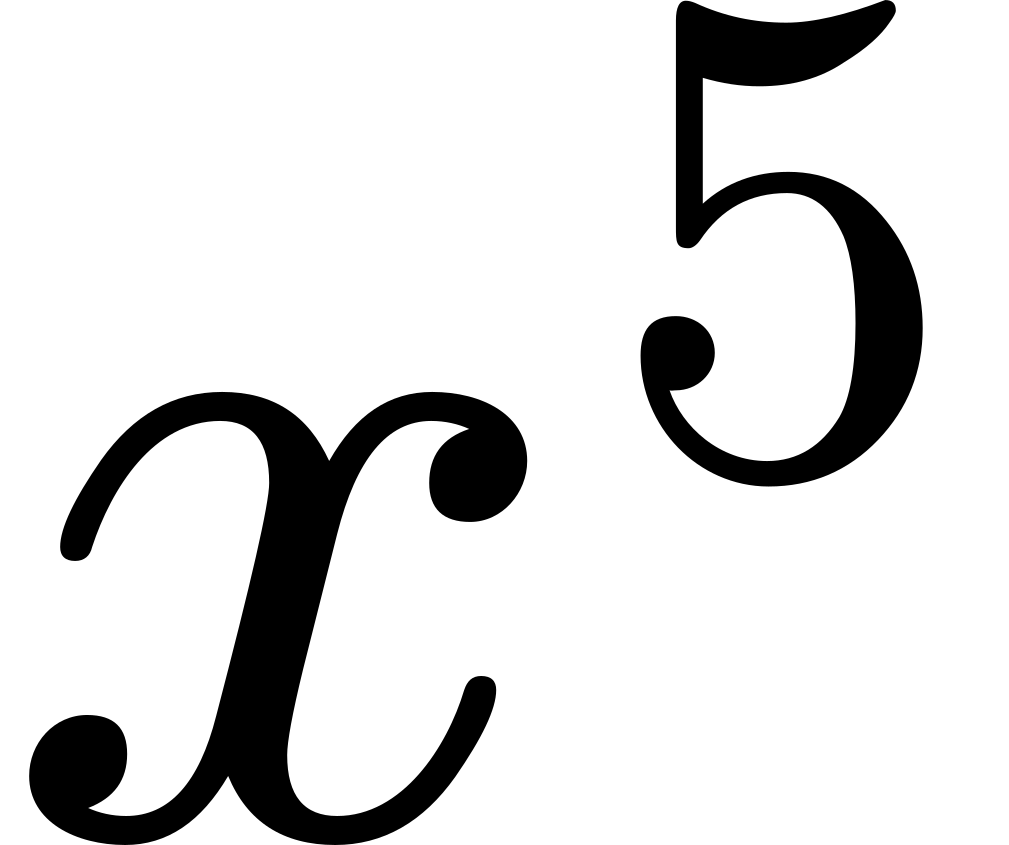 would give
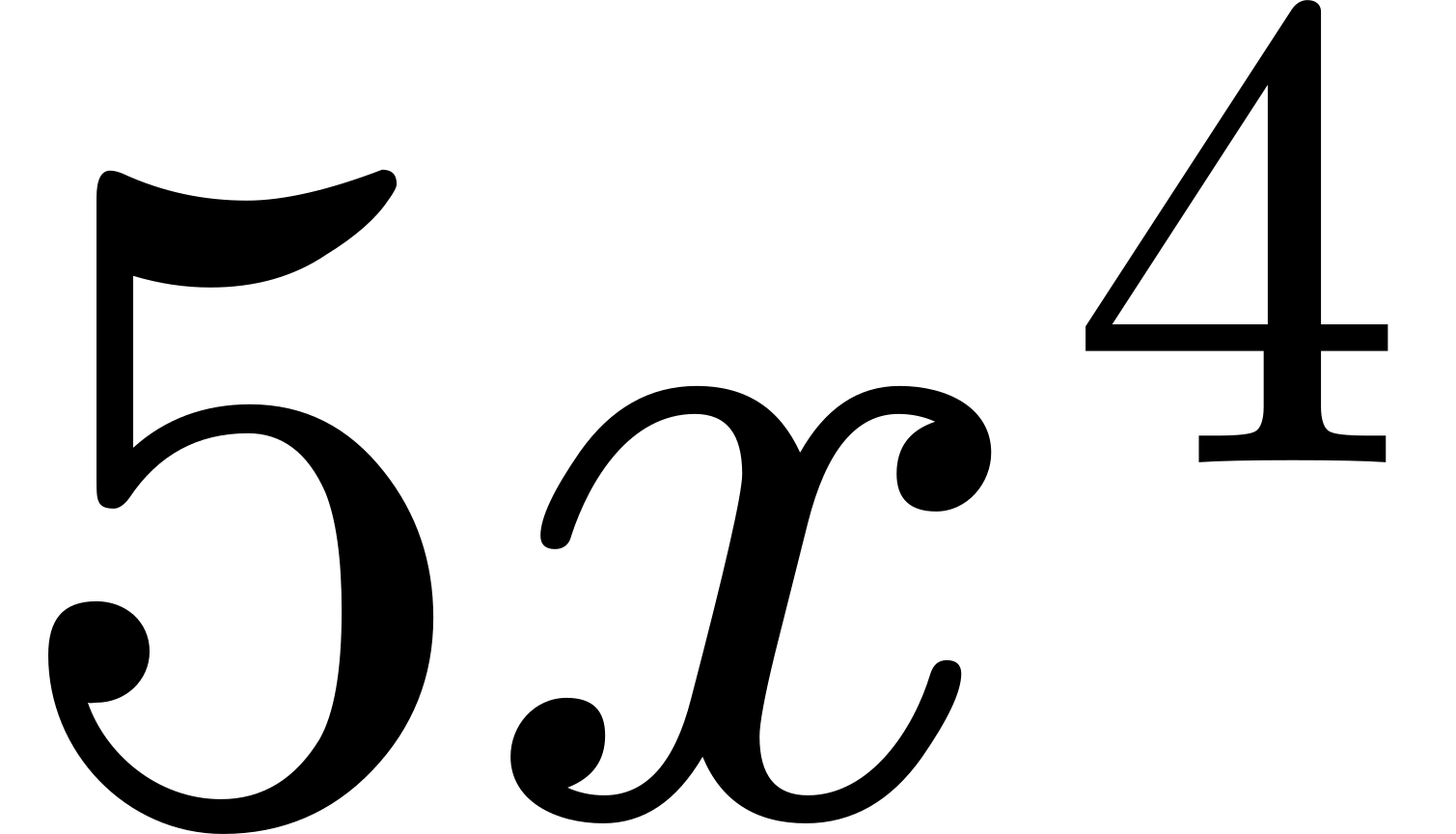 , or differentiating
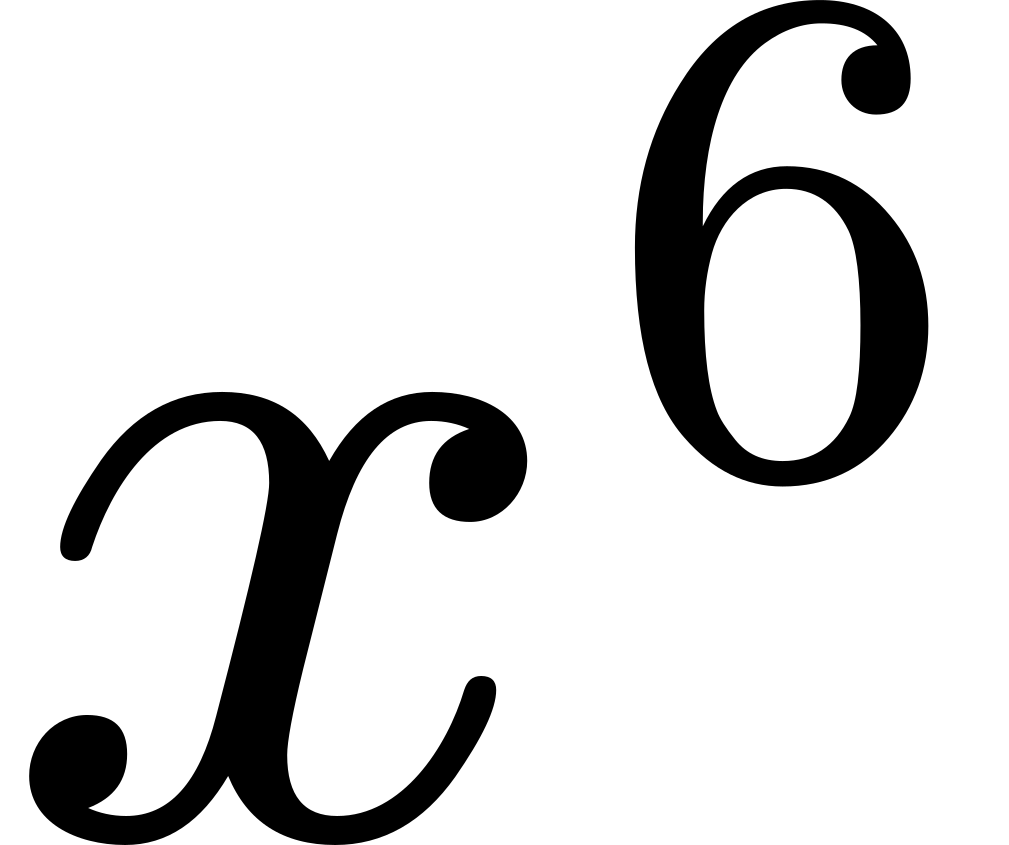 would give
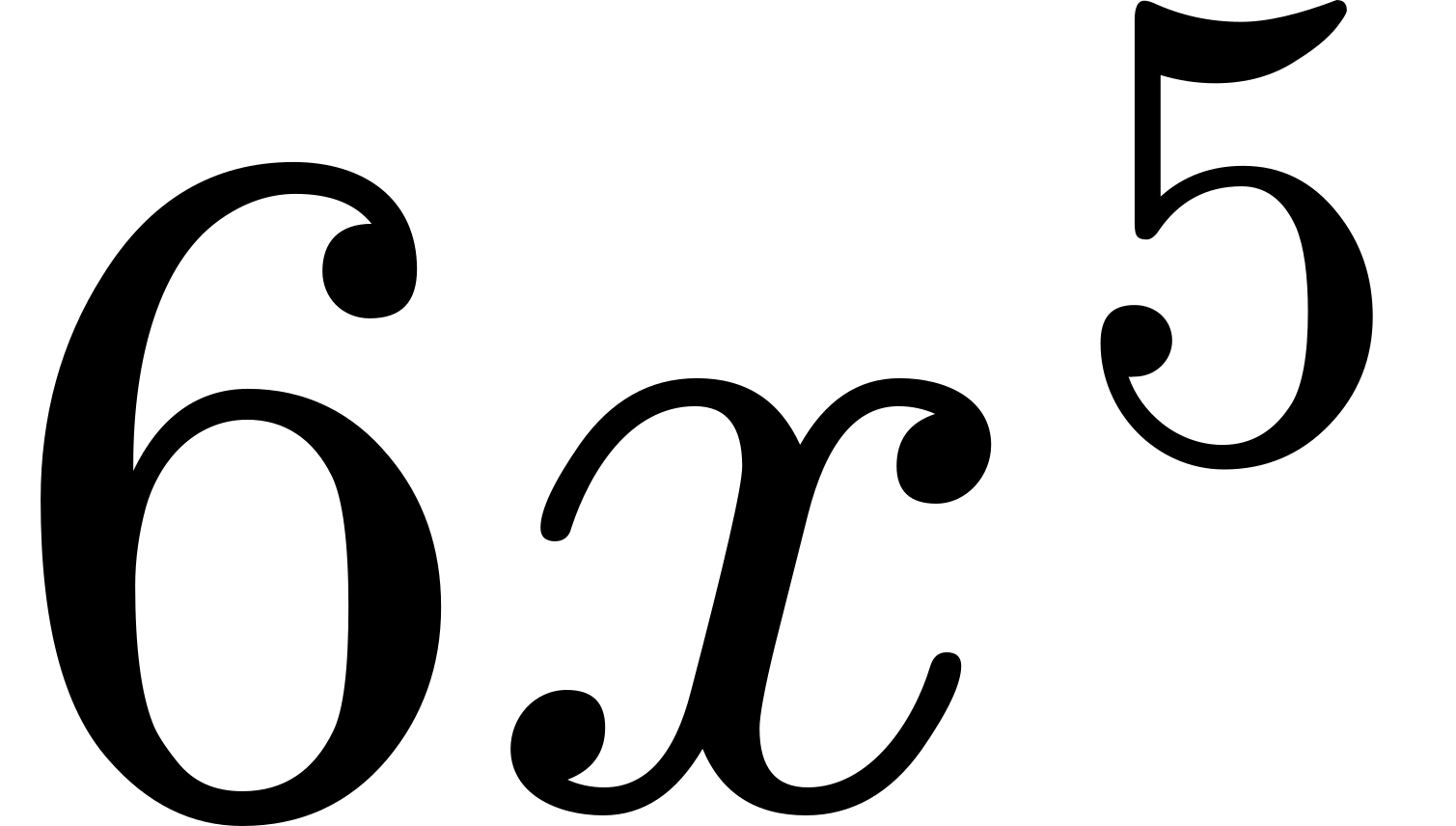 . If you hesitate, try one of these, and see whether the conjecture comes right.
Try 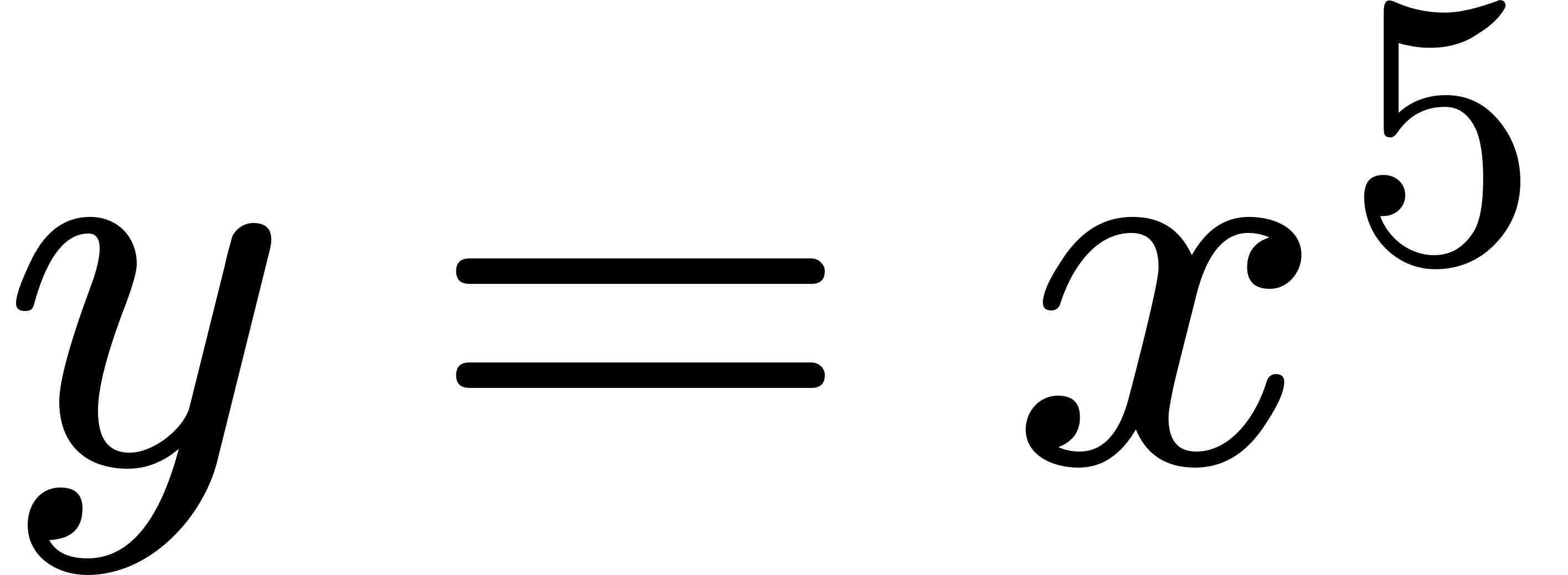 .
Then 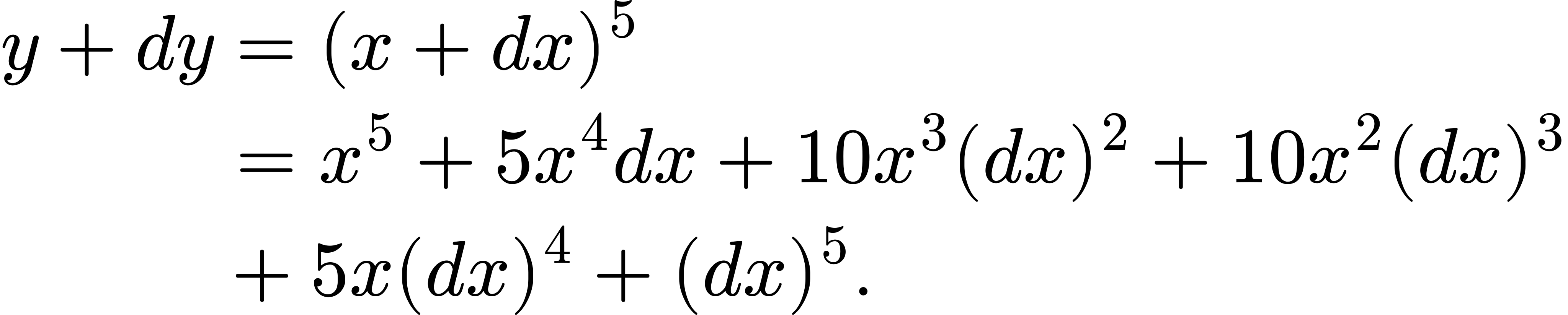
Neglecting all the terms containing small quantities of the higher orders, we have left 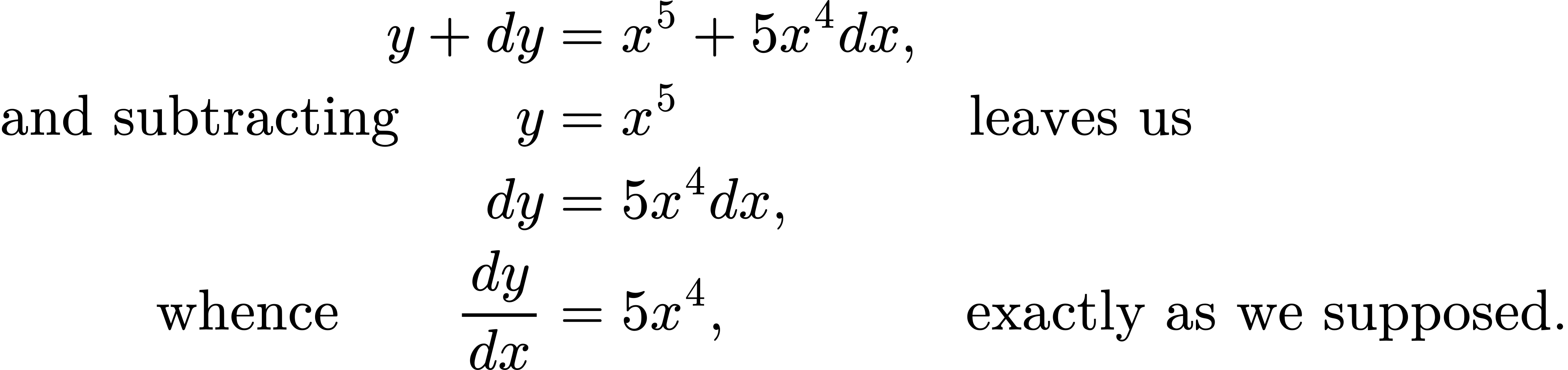
Following out logically our observation, we should conclude that if we want to deal with any higher power,—call it  —we could tackle it in the same way.
Let 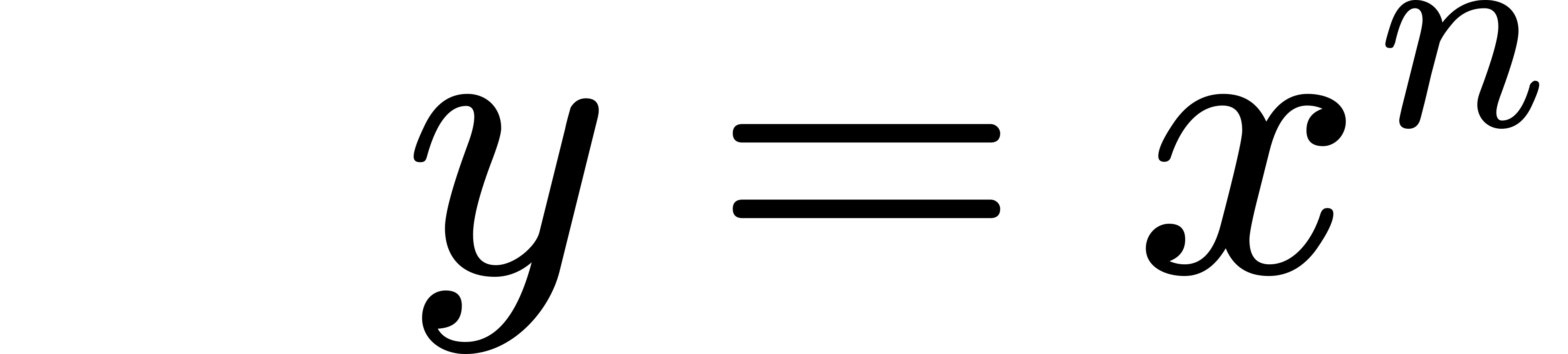 ,
then we should expect to find that 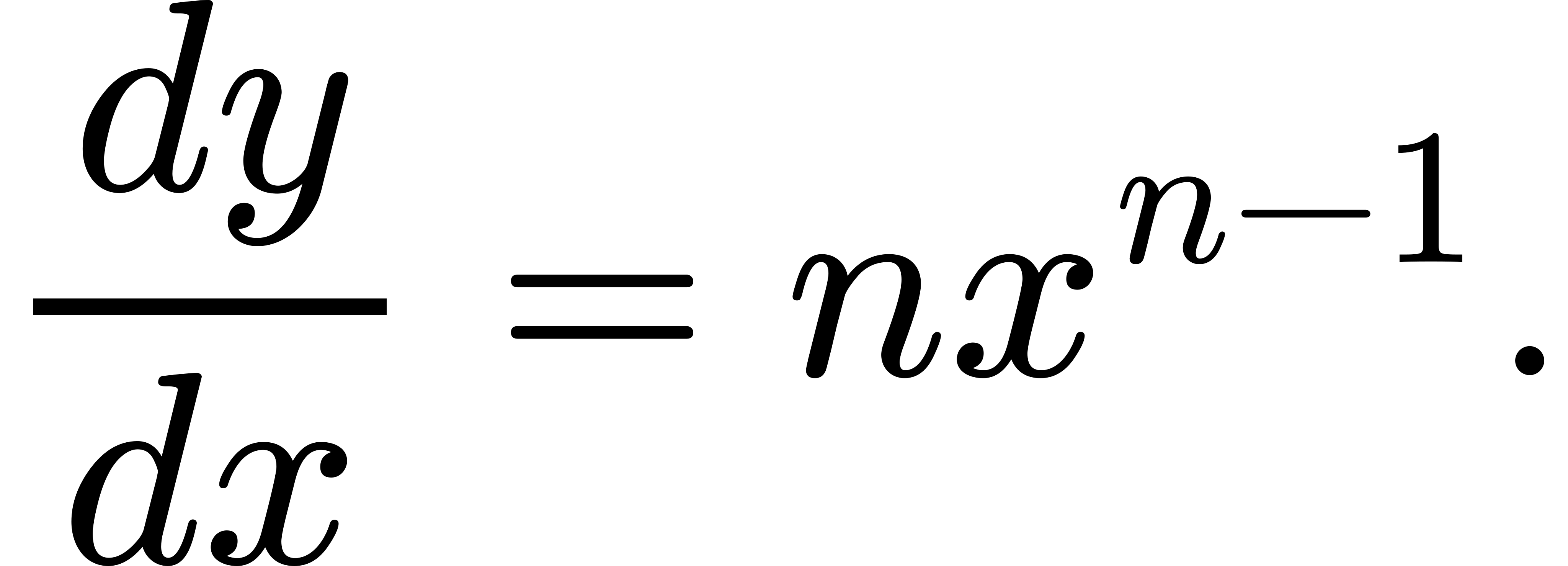
For example, let 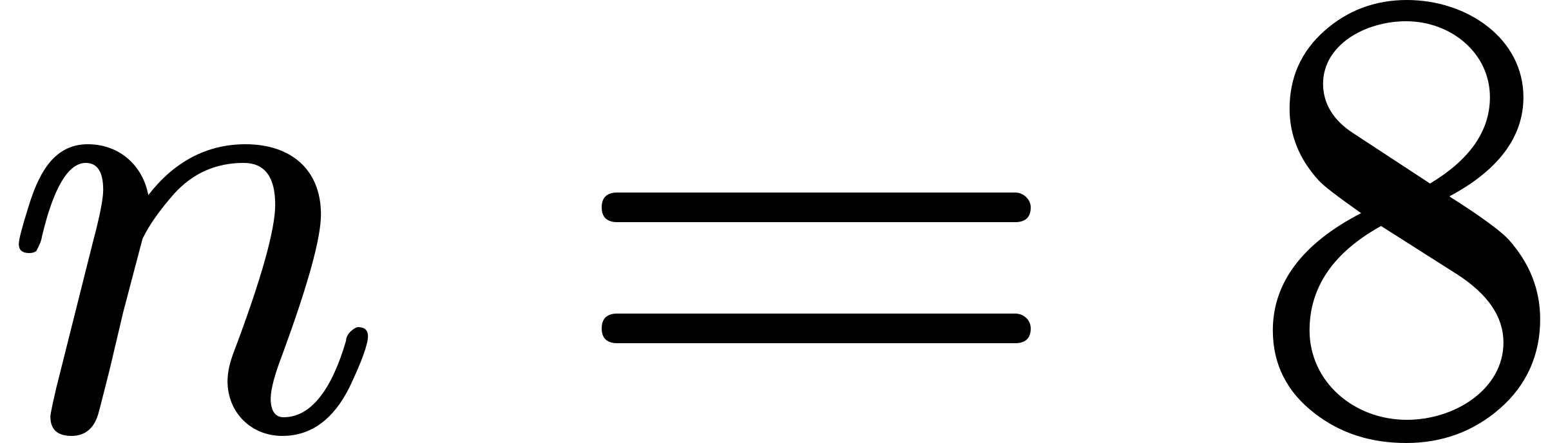 , then
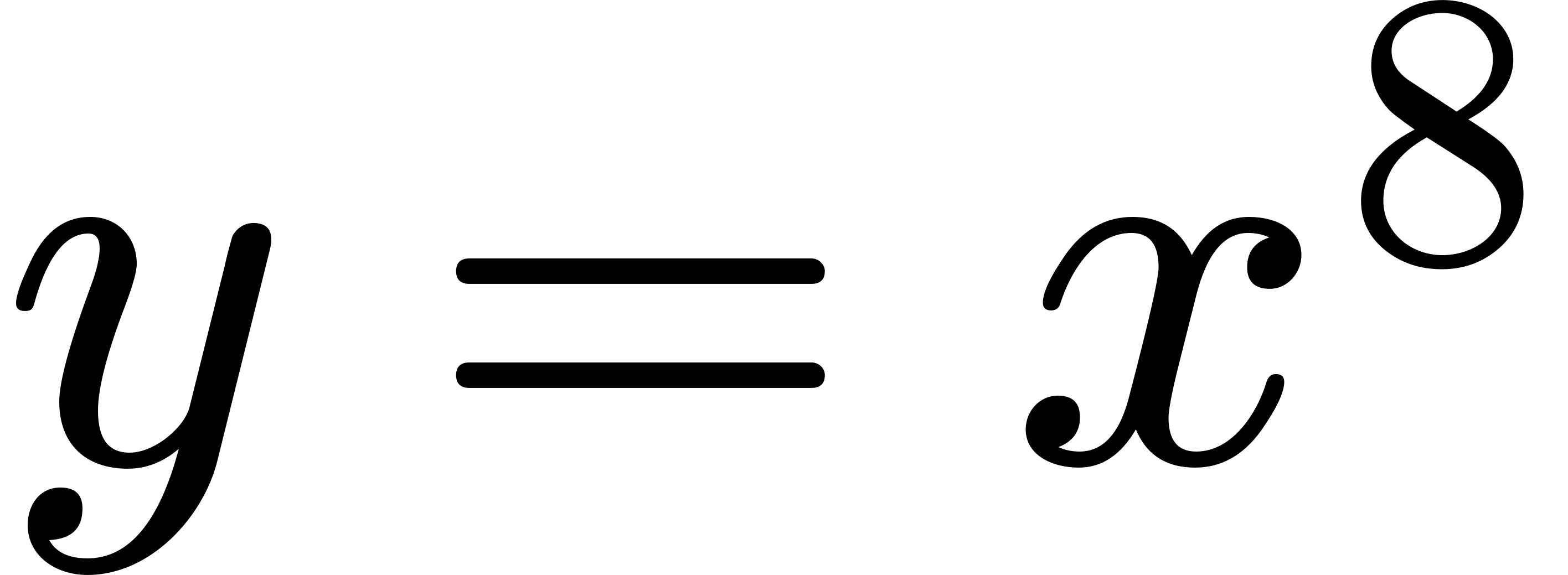 ; and differentiating it would give
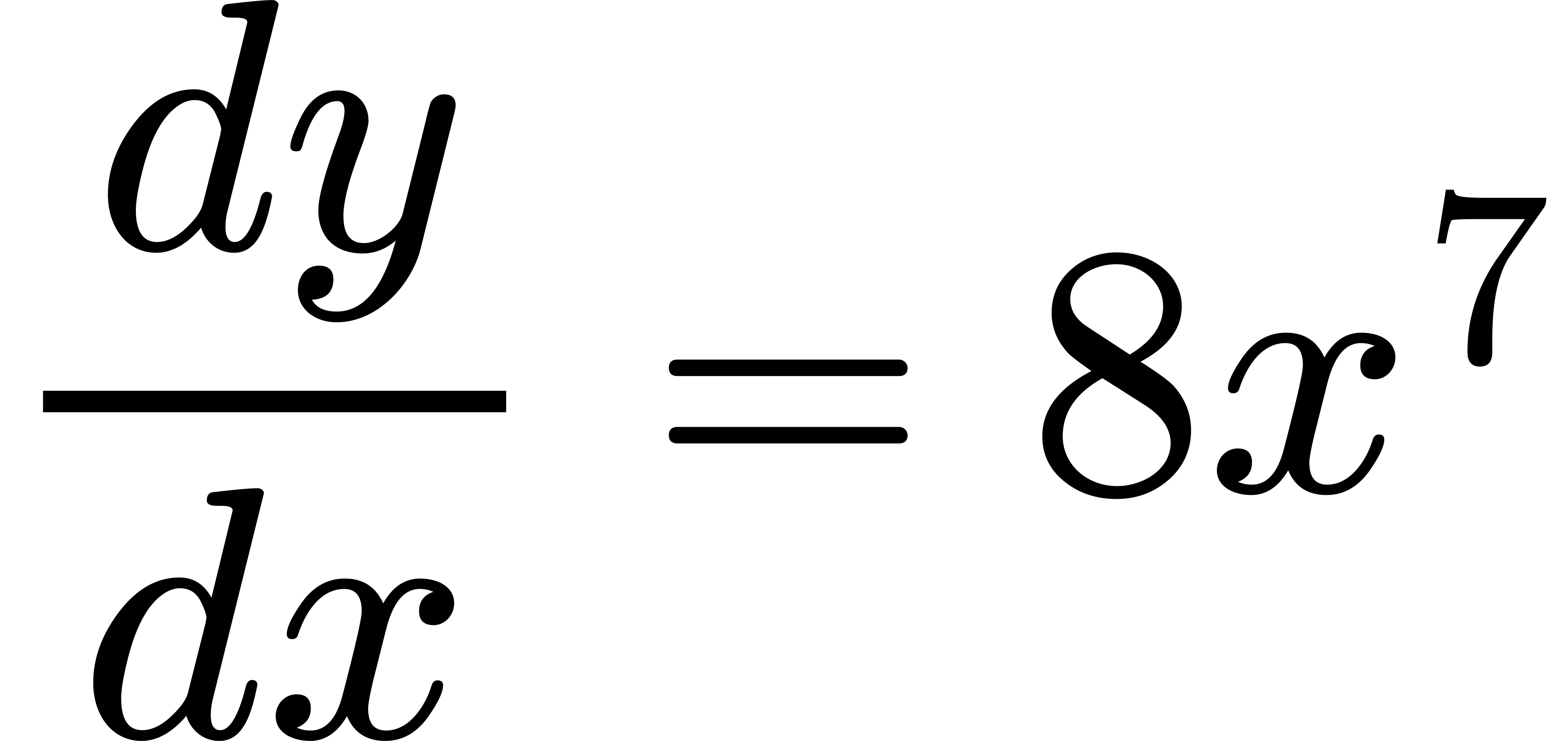 .
And, indeed, the rule that differentiating 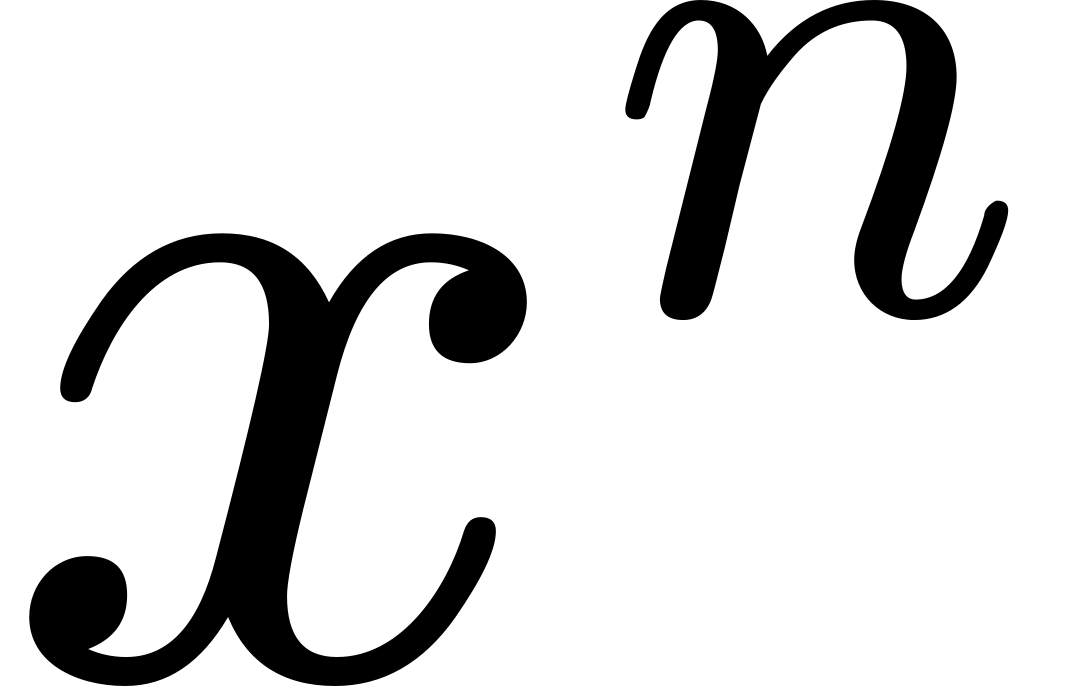 gives as the result
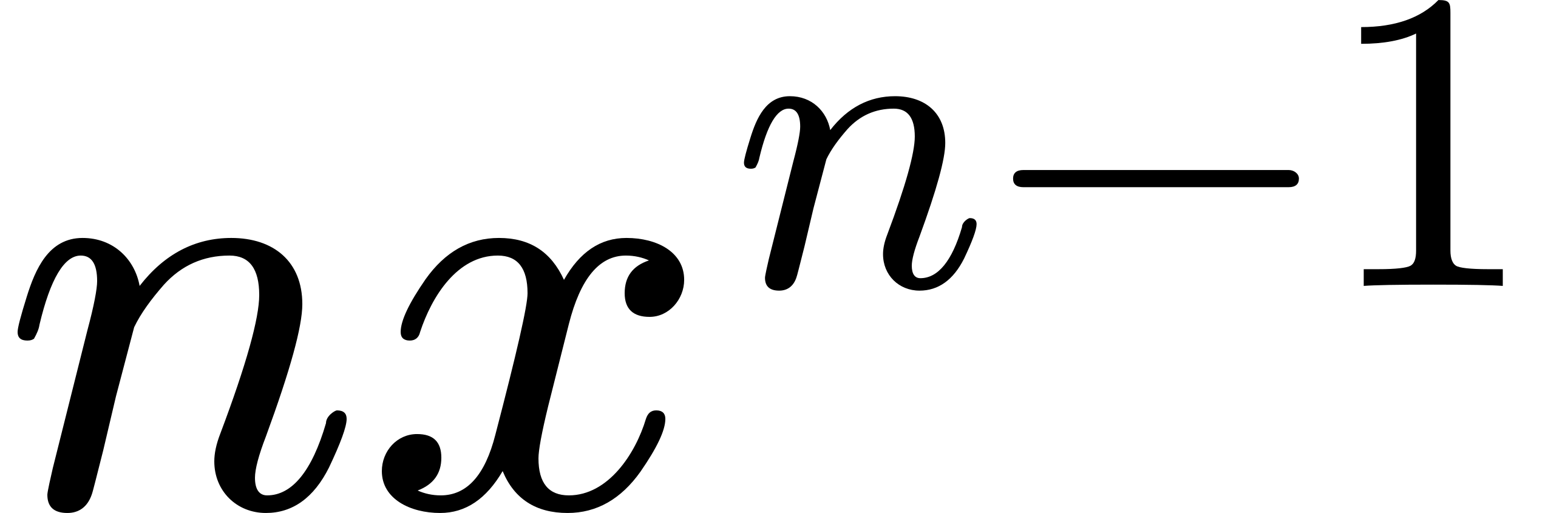 is true for all cases where is a whole number and positive. [Expanding
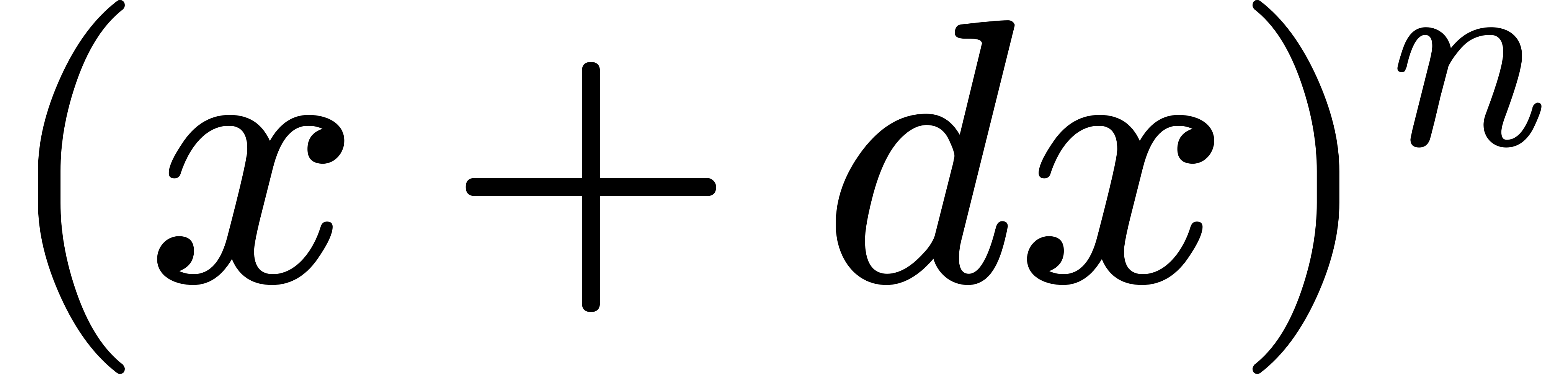 by the binomial theorem will at once show this.] But the question whether it is true for cases where has negative or fractional values requires further consideration.
Case of a negative power.
Let 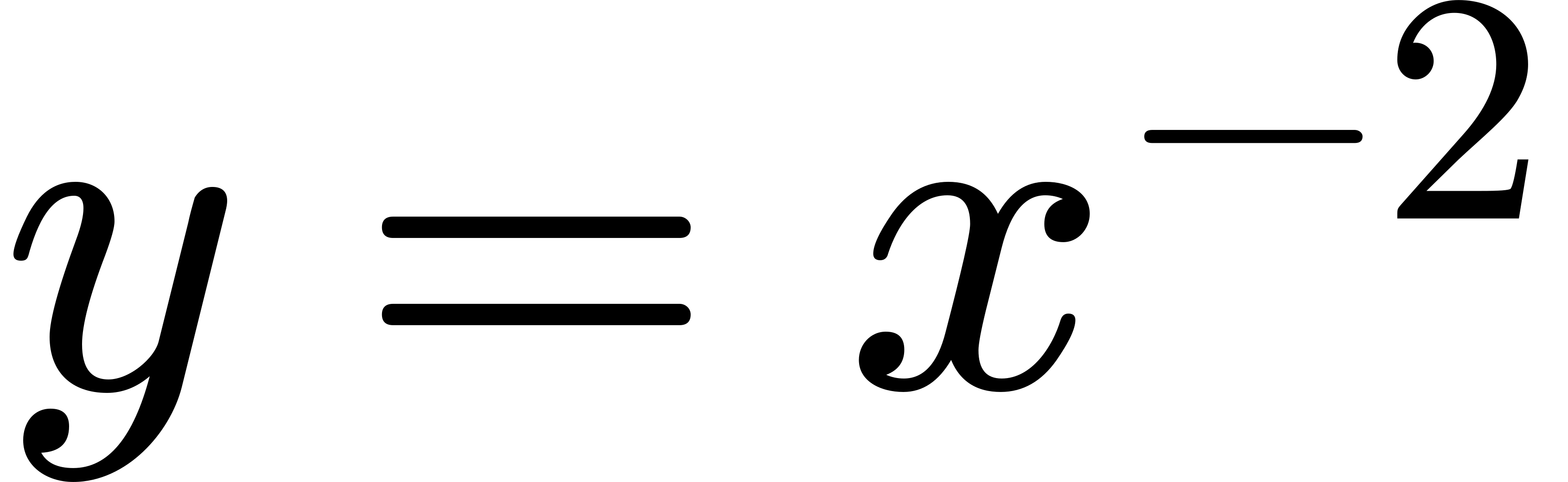 . Then proceed as before:
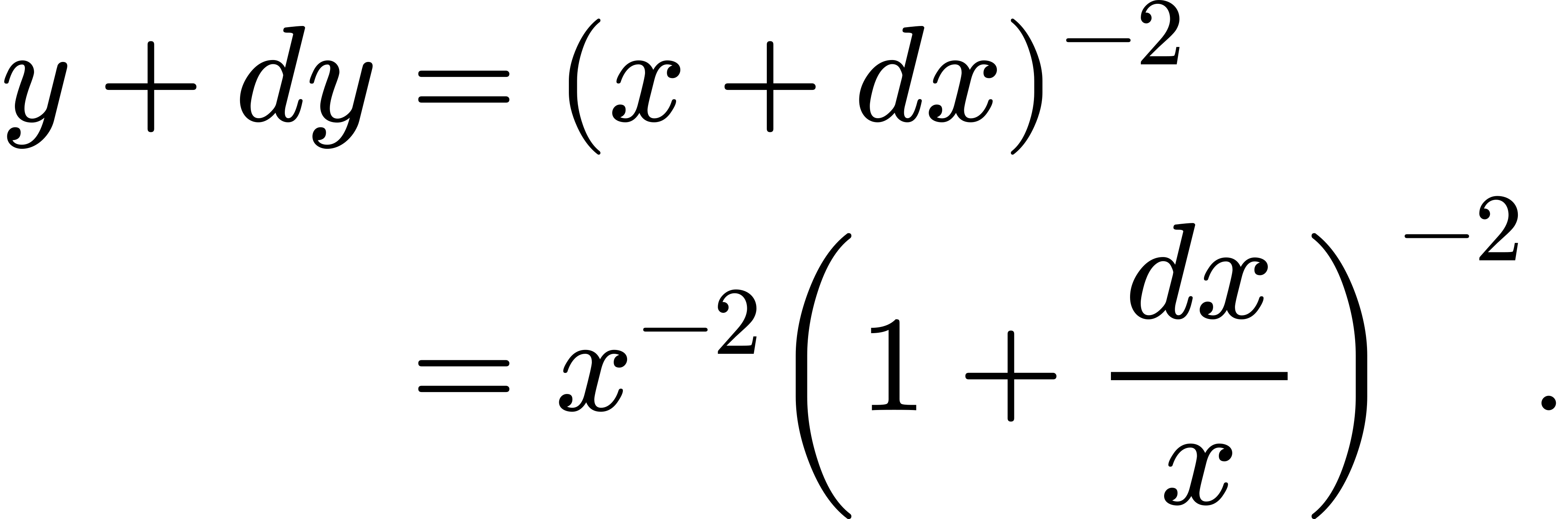
Expanding this by the binomial theorem (see p. 137), we get 
So, neglecting the small quantities of higher orders of smallness, we have:  Subtracting the original
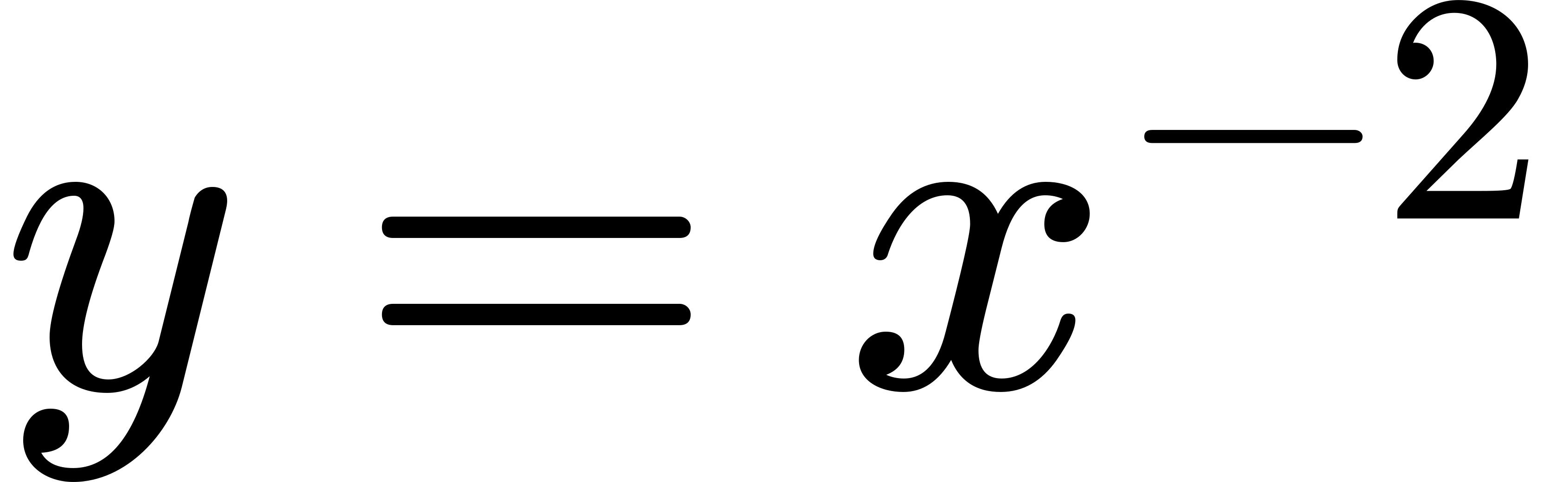 , we find
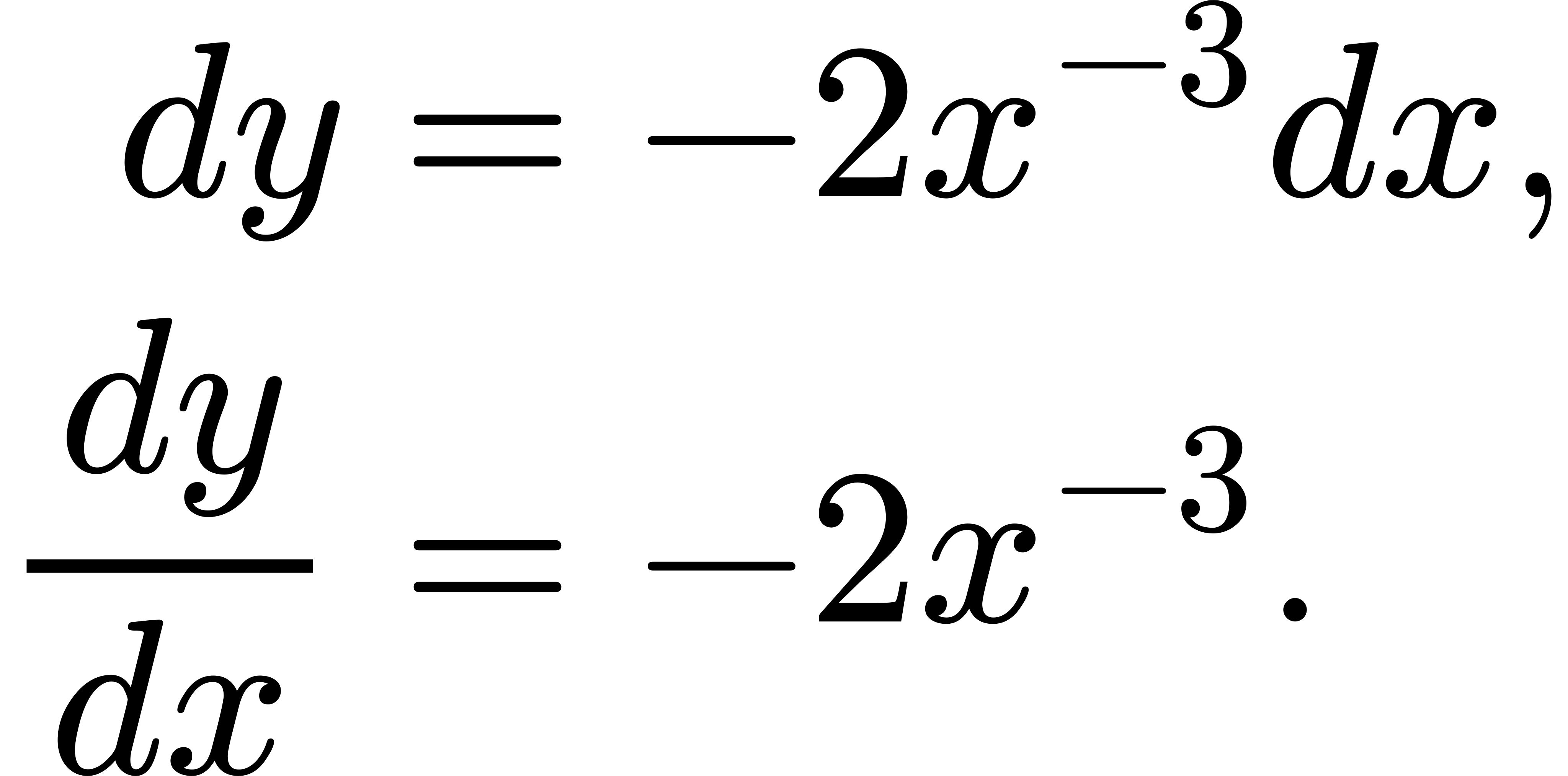 And this is still in accordance with the rule inferred above.
Case of a fractional power.
Let 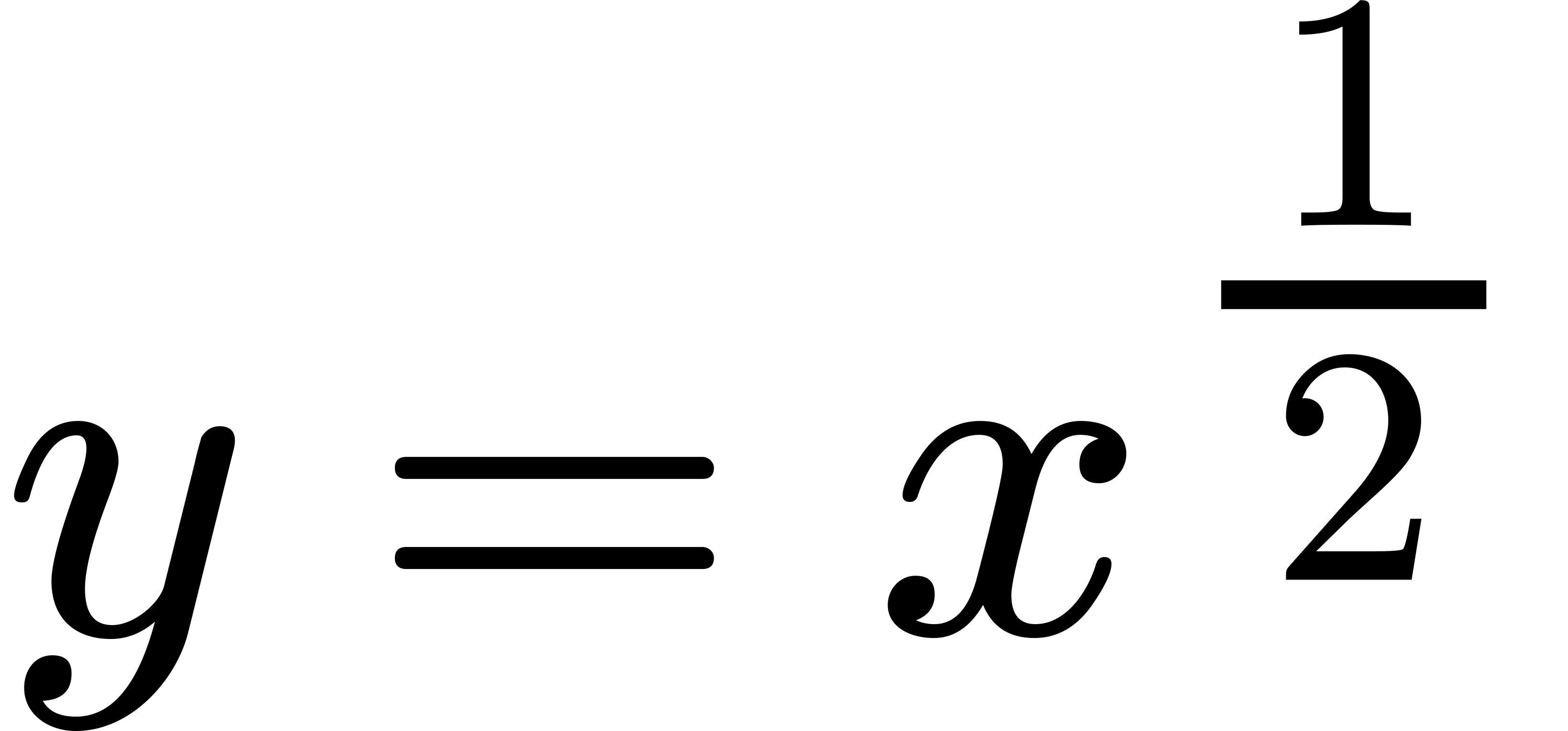 . Then, as before,
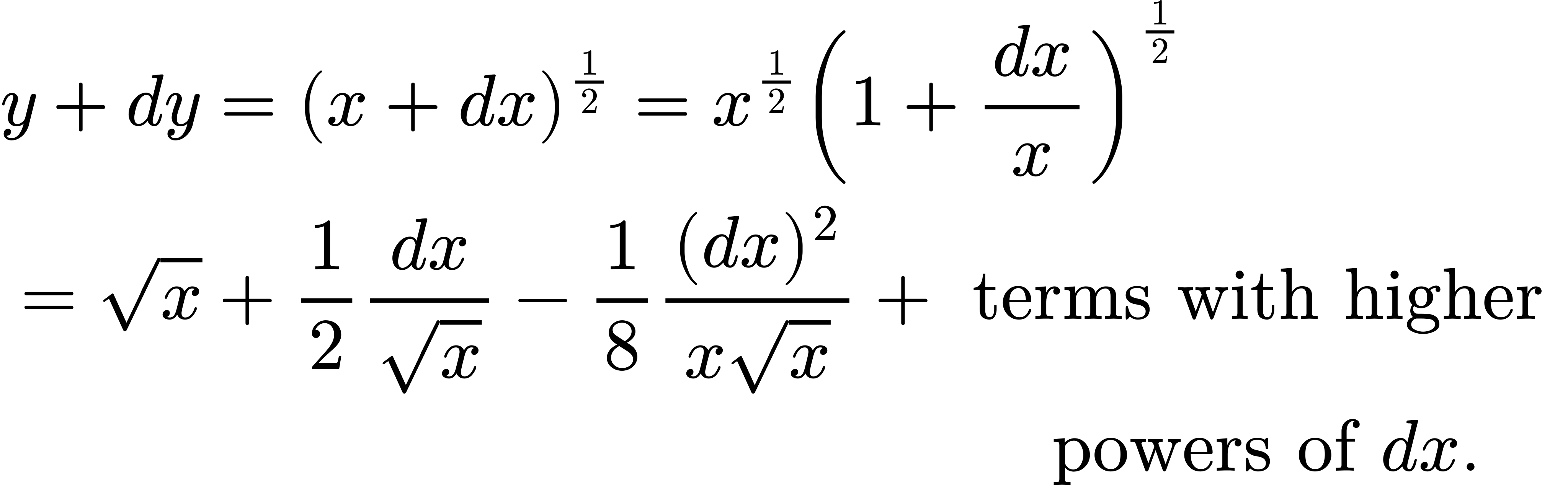
Subtracting the original , and neglecting higher powers we have left: 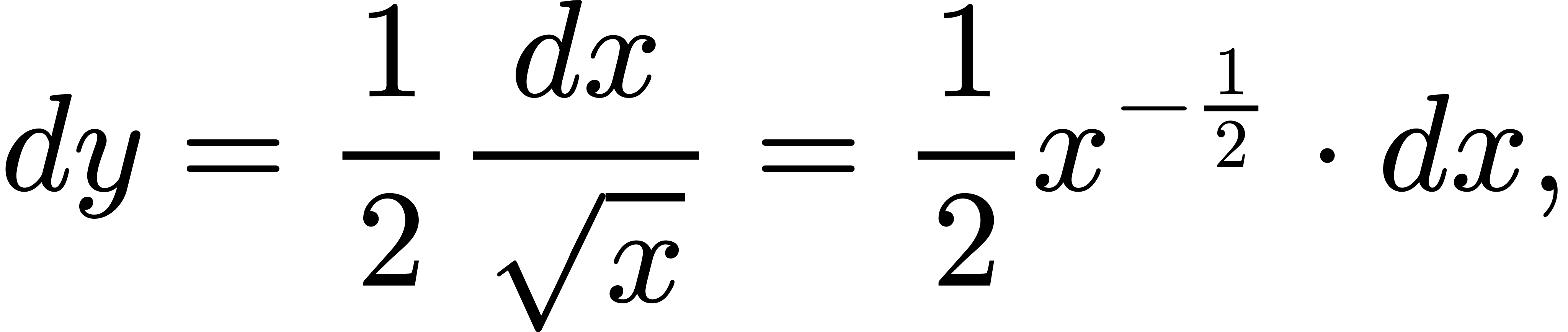 and
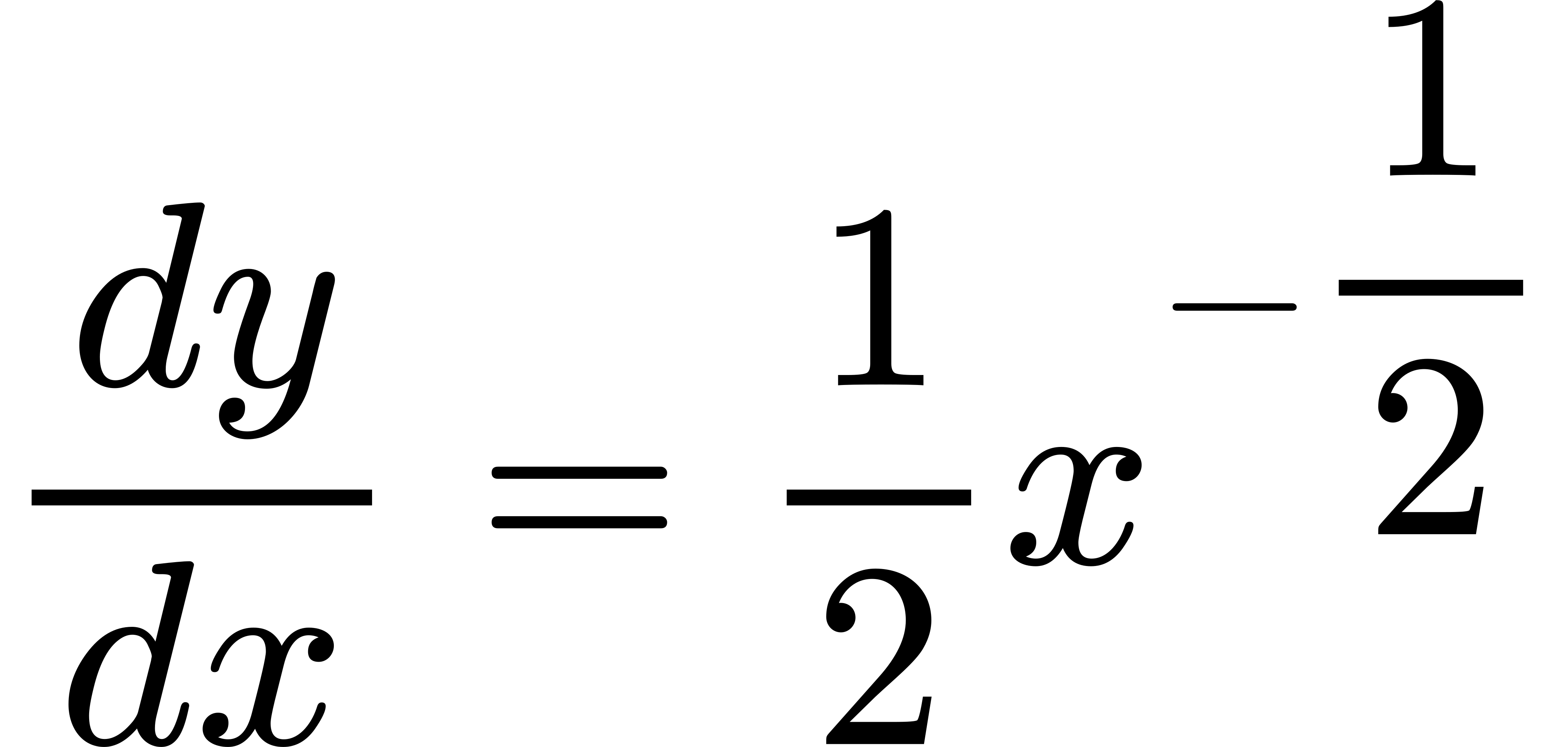 . Agreeing with the general rule.
Summary. Let us see how far we have got. We have arrived at the following rule: To differentiate , multiply by the power and reduce the power by one, so giving us 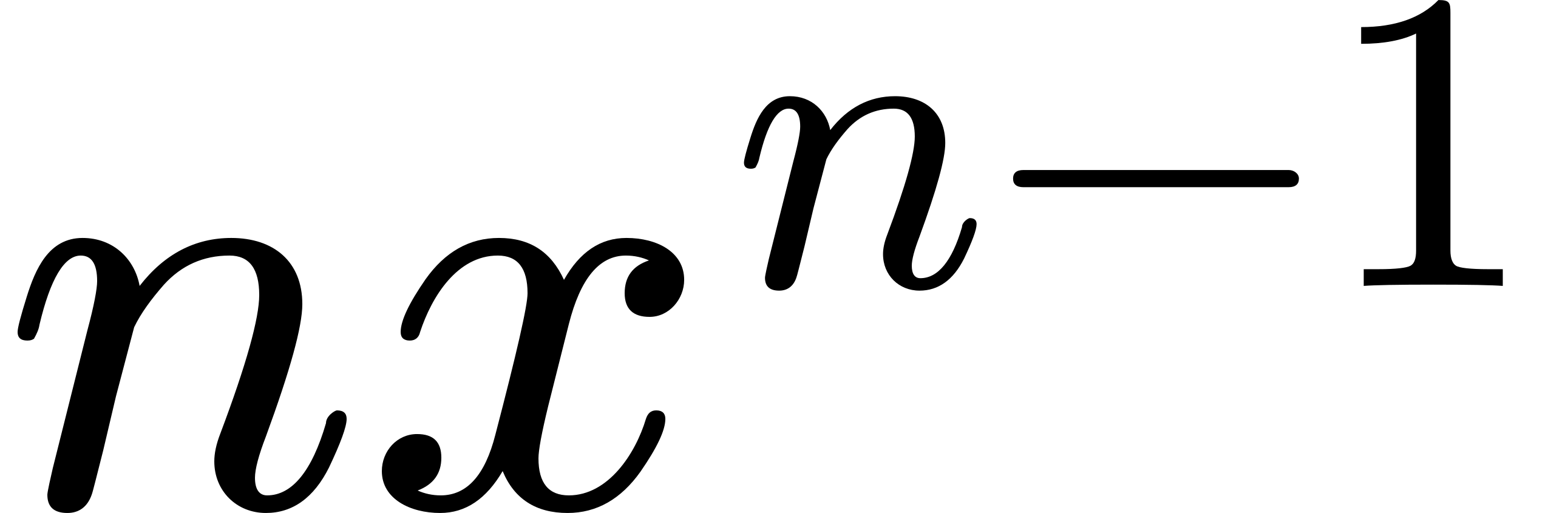 as the result.
Exercises I. (See p. 252 for Answers.)
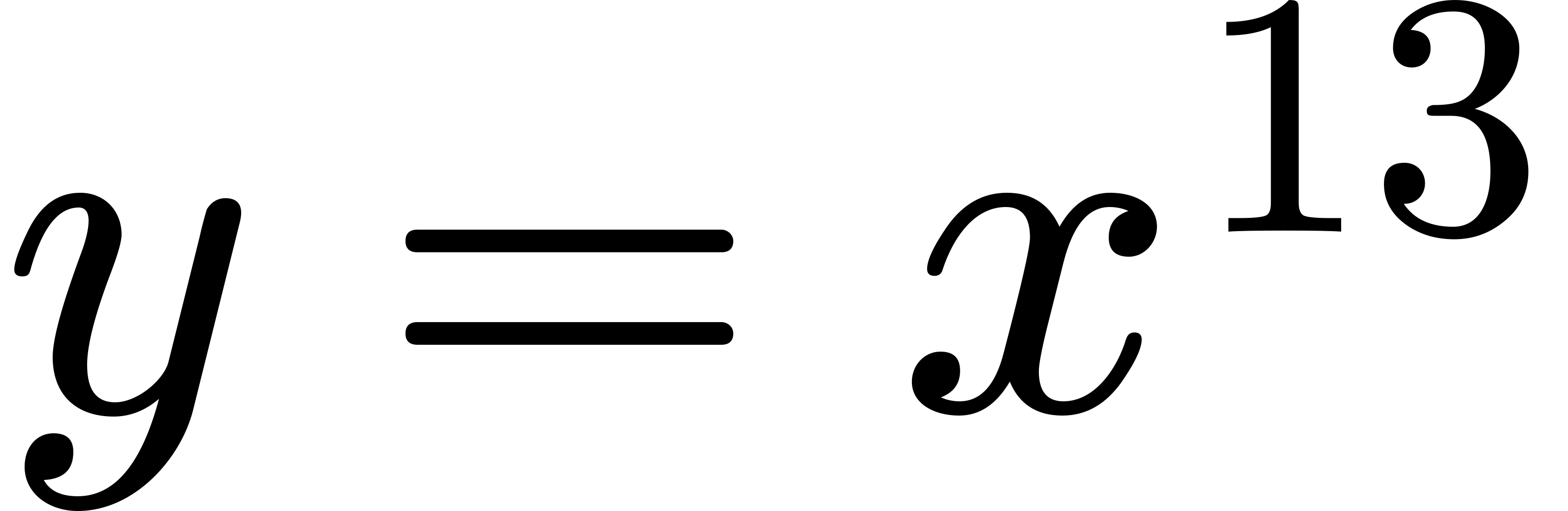
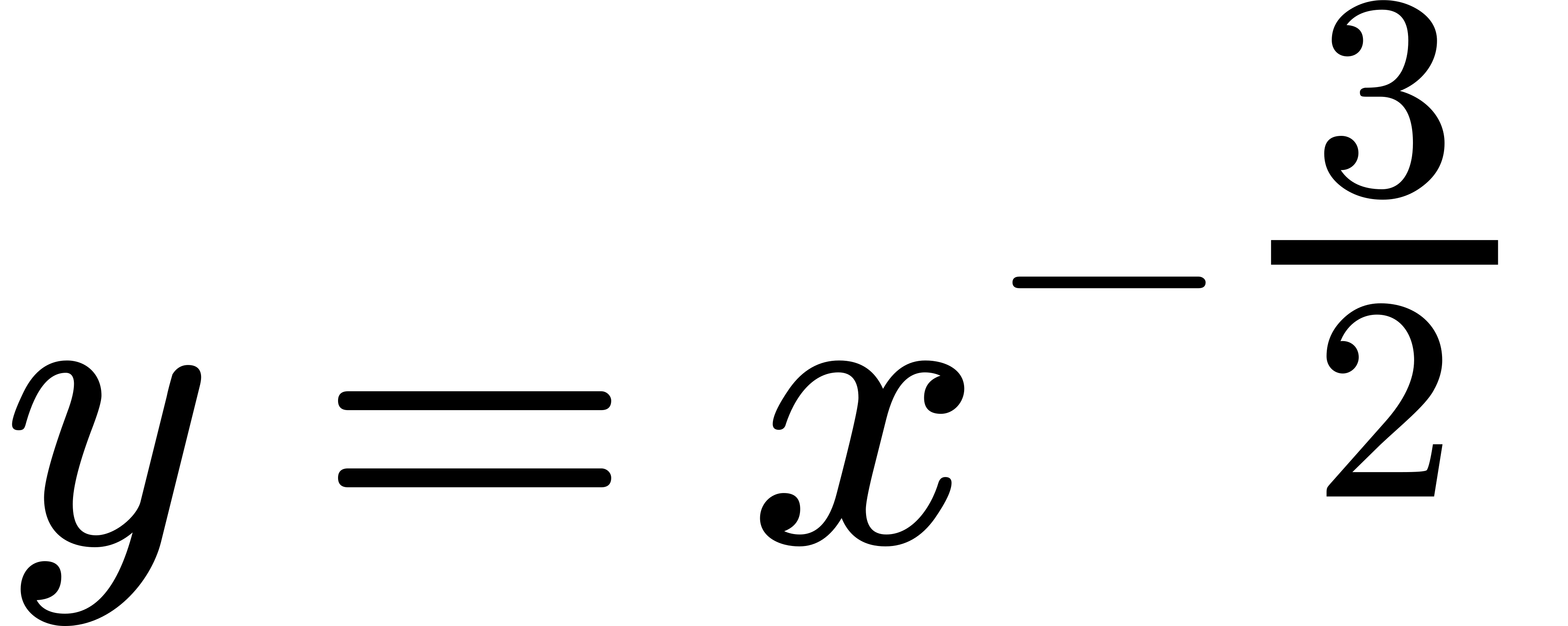
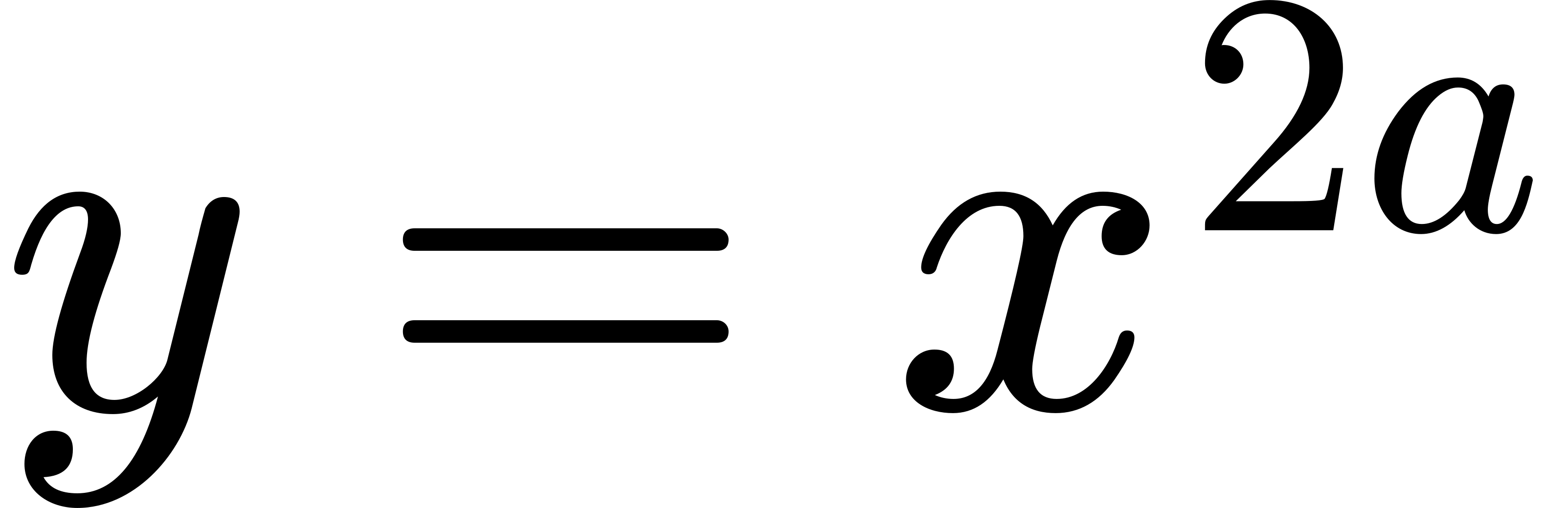
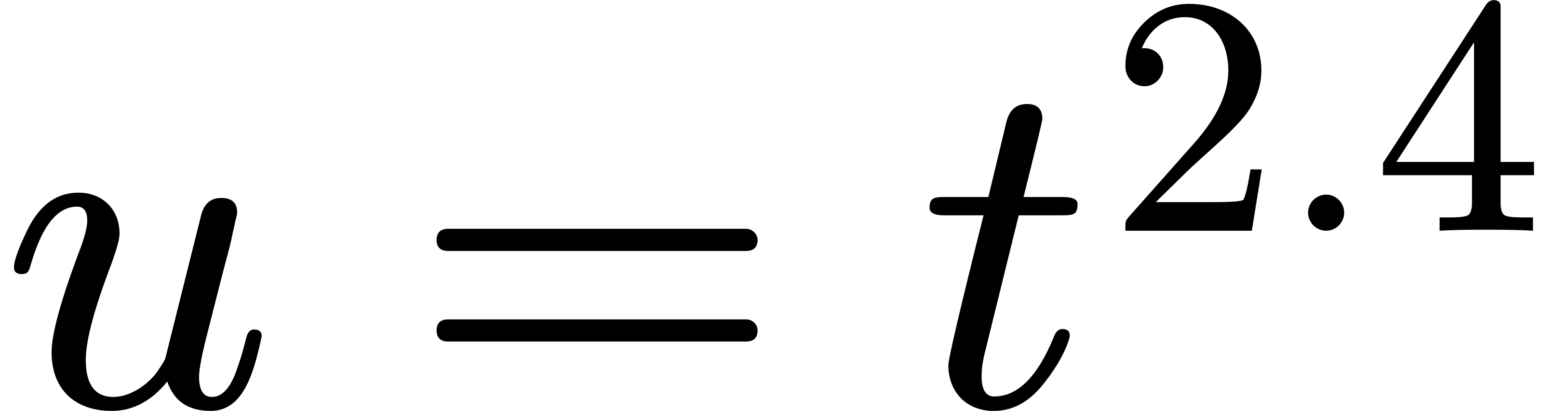
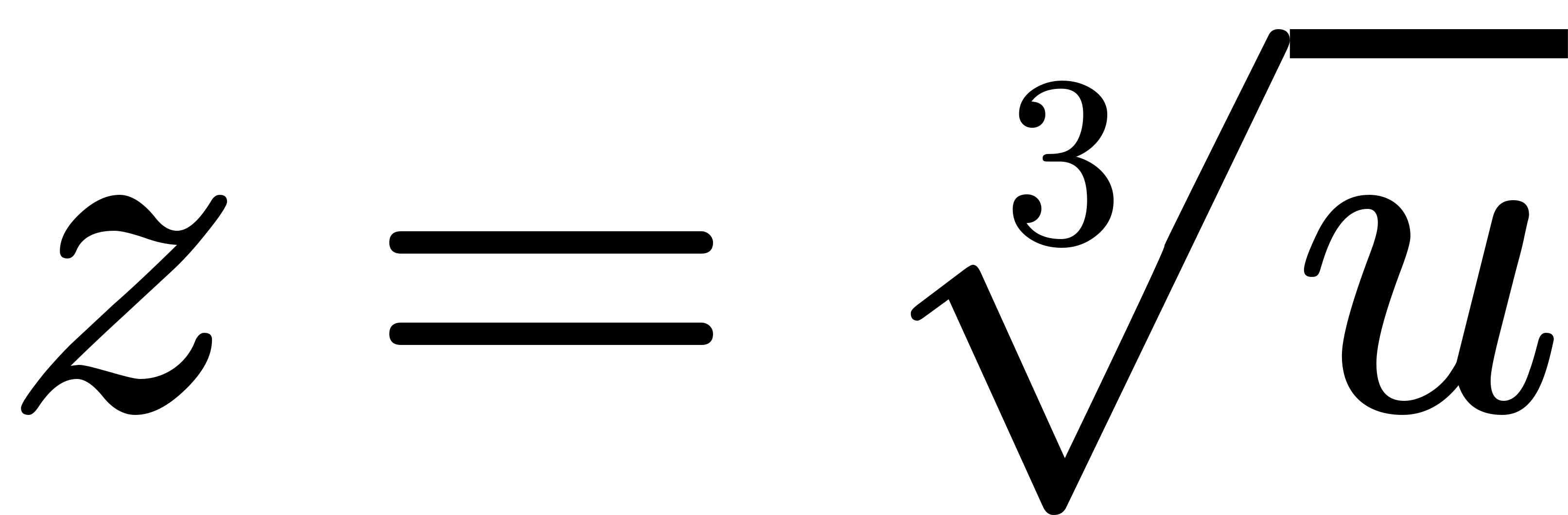
Differentiate the following:
(1) 
(2) 
(3) 
(4) 
(5) 
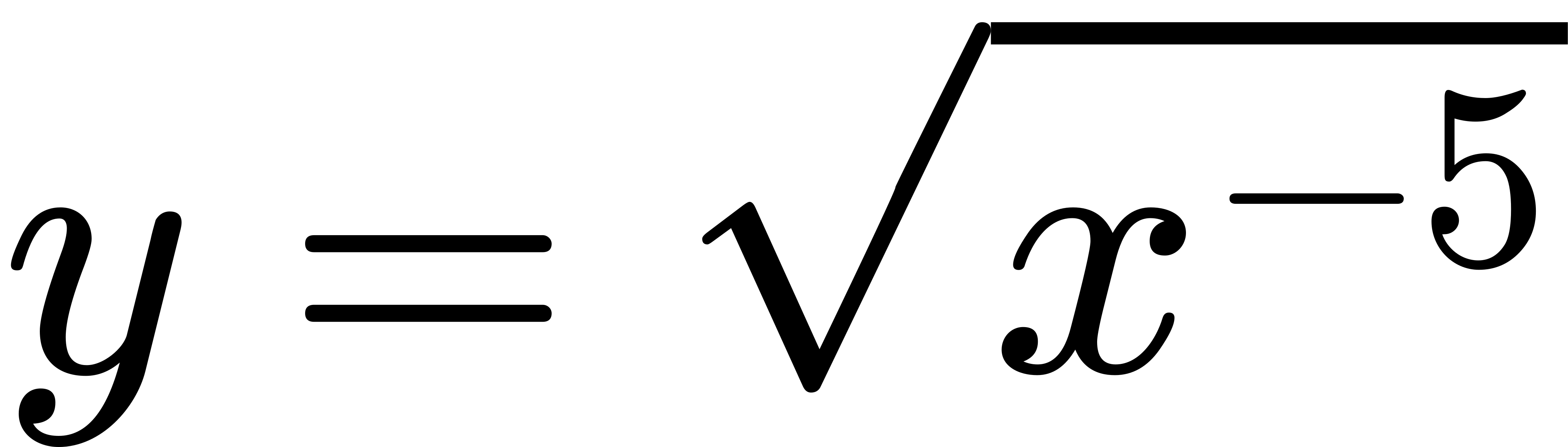
(6) 
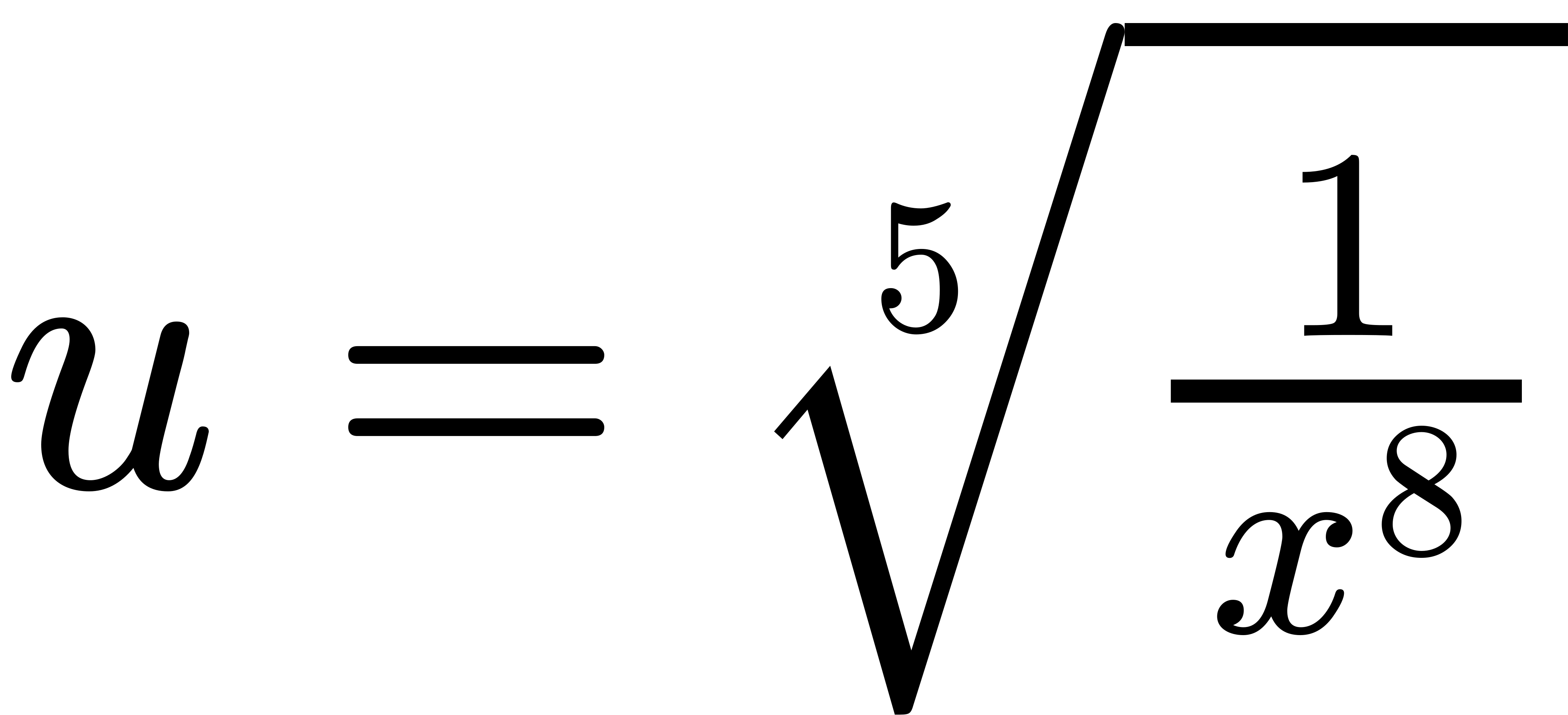
(7) 
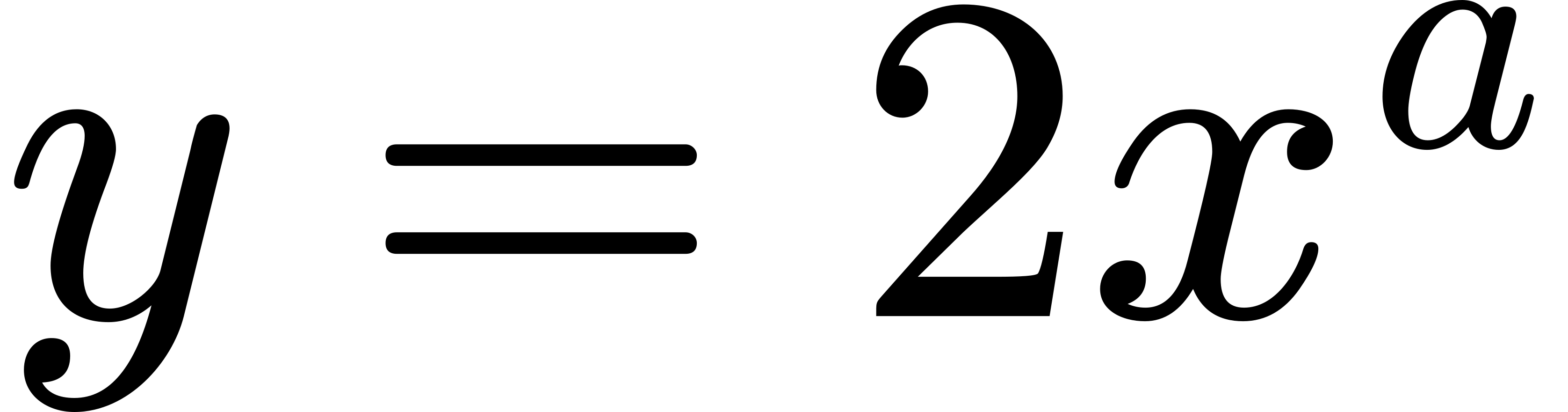
(8) 
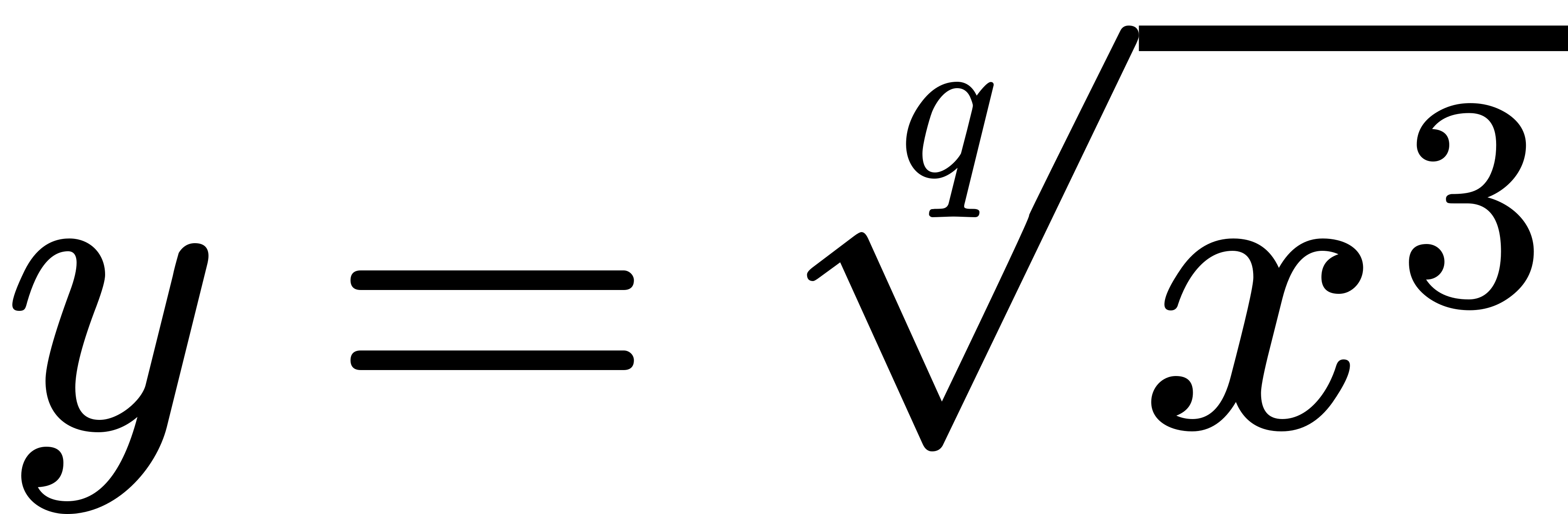
(9) 
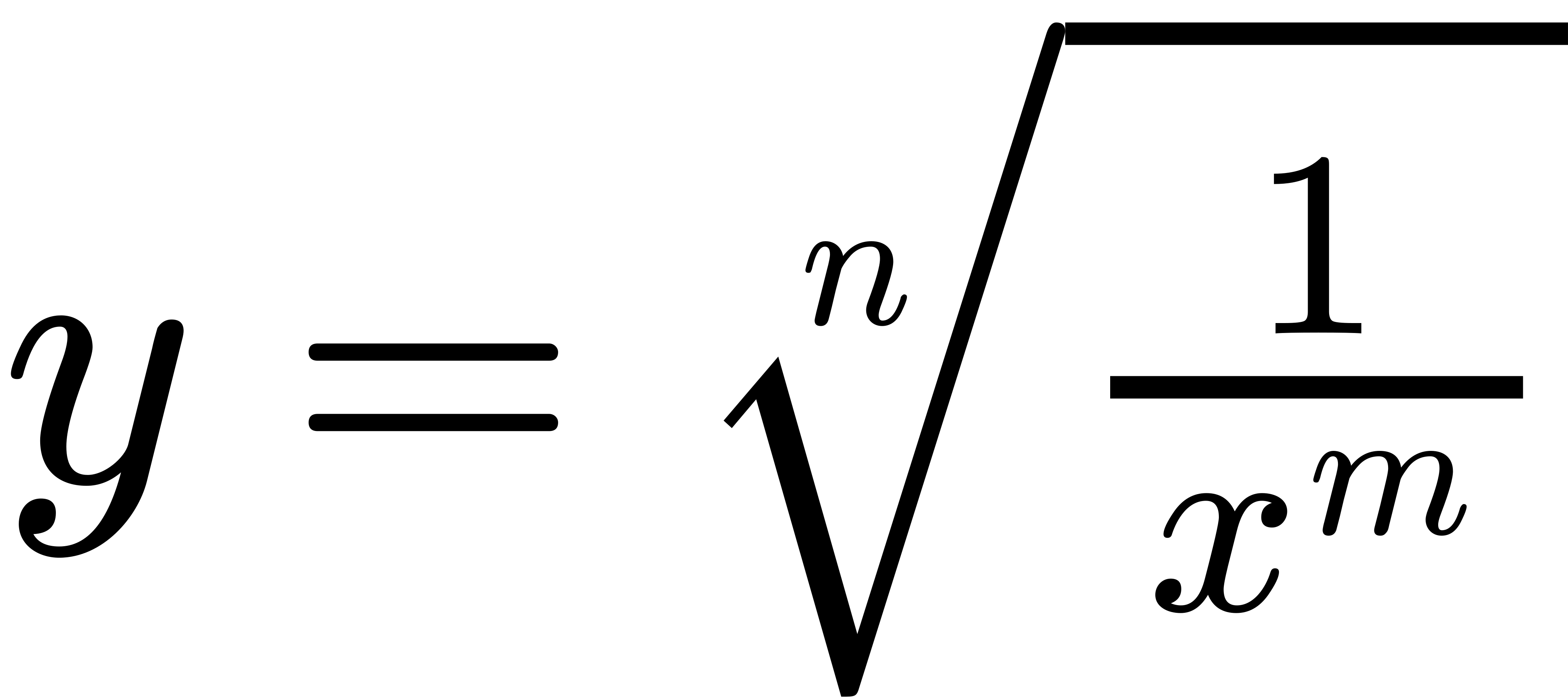
(10) 
You have now learned how to differentiate powers of . How easy it is!
6.1 Footnotes:
[3] N.B.—This ratio is the result of differentiating with respect to . Differentiating means finding the differential coefficient. Suppose we had some other function of , as, for example,  . Then if we were told to differentiate this with respect to , we should have to find
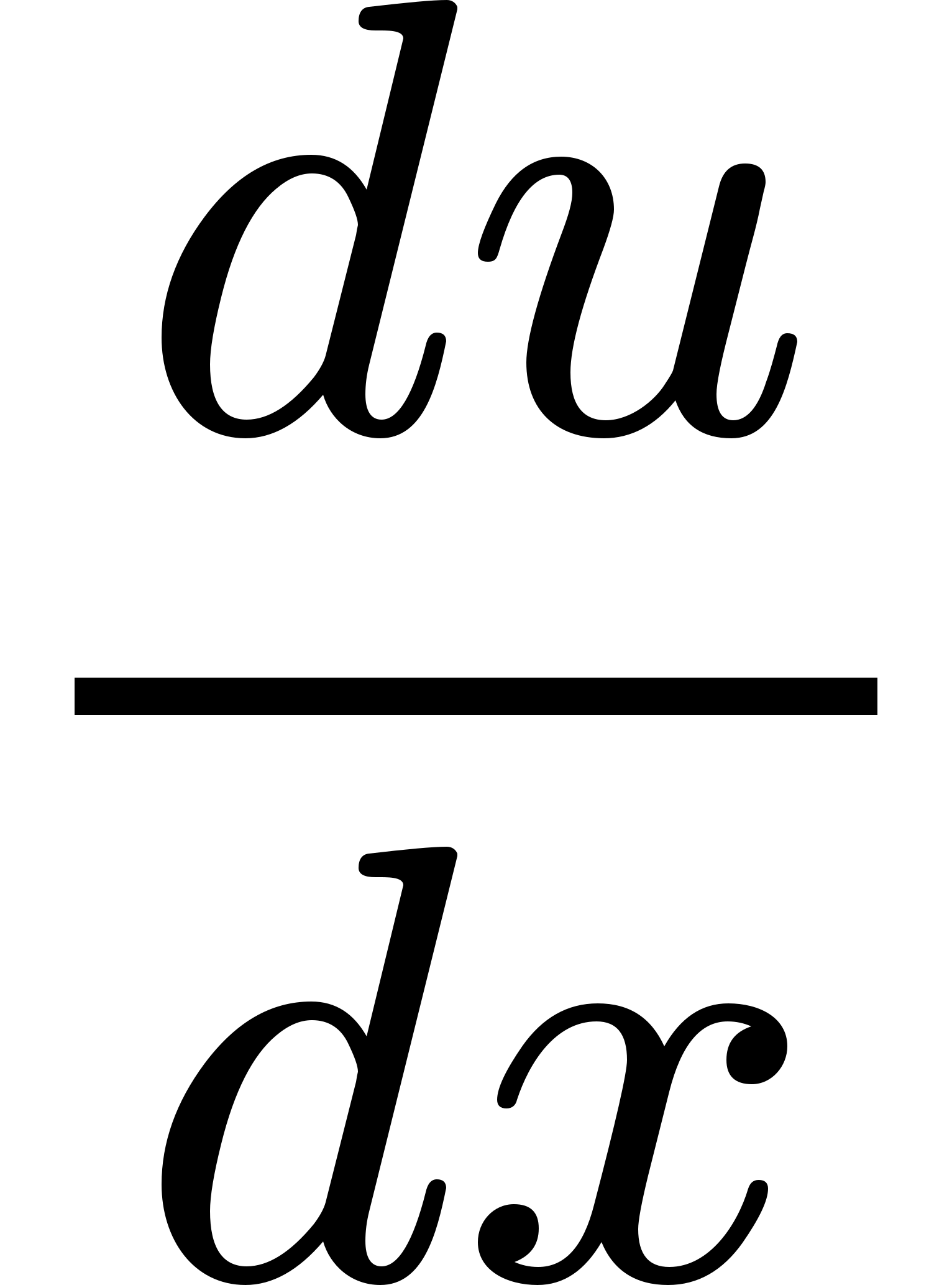 , or, what is the same thing,
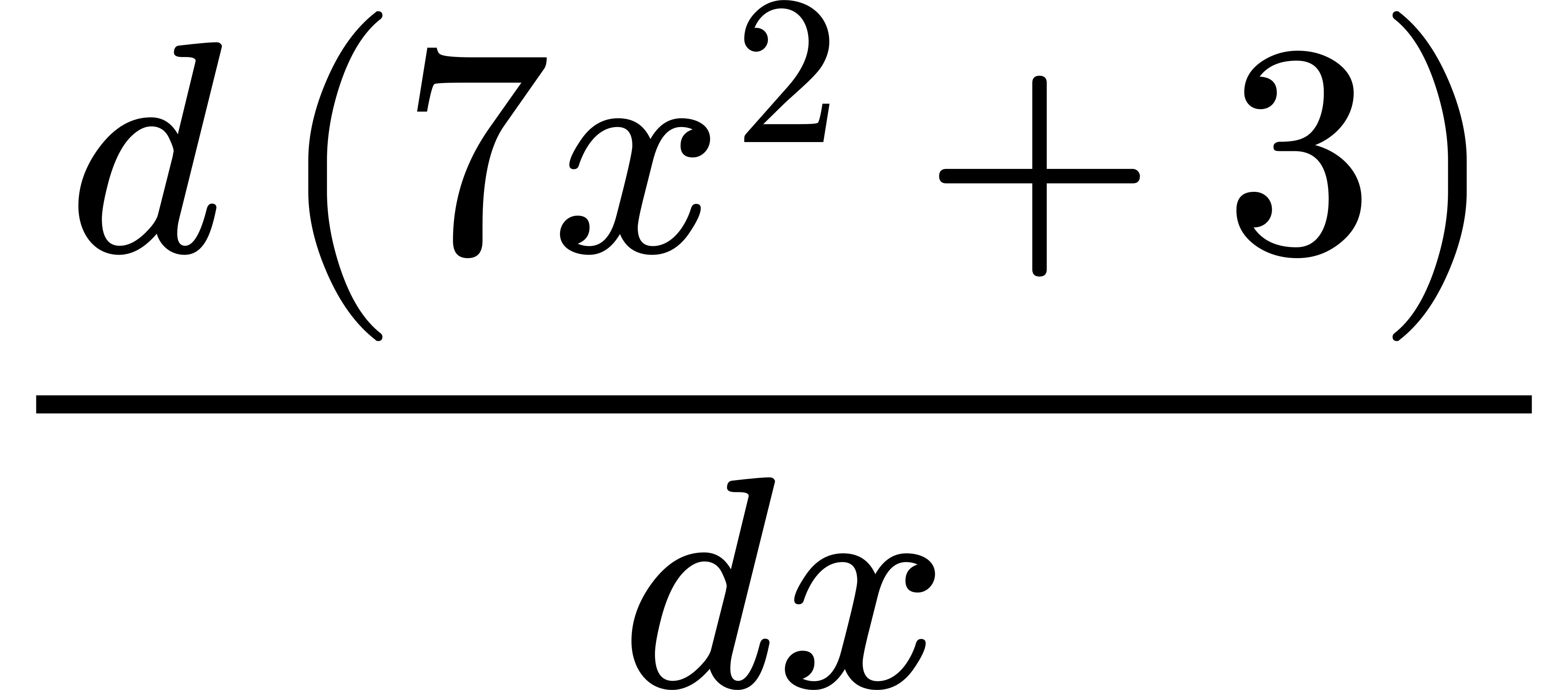 . On the other hand, we may have a case in which time was the independent variable (see p. 14), such as this:
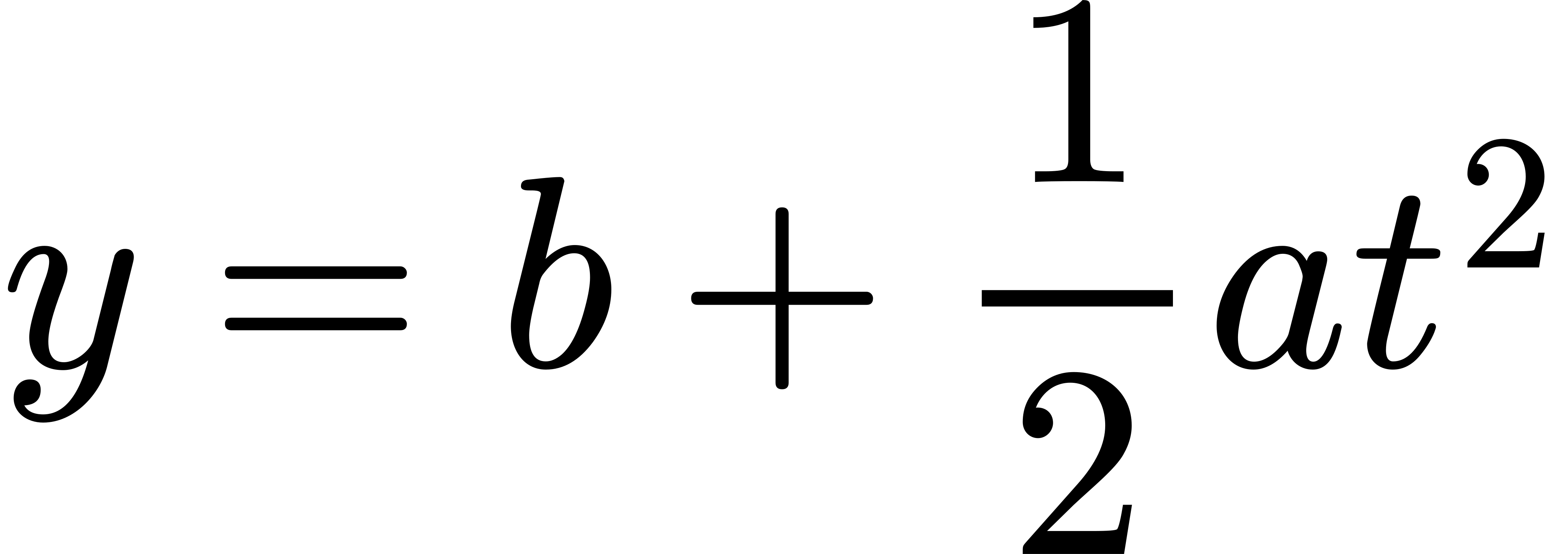 . Then, if we were told to differentiate it, that means we must find its differential coefficient with respect to
 . So that then our business would be to try to find
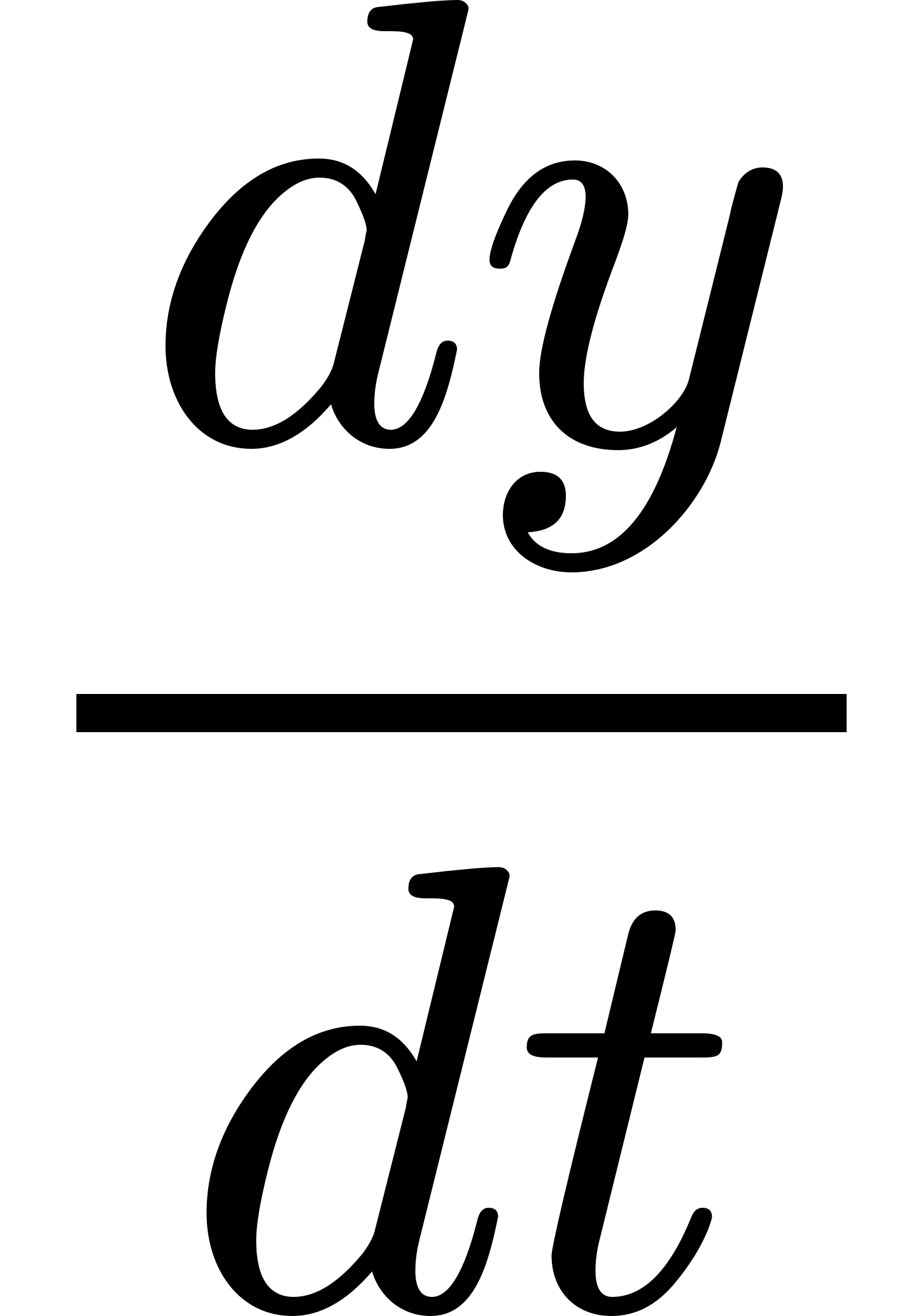 , that is, to find
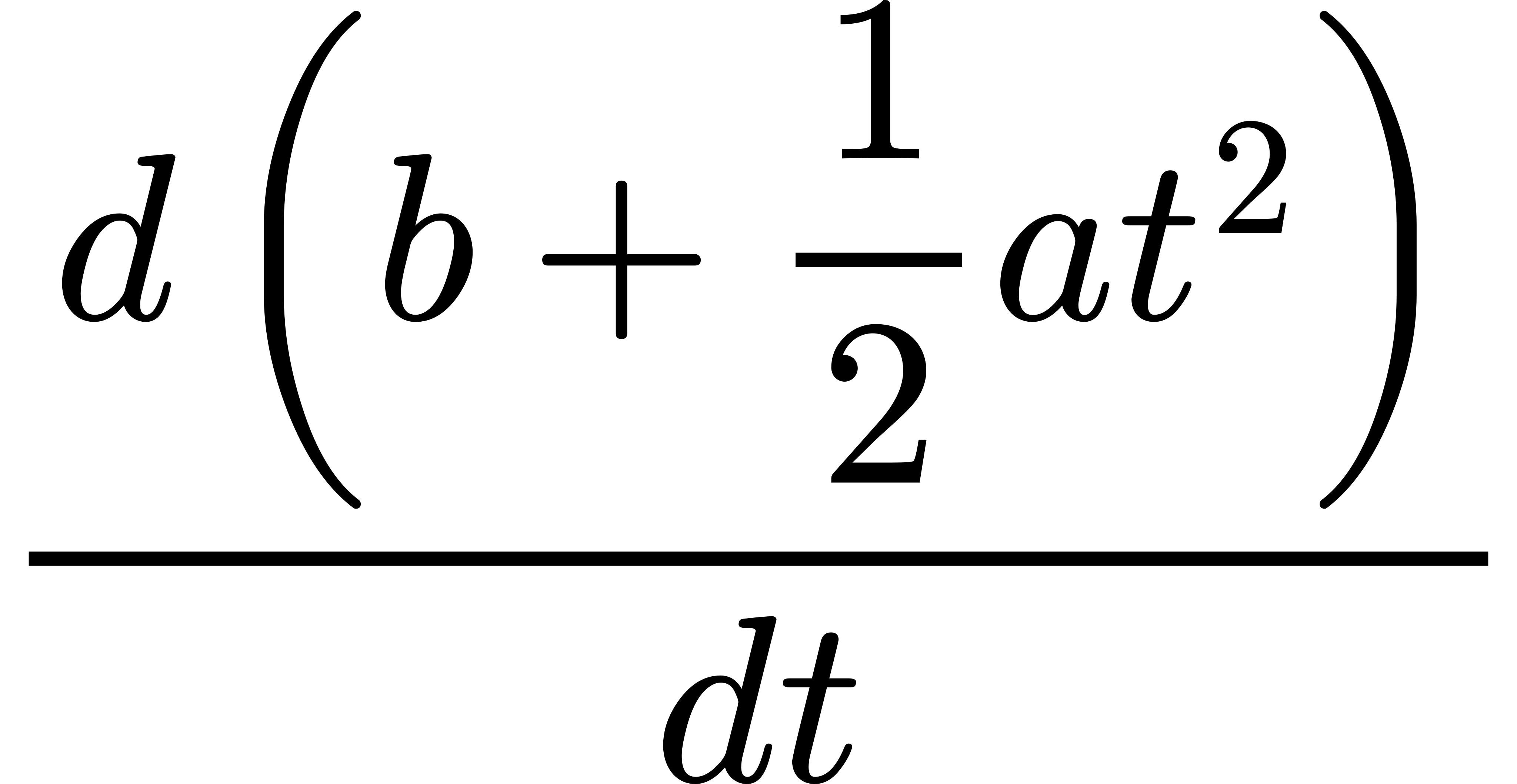 .