Chapter 5: NOTE TO CHAPTER III. How to read Differentials
5.1 NOTE TO CHAPTER III. How to read Differentials
It will never do to fall into the schoolboy error of thinking that 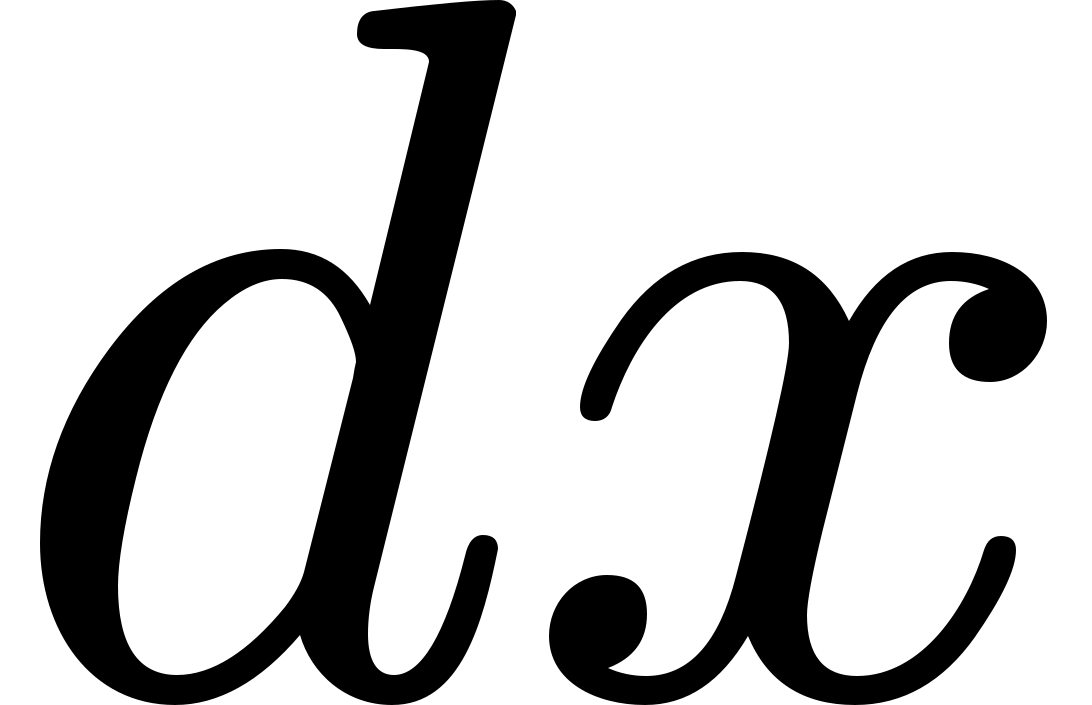 means
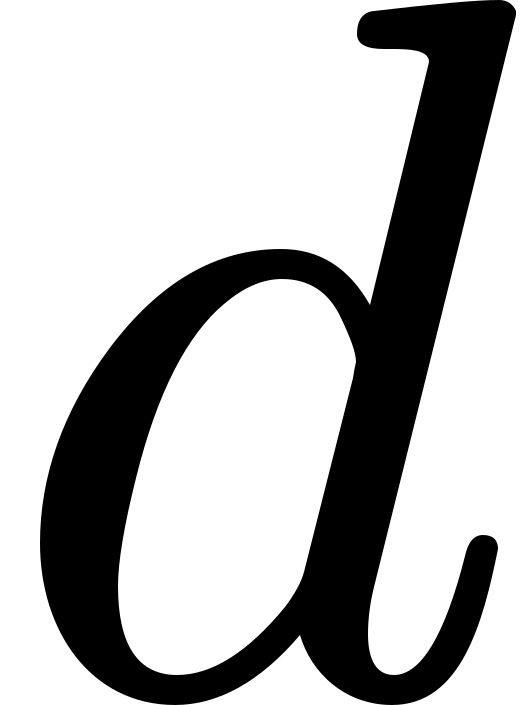 times
 , for is not a factor-it means "an element of" or "a bit of" whatever follows. One reads
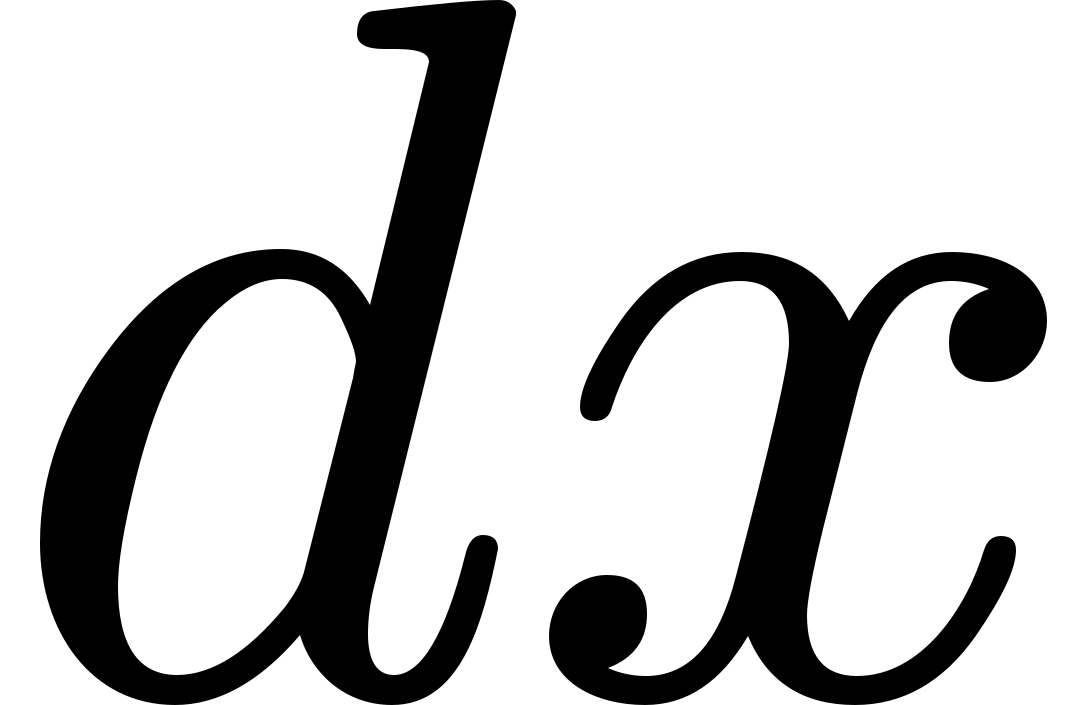 thus: "dee-eks."
In case the reader has no one to guide him in such matters it may here be simply said that one reads differential coefficients in the following way. The differential coefficient 
So also 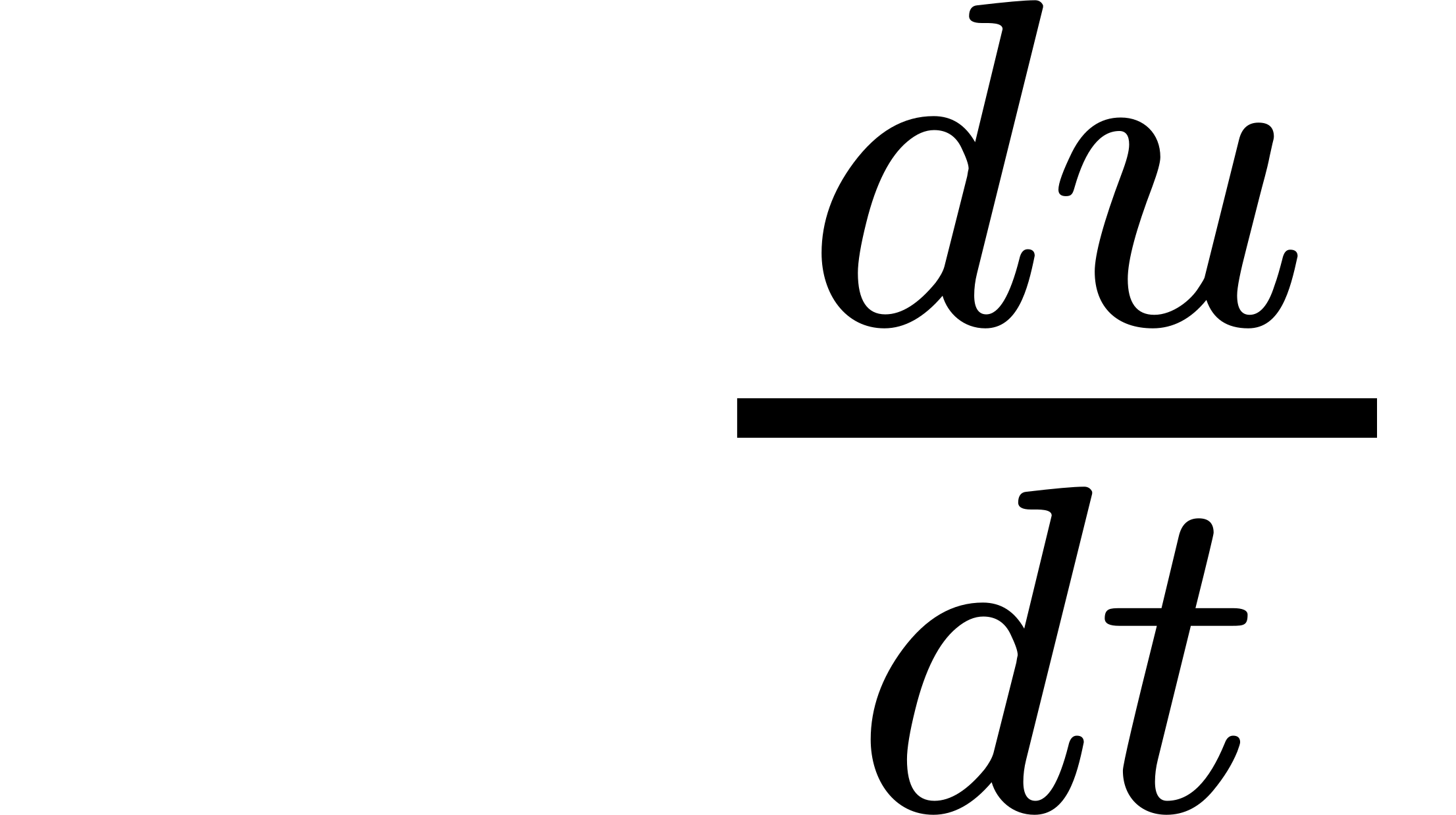 is read "dee-you by dee-tee." Second differential coefficients will be met with later on. They are like this:
 and it means that the operation of differentiating
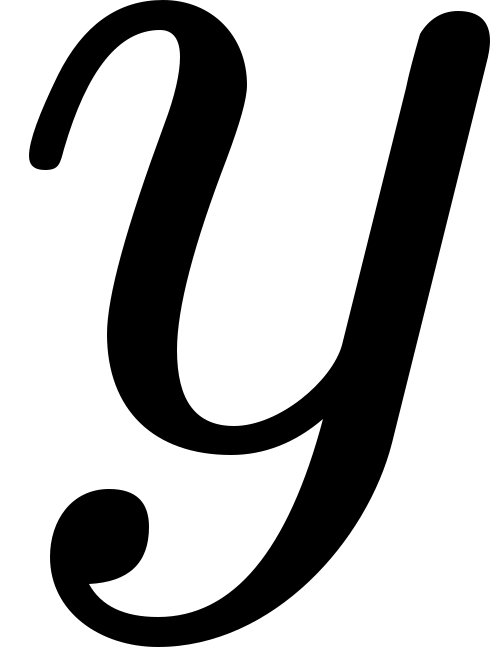 with respect to has been (or has to be) performed twice over.
Another way of indicating that a function has been differentiated is by putting an accent to the symbol of the function. Thus if 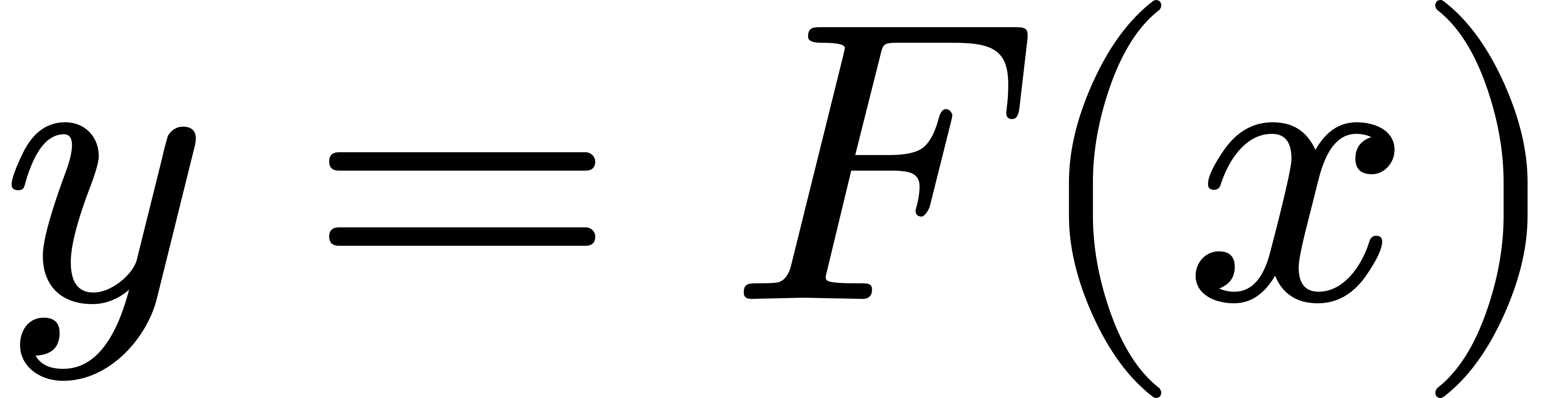 , which means that is some unspecified function of (see p. 13), we may write
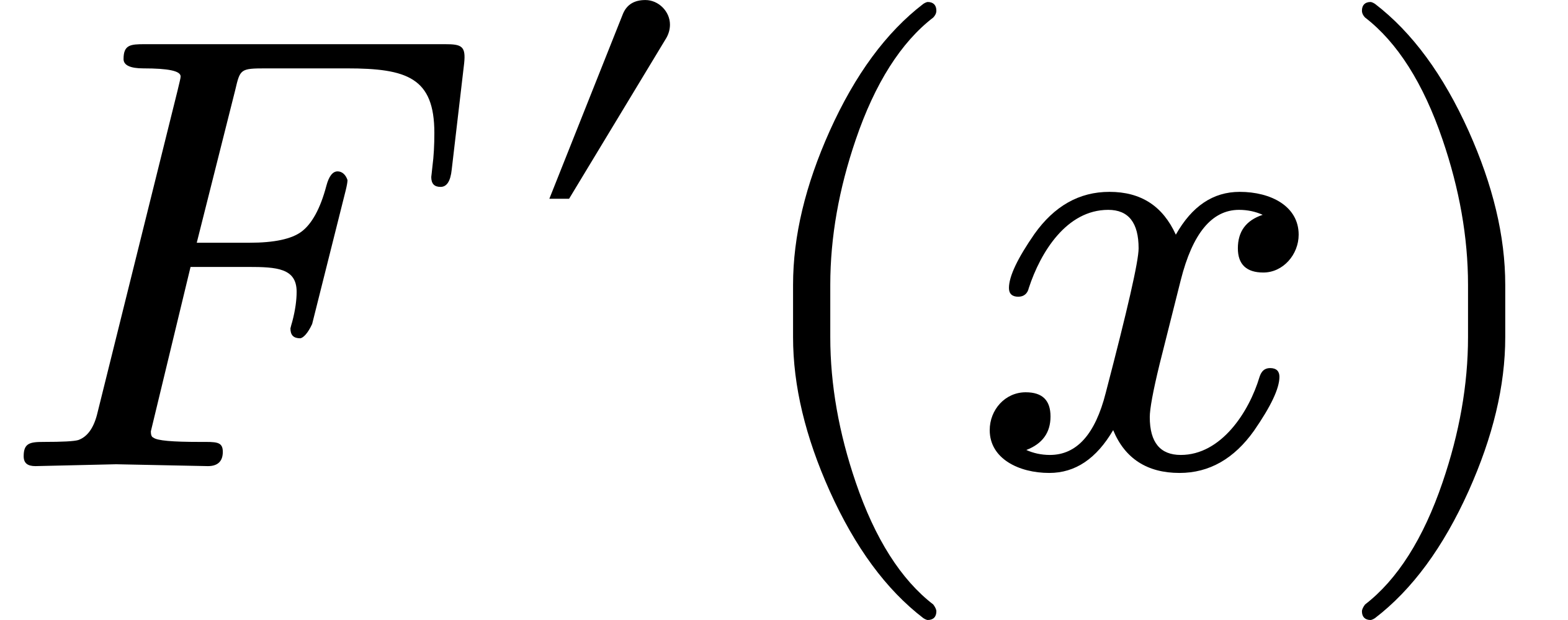 instead of
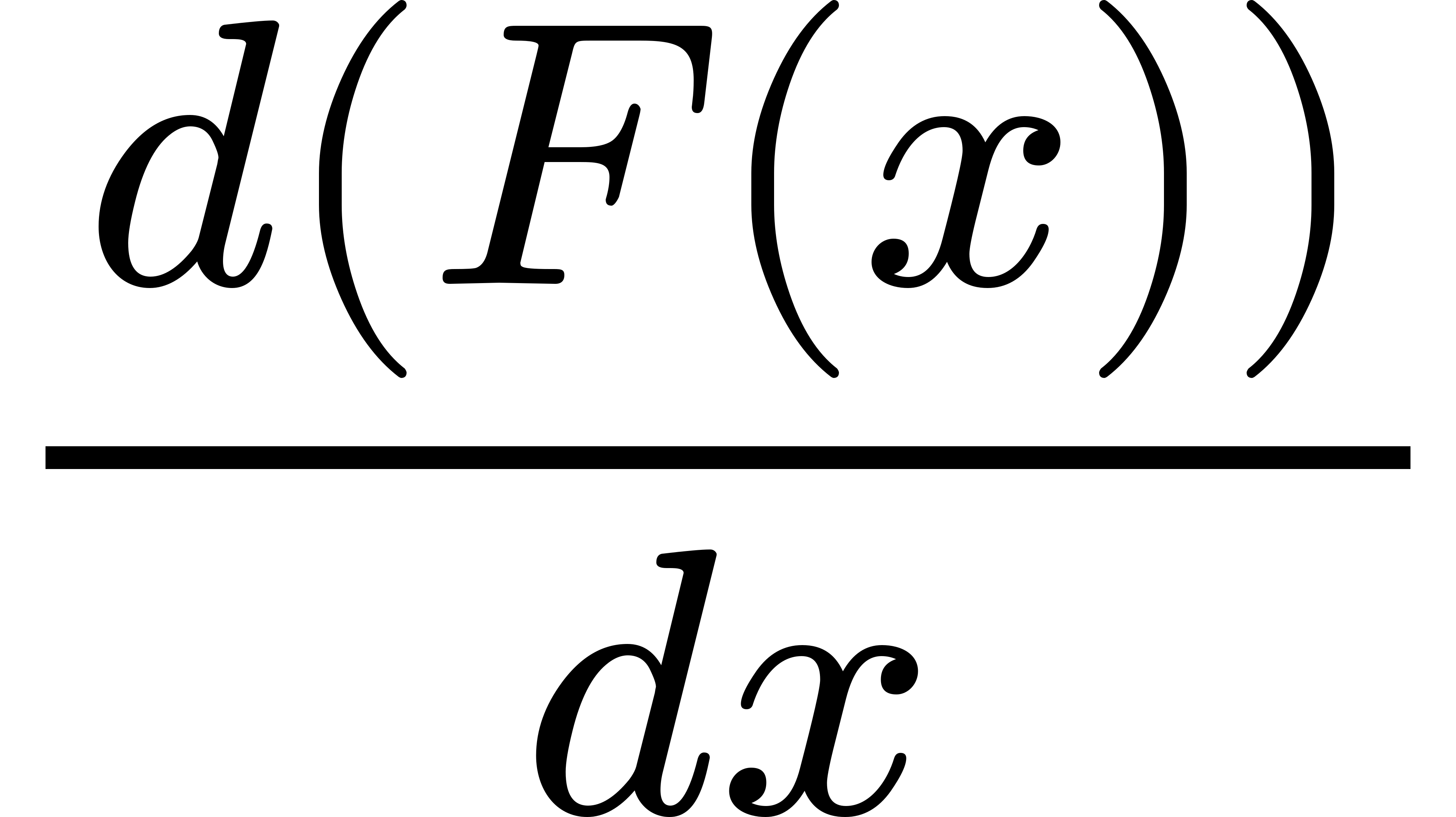 . Similarly,
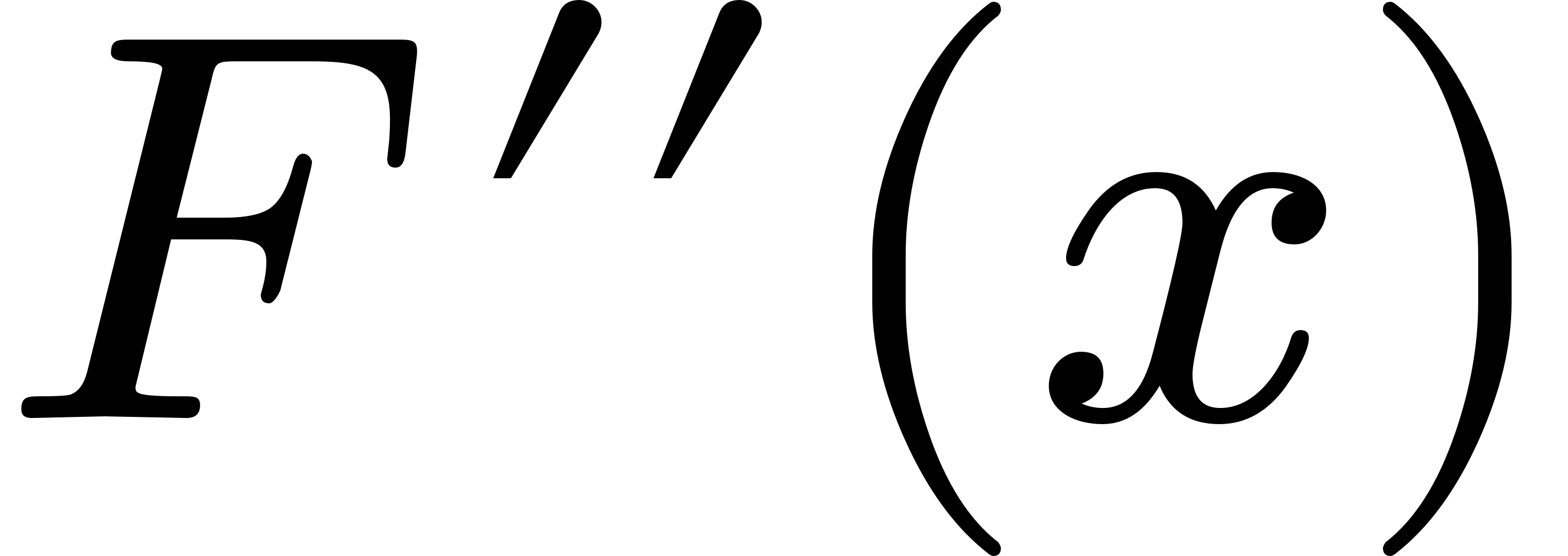 will mean that the original function
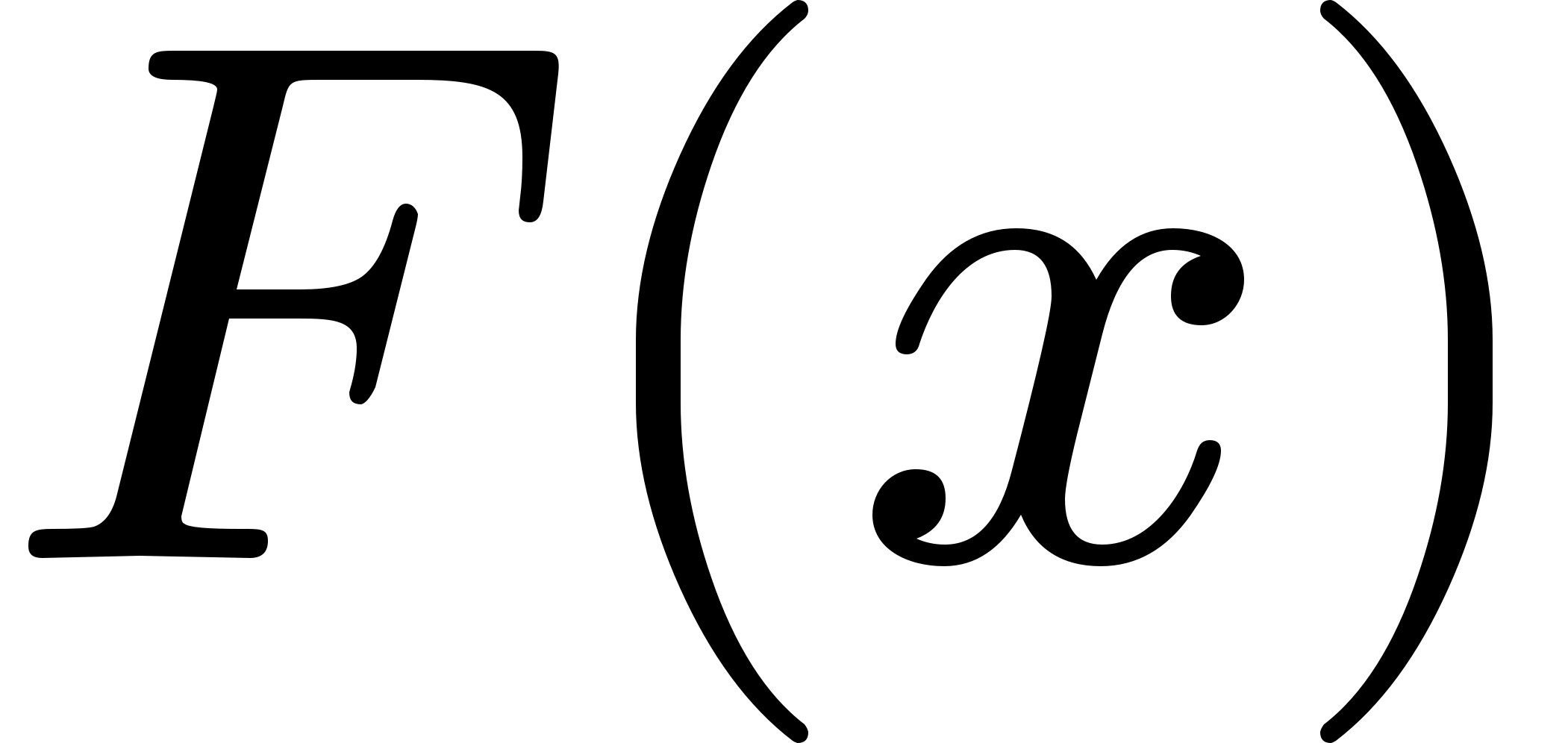 has been differentiated twice over with respect to .