Skip to content

Chapter 22: Chapter XX. Dodges, Pitfalls, and Triumphs

Dodges. A great part of the labour of integrating things consists in licking them into some shape that can be integrated. The books-and by this is meant the serious books-on the Integral Calculus are full of plans and methods and dodges and artifices for this kind of work. The following are a few of them.

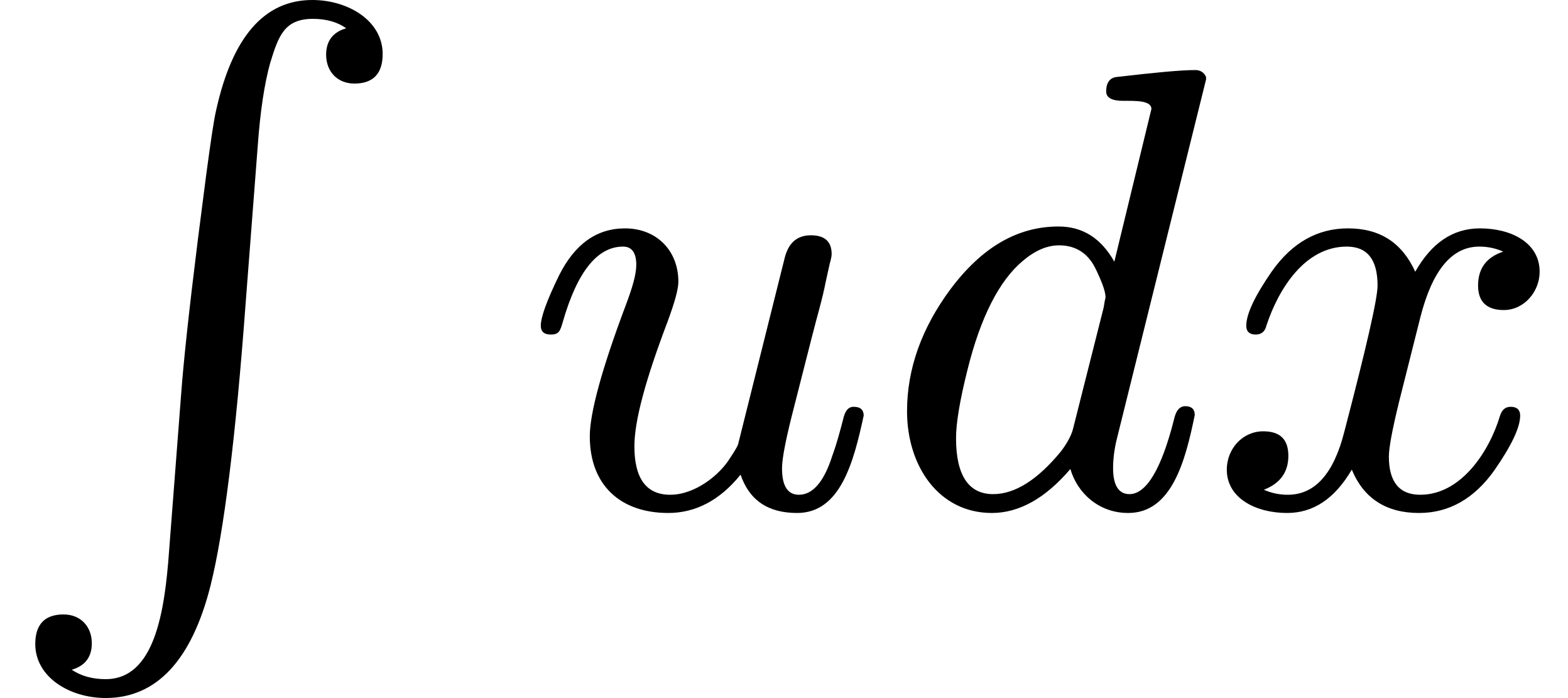
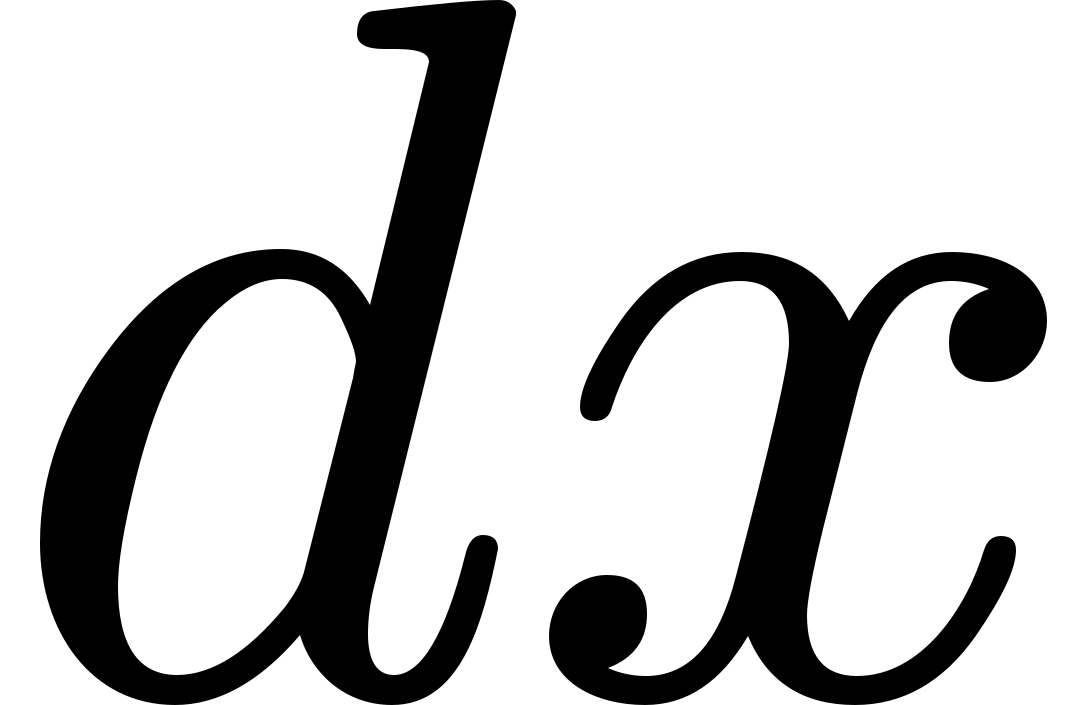
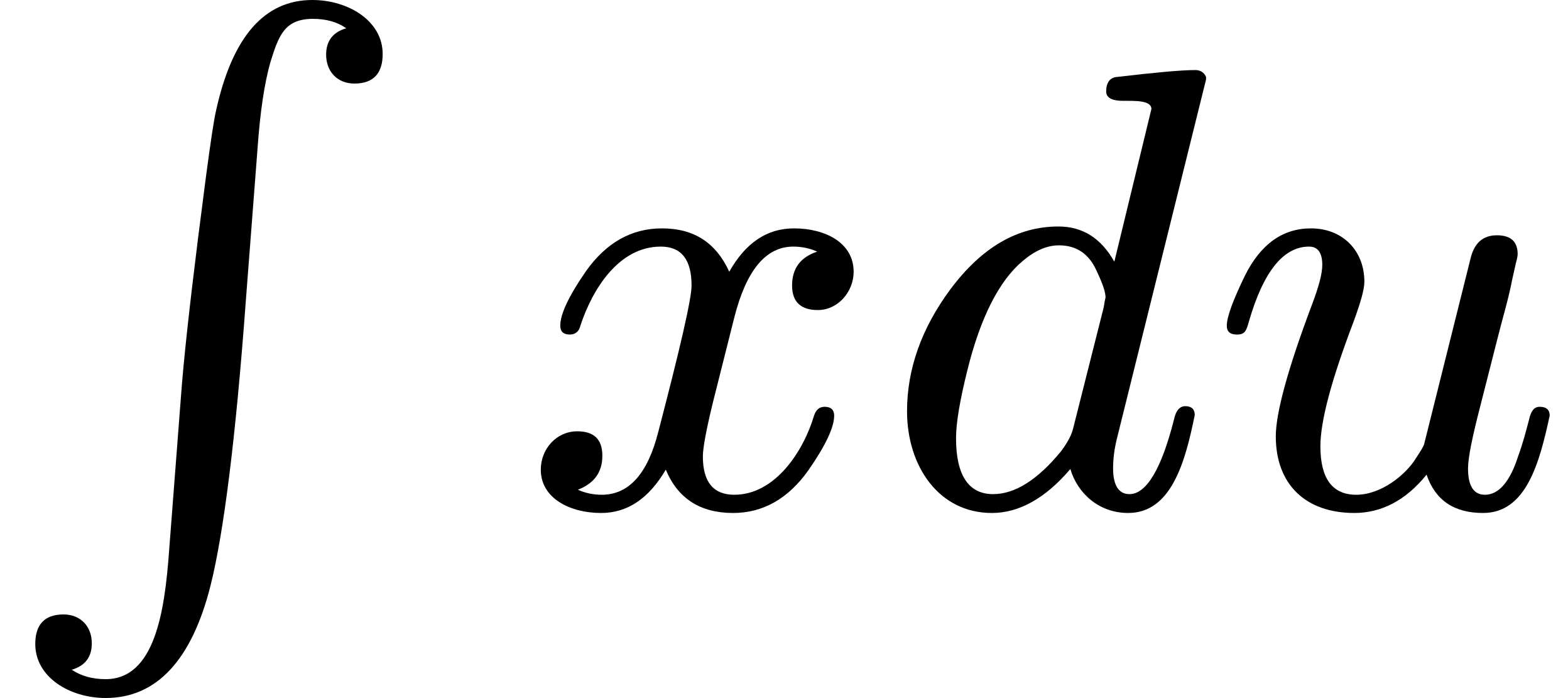
Integration by Parts. This name is given to a dodge, the formula for which is integral u d x equals u x minus integral x d u plus upper C period

It is useful in some cases that you can't tackle directly, for it shows that if in any case integral x d u can be found, then integral u d x can also be found. The formula can be deduced as follows. From p. 37, we have, d left parenthesis u x right parenthesis equals u d x plus x d u comma which may be written u left parenthesis d x right parenthesis equals d left parenthesis u x right parenthesis minus x d u comma which by direct integration gives the above expression.

Examples.

(1) Find integral w dot sine w d w.

Write u equals w, and for sine w dot d w write d x. We shall then have d u equals d w, while integral sine w dot d w equals minus cosine w equals x.

Putting these into the formula, we get StartLayout 1st Row 1st Column integral w dot sine w d w 2nd Column equals w left parenthesis minus cosine w right parenthesis minus integral minus cosine w d w 2nd Row 1st Column Blank 2nd Column equals minus w cosine w plus sine w plus upper C period EndLayout

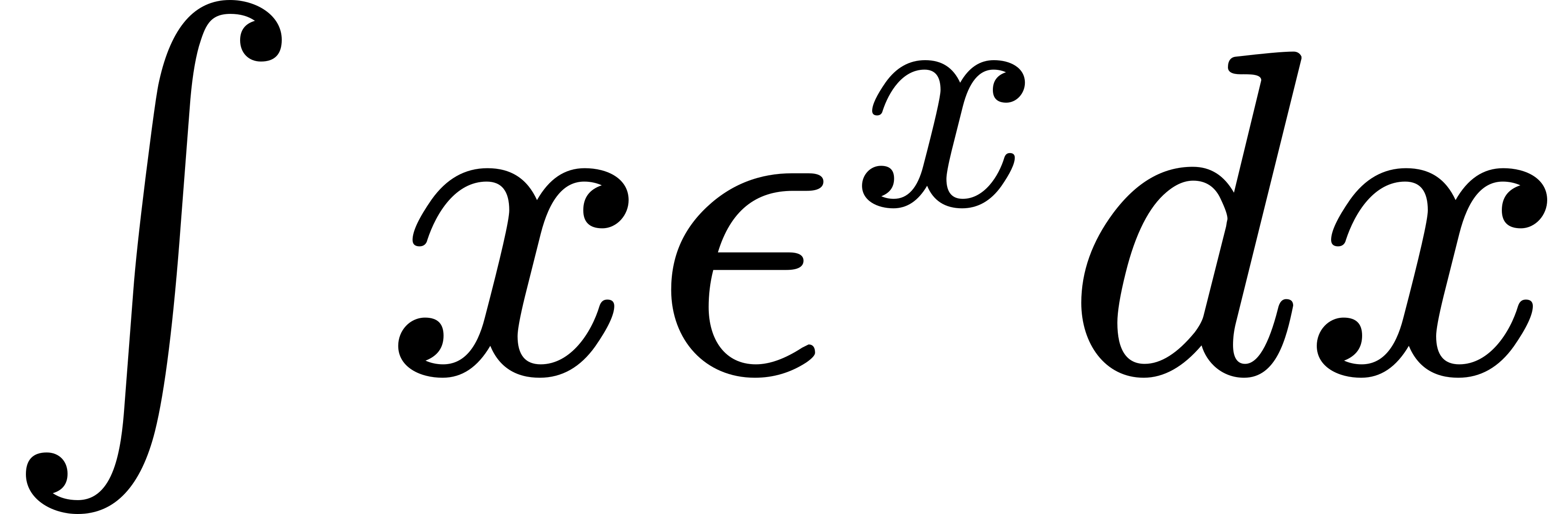
(2) Find integral x epsilon Superscript x d x.

Write u equals x comma epsilon Superscript x Baseline d x equals d v semicolon then d u equals d x comma v equals epsilon Superscript x Baseline comma and StartLayout 1st Row 1st Column integral x epsilon Superscript x d x 2nd Column equals x epsilon Superscript x Baseline minus integral epsilon Superscript x Baseline d x left parenthesis by the formula right parenthesis 2nd Row 1st Column Blank 2nd Column equals x epsilon Superscript x Baseline minus epsilon Superscript x Baseline equals epsilon Superscript x Baseline left parenthesis x minus 1 right parenthesis plus upper C period EndLayout

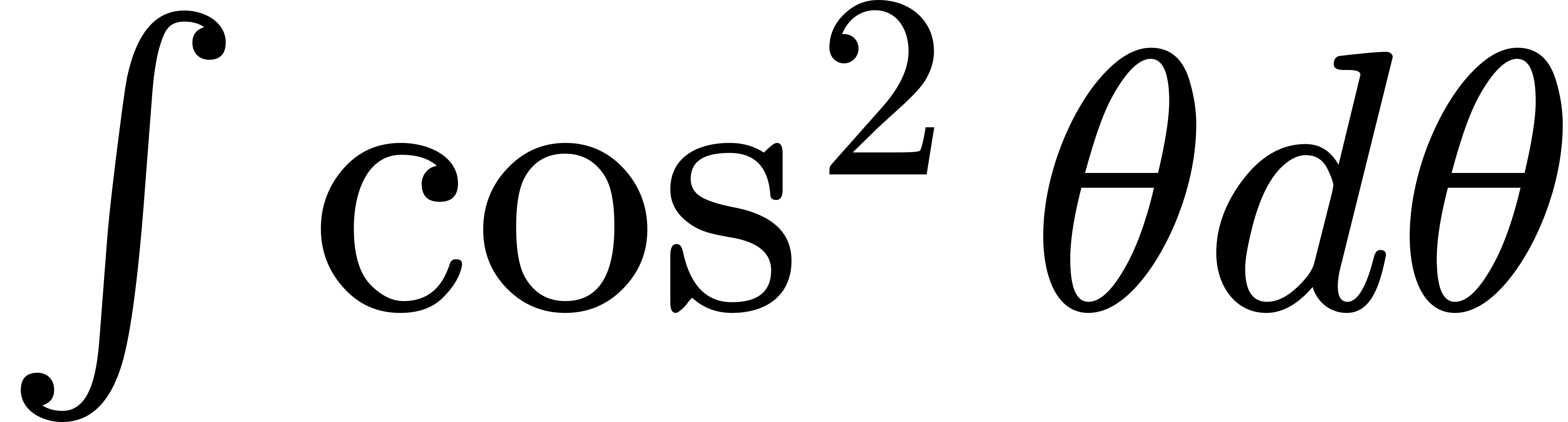
(3) Try integral cosine squared theta d theta.

u equals cosine theta comma cosine theta d theta equals d v period
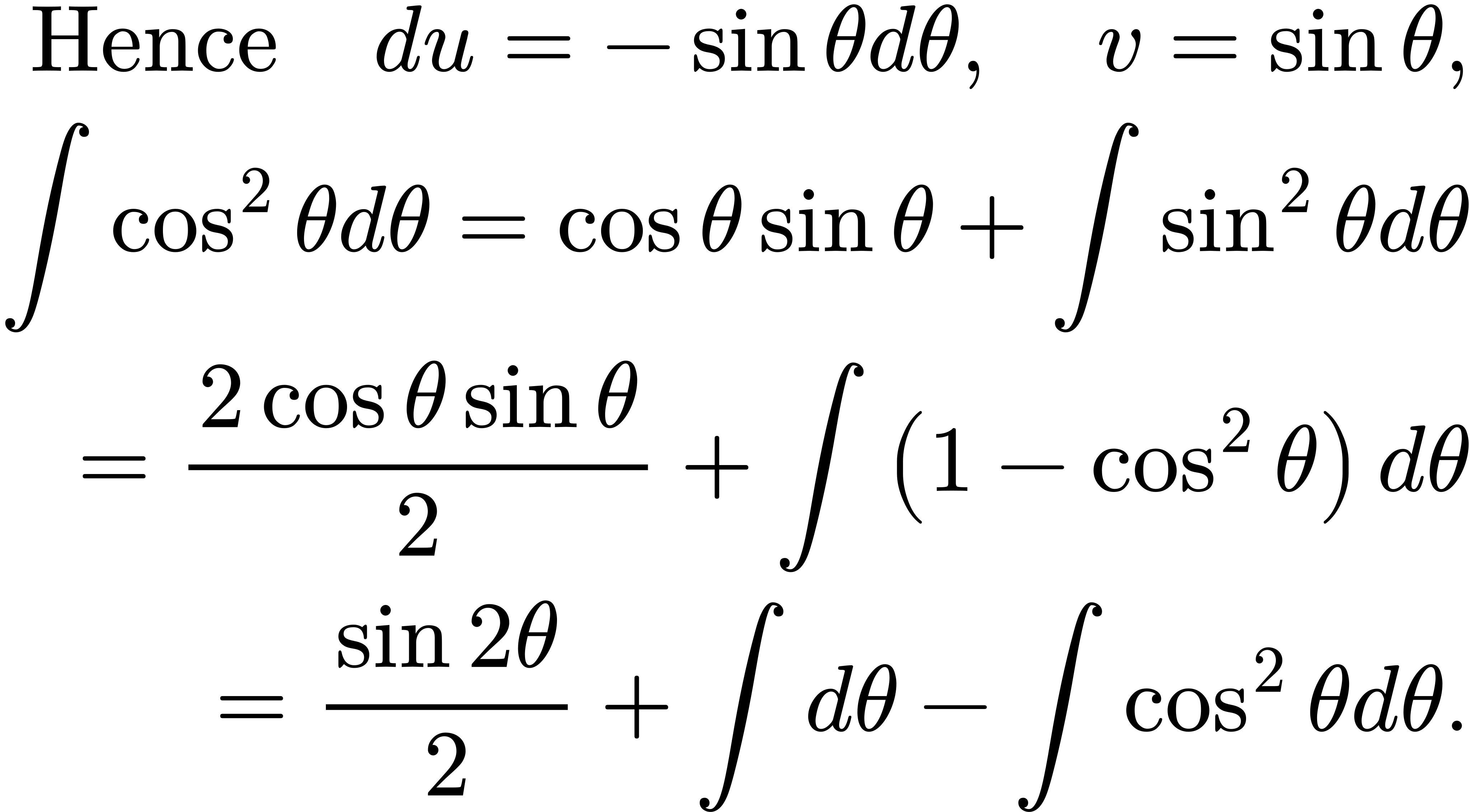
StartLayout 1st Row Hence d u equals minus sine theta d theta comma v equals sine theta comma 2nd Row integral cosine squared theta d theta equals cosine theta sine theta plus integral sine squared theta d theta 3rd Row equals StartFraction 2 cosine theta sine theta Over 2 EndFraction plus integral left parenthesis 1 minus cosine squared theta right parenthesis d theta 4th Row equals StartFraction sine 2 theta Over 2 EndFraction plus integral d theta minus integral cosine squared theta d theta period EndLayout

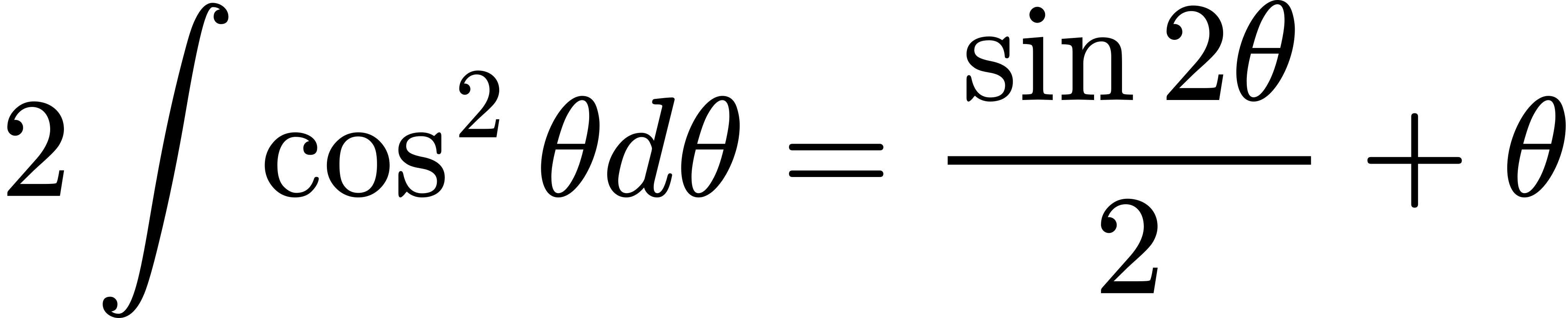
Hence 2 integral cosine squared theta d theta equals StartFraction sine 2 theta Over 2 EndFraction plus theta and integral cosine squared theta d theta equals StartFraction sine 2 theta Over 4 EndFraction plus StartFraction theta Over 2 EndFraction plus upper C period

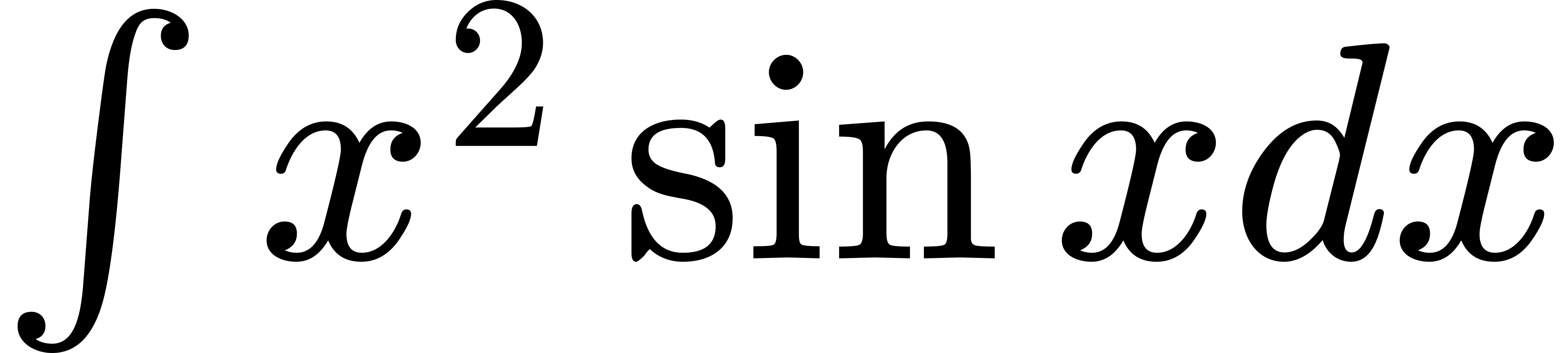
(4) Find integral x squared sine x d x.

Write x squared equals u comma sine x d x equals d v semicolon then d u equals 2 x d x comma v equals minus cosine x comma integral x squared sine x d x equals minus x squared cosine x plus 2 integral x cosine x d x period

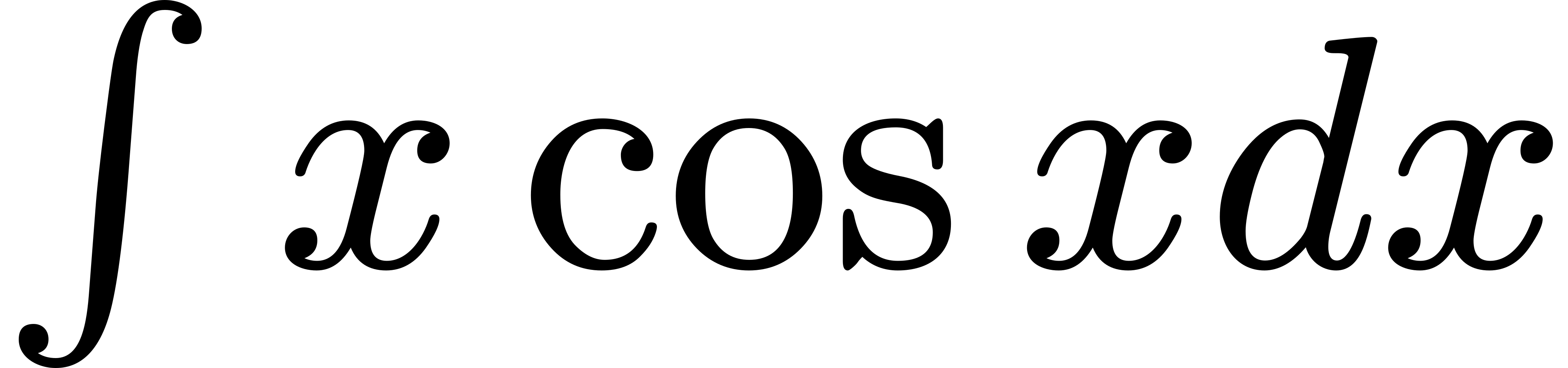
Now find integral x cosine x d x, integrating by parts (as in Example 1 above): integral x cosine x d x equals x sine x plus cosine x plus upper C period

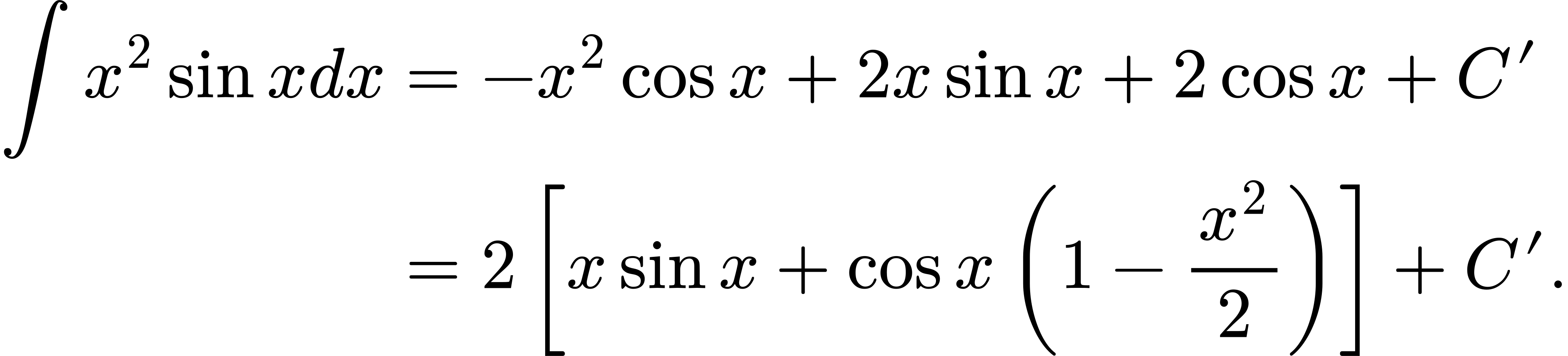
Hence StartLayout 1st Row 1st Column integral x squared sine x d x 2nd Column equals minus x squared cosine x plus 2 x sine x plus 2 cosine x plus upper C Superscript prime Baseline 2nd Row 1st Column Blank 2nd Column equals 2 left bracket x sine x plus cosine x left parenthesis 1 minus StartFraction x squared Over 2 EndFraction right parenthesis right bracket plus upper C Superscript prime Baseline period EndLayout

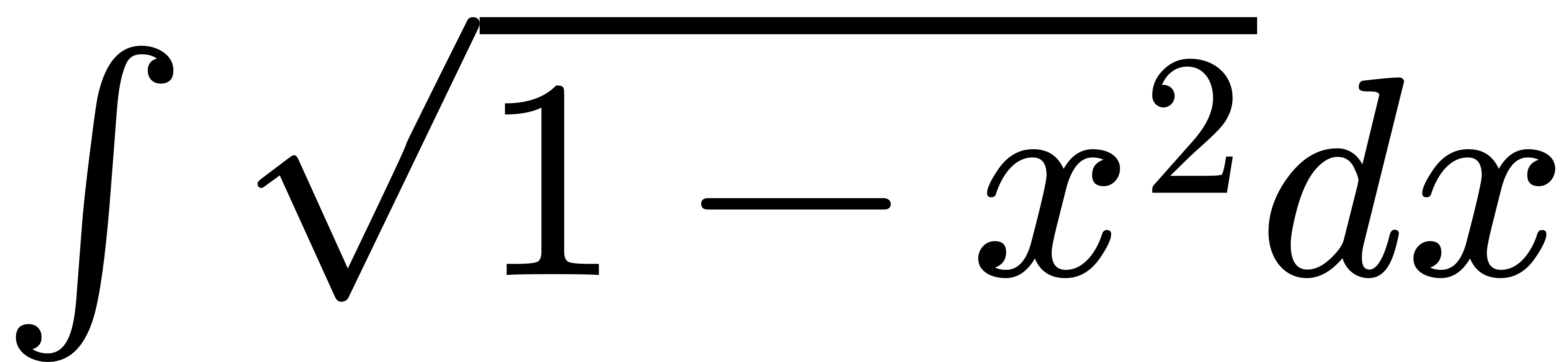
(5) Find integral StartRoot 1 minus x squared EndRoot d x.

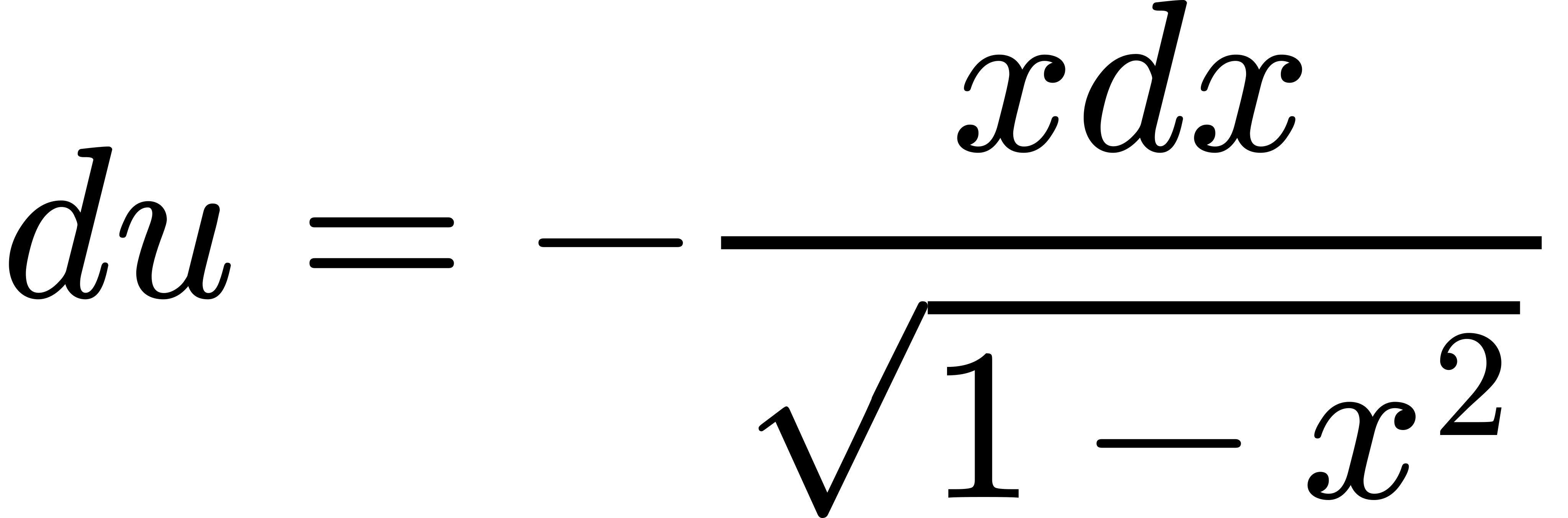
Write u equals StartRoot 1 minus x squared EndRoot comma d x equals d v semicolon then d u equals minus StartFraction x d x Over StartRoot 1 minus x squared EndRoot EndFraction (see Chap. IX., p. 66). and x equals v; so that integral StartRoot 1 minus x squared EndRoot d x equals x StartRoot 1 minus x squared EndRoot plus integral StartFraction x squared d x Over StartRoot 1 minus x squared EndRoot EndFraction period

Here we may use a little dodge, for we can write integral StartRoot 1 minus x squared EndRoot d x equals integral StartFraction left parenthesis 1 minus x squared right parenthesis d x Over StartRoot 1 minus x squared EndRoot EndFraction equals integral StartFraction d x Over StartRoot 1 minus x squared EndRoot EndFraction minus integral StartFraction x squared d x Over StartRoot 1 minus x squared EndRoot EndFraction period

Adding these two last equations, we get rid of integral StartFraction x squared d x Over StartRoot 1 minus x squared EndRoot EndFraction, and we have 2 integral StartRoot 1 minus x squared EndRoot d x equals x StartRoot 1 minus x squared EndRoot plus integral StartFraction d x Over StartRoot 1 minus x squared EndRoot EndFraction period
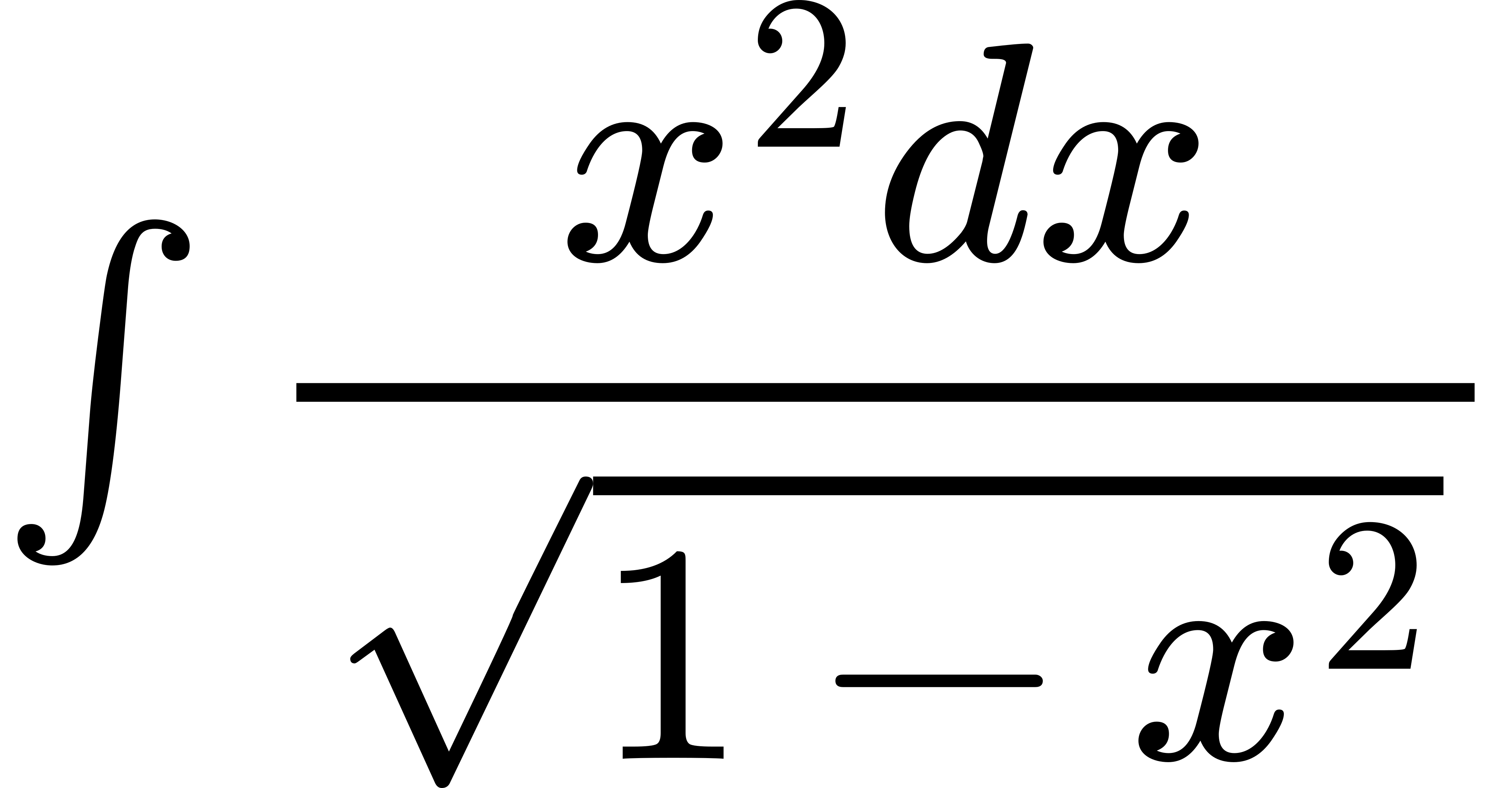
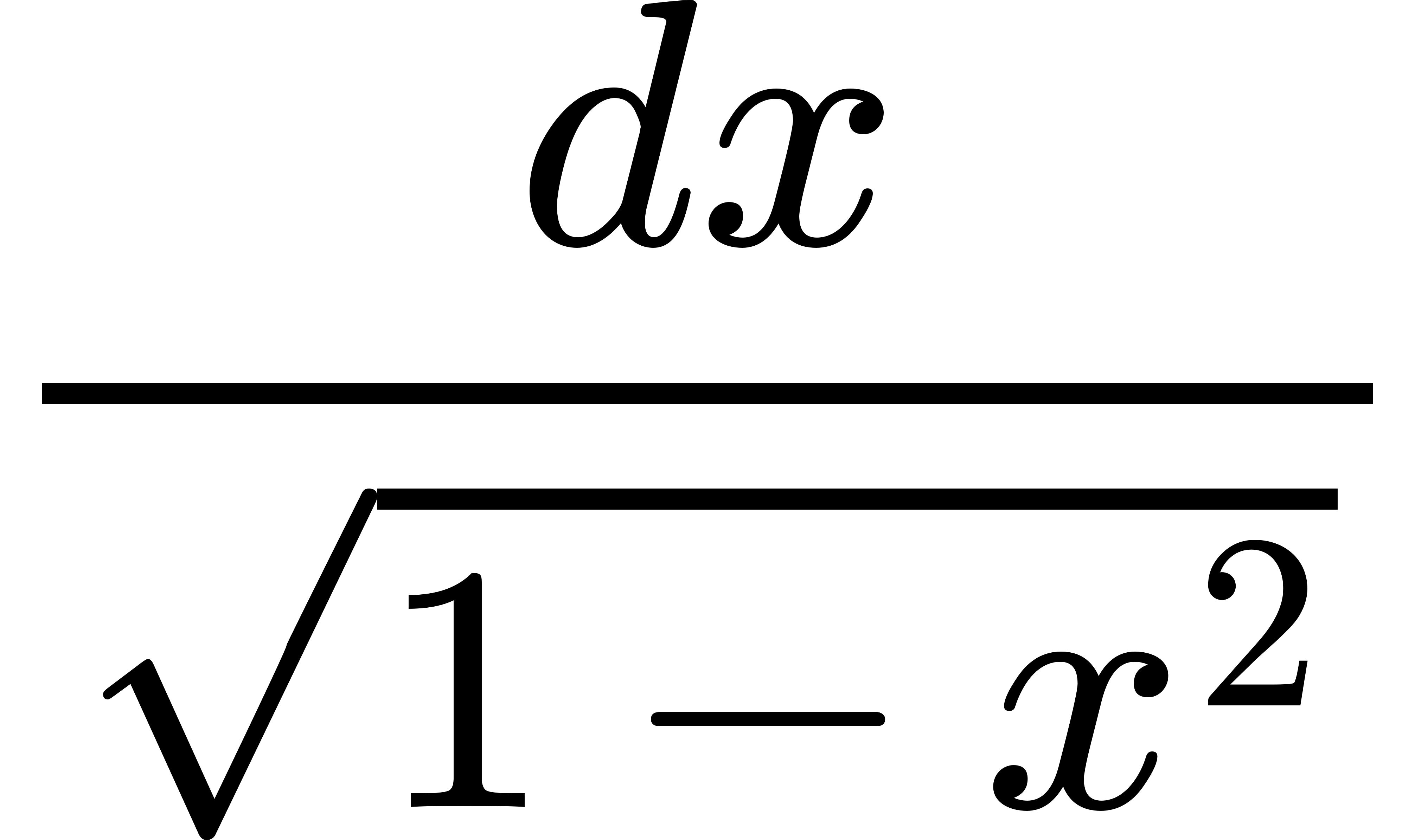
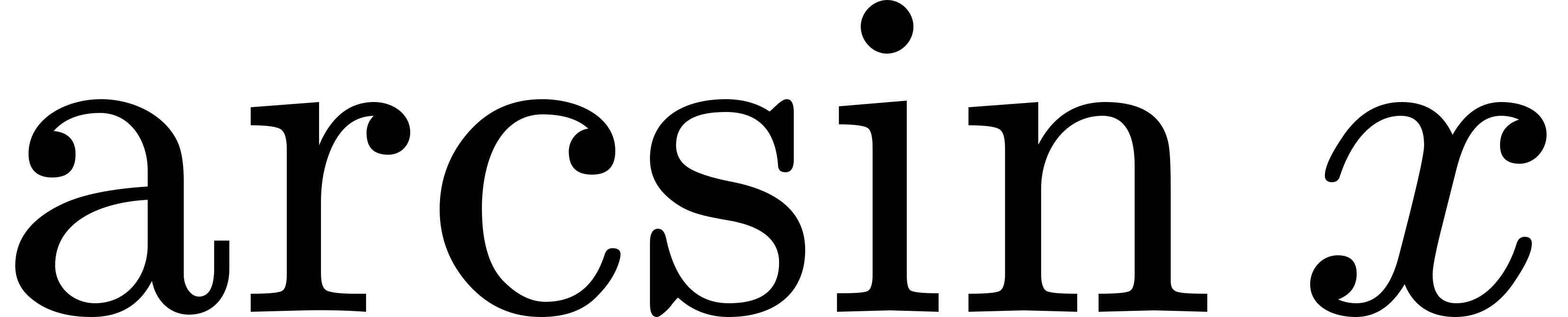
Do you remember meeting StartFraction d x Over StartRoot 1 minus x squared EndRoot EndFraction? it is got by differentiating y equals arc sine x (see p. 168); hence its integral is arc sine x, and so integral StartRoot 1 minus x squared EndRoot d x equals StartFraction x StartRoot 1 minus x squared EndRoot Over 2 EndFraction plus one half arc sine x plus upper C period

You can try now some exercises by yourself; you will find some at the end of this chapter.

Substitution. This is the same dodge as explained in Chap. IX., p. 66. Let us illustrate its application to integration by a few examples.

(1) integral StartRoot 3 plus x EndRoot d x.
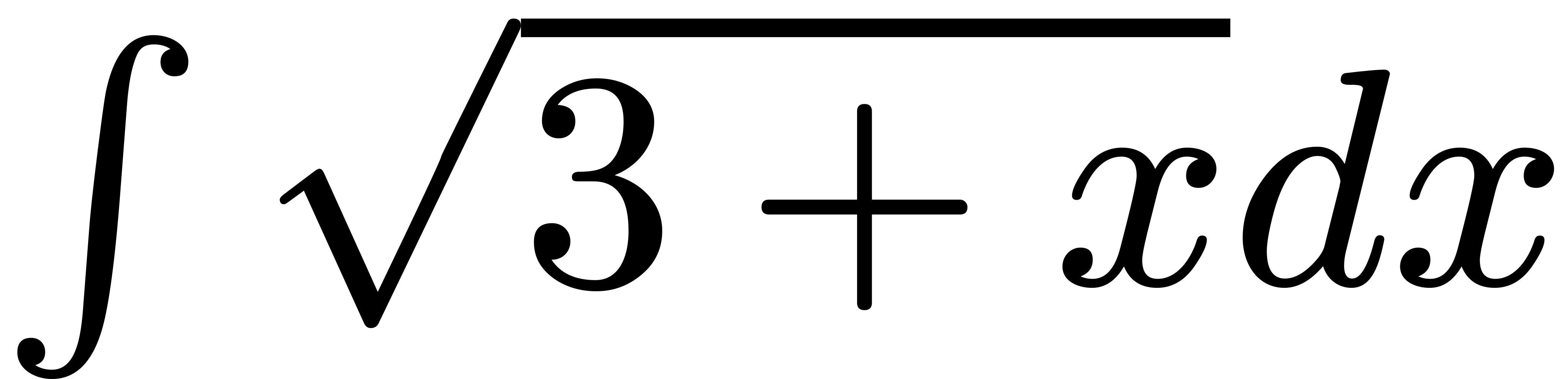
Let 3 plus x equals u comma d x equals d u semicolon replace integral u Superscript one half Baseline d u equals two thirds u Superscript three halves Baseline equals two thirds left parenthesis 3 plus x right parenthesis Superscript three halves Baseline period

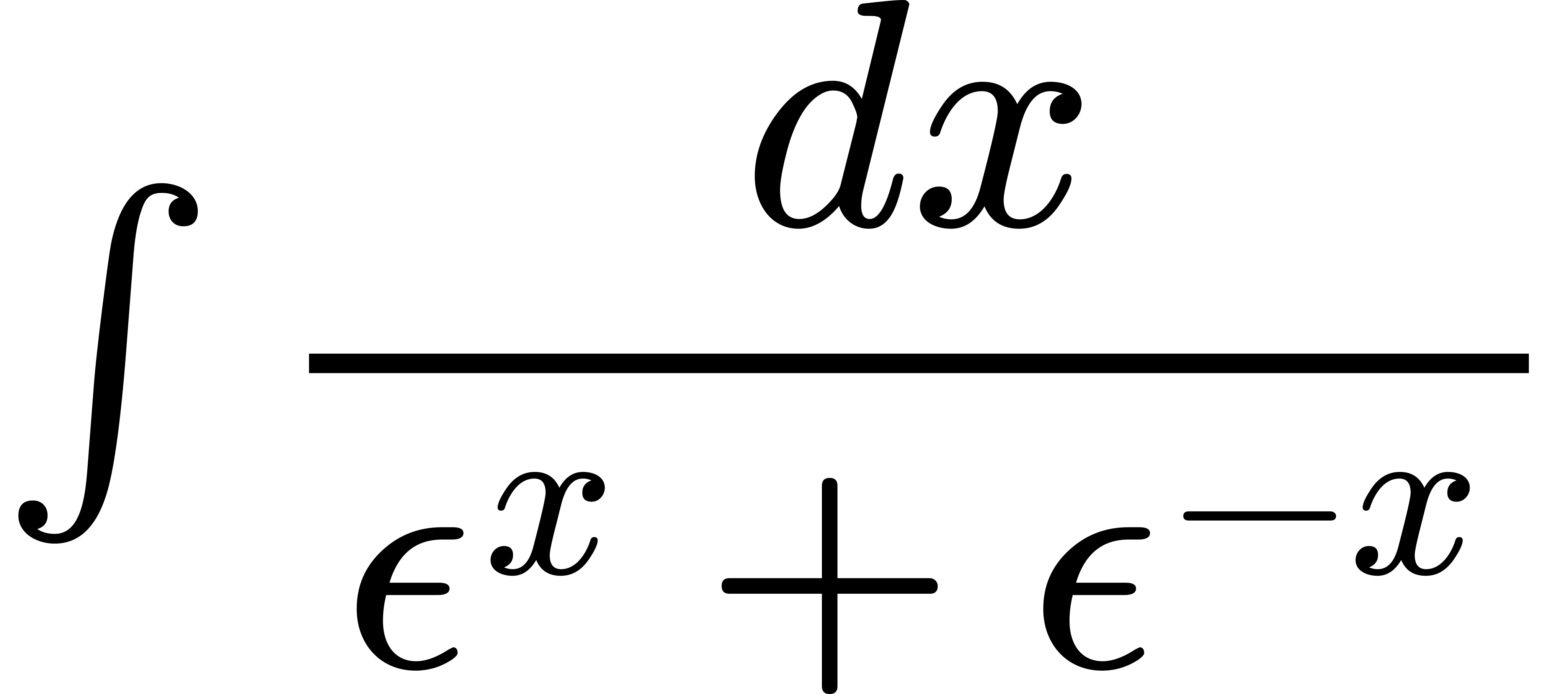
(2) integral StartFraction d x Over epsilon Superscript x Baseline plus epsilon Superscript negative x Baseline EndFraction.

Let epsilon Superscript x Baseline equals u comma StartFraction d u Over d x EndFraction equals epsilon Superscript x Baseline comma and d x equals StartFraction d u Over epsilon Superscript x Baseline EndFraction semicolon so that integral StartFraction d x Over epsilon Superscript x Baseline plus epsilon Superscript negative x Baseline EndFraction equals integral StartFraction d u Over epsilon Superscript x Baseline left parenthesis epsilon Superscript x Baseline plus epsilon Superscript negative x Baseline right parenthesis EndFraction equals integral StartStartFraction d u OverOver u left parenthesis u plus StartFraction 1 Over u EndFraction right parenthesis EndEndFraction equals integral StartFraction d u Over u squared plus 1 EndFraction period

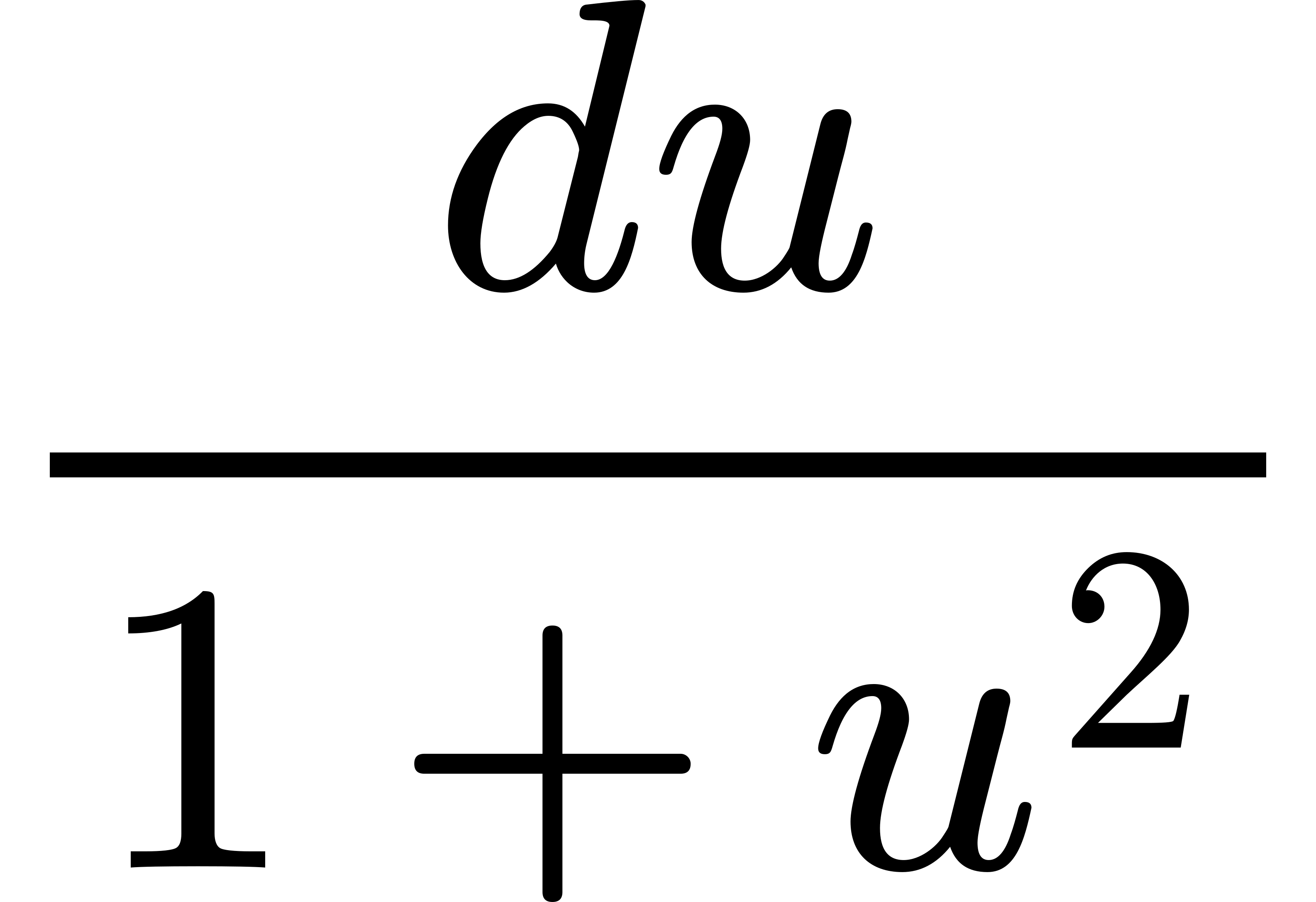
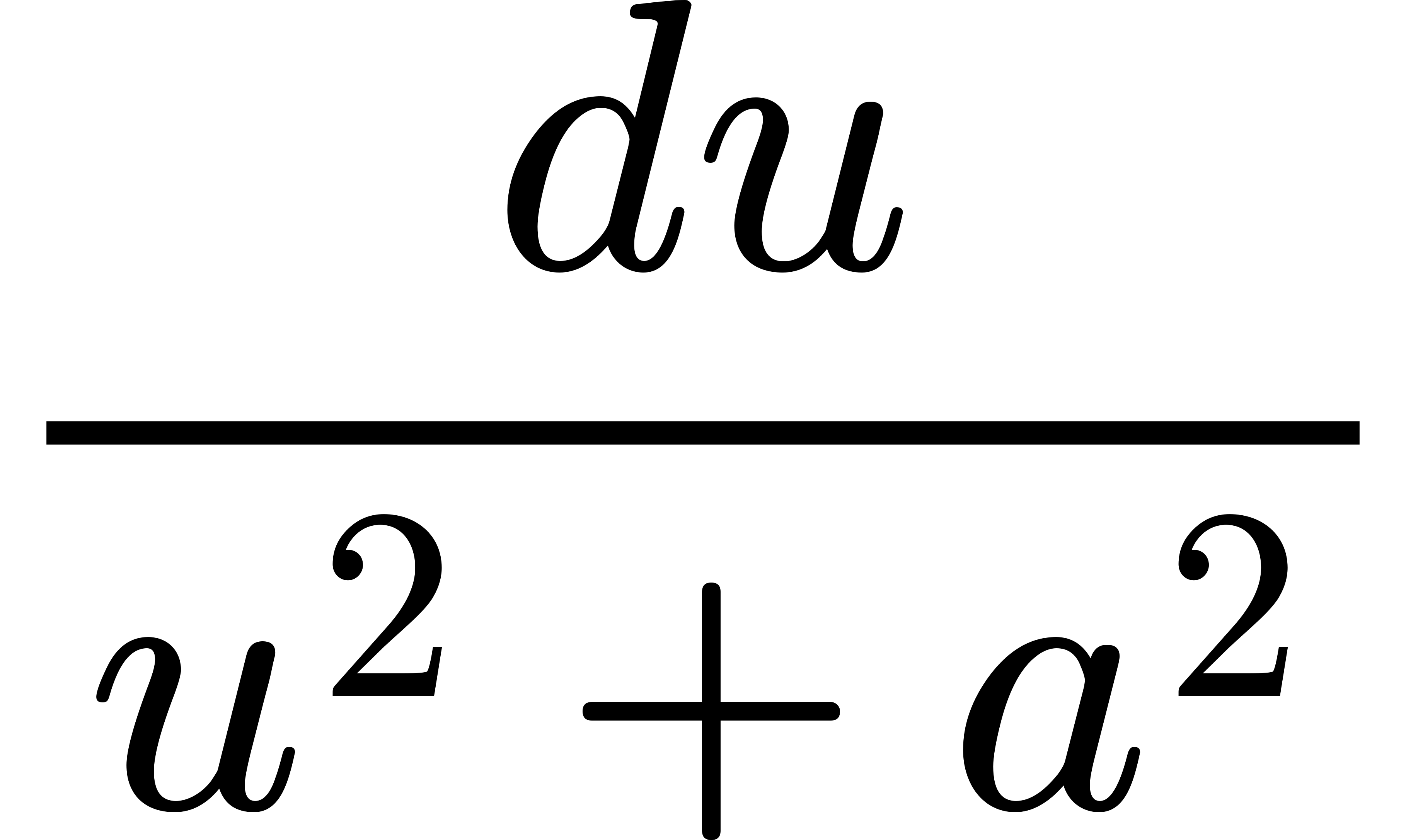
StartFraction d u Over 1 plus u squared EndFraction is the result of differentiating arc tangent x. Hence the integral is a r c tangent epsilon Superscript x.

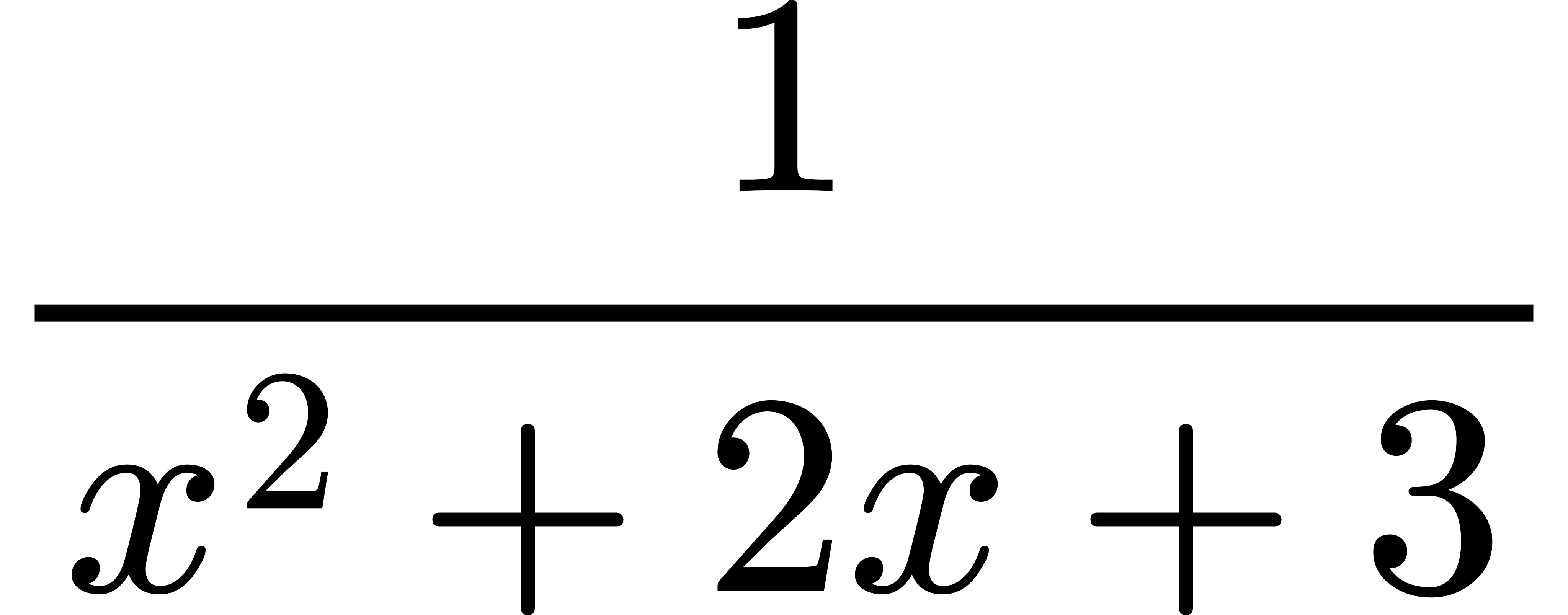
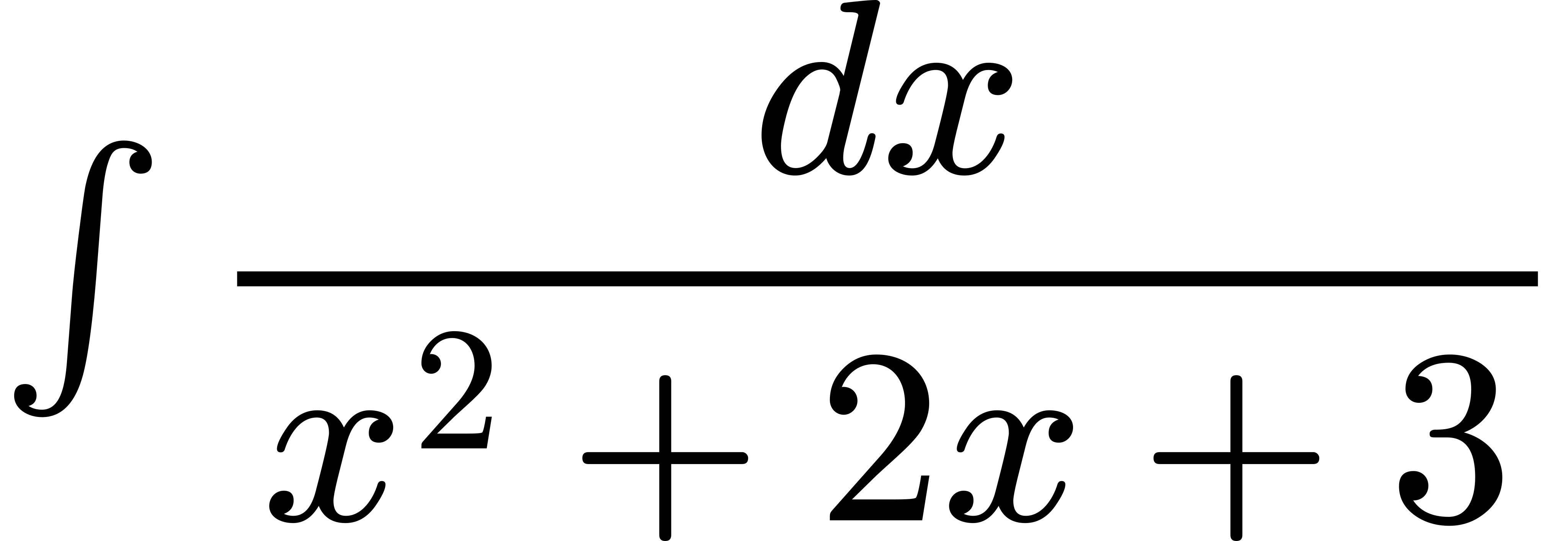
(3) integral StartFraction d x Over x squared plus 2 x plus 3 EndFraction equals integral StartFraction d x Over x squared plus 2 x plus 1 plus 2 EndFraction equals integral StartFraction d x Over left parenthesis x plus 1 right parenthesis squared plus left parenthesis StartRoot 2 EndRoot right parenthesis squared EndFraction.

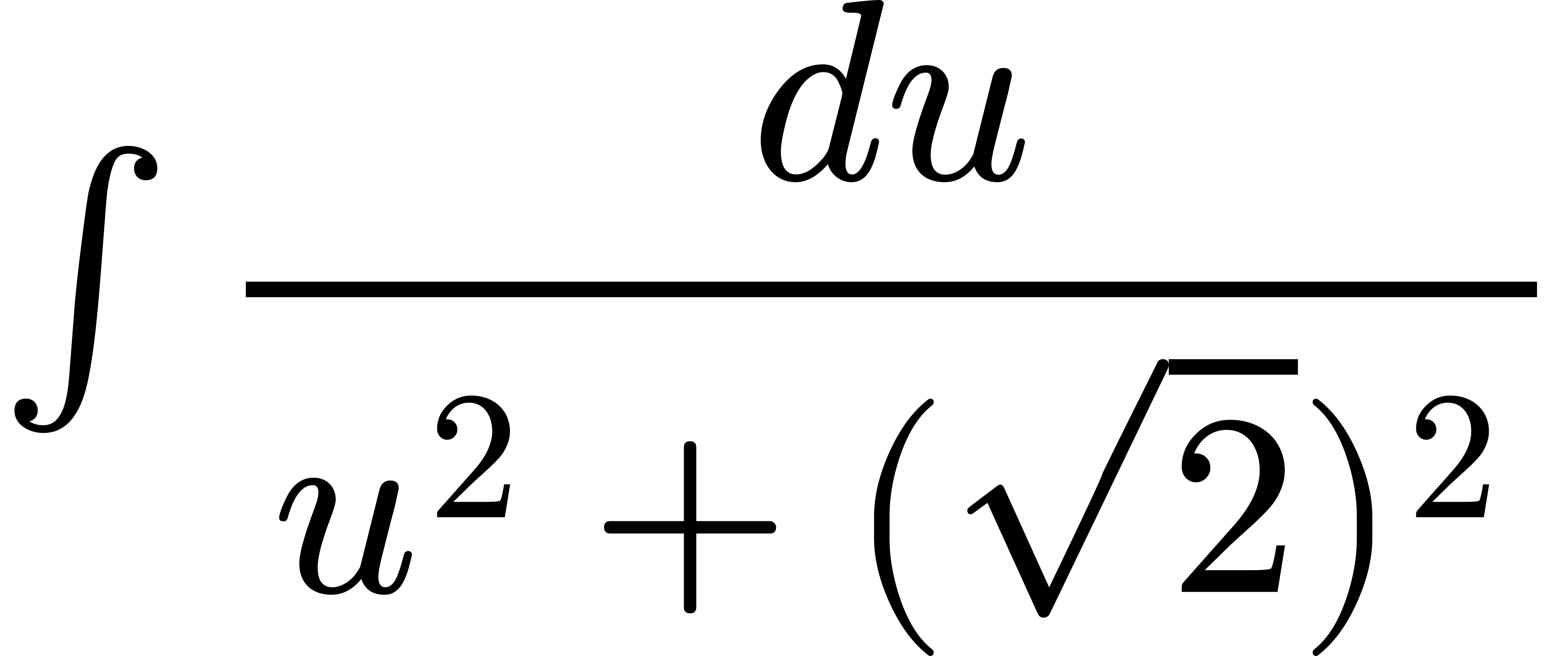
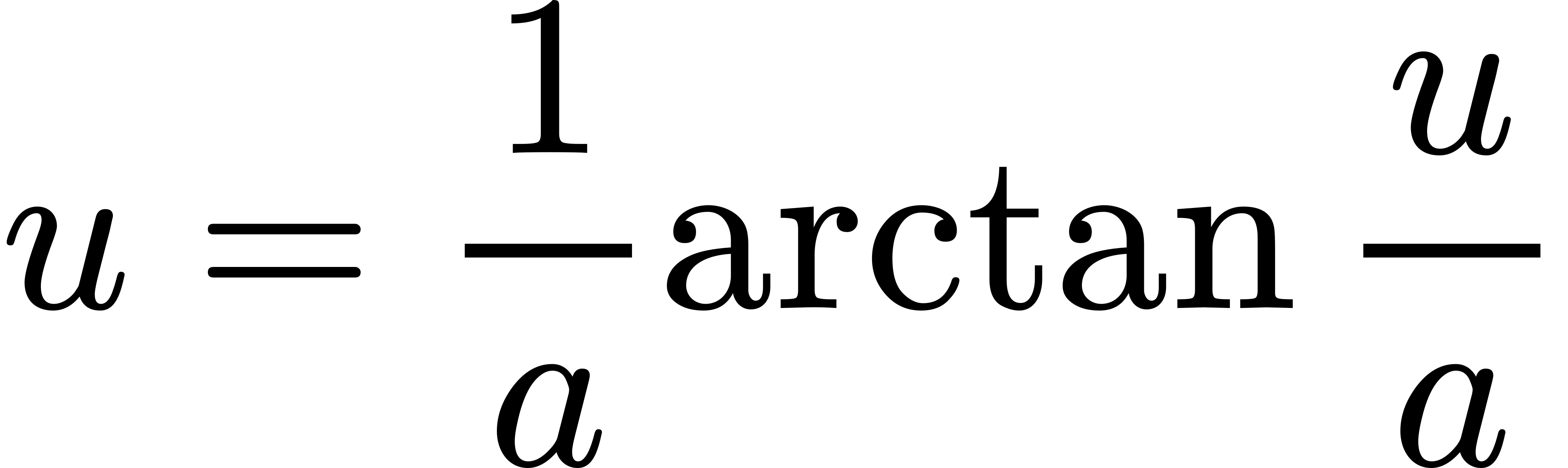
Let x plus 1 equals u comma d x equals d u semicolon then the integral becomes integral StartFraction d u Over u squared plus left parenthesis StartRoot 2 EndRoot right parenthesis squared EndFraction; but StartFraction d u Over u squared plus a squared EndFraction is the result of differentiating u equals StartFraction 1 Over a EndFraction arc tangent StartFraction u Over a EndFraction.

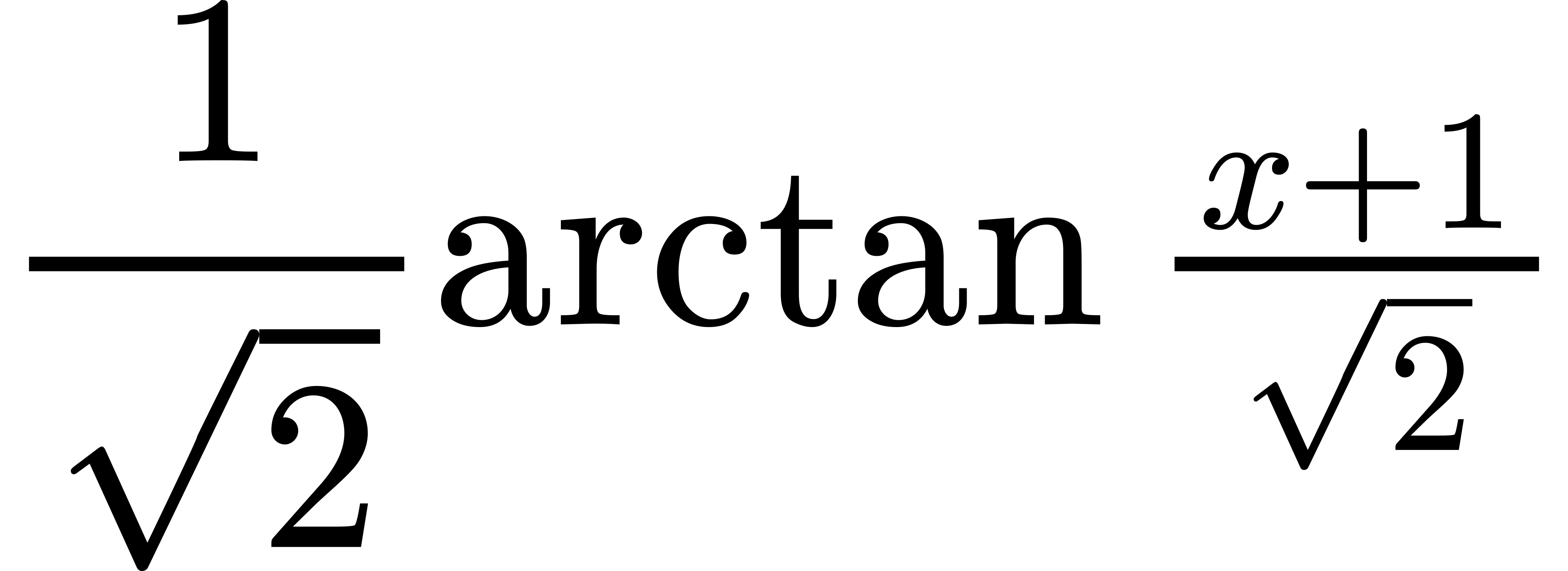
Hence one has finally StartFraction 1 Over StartRoot 2 EndRoot EndFraction arc tangent StartFraction x plus 1 Over StartRoot 2 EndRoot EndFraction for the value of the given integral.

Formulæ of Reduction are special forms applicable chiefly to binomial and trigonometrical expressions that have to be integrated, and have to be reduced into some form of which the integral is known.

Rationalization, and Factorization of Denominator are dodges applicable in special cases, but they do not admit of any short or general explanation. Much practice is needed to become familiar with these preparatory processes.

The following example shows how the process of splitting into partial fractions, which we learned in Chap. XIII., p. 118, can be made use of in integration.

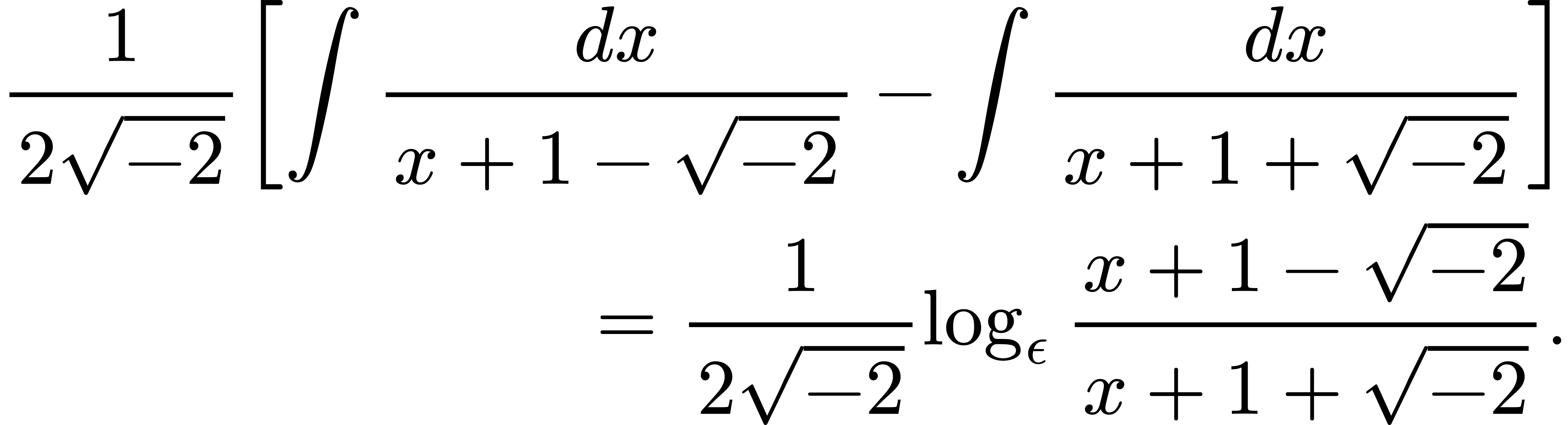
Take again integral StartFraction d x Over x squared plus 2 x plus 3 EndFraction; if we split StartFraction 1 Over x squared plus 2 x plus 3 EndFraction into partial fractions, this becomes (see p. 230): StartLayout 1st Row StartFraction 1 Over 2 StartRoot negative 2 EndRoot EndFraction left bracket integral StartFraction d x Over x plus 1 minus StartRoot negative 2 EndRoot EndFraction minus integral StartFraction d x Over x plus 1 plus StartRoot negative 2 EndRoot EndFraction right bracket 2nd Row equals StartFraction 1 Over 2 StartRoot negative 2 EndRoot EndFraction log Subscript epsilon Baseline StartFraction x plus 1 minus StartRoot negative 2 EndRoot Over x plus 1 plus StartRoot negative 2 EndRoot EndFraction period EndLayout Notice that the same integral can be expressed sometimes in more than one way (which are equivalent to one another).
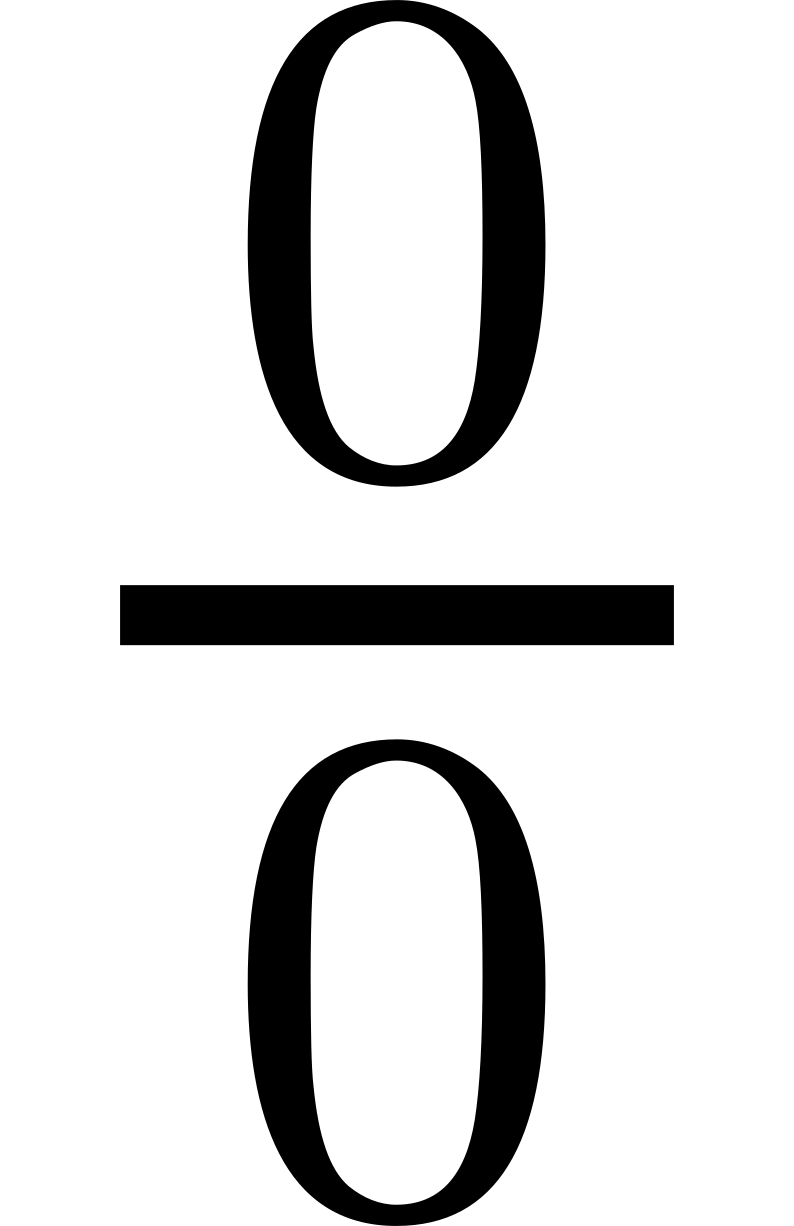
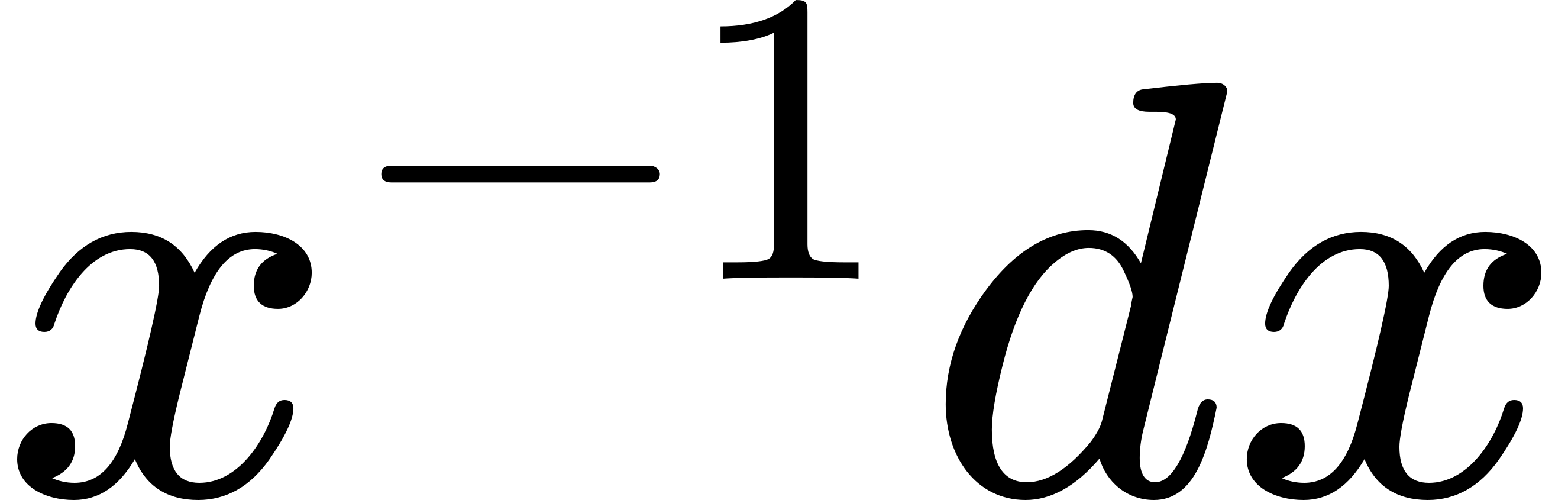
Pitfalls. A beginner is liable to overlook certain points that a practised hand would avoid; such as the use of factors that are equivalent to either zero or infinity, and the occurrence of indeterminate quantities such as StartFraction 0 Over 0 EndFraction. There is no golden rule that will meet every possible case. Nothing but practice and intelligent care will avail. An example of a pitfall which had to be circumvented arose in Chap. XVIII., p. 189, when we came to the problem of integrating x Superscript negative 1 Baseline d x.
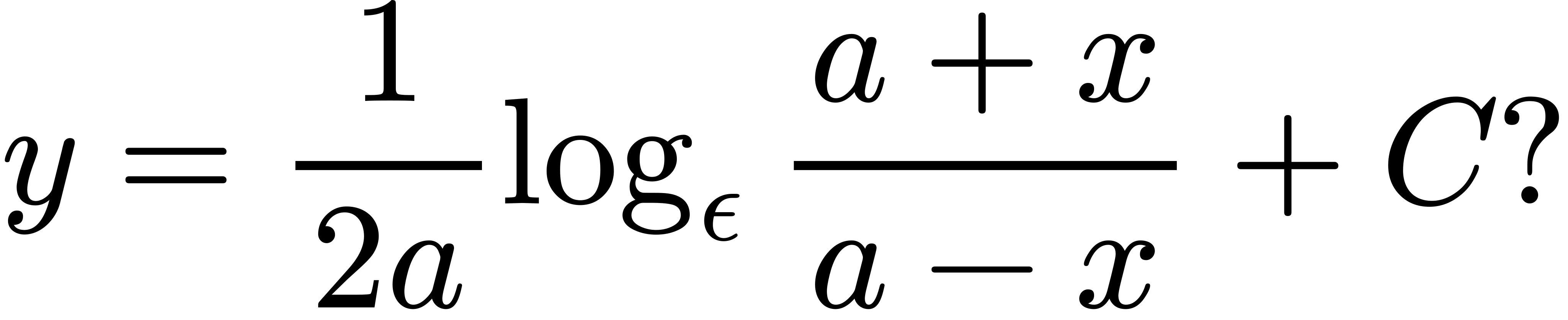
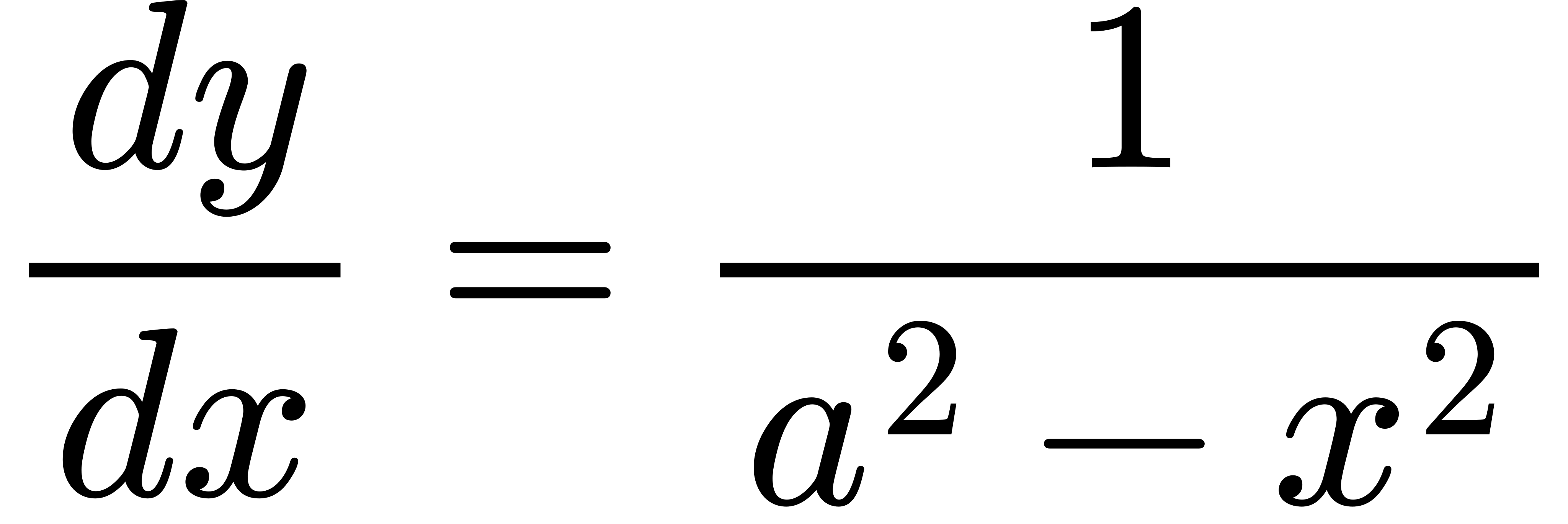
Triumphs. By triumphs must be understood the successes with which the calculus has been applied to the solution of problems otherwise intractable. Often in the consideration of physical relations one is able to build up an expression for the law governing the interaction of the parts or of the forces that govern them, such expression being naturally in the form of a differential equation, that is an equation containing differential coefficients with or without other algebraic quantities. And when such a differential equation has been found, one can get no further until it has been integrated. Generally it is much easier to state the appropriate differential equation than to solve it: the real trouble begins then only when one wants to integrate, unless indeed the equation is seen to possess some standard form of which the integral is known, and then the triumph is easy. The equation which results from integrating a differential equation is called[7] its "solution"; and it is quite astonishing how in many cases the solution looks as if it had no relation to the differential equation of which it is the integrated form. The solution often seems as different from the original expression as a butterfly does from the caterpillar that it was. Who would have supposed that such an innocent thing as StartFraction d y Over d x EndFraction equals StartFraction 1 Over a squared minus x squared EndFraction could blossom out into y equals StartFraction 1 Over 2 a EndFraction log Subscript epsilon Baseline StartFraction a plus x Over a minus x EndFraction plus upper C question mark yet the latter is the solution of the former.
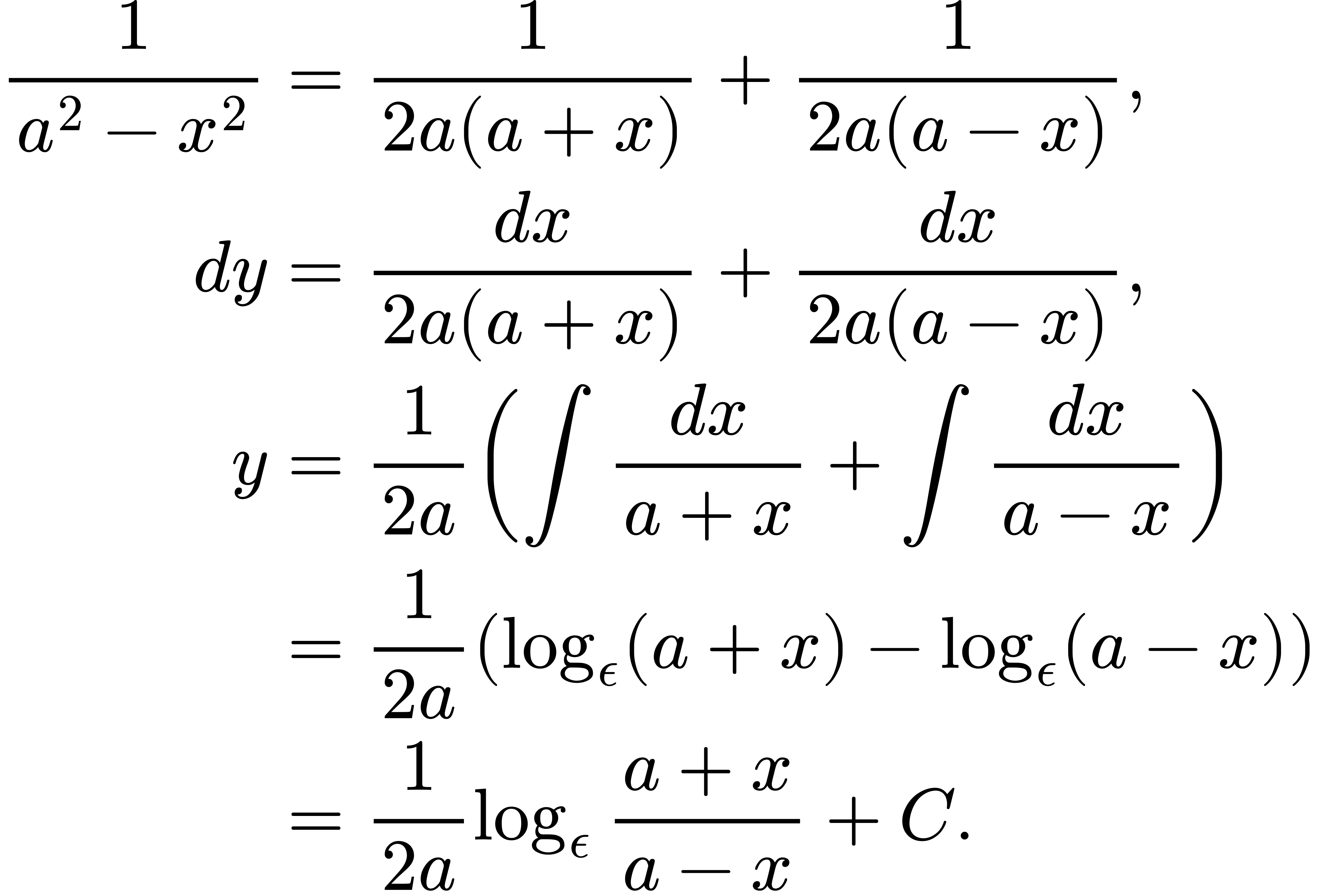
As a last example, let us work out the above together.

By partial fractions, StartLayout 1st Row 1st Column StartFraction 1 Over a squared minus x squared EndFraction 2nd Column equals StartFraction 1 Over 2 a left parenthesis a plus x right parenthesis EndFraction plus StartFraction 1 Over 2 a left parenthesis a minus x right parenthesis EndFraction comma 2nd Row 1st Column d y 2nd Column equals StartFraction d x Over 2 a left parenthesis a plus x right parenthesis EndFraction plus StartFraction d x Over 2 a left parenthesis a minus x right parenthesis EndFraction comma 3rd Row 1st Column y 2nd Column equals StartFraction 1 Over 2 a EndFraction left parenthesis integral StartFraction d x Over a plus x EndFraction plus integral StartFraction d x Over a minus x EndFraction right parenthesis 4th Row 1st Column Blank 2nd Column equals StartFraction 1 Over 2 a EndFraction left parenthesis log Subscript epsilon Baseline left parenthesis a plus x right parenthesis minus log Subscript epsilon Baseline left parenthesis a minus x right parenthesis right parenthesis 5th Row 1st Column Blank 2nd Column equals StartFraction 1 Over 2 a EndFraction log Subscript epsilon Baseline StartFraction a plus x Over a minus x EndFraction plus upper C period EndLayout
Not a very difficult metamorphosis!

There are whole treatises, such as Boole's Differential Equations, devoted to the subject of thus finding the "solutions" for different original forms.

Exercises XIX. (See p. 266 for Answers.)

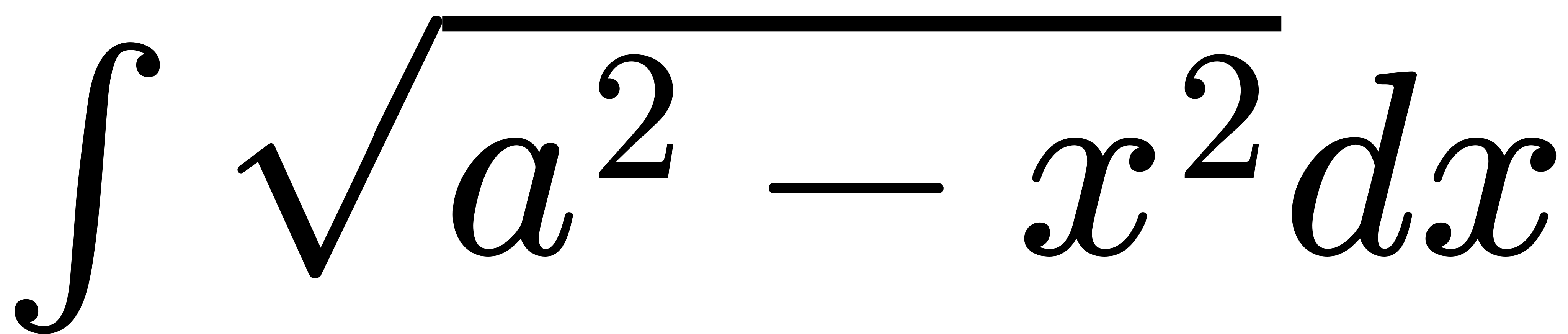
(1) Find integral StartRoot a squared minus x squared EndRoot d x.
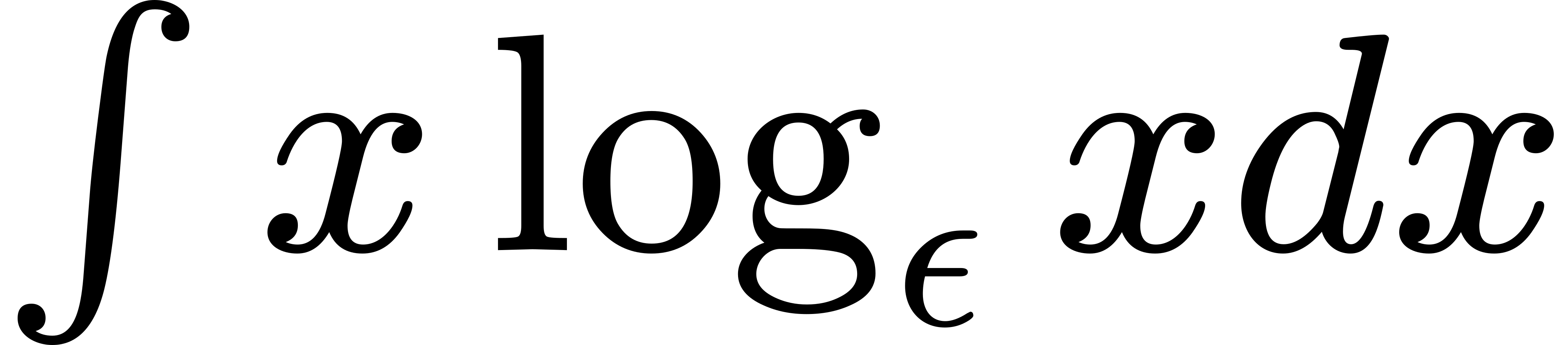
(2) Find integral x log Subscript epsilon Baseline x d x.

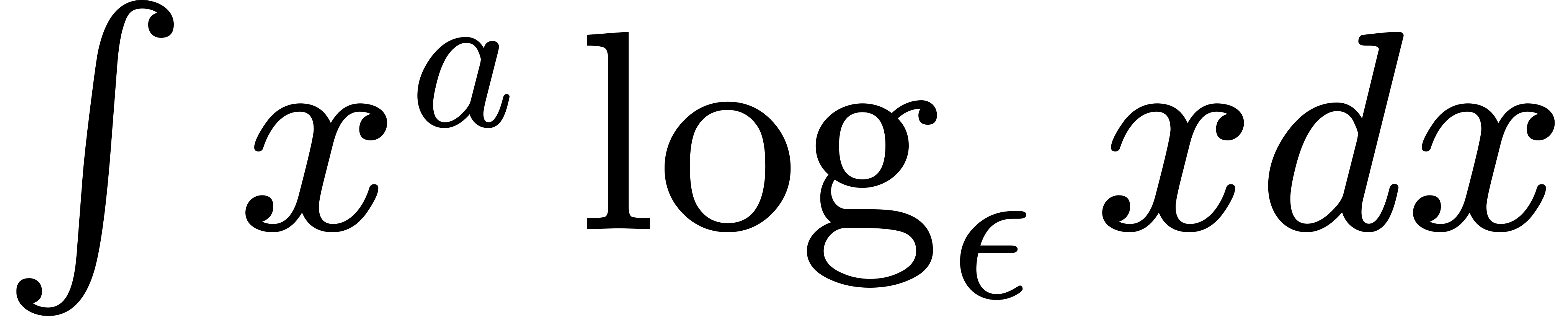
(3) Find integral x Superscript a Baseline log Subscript epsilon Baseline x d x.

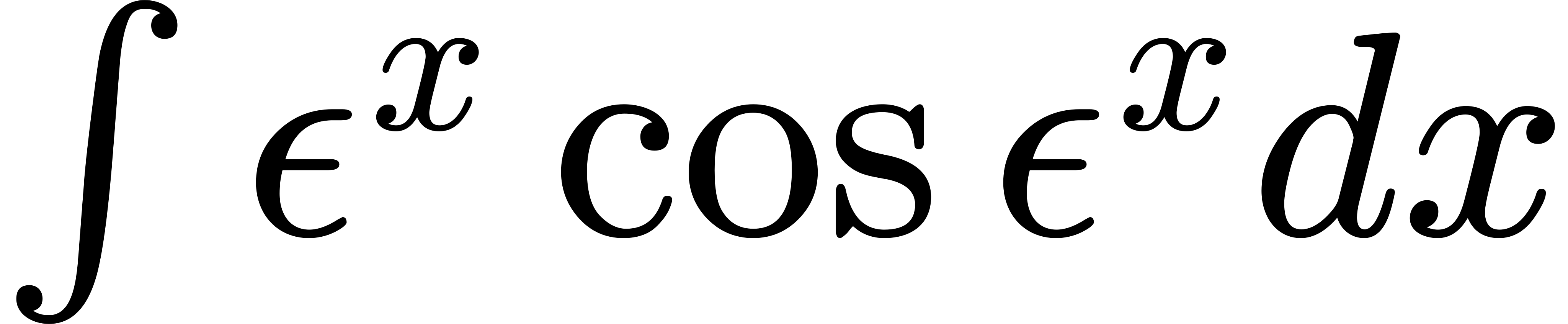
(4) Find integral epsilon Superscript x Baseline cosine epsilon Superscript x Baseline d x.

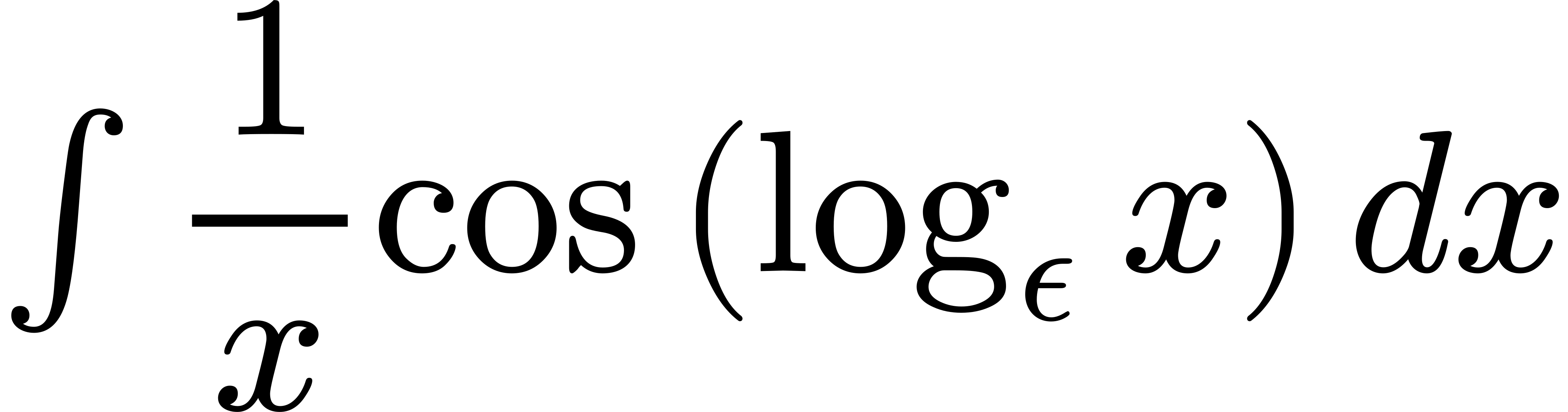
(5) Find integral StartFraction 1 Over x EndFraction cosine left parenthesis log Subscript epsilon Baseline x right parenthesis d x.

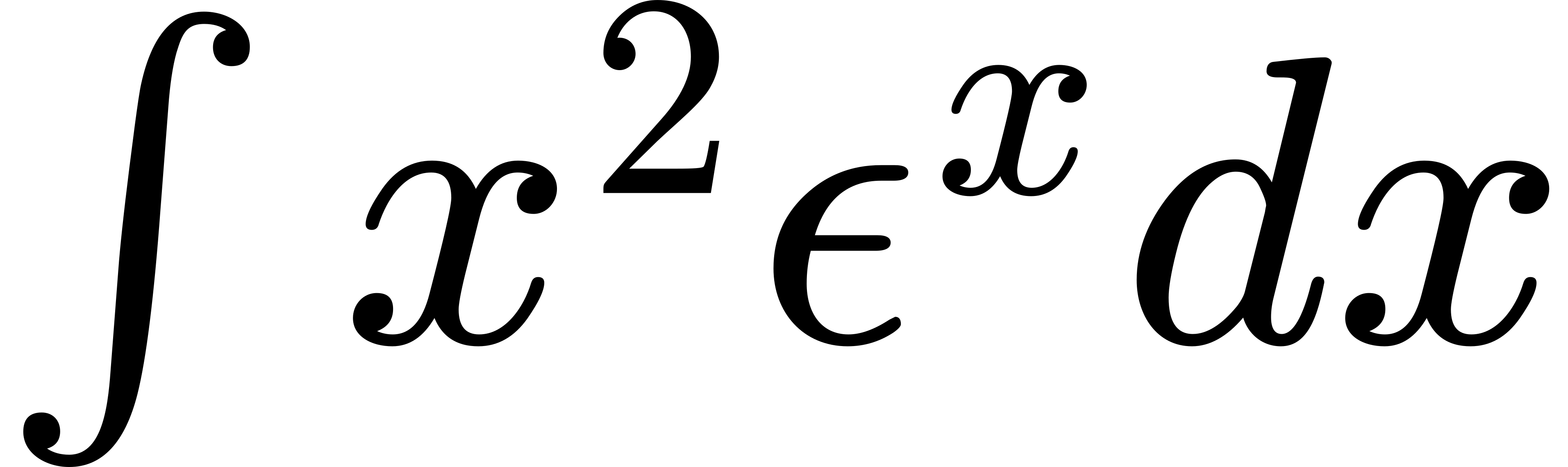
(6) Find integral x squared epsilon Superscript x d x.

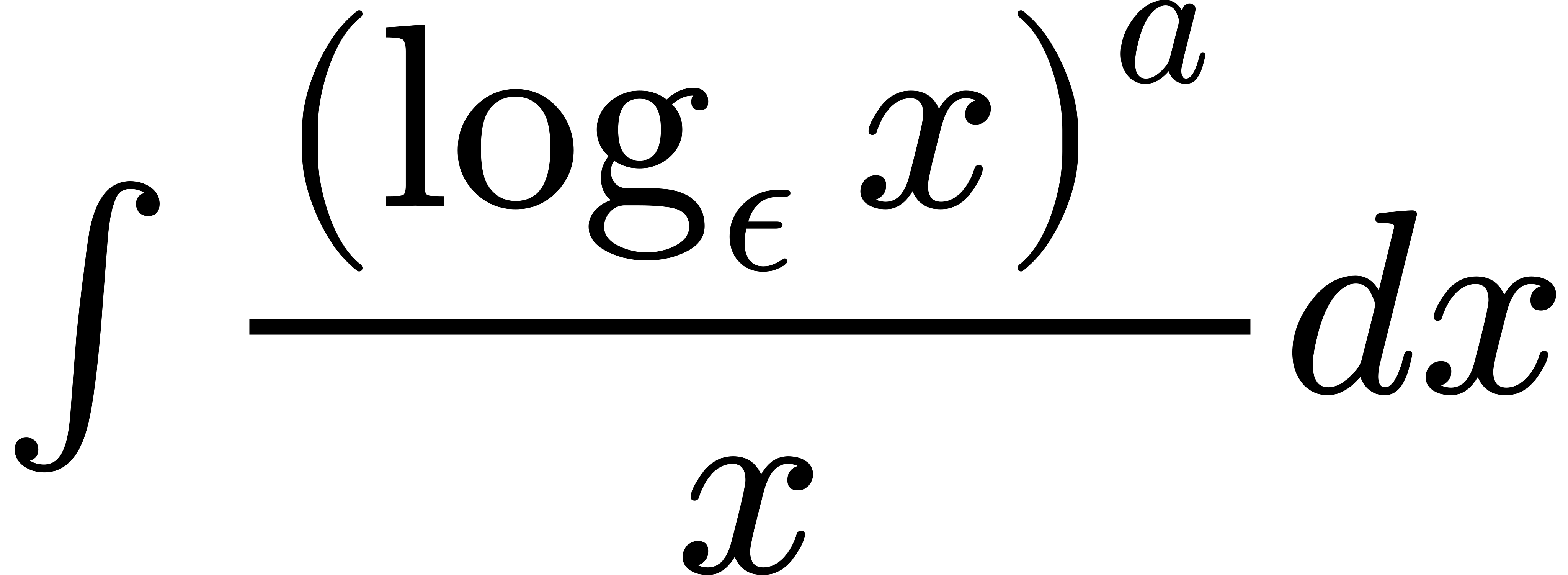
(7) Find integral StartFraction left parenthesis log Subscript epsilon Baseline x right parenthesis Superscript a Baseline Over x EndFraction d x.

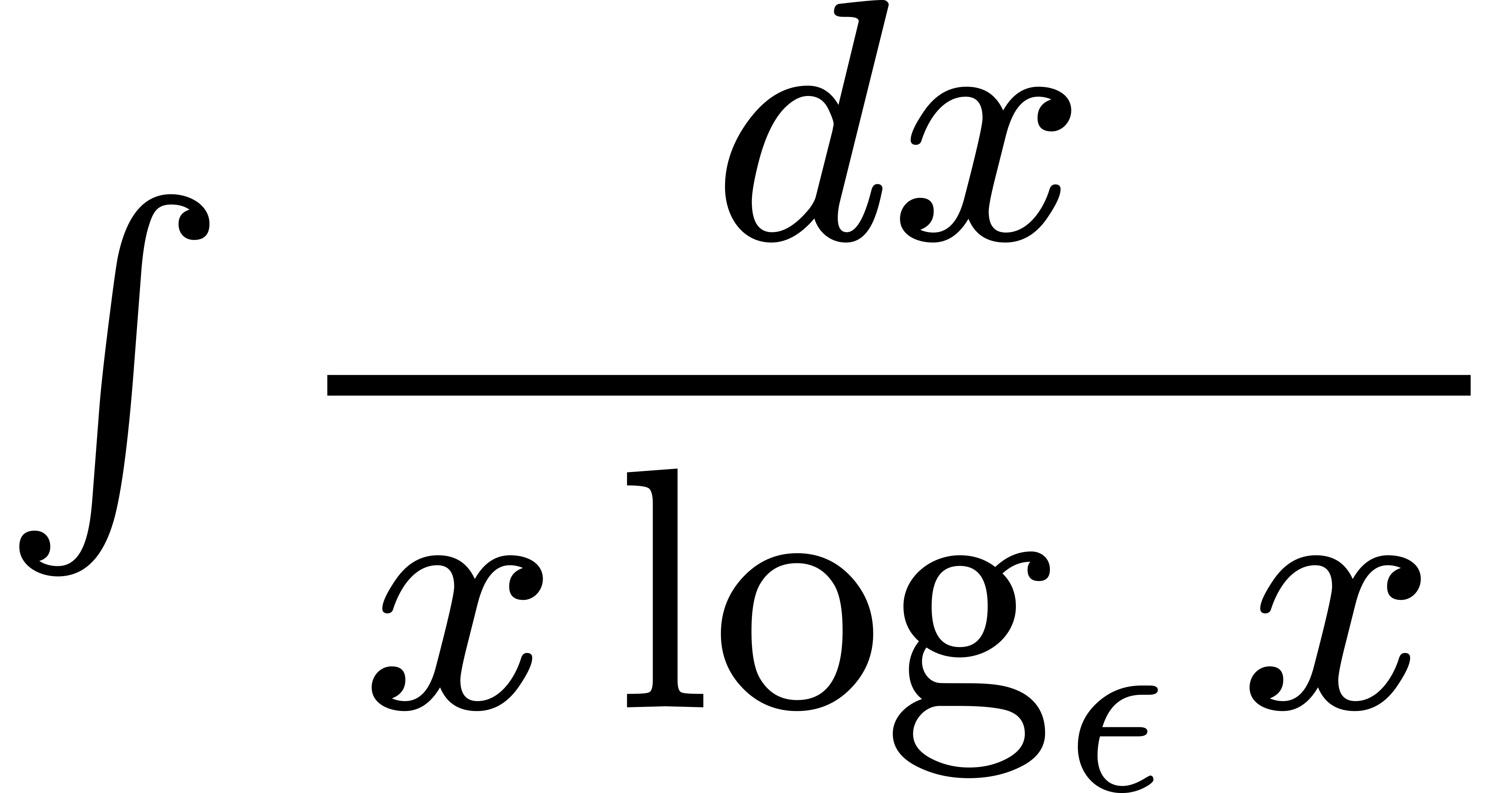
(8) Find integral StartFraction d x Over x log Subscript epsilon Baseline x EndFraction.

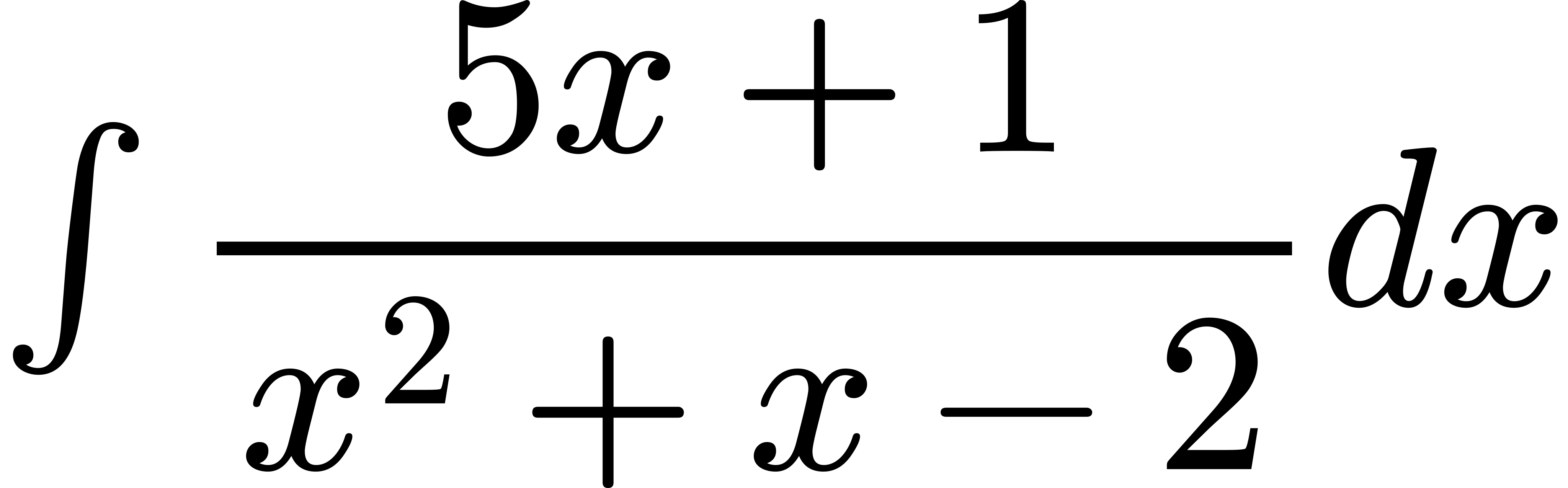
(9) Find integral StartFraction 5 x plus 1 Over x squared plus x minus 2 EndFraction d x.

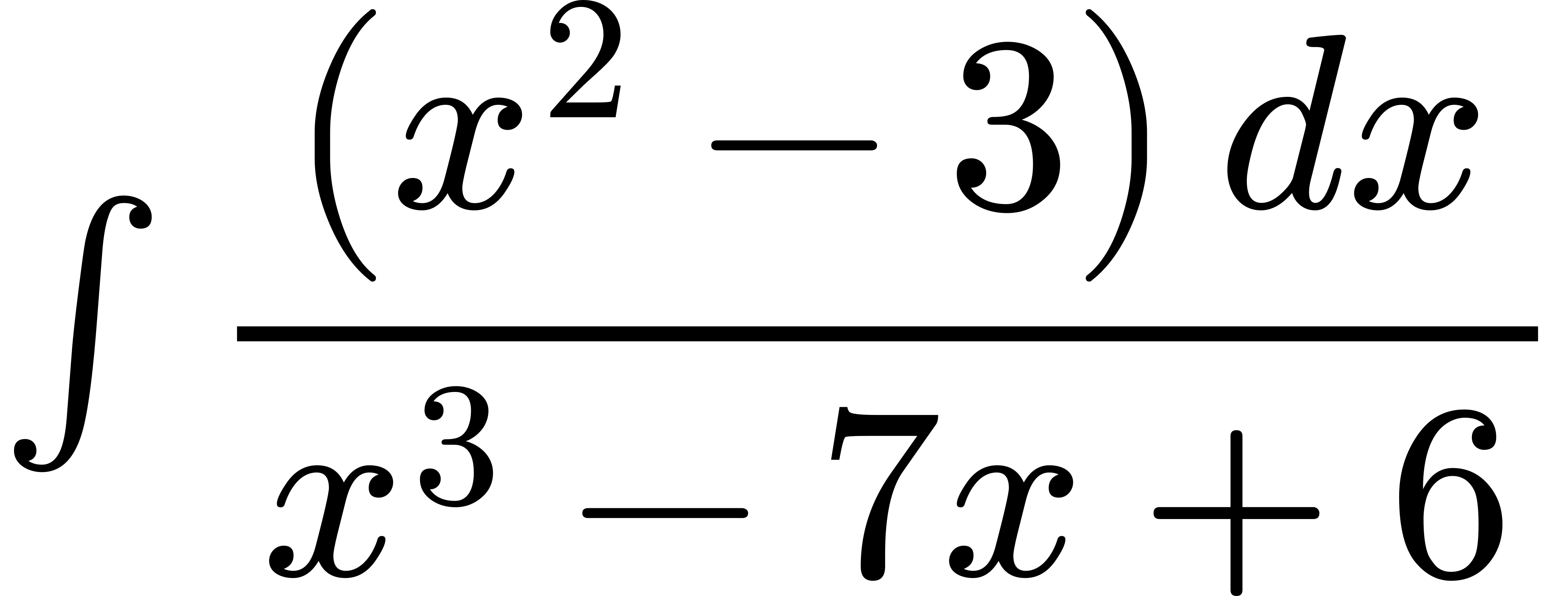
(10) Find integral StartFraction left parenthesis x squared minus 3 right parenthesis d x Over x cubed minus 7 x plus 6 EndFraction.

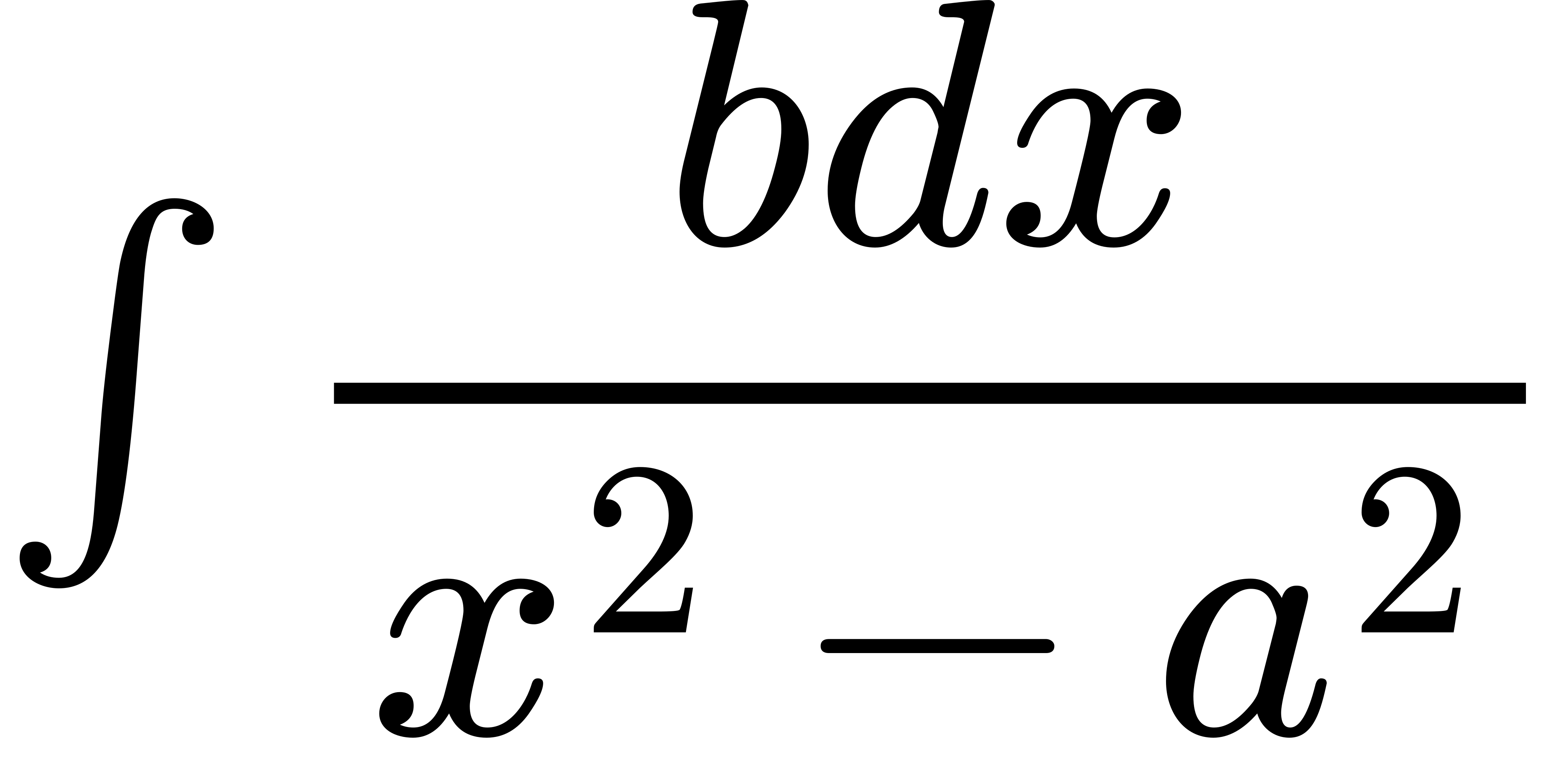
(11) Find integral StartFraction b d x Over x squared minus a squared EndFraction.

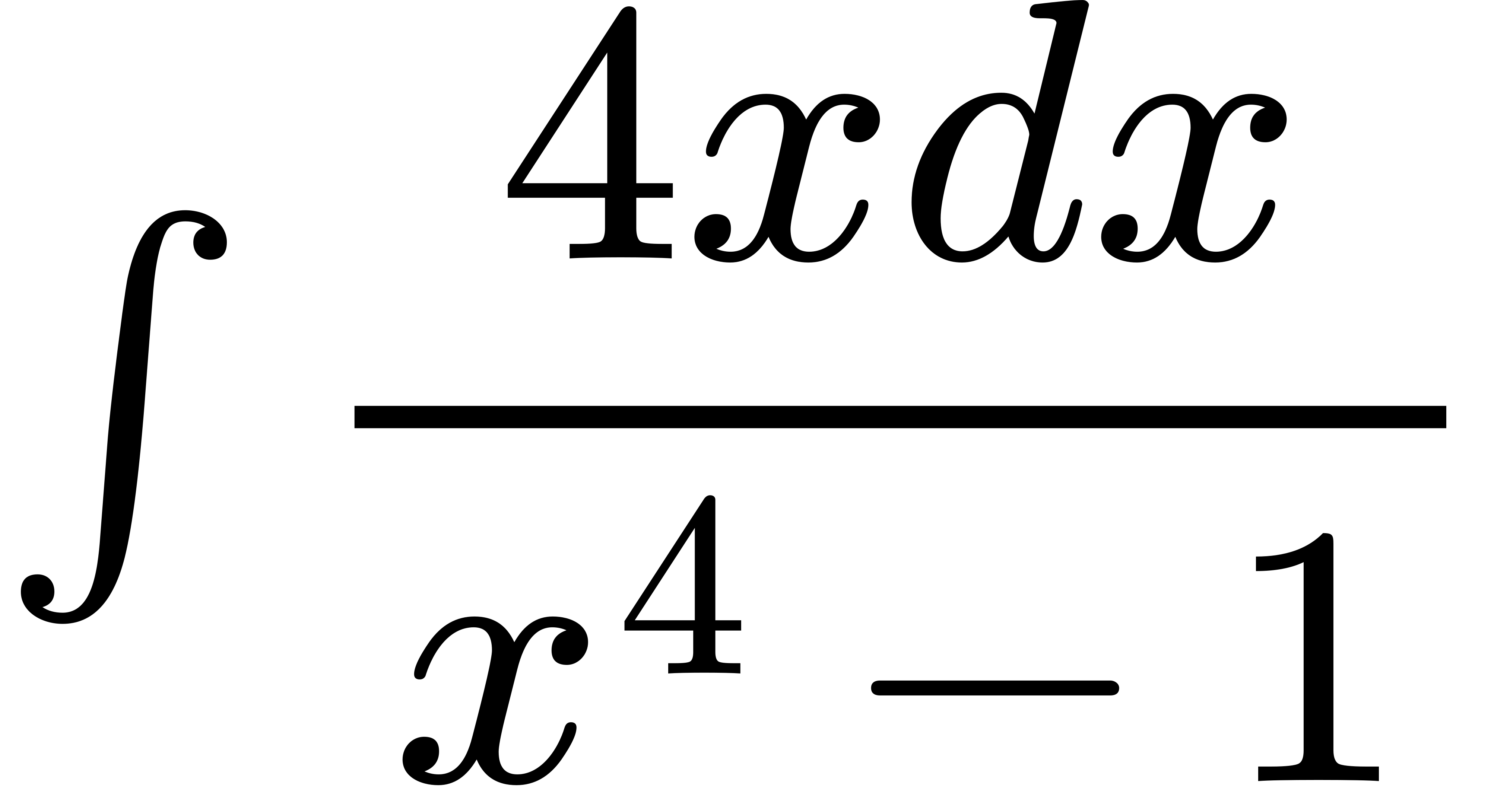
(12) Find integral StartFraction 4 x d x Over x Superscript 4 Baseline minus 1 EndFraction.

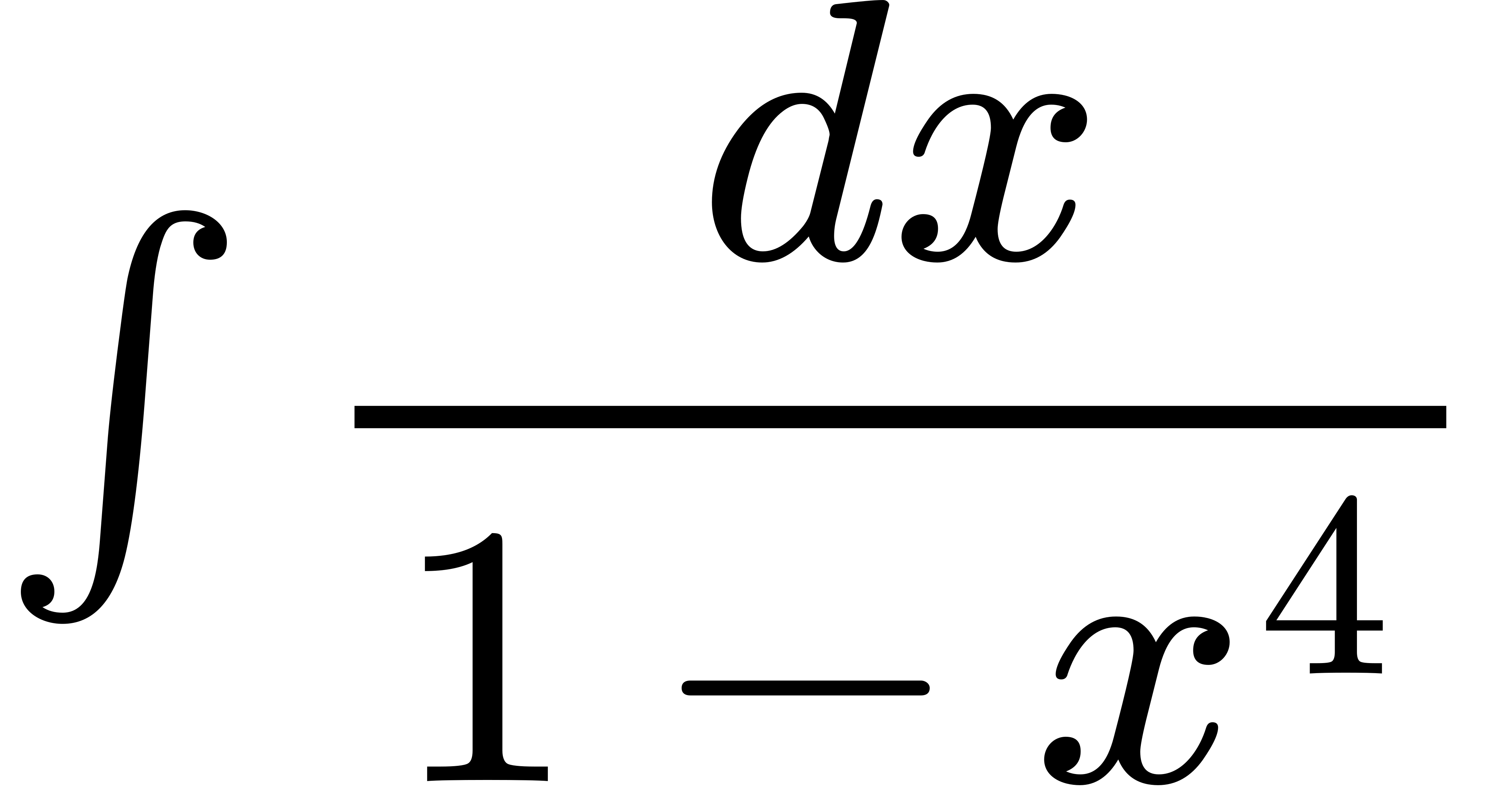
(13) Find integral StartFraction d x Over 1 minus x Superscript 4 Baseline EndFraction.

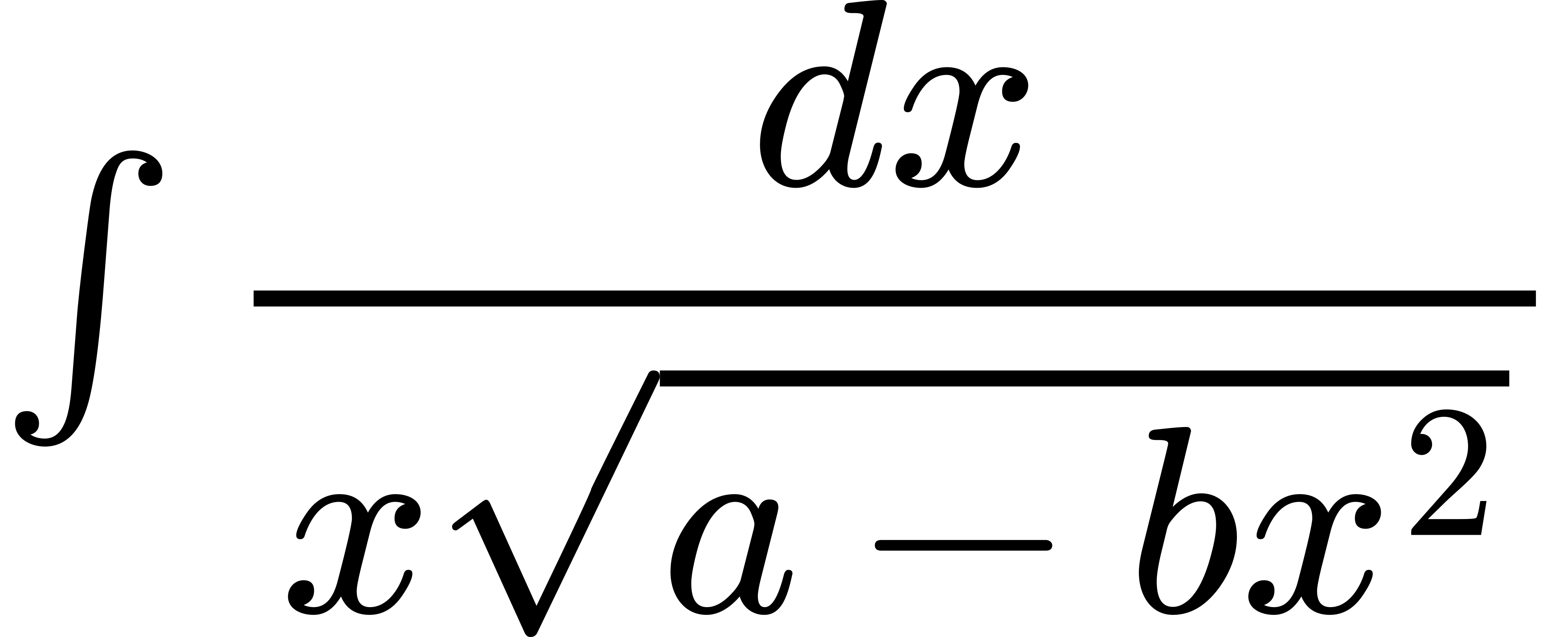
(14) Find integral StartFraction d x Over x StartRoot a minus b x squared EndRoot EndFraction.

22.1 Footnotes:

[7] This means that the actual result of solving it is called its "solution." But many mathematicians would say, with Professor Forsyth, "every differential equation is considered as solved when the value of the dependent variable is expressed as a function of the independent variable by means either of known functions, or of integrals, whether the integrations in the latter can or cannot be expressed in terms of functions already known."