Skip to content

Chapter 20: Chapter XVIII. Integrating As the Reverse of Differentiating

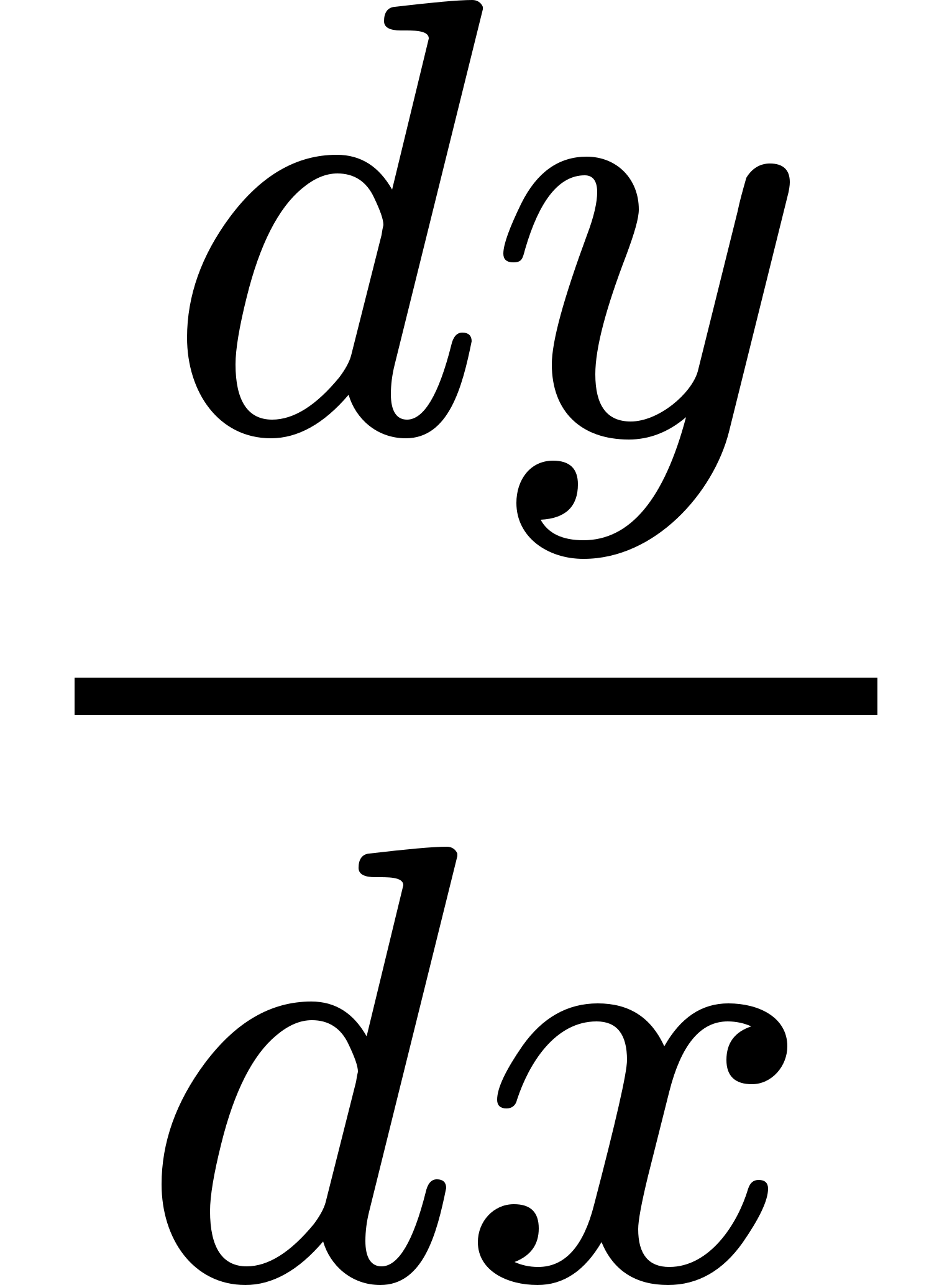
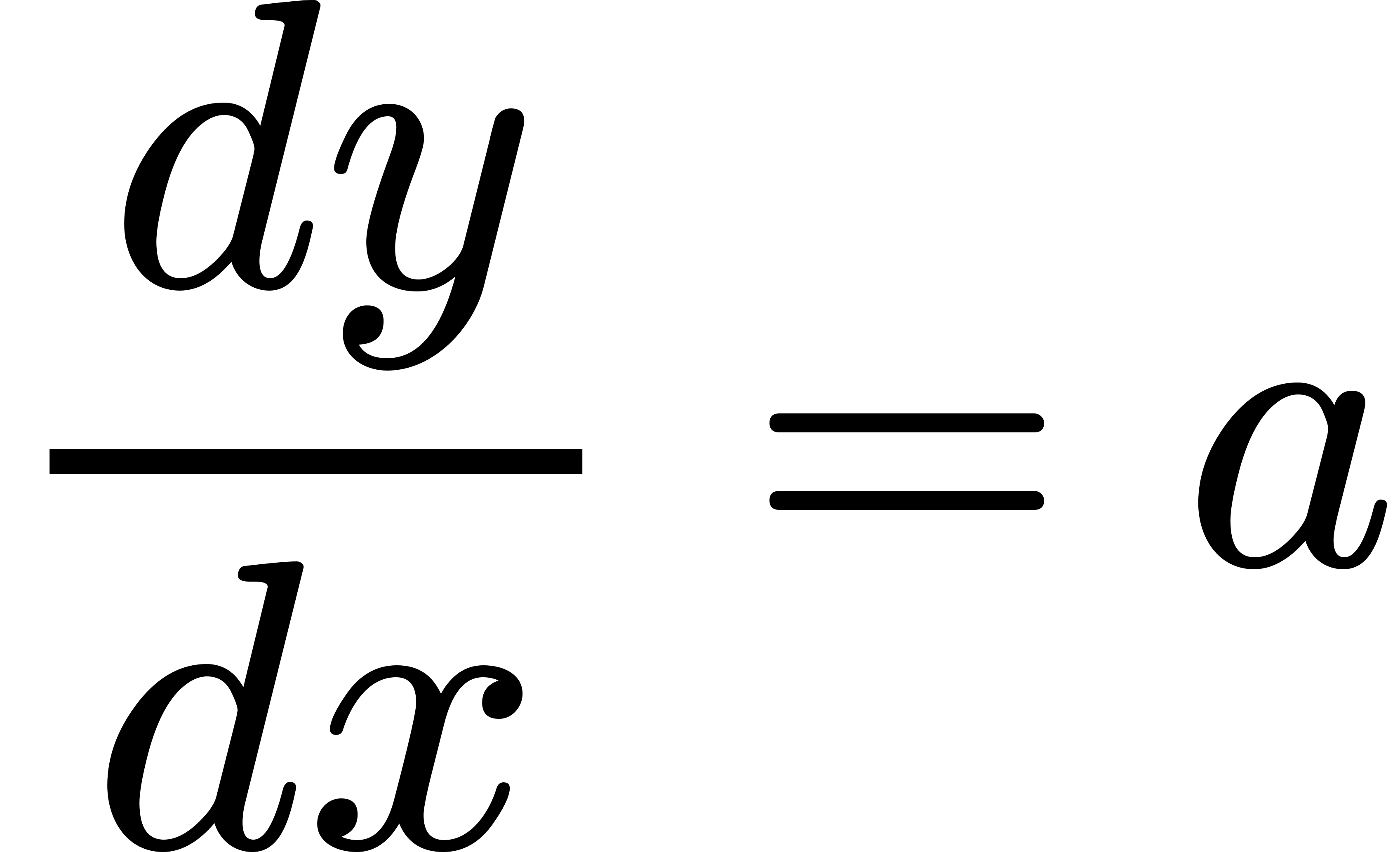
DIFFERENTIATING is the process by which when y is given us (as a function of x ), we can find StartFraction d y Over d x EndFraction.
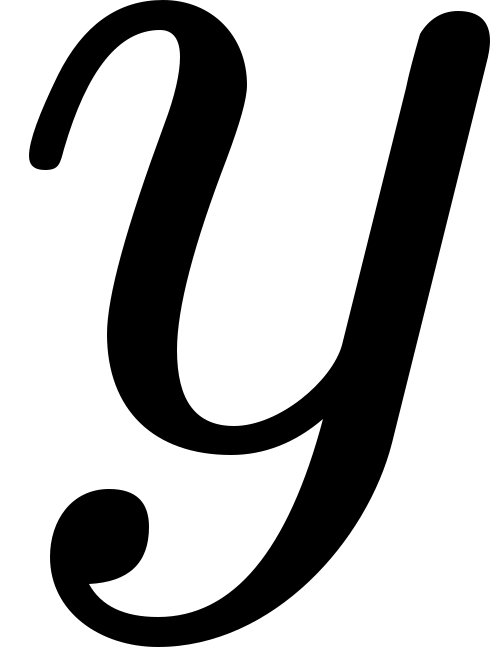
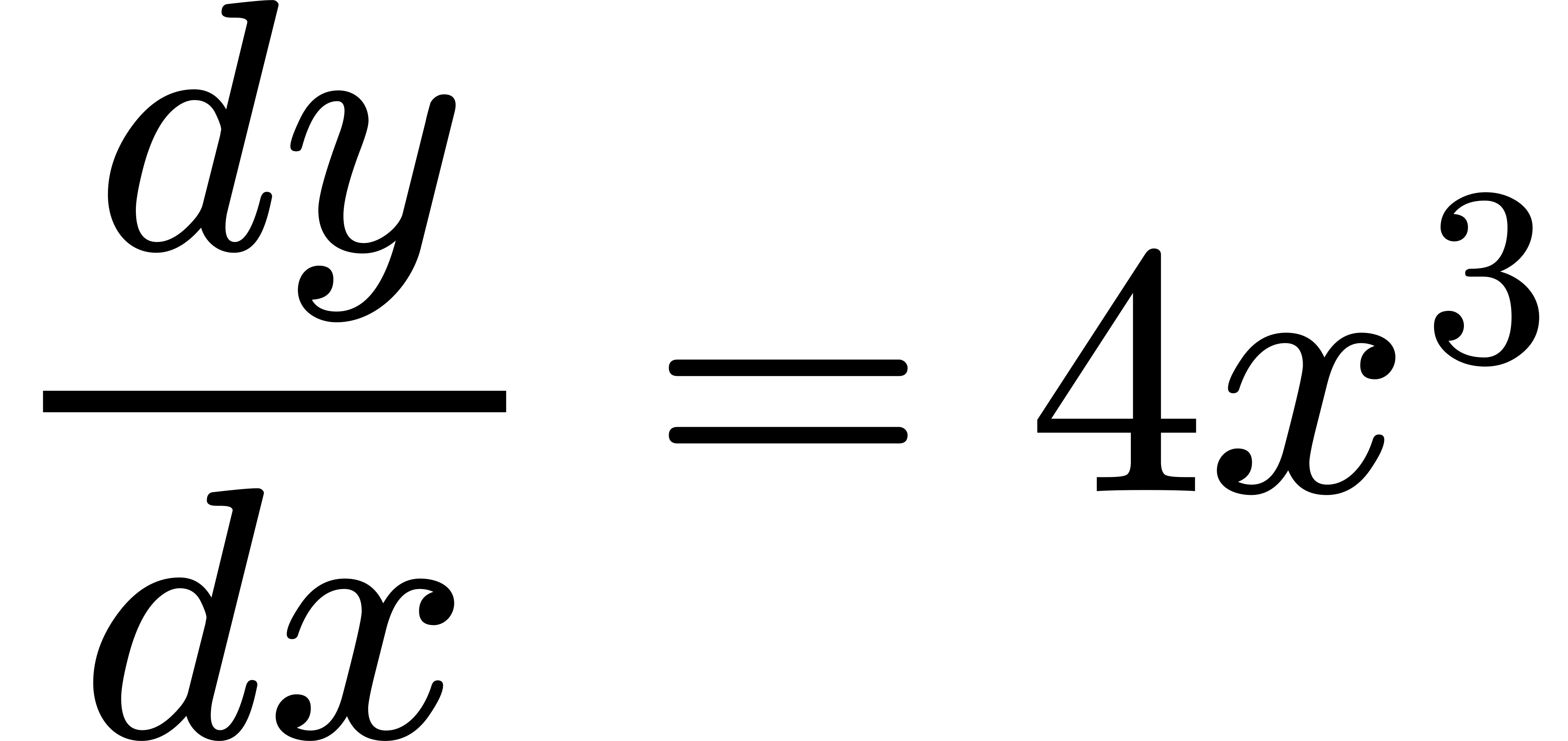
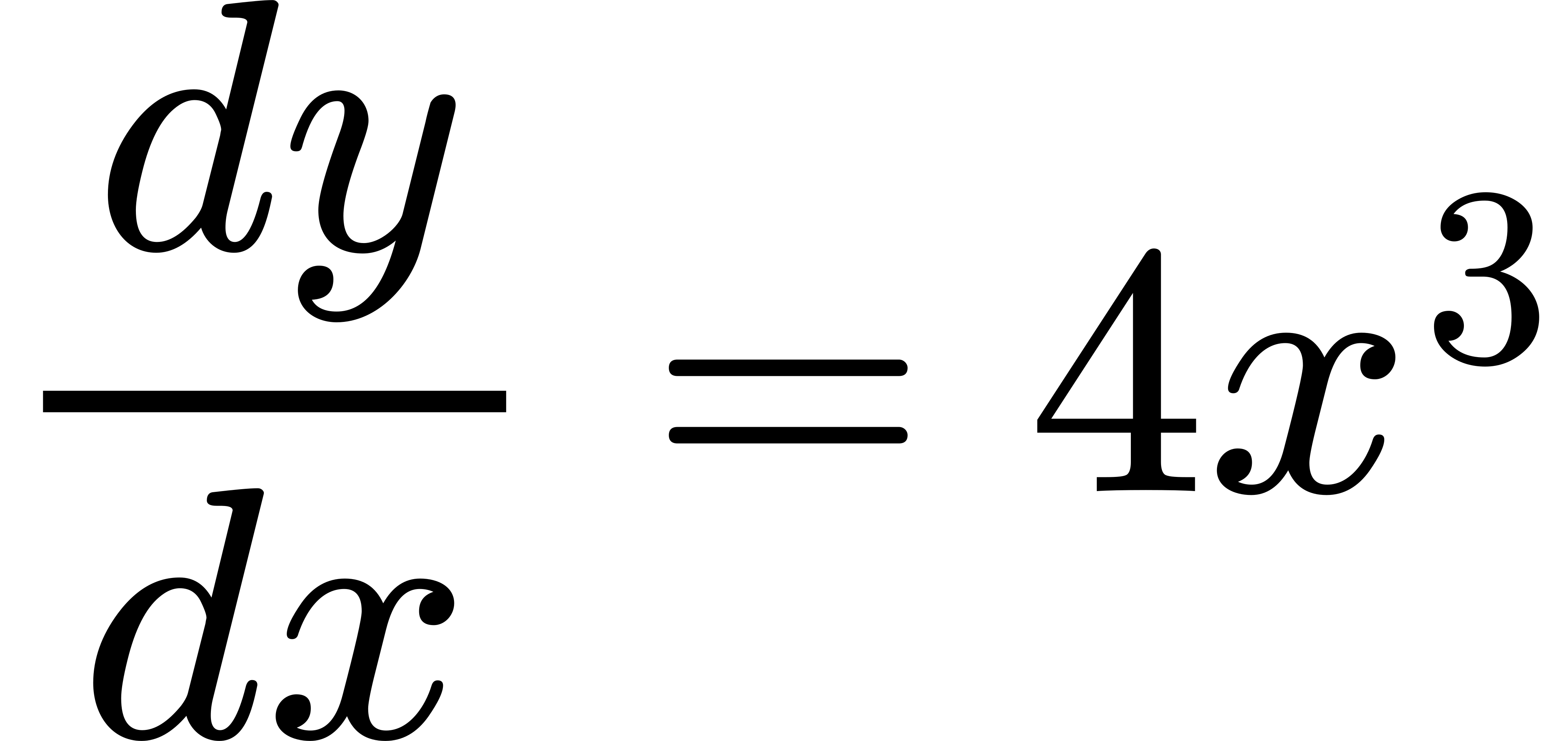
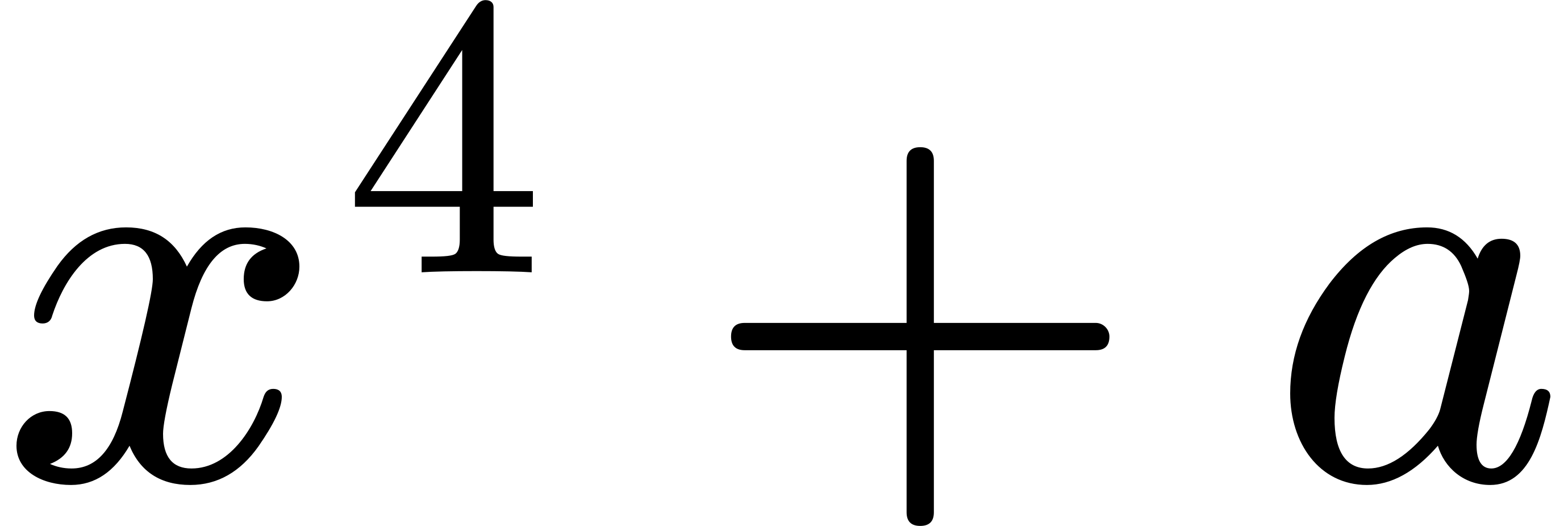
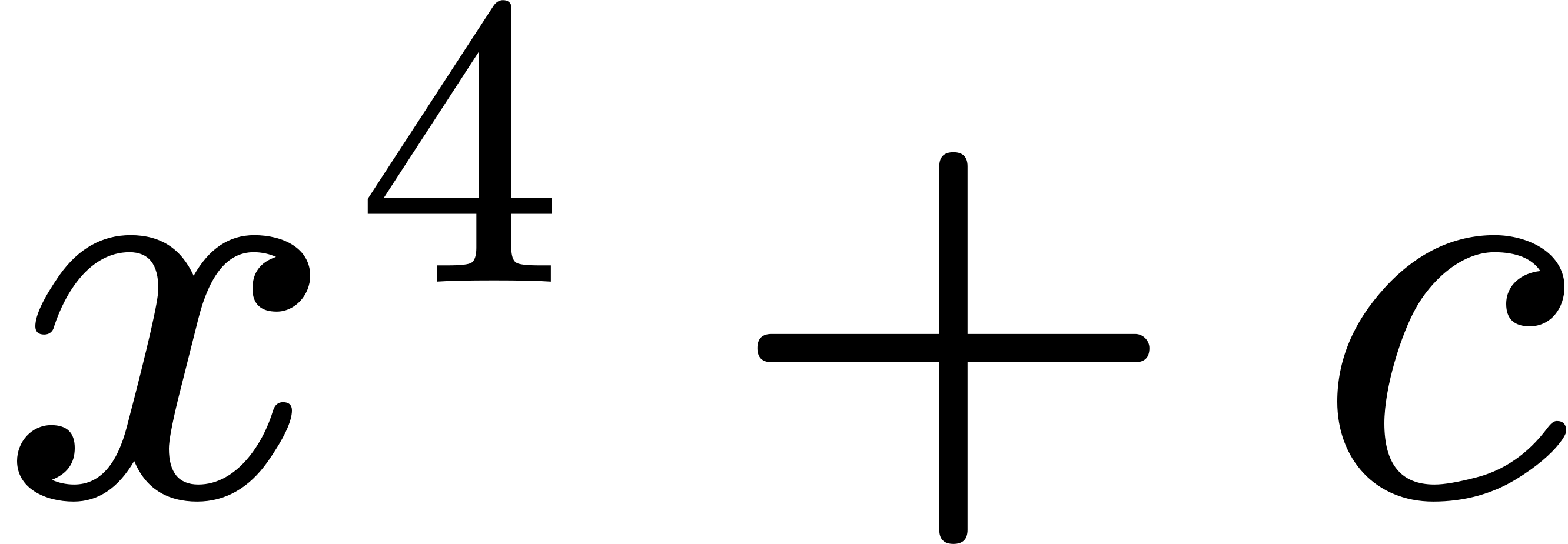
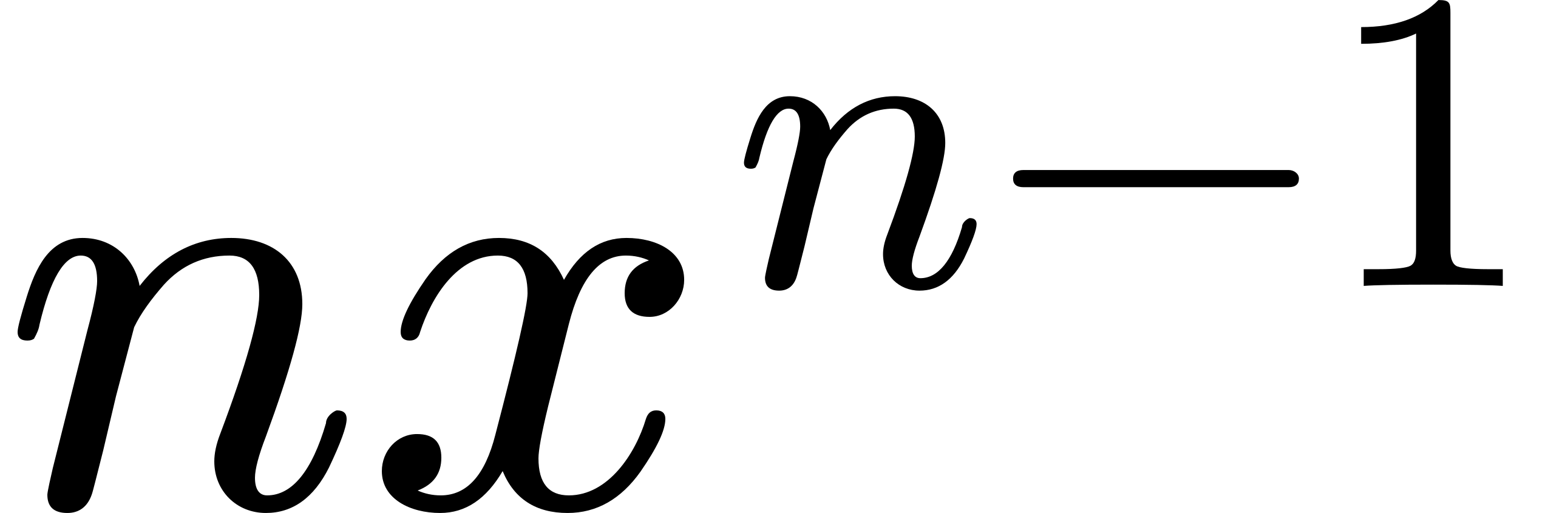
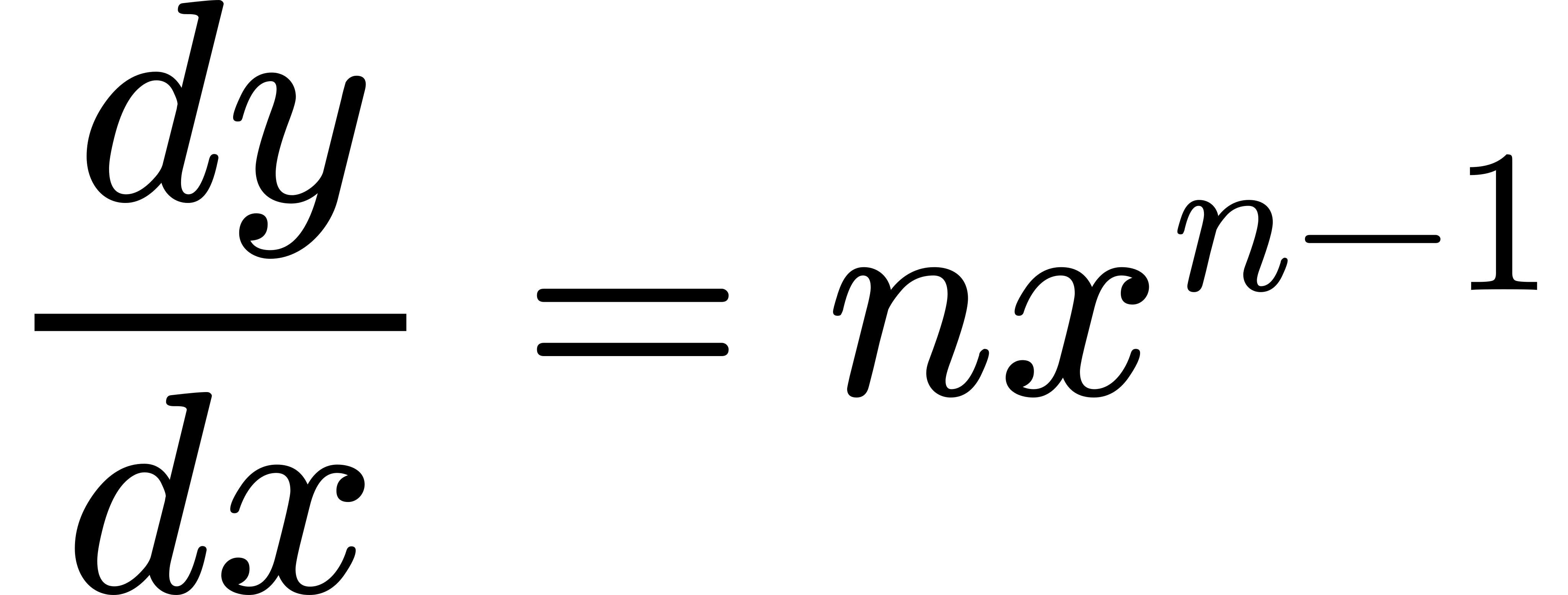
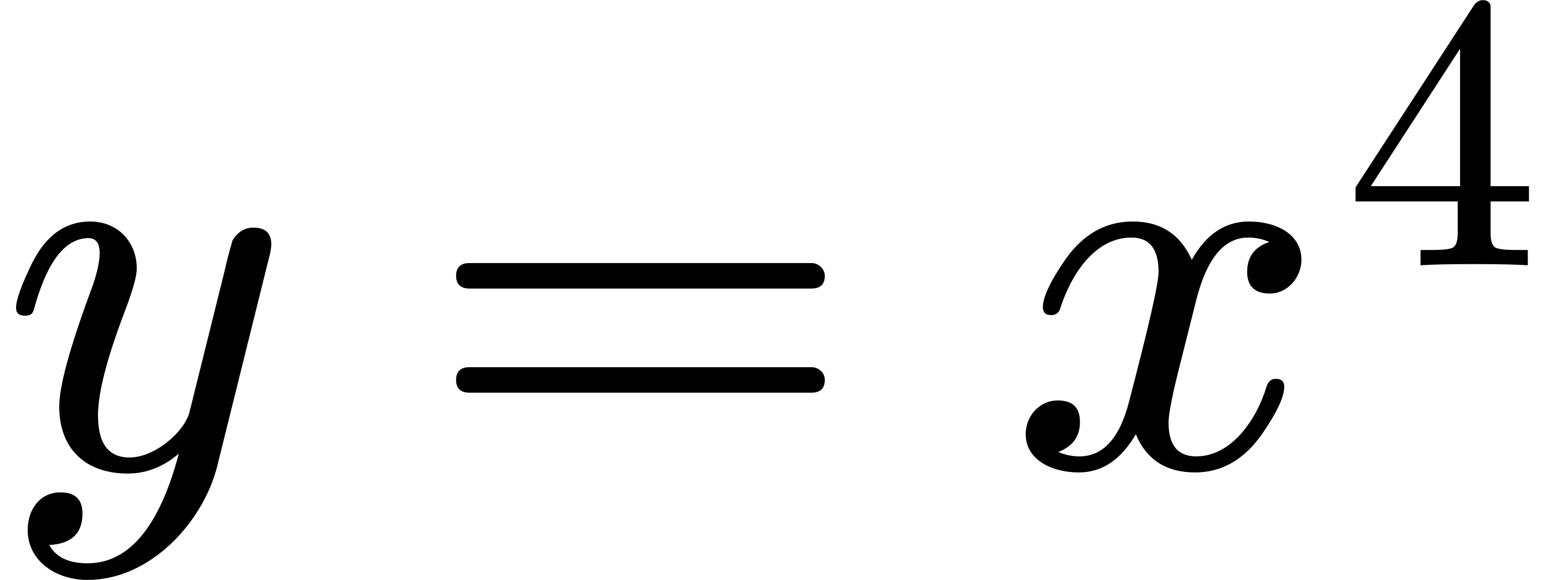
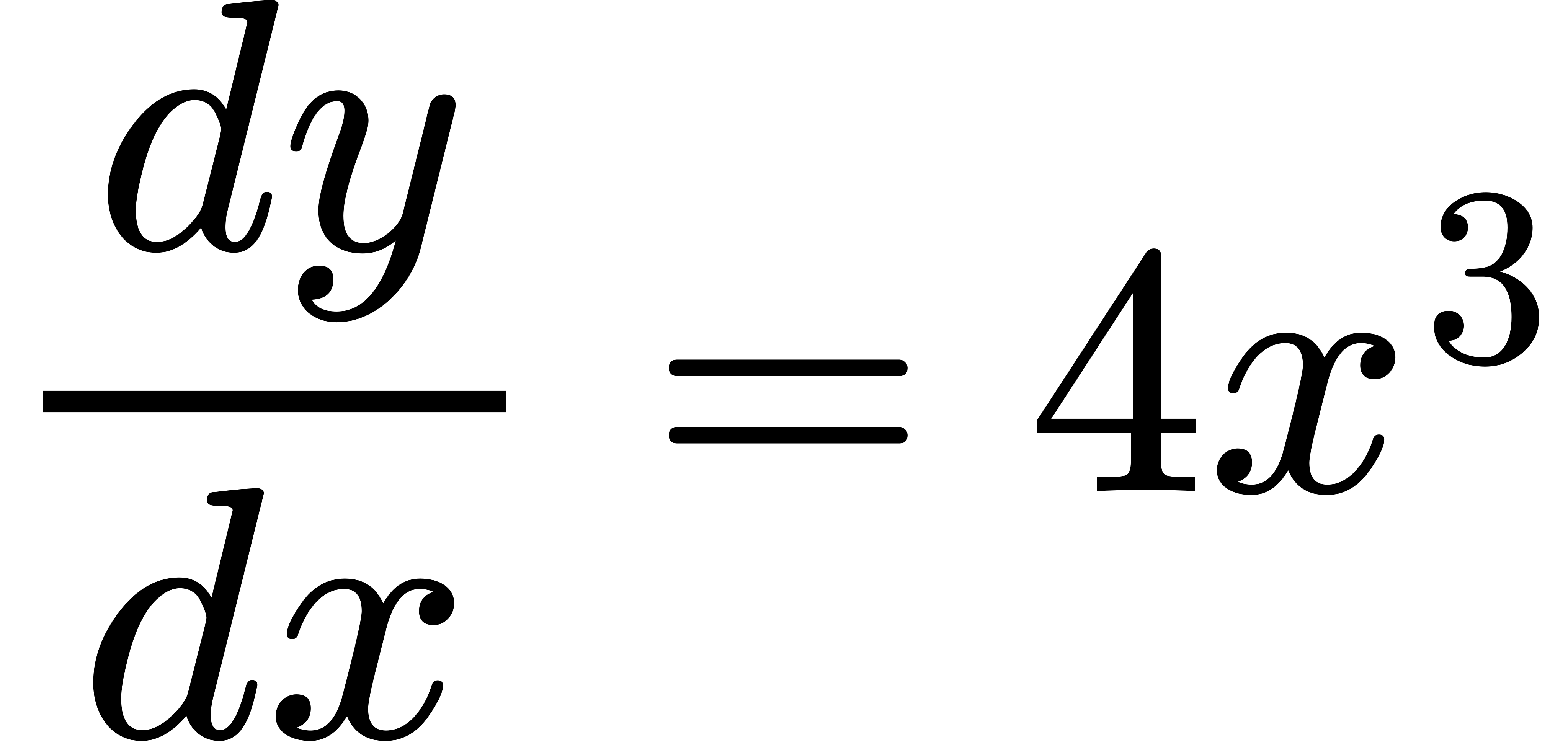
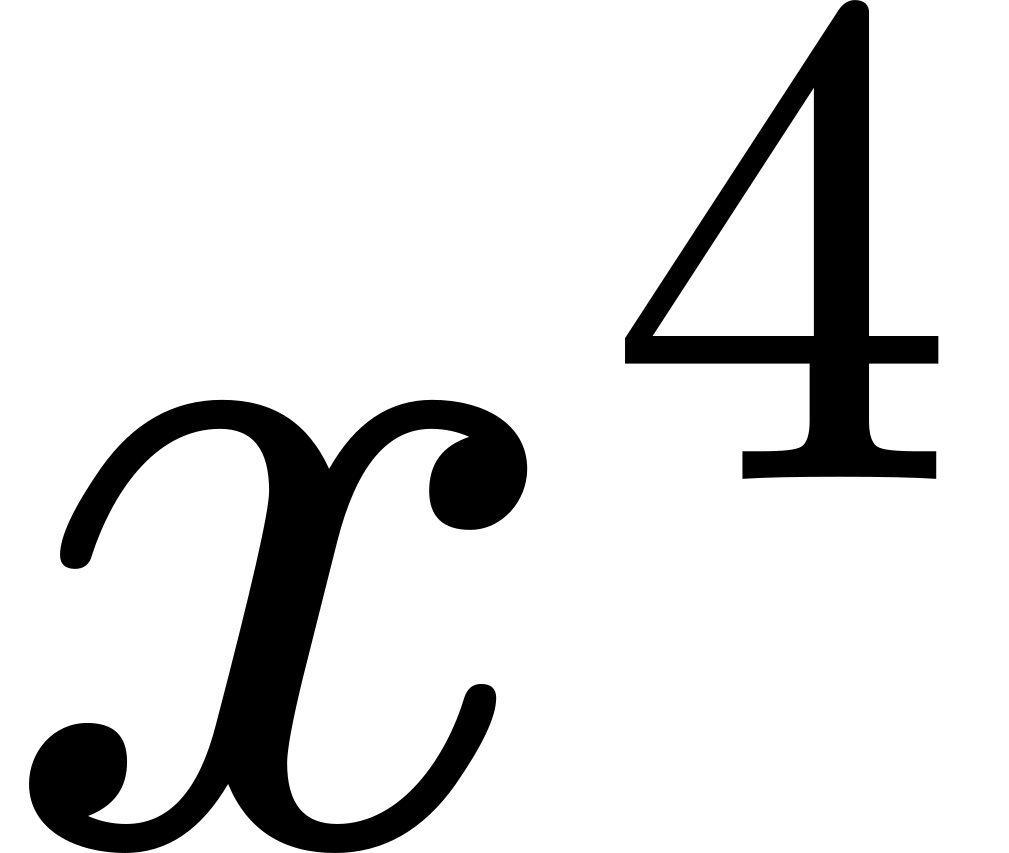
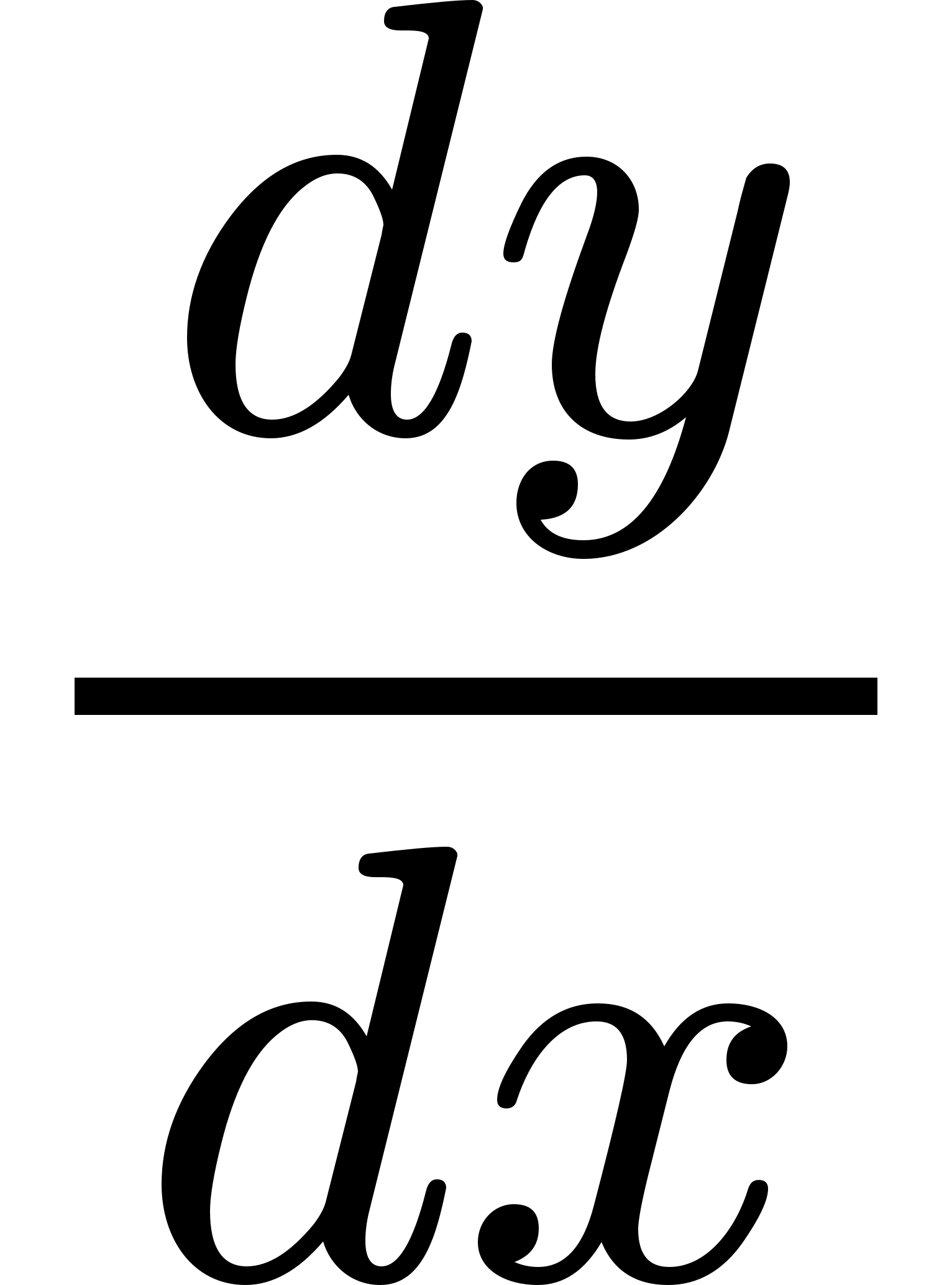
Like every other mathematical operation, the process of differentiation may be reversed; thus, if differentiating y equals x Superscript 4 gives us StartFraction d y Over d x EndFraction equals 4 x cubed; if one begins with StartFraction d y Over d x EndFraction equals 4 x cubed one would say that reversing the process would yield y equals x Superscript 4. But here comes in a curious point. We should get StartFraction d y Over d x EndFraction equals 4 x cubed if we had begun with any of the following: x Superscript 4, or x Superscript 4 Baseline plus a, or x Superscript 4 Baseline plus c, or x Superscript 4 with any added constant. So it is clear that in working backwards from StartFraction d y Over d x EndFraction to y, one must make provision for the possibility of there being an added constant, the value of which will be undetermined until ascertained in some other way. So, if differentiating x Superscript n yields n x Superscript n minus 1, going backwards from StartFraction d y Over d x EndFraction equals n x Superscript n minus 1 will give us y equals x Superscript n Baseline plus upper C; where upper C stands for the yet undetermined possible constant.
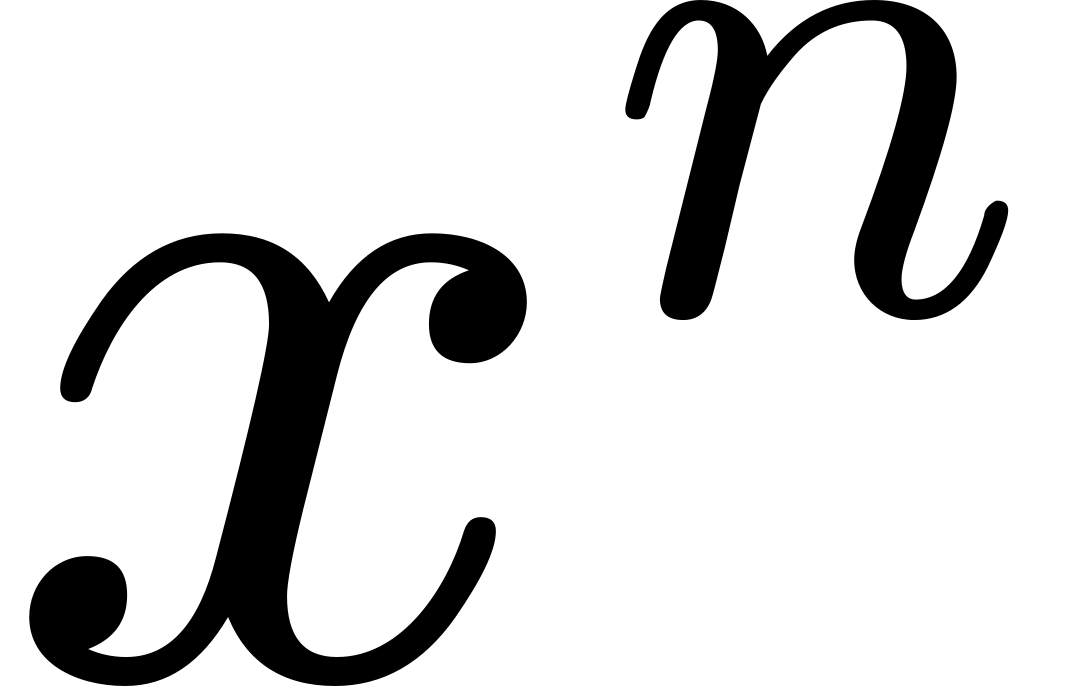
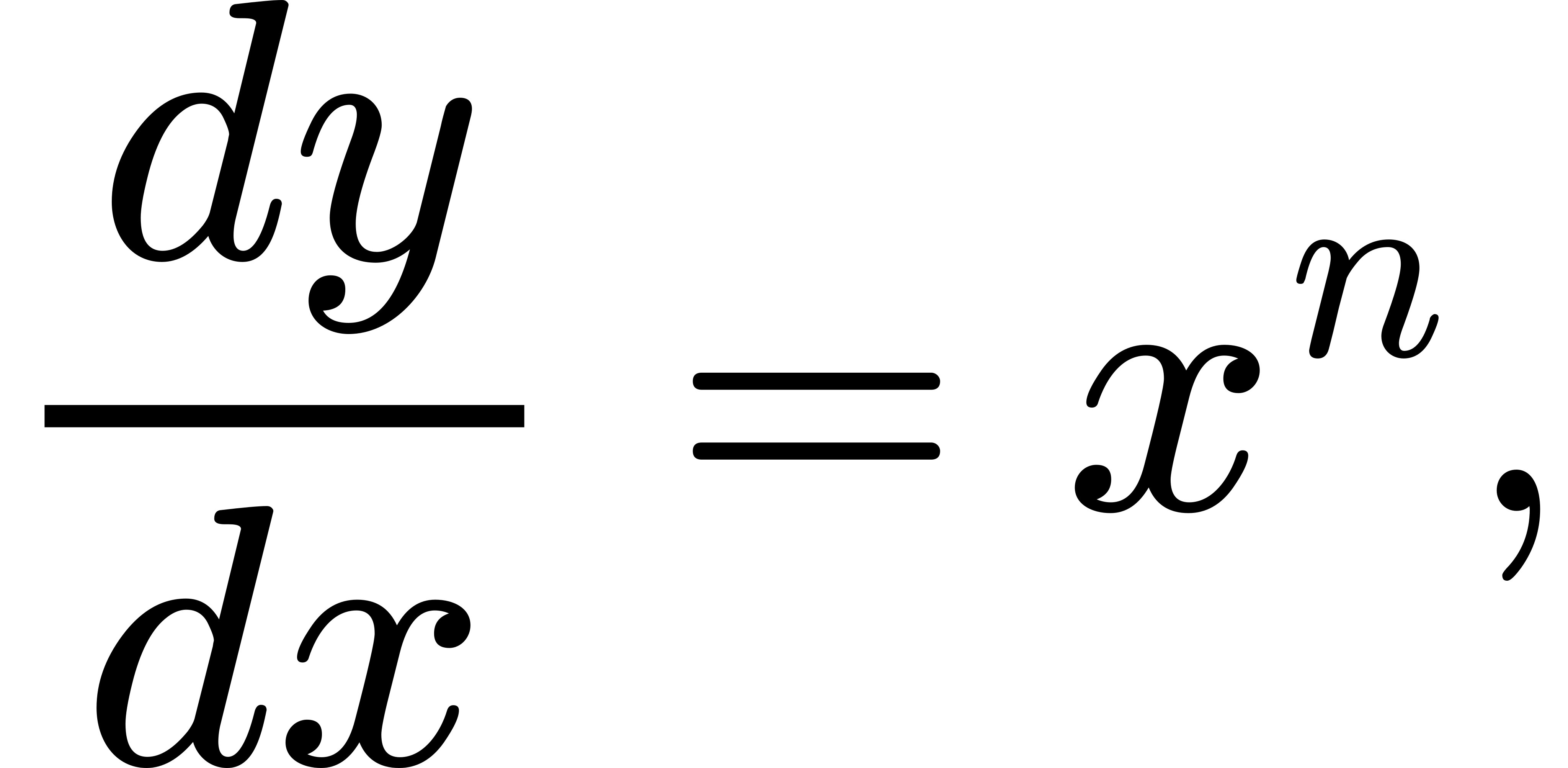
Clearly, in dealing with powers of x, the rule for working backwards will be: Increase the power by 1, then divide by that increased power, and add the undetermined constant.

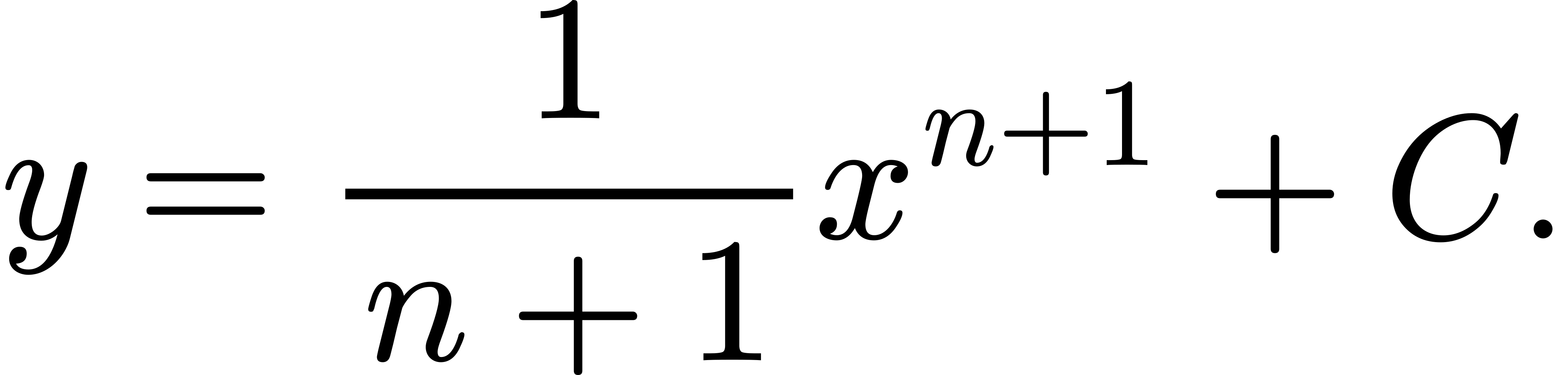
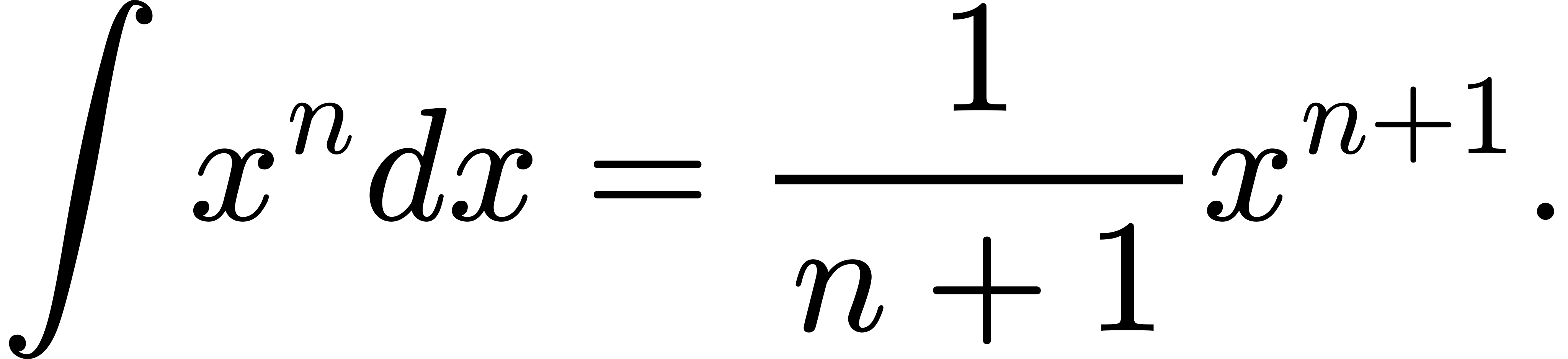
So, in the case where StartFraction d y Over d x EndFraction equals x Superscript n Baseline comma working backwards, we get y equals StartFraction 1 Over n plus 1 EndFraction x Superscript n plus 1 Baseline plus upper C period
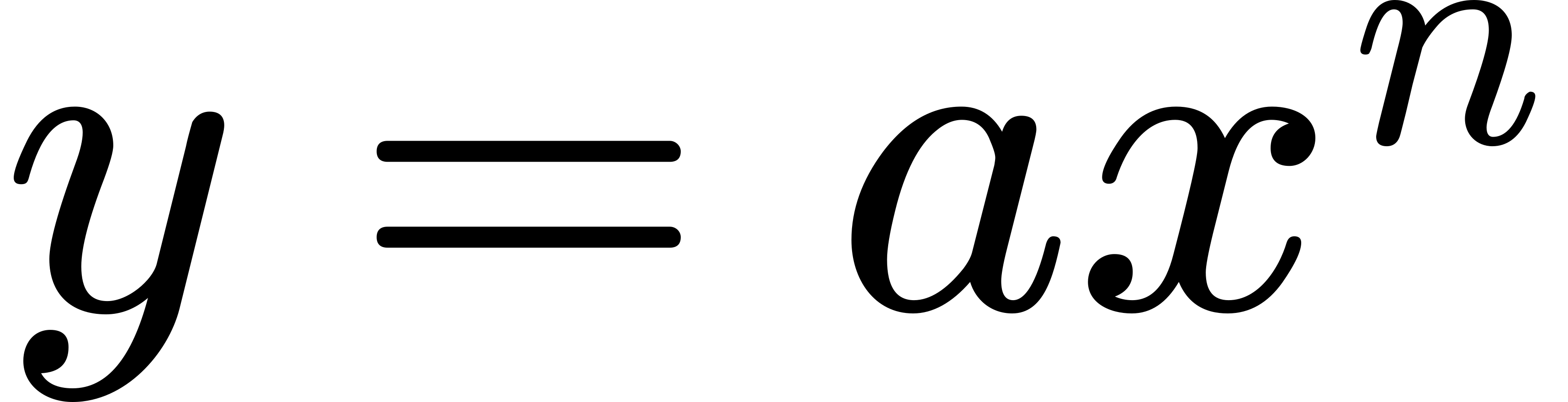
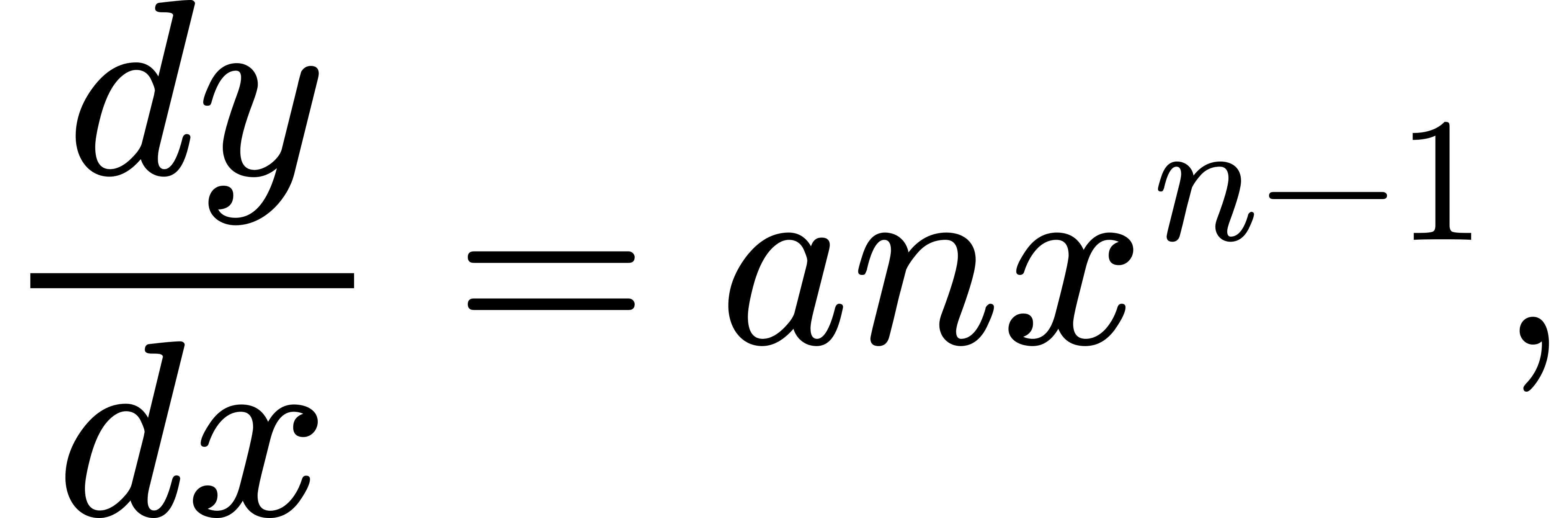
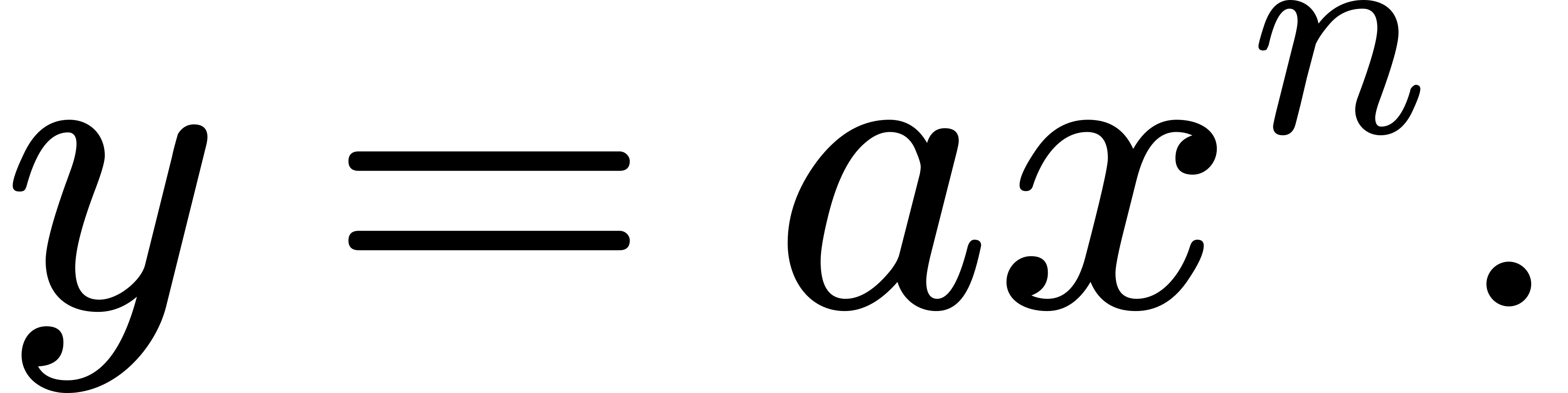
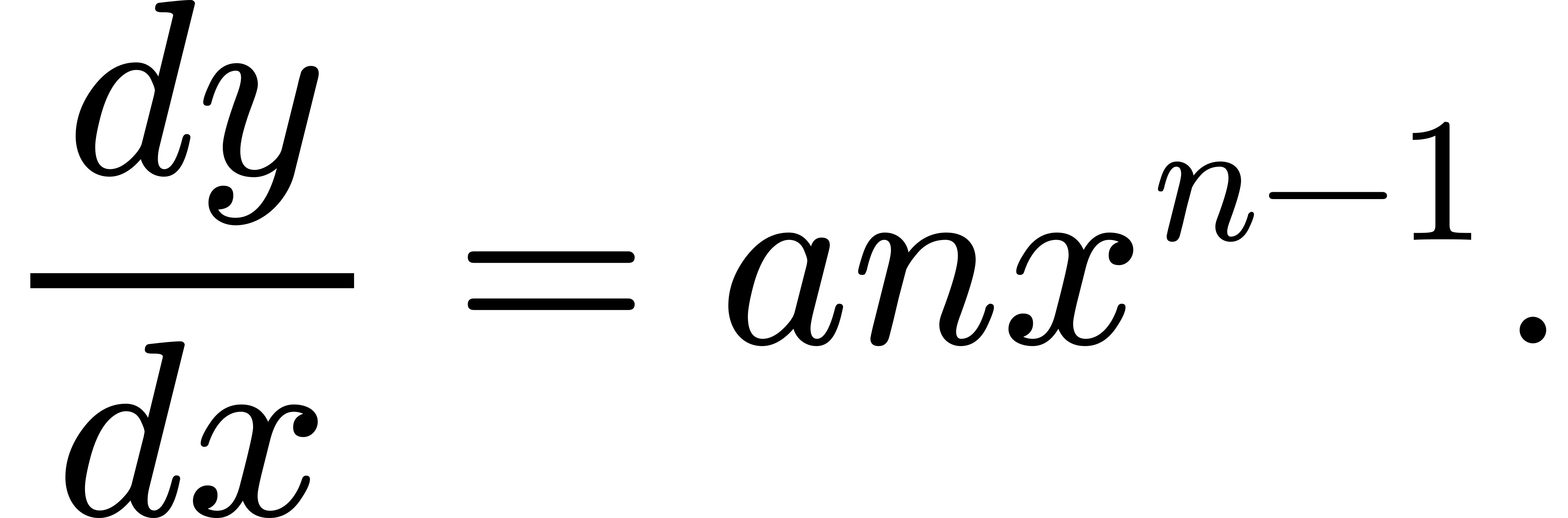
If differentiating the equation y equals a x Superscript n gives us StartFraction d y Over d x EndFraction equals a n x Superscript n minus 1 Baseline comma it is a matter of common sense that beginning with StartFraction d y Over d x EndFraction equals a n x Superscript n minus 1 Baseline comma and reversing the process, will give us y equals a x Superscript n Baseline period So, when we are dealing with a multiplying constant, we must simply put the constant as a multiplier of the result of the integration.
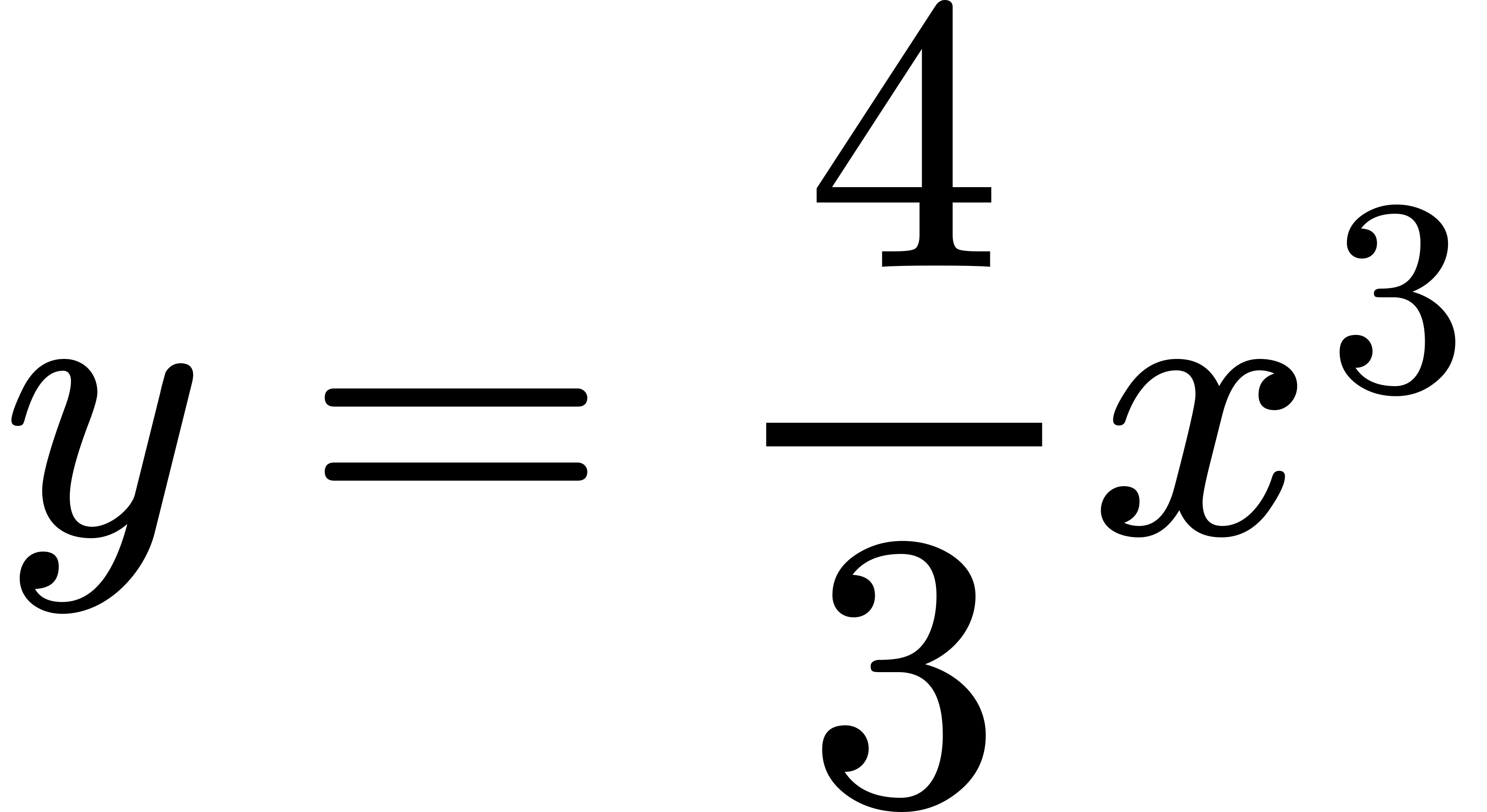
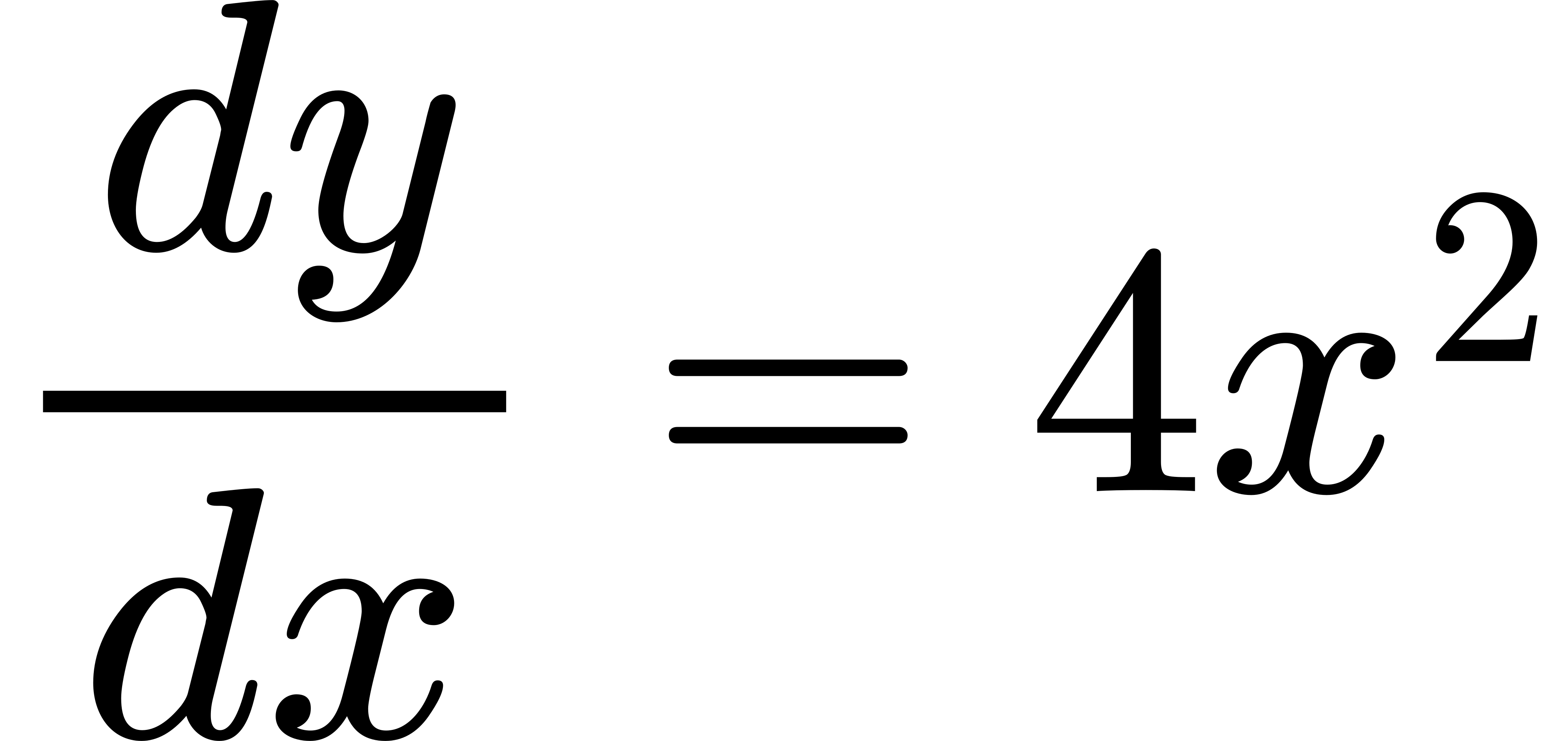
Thus, if StartFraction d y Over d x EndFraction equals 4 x squared, the reverse process gives us y equals four thirds x cubed.
But this is incomplete. For we must remember that if we had started with y equals a x Superscript n Baseline plus upper C comma where upper C is any constant quantity whatever, we should equally have found StartFraction d y Over d x EndFraction equals a n x Superscript n minus 1 Baseline period

So, therefore, when we reverse the process we must always remember to add on this undetermined constant, even if we do not yet know what its value will be.

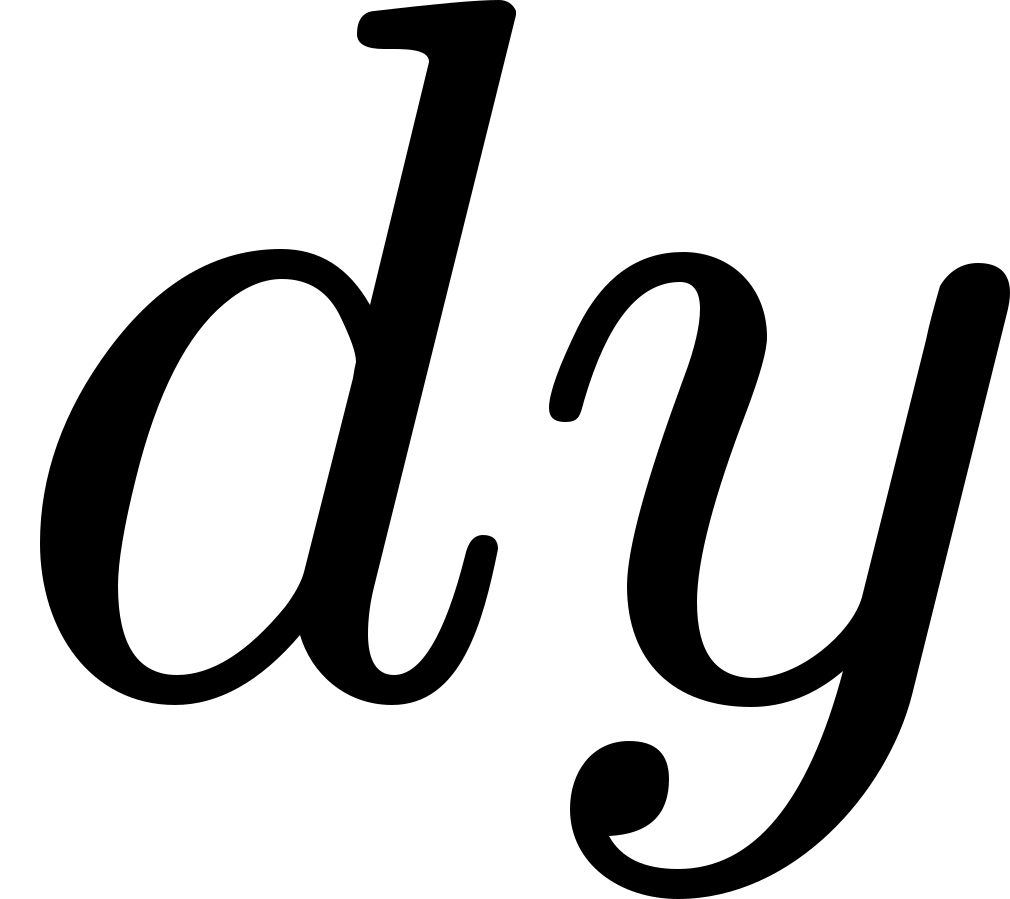
This process, the reverse of differentiating, is called integrating; for it consists in finding the value of the whole quantity y when you are given only an expression for d y or for StartFraction d y Over d x EndFraction. Hitherto we have as much as possible kept d y and d x together as a differential coefficient: henceforth we shall more often have to separate them.
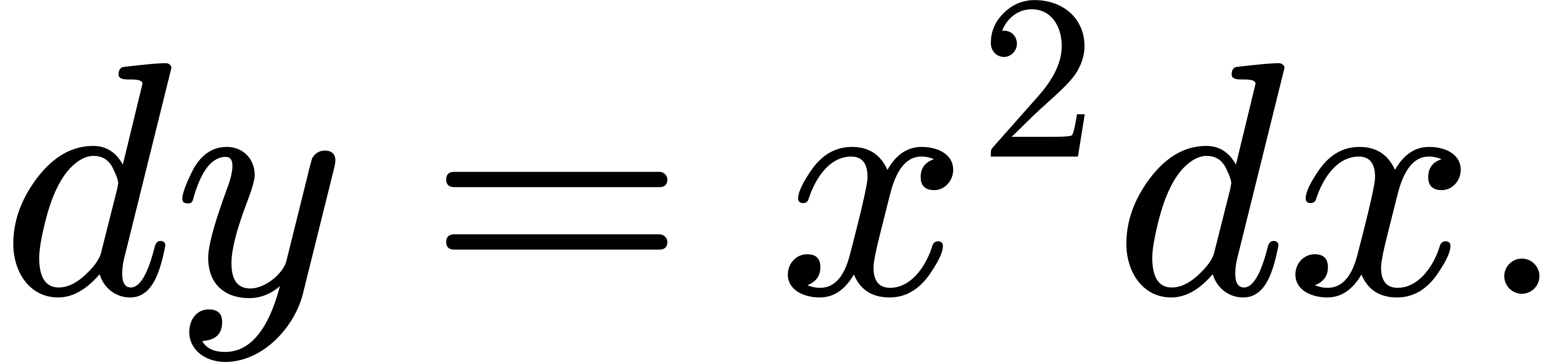
If we begin with a simple case, StartFraction d y Over d x EndFraction equals x squared period
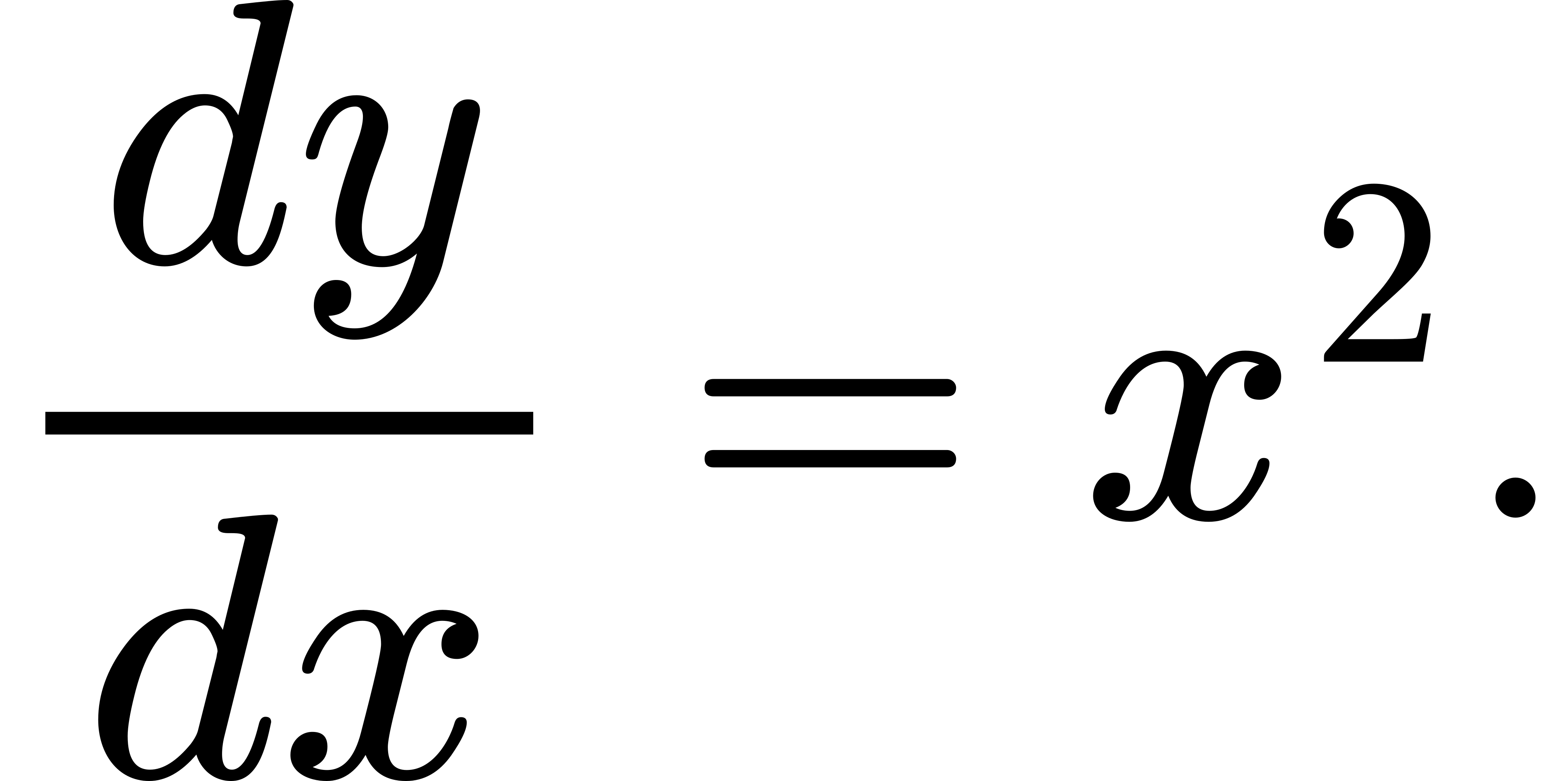
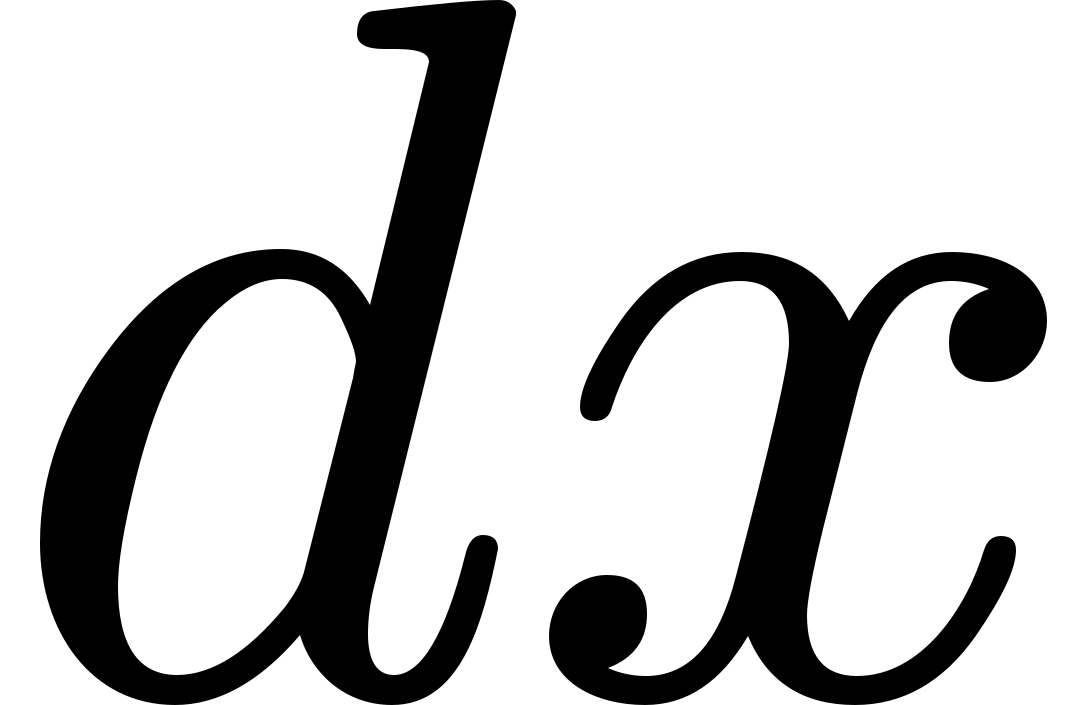
We may write this, if we like, as d y equals x squared d x period

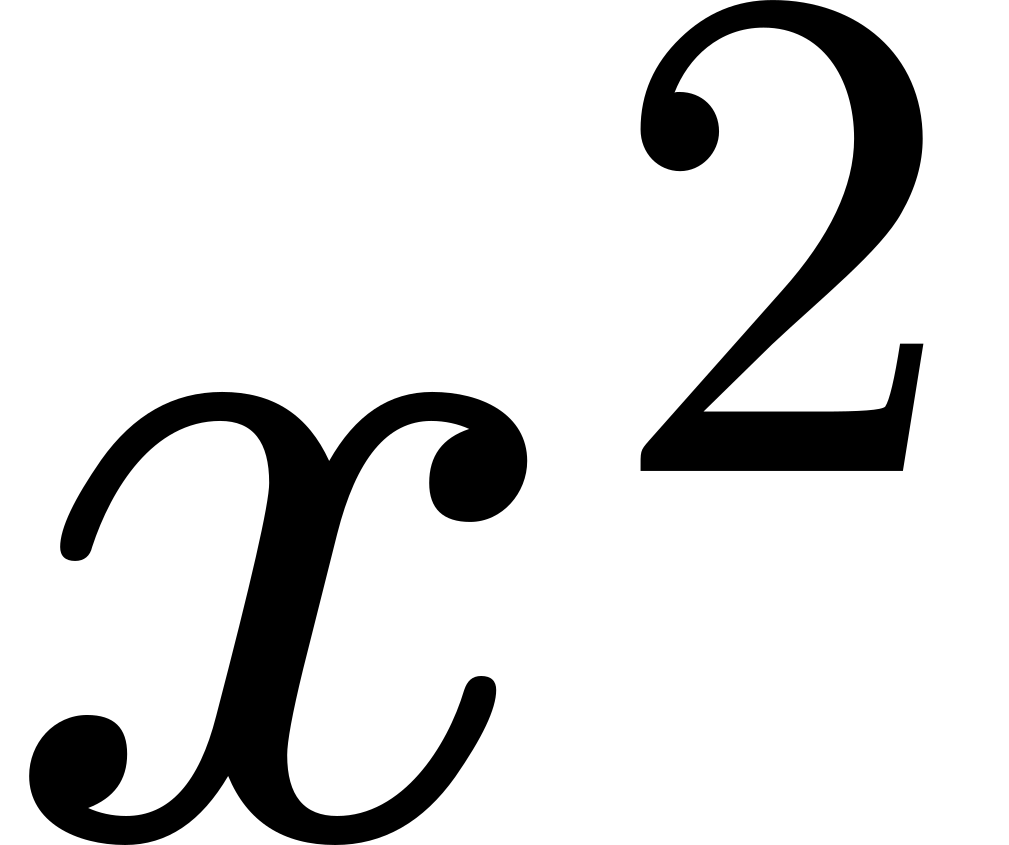
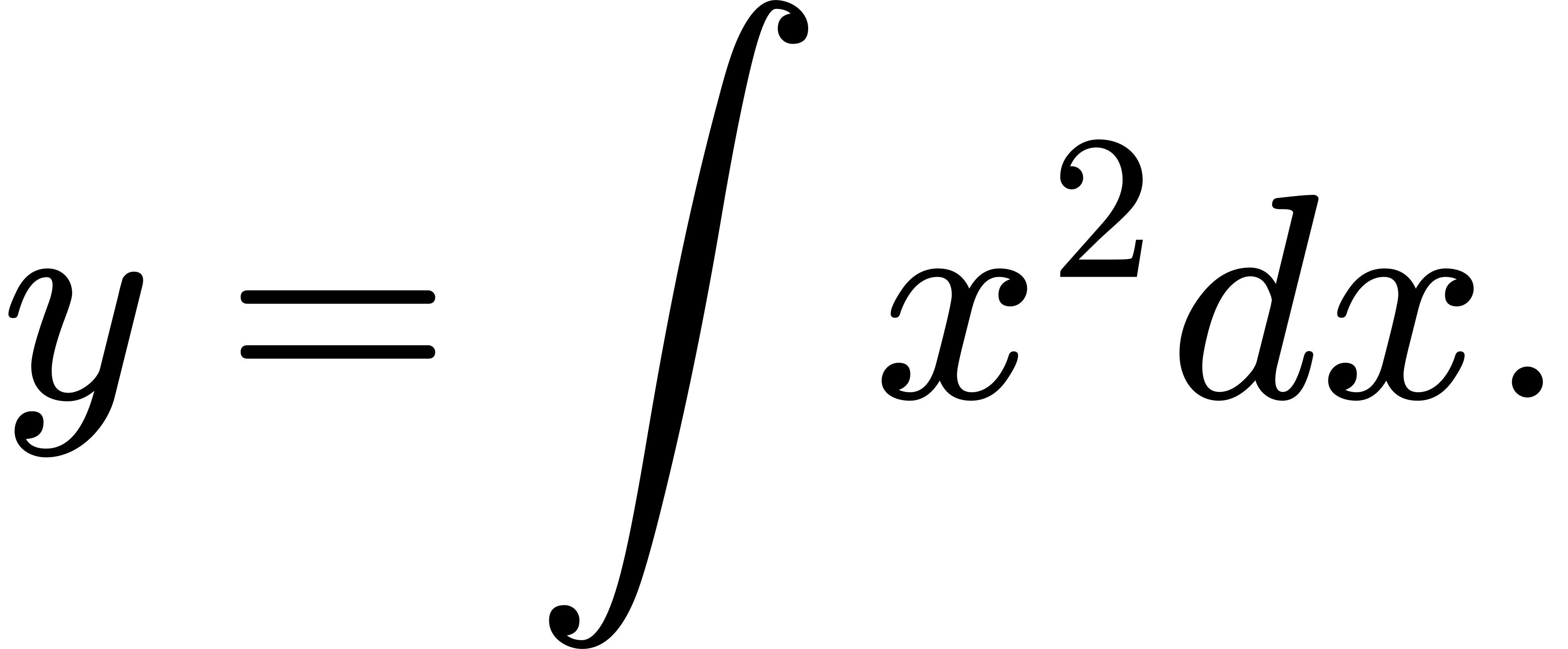
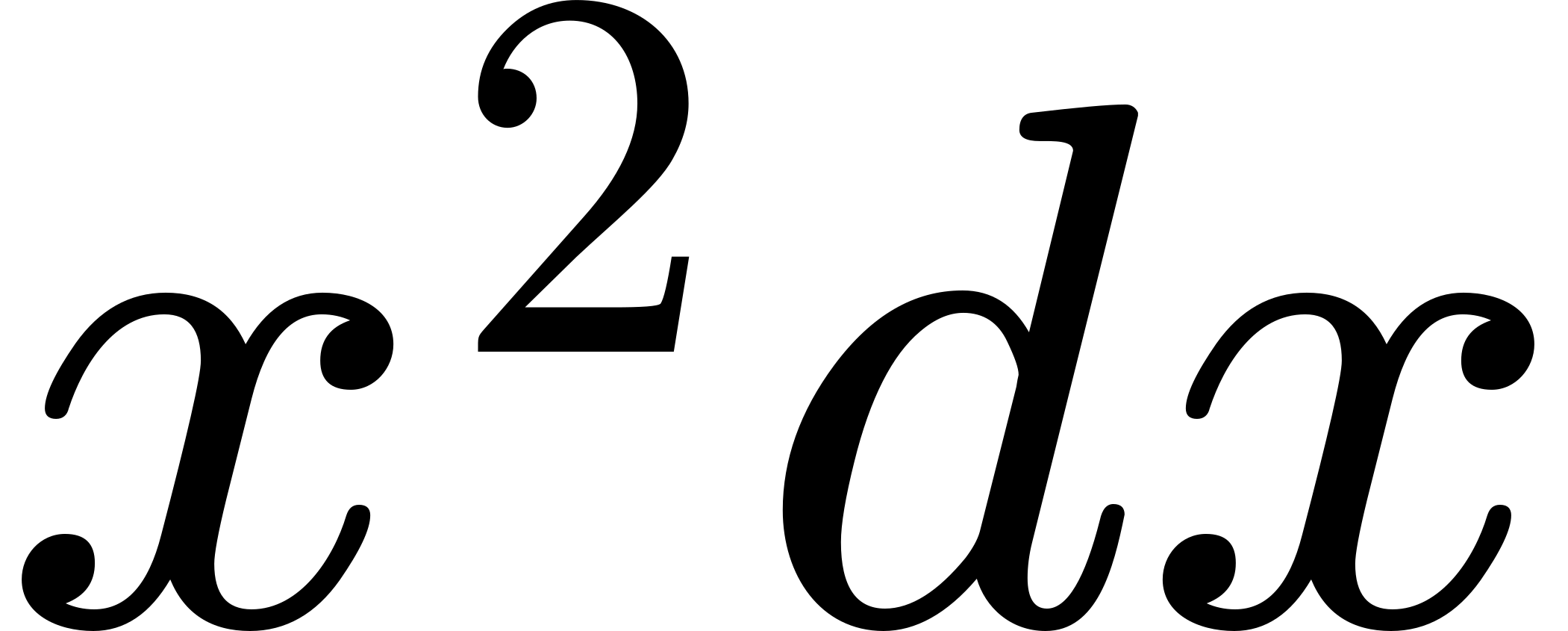
Now this is a "differential equation" which informs us that an element of y is equal to the corresponding element of x multiplied by x squared. Now, what we want is the integral; therefore, write down with the proper symbol the instructions to integrate both sides, thus: integral d y equals integral x squared d x period
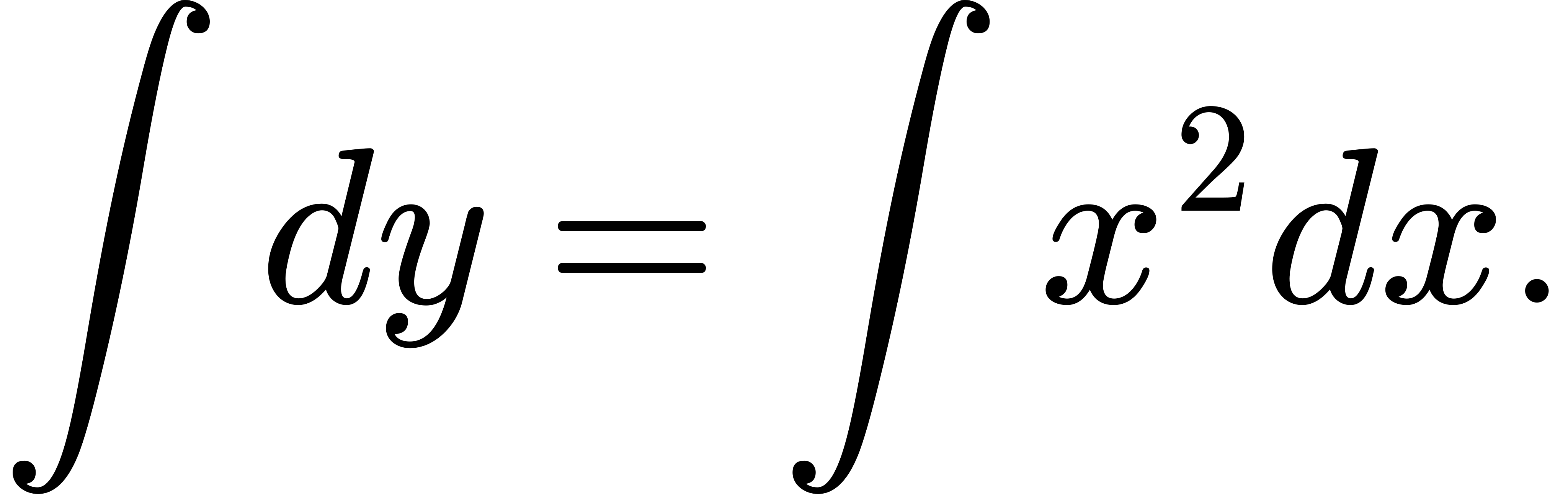
[Note as to reading integrals: the above would be read thus:

"Integral dee-wy equals integral eks-squared dee-eks."]

We haven't yet integrated: we have only written down instructions to integrate—if we can. Let us try. Plenty of other fools can do it-why not we also? The left-hand side is simplicity itself. The sum of all the bits of y is the same thing as y itself. So we may at once put: y equals integral x squared d x period

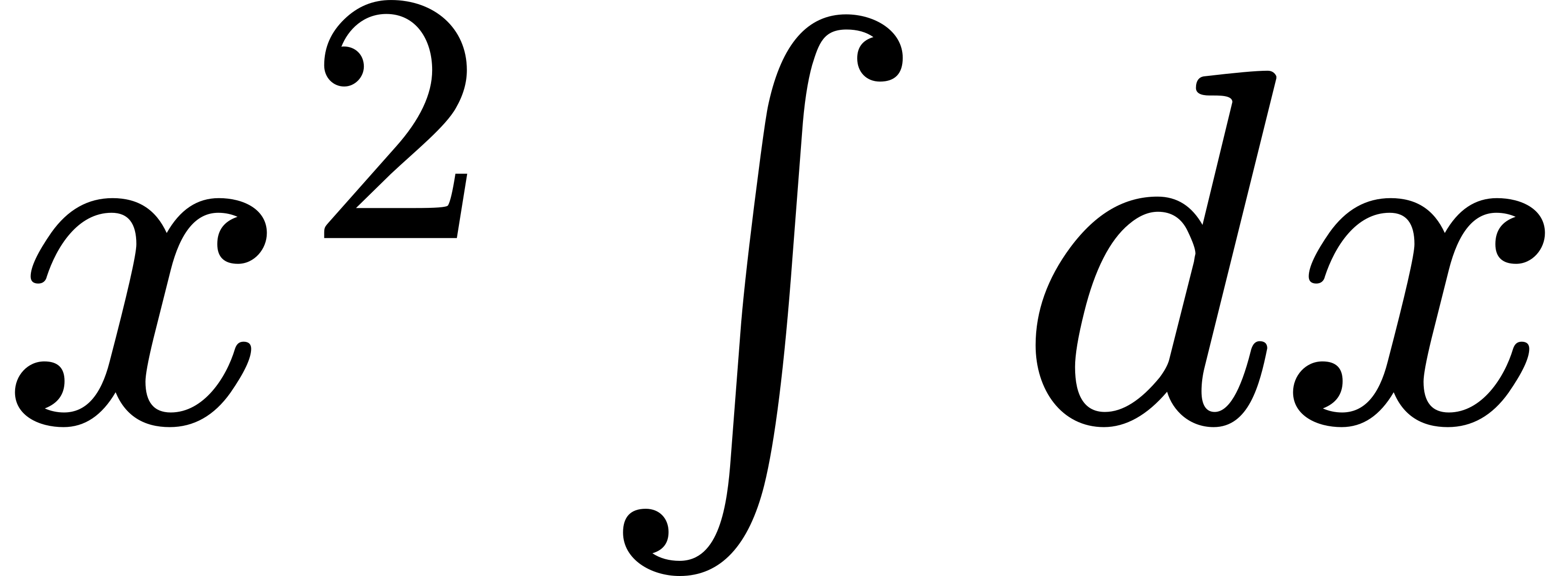
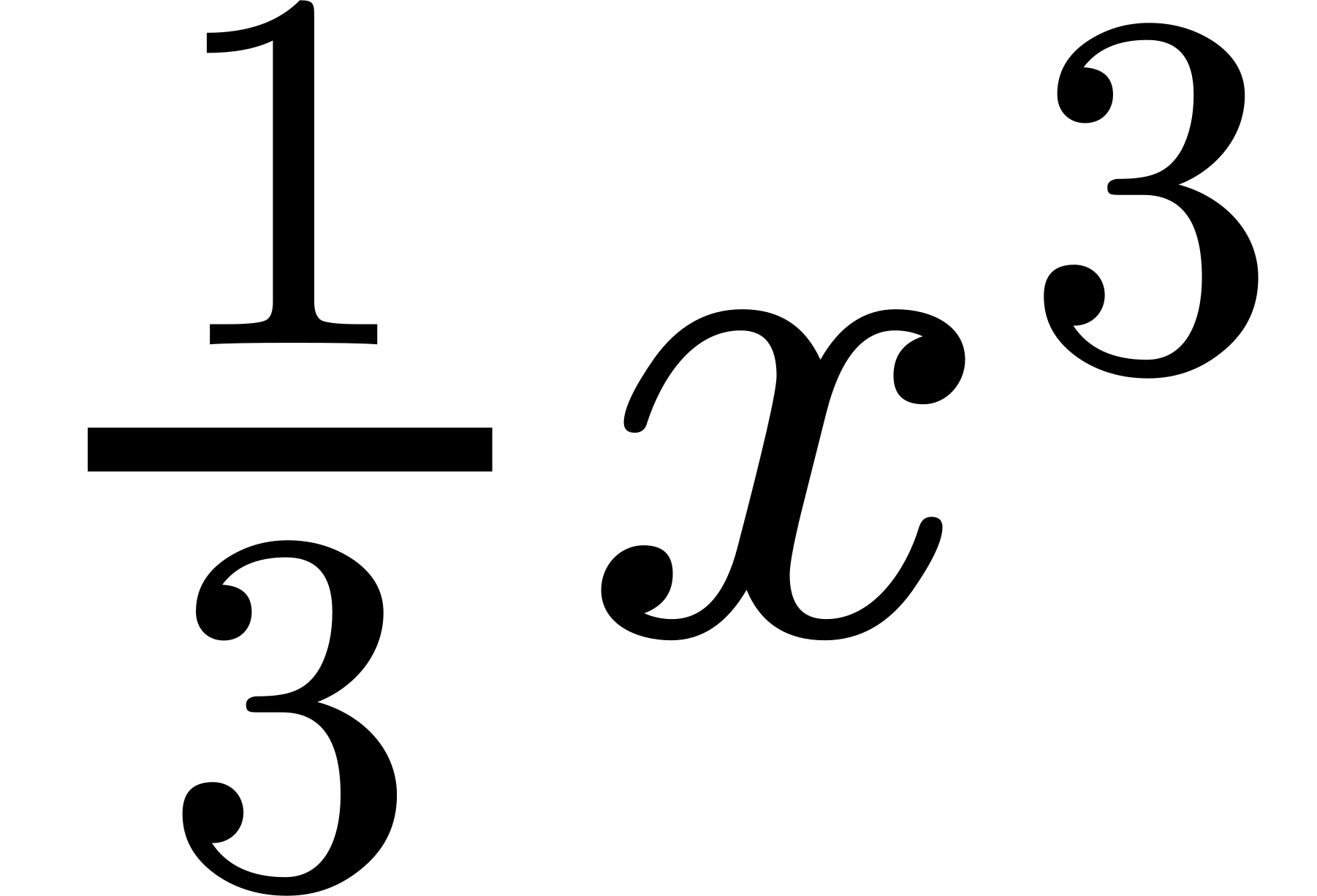
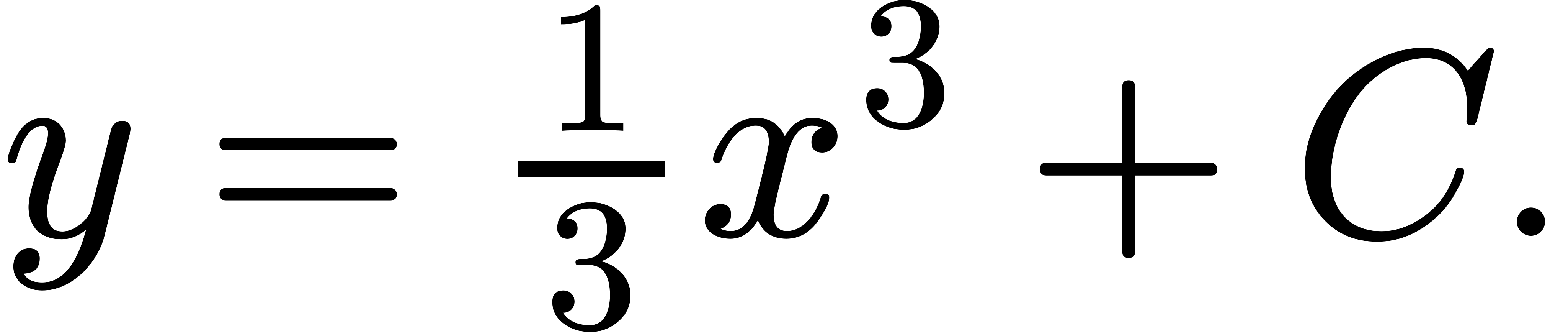
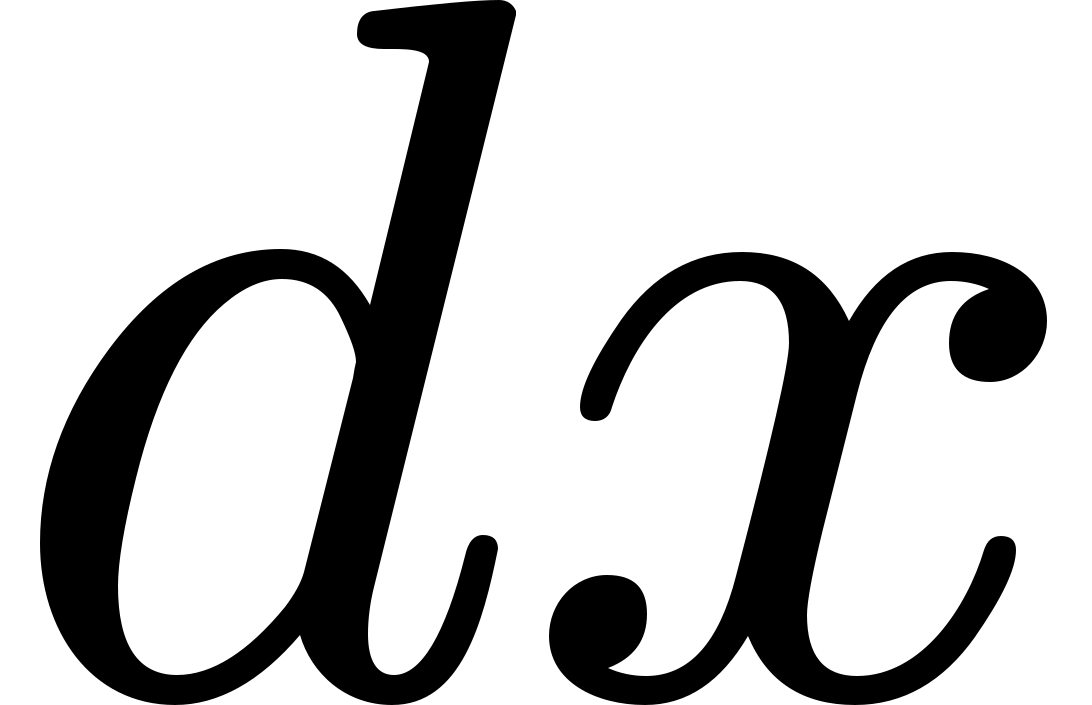
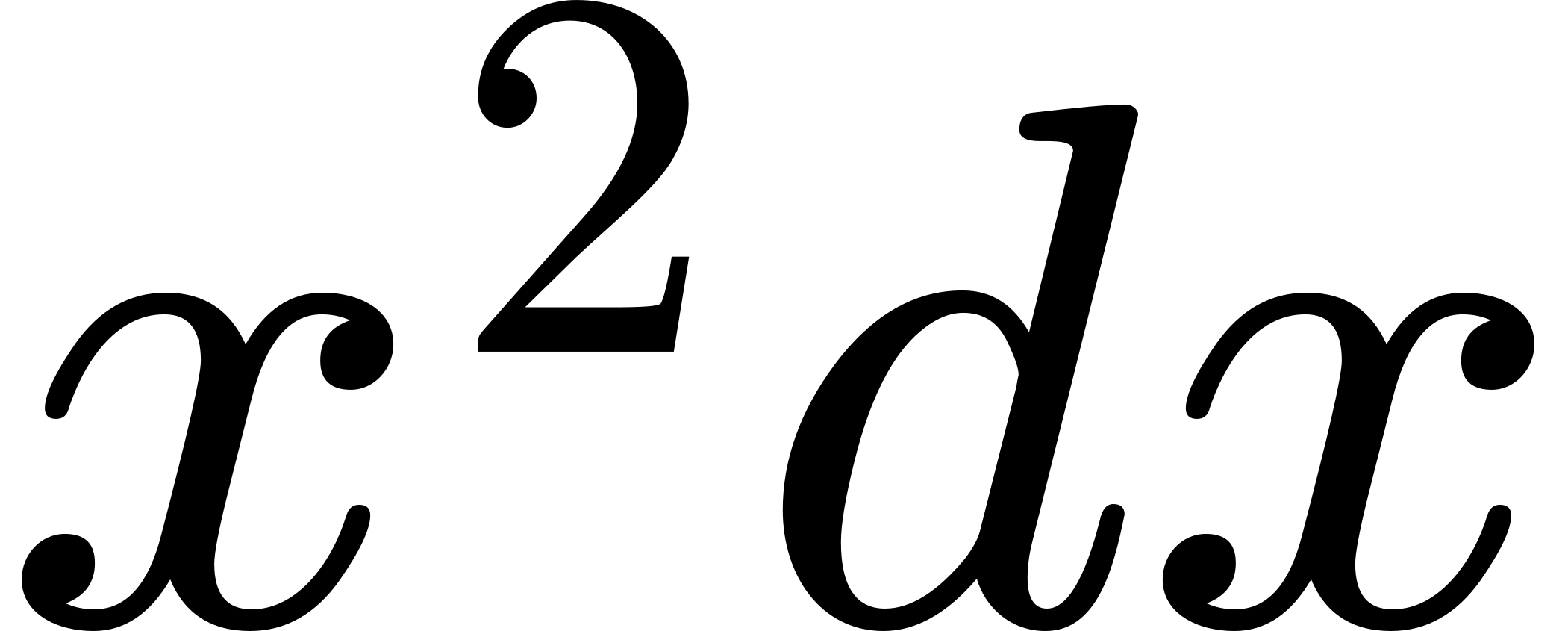
But when we come to the right-hand side of the equation we must remember that what we have got to sum up together is not all the d x's, but all such terms as x squared d x; and this will not be the same as x squared integral d x, because x squared is not a constant. For some of the d x's will be multiplied by big values of x squared, and some will be multiplied by small values of x squared, according to what x happens to be. So we must bethink ourselves as to what we know about this process of integration being the reverse of differentiation. Now, our rule for this reversed process—see p. 189 ante—when dealing with x Superscript n is "increase the power by one, and divide by the same number as this increased power." That is to say, x squared d x will be changed[5] to one third x cubed. Put this into the equation; but don't forget to add the "constant of integration" upper C at the end. So we get: y equals one third x cubed plus upper C period
You have actually performed the integration. How easy!

Let us try another simple case.

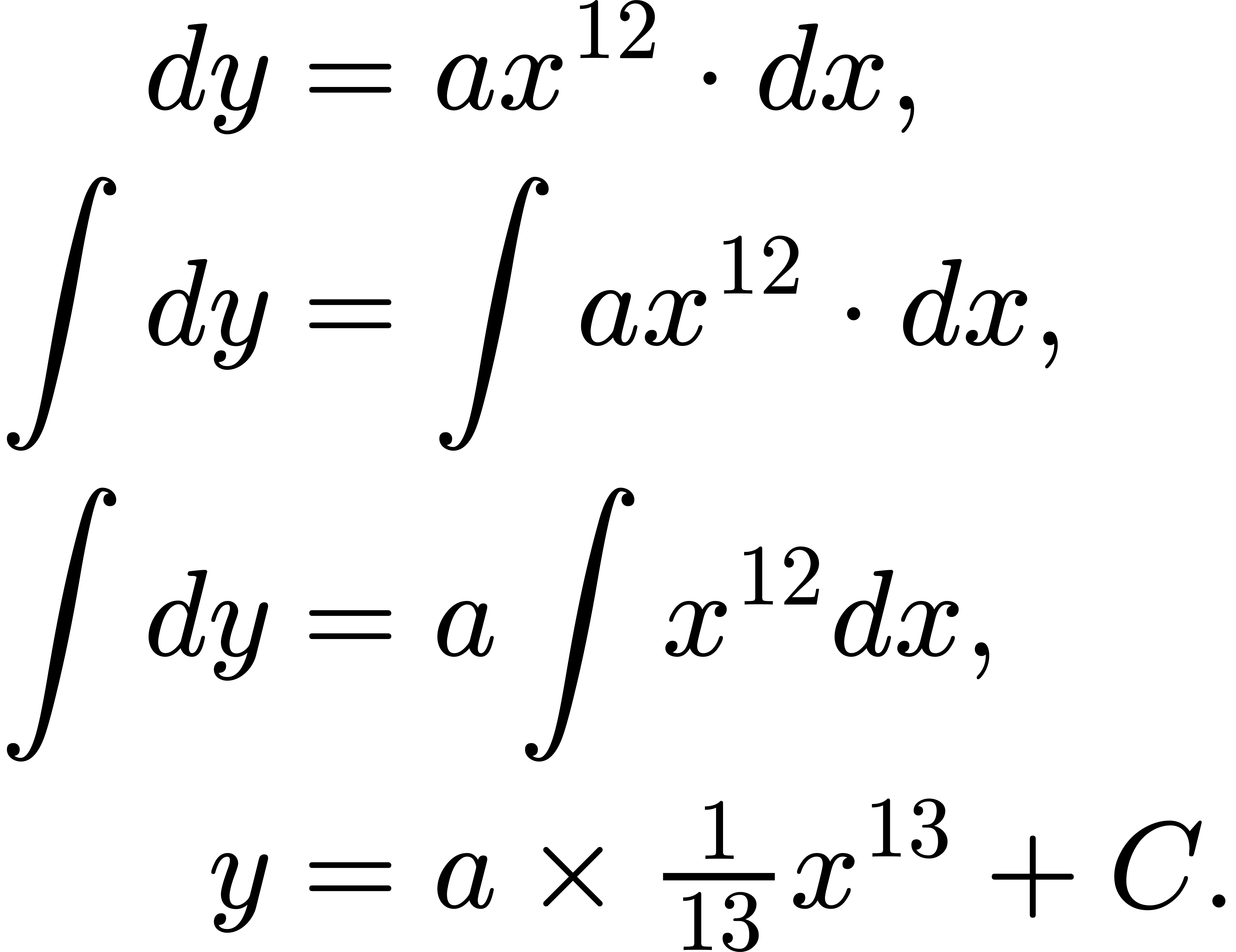
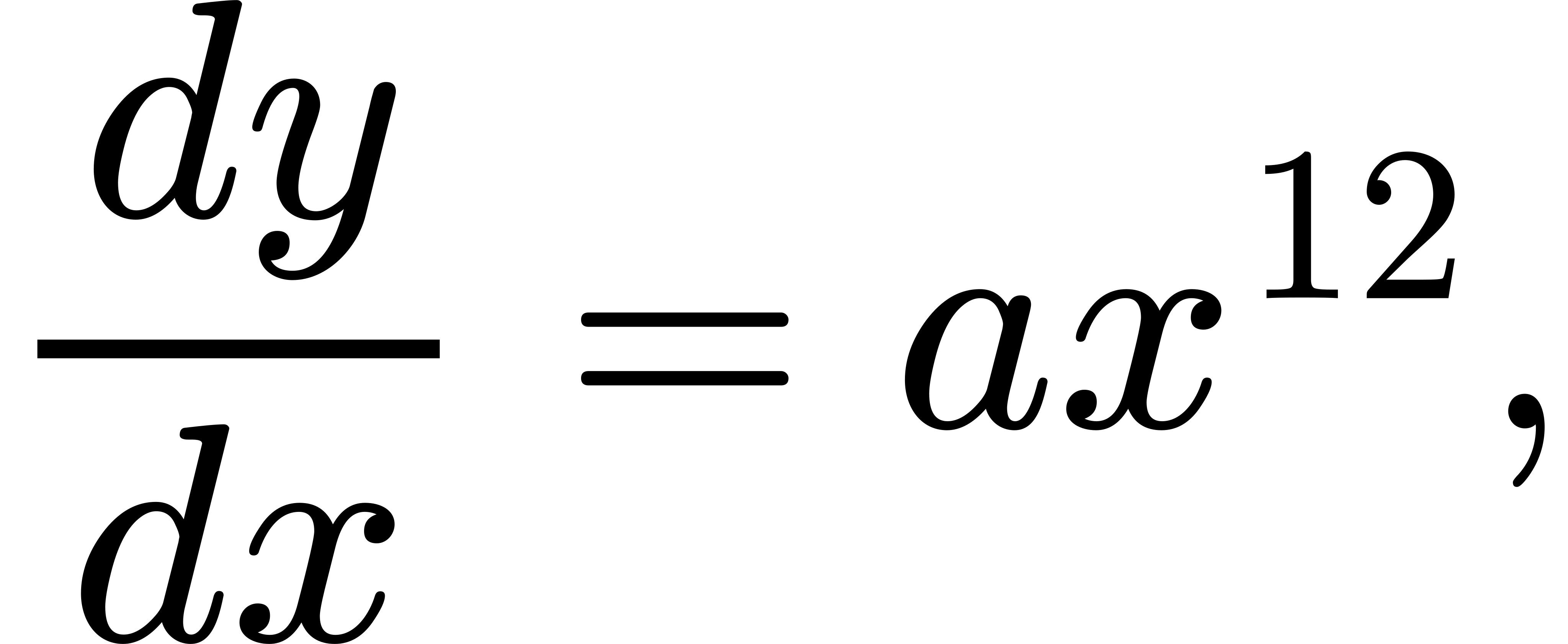
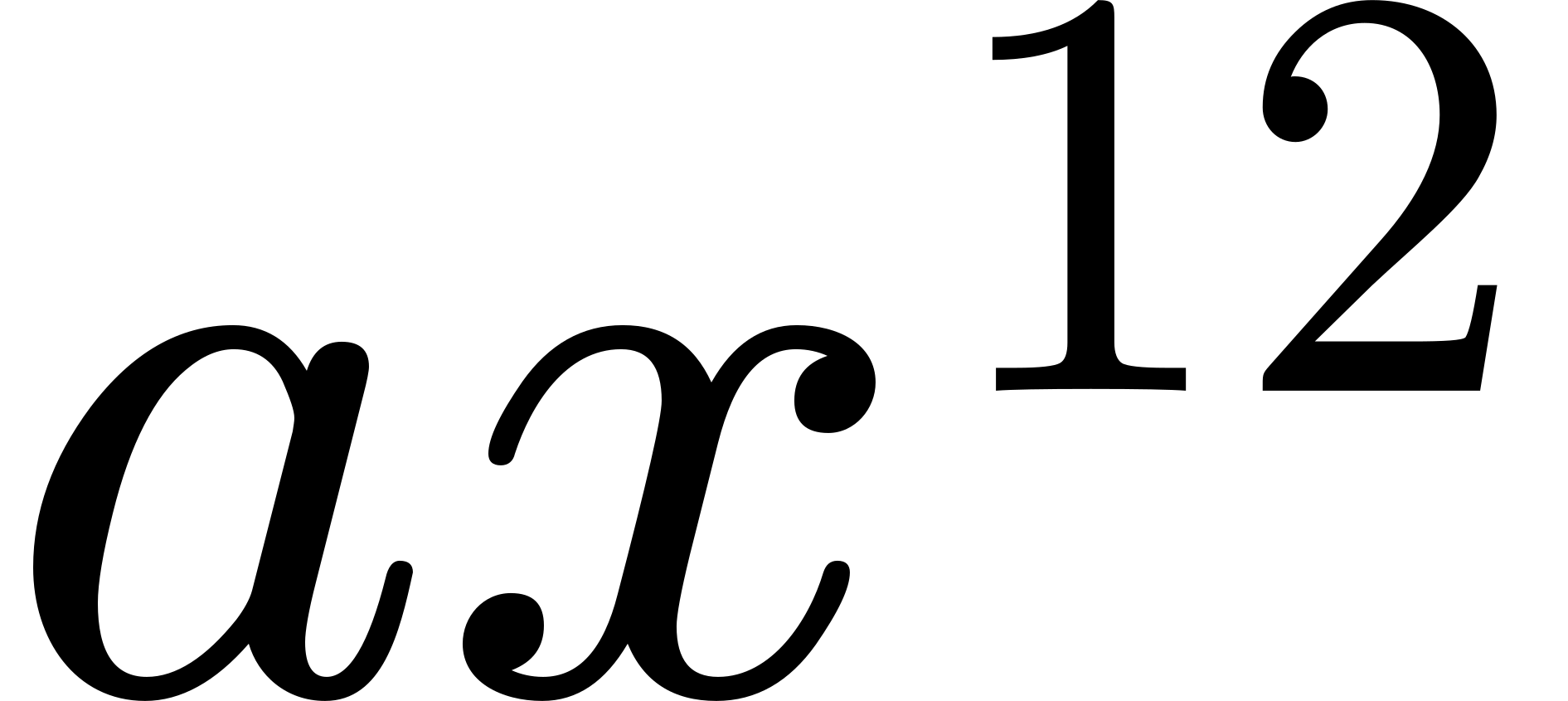
Let StartFraction d y Over d x EndFraction equals a x Superscript 12 Baseline comma where a is any constant multiplier. Well, we found when differentiating (see p. 27) that any constant factor in the value of y reappeared unchanged in the value of StartFraction d y Over d x EndFraction. In the reversed process of integrating, it will therefore also reappear in the value of y. So we may go to work as before, thus StartLayout 1st Row 1st Column d y 2nd Column equals a x Superscript 12 Baseline dot d x comma 2nd Row 1st Column integral d y 2nd Column equals integral a x Superscript 12 Baseline dot d x comma 3rd Row 1st Column integral d y 2nd Column equals a integral x Superscript 12 Baseline d x comma 4th Row 1st Column y 2nd Column equals a times one thirteenth x Superscript 13 Baseline plus upper C period EndLayout
So that is done. How easy!

We begin to realize now that integrating is a process of finding our way back, as compared with differentiating. If ever, during differentiating, we have found any particular expression-in this example a x Superscript 12—we can find our way back to the y from which it was derived. The contrast between the two processes may be illustrated by the following remark due to a well-known teacher. If a stranger were set down in Trafalgar Square, and told to find his way to Euston Station, he might find the task hopeless. But if he had previously been personally conducted from Euston Station to Trafalgar Square, it would be comparatively easy to him to find his way back to Euston Station.
Integration of the Sum or Difference of two Functions.

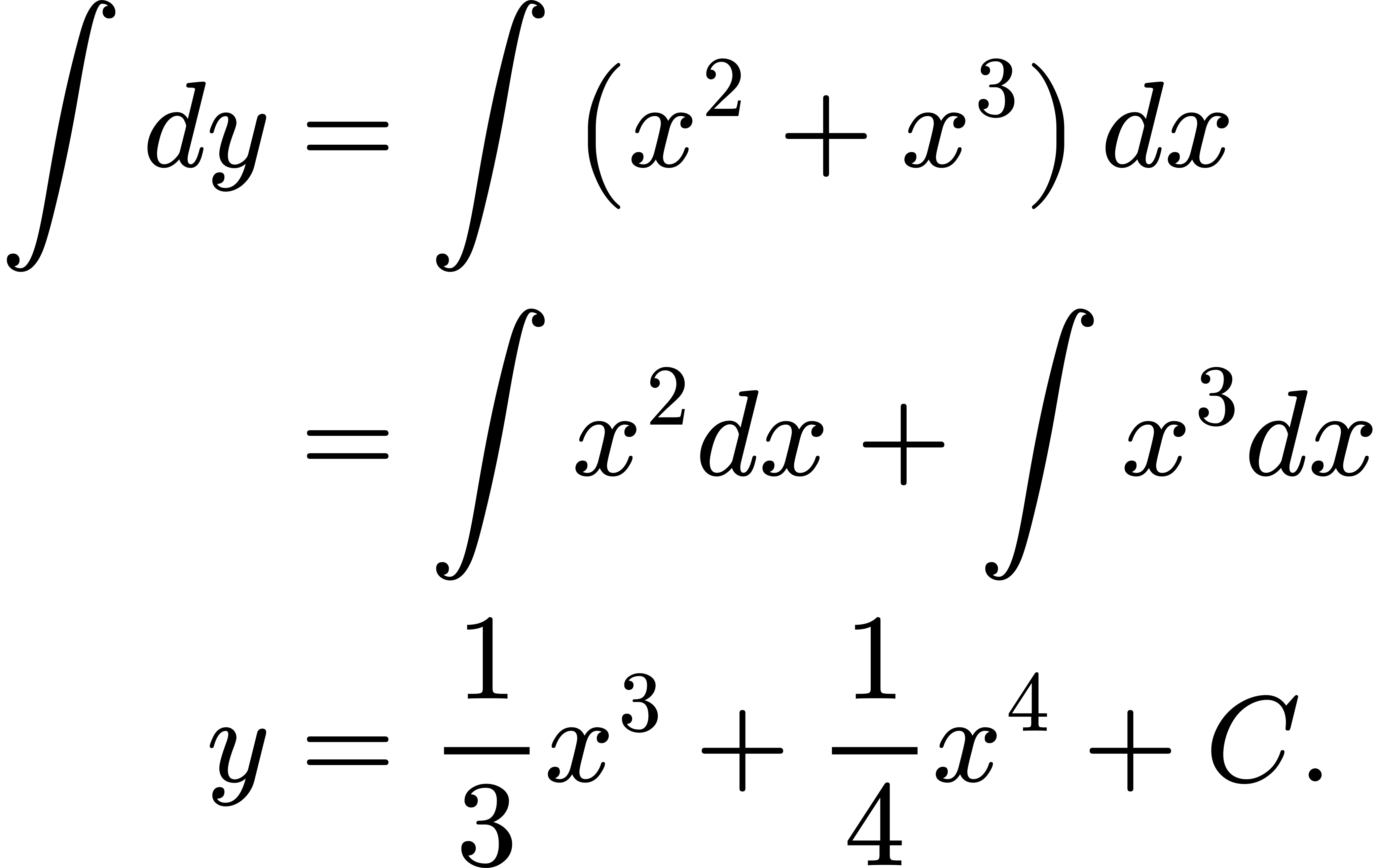
Let StartFraction d y Over d x EndFraction equals x squared plus x cubed comma then d y equals x squared d x plus x cubed d x period
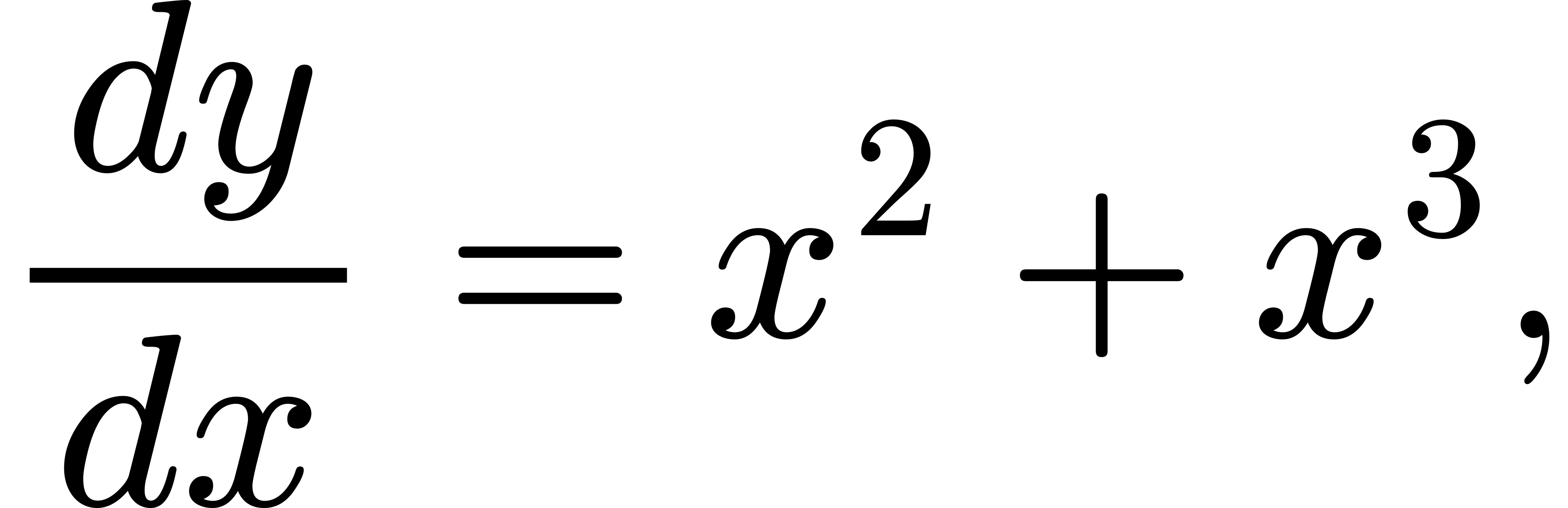
There is no reason why we should not integrate each term separately: for, as may be seen on p. 34, we found that when we differentiated the sum of two separate functions, the differential coefficient was simply the sum of the two separate differentiations. So, when we work backwards, integrating, the integration will be simply the sum of the two separate integrations.

Our instructions will then be: StartLayout 1st Row 1st Column integral d y 2nd Column equals integral left parenthesis x squared plus x cubed right parenthesis d x 2nd Row 1st Column Blank 2nd Column equals integral x squared d x plus integral x cubed d x 3rd Row 1st Column y 2nd Column equals one third x cubed plus one fourth x Superscript 4 Baseline plus upper C period EndLayout
If either of the terms had been a negative quantity, the corresponding term in the integral would have also been negative. So that differences are as readily dealt with as sums.

How to deal with Constant Terms.

Suppose there is in the expression to be integrated a constant term—such as this: StartFraction d y Over d x EndFraction equals x Superscript n Baseline plus b period
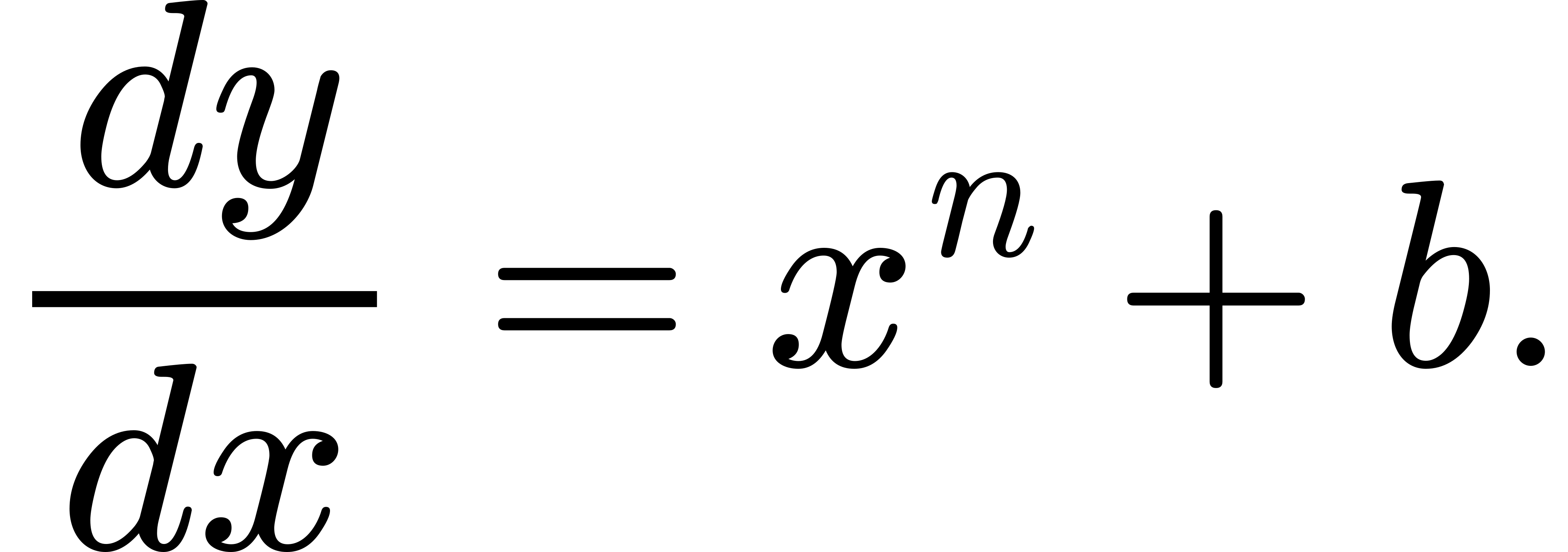
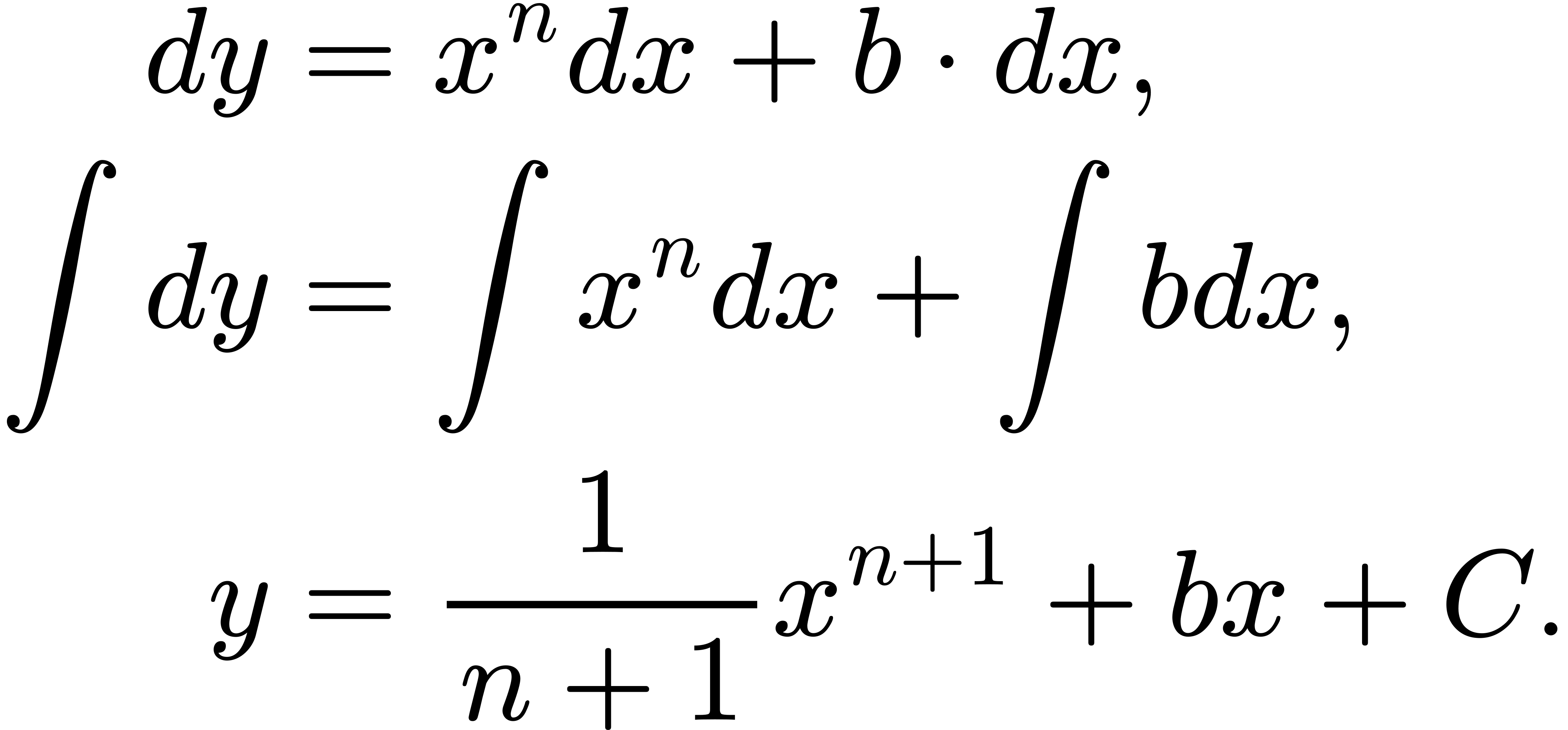
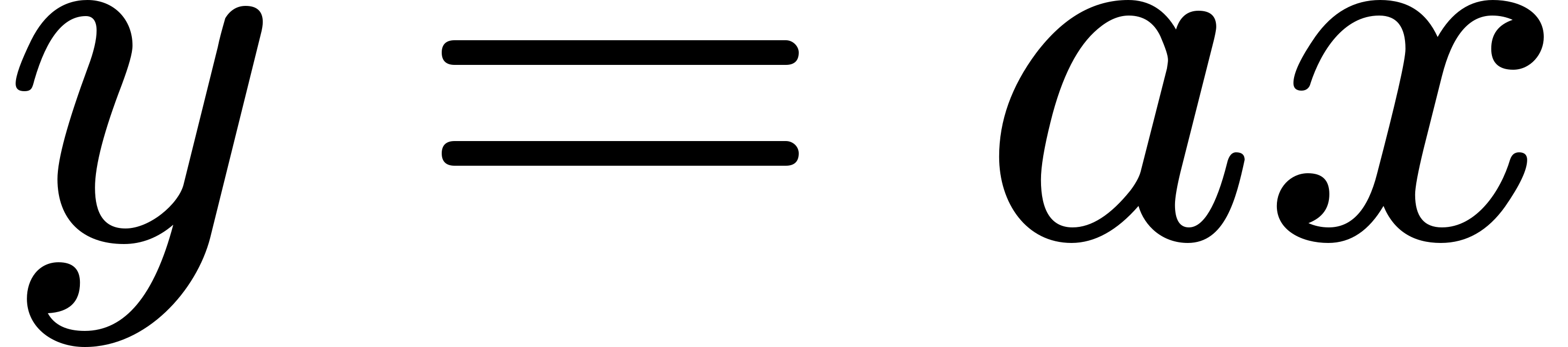
This is laughably easy. For you have only to remember that when you differentiated the expression y equals a x, the result was StartFraction d y Over d x EndFraction equals a. Hence, when you work the other way and integrate, the constant reappears multiplied by x. So we get StartLayout 1st Row 1st Column d y 2nd Column equals x Superscript n Baseline d x plus b dot d x comma 2nd Row 1st Column integral d y 2nd Column equals integral x Superscript n Baseline d x plus integral b d x comma 3rd Row 1st Column y 2nd Column equals StartFraction 1 Over n plus 1 EndFraction x Superscript n plus 1 Baseline plus b x plus upper C period EndLayout
Here are a lot of examples on which to try your newly acquired powers.

Examples.

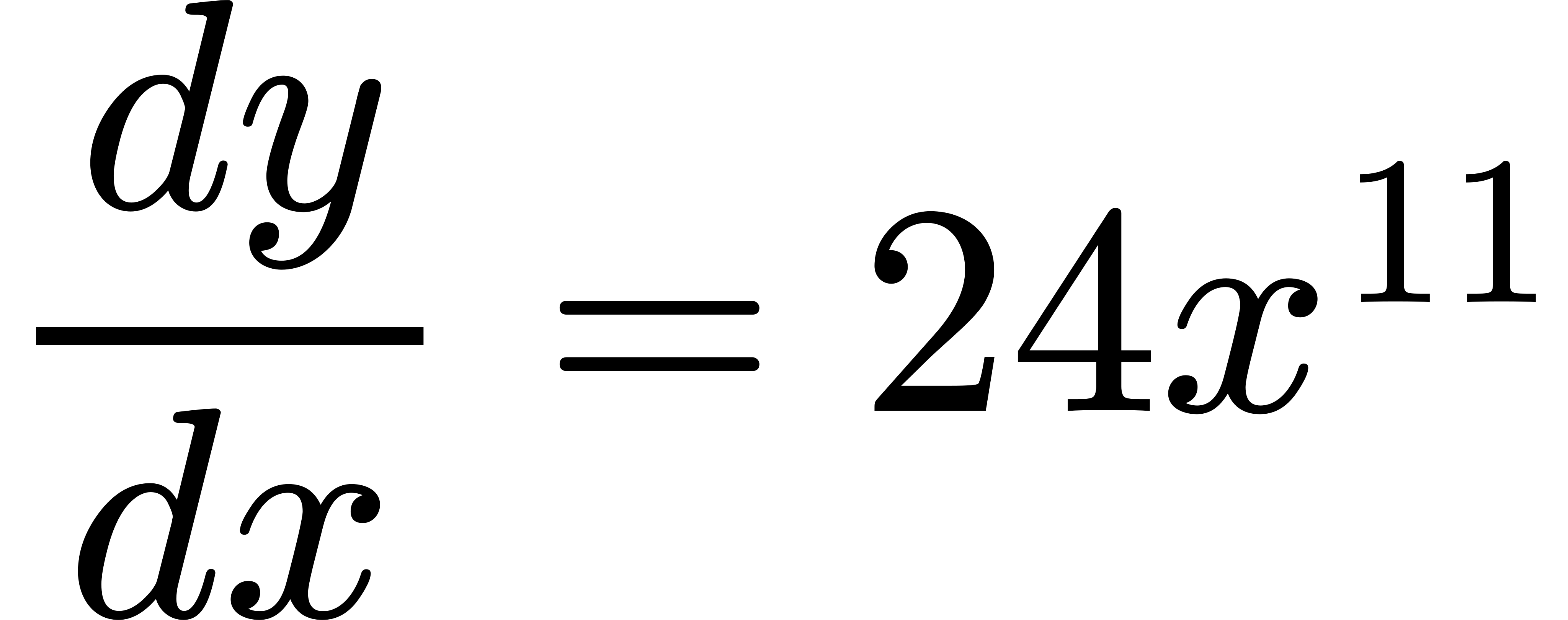
(1) Given StartFraction d y Over d x EndFraction equals 24 x Superscript 11. Find y period Ans. y equals 2 x Superscript 12 Baseline plus upper C.
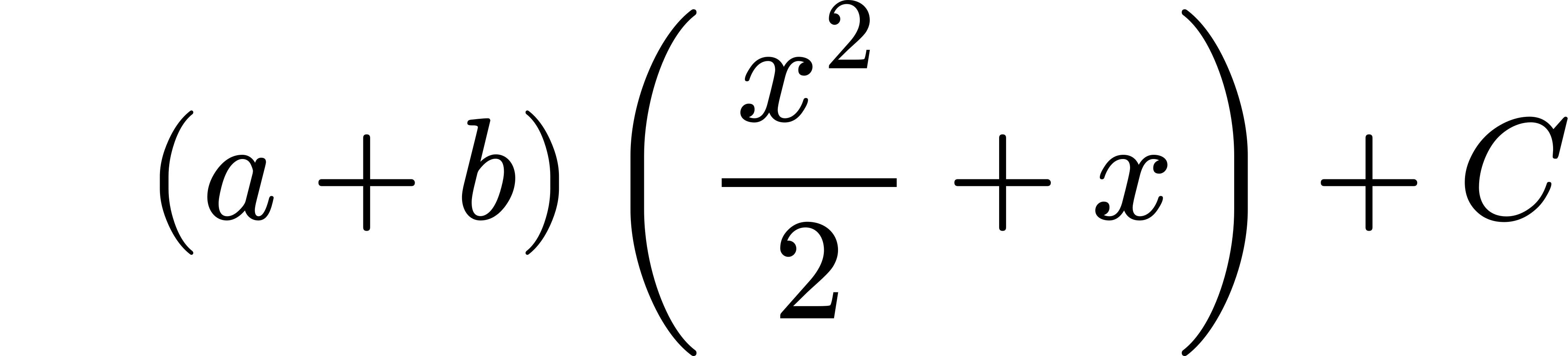
(2) Find integral left parenthesis a plus b right parenthesis left parenthesis x plus 1 right parenthesis d x. It is left parenthesis a plus b right parenthesis integral left parenthesis x plus 1 right parenthesis d x or left parenthesis a plus b right parenthesis left bracket integral x d x plus integral d x right bracket or left parenthesis a plus b right parenthesis left parenthesis StartFraction x squared Over 2 EndFraction plus x right parenthesis plus upper C.

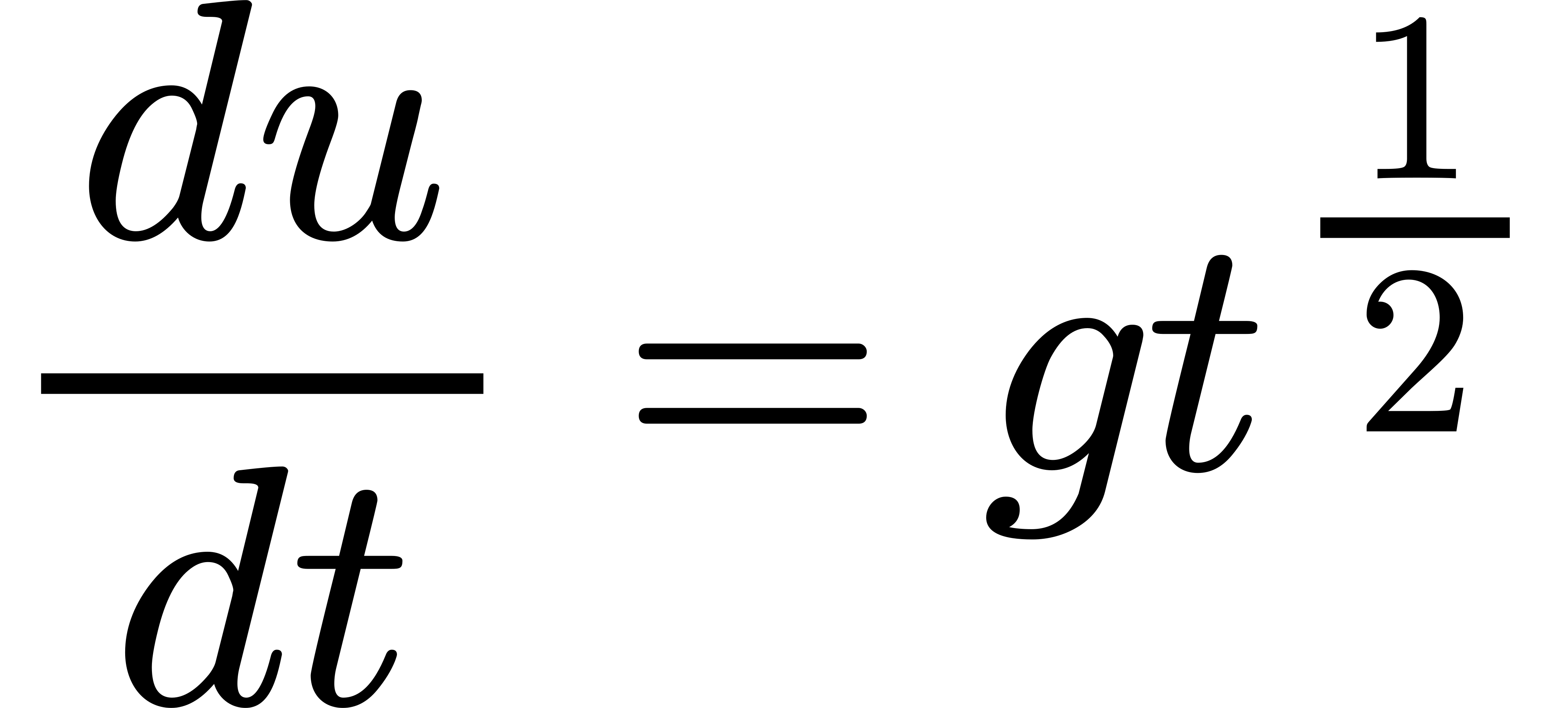
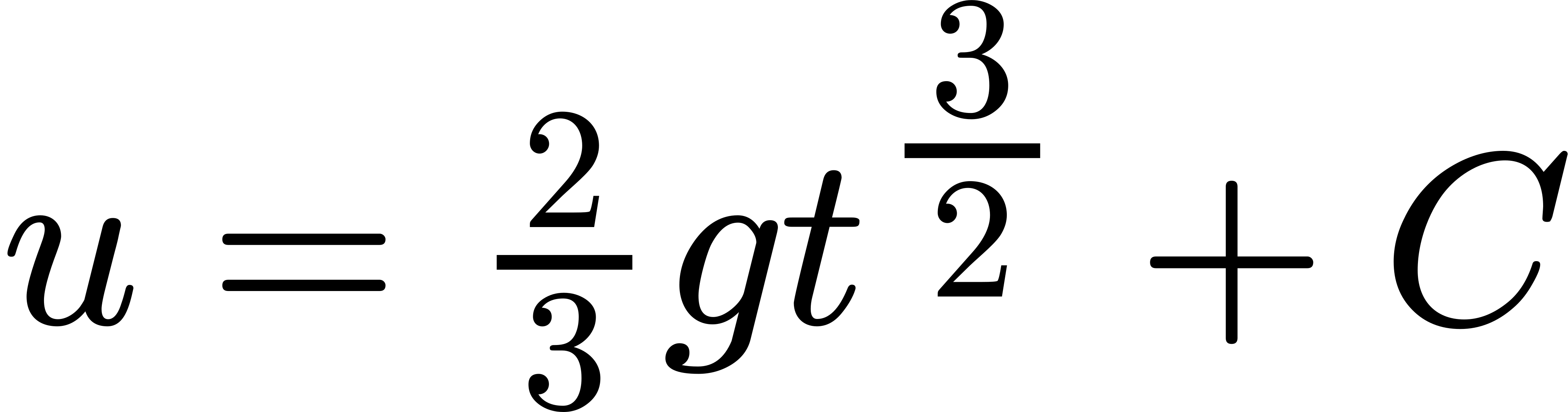
(3) Given StartFraction d u Over d t EndFraction equals g t Superscript one half. Find u. Ans. u equals two thirds g t Superscript three halves Baseline plus upper C.

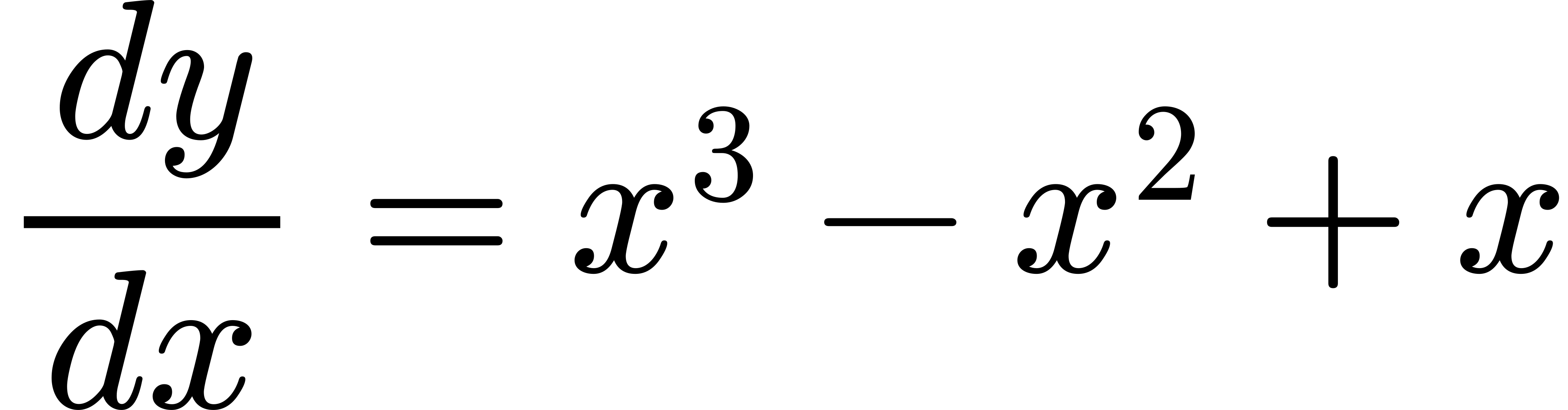
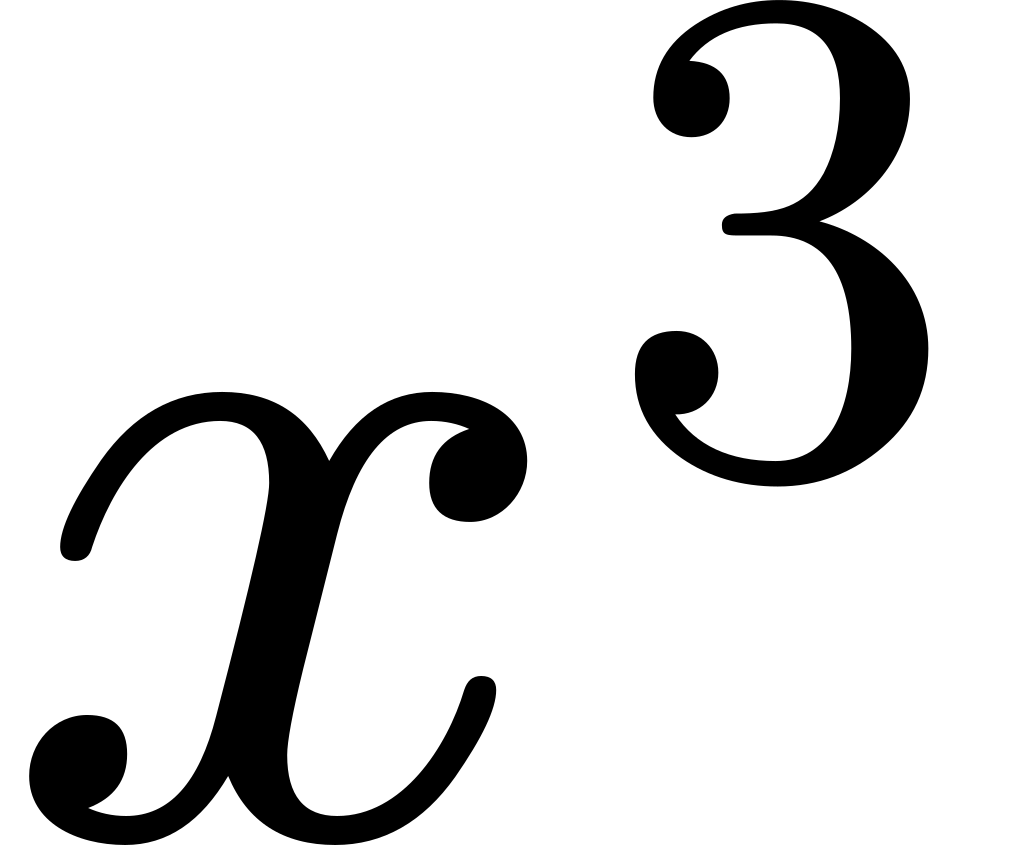
(4) StartFraction d y Over d x EndFraction equals x cubed minus x squared plus x. Find y. StartLayout 1st Row 1st Column Blank 2nd Column d y equals left parenthesis x cubed minus x squared plus x right parenthesis d x or 2nd Row 1st Column Blank 2nd Column d y equals x cubed d x minus x squared d x plus x d x semicolon y equals integral x cubed d x minus integral x squared d x plus integral x d x semicolon EndLayout and y equals one fourth x Superscript 4 Baseline minus one third x cubed plus one half x squared plus upper C period

(5) Integrate 9.75 x Superscript 2.25 Baseline d x. Ans. y equals 3 x Superscript 3.25 Baseline plus upper C.

All these are easy enough. Let us try another case.

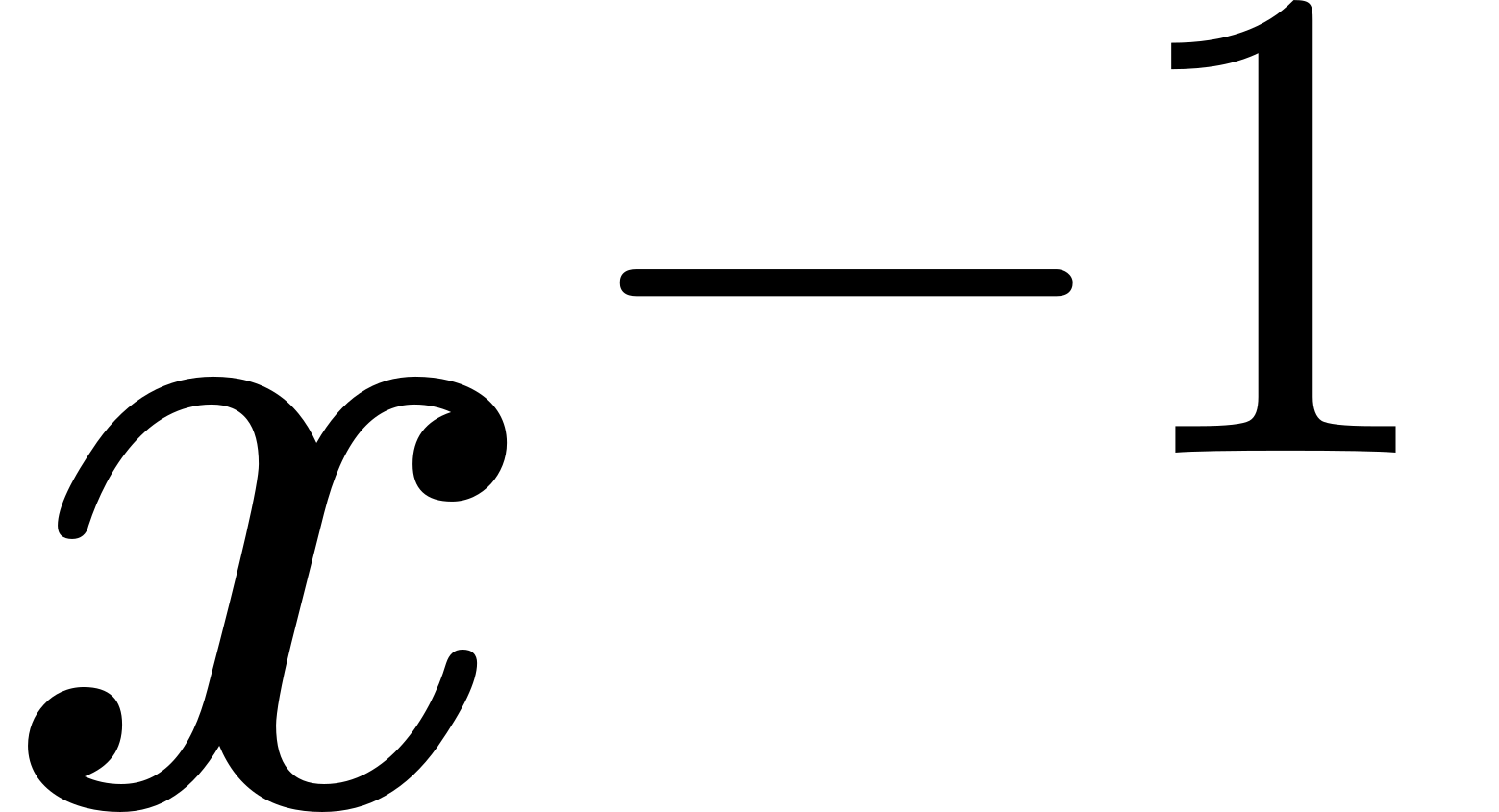
Let StartFraction d y Over d x EndFraction equals a x Superscript negative 1.
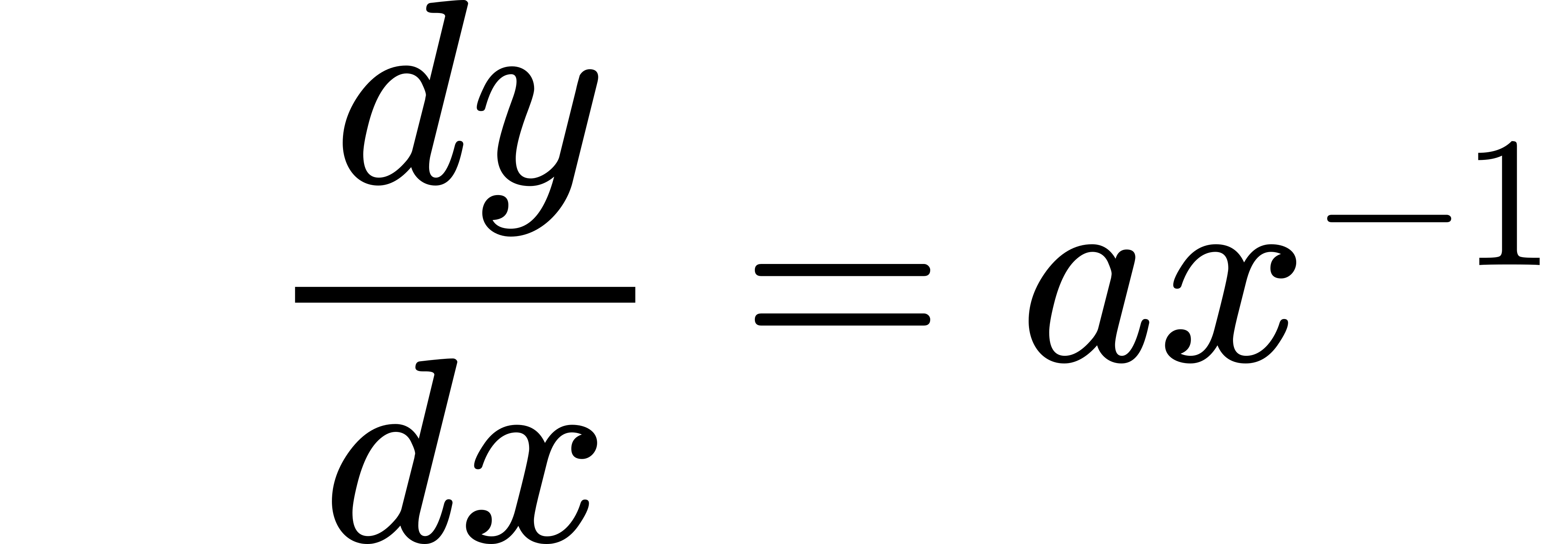
Proceeding as before, we will write d y equals a x Superscript negative 1 Baseline dot d x comma integral d y equals a integral x Superscript negative 1 Baseline d x period

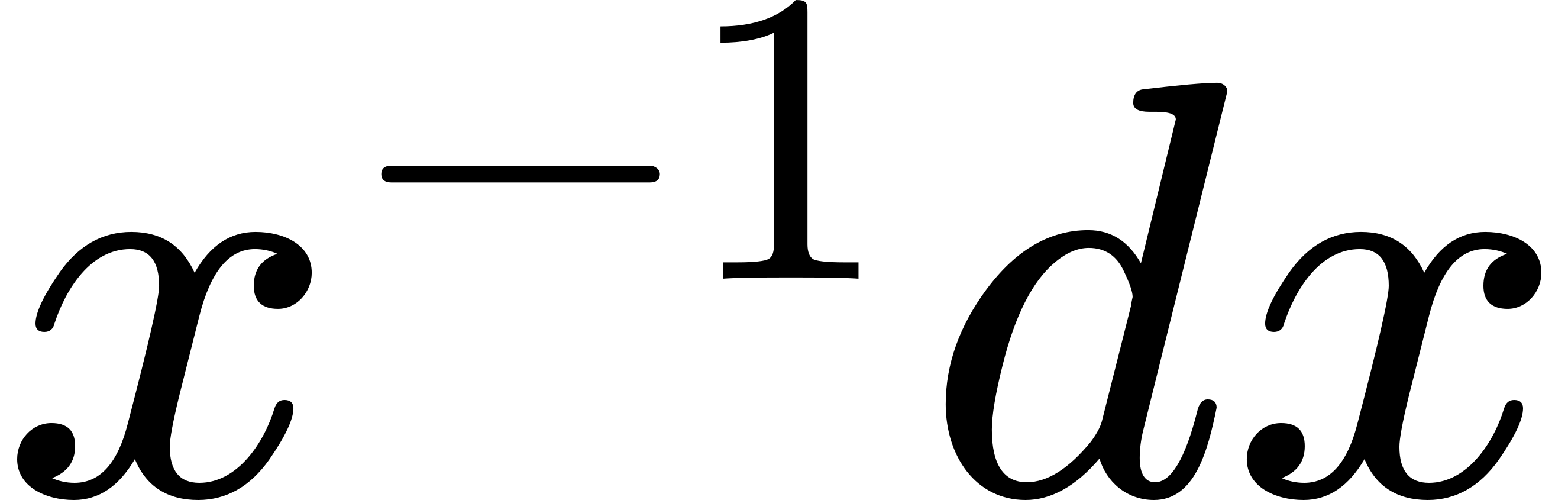
Well, but what is the integral of x Superscript negative 1 Baseline d x?

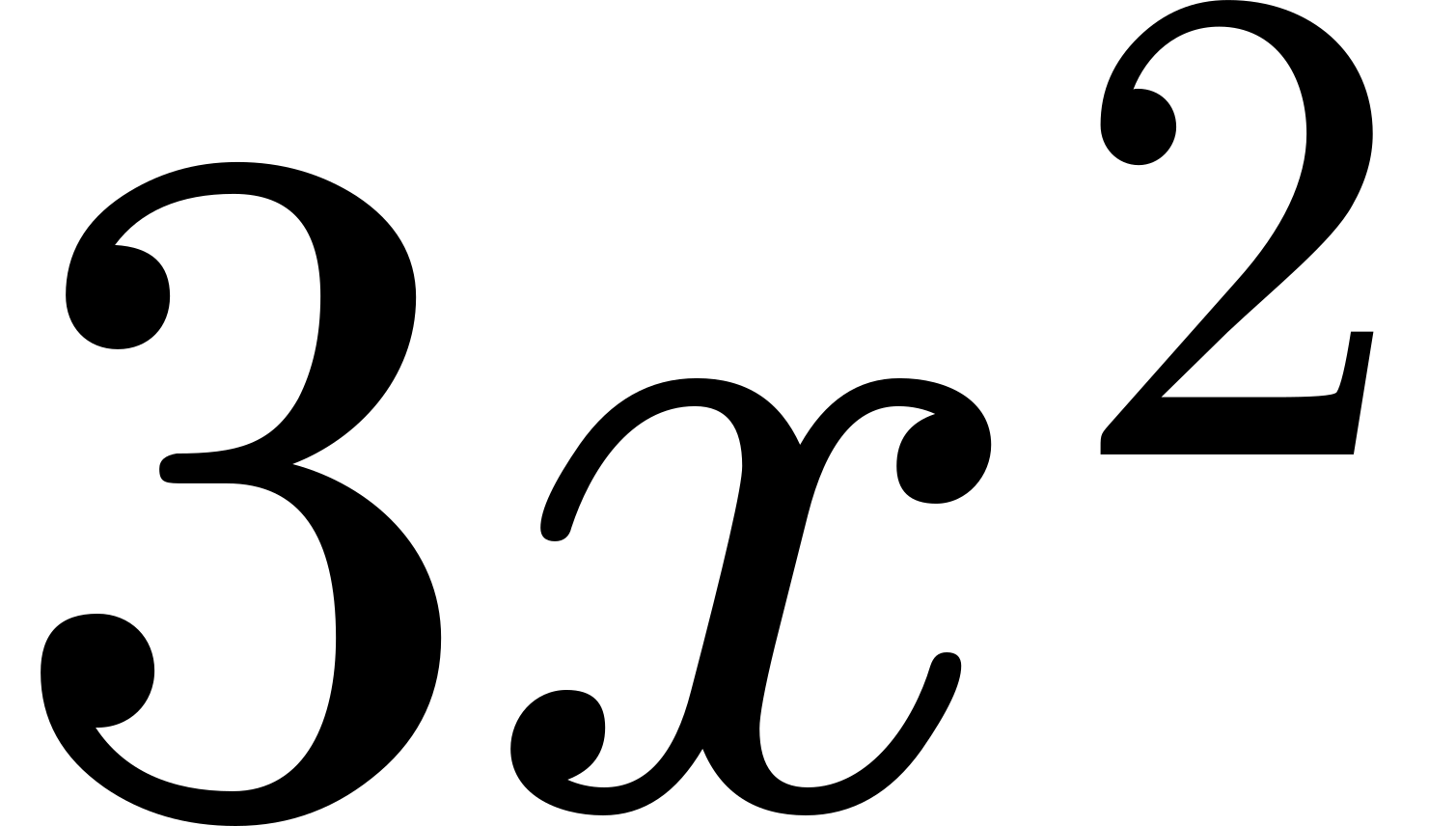
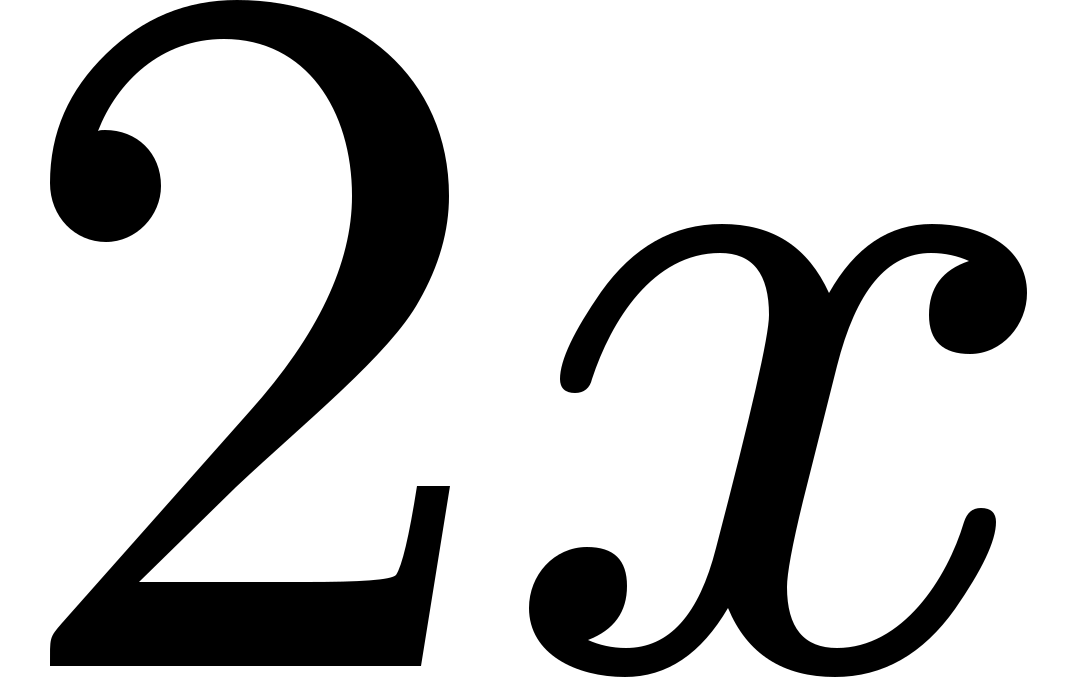
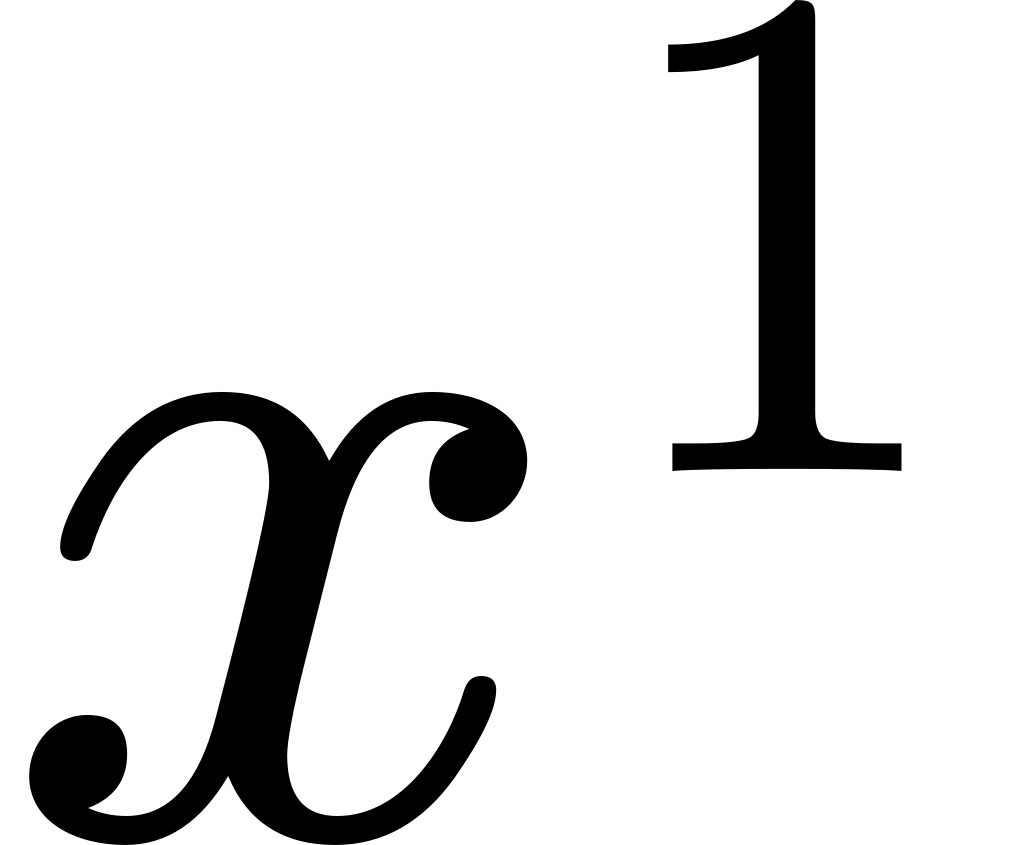
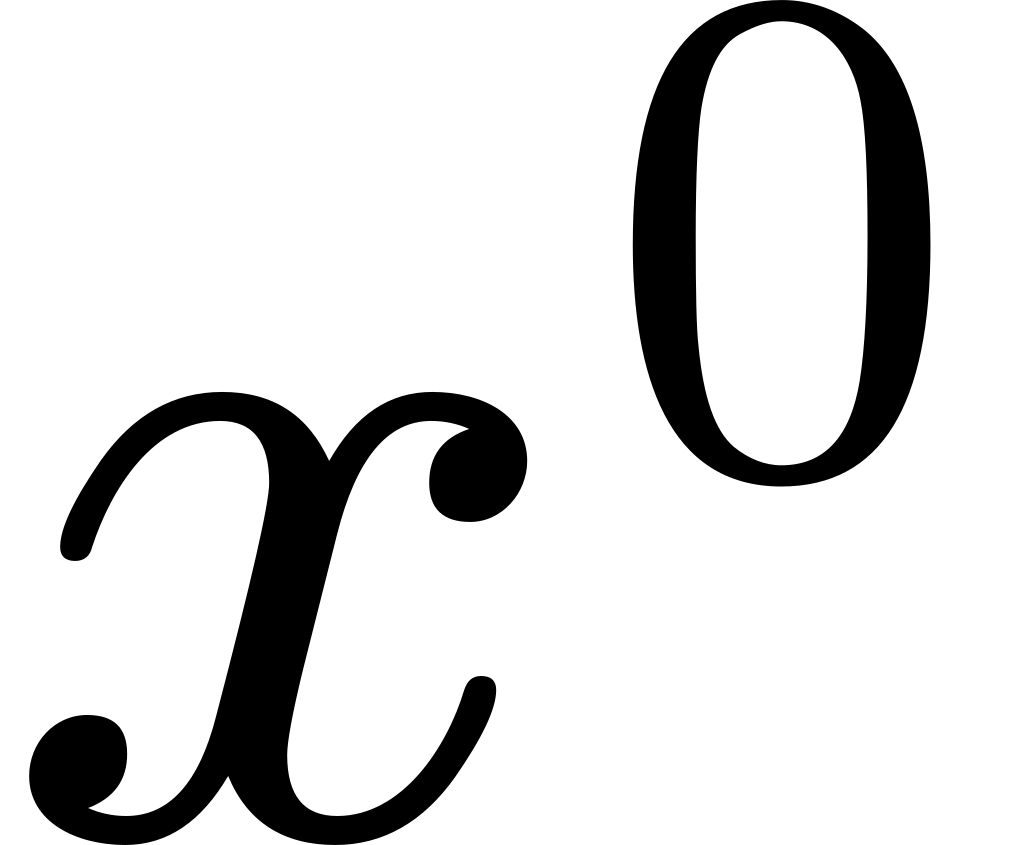
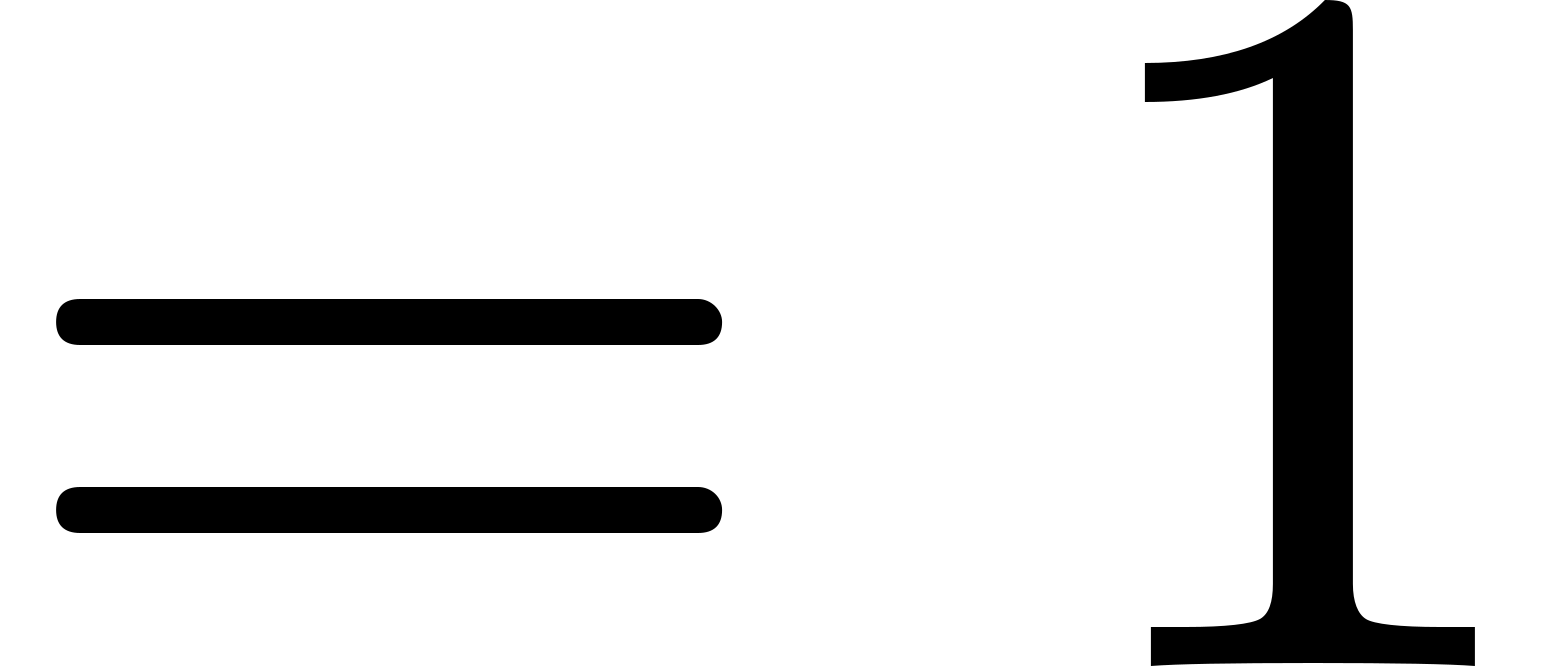
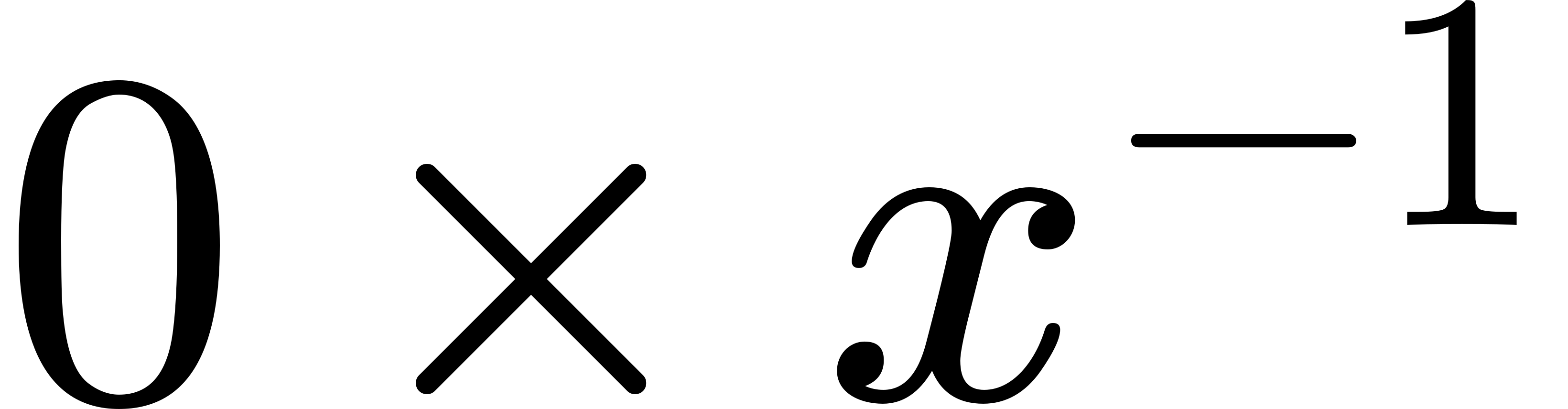
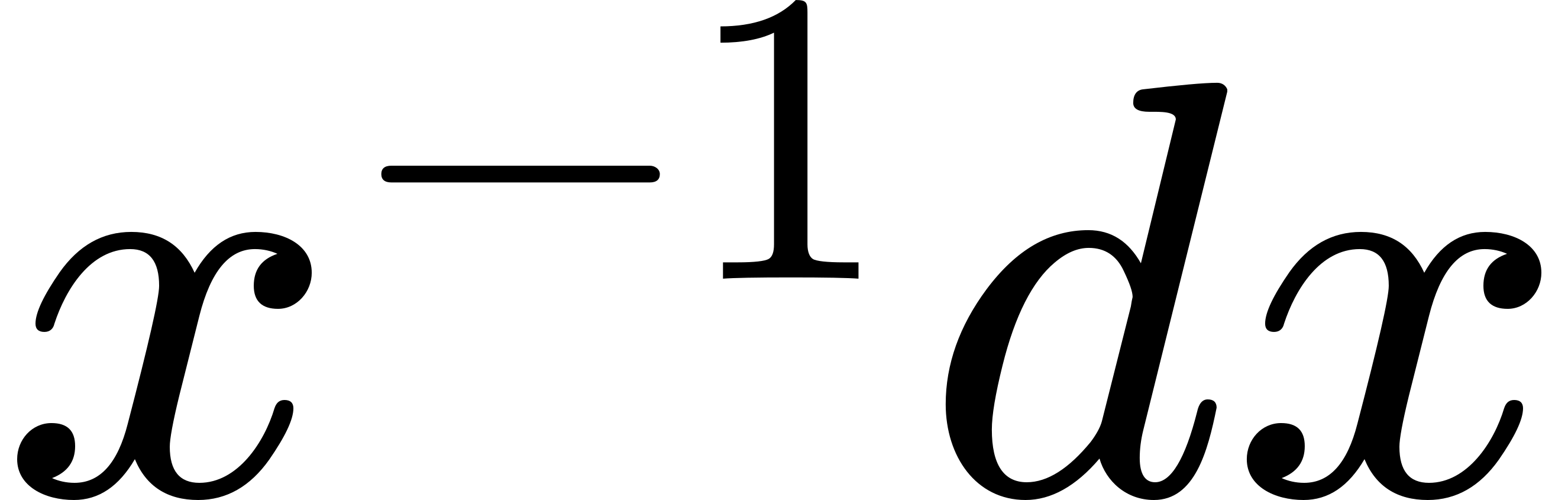
If you look back amongst the results of differentiating x squared and x cubed and x Superscript n, etc., you will find we never got x Superscript negative 1 from any one of them as the value of StartFraction d y Over d x EndFraction. We got 3 x squared from x cubed; we got 2 x from x squared; we got 1 from x Superscript 1 (that is, from x itself); but we did not get x Superscript negative 1 from x Superscript 0, for two very good reasons. First, x Superscript 0 is simply equals 1, and is a constant, and could not have a differential coefficient. Secondly, even if it could be differentiated, its differential coefficient (got by slavishly following the usual rule) would be 0 times x Superscript negative 1, and that multiplication by zero gives it zero value! Therefore when we now come to try to integrate x Superscript negative 1 Baseline d x, we see that it does not come in anywhere in the powers of x that are given by the rule: integral x Superscript n Baseline d x equals StartFraction 1 Over n plus 1 EndFraction x Superscript n plus 1 Baseline period It is an exceptional case.
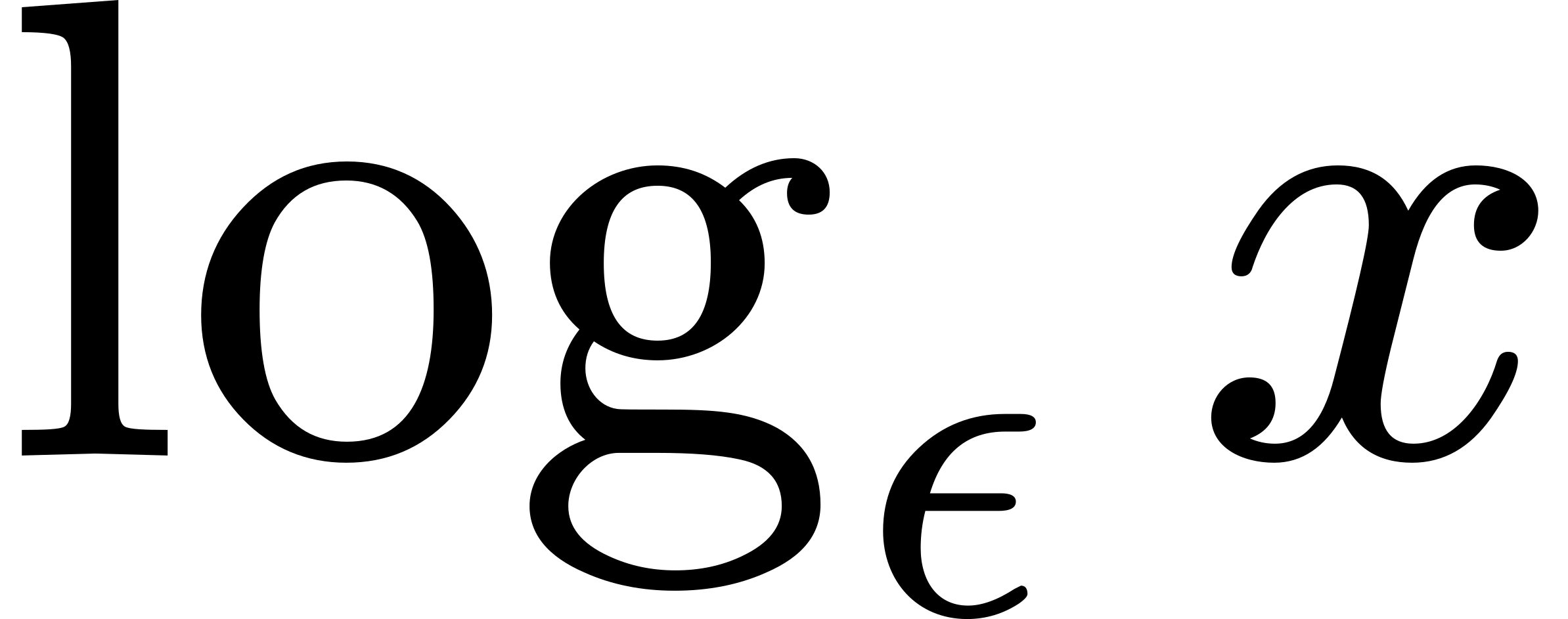
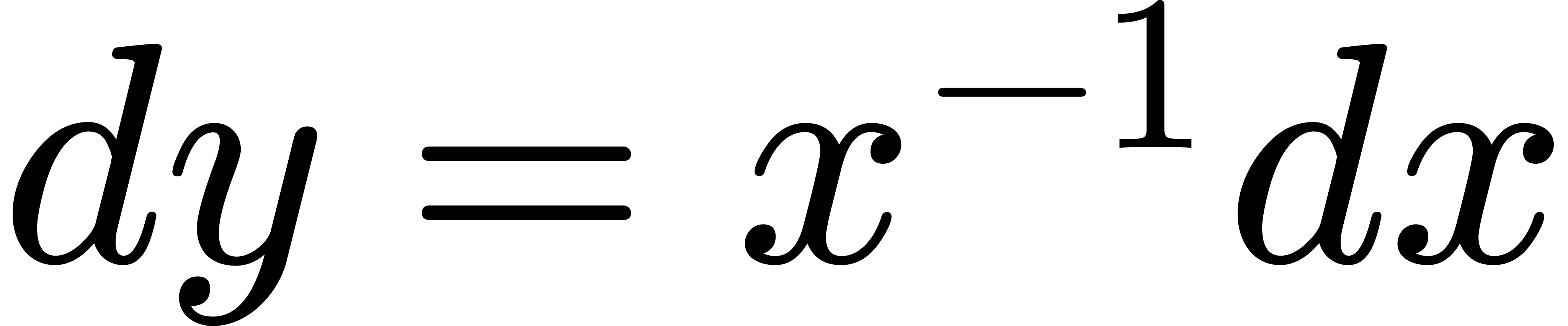
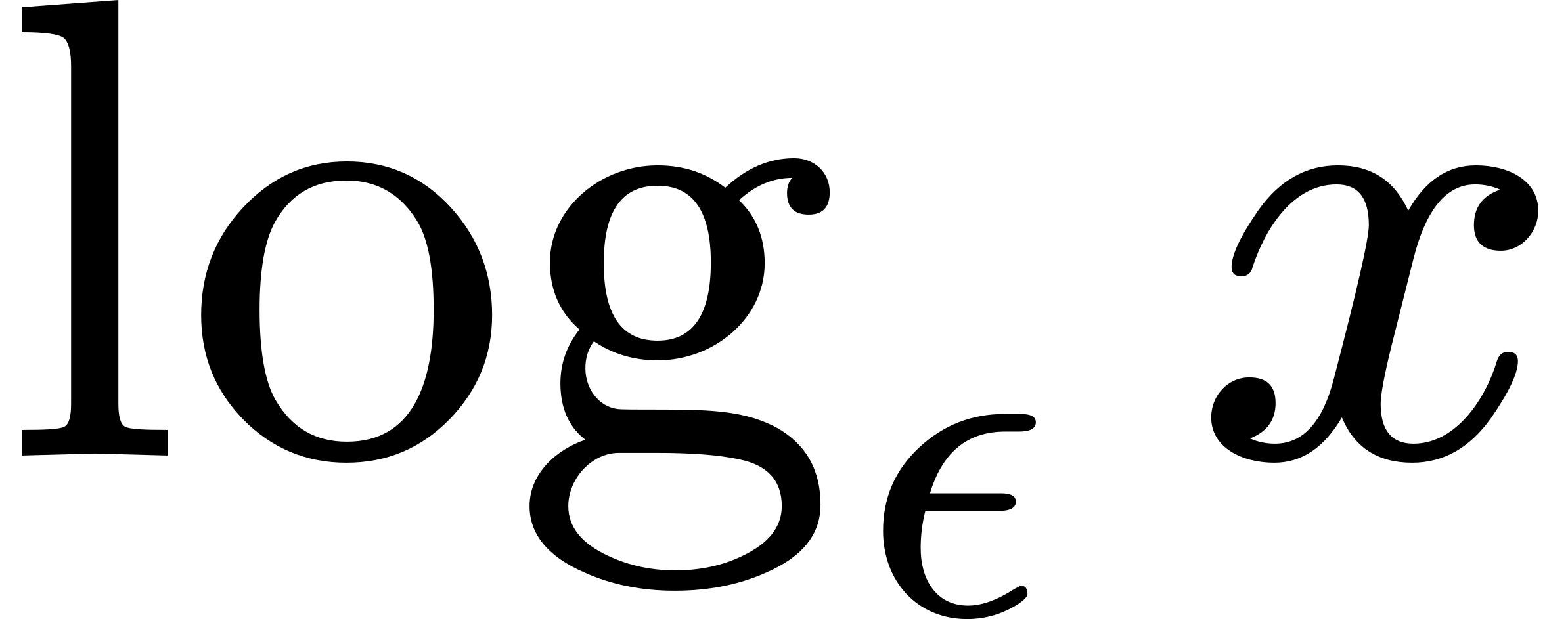
Well; but try again. Look through all the various differentials obtained from various functions of x, and try to find amongst them x Superscript negative 1. A sufficient search will show that we actually did get StartFraction d y Over d x EndFraction equals x Superscript negative 1 as the result of differentiating the function y equals log Subscript epsilon Baseline x (see p. 145).
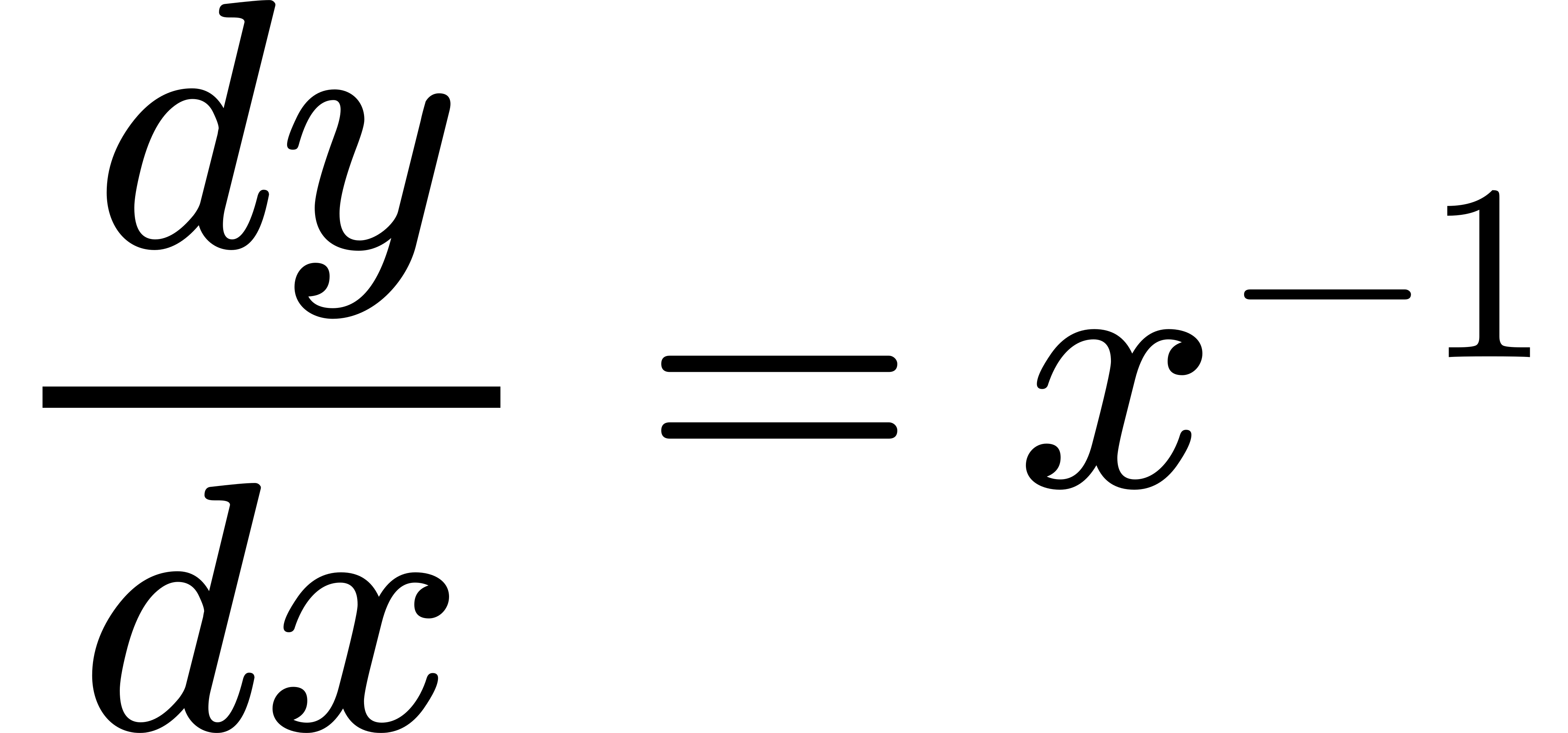
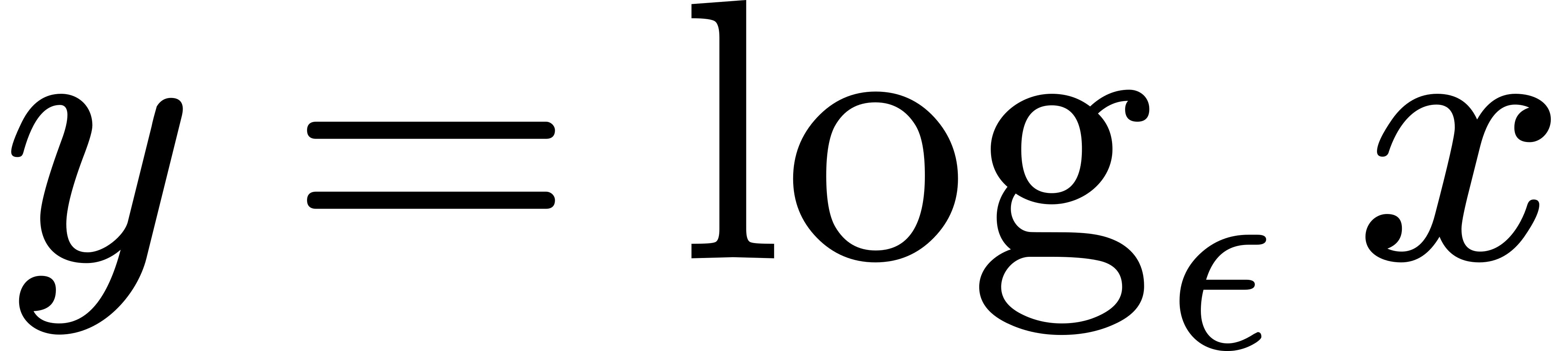
Then, of course, since we know that differentiating log Subscript epsilon Baseline x gives us x Superscript negative 1, we know that, by reversing the process, integrating d y equals x Superscript negative 1 Baseline d x will give us y equals log Subscript epsilon Baseline x. But we must not forget the constant factor a that was given, nor must we omit to add the undetermined constant of integration. This then gives us as the solution to the present problem, y equals a log Subscript epsilon Baseline x plus upper C period

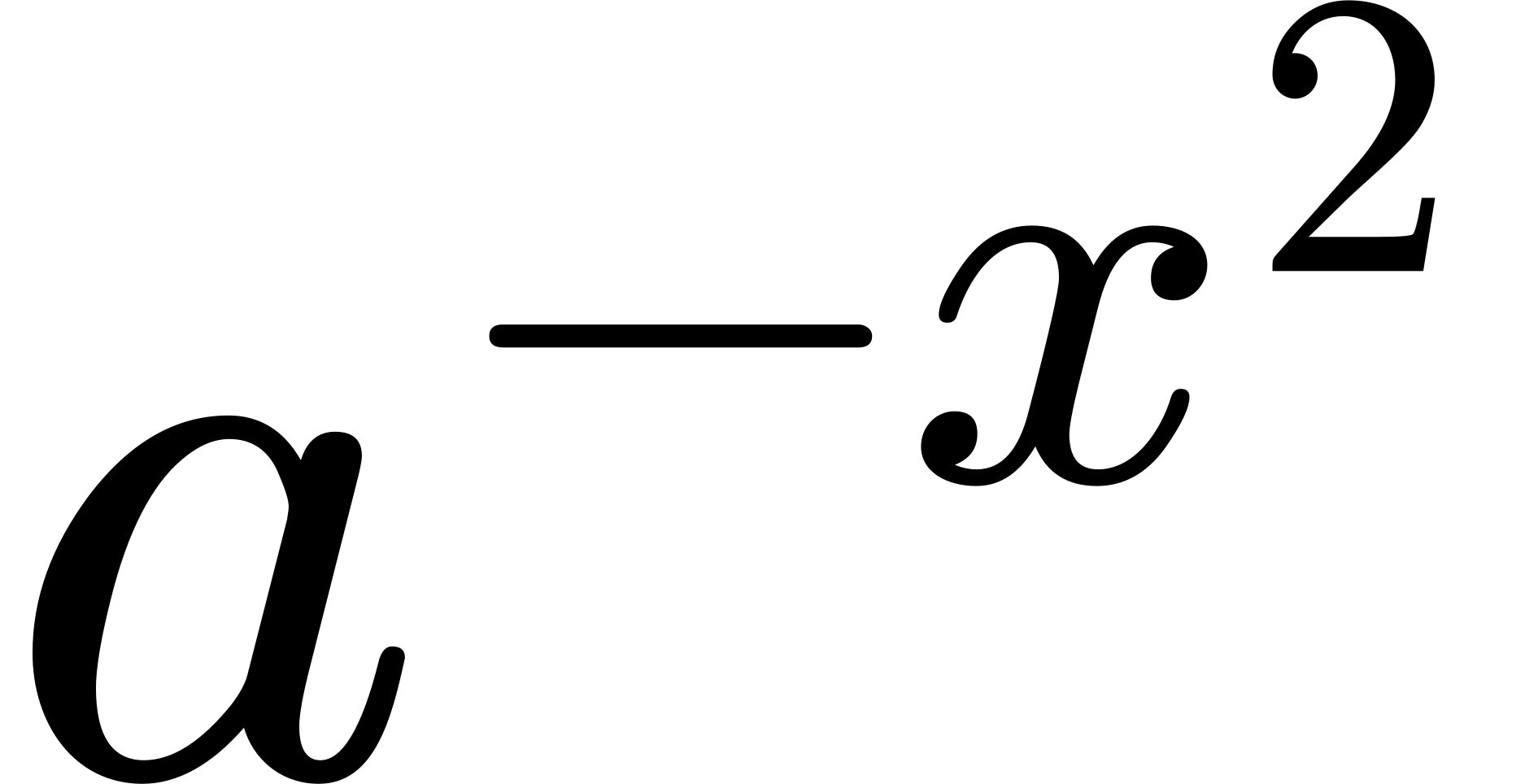
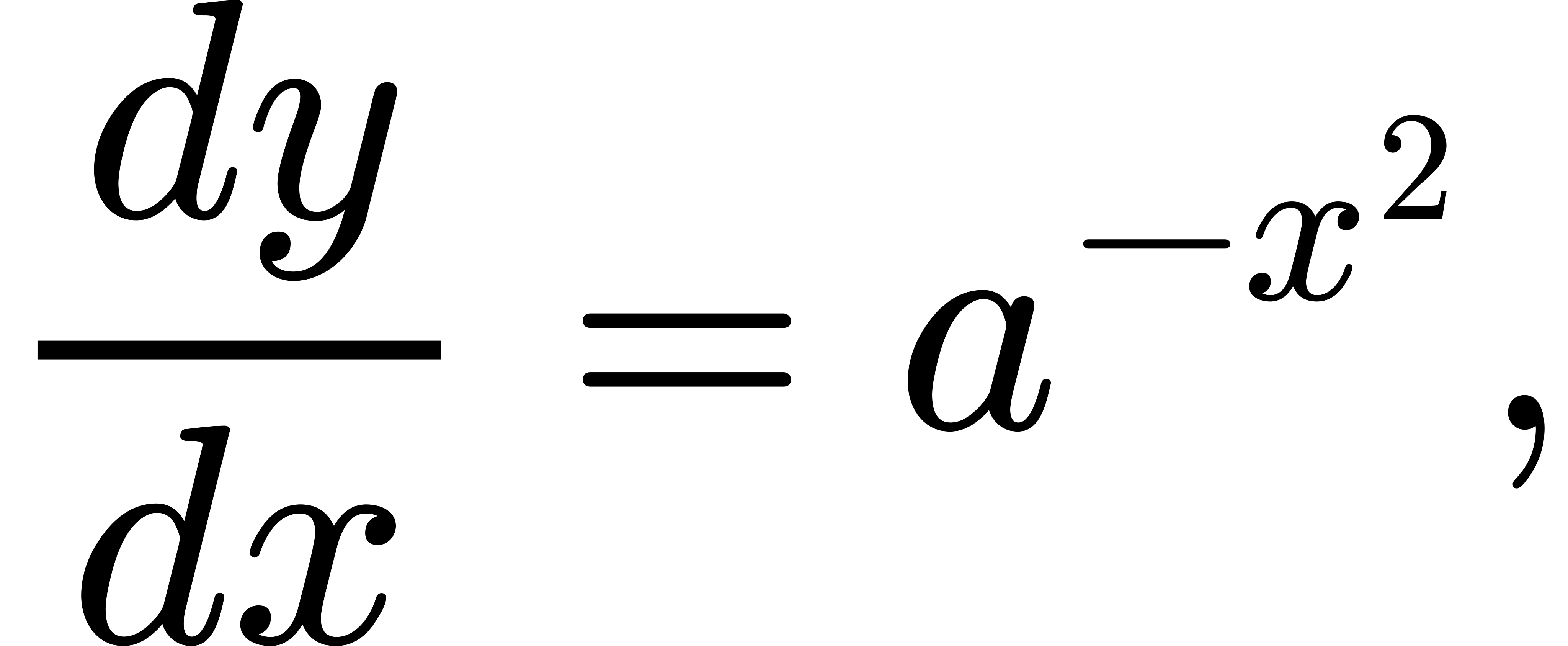
N.B.—Here note this very remarkable fact, that we could not have integrated in the above case if we had not happened to know the corresponding differentiation. If no one had found out that differentiating log Subscript epsilon Baseline x gave x Superscript negative 1, we should have been utterly stuck by the problem how to integrate x Superscript negative 1 Baseline d x. Indeed it should be frankly admitted that this is one of the curious features of the integral calculus:—that you can't integrate anything before the reverse process of differentiating something else has yielded that expression which you want to integrate. No one, even to-day, is able to find the general integral of the expression, StartFraction d y Over d x EndFraction equals a Superscript minus x squared Baseline comma because a Superscript minus x squared has never yet been found to result from differentiating anything else.
Another simple case.

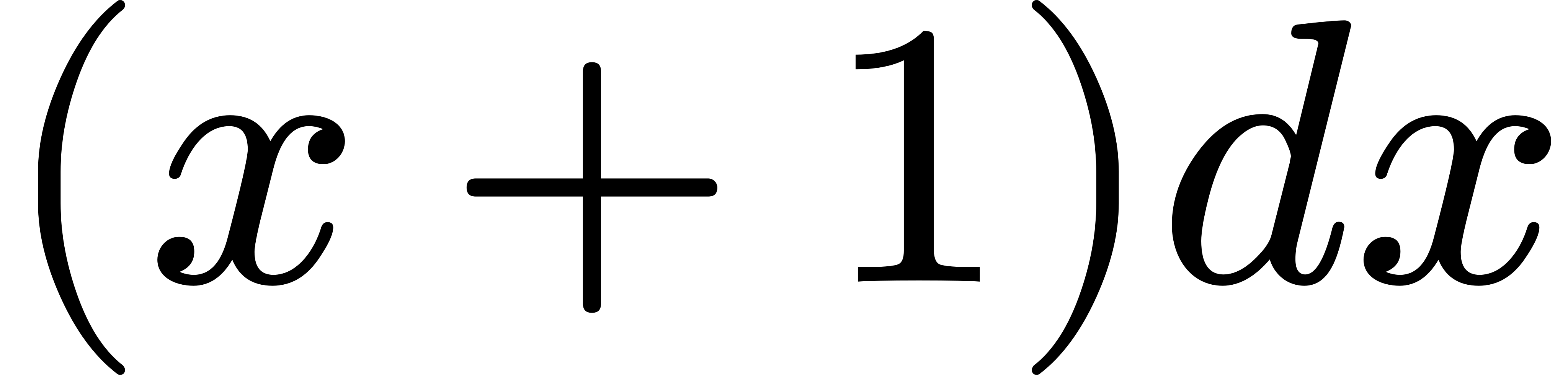
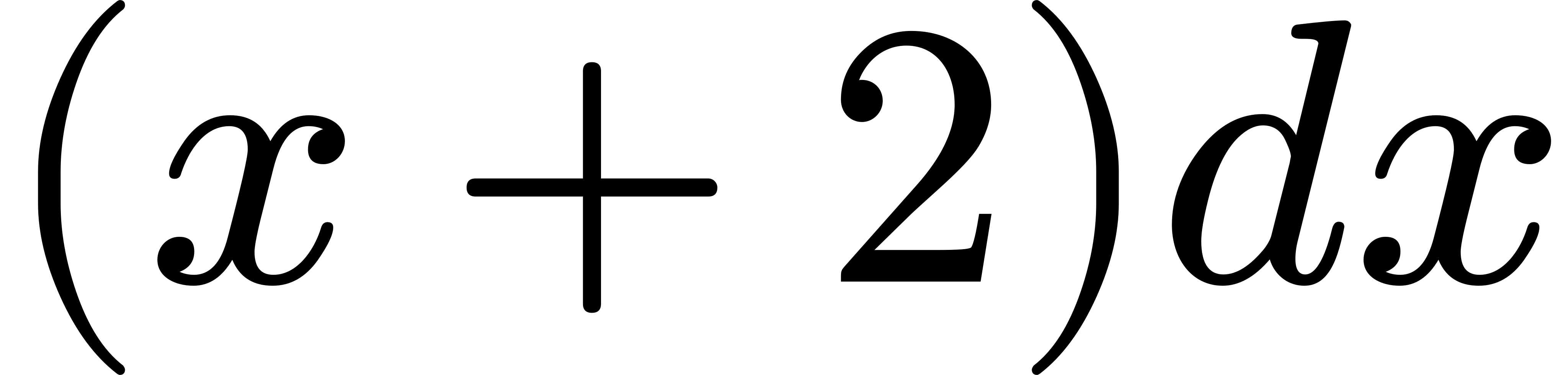
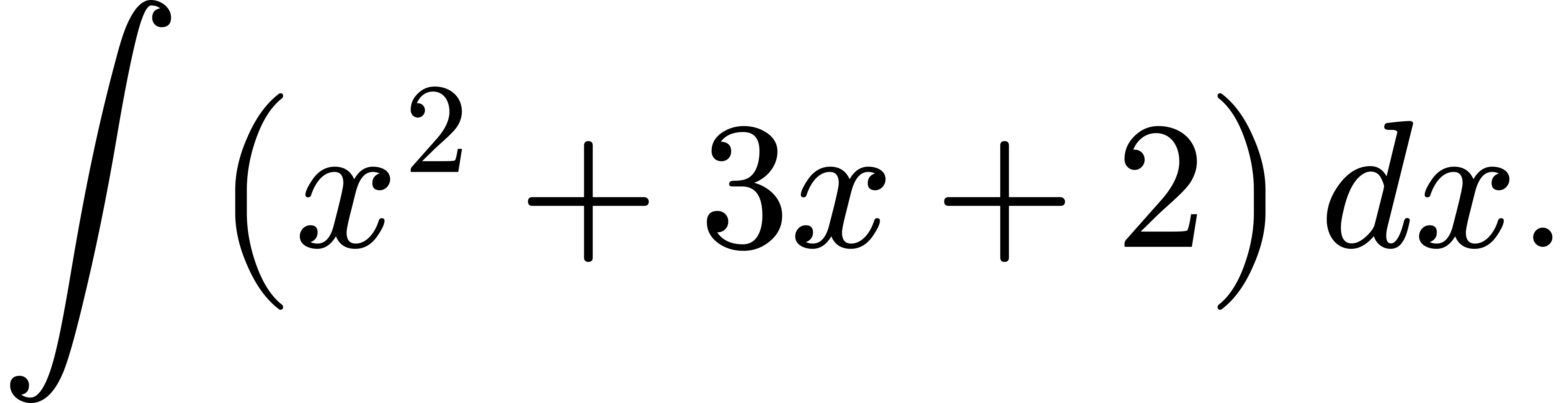
Find integral left parenthesis x plus 1 right parenthesis left parenthesis x plus 2 right parenthesis d x.

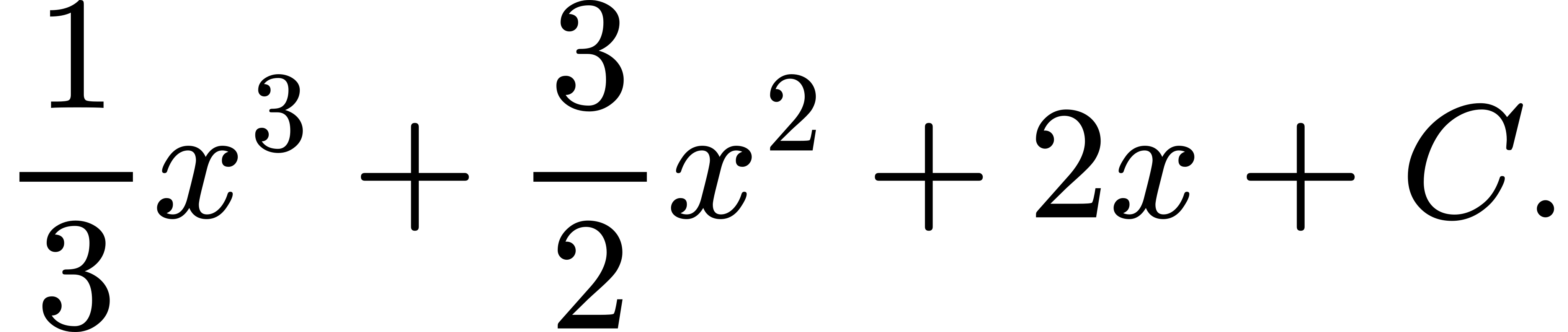
On looking at the function to be integrated, you remark that it is the product of two different functions of x. You could, you think, integrate left parenthesis x plus 1 right parenthesis d x by itself, or left parenthesis x plus 2 right parenthesis d x by itself. Of course you could. But what to do with a product? None of the differentiations you have learned have yielded you for the differential coefficient a product like this. Failing such, the simplest thing is to multiply up the two functions, and then integrate. This gives us integral left parenthesis x squared plus 3 x plus 2 right parenthesis d x period And this is the same as integral x squared d x plus integral 3 x d x plus integral 2 d x period And performing the integrations, we get one third x cubed plus three halves x squared plus 2 x plus upper C period
Some other Integrals.

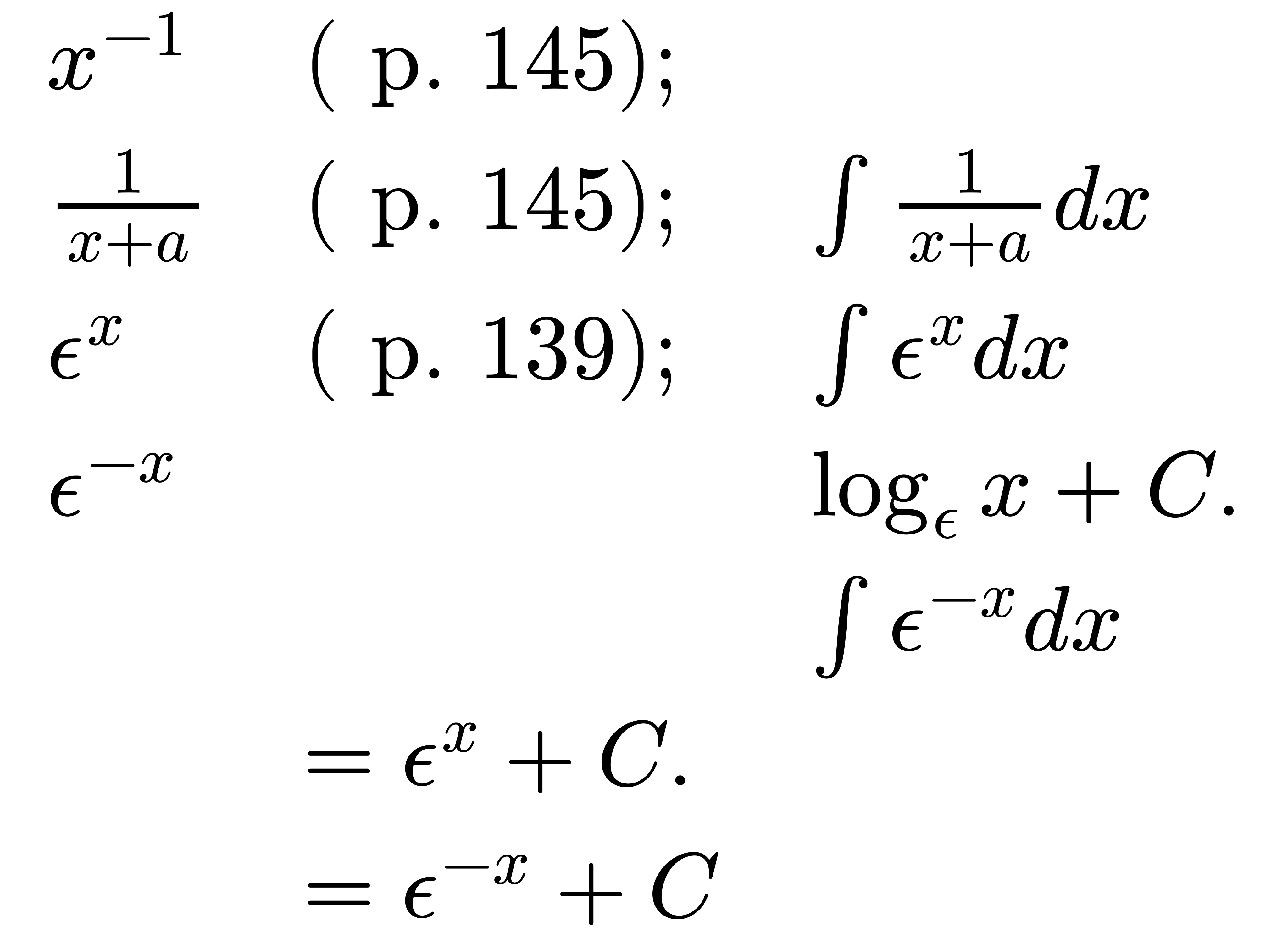
Now that we know that integration is the reverse of differentiation, we may at once look up the differential coefficients we already know, and see from what functions they were derived. This gives us the following integrals ready made: StartLayout 1st Row 1st Column x Superscript negative 1 2nd Column left parenthesis p period 145 right parenthesis semicolon 3rd Column Blank 2nd Row 1st Column StartFraction 1 Over x plus a EndFraction 2nd Column left parenthesis p period 145 right parenthesis semicolon 3rd Column integral StartFraction 1 Over x plus a EndFraction d x 3rd Row 1st Column epsilon Superscript x 2nd Column left parenthesis p period 139 right parenthesis semicolon 3rd Column integral epsilon Superscript x Baseline d x 4th Row 1st Column epsilon Superscript negative x 2nd Column Blank 3rd Column log Subscript epsilon Baseline x plus upper C period 5th Row 1st Column Blank 2nd Column Blank 3rd Column integral epsilon Superscript negative x Baseline d x 6th Row 1st Column Blank 2nd Column equals epsilon Superscript x Baseline plus upper C period 7th Row 1st Column Blank 2nd Column equals epsilon Superscript negative x Baseline plus upper C EndLayout (for if y equals minus StartFraction 1 Over epsilon Superscript x Baseline EndFraction comma StartFraction d y Over d x EndFraction equals minus StartFraction epsilon Superscript x Baseline times 0 minus 1 times epsilon Superscript x Baseline Over epsilon Superscript 2 x Baseline EndFraction equals epsilon Superscript negative x ). StartLayout 1st Row 1st Column sine x 2nd Column left parenthesis p period 165 right parenthesis semicolon 3rd Column integral sine x d x equals minus cosine x plus upper C period 2nd Row 1st Column cosine x 2nd Column left parenthesis p period 163 right parenthesis semicolon 3rd Column integral cosine x d x equals sine x plus upper C period EndLayout
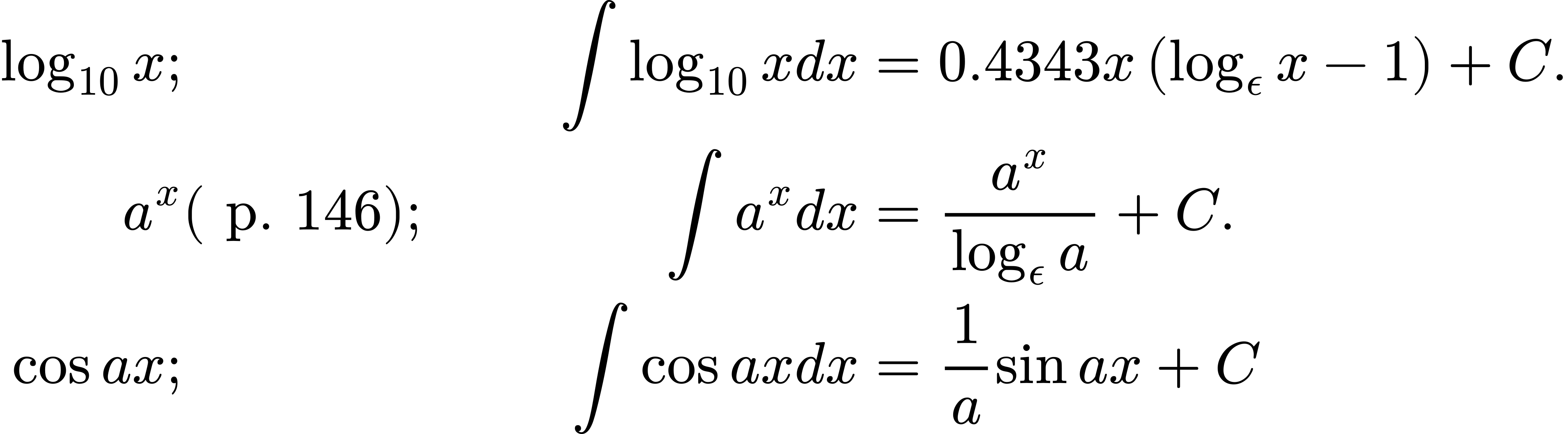
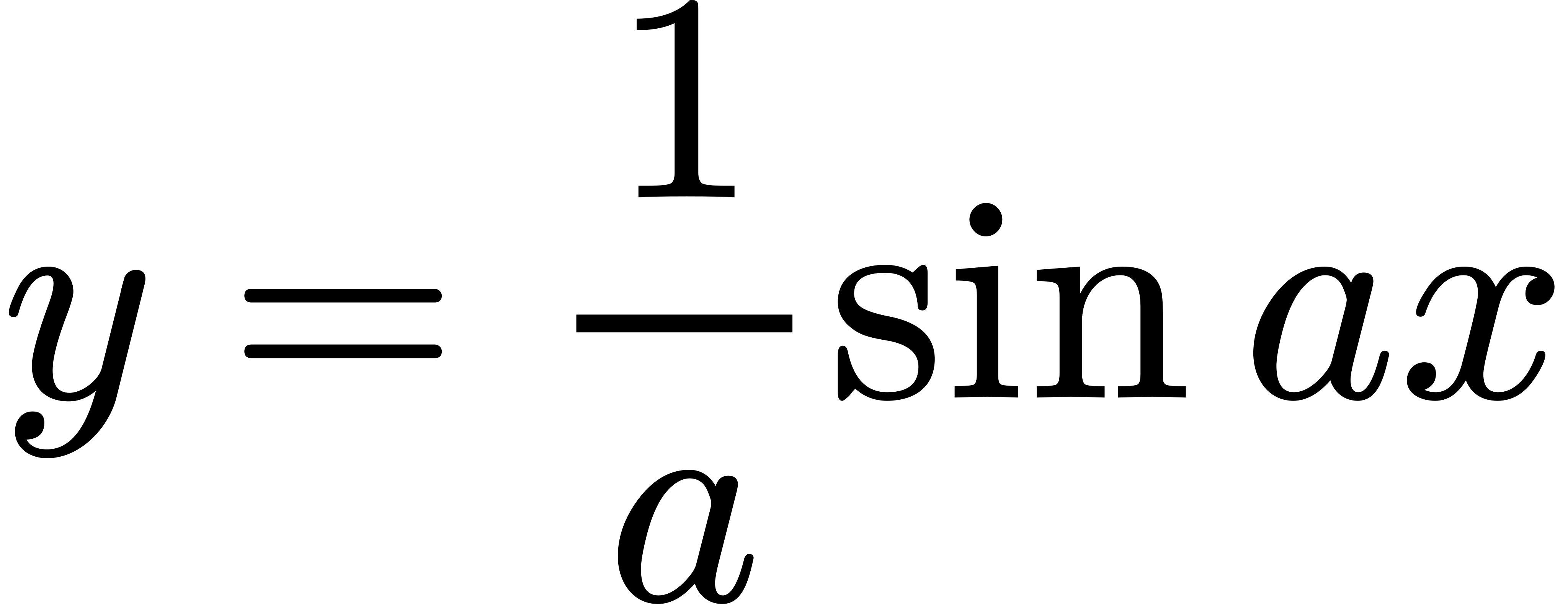
Also we may deduce the following: log Subscript epsilon Baseline x semicolon integral log Subscript epsilon Baseline x d x equals x left parenthesis log Subscript epsilon Baseline x minus 1 right parenthesis plus upper C (for if y equals x log Subscript epsilon Baseline x minus x comma StartFraction d y Over d x EndFraction equals StartFraction x Over x EndFraction plus log Subscript epsilon Baseline x minus 1 equals log Subscript epsilon Baseline x). StartLayout 1st Row 1st Column log Subscript 10 Baseline x semicolon 2nd Column Blank 3rd Column integral log Subscript 10 Baseline x d x 4th Column equals 0.4343 x left parenthesis log Subscript epsilon Baseline x minus 1 right parenthesis plus upper C period 2nd Row 1st Column a Superscript x 2nd Column left parenthesis p period 146 right parenthesis semicolon 3rd Column integral a Superscript x Baseline d x 4th Column equals StartFraction a Superscript x Baseline Over log Subscript epsilon Baseline a EndFraction plus upper C period 3rd Row 1st Column cosine a x semicolon 2nd Column Blank 3rd Column integral cosine a x d x 4th Column equals StartFraction 1 Over a EndFraction sine a x plus upper C EndLayout (for if y equals sine a x comma StartFraction d y Over d x EndFraction equals a cosine a x; hence to get cosine a x one must differentiate y equals StartFraction 1 Over a EndFraction sine a x). sine a x semicolon integral sine a x d x equals minus StartFraction 1 Over a EndFraction cosine a x plus upper C period

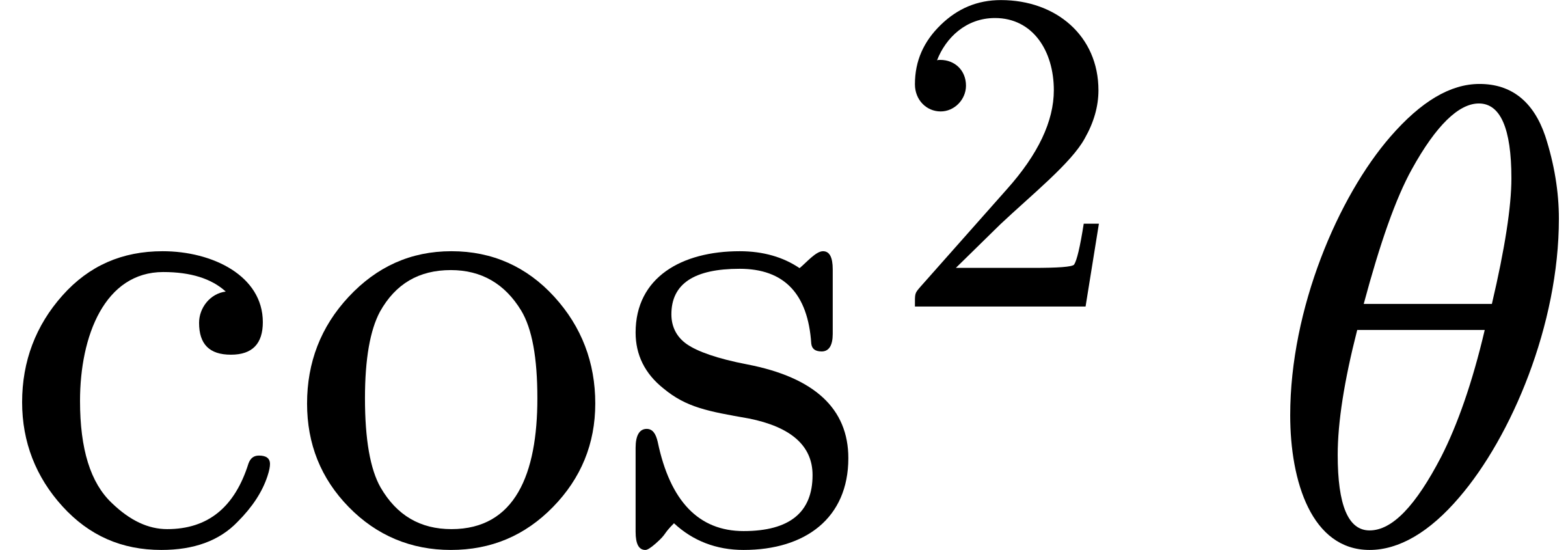
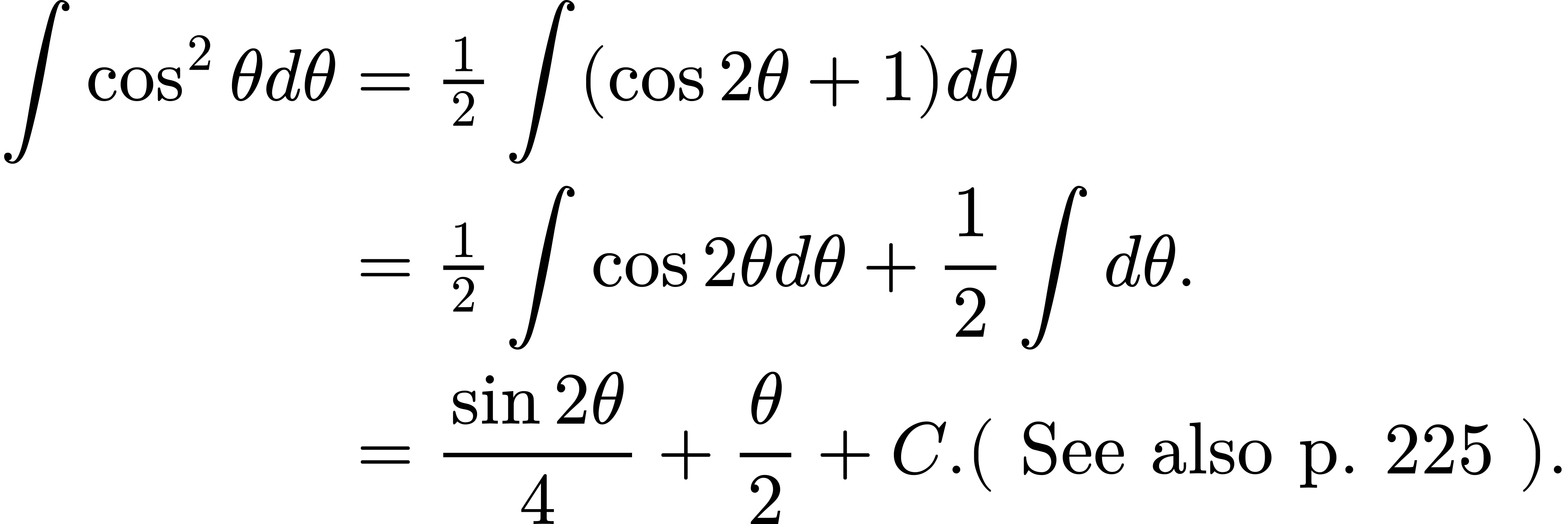
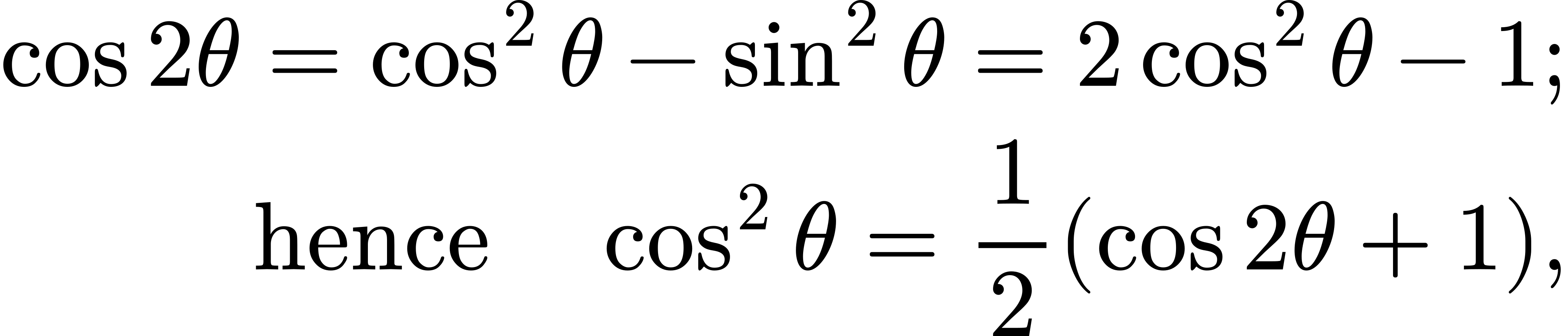
Try also cosine squared theta; a little dodge will simplify matters: StartLayout 1st Row cosine 2 theta equals cosine squared theta minus sine squared theta equals 2 cosine squared theta minus 1 semicolon 2nd Row hence cosine squared theta equals one half left parenthesis cosine 2 theta plus 1 right parenthesis comma EndLayout and StartLayout 1st Row 1st Column integral cosine squared theta d theta 2nd Column equals one half integral left parenthesis cosine 2 theta plus 1 right parenthesis d theta 2nd Row 1st Column Blank 2nd Column equals one half integral cosine 2 theta d theta plus one half integral d theta period 3rd Row 1st Column Blank 2nd Column equals StartFraction sine 2 theta Over 4 EndFraction plus StartFraction theta Over 2 EndFraction plus upper C period left parenthesis See also p period 225 right parenthesis period EndLayout
See also the Table of Standard Forms on pp. 249-251. You should make such a table for yourself, putting in it only the general functions which you have successfully differentiated and integrated. See to it that it grows steadily!

On Double and Triple Integrals.

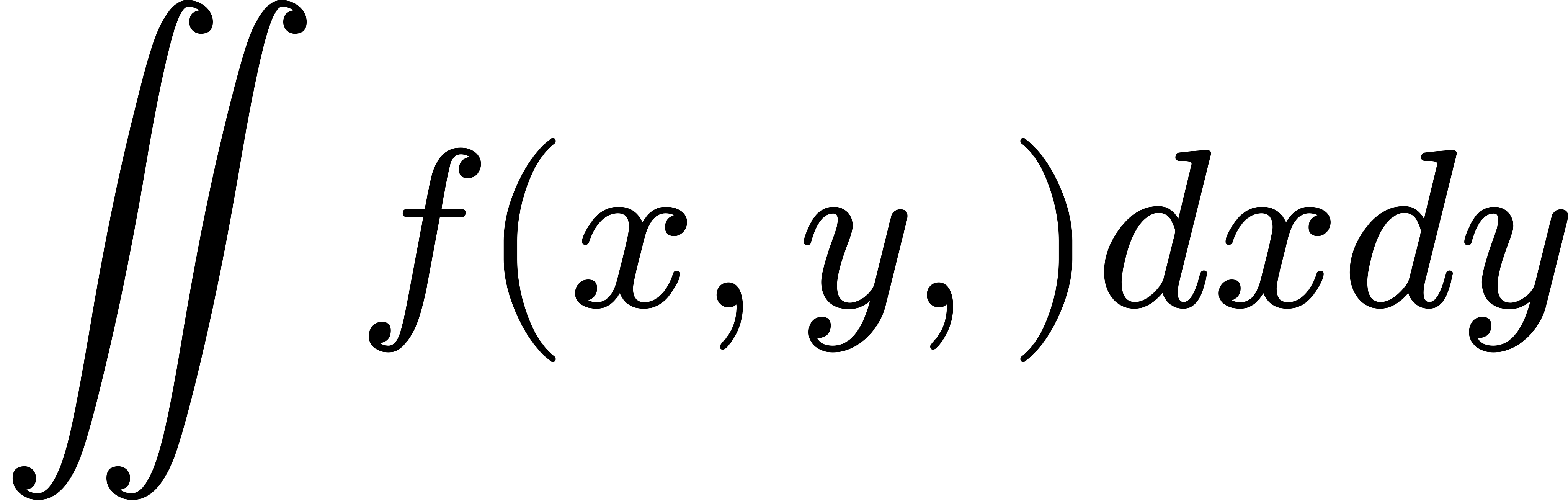
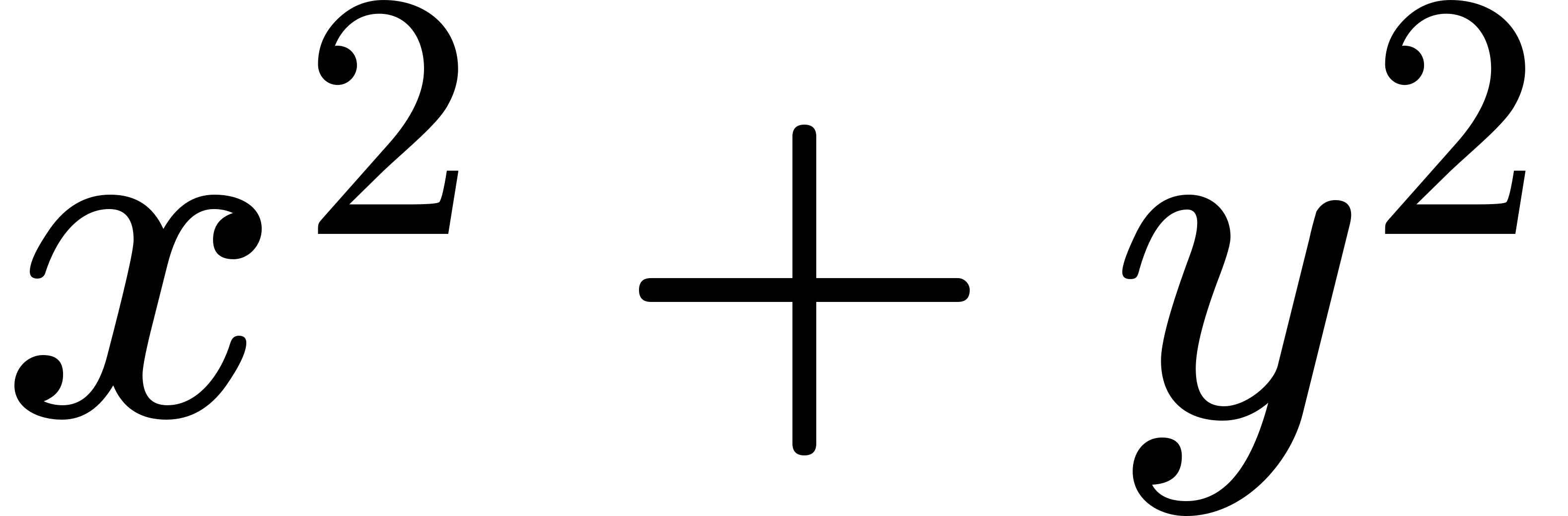
In many cases it is necessary to integrate some expression for two or more variables contained in it; and in that case the sign of integration appears more than once. Thus, double integral f left parenthesis x comma y comma right parenthesis d x d y means that some function of the variables x and y has to be integrated for each. It does not matter in which order they are done. Thus, take the function x squared plus y squared. Integrating it with respect to x gives us: integral left parenthesis x squared plus y squared right parenthesis d x equals one third x cubed plus x y squared period
Now, integrate this with respect to y: integral left parenthesis one third x cubed plus x y squared right parenthesis d y equals one third x cubed y plus one third x y cubed comma to which of course a constant is to be added. If we had reversed the order of the operations, the result would have been the same.

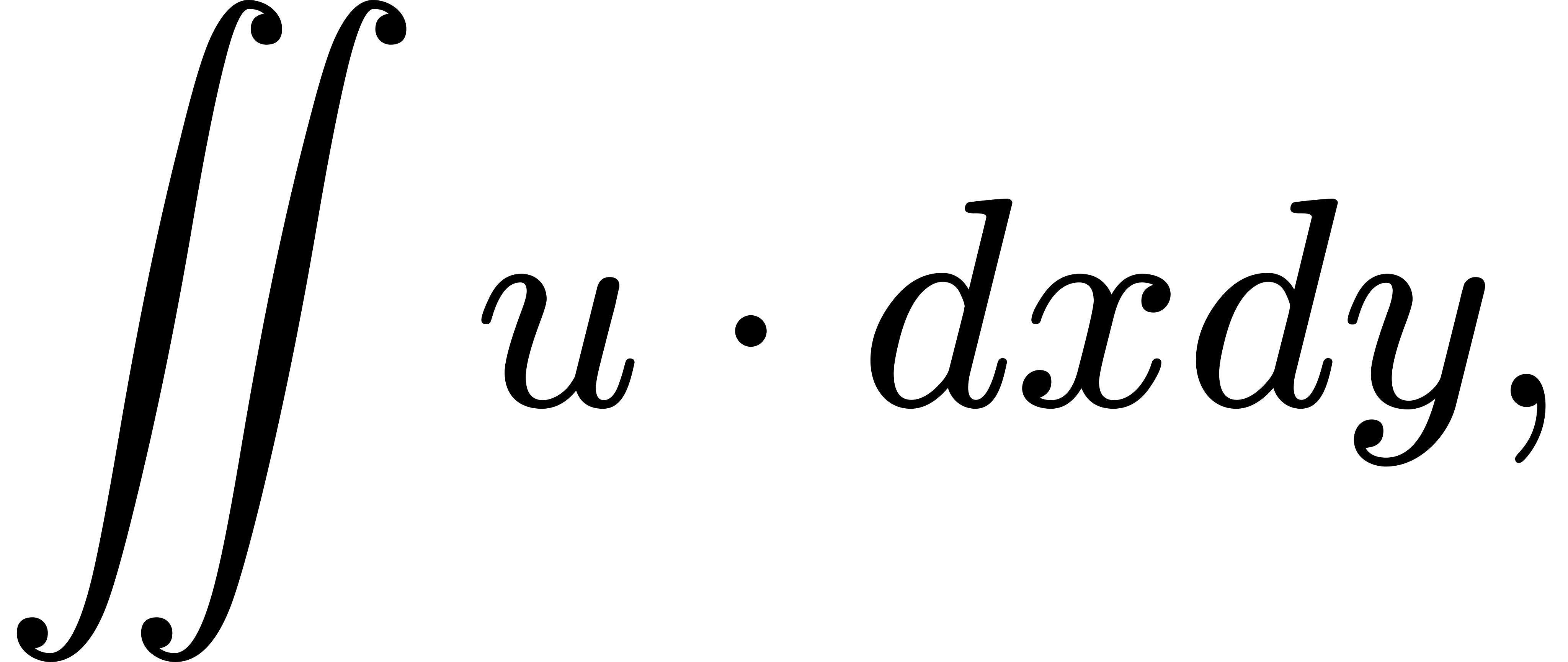
In dealing with areas of surfaces and of solids, we have often to integrate both for length and breadth, and thus have integrals of the form double integral u dot d x d y comma where u is some property that depends, at each point, on x and on y. This would then be called a surface-integral. It indicates that the value of all such elements as u dot d x dot d y (that is to say, of the value of u over a little rectangle d x long and d y broad) has to be summed up over the whole length and whole breadth.
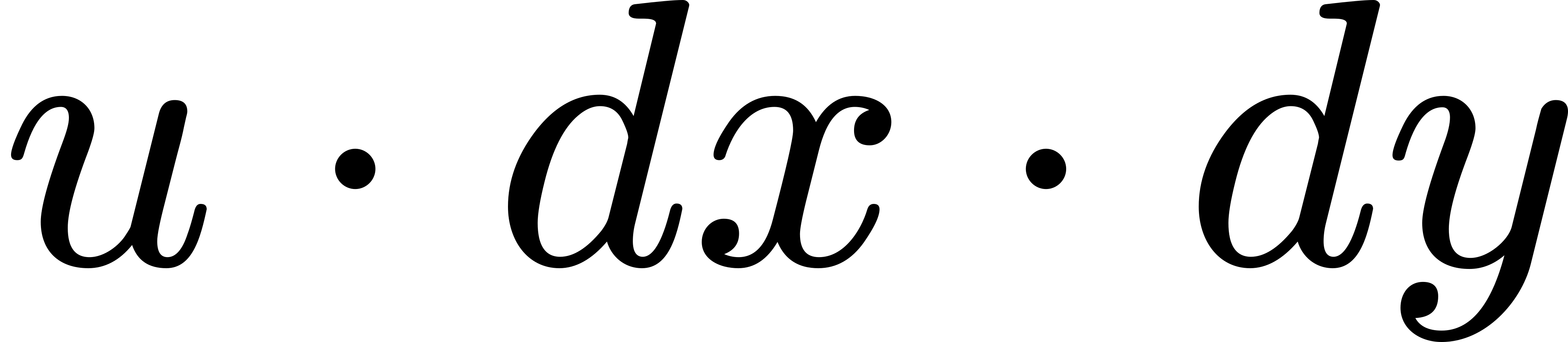
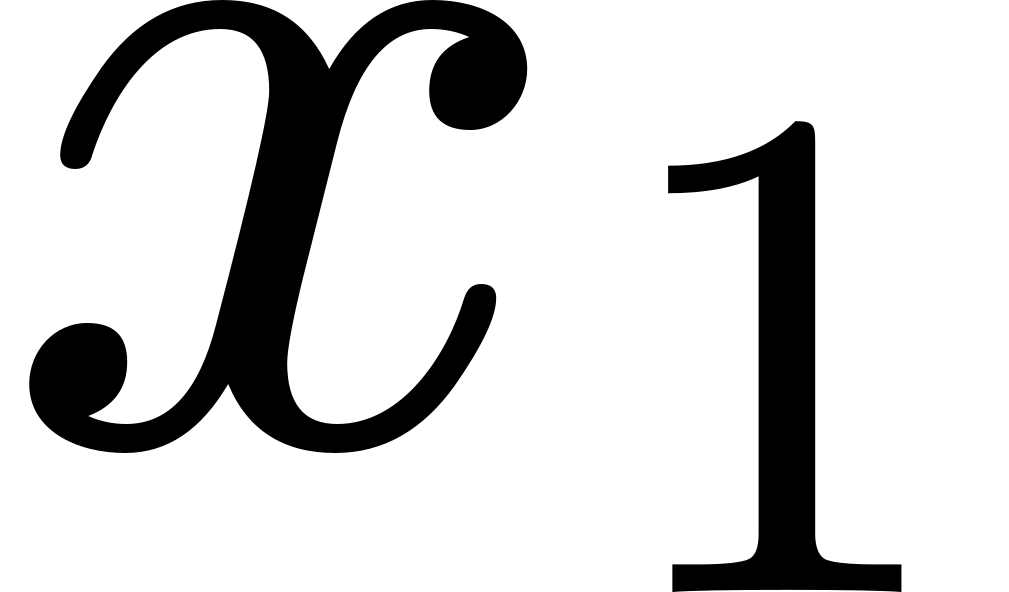
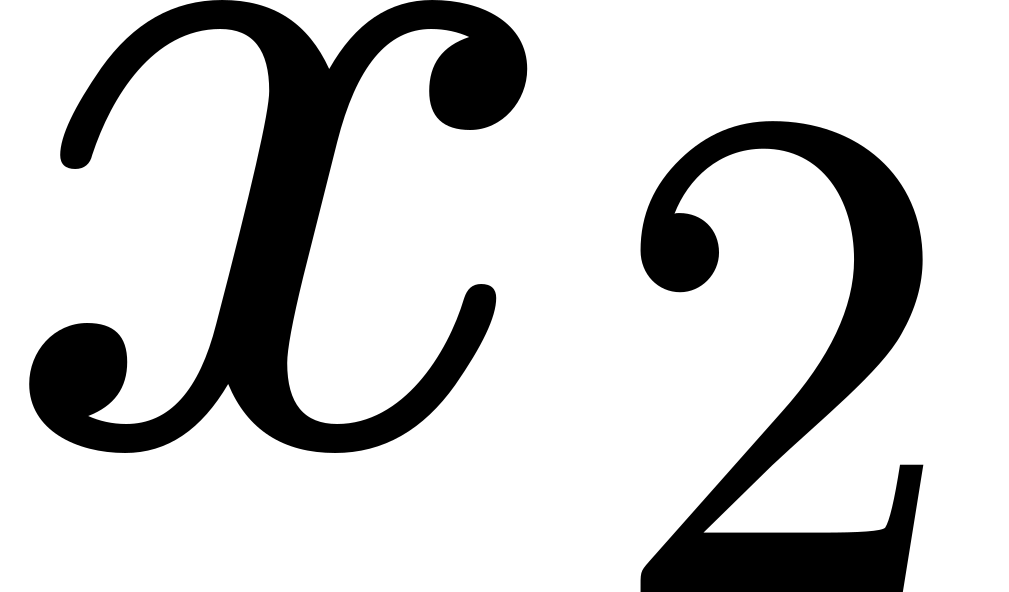
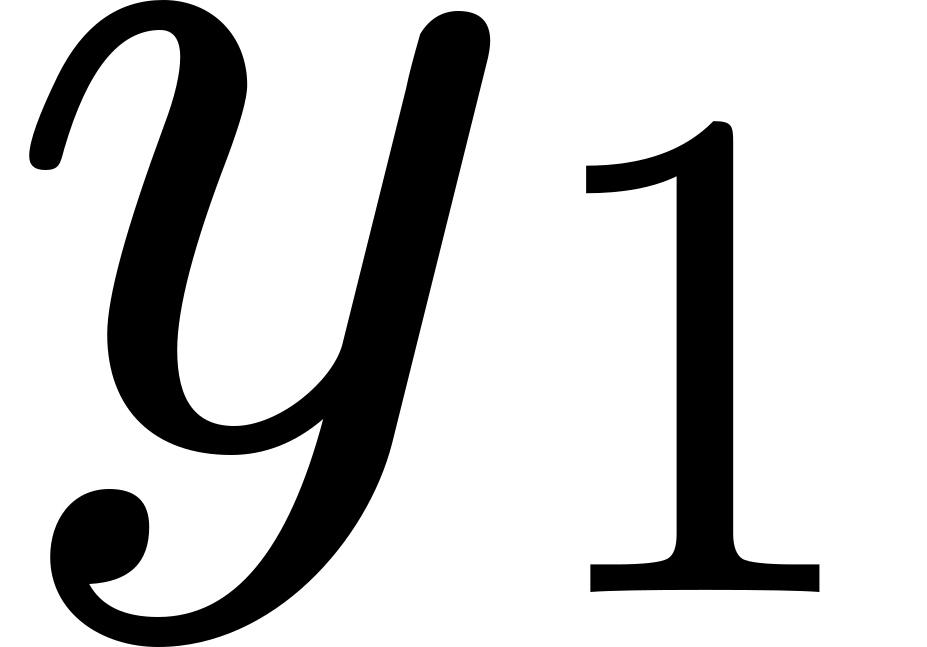
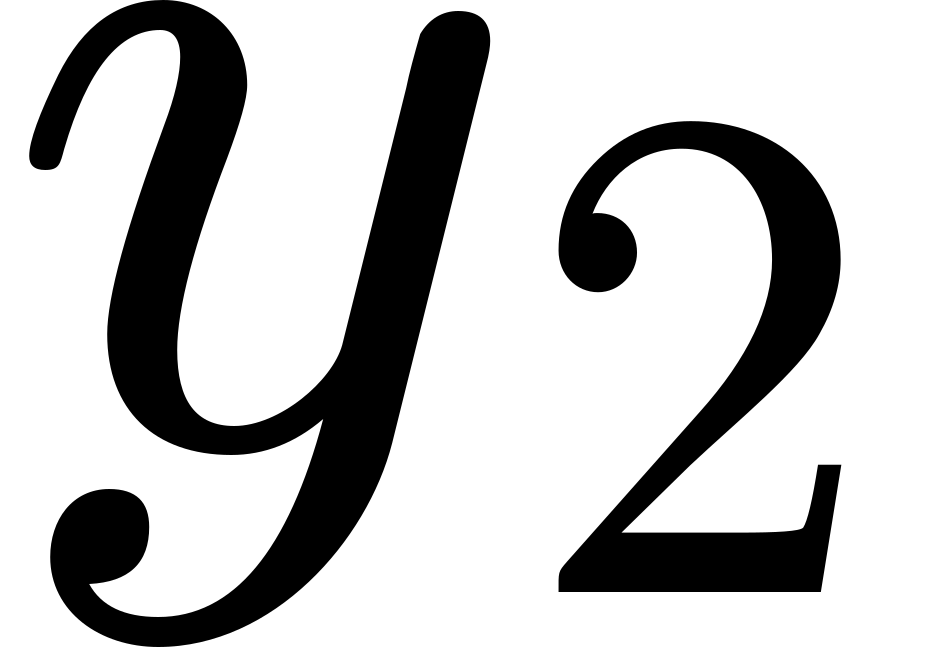
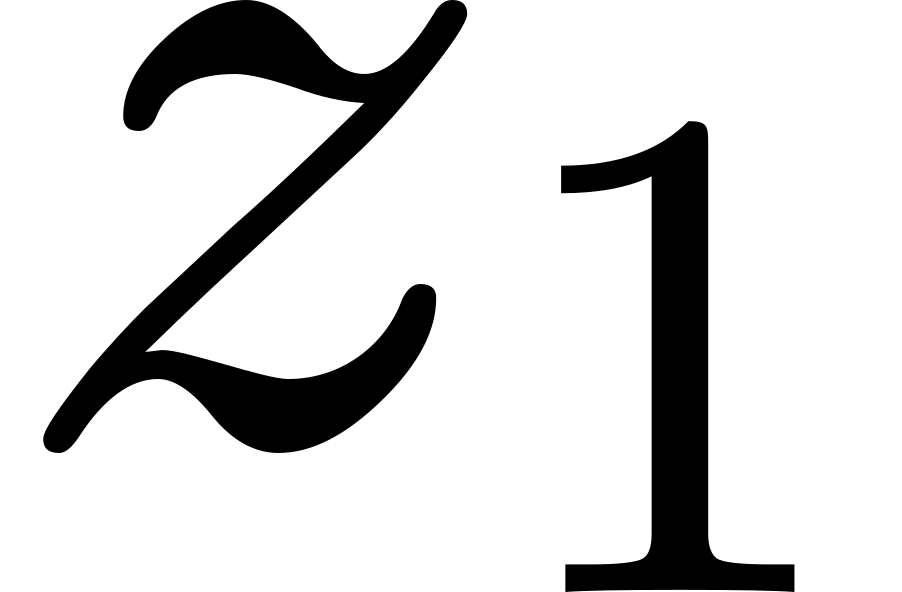
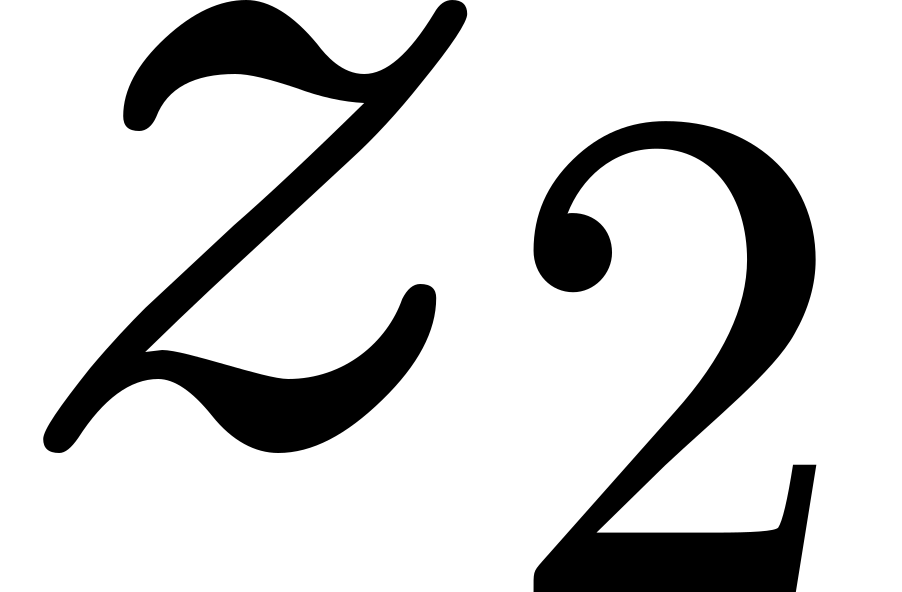
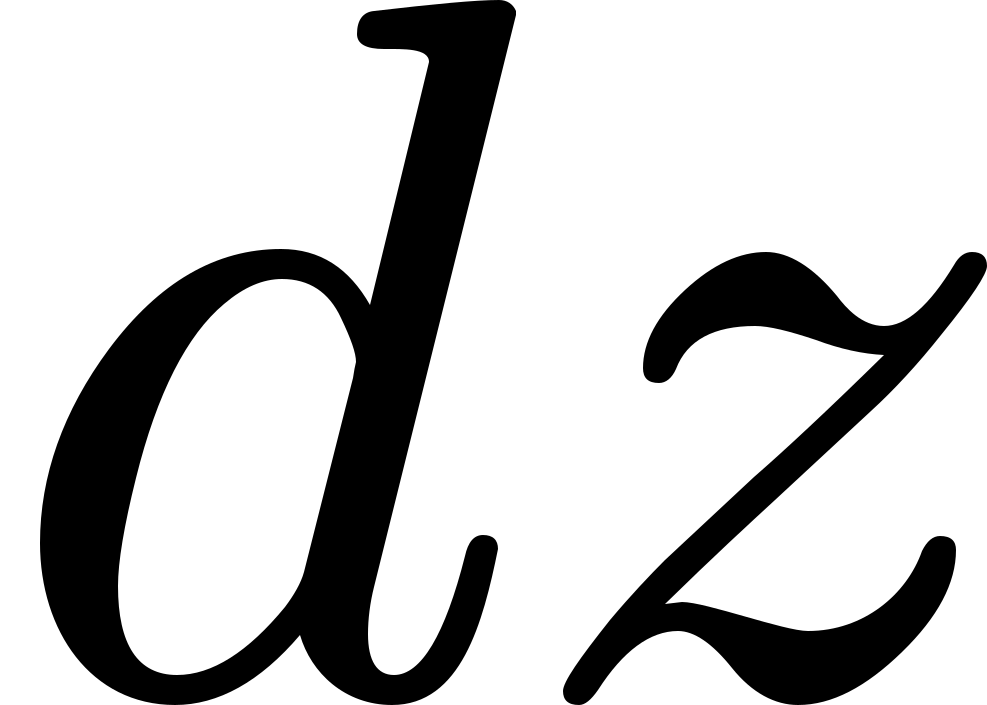
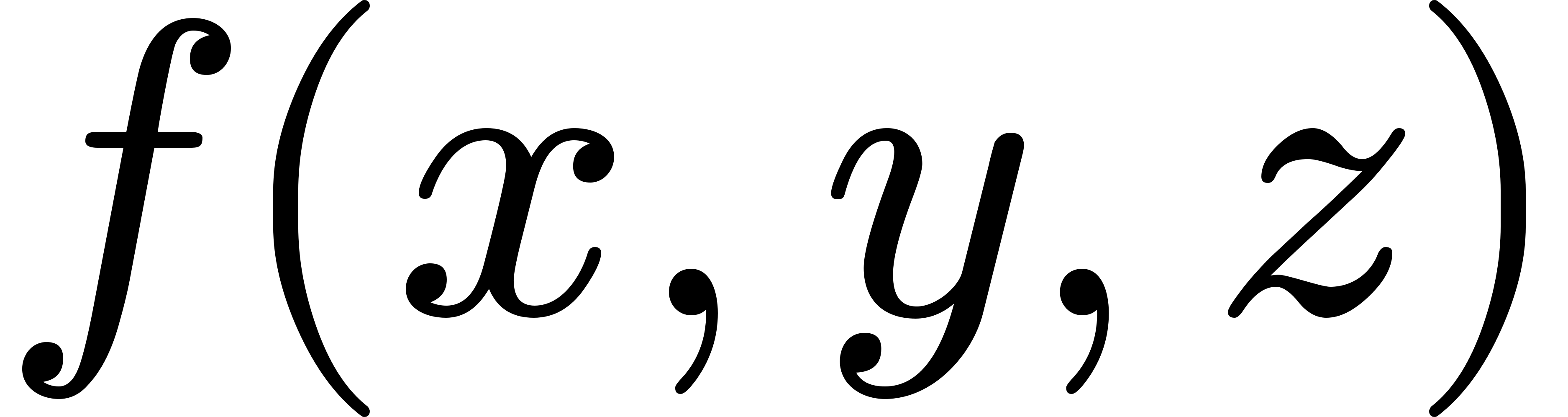
Similarly in the case of solids, where we deal with three dimensions. Consider any element of volume, the small cube whose dimensions are d x d y d z. If the figure of the solid be expressed by the function f left parenthesis x comma y comma z right parenthesis, then the whole solid will have the volume-integral, volume equals triple integral f left parenthesis x comma y comma z right parenthesis dot d x dot d y dot d z period Naturally, such integrations have to be taken between appropriate limits[6] in each dimension; and the integration cannot be performed unless one knows in what way the boundaries of the surface depend on x, y, and z. If the limits for x are from x 1 to x 2, those for y from y 1 to y 2, and those for z from z 1 to z 2, then clearly we have volume equals integral Subscript z Baseline 1 Superscript z Baseline 2 Baseline integral Subscript y Baseline 1 Superscript y Baseline 2 Baseline integral Subscript x Baseline 1 Superscript x Baseline 2 Baseline f left parenthesis x comma y comma z right parenthesis dot d x dot d y dot d z period

There are of course plenty of complicated and difficult cases; but, in general, it is quite easy to see the significance of the symbols where they are intended to indicate that a certain integration has to be performed over a given surface, or throughout a given solid space.

Exercises XVII. (See p. 264 for the Answers.)

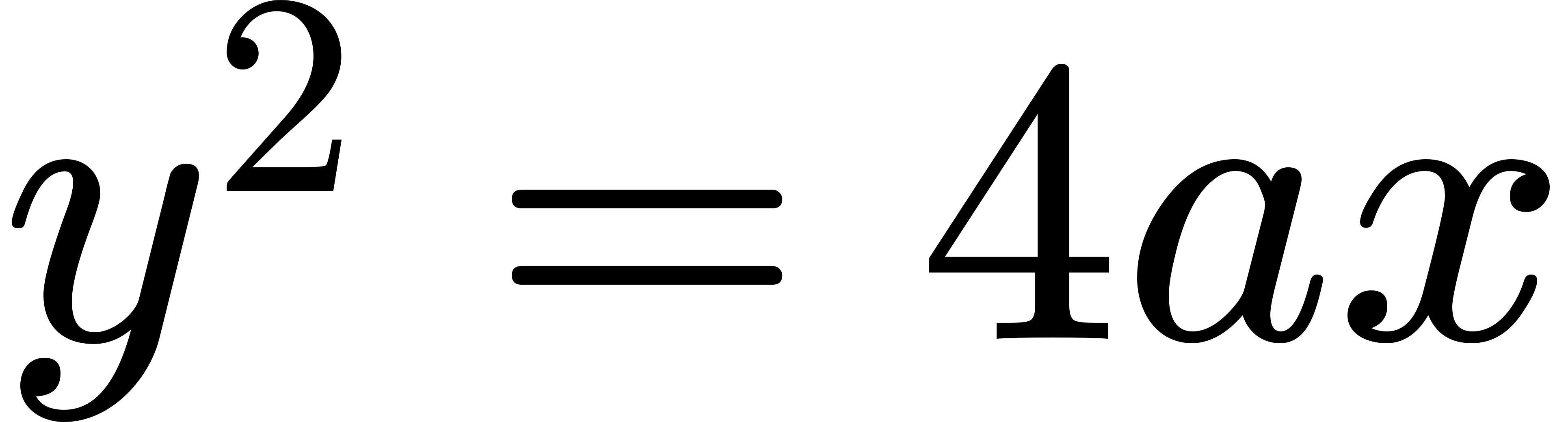
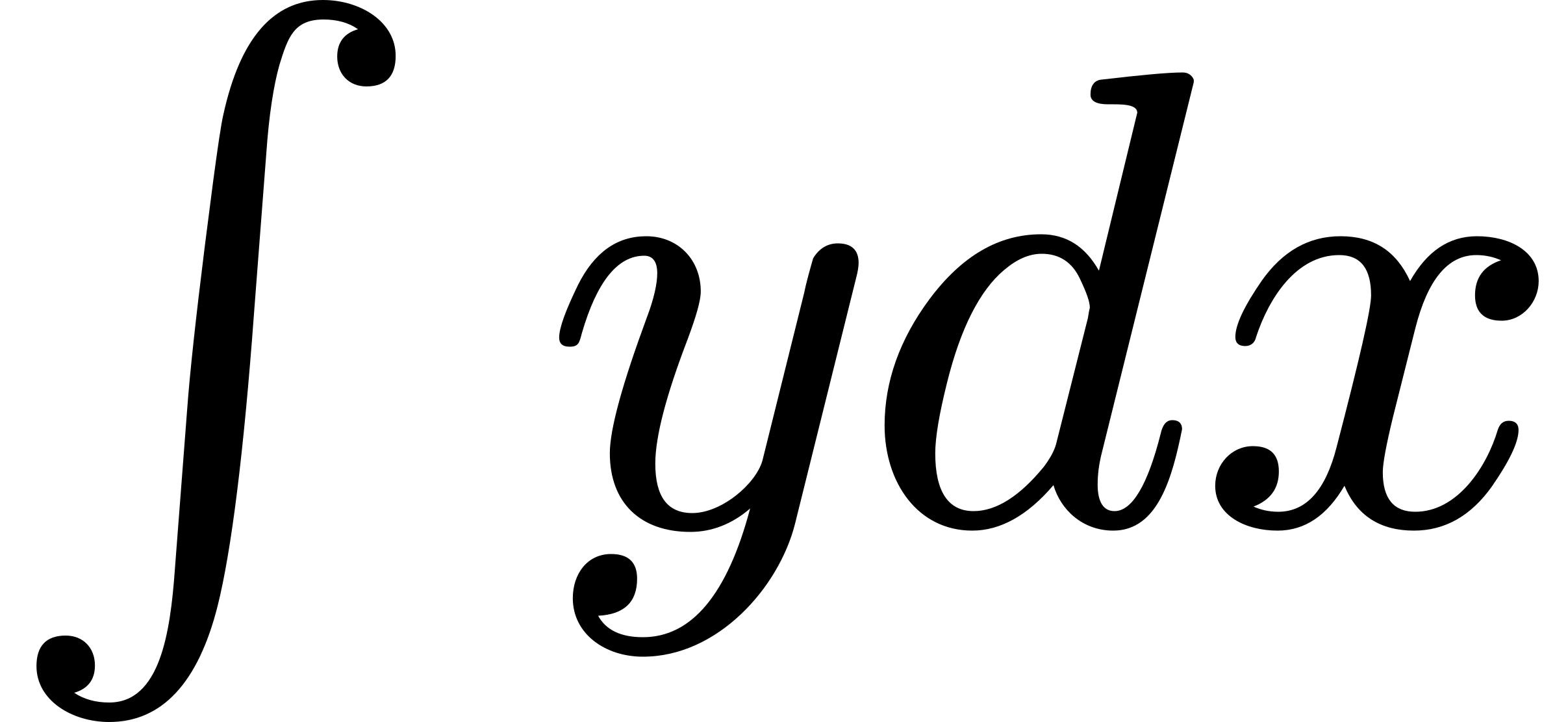
(1) Find integral y d x when y squared equals 4 a x.
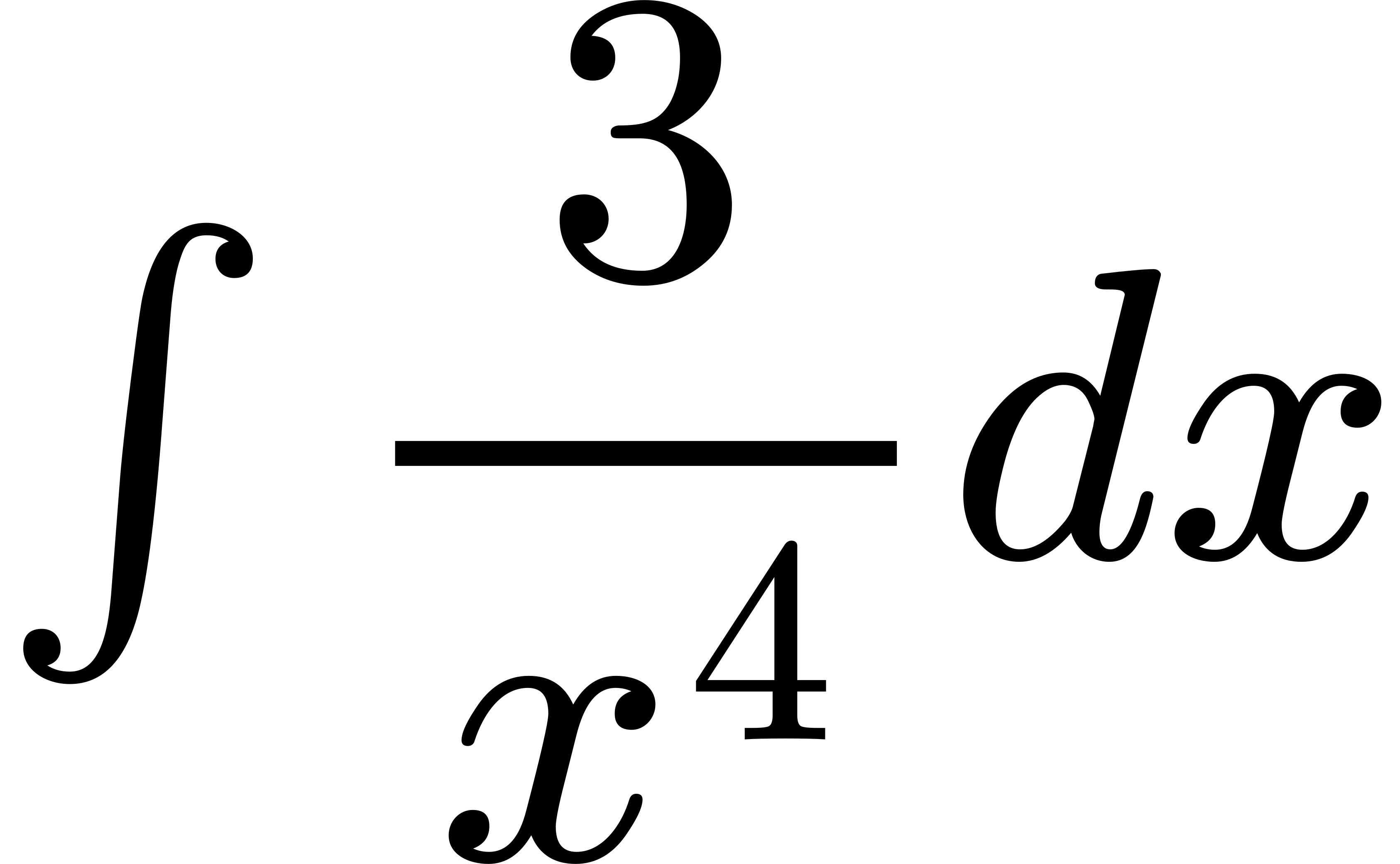
(2) Find integral StartFraction 3 Over x Superscript 4 Baseline EndFraction d x.

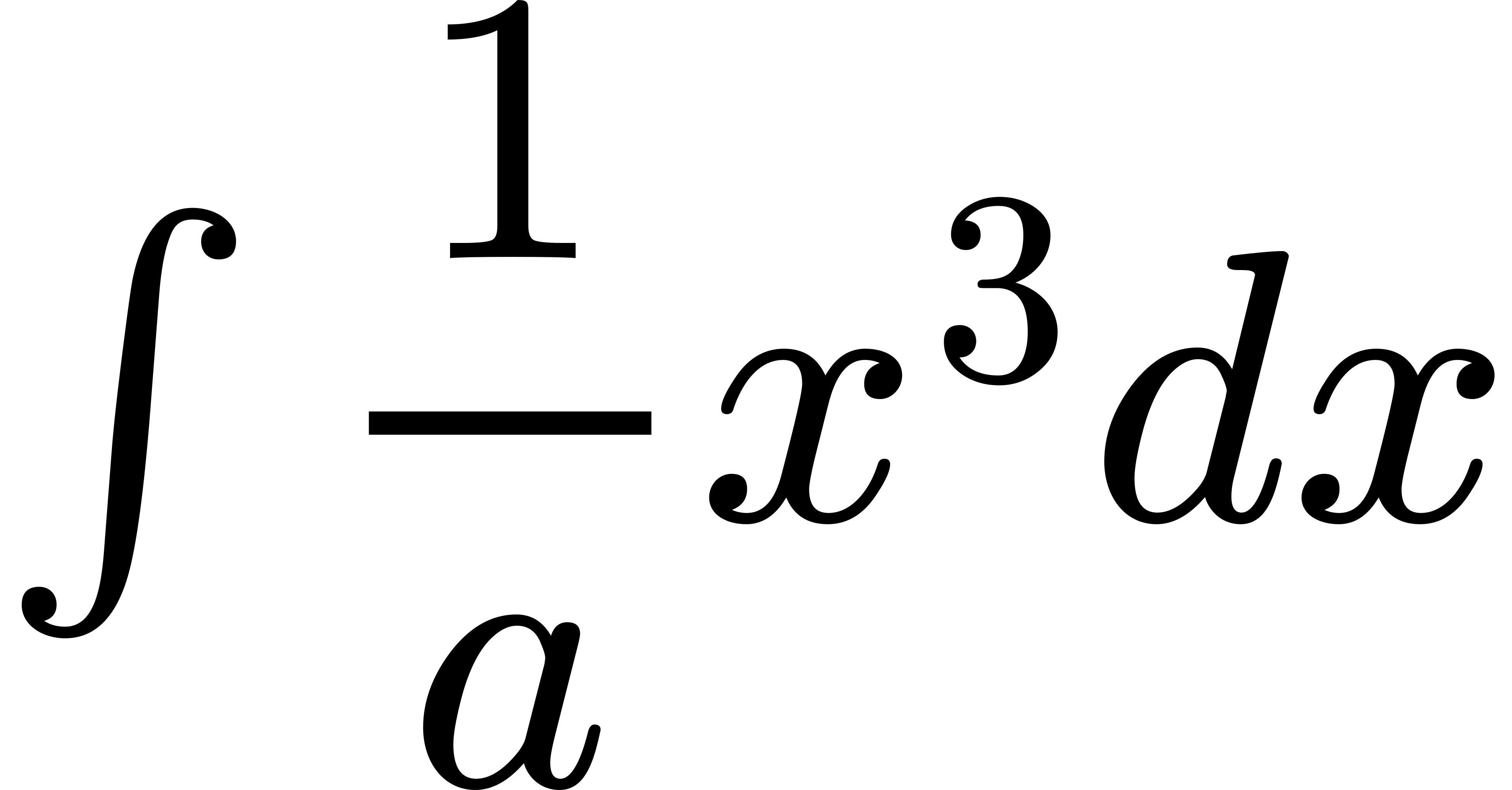
(3) Find integral StartFraction 1 Over a EndFraction x cubed d x.

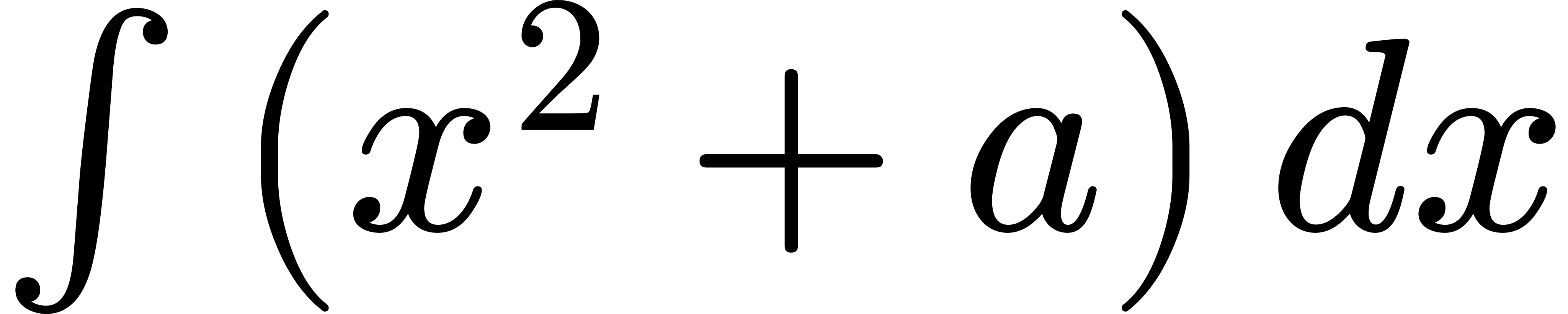
(4) Find integral left parenthesis x squared plus a right parenthesis d x.

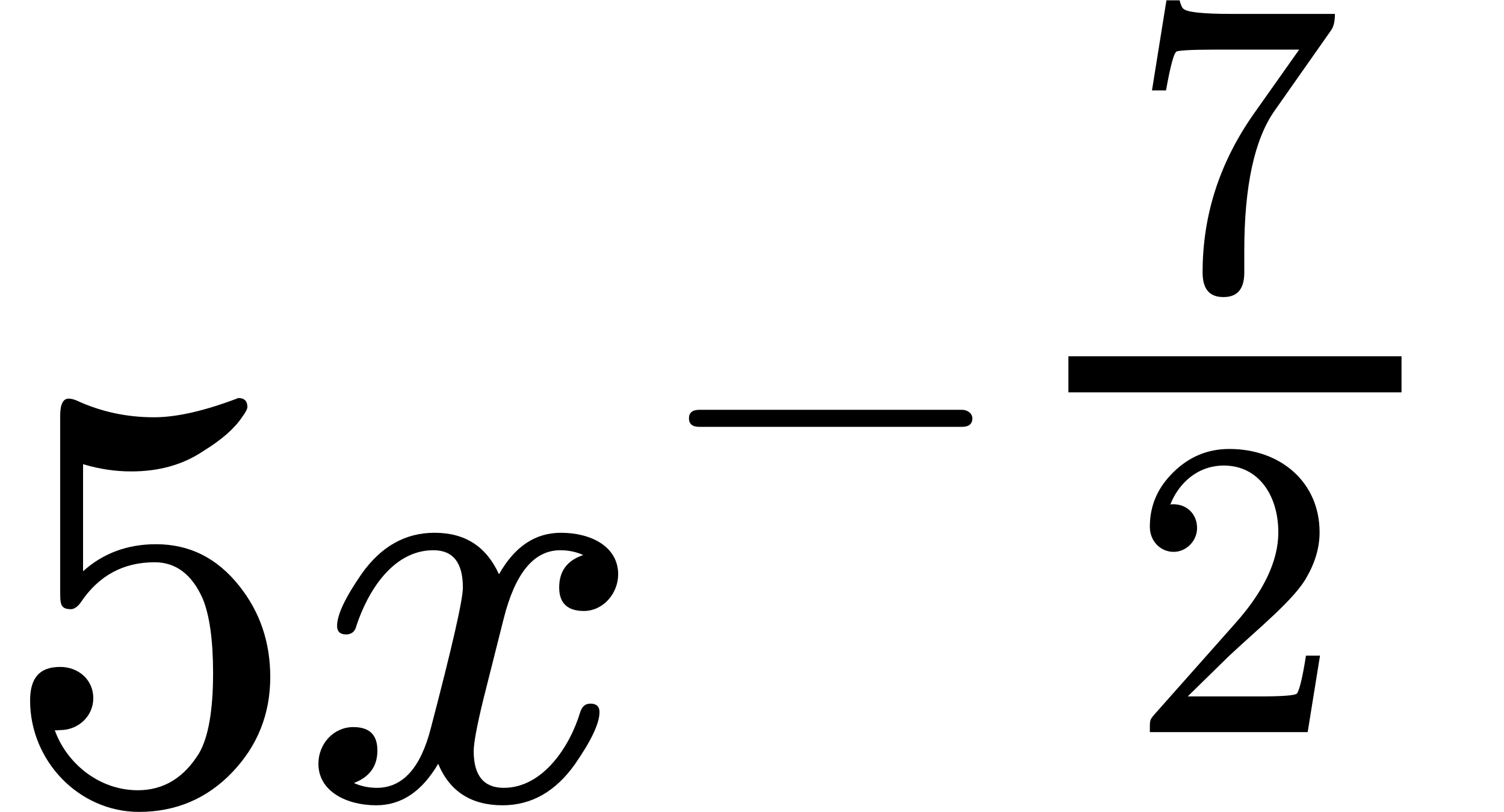
(5) Integrate 5 x Superscript negative seven halves.

(6) Find integral left parenthesis 4 x cubed plus 3 x squared plus 2 x plus 1 right parenthesis d x.

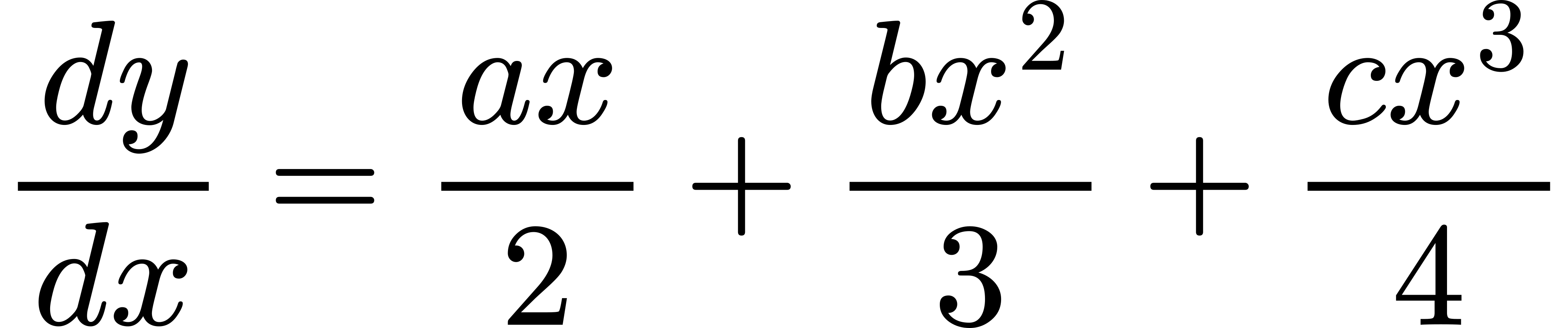
(7) If StartFraction d y Over d x EndFraction equals StartFraction a x Over 2 EndFraction plus StartFraction b x squared Over 3 EndFraction plus StartFraction c x cubed Over 4 EndFraction; find y.

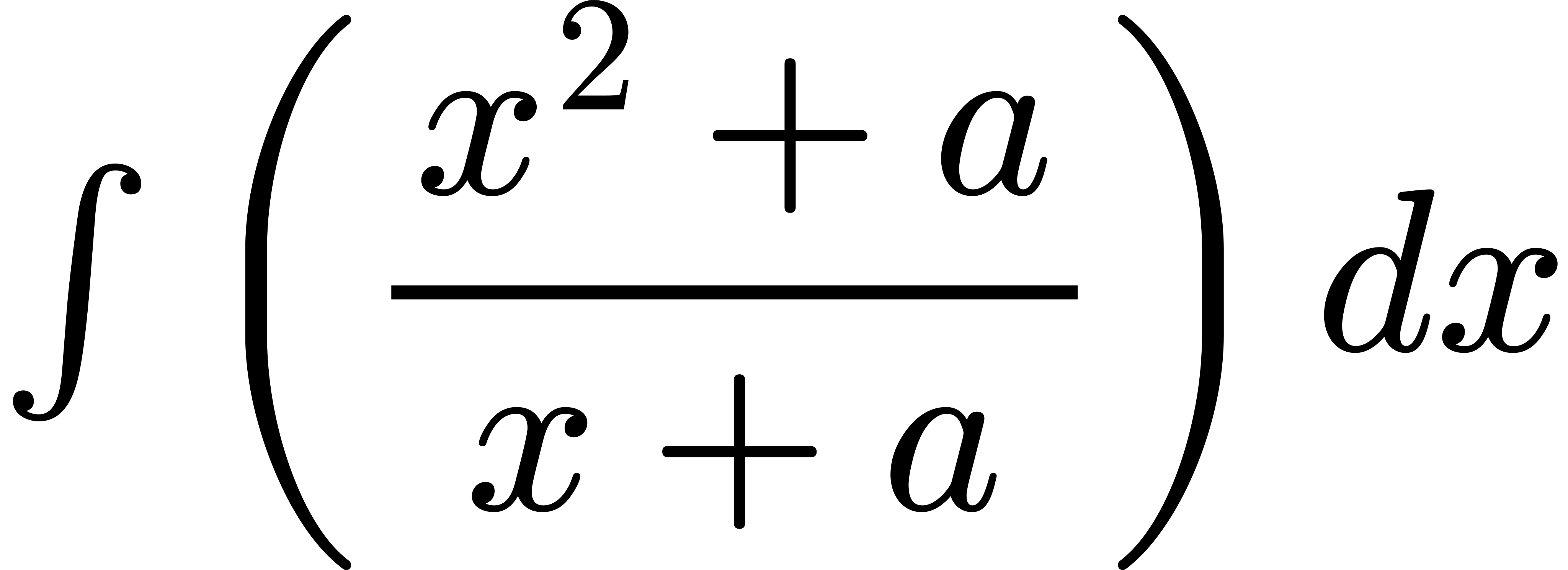
(8) Find integral left parenthesis StartFraction x squared plus a Over x plus a EndFraction right parenthesis d x.

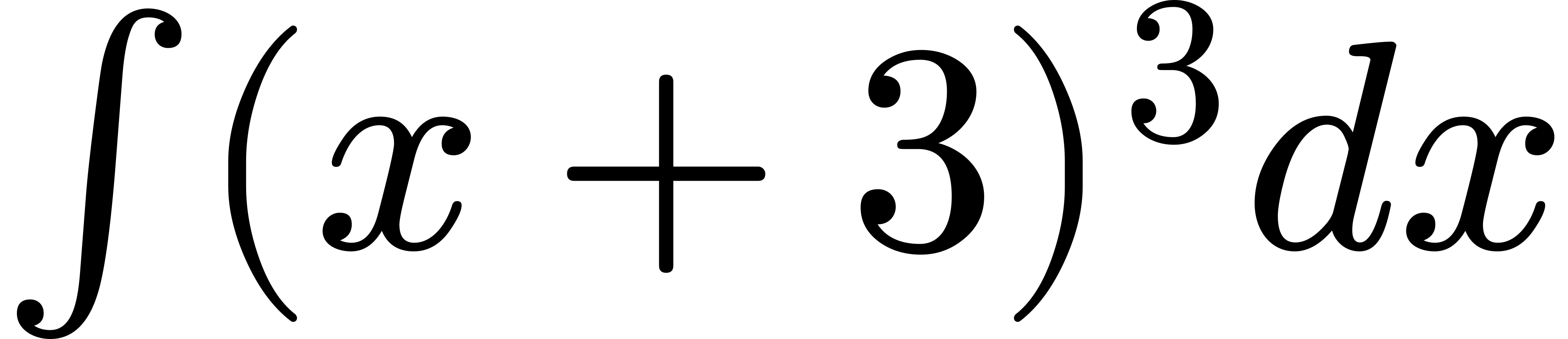
(9) Find integral left parenthesis x plus 3 right parenthesis cubed d x.

(10) Find integral left parenthesis x plus 2 right parenthesis left parenthesis x minus a right parenthesis d x.

(11) Find integral left parenthesis StartRoot x EndRoot plus RootIndex 3 StartRoot x EndRoot right parenthesis 3 a squared d x.

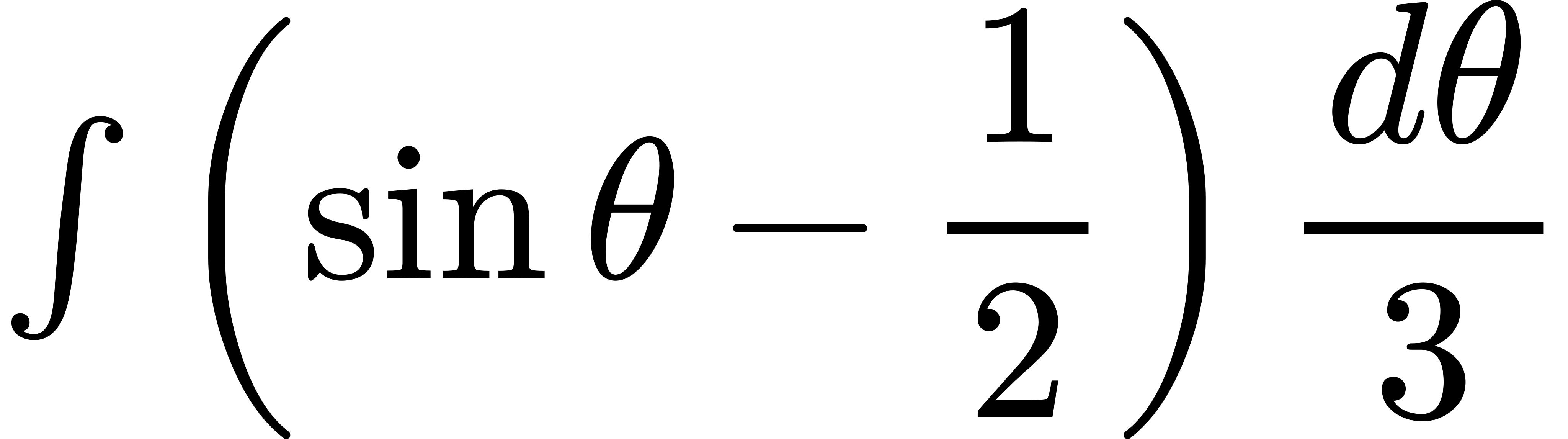
(12) Find integral left parenthesis sine theta minus one half right parenthesis StartFraction d theta Over 3 EndFraction.

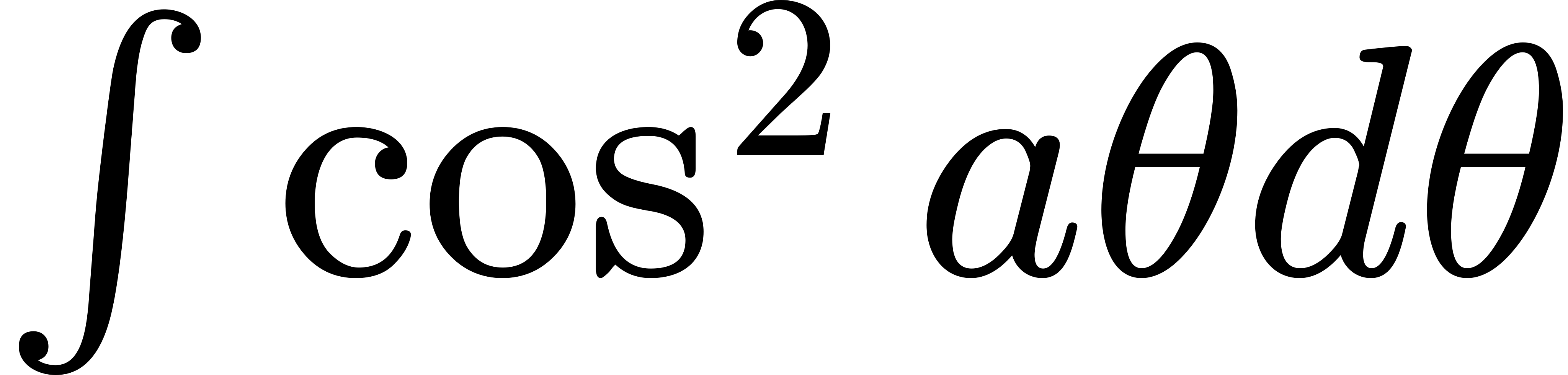
(13) Find integral cosine squared a theta d theta.

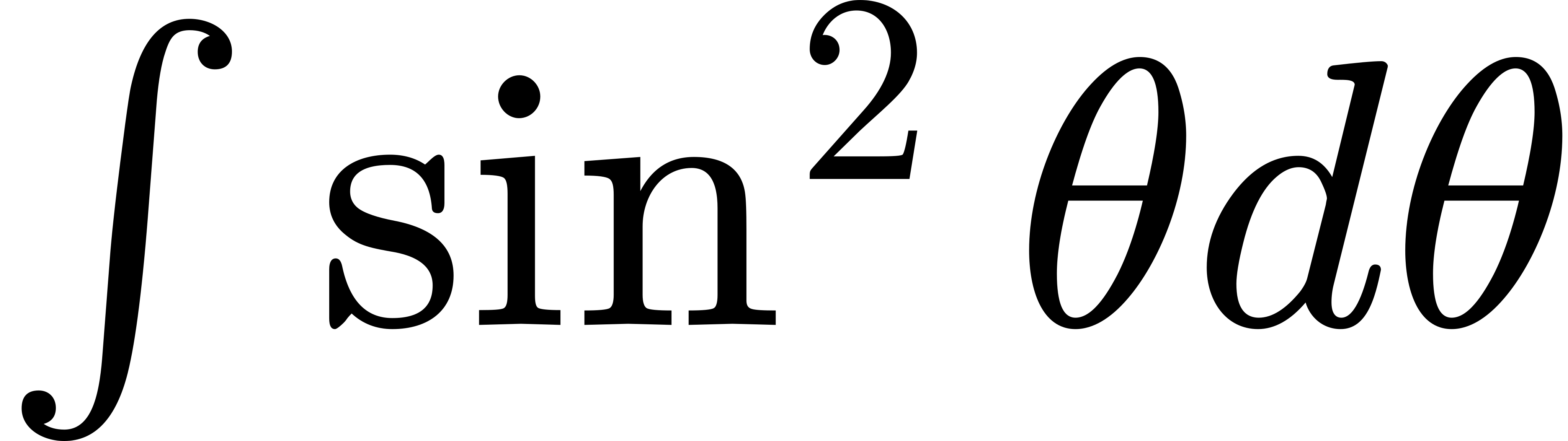
(14) Find integral sine squared theta d theta.

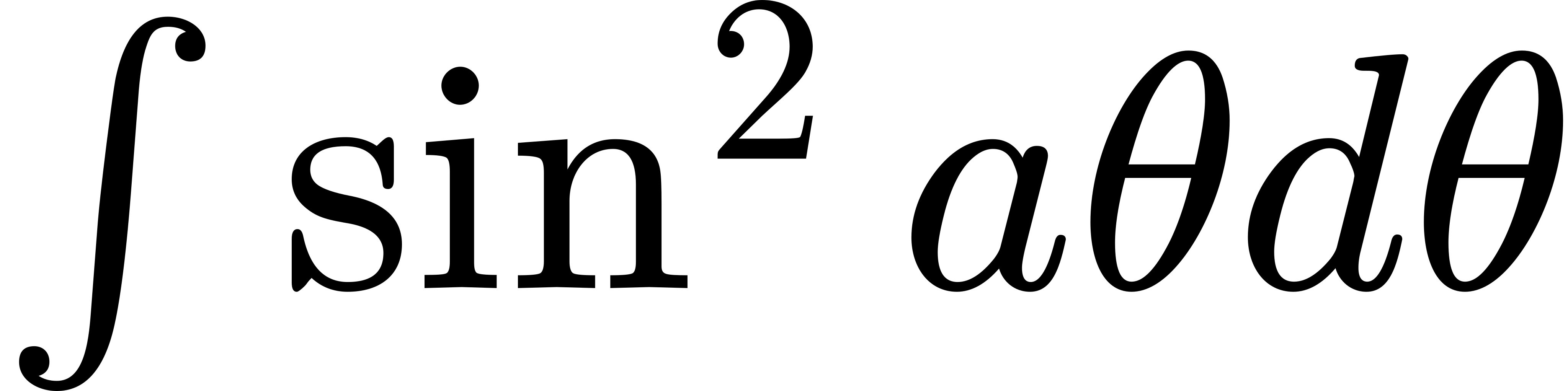
(15) Find integral sine squared a theta d theta.

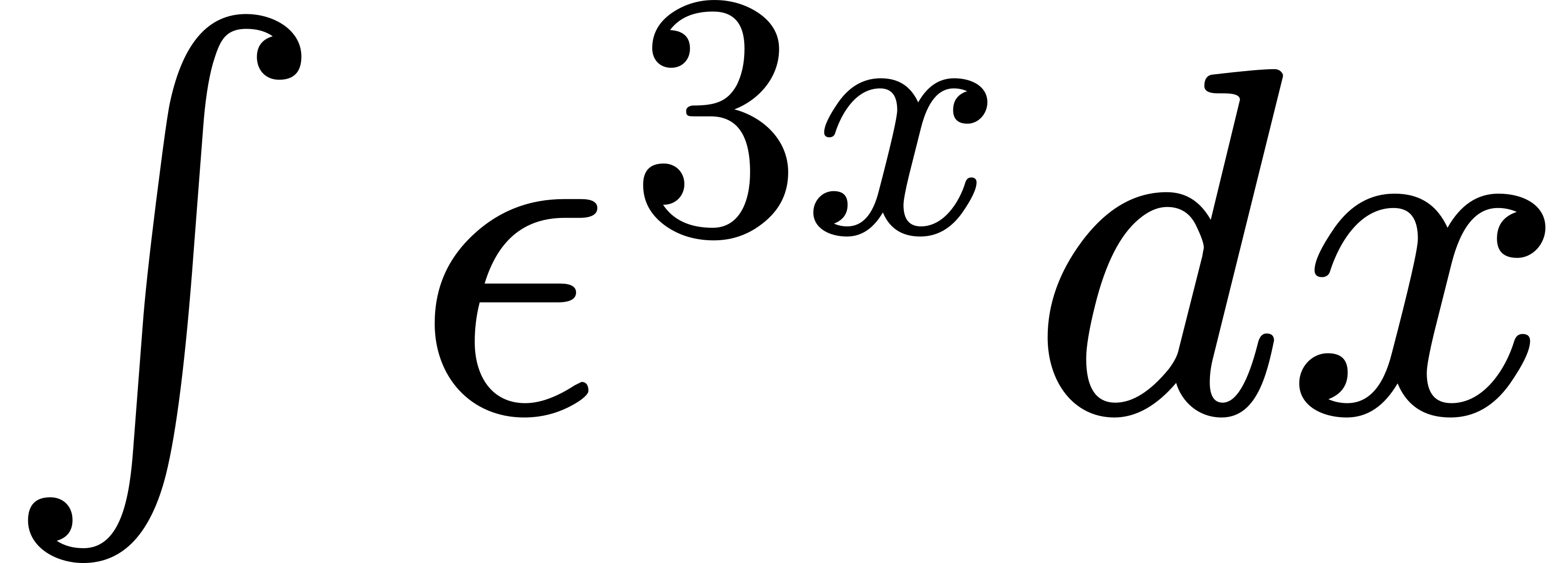
(16) Find integral epsilon Superscript 3 x Baseline d x.

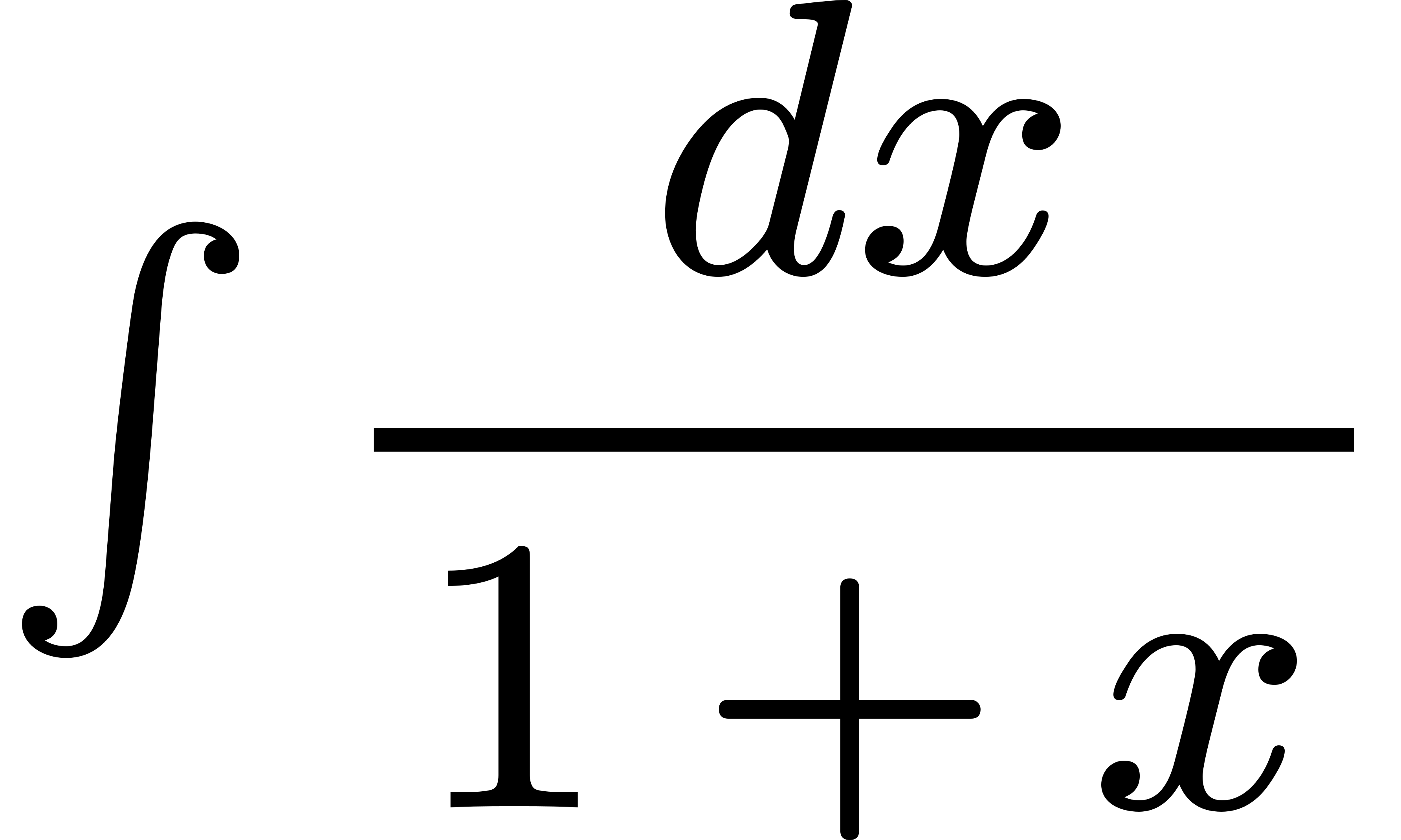
(17) Find integral StartFraction d x Over 1 plus x EndFraction.

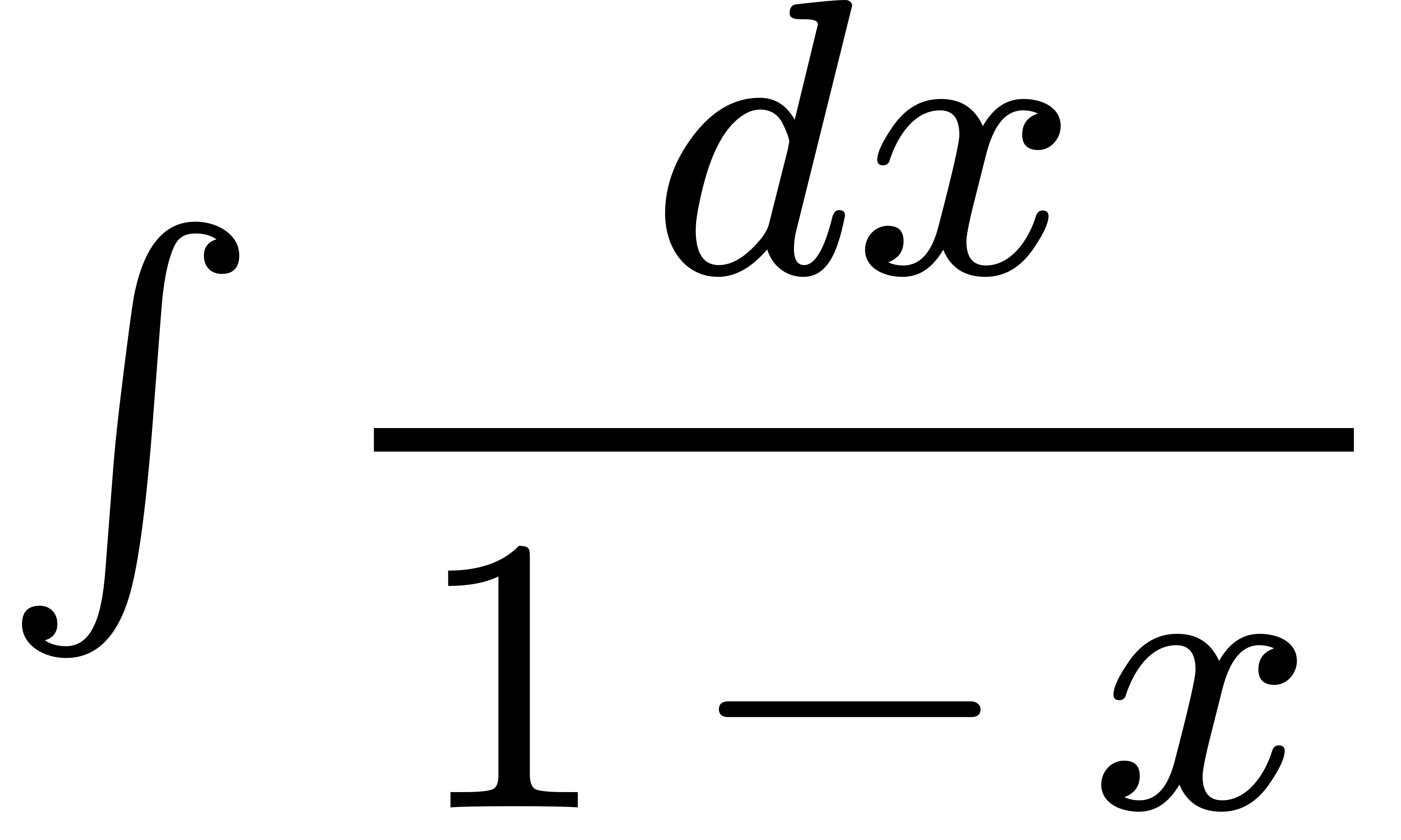
(18) Find integral StartFraction d x Over 1 minus x EndFraction.

20.1 Footnotes:

[5] [You may ask, what has become of the little d x at the end? Well, remember that it was really part of the differential coefficient, and when changed over to the right-hand side, as in the x squared d x, serves as a reminder that x is the independent variable with respect to which the operation is to be effected; and, as the result of the product being totalled up, the power of x has increased by one. You will soon become familiar with all this.]
[6] See p. 206 for integration between limits.