Skip to content

Chapter 11: Chapter IX. Introducing a Useful Dodge

11.1 Chapter IX. Introducing a Useful Dodge

SOMETIMES one is stumped by finding that the expression to be differentiated is too complicated to tackle directly.

Thus, the equation y equals left parenthesis x squared plus a squared right parenthesis Superscript three halves is awkward to a beginner.
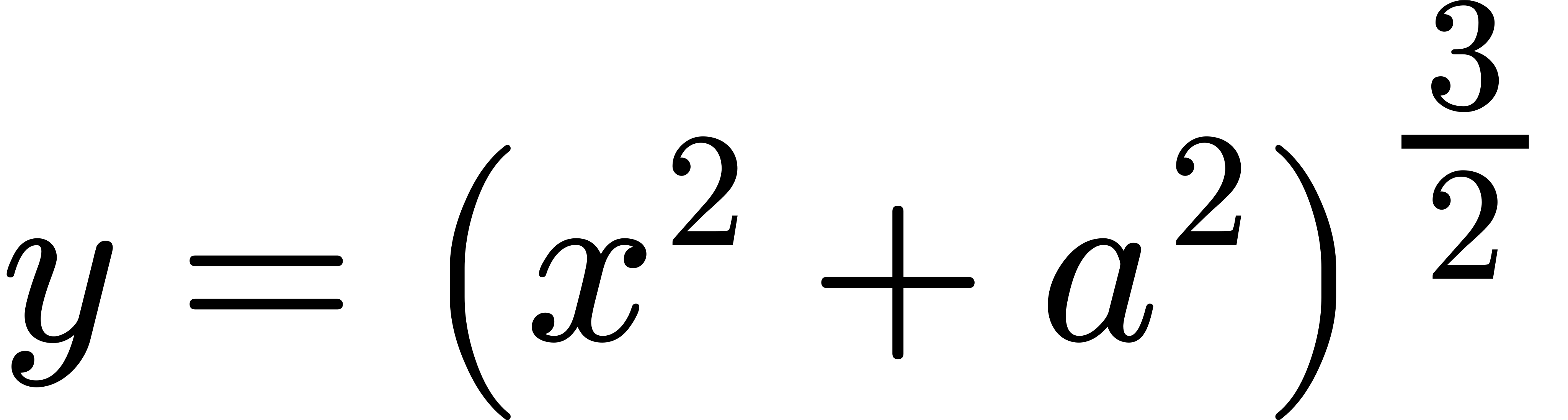
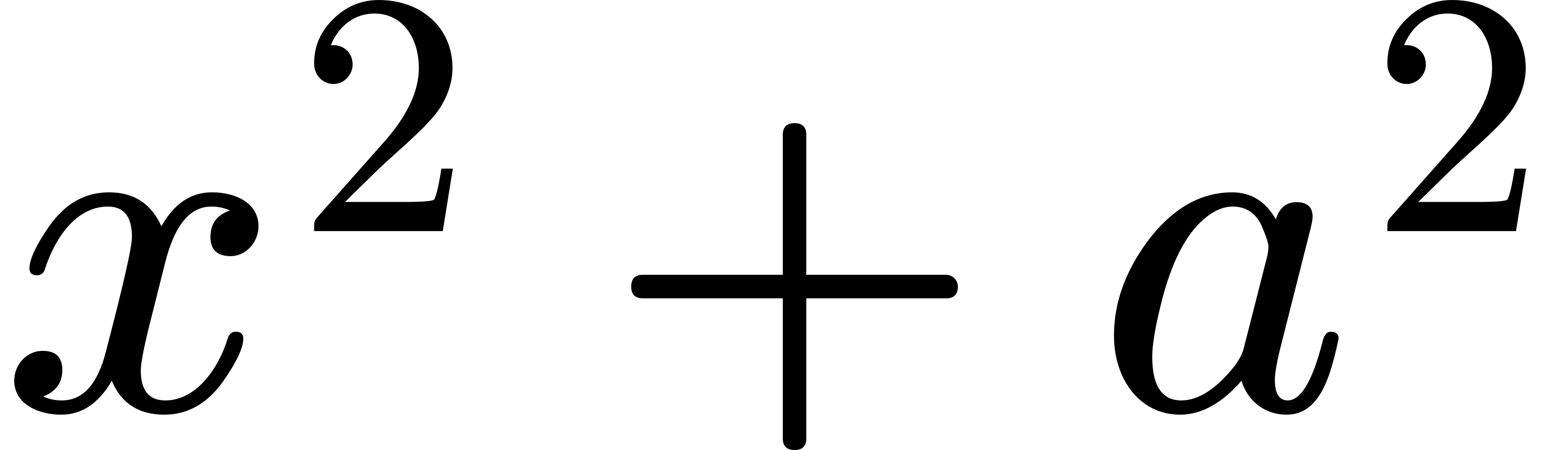
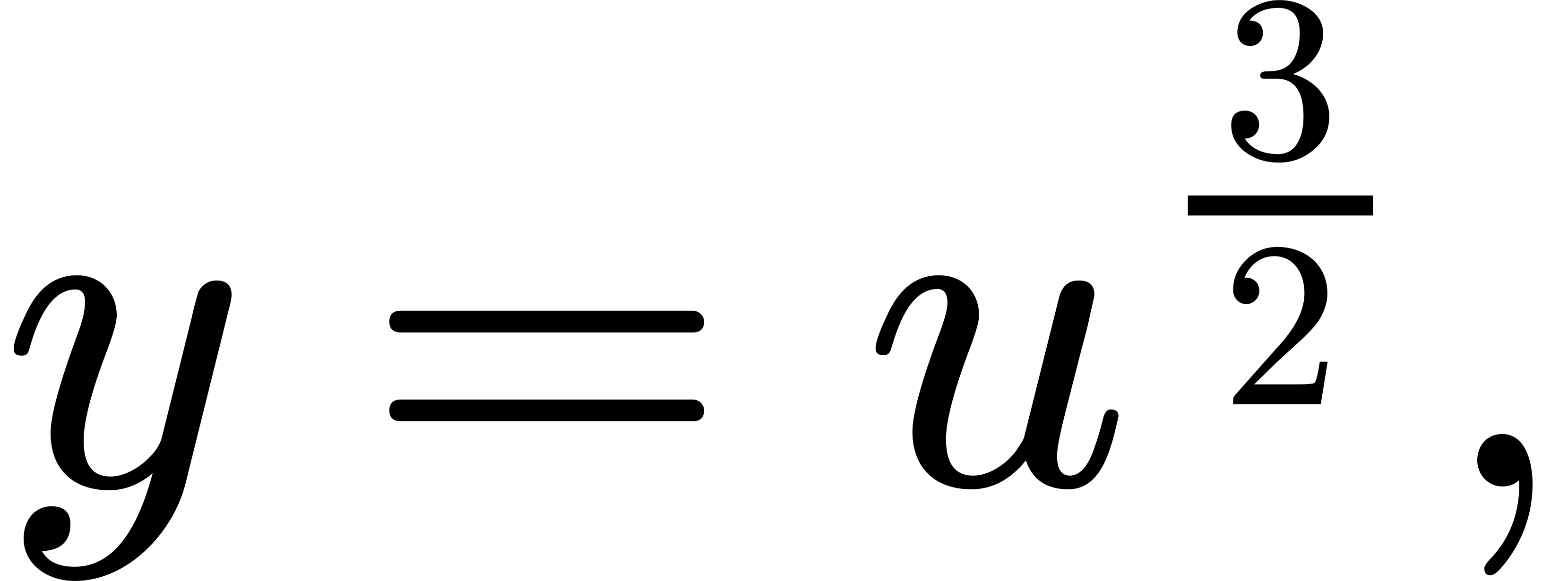
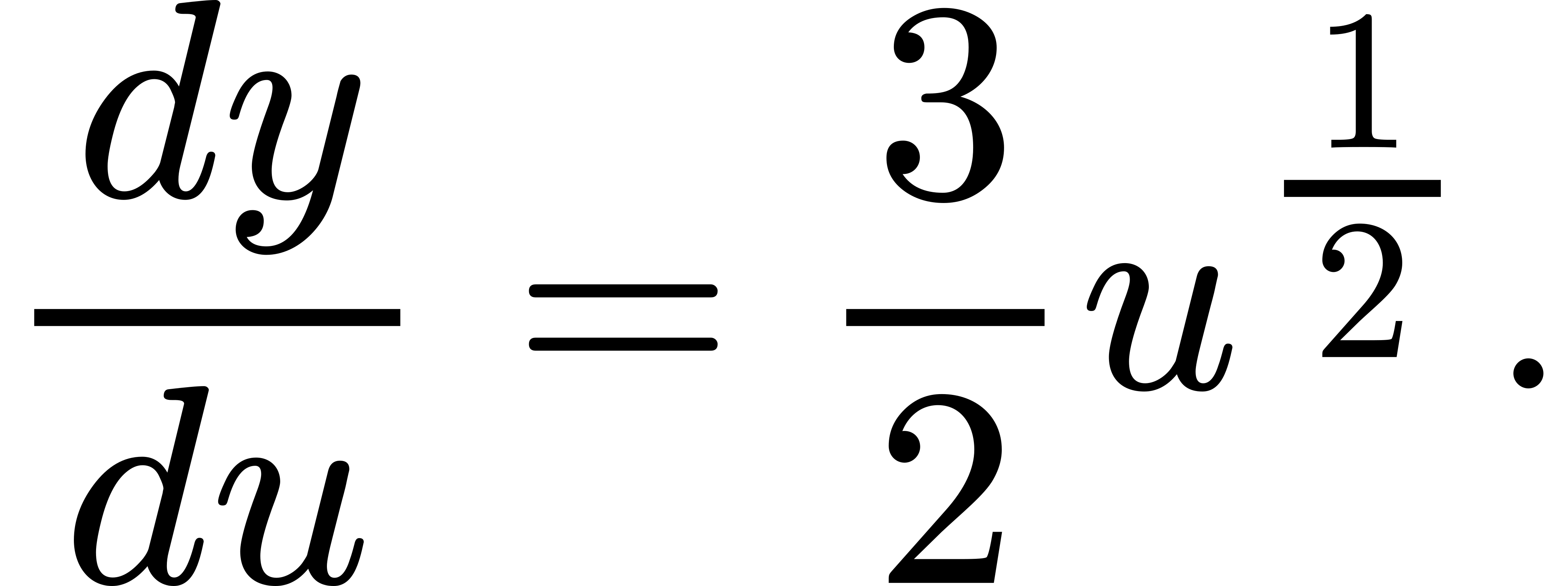
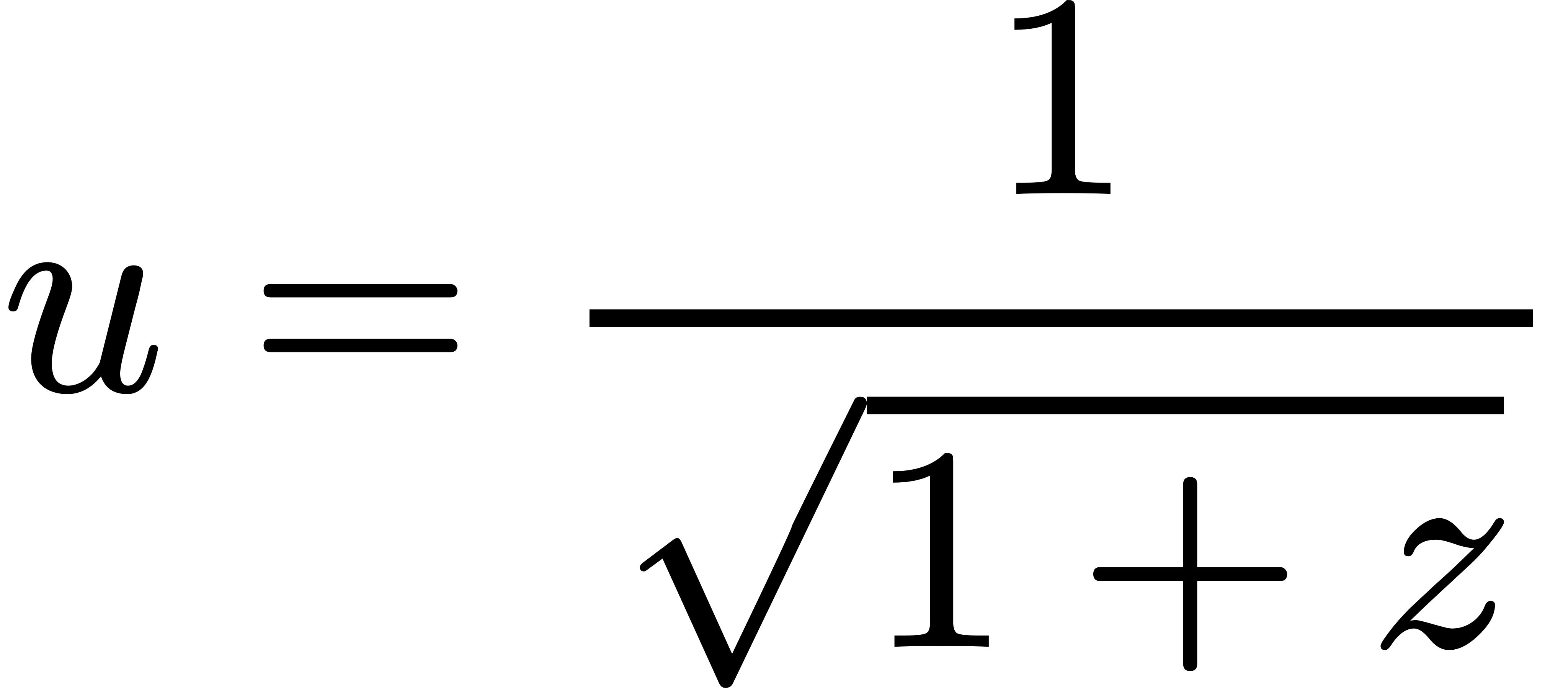
Now the dodge to turn the difficulty is this: Write some symbol, such as u, for the expression x squared plus a squared; then the equation becomes y equals u Superscript three halves Baseline comma which you can easily manage; for StartFraction d y Over d u EndFraction equals three halves u Superscript one half Baseline period

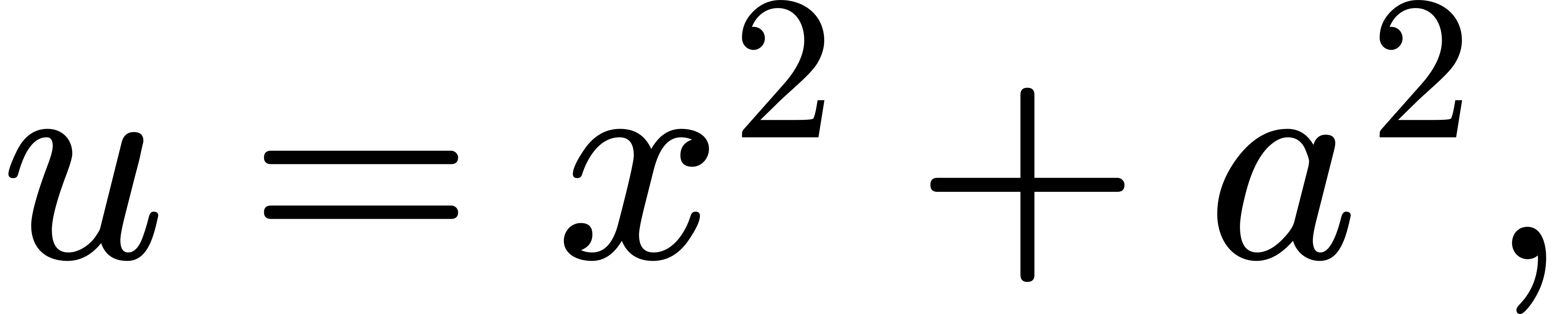
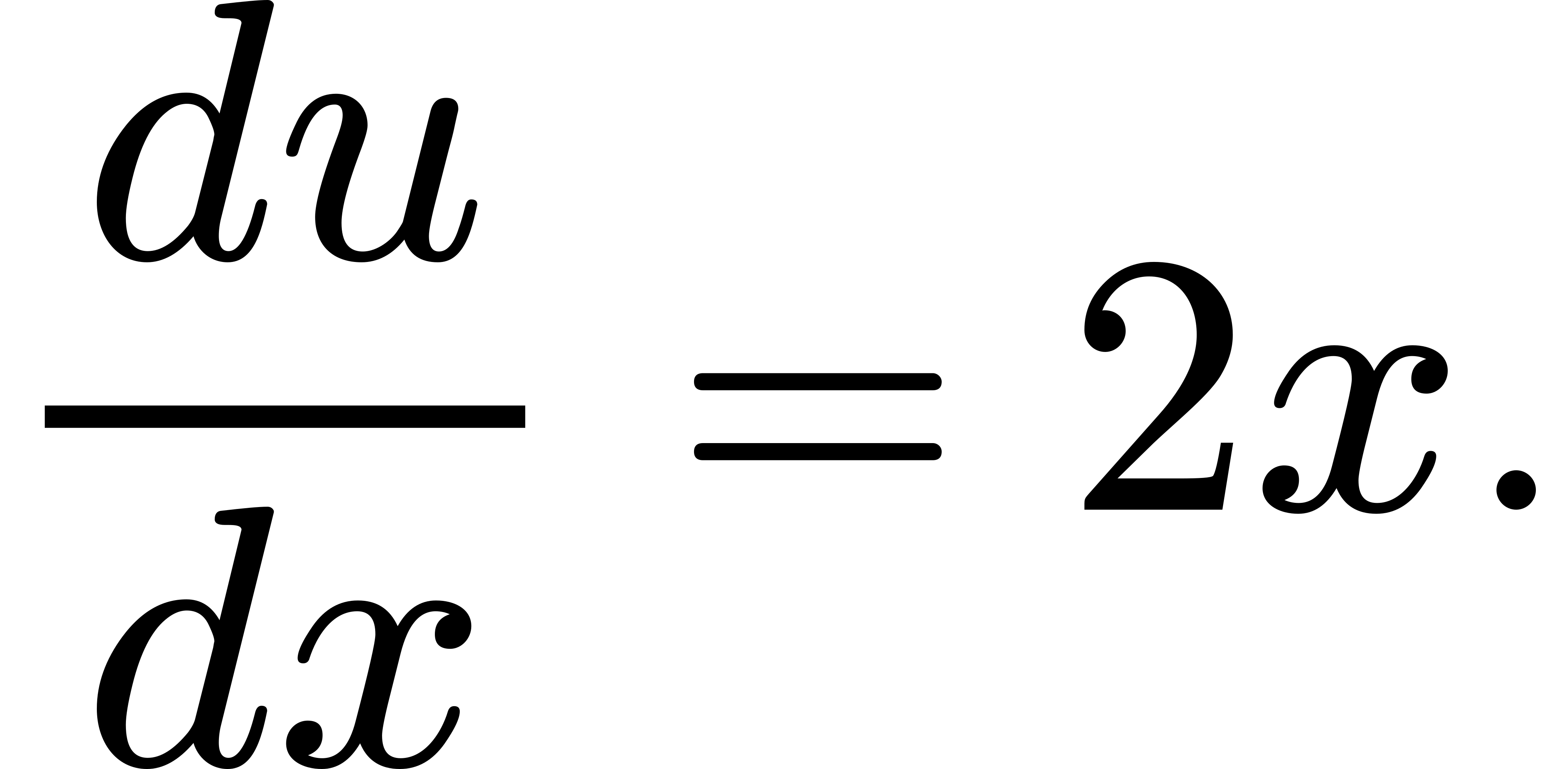
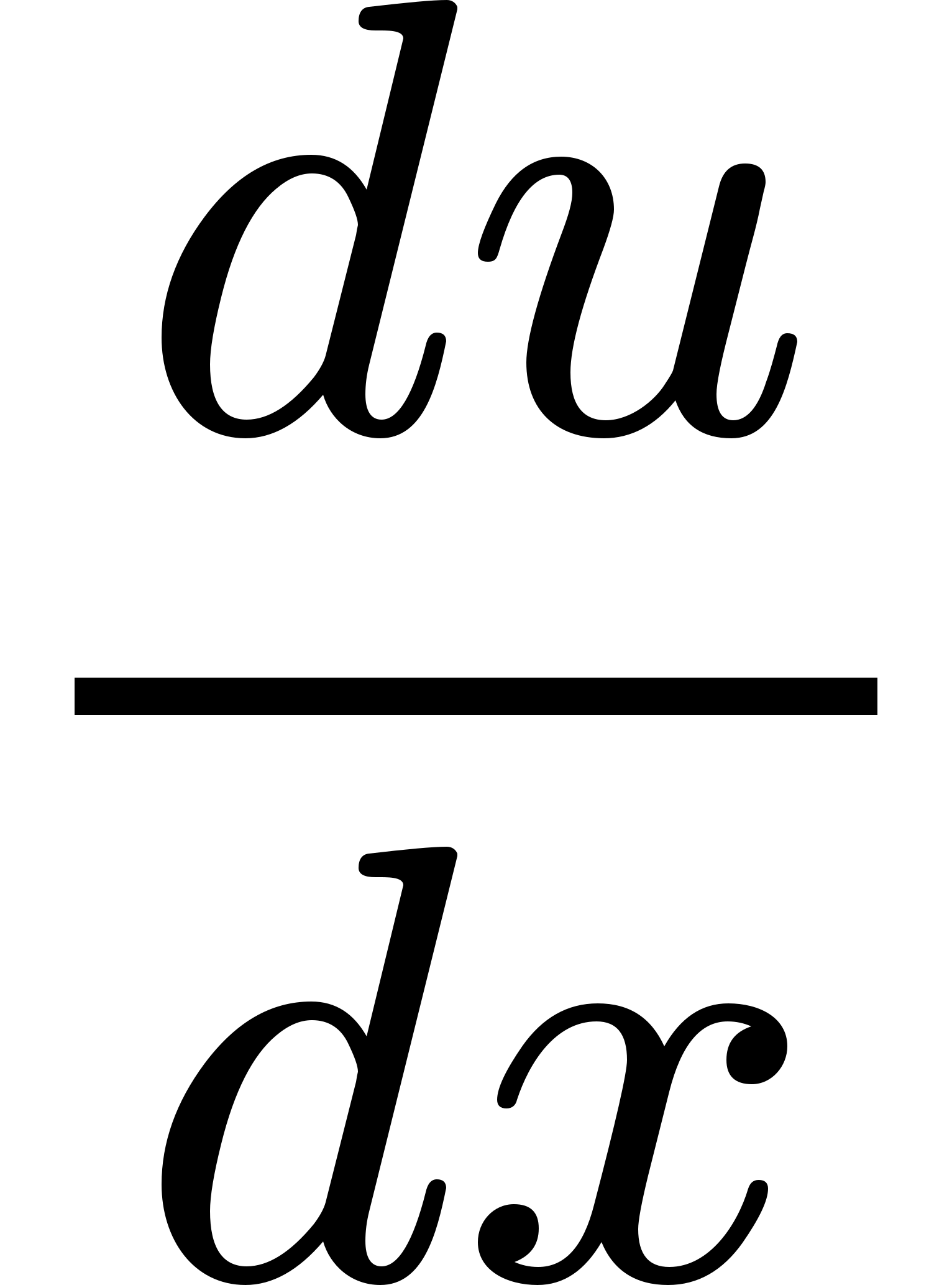
Then tackle the expression u equals x squared plus a squared comma and differentiate it with respect to x, StartFraction d u Over d x EndFraction equals 2 x period

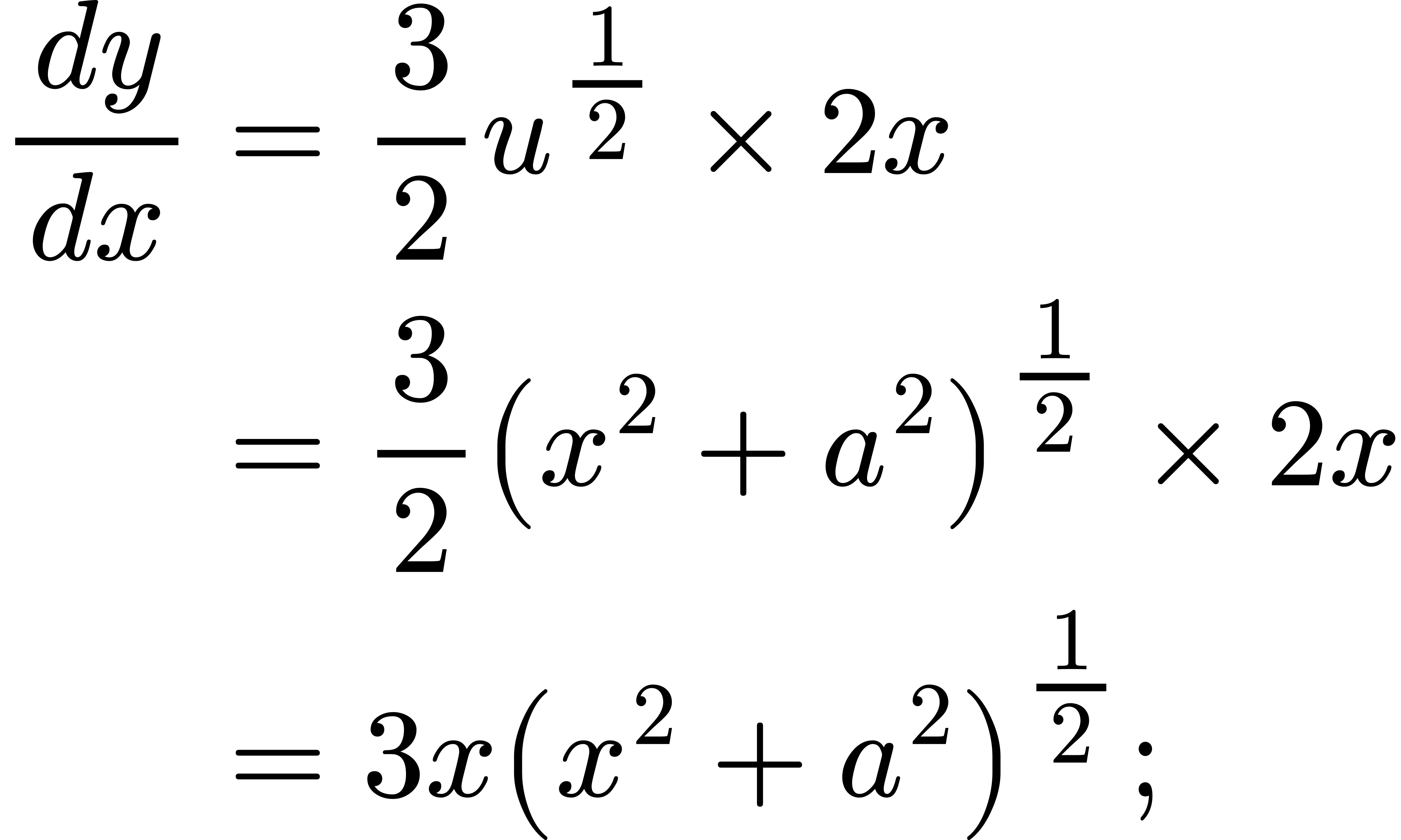
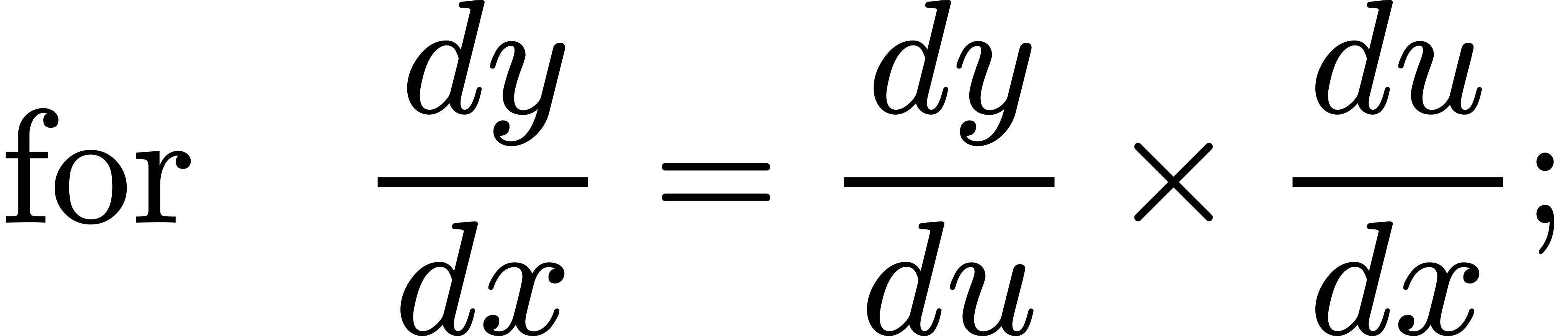
Then all that remains is plain sailing; for StartFraction d y Over d x EndFraction equals StartFraction d y Over d u EndFraction times StartFraction d u Over d x EndFraction semicolon that is, StartLayout 1st Row 1st Column StartFraction d y Over d x EndFraction 2nd Column equals three halves u Superscript one half Baseline times 2 x 2nd Row 1st Column Blank 2nd Column equals three halves left parenthesis x squared plus a squared right parenthesis Superscript one half Baseline times 2 x 3rd Row 1st Column Blank 2nd Column equals 3 x left parenthesis x squared plus a squared right parenthesis Superscript one half Baseline semicolon EndLayout and so the trick is done.
By and bye, when you have learned how to deal with sines, and cosines, and exponentials, you will find this dodge of increasing usefulness.

Examples.

Let us practise this dodge on a few examples.

(1) Differentiate y equals StartRoot a plus x EndRoot.
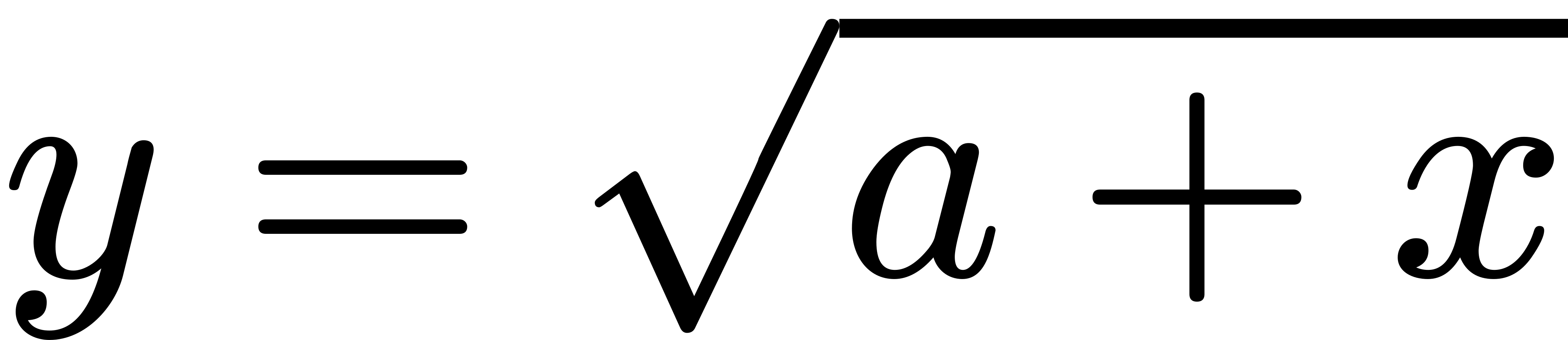
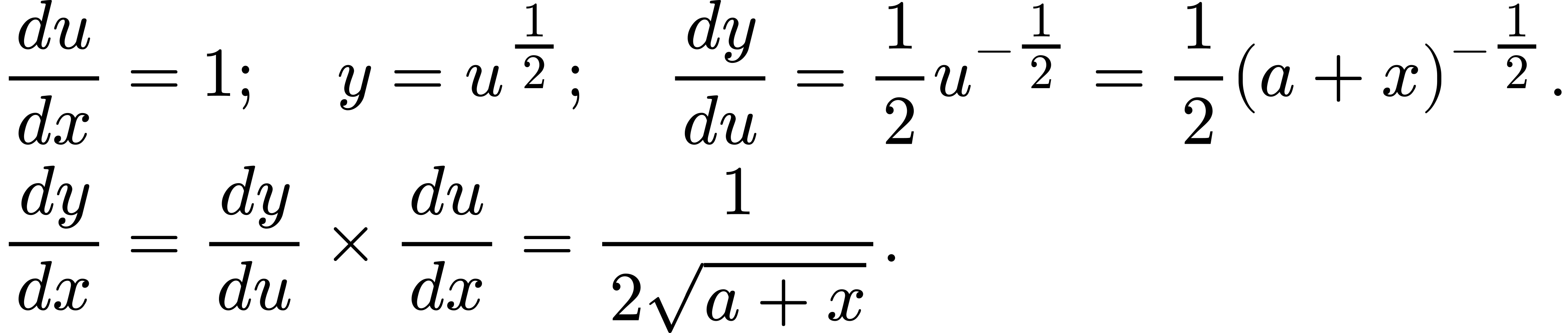
Let a plus x equals u. StartLayout 1st Row 1st Column Blank 2nd Column StartFraction d u Over d x EndFraction equals 1 semicolon y equals u Superscript one half Baseline semicolon StartFraction d y Over d u EndFraction equals one half u Superscript negative one half Baseline equals one half left parenthesis a plus x right parenthesis Superscript negative one half Baseline period 2nd Row 1st Column Blank 2nd Column StartFraction d y Over d x EndFraction equals StartFraction d y Over d u EndFraction times StartFraction d u Over d x EndFraction equals StartFraction 1 Over 2 StartRoot a plus x EndRoot EndFraction period EndLayout

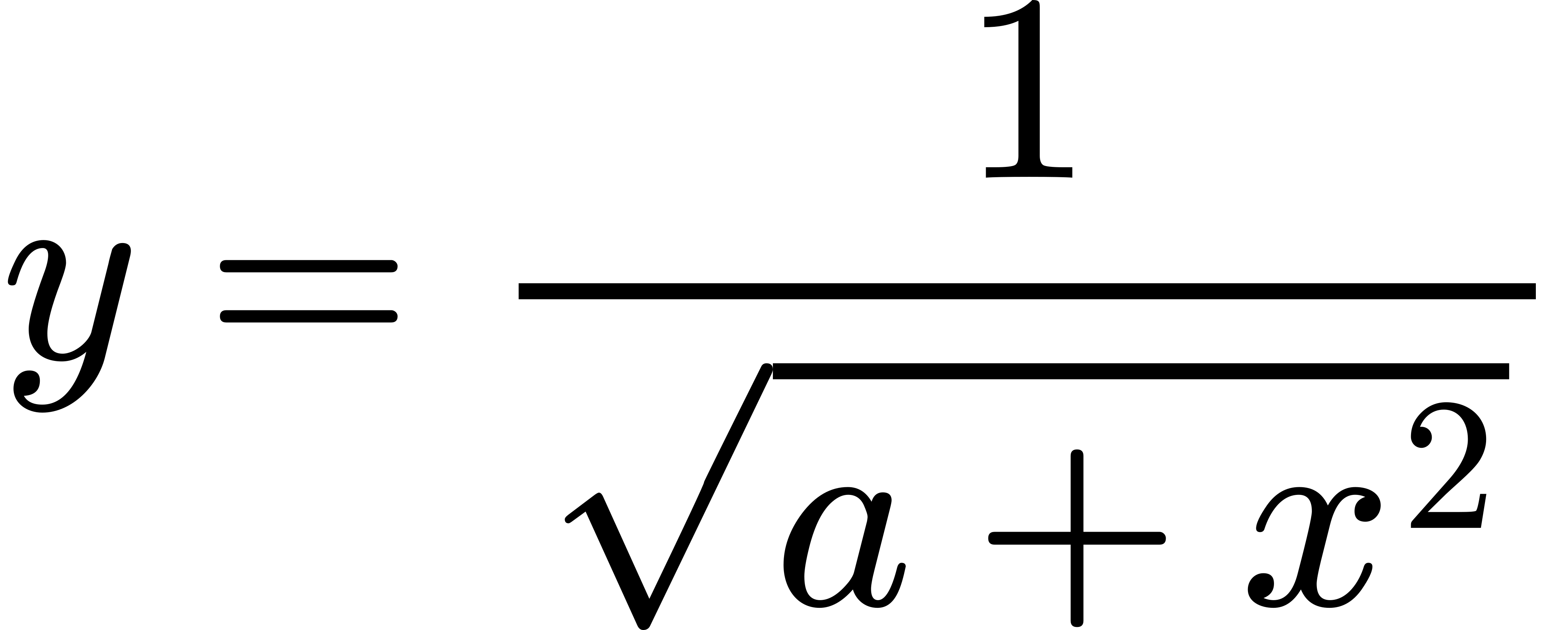
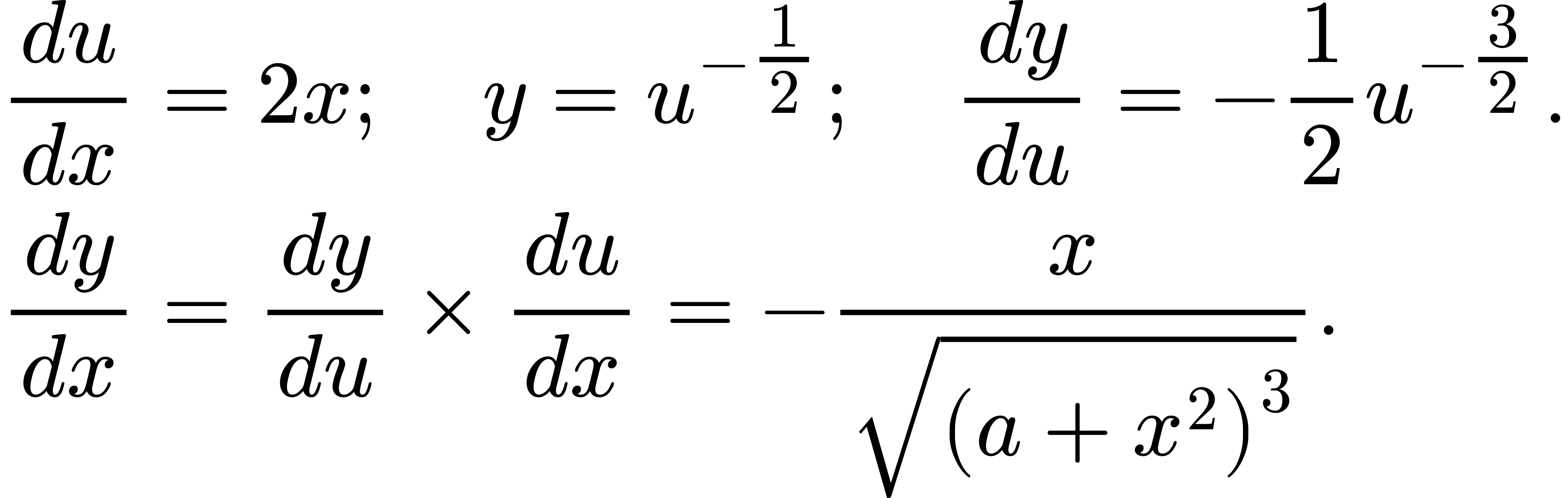
(2) Differentiate y equals StartFraction 1 Over StartRoot a plus x squared EndRoot EndFraction.

Let a plus x squared equals u. StartLayout 1st Row 1st Column Blank 2nd Column StartFraction d u Over d x EndFraction equals 2 x semicolon y equals u Superscript negative one half Baseline semicolon StartFraction d y Over d u EndFraction equals minus one half u Superscript negative three halves Baseline period 2nd Row 1st Column Blank 2nd Column StartFraction d y Over d x EndFraction equals StartFraction d y Over d u EndFraction times StartFraction d u Over d x EndFraction equals minus StartFraction x Over StartRoot left parenthesis a plus x squared right parenthesis cubed EndRoot EndFraction period EndLayout

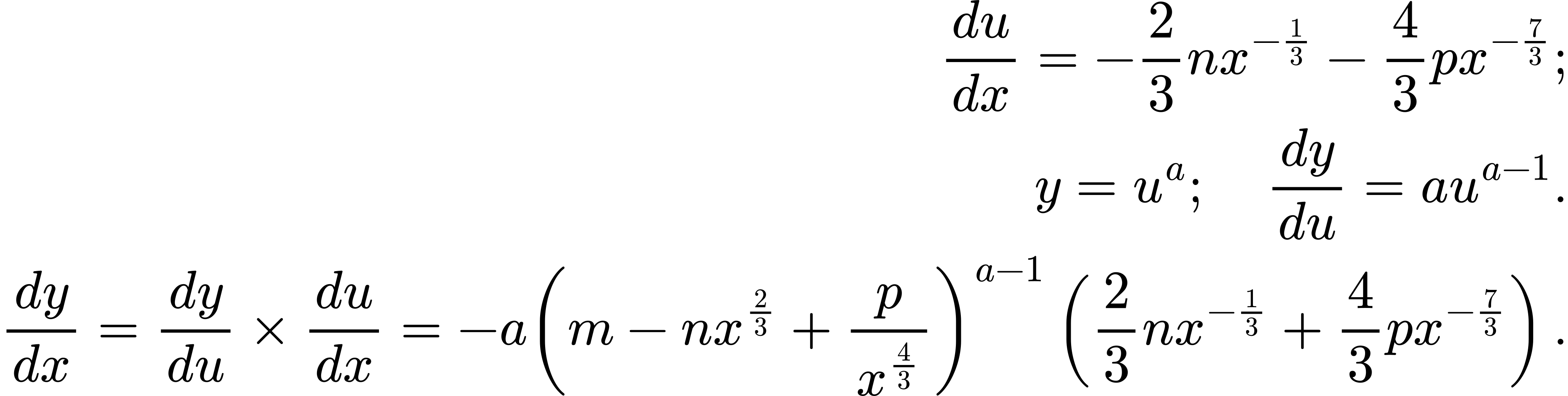
(3) Differentiate y equals left parenthesis m minus n x Superscript two thirds Baseline plus StartFraction p Over x Superscript four thirds Baseline EndFraction right parenthesis Superscript a.

Let m minus n x Superscript two thirds Baseline plus p x Superscript negative four thirds Baseline equals u. StartLayout 1st Row StartFraction d u Over d x EndFraction equals minus two thirds n x Superscript negative one third Baseline minus four thirds p x Superscript negative seven thirds Baseline semicolon 2nd Row y equals u Superscript a Baseline semicolon StartFraction d y Over d u EndFraction equals a u Superscript a minus 1 Baseline period 3rd Row StartFraction d y Over d x EndFraction equals StartFraction d y Over d u EndFraction times StartFraction d u Over d x EndFraction equals minus a left parenthesis m minus n x Superscript two thirds Baseline plus StartFraction p Over x Superscript four thirds Baseline EndFraction right parenthesis Superscript a minus 1 Baseline left parenthesis two thirds n x Superscript negative one third Baseline plus four thirds p x Superscript negative seven thirds Baseline right parenthesis period EndLayout

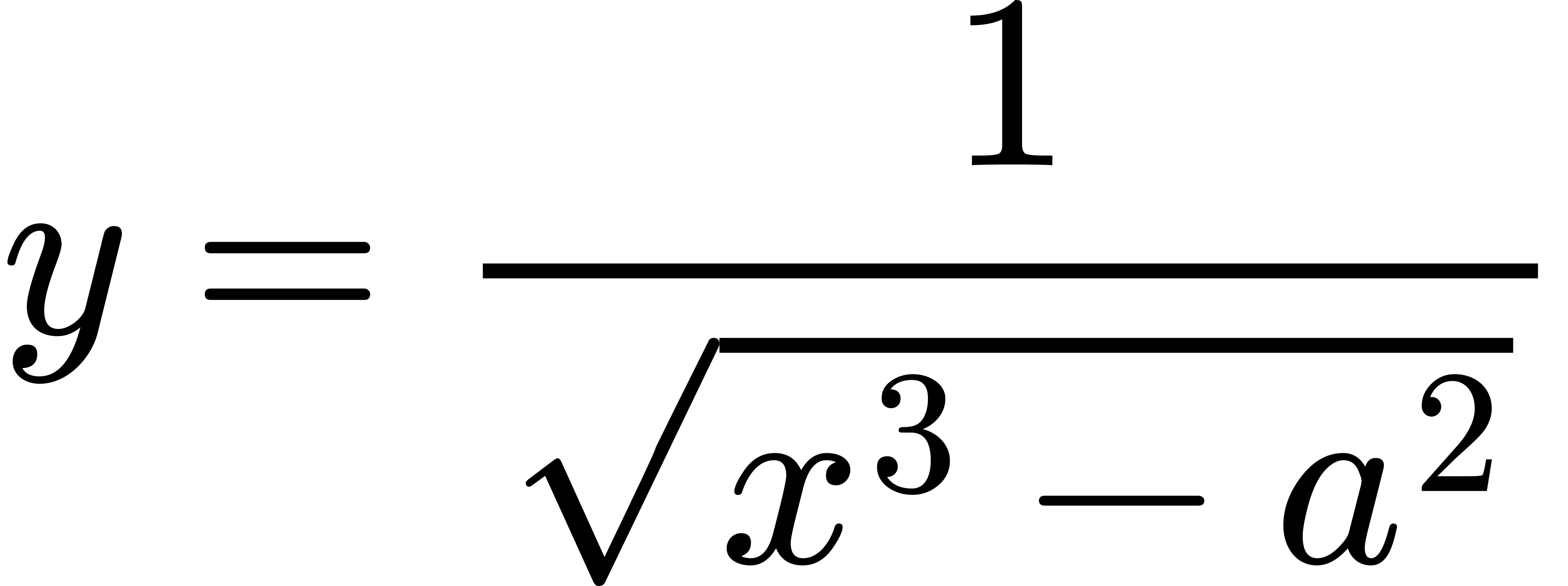
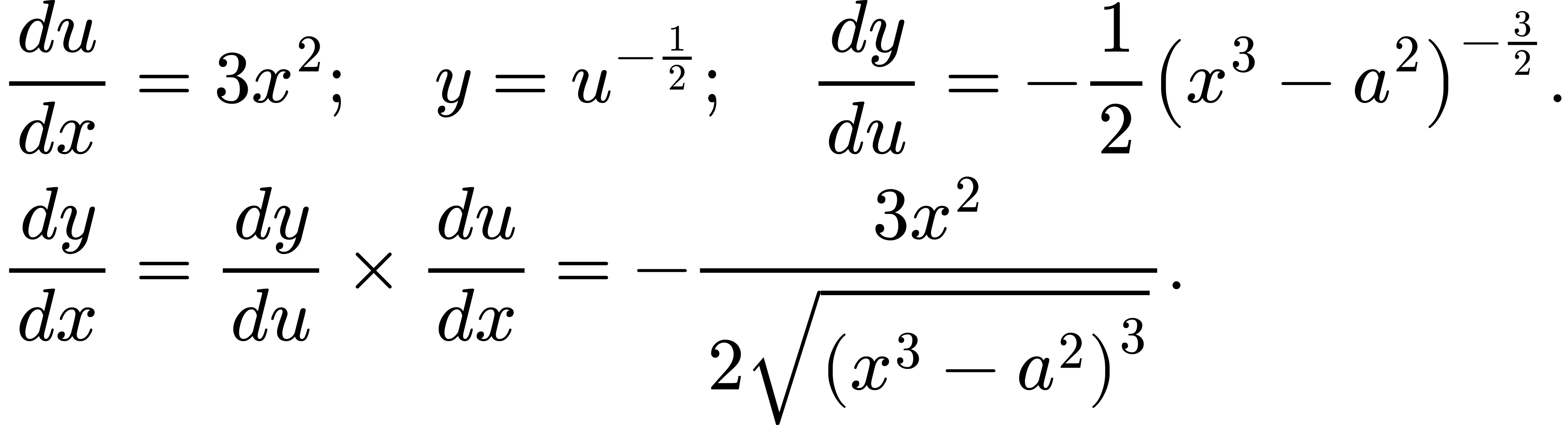
(4) Differentiate y equals StartFraction 1 Over StartRoot x cubed minus a squared EndRoot EndFraction.

Let u equals x cubed minus a squared. StartLayout 1st Row 1st Column Blank 2nd Column StartFraction d u Over d x EndFraction equals 3 x squared semicolon y equals u Superscript negative one half Baseline semicolon StartFraction d y Over d u EndFraction equals minus one half left parenthesis x cubed minus a squared right parenthesis Superscript negative three halves Baseline period 2nd Row 1st Column Blank 2nd Column StartFraction d y Over d x EndFraction equals StartFraction d y Over d u EndFraction times StartFraction d u Over d x EndFraction equals minus StartFraction 3 x squared Over 2 StartRoot left parenthesis x cubed minus a squared right parenthesis cubed EndRoot EndFraction period EndLayout

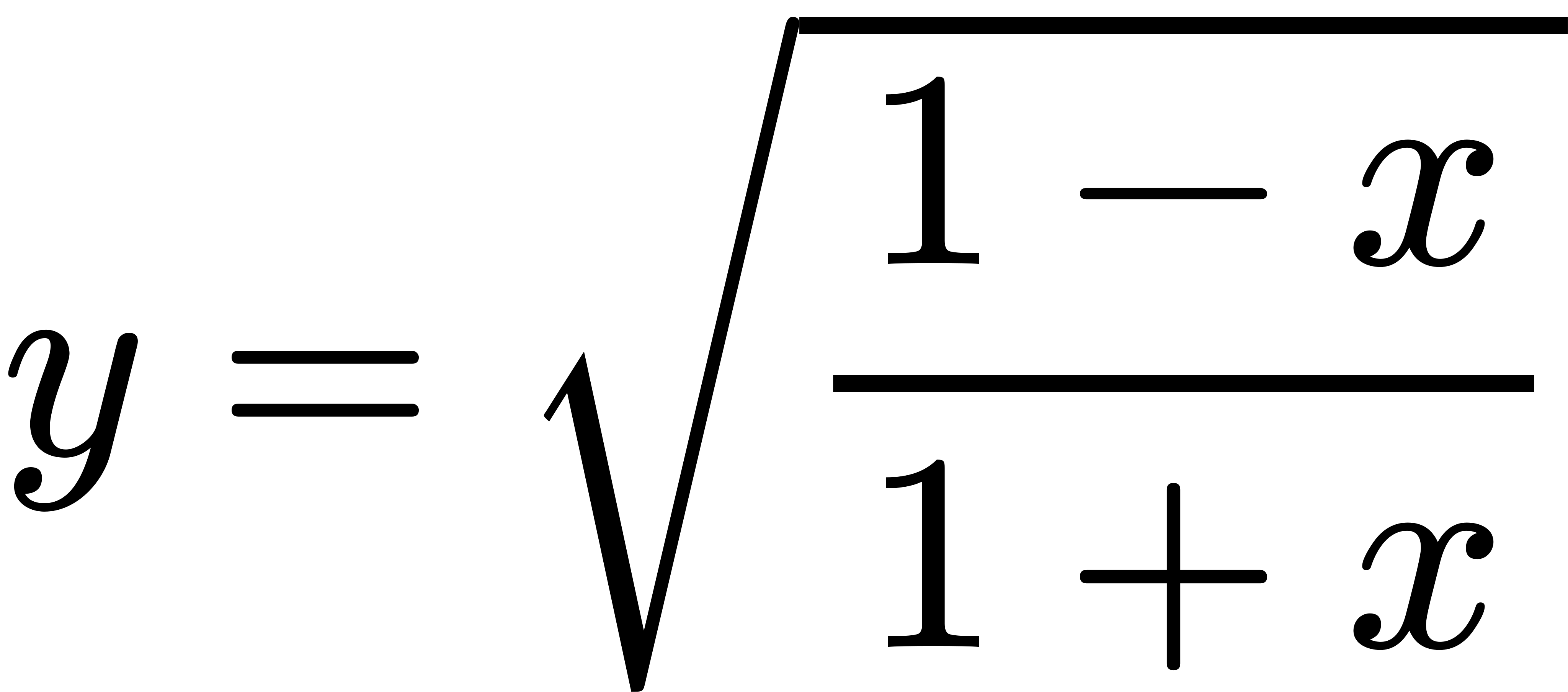
(5) Differentiate y equals StartRoot StartFraction 1 minus x Over 1 plus x EndFraction EndRoot.

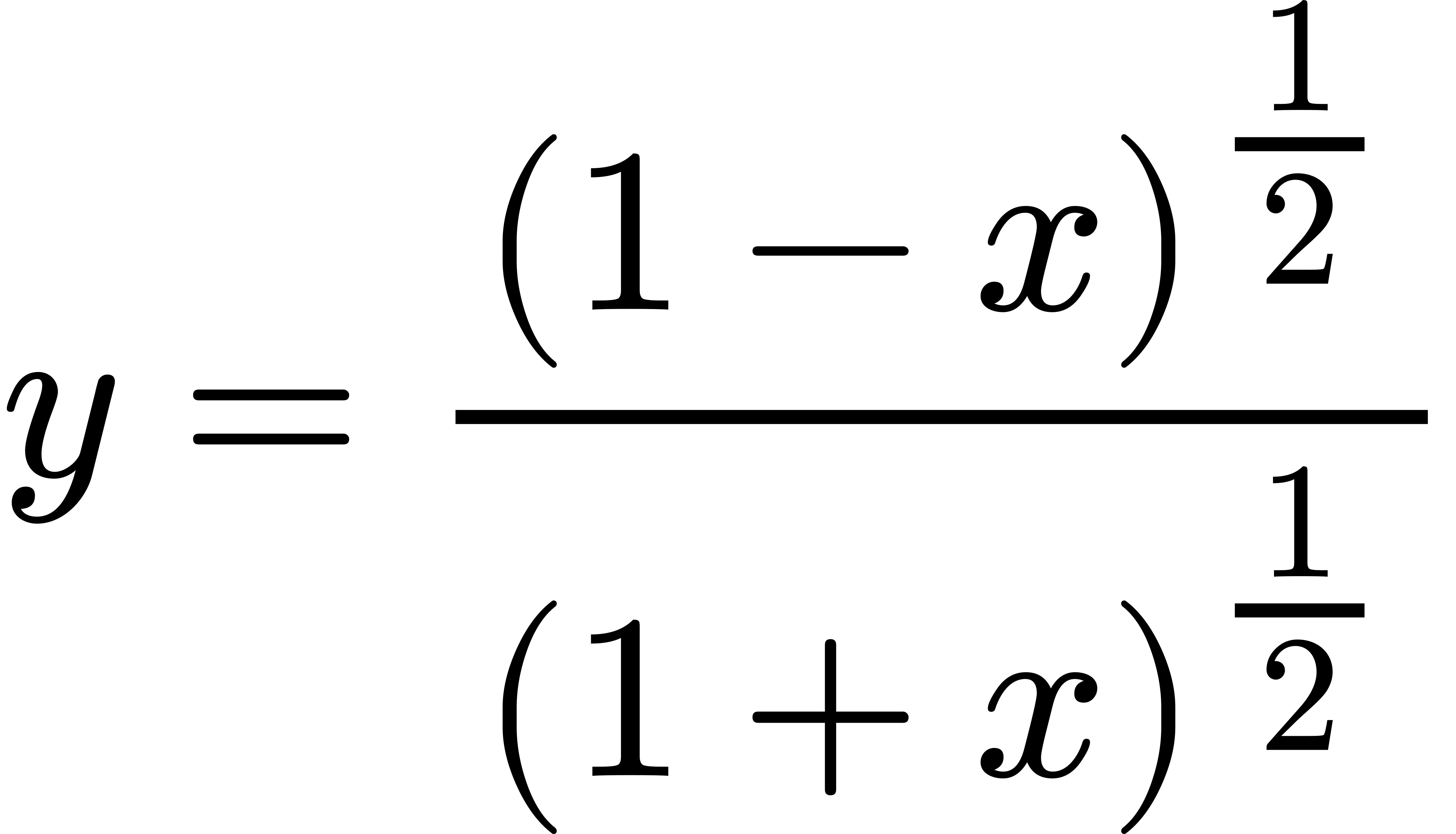
Write this as y equals StartFraction left parenthesis 1 minus x right parenthesis Superscript one half Baseline Over left parenthesis 1 plus x right parenthesis Superscript one half Baseline EndFraction. StartFraction d y Over d x EndFraction equals StartStartFraction left parenthesis 1 plus x right parenthesis Superscript one half Baseline StartFraction d left parenthesis 1 minus x right parenthesis Superscript one half Baseline Over d x EndFraction minus left parenthesis 1 minus x right parenthesis Superscript one half Baseline StartFraction d left parenthesis 1 plus x right parenthesis Superscript one half Baseline Over d x EndFraction OverOver 1 plus x EndEndFraction period (We may also write y equals left parenthesis 1 minus x right parenthesis Superscript one half Baseline left parenthesis 1 plus x right parenthesis Superscript negative one half and differentiate as a product.)

Proceeding as in example (1) above, we get StartFraction d left parenthesis 1 minus x right parenthesis Superscript one half Baseline Over d x EndFraction equals minus StartFraction 1 Over 2 StartRoot 1 minus x EndRoot EndFraction semicolon and StartFraction d left parenthesis 1 plus x right parenthesis Superscript one half Baseline Over d x EndFraction equals StartFraction 1 Over 2 StartRoot 1 plus x EndRoot EndFraction period

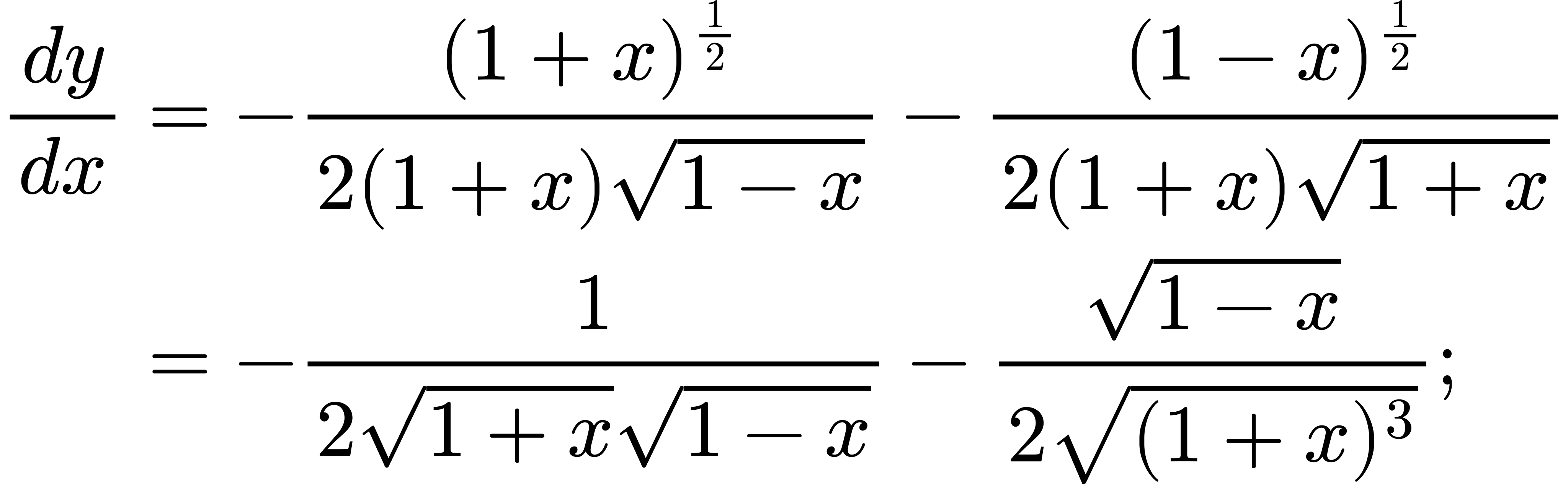
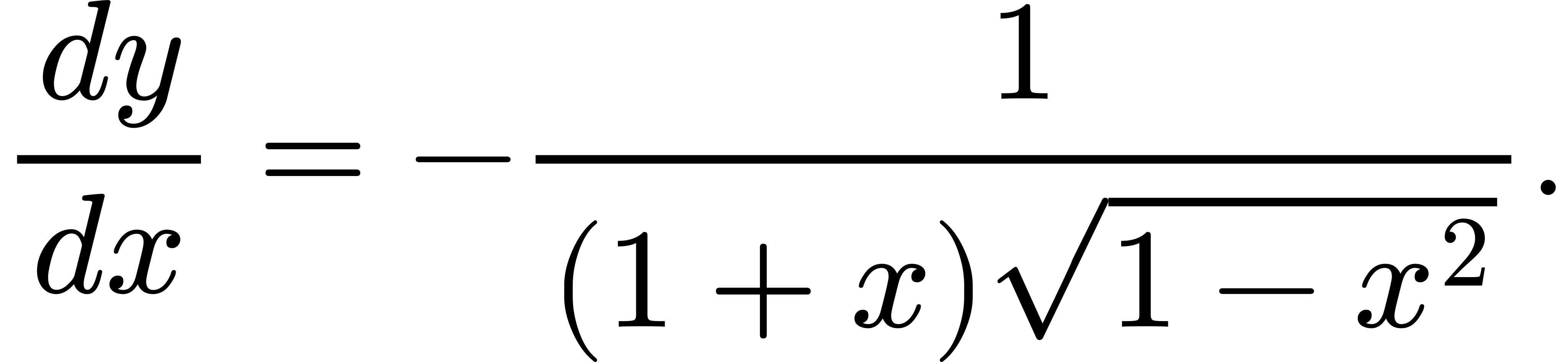
Hence StartLayout 1st Row 1st Column StartFraction d y Over d x EndFraction 2nd Column equals minus StartFraction left parenthesis 1 plus x right parenthesis Superscript one half Baseline Over 2 left parenthesis 1 plus x right parenthesis StartRoot 1 minus x EndRoot EndFraction minus StartFraction left parenthesis 1 minus x right parenthesis Superscript one half Baseline Over 2 left parenthesis 1 plus x right parenthesis StartRoot 1 plus x EndRoot EndFraction 2nd Row 1st Column Blank 2nd Column equals minus StartFraction 1 Over 2 StartRoot 1 plus x EndRoot StartRoot 1 minus x EndRoot EndFraction minus StartFraction StartRoot 1 minus x EndRoot Over 2 StartRoot left parenthesis 1 plus x right parenthesis cubed EndRoot EndFraction semicolon EndLayout or StartFraction d y Over d x EndFraction equals minus StartFraction 1 Over left parenthesis 1 plus x right parenthesis StartRoot 1 minus x squared EndRoot EndFraction period

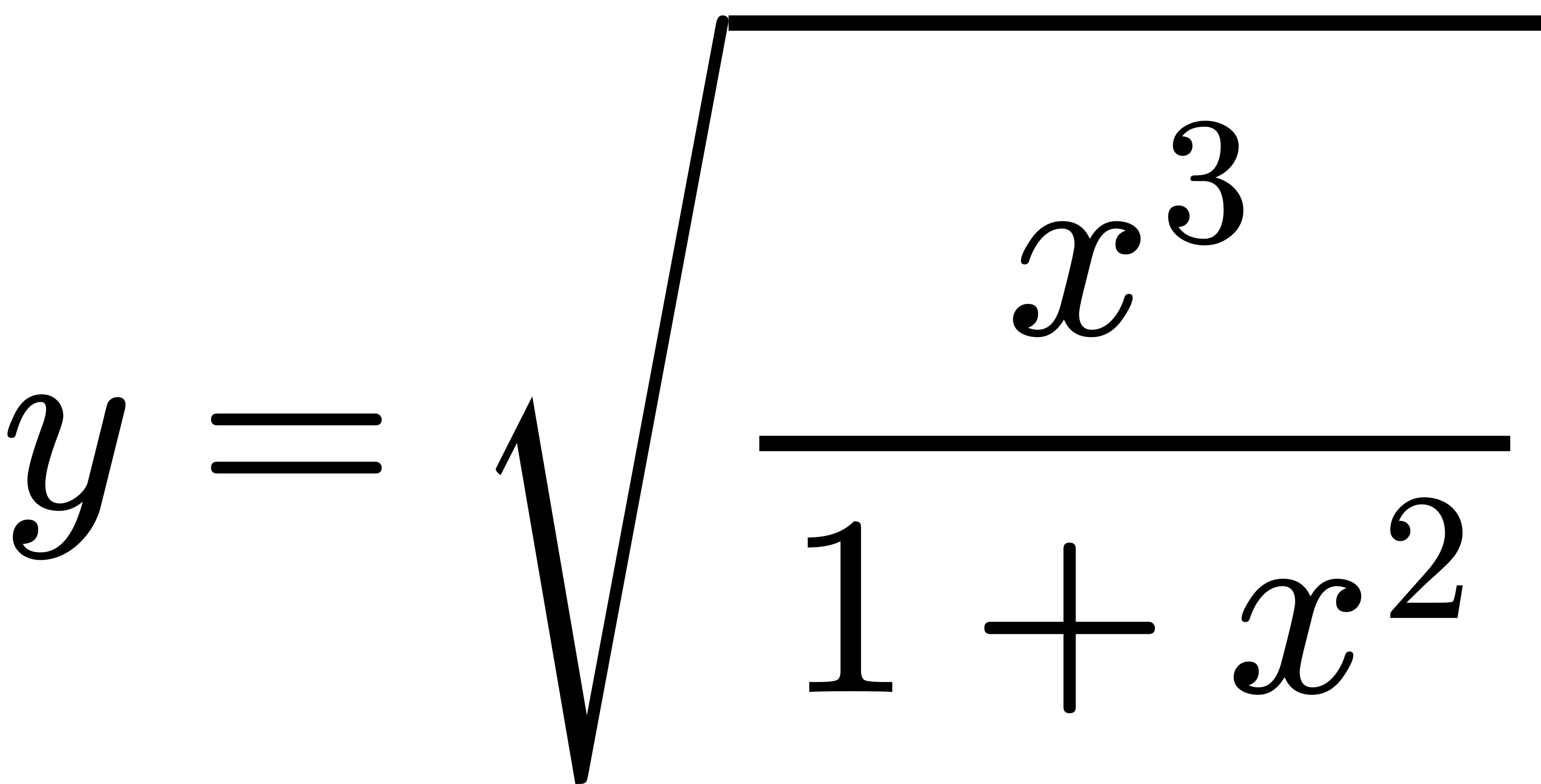
(6) Differentiate y equals StartRoot StartFraction x cubed Over 1 plus x squared EndFraction EndRoot.

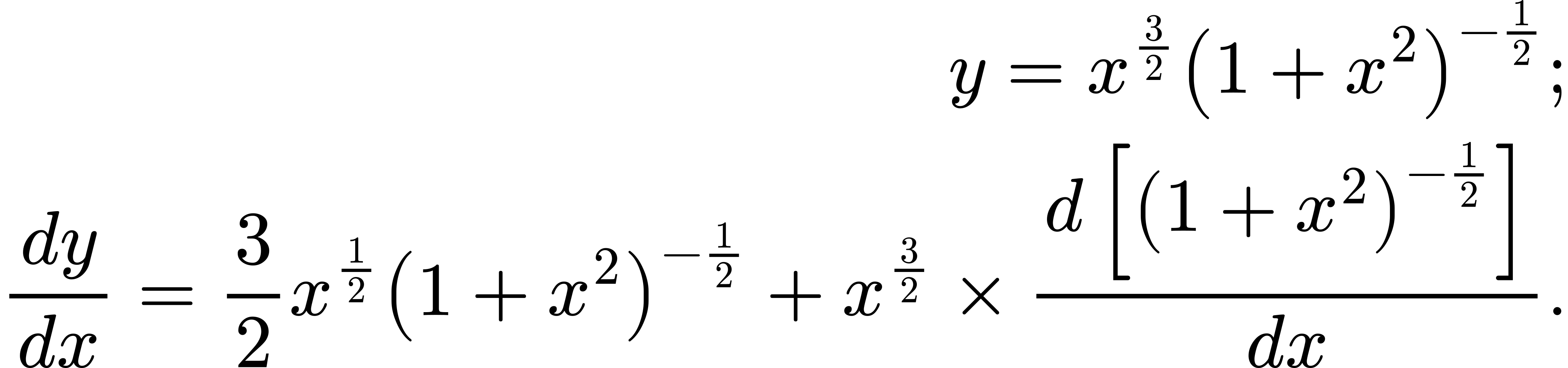
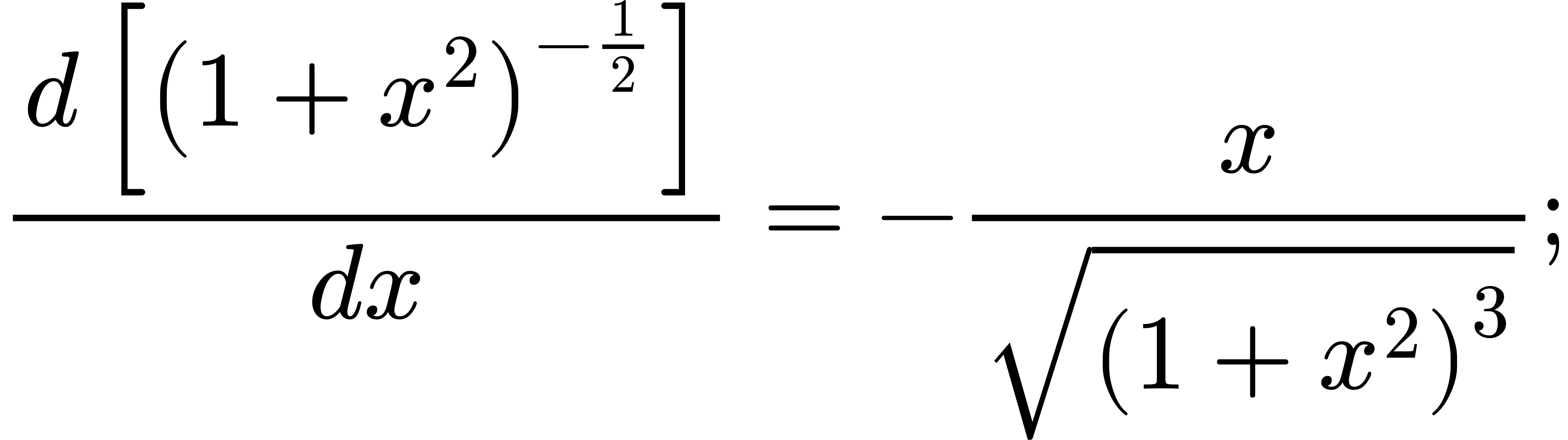
We may write this StartLayout 1st Row y equals x Superscript three halves Baseline left parenthesis 1 plus x squared right parenthesis Superscript negative one half Baseline semicolon 2nd Row StartFraction d y Over d x EndFraction equals three halves x Superscript one half Baseline left parenthesis 1 plus x squared right parenthesis Superscript negative one half Baseline plus x Superscript three halves Baseline times StartFraction d left bracket left parenthesis 1 plus x squared right parenthesis Superscript negative one half Baseline right bracket Over d x EndFraction period EndLayout

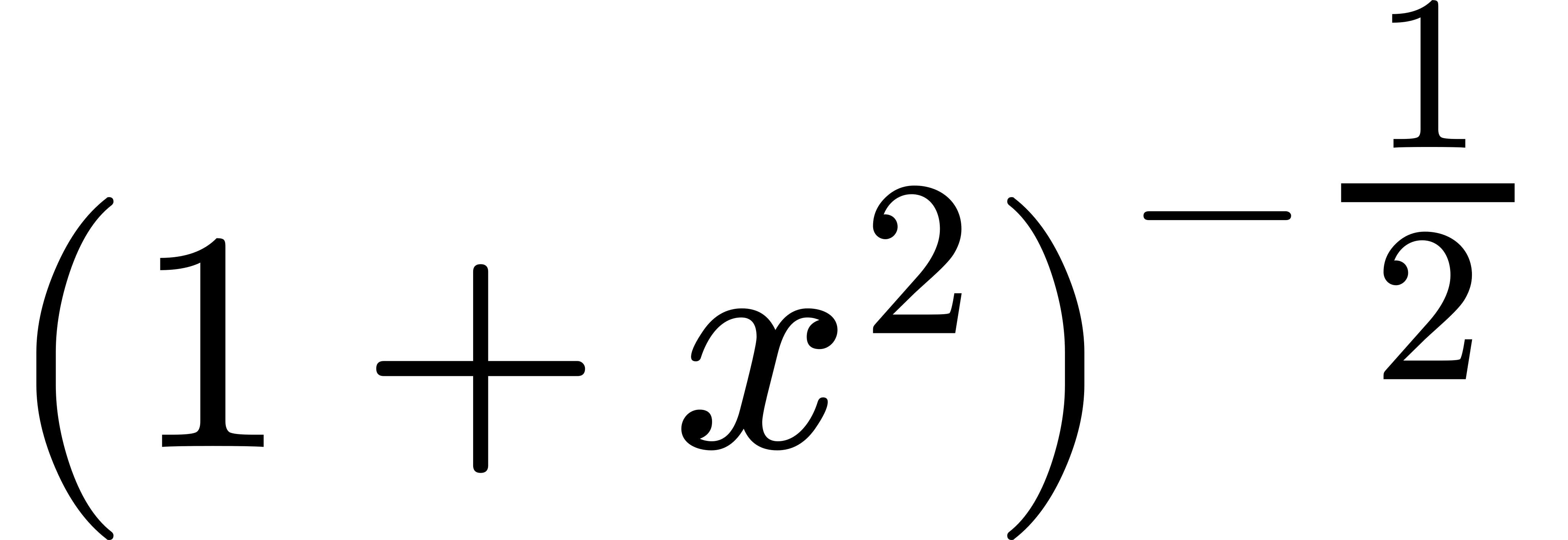
Differentiating left parenthesis 1 plus x squared right parenthesis Superscript negative one half, as shown in example (2) above, we get StartFraction d left bracket left parenthesis 1 plus x squared right parenthesis Superscript negative one half Baseline right bracket Over d x EndFraction equals minus StartFraction x Over StartRoot left parenthesis 1 plus x squared right parenthesis cubed EndRoot EndFraction semicolon so that StartFraction d y Over d x EndFraction equals StartFraction 3 StartRoot x EndRoot Over 2 StartRoot 1 plus x squared EndRoot EndFraction minus StartFraction StartRoot x Superscript 5 Baseline EndRoot Over StartRoot left parenthesis 1 plus x squared right parenthesis cubed EndRoot EndFraction equals StartFraction StartRoot x EndRoot left parenthesis 3 plus x squared right parenthesis Over 2 StartRoot left parenthesis 1 plus x squared right parenthesis cubed EndRoot EndFraction period
(7) Differentiate y equals left parenthesis x plus StartRoot x squared plus x plus a EndRoot right parenthesis cubed.

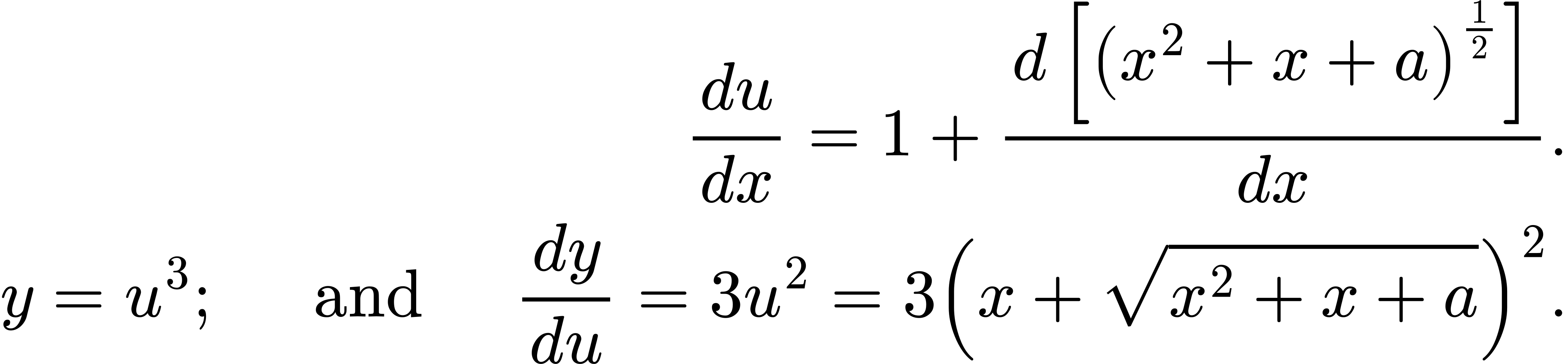
Let x plus StartRoot x squared plus x plus a EndRoot equals u. StartLayout 1st Row StartFraction d u Over d x EndFraction equals 1 plus StartFraction d left bracket left parenthesis x squared plus x plus a right parenthesis Superscript one half Baseline right bracket Over d x EndFraction period 2nd Row y equals u cubed semicolon and StartFraction d y Over d u EndFraction equals 3 u squared equals 3 left parenthesis x plus StartRoot x squared plus x plus a EndRoot right parenthesis squared period EndLayout

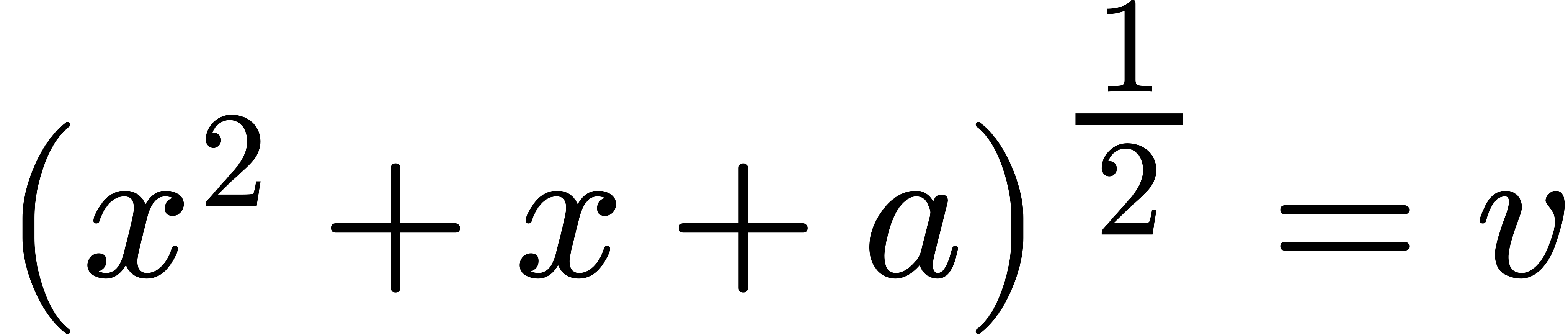
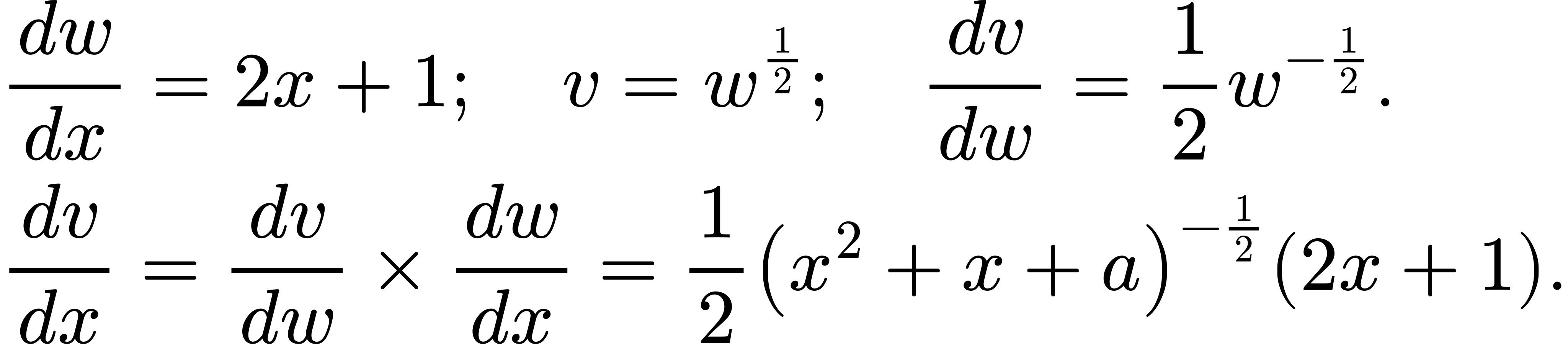
Now let left parenthesis x squared plus x plus a right parenthesis Superscript one half Baseline equals v and left parenthesis x squared plus x plus a right parenthesis equals w. StartLayout 1st Row 1st Column Blank 2nd Column StartFraction d w Over d x EndFraction equals 2 x plus 1 semicolon v equals w Superscript one half Baseline semicolon StartFraction d v Over d w EndFraction equals one half w Superscript negative one half Baseline period 2nd Row 1st Column Blank 2nd Column StartFraction d v Over d x EndFraction equals StartFraction d v Over d w EndFraction times StartFraction d w Over d x EndFraction equals one half left parenthesis x squared plus x plus a right parenthesis Superscript negative one half Baseline left parenthesis 2 x plus 1 right parenthesis period EndLayout

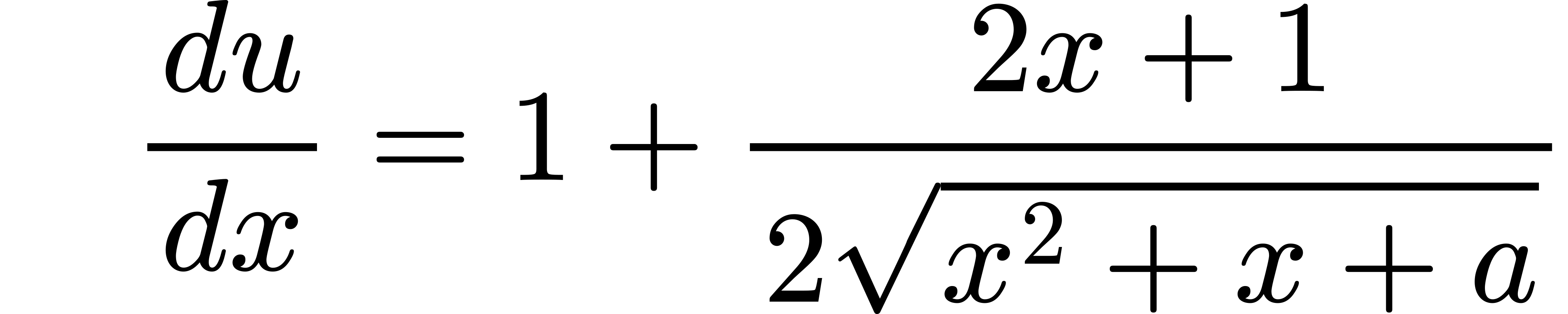
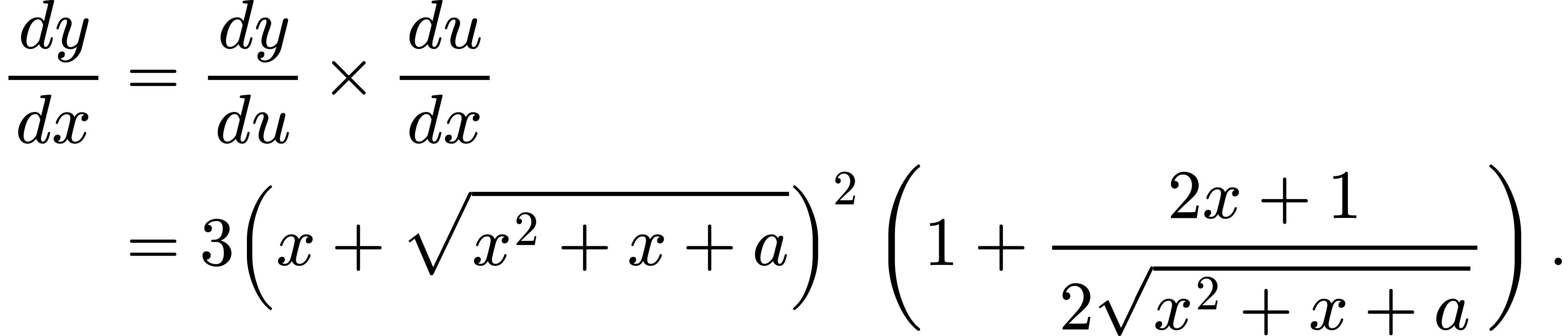
Hence StartFraction d u Over d x EndFraction equals 1 plus StartFraction 2 x plus 1 Over 2 StartRoot x squared plus x plus a EndRoot EndFraction, StartLayout 1st Row 1st Column StartFraction d y Over d x EndFraction 2nd Column equals StartFraction d y Over d u EndFraction times StartFraction d u Over d x EndFraction 2nd Row 1st Column Blank 2nd Column equals 3 left parenthesis x plus StartRoot x squared plus x plus a EndRoot right parenthesis squared left parenthesis 1 plus StartFraction 2 x plus 1 Over 2 StartRoot x squared plus x plus a EndRoot EndFraction right parenthesis period EndLayout

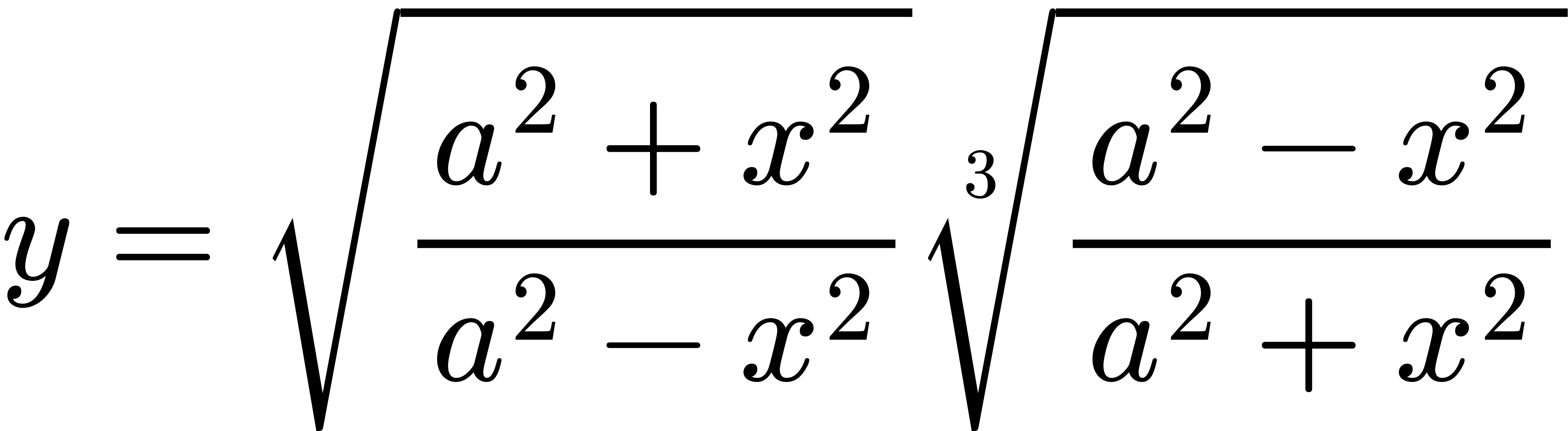
(8) Differentiate y equals StartRoot StartFraction a squared plus x squared Over a squared minus x squared EndFraction EndRoot RootIndex 3 StartRoot StartFraction a squared minus x squared Over a squared plus x squared EndFraction EndRoot.

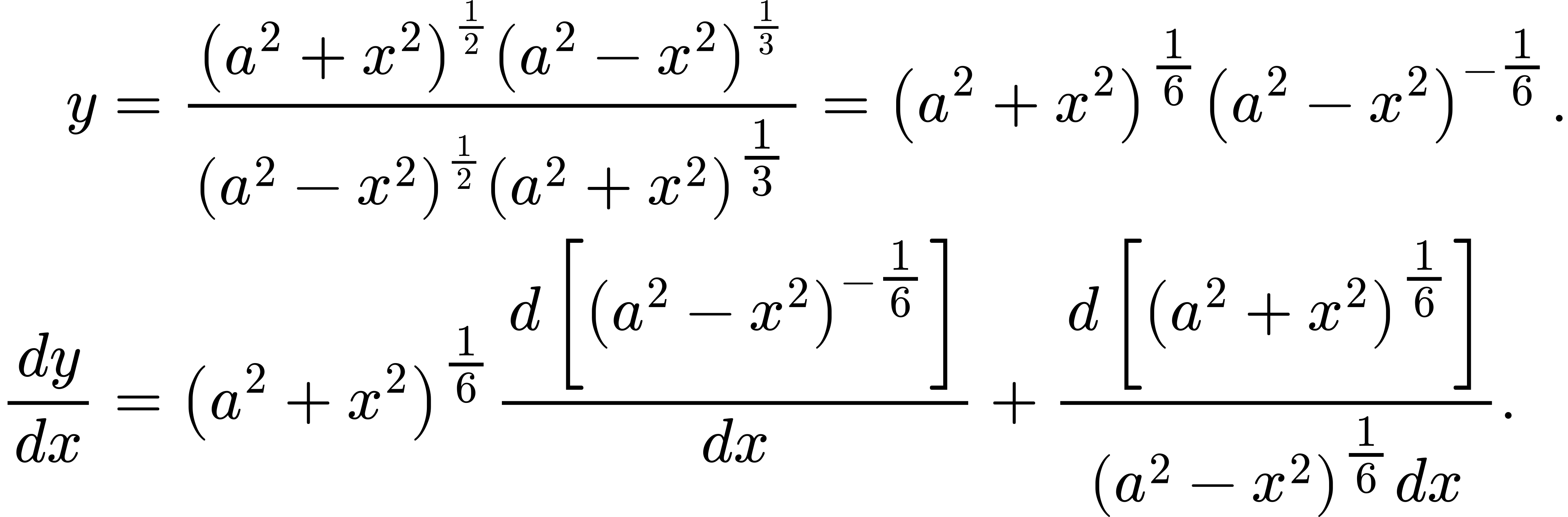
We get StartLayout 1st Row 1st Column y 2nd Column equals StartFraction left parenthesis a squared plus x squared right parenthesis Superscript one half Baseline left parenthesis a squared minus x squared right parenthesis Superscript one third Baseline Over left parenthesis a squared minus x squared right parenthesis Superscript one half Baseline left parenthesis a squared plus x squared right parenthesis Superscript one third Baseline EndFraction equals left parenthesis a squared plus x squared right parenthesis Superscript one sixth Baseline left parenthesis a squared minus x squared right parenthesis Superscript negative one sixth Baseline period 2nd Row 1st Column StartFraction d y Over d x EndFraction 2nd Column equals left parenthesis a squared plus x squared right parenthesis Superscript one sixth Baseline StartFraction d left bracket left parenthesis a squared minus x squared right parenthesis Superscript negative one sixth Baseline right bracket Over d x EndFraction plus StartFraction d left bracket left parenthesis a squared plus x squared right parenthesis Superscript one sixth Baseline right bracket Over left parenthesis a squared minus x squared right parenthesis Superscript one sixth Baseline d x EndFraction period EndLayout

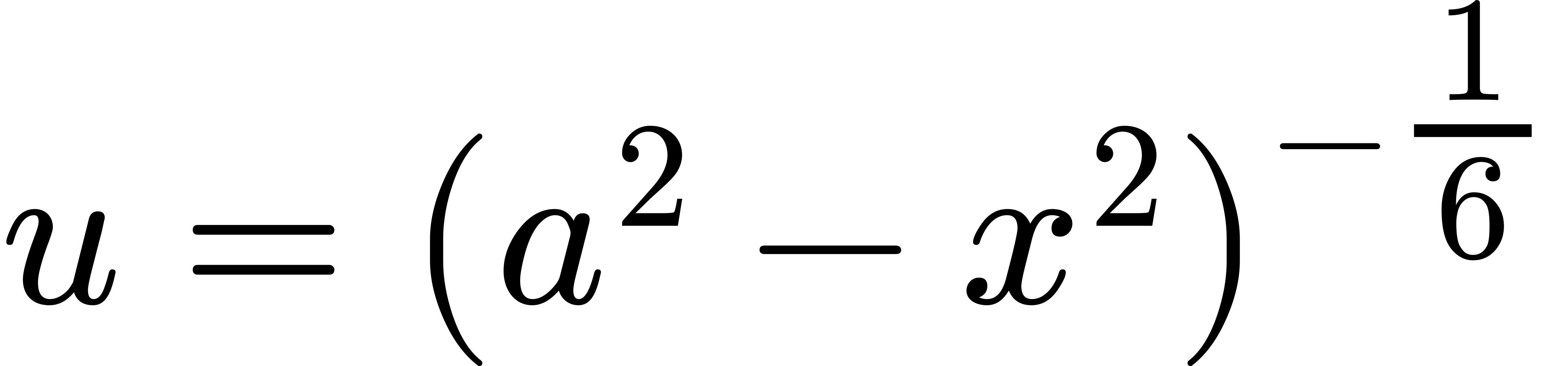
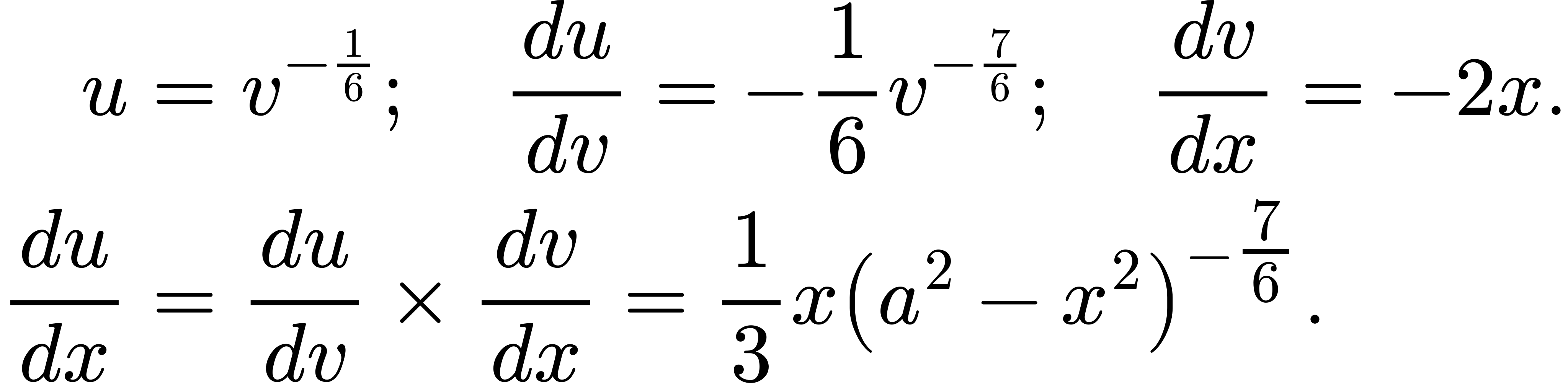
Let u equals left parenthesis a squared minus x squared right parenthesis Superscript negative one sixth and v equals left parenthesis a squared minus x squared right parenthesis. StartLayout 1st Row 1st Column u 2nd Column equals v Superscript negative one sixth Baseline semicolon StartFraction d u Over d v EndFraction equals minus one sixth v Superscript negative seven sixths Baseline semicolon StartFraction d v Over d x EndFraction equals minus 2 x period 2nd Row 1st Column StartFraction d u Over d x EndFraction 2nd Column equals StartFraction d u Over d v EndFraction times StartFraction d v Over d x EndFraction equals one third x left parenthesis a squared minus x squared right parenthesis Superscript negative seven sixths Baseline period EndLayout

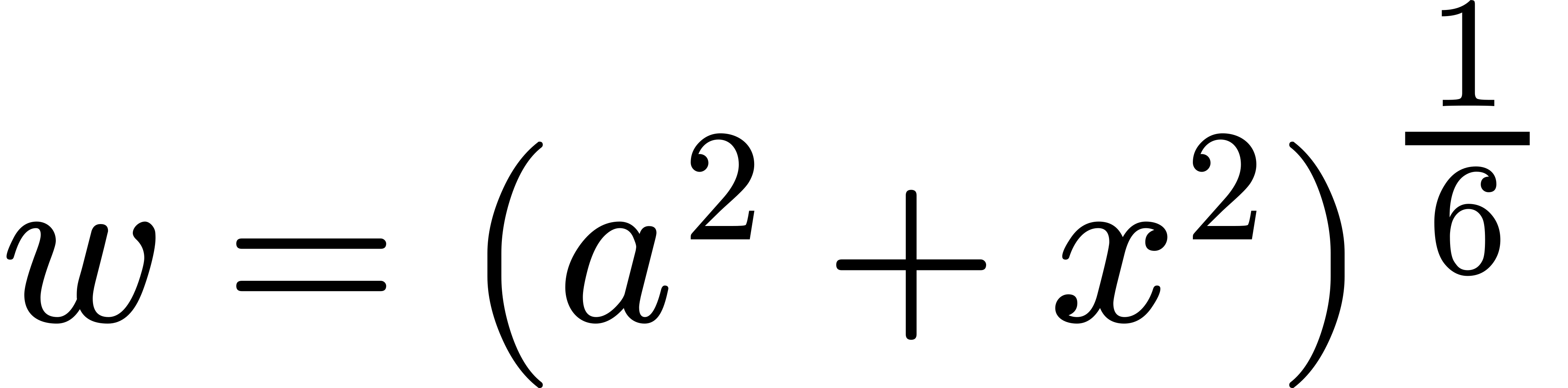
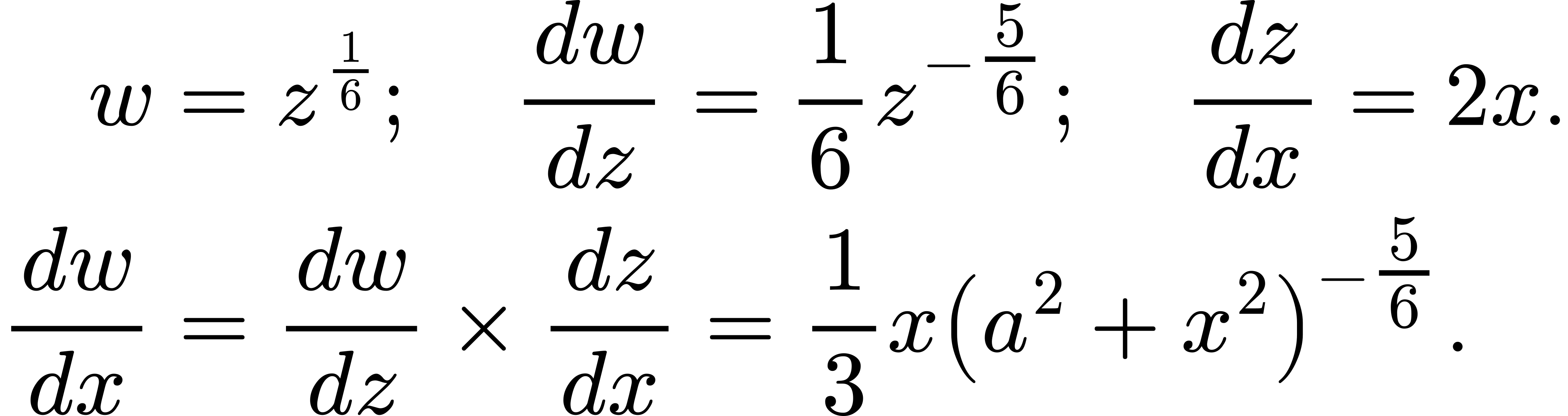
Let w equals left parenthesis a squared plus x squared right parenthesis Superscript one sixth and z equals left parenthesis a squared plus x squared right parenthesis. StartLayout 1st Row 1st Column w 2nd Column equals z Superscript one sixth Baseline semicolon StartFraction d w Over d z EndFraction equals one sixth z Superscript negative five sixths Baseline semicolon StartFraction d z Over d x EndFraction equals 2 x period 2nd Row 1st Column StartFraction d w Over d x EndFraction 2nd Column equals StartFraction d w Over d z EndFraction times StartFraction d z Over d x EndFraction equals one third x left parenthesis a squared plus x squared right parenthesis Superscript negative five sixths Baseline period EndLayout

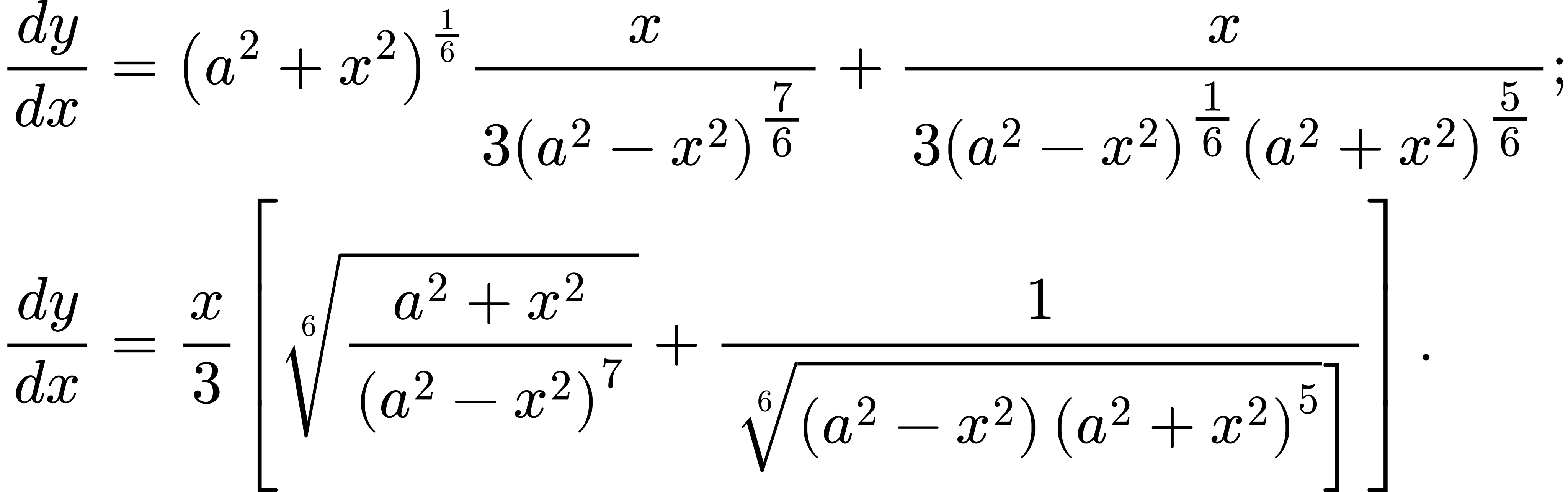
Hence StartLayout 1st Row 1st Column Blank 2nd Column StartFraction d y Over d x EndFraction equals left parenthesis a squared plus x squared right parenthesis Superscript one sixth Baseline StartFraction x Over 3 left parenthesis a squared minus x squared right parenthesis Superscript seven sixths Baseline EndFraction plus StartFraction x Over 3 left parenthesis a squared minus x squared right parenthesis Superscript one sixth Baseline left parenthesis a squared plus x squared right parenthesis Superscript five sixths Baseline EndFraction semicolon 2nd Row 1st Column Blank 2nd Column StartFraction d y Over d x EndFraction equals StartFraction x Over 3 EndFraction left bracket RootIndex 6 StartRoot StartFraction a squared plus x squared Over left parenthesis a squared minus x squared right parenthesis Superscript 7 Baseline EndFraction EndRoot plus StartFraction 1 Over RootIndex 6 StartRoot left parenthesis a squared minus x squared right parenthesis left parenthesis a squared plus x squared right parenthesis Superscript 5 Baseline EndRoot right bracket EndFraction right bracket period EndLayout

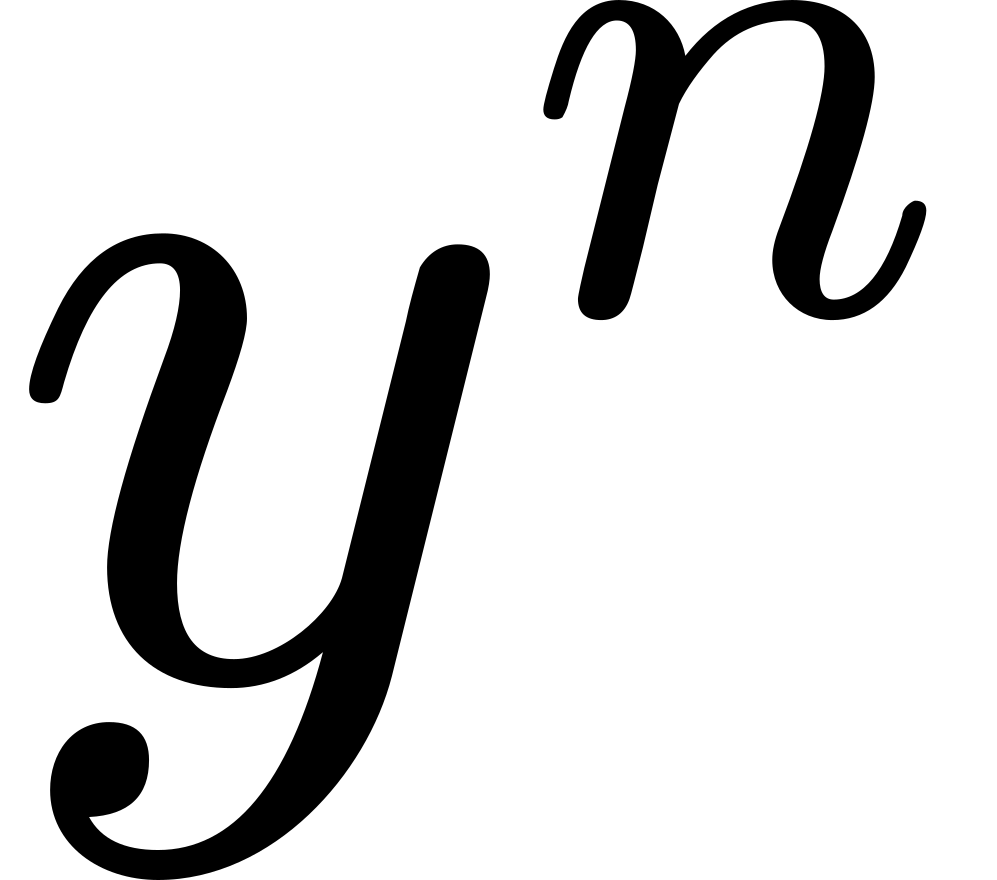
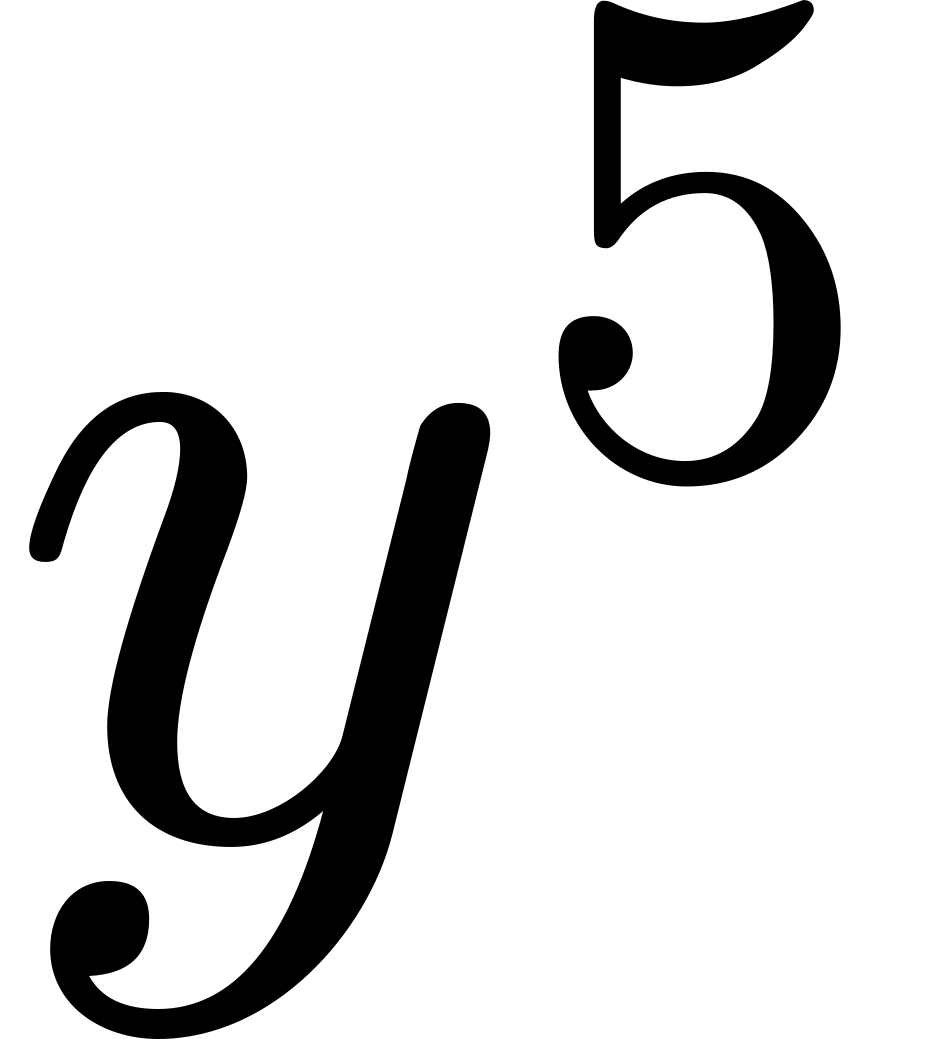
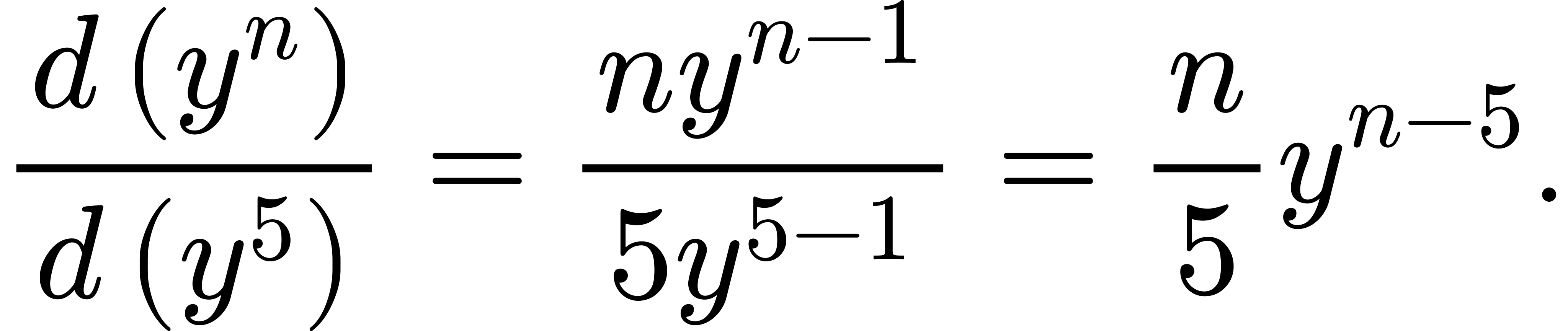
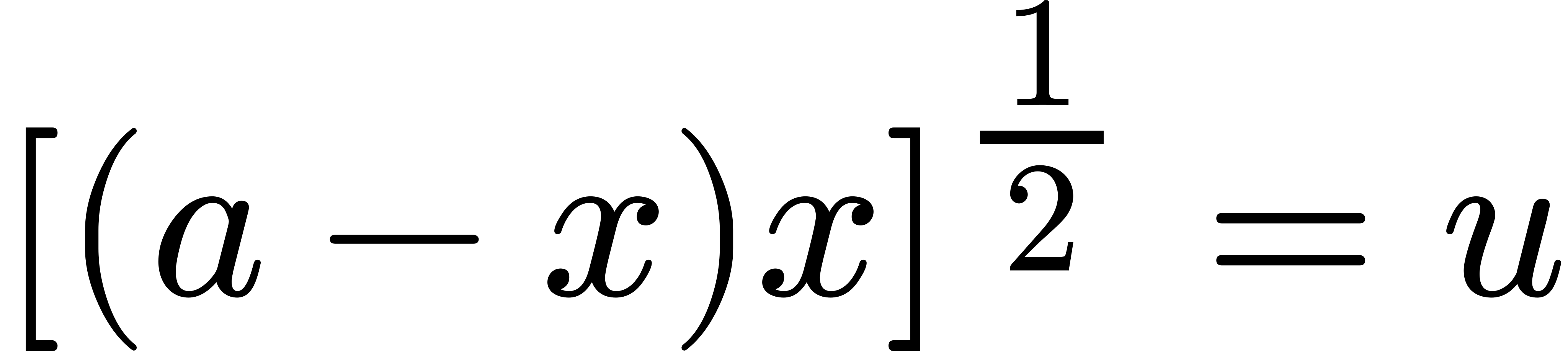
(9) Differentiate y Superscript n with respect to y Superscript 5. StartFraction d left parenthesis y Superscript n Baseline right parenthesis Over d left parenthesis y Superscript 5 Baseline right parenthesis EndFraction equals StartFraction n y Superscript n minus 1 Baseline Over 5 y Superscript 5 minus 1 Baseline EndFraction equals StartFraction n Over 5 EndFraction y Superscript n minus 5 Baseline period (10) Find the first and second differential coefficients of y equals StartFraction x Over b EndFraction StartRoot left parenthesis a minus x right parenthesis x EndRoot. StartFraction d y Over d x EndFraction equals StartFraction x Over b EndFraction StartFraction d left brace left bracket left parenthesis a minus x right parenthesis x right bracket Superscript one half Baseline right brace Over d x EndFraction plus StartFraction StartRoot left parenthesis a minus x right parenthesis x EndRoot Over b EndFraction period
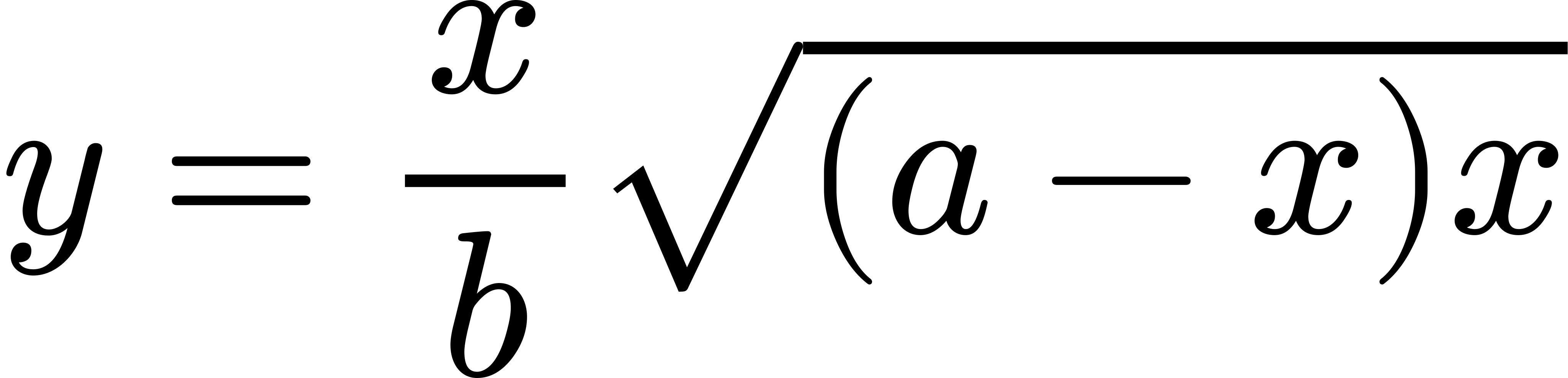
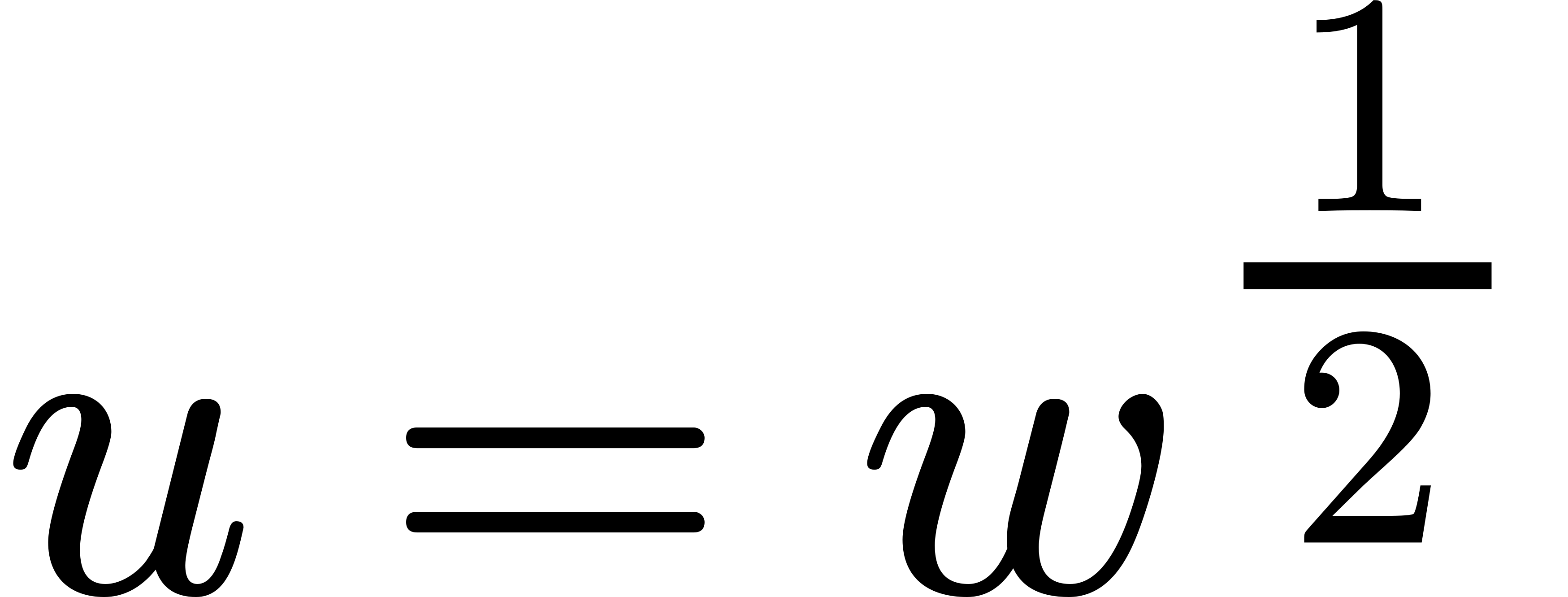
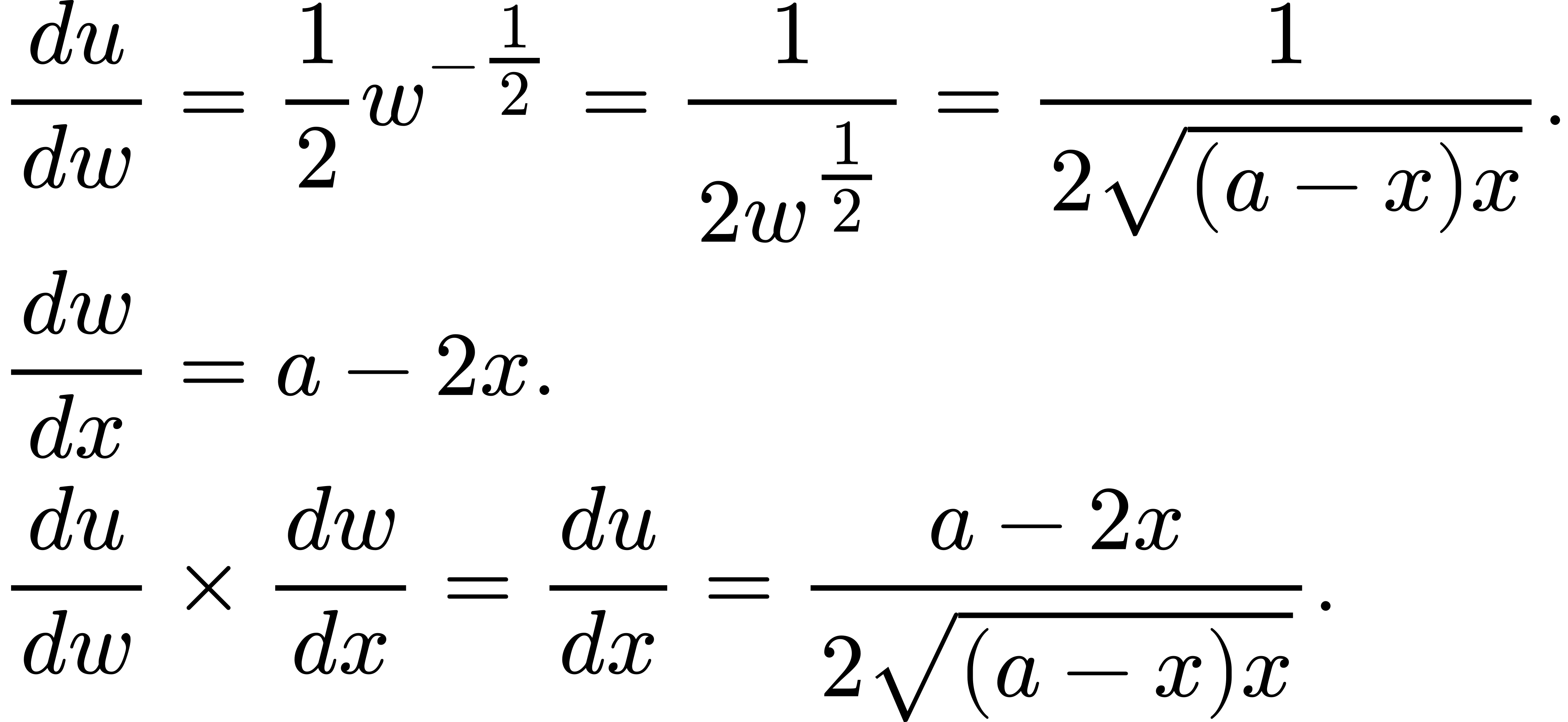
Let left bracket left parenthesis a minus x right parenthesis x right bracket Superscript one half Baseline equals u and let left parenthesis a minus x right parenthesis x equals w; then u equals w Superscript one half. StartLayout 1st Row 1st Column Blank 2nd Column StartFraction d u Over d w EndFraction equals one half w Superscript negative one half Baseline equals StartFraction 1 Over 2 w Superscript one half Baseline EndFraction equals StartFraction 1 Over 2 StartRoot left parenthesis a minus x right parenthesis x EndRoot EndFraction period 2nd Row 1st Column Blank 2nd Column StartFraction d w Over d x EndFraction equals a minus 2 x period 3rd Row 1st Column Blank 2nd Column StartFraction d u Over d w EndFraction times StartFraction d w Over d x EndFraction equals StartFraction d u Over d x EndFraction equals StartFraction a minus 2 x Over 2 StartRoot left parenthesis a minus x right parenthesis x EndRoot EndFraction period EndLayout

Hence StartFraction d y Over d x EndFraction equals StartFraction x left parenthesis a minus 2 x right parenthesis Over 2 b StartRoot left parenthesis a minus x right parenthesis x EndRoot EndFraction plus StartFraction StartRoot left parenthesis a minus x right parenthesis x EndRoot Over b EndFraction equals StartFraction x left parenthesis 3 a minus 4 x right parenthesis Over 2 b StartRoot left parenthesis a minus x right parenthesis x EndRoot EndFraction period

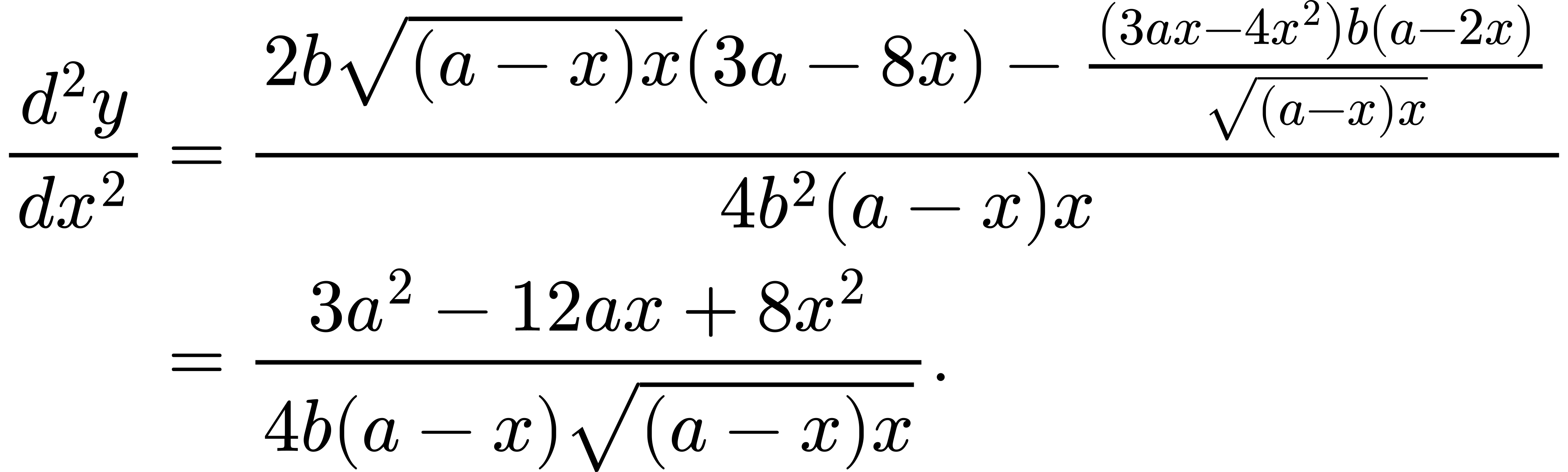
Now StartLayout 1st Row 1st Column StartFraction d squared y Over d x squared EndFraction 2nd Column equals StartStartFraction 2 b StartRoot left parenthesis a minus x right parenthesis x EndRoot left parenthesis 3 a minus 8 x right parenthesis minus StartFraction left parenthesis 3 a x minus 4 x squared right parenthesis b left parenthesis a minus 2 x right parenthesis Over StartRoot left parenthesis a minus x right parenthesis x EndRoot EndFraction OverOver 4 b squared left parenthesis a minus x right parenthesis x EndEndFraction 2nd Row 1st Column Blank 2nd Column equals StartFraction 3 a squared minus 12 a x plus 8 x squared Over 4 b left parenthesis a minus x right parenthesis StartRoot left parenthesis a minus x right parenthesis x EndRoot EndFraction period EndLayout (We shall need these two last differential coefficients later on. See Ex. X. No. 11.)

Exercises VI. (See page 255 for Answers.)

Differentiate the following:

(1) y equals StartRoot x squared plus 1 EndRoot.
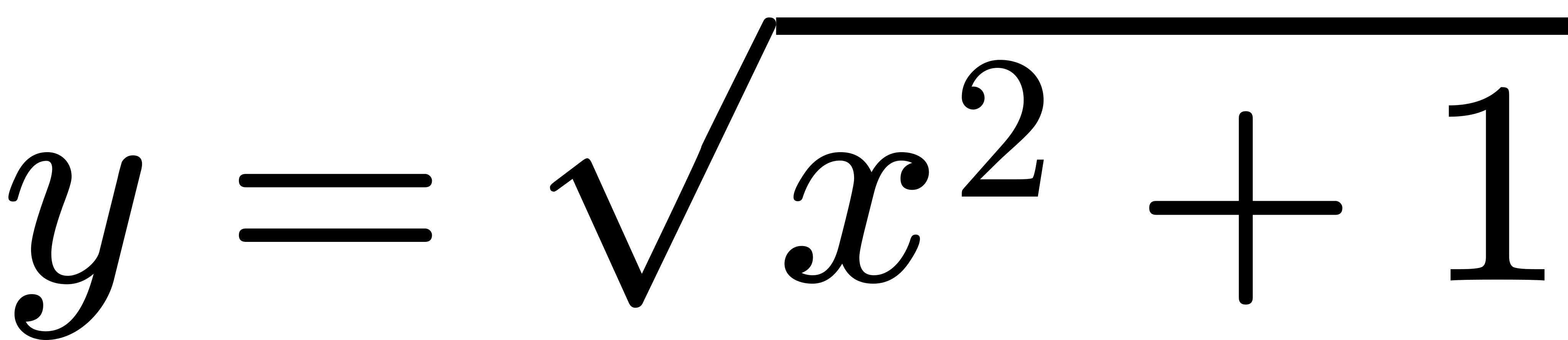
(2) y equals StartRoot x squared plus a squared EndRoot.

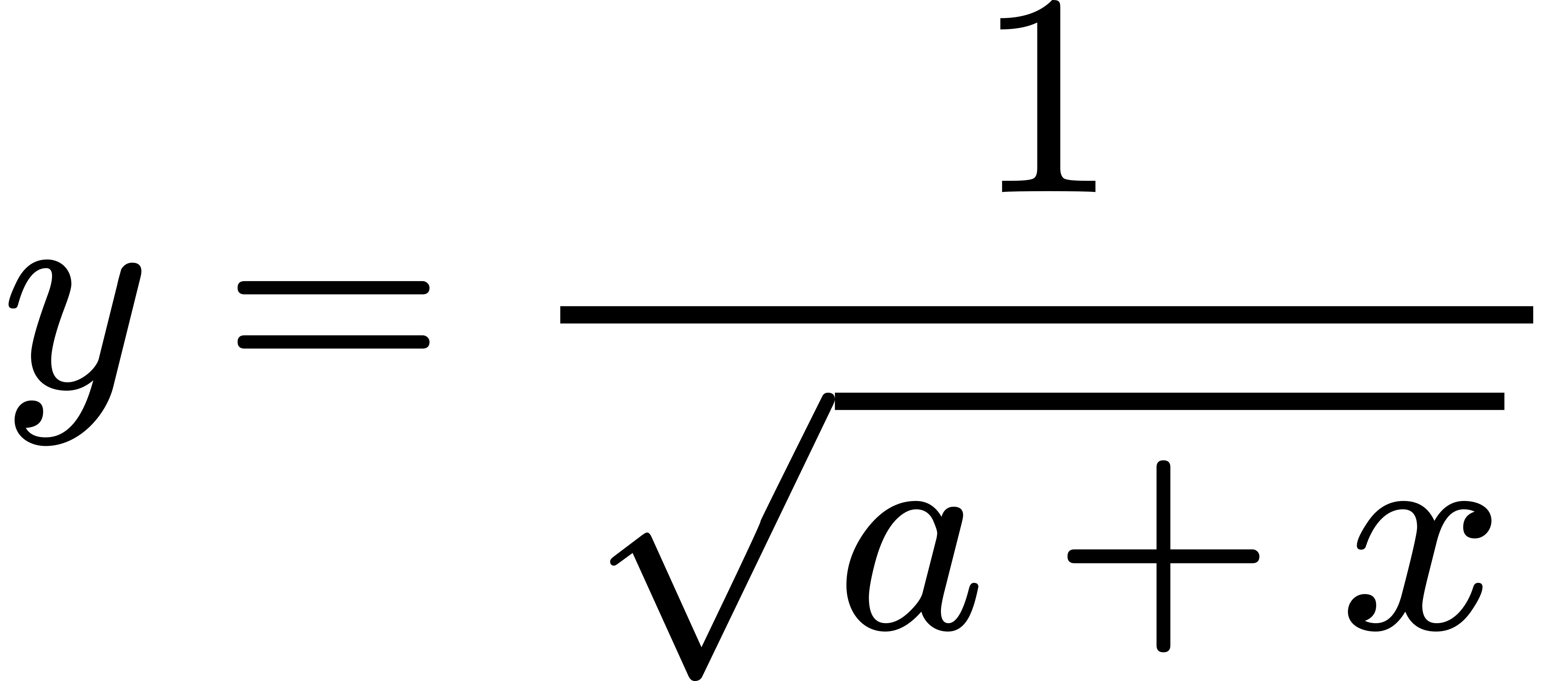
(3) y equals StartFraction 1 Over StartRoot a plus x EndRoot EndFraction.

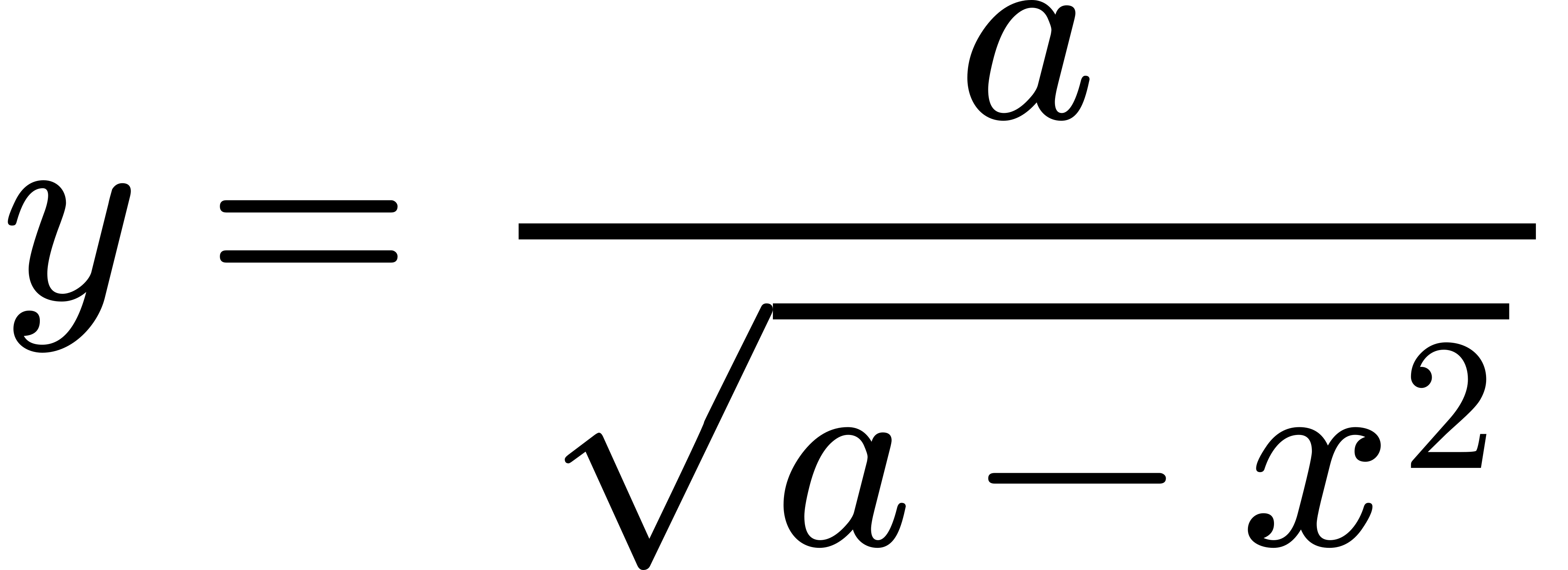
(4) y equals StartFraction a Over StartRoot a minus x squared EndRoot EndFraction.

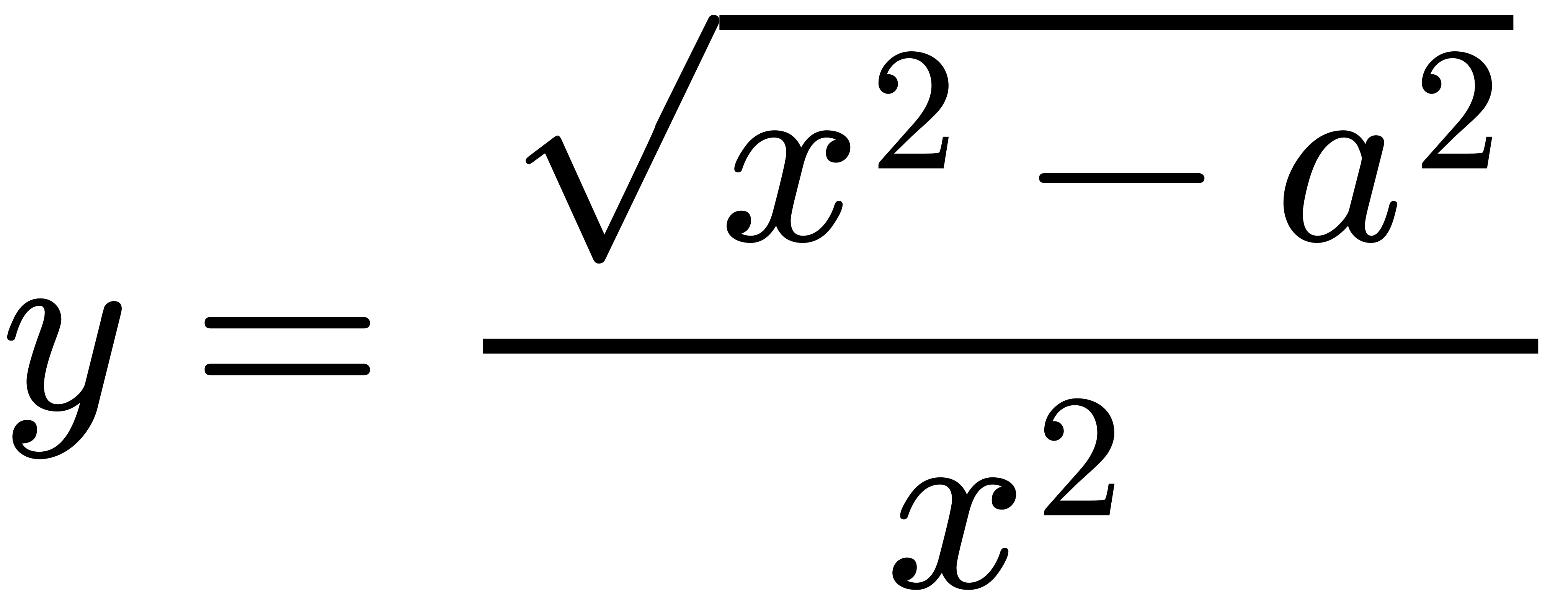
(5) y equals StartFraction StartRoot x squared minus a squared EndRoot Over x squared EndFraction.

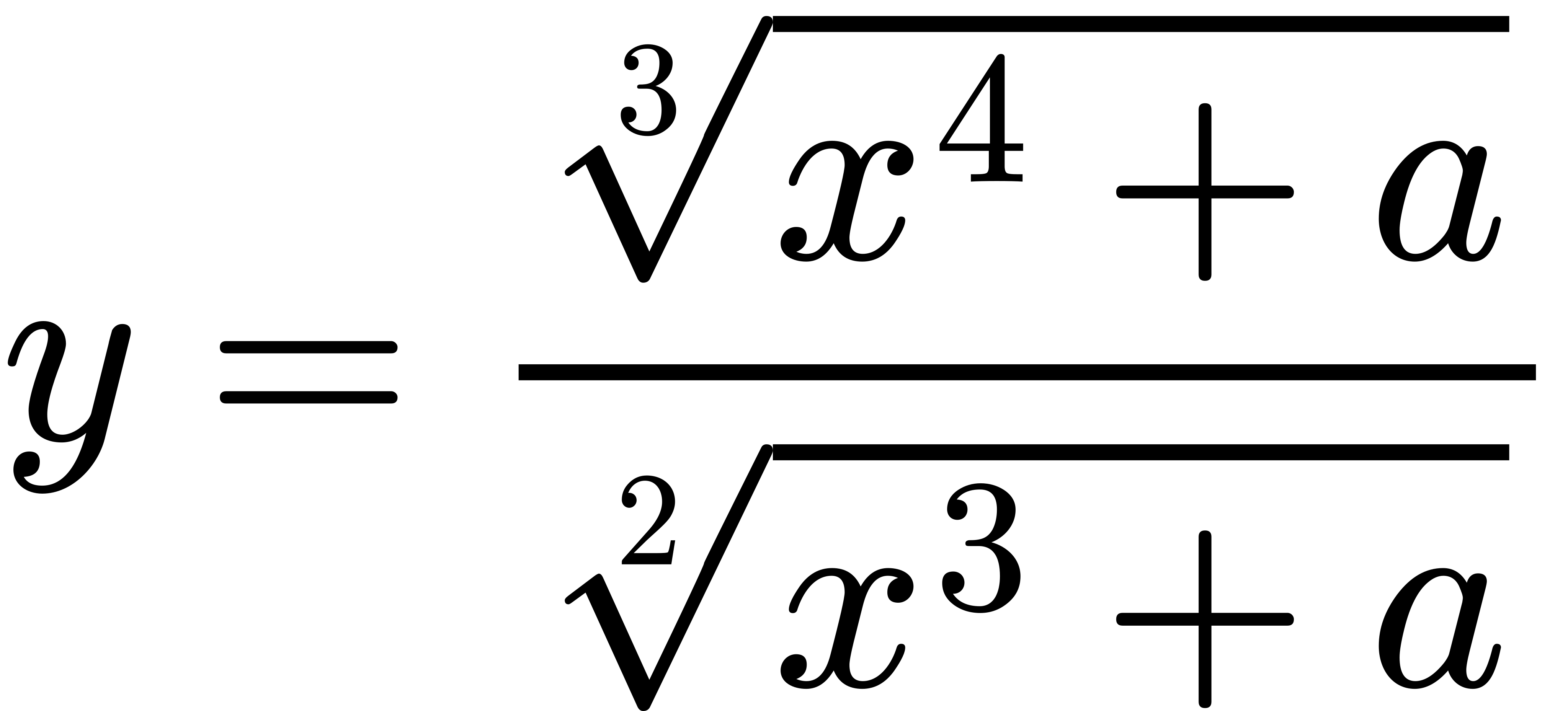
(6) y equals StartFraction RootIndex 3 StartRoot x Superscript 4 Baseline plus a EndRoot Over RootIndex 2 StartRoot x cubed plus a EndRoot EndFraction.

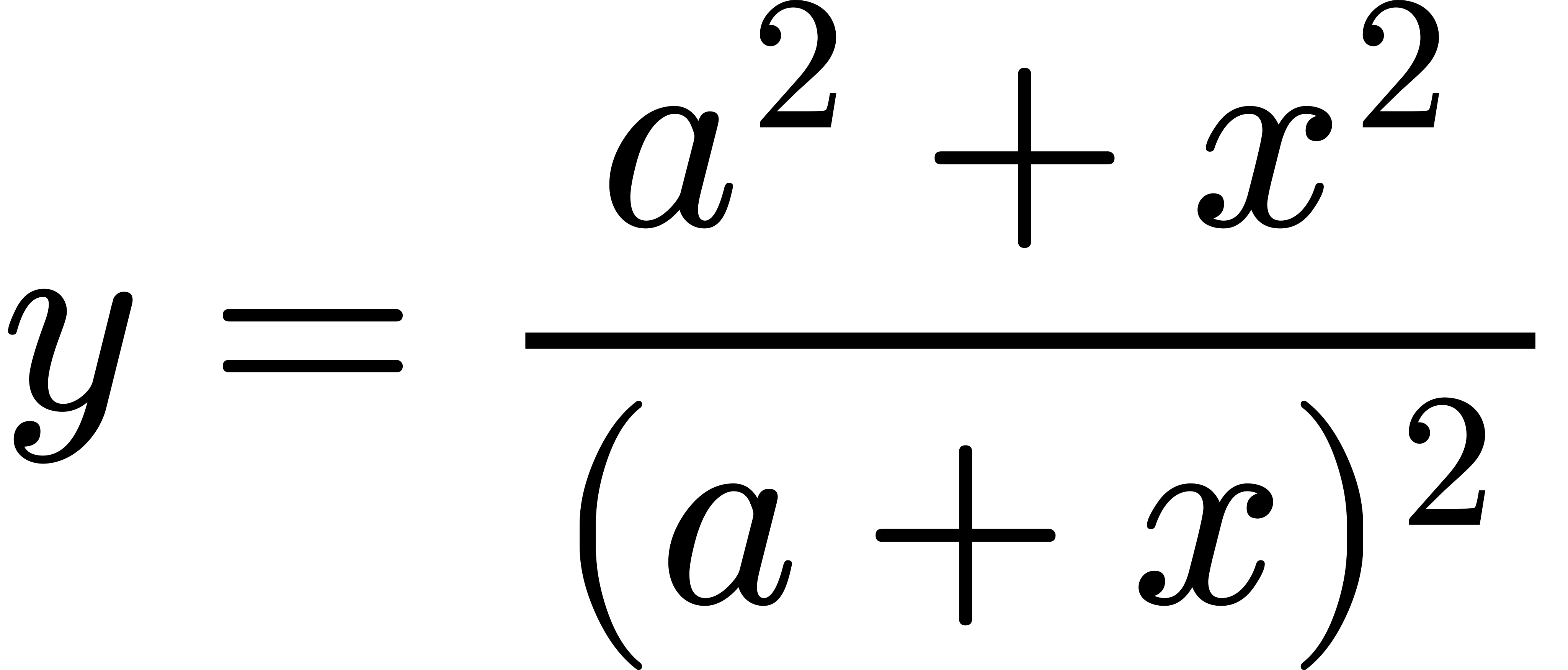
(7) y equals StartFraction a squared plus x squared Over left parenthesis a plus x right parenthesis squared EndFraction.

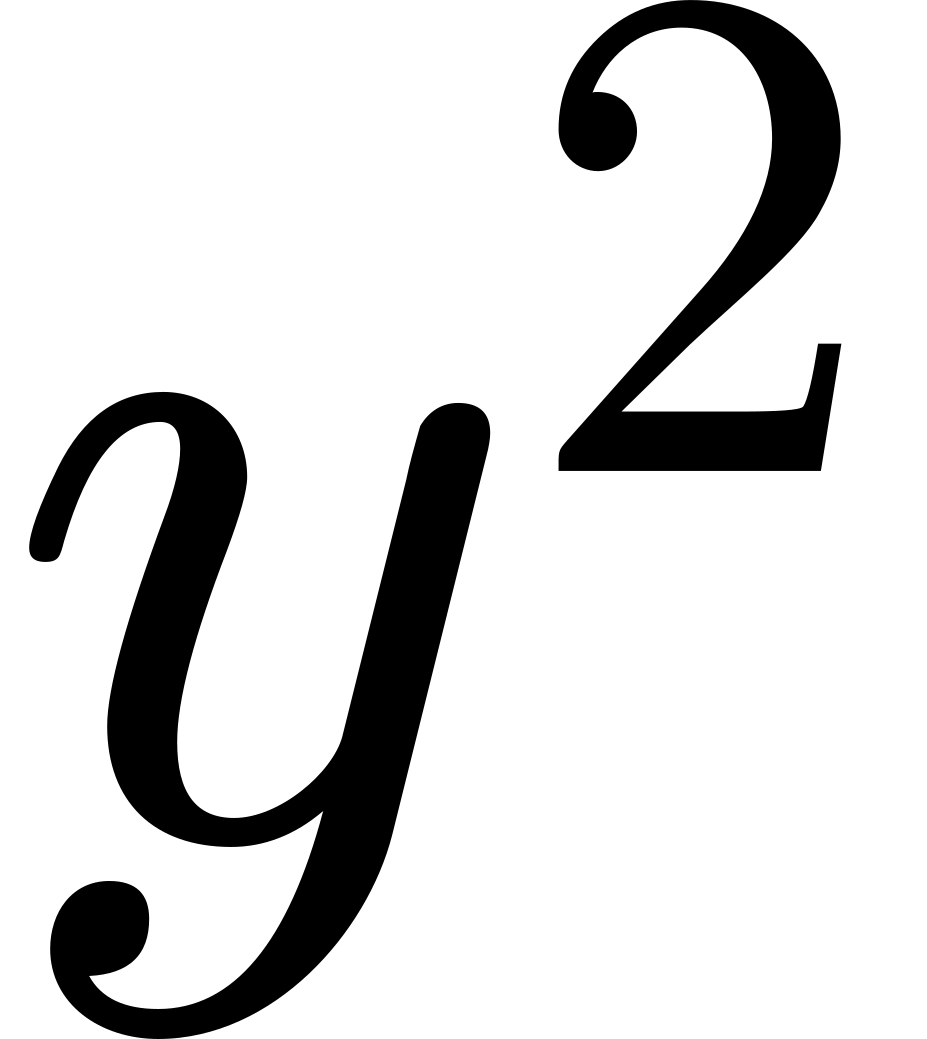
(8) Differentiate y Superscript 5 with respect to y squared.

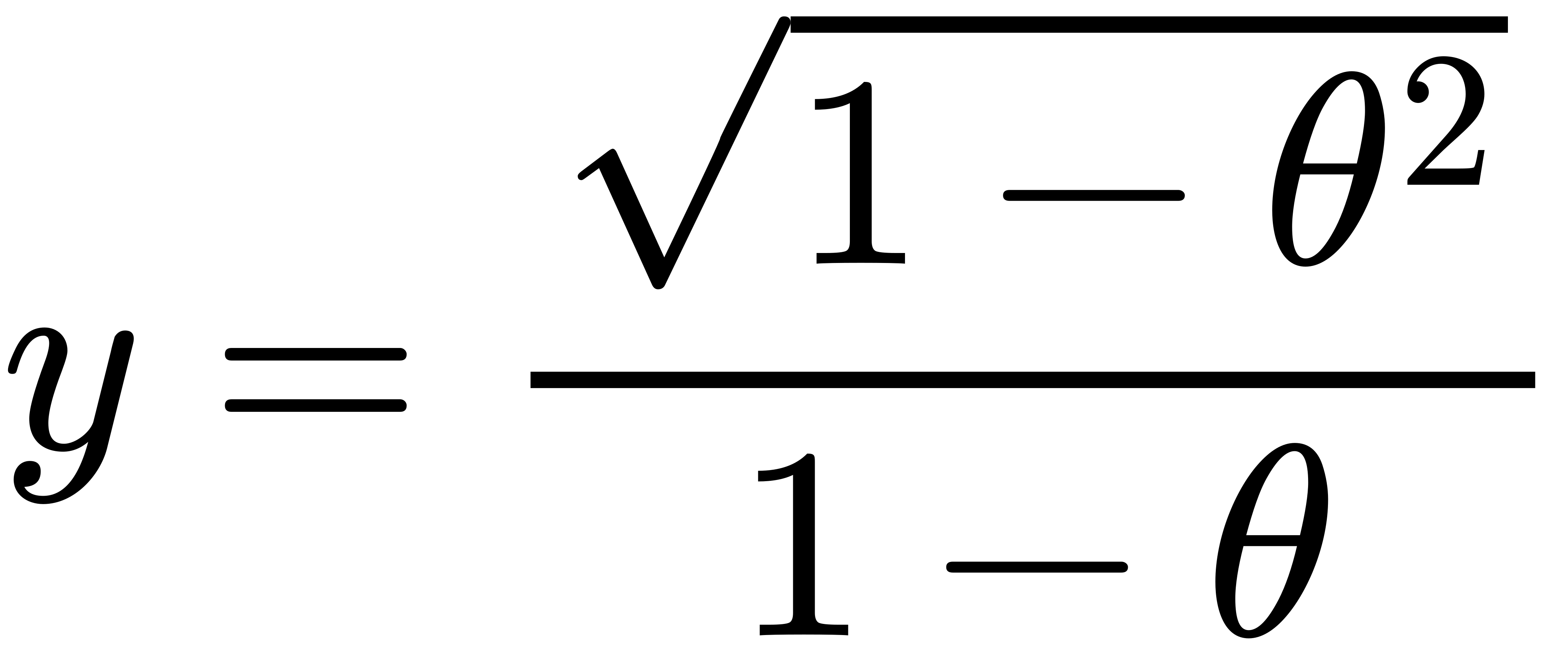
(9) Differentiate y equals StartFraction StartRoot 1 minus theta squared EndRoot Over 1 minus theta EndFraction.

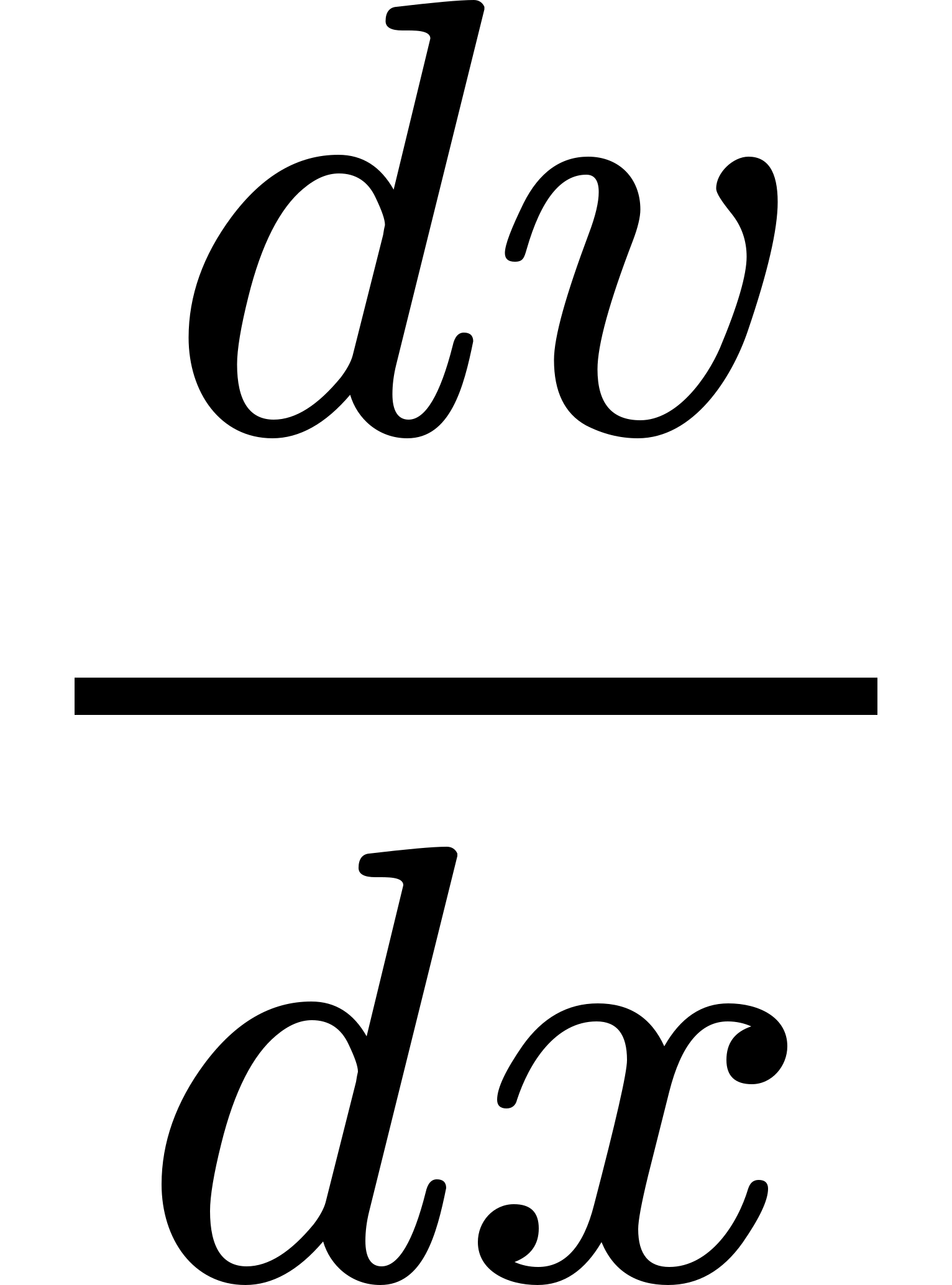
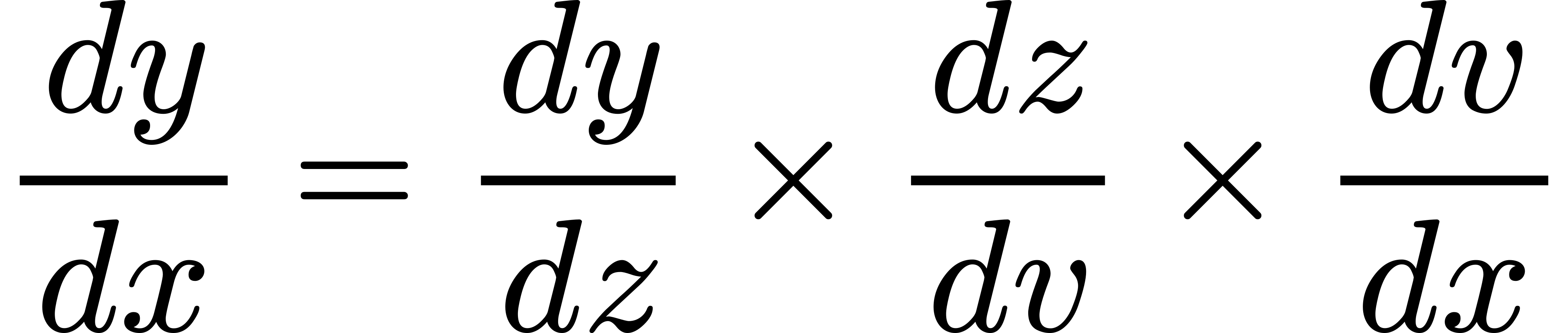
The process can be extended to three or more differential coefficients, so that StartFraction d y Over d x EndFraction equals StartFraction d y Over d z EndFraction times StartFraction d z Over d v EndFraction times StartFraction d v Over d x EndFraction.
Examples.

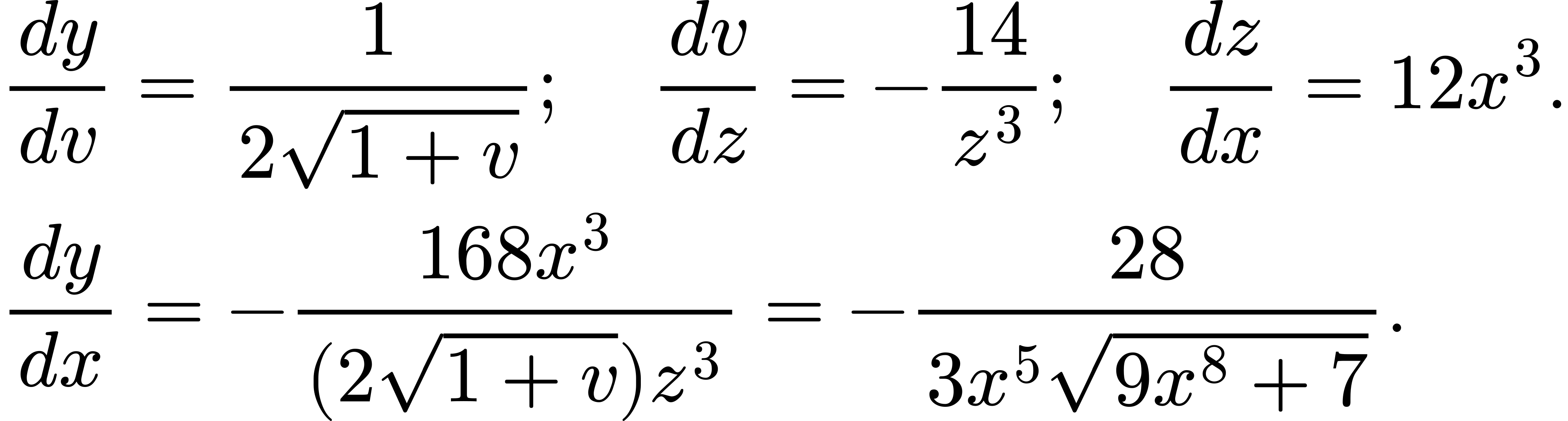
(1) If z equals 3 x Superscript 4 Baseline semicolon v equals StartFraction 7 Over z squared EndFraction semicolon y equals StartRoot 1 plus v EndRoot, find StartFraction d v Over d x EndFraction.

We have StartLayout 1st Row 1st Column Blank 2nd Column StartFraction d y Over d v EndFraction equals StartFraction 1 Over 2 StartRoot 1 plus v EndRoot EndFraction semicolon StartFraction d v Over d z EndFraction equals minus StartFraction 14 Over z cubed EndFraction semicolon StartFraction d z Over d x EndFraction equals 12 x cubed period 2nd Row 1st Column Blank 2nd Column StartFraction d y Over d x EndFraction equals minus StartFraction 168 x cubed Over left parenthesis 2 StartRoot 1 plus v EndRoot right parenthesis z cubed EndFraction equals minus StartFraction 28 Over 3 x Superscript 5 Baseline StartRoot 9 x Superscript 8 Baseline plus 7 EndRoot EndFraction period EndLayout

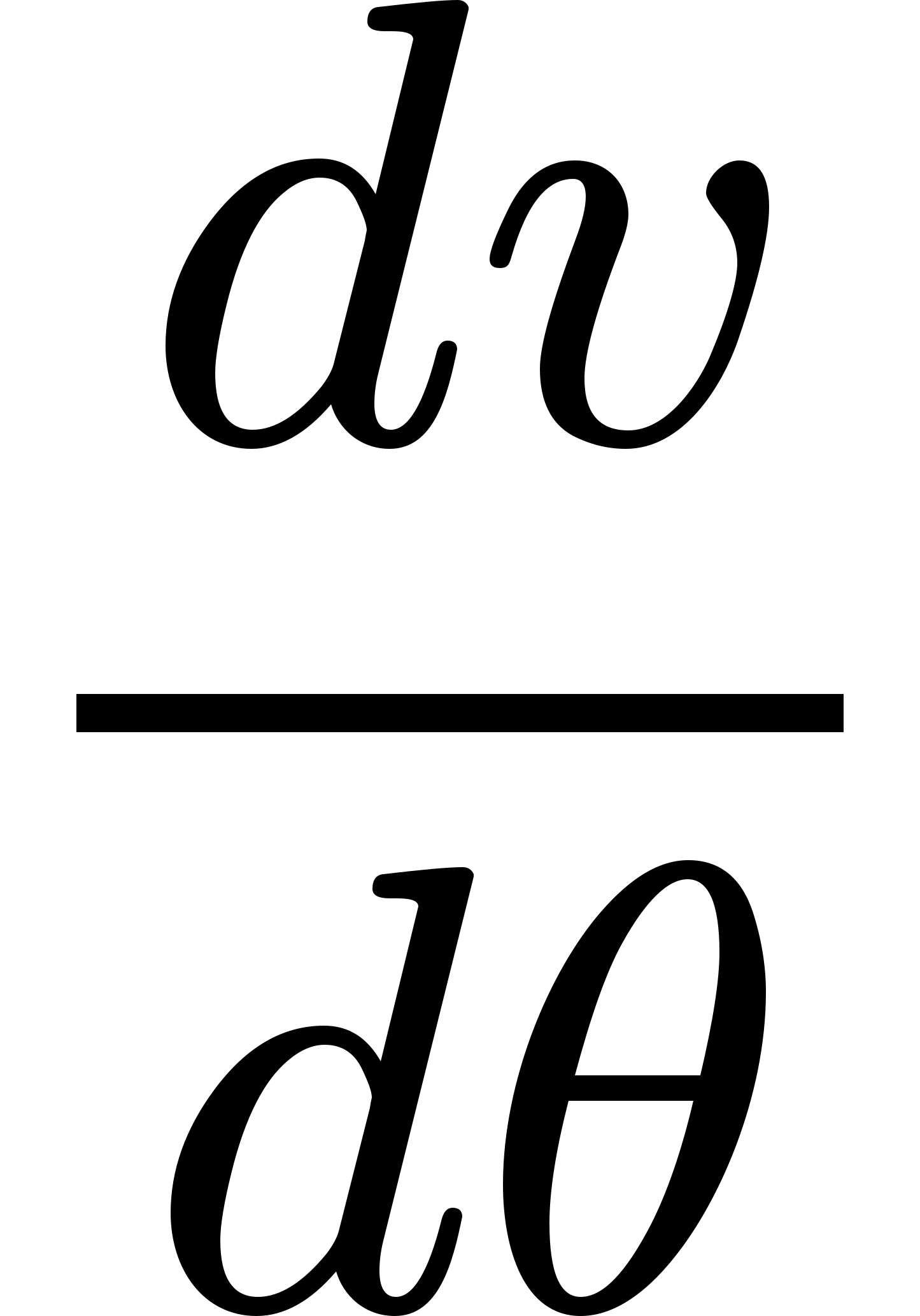
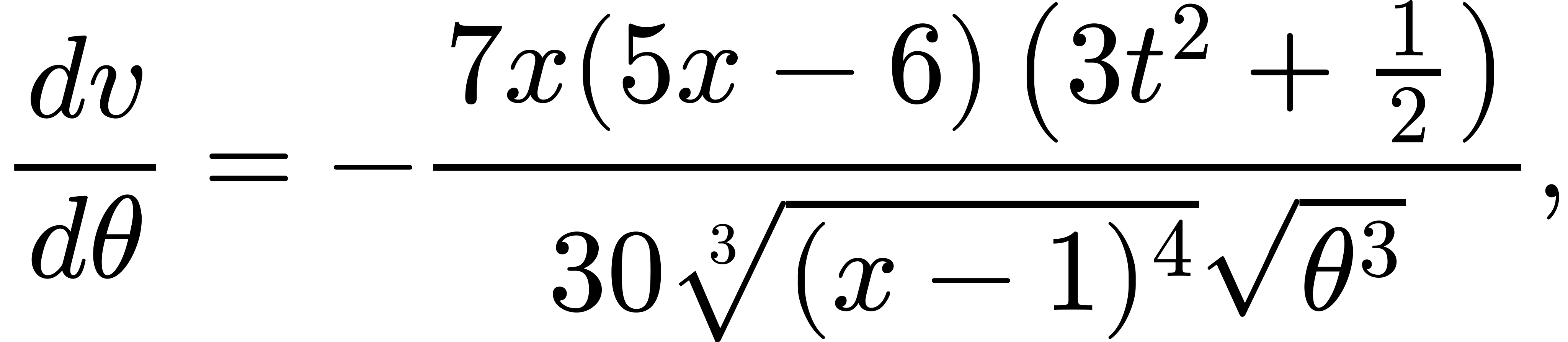
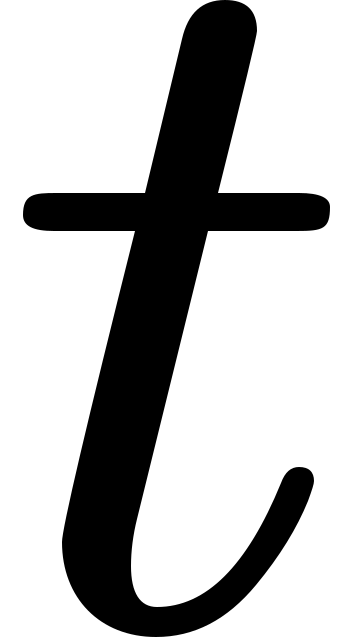
(2) If t equals StartFraction 1 Over 5 StartRoot theta EndRoot EndFraction semicolon x equals t cubed plus StartFraction t Over 2 EndFraction semicolon v equals StartFraction 7 x squared Over RootIndex 3 StartRoot x minus 1 EndRoot EndFraction, find StartFraction d v Over d theta EndFraction. StartFraction d v Over d x EndFraction equals StartFraction 7 x left parenthesis 5 x minus 6 right parenthesis Over 3 RootIndex 3 StartRoot left parenthesis x minus 1 right parenthesis Superscript 4 Baseline EndRoot EndFraction semicolon StartFraction d x Over d t EndFraction equals 3 t squared plus one half semicolon StartFraction d t Over d theta EndFraction equals minus StartFraction 1 Over 10 StartRoot theta cubed EndRoot EndFraction period

Hence StartFraction d v Over d theta EndFraction equals minus StartFraction 7 x left parenthesis 5 x minus 6 right parenthesis left parenthesis 3 t squared plus one half right parenthesis Over 30 RootIndex 3 StartRoot left parenthesis x minus 1 right parenthesis Superscript 4 Baseline EndRoot StartRoot theta cubed EndRoot EndFraction comma an expression in which x must be replaced by its value, and t by its value in terms of theta.

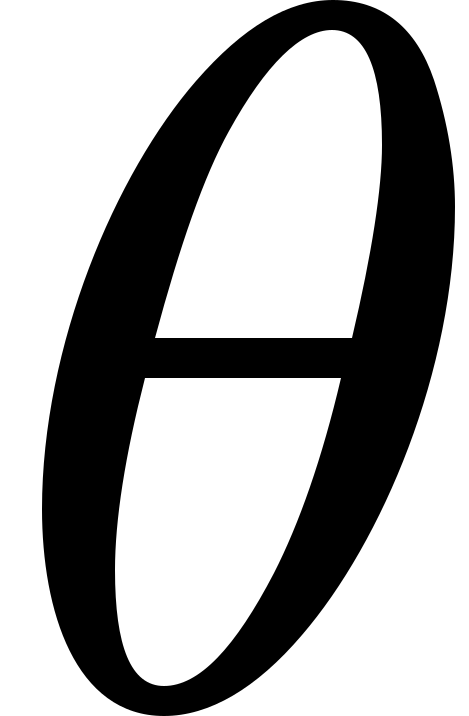
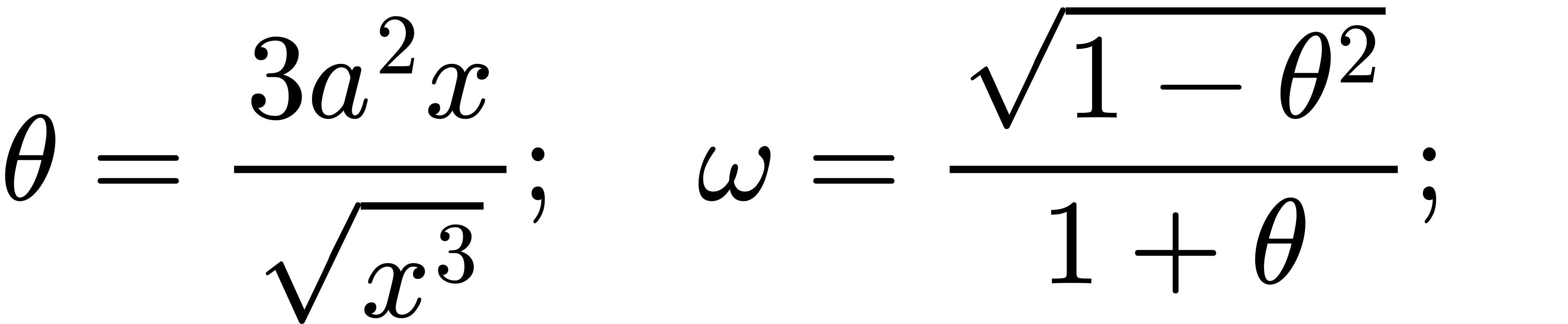
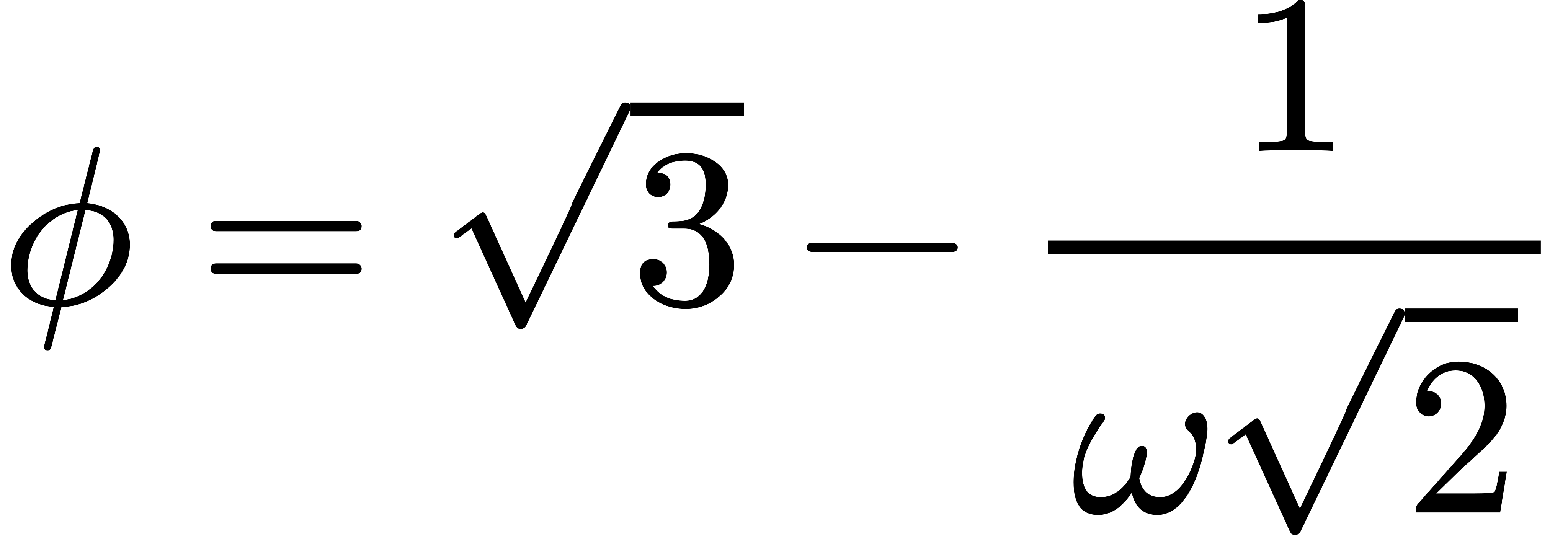
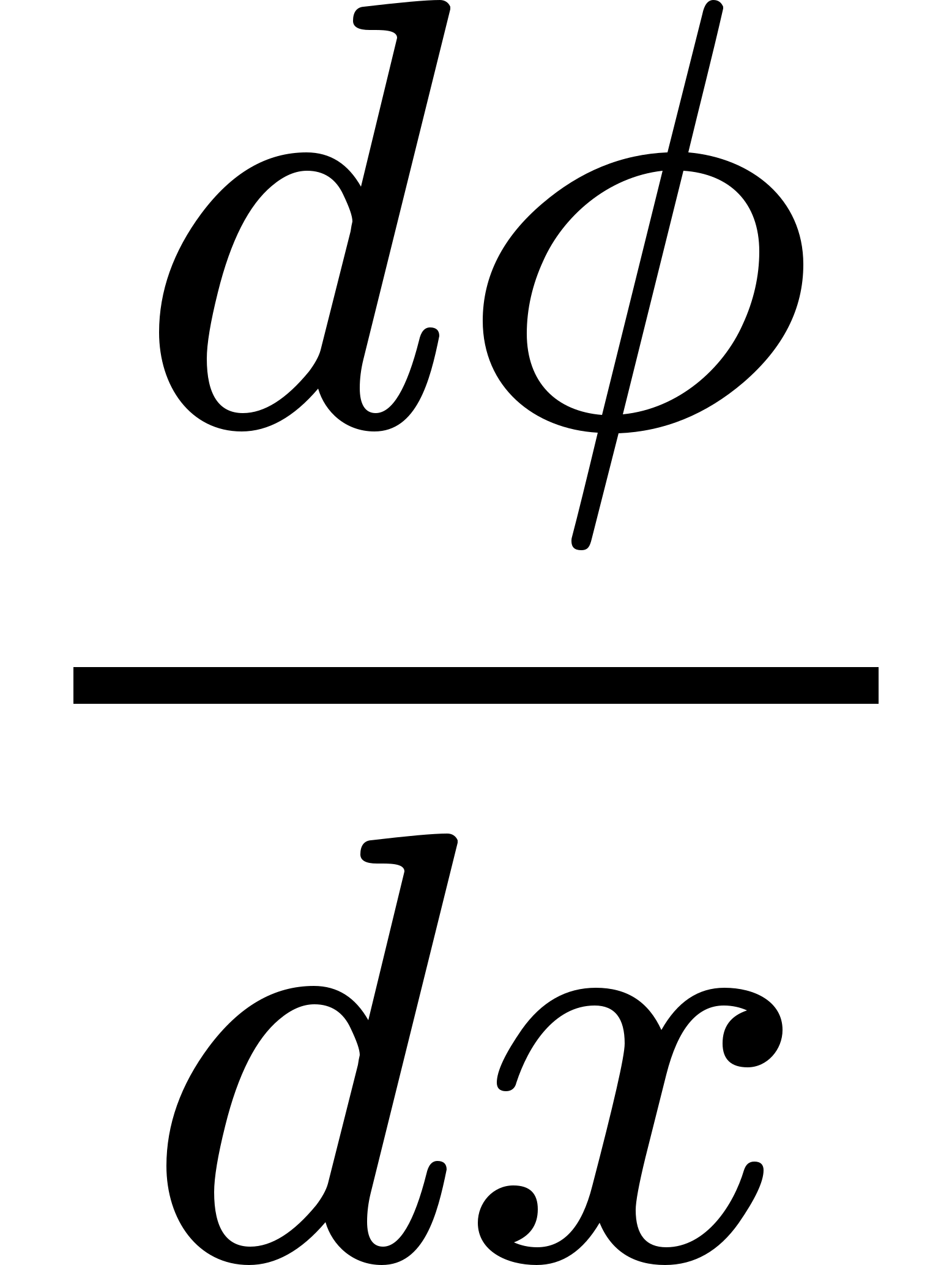
(3) If theta equals StartFraction 3 a squared x Over StartRoot x cubed EndRoot EndFraction semicolon omega equals StartFraction StartRoot 1 minus theta squared EndRoot Over 1 plus theta EndFraction semicolon and phi equals StartRoot 3 EndRoot minus StartFraction 1 Over omega StartRoot 2 EndRoot EndFraction, find StartFraction d phi Over d x EndFraction.

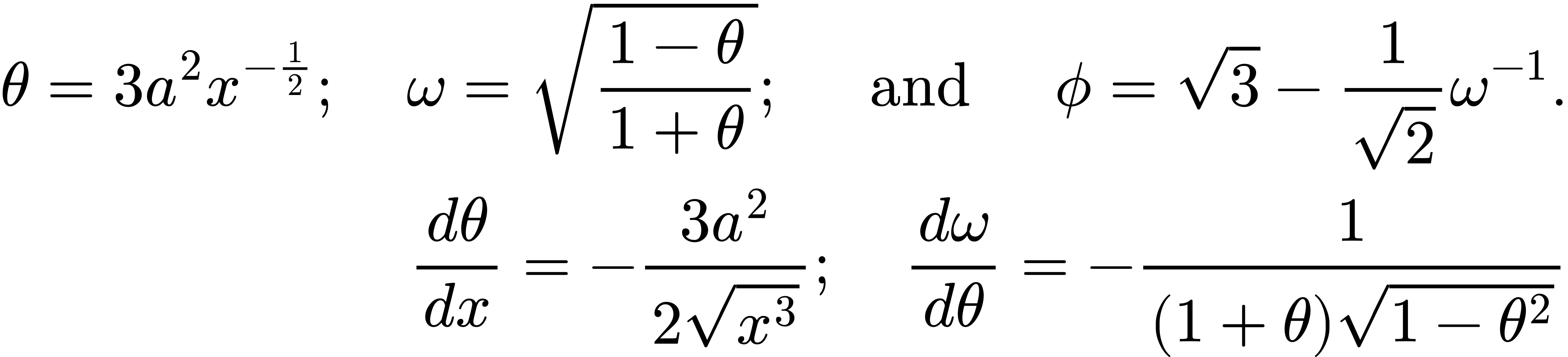
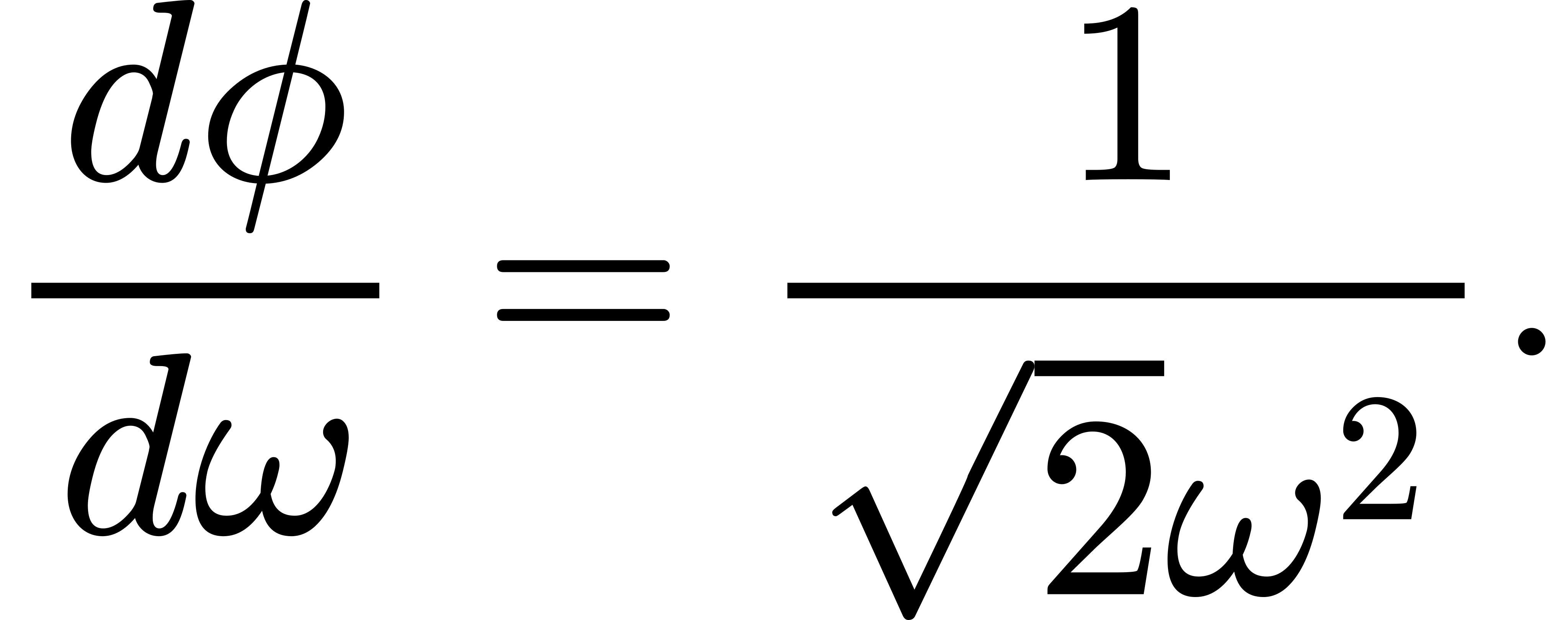
We get StartLayout 1st Row theta equals 3 a squared x Superscript negative one half Baseline semicolon omega equals StartRoot StartFraction 1 minus theta Over 1 plus theta EndFraction EndRoot semicolon and phi equals StartRoot 3 EndRoot minus StartFraction 1 Over StartRoot 2 EndRoot EndFraction omega Superscript negative 1 Baseline period 2nd Row StartFraction d theta Over d x EndFraction equals minus StartFraction 3 a squared Over 2 StartRoot x cubed EndRoot EndFraction semicolon StartFraction d omega Over d theta EndFraction equals minus StartFraction 1 Over left parenthesis 1 plus theta right parenthesis StartRoot 1 minus theta squared EndRoot EndFraction EndLayout (see example 5, p. 68); and StartFraction d phi Over d omega EndFraction equals StartFraction 1 Over StartRoot 2 EndRoot omega squared EndFraction period

So that StartFraction d theta Over d x EndFraction equals StartFraction 1 Over StartRoot 2 EndRoot times omega squared EndFraction times StartFraction 1 Over left parenthesis 1 plus theta right parenthesis StartRoot 1 minus theta squared EndRoot EndFraction times StartFraction 3 a squared Over 2 StartRoot x cubed EndRoot EndFraction.

Replace now first omega, then theta by its value.

Exercises VII. You can now successfully try the following. (See page 256 for Answers.)

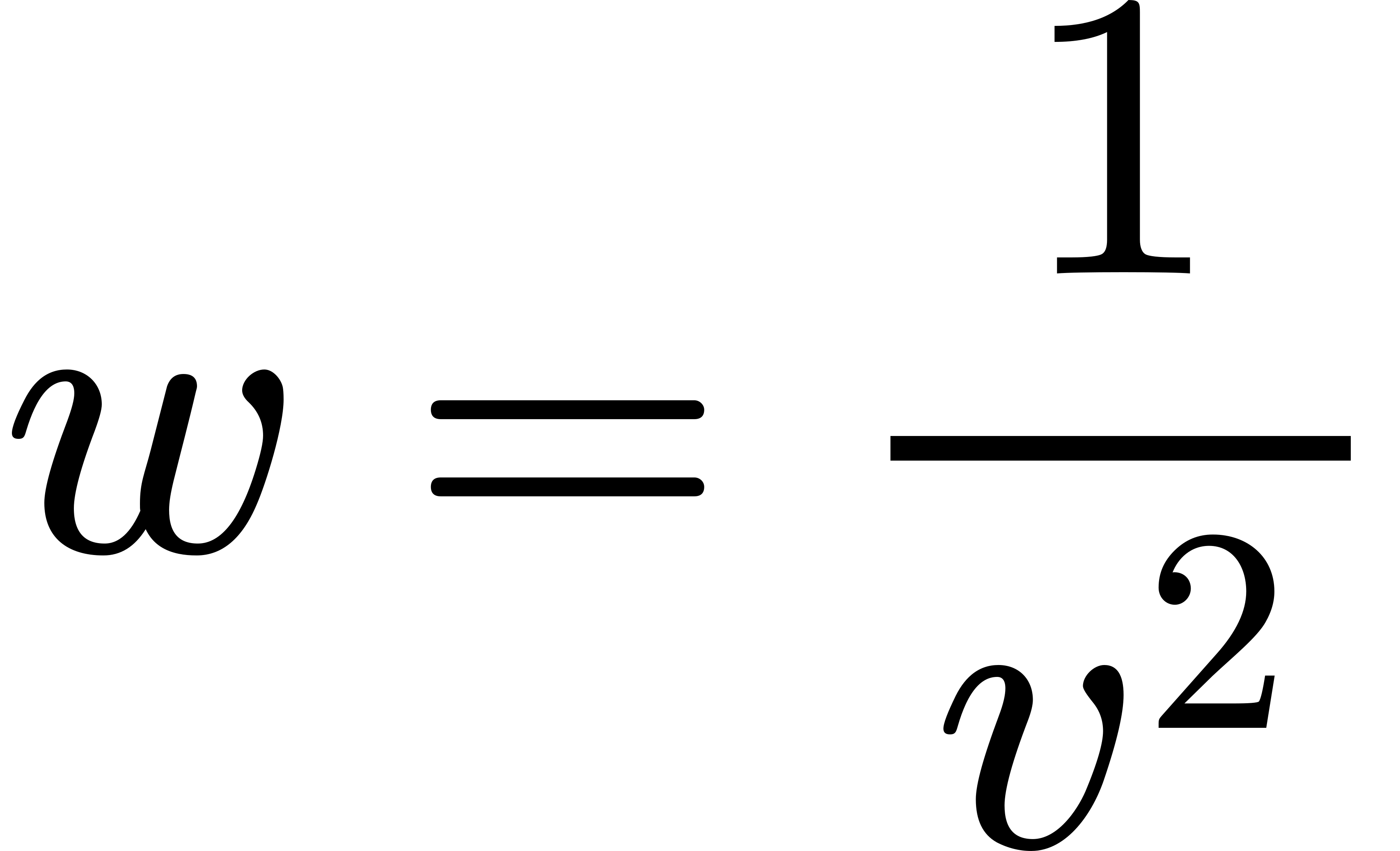
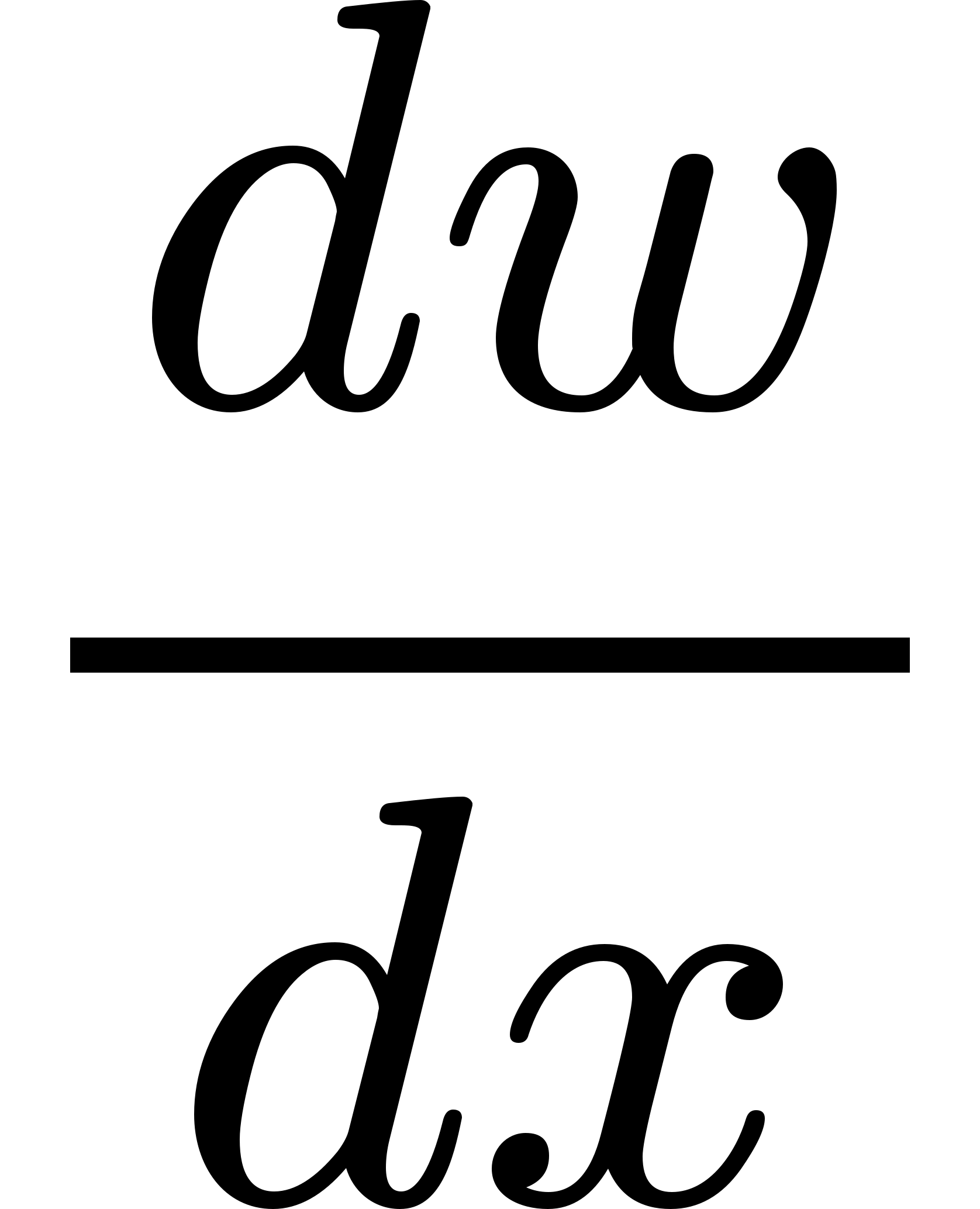
(1) If u equals one half x cubed semicolon v equals 3 left parenthesis u plus u squared right parenthesis semicolon and w equals StartFraction 1 Over v squared EndFraction, find StartFraction d w Over d x EndFraction.

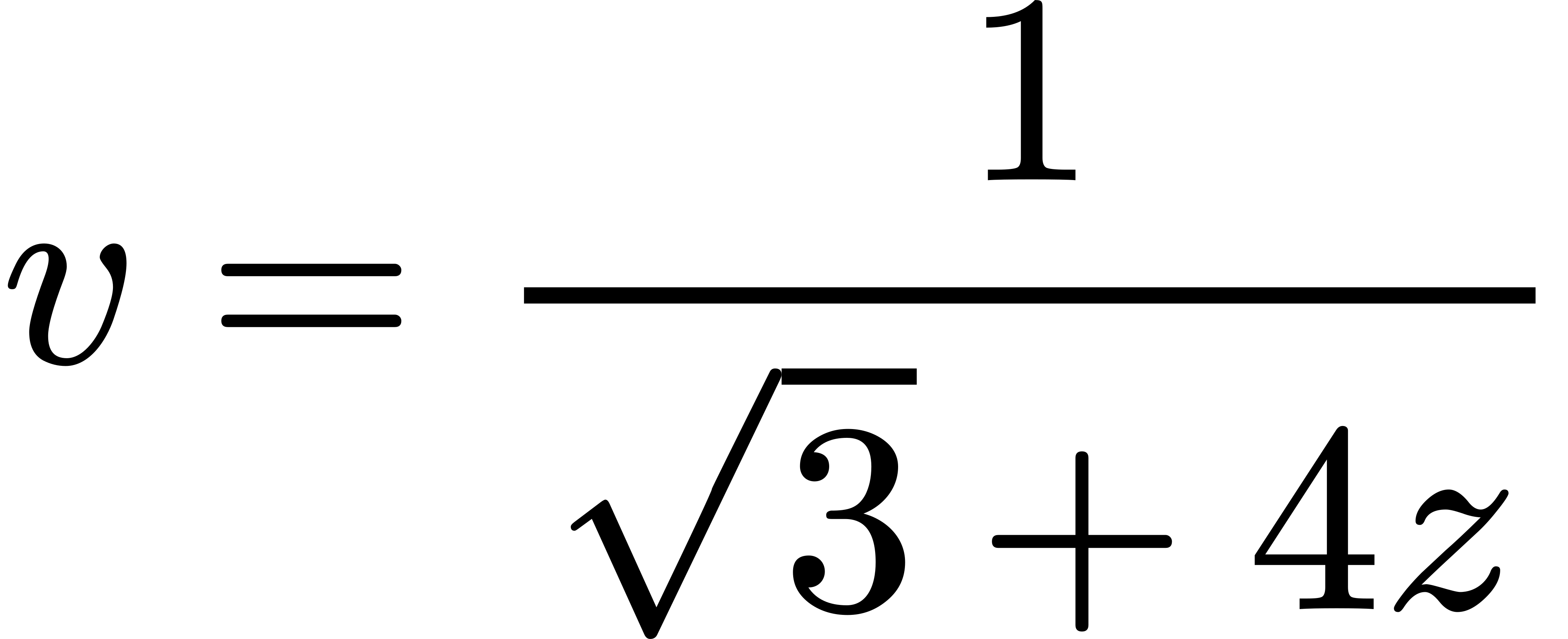
(2) If y equals 3 x squared plus StartRoot 2 EndRoot semicolon z equals StartRoot 1 plus y EndRoot semicolon and v equals StartFraction 1 Over StartRoot 3 EndRoot plus 4 z EndFraction, find StartFraction d v Over d x EndFraction.

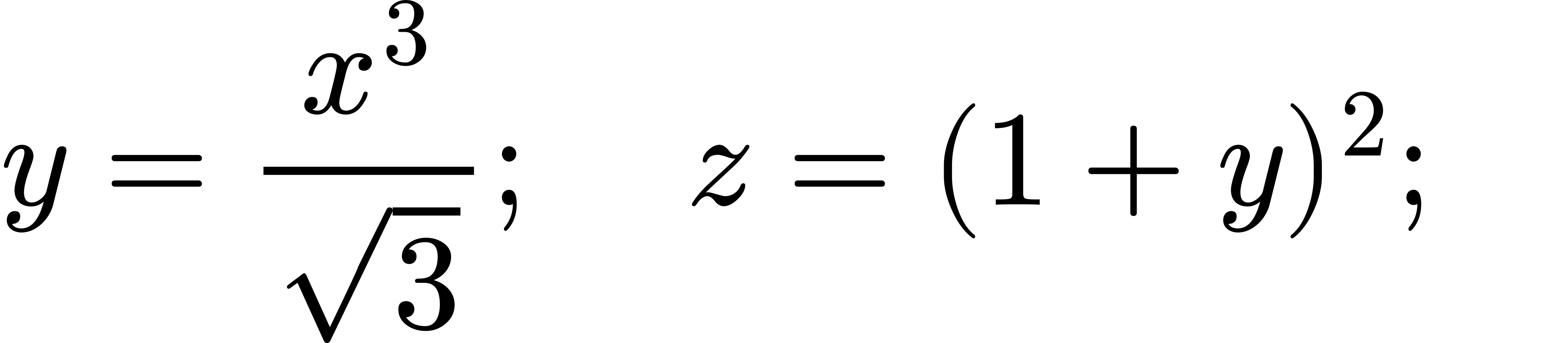
(3) If y equals StartFraction x cubed Over StartRoot 3 EndRoot EndFraction semicolon z equals left parenthesis 1 plus y right parenthesis squared semicolon and u equals StartFraction 1 Over StartRoot 1 plus z EndRoot EndFraction, find StartFraction d u Over d x EndFraction.