Chapter 54: Chhoti kahaniyan
Chhoti kahaniyan — suno, samjho, likho
Grammar padh li, shabd yaad kar liye — par jab koi English bolta hai to sab tez lagta hai. Iska ilaaj ek hi hai: roz thoda sunna. Is chapter me chhe chhoti kahaniyan hain — Priya ka pehla din, train me khoya phone, Sunday ka bazaar, ek surprise party, baarish ka din aur naye padosi. Har kahani pehle suno, phir transcript kholo. Aakhir me quiz me sunkar jawaab doge aur sunkar likhoge (dictation).
- 1Sunne ka tareeka — pehle, beech me, baad me
- 2Kahani 1 — Priya's first day
- 3Kahani 2 — The lost phone
- 4Kahani 3 — Sunday at the market
- 5Kahani 4 — The birthday surprise
- 6Kahani 5 — A rainy day
- 7Kahani 6 — The new neighbour
- 8Dictation ki taiyaari — sunne ki paanch galtiyan
54.1 Sunne ka tareeka — pehle, beech me, baad me
Achha listener seedha 🔊 dabakar shuru nahi karta. Wo teen kadam me sunta hai: sunne se pehle andaaza lagata hai, sunte waqt sirf zaroori cheez pakadta hai, aur sunne ke baad transcript se milaata hai.
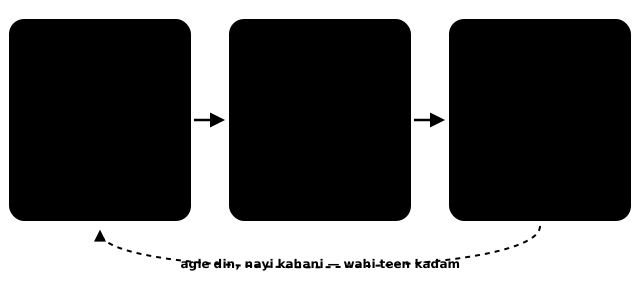
Do baar suno, phir padho
Pehli baar gist (mota-mota kya hua), doosri baar detail (naam, samay, jagah). Transcript sirf teesre kadam me. Har shabd samajhna zaroori nahi — kahani samajhna zaroori hai.
Har kahani ke liye paanch sawaal dimaag me rakho. Ye "story map" har kahani par lagta hai — aur quiz ke zyaadatar sawaal inhi se aate hain.
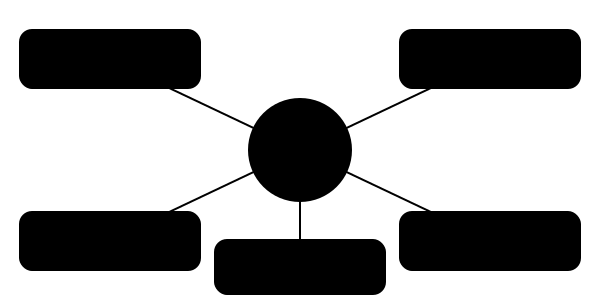
54.2 Kahani 1 — Priya's first day
Priya Pune me rehti hai aur uski nayi naukri ka pehla din hai. Kahani past simple me hai (woke, wore, took, was). Suno: Priya subah kaisa mehsoos kar rahi thi, aur lunch par uske saath kaun baitha?
| Shabd | Matlab |
|---|---|
| nervous | ghabraaya hua |
| manager | boss, sanchaalak |
| introduced | parichay karaaya |
| colleagues | saath kaam karne wale |
| wore | pehna (wear ka past) |
🎧 Poori kahani suno
- Story 1 — Priya's first day Pehli baar: kya hua? Doosri baar: naam aur samay pakdo.
Transcript
Priya is twenty-three years old, and she lives in Pune. Last Monday was her first day at a new job. She woke up at six o'clock and wore her new blue kurta. She took a bus to the office. She was a little nervous. Her manager, Mr Desai, was very kind. He showed her the office and introduced her to the team. At lunch, two colleagues, Neha and Farhan, sat with her. In the evening, Priya called her mother. She said that she loved her new job.
- She was a little nervous. Wo thodi ghabraayi hui thi. "a little" = thoda — bahut nahi.
- He showed her the office and introduced her to the team. Usne use office dikhaaya aur team se milwaaya. "showed her" me "her" bahut halka bolte hain — "sho-der".
- She said that she loved her new job. Usne kaha ki use nayi naukri bahut pasand hai. Shaam tak ghabraahat khushi me badal gayi.
-ed ki aawaz chhoti hoti hai
Past simple ka -ed teen tarah bola jaata hai: called (d), walked (t), wanted (id). Ye aawaz halki hai — dhyan se suno. Dictation me sabse zyada yahi -ed chhoot jaata hai.
54.3 Kahani 2 — The lost phone
Arjun Mumbai ki local train se office jaata hai. Ek din bheed me uska phone kho jaata hai. Suno: phone kahan mila, aur Arjun ko jab phone nahi mila to kaisa laga?
| Shabd | Matlab |
|---|---|
| crowded | bheed bhara |
| got off | utar gaya |
| exit | bahar jaane ka raasta |
| explained | samjhaaya, bataaya |
| thanked | shukriya kaha |
🎧 Poori kahani suno
- Story 2 — The lost phone Dhyan do: kahani present se shuru hoti hai (takes — roz ki aadat), phir past me jaati hai.
Transcript
Arjun takes the local train to work every day. On Friday, the train was very crowded. He got off at Dadar station and walked to the exit. Then he put his hand in his pocket. His phone was not there! He felt terrible. He ran back, but the train was gone. A railway policeman asked him what was wrong, and Arjun explained. The policeman called the next station. An hour later, a kind woman brought the phone to the station office. She found it under a seat. Arjun thanked her again and again.
- Arjun takes the local train to work every day. Arjun roz local train se kaam par jaata hai. "every day" = roz ki aadat → present simple.
- His phone was not there! He felt terrible. Phone wahan nahi tha! Use bahut bura laga. "terrible" = bahut bura — yahan dar aur pareshaani.
- She found it under a seat. Use phone ek seat ke neeche mila. "found it" jud kar "faun-dit" sunai deta hai.
Sunne ki galti — jude hue shabd
- Galat: He gotto fat Dadar station.
- Sahi: He got off at Dadar station.
- Kyun: Bolte waqt "got off at" ek lambi aawaz ban jaati hai — "go-to-fat". Jab ajeeb shabd sunai de, socho: kaunse do-teen chhote shabd jud gaye?
54.4 Kahani 3 — Sunday at the market
Meena har Sunday apne dada ji ke saath sabzi mandi jaati hai. Yahan present simple (aadat) aur past simple (aaj kya hua) dono hain. Suno: wo jaldi kyon jaate hain, aur aaj Meena ne kya khareeda?
| Shabd | Matlab |
|---|---|
| fresh | taaza |
| stalls | thele, chhoti dukaanein |
| expensive | mehenga |
| instead | uski jagah |
| heavy | bhaari |
🎧 Poori kahani suno
- Story 3 — Sunday at the market Number par dhyan do: kitne baje nikle, aam kitne ke the?
Transcript
Every Sunday, Meena and her grandfather go to the vegetable market near their house. They leave early, at seven, because the vegetables are fresh in the morning. Grandfather always buys tomatoes, onions and green chillies. Meena likes the fruit stalls. Today she wanted mangoes, but they were very expensive. They cost two hundred rupees a kilo! So she bought bananas instead. Grandfather talked to all the shopkeepers, because he knows everyone. They walked home slowly with two heavy bags.
- They leave early, because the vegetables are fresh in the morning. Wo jaldi nikalte hain, kyonki subah sabziyan taazi hoti hain. "because" ke baad hamesha kaaran aata hai — "why?" wale sawaal ka jawaab yahin milta hai.
- So she bought bananas instead. To usne aam ki jagah kele khareede. "instead" sunte hi samjho — plan badal gaya.
- Grandfather talked to all the shopkeepers, because he knows everyone. Dada ji sab dukaandaron se baat karte rahe, kyonki wo sabko jaante hain. "knows" present me hai — ye hamesha ka sach hai.
because = kaaran ka darwaza
Jab sawaal "Why…?" ho, to kahani me because ya so ka intezaar karo. because ke baad kaaran, so ke baad nateeja. Ye do chhote shabd "why" ke aadhe jawaab khud de dete hain.
54.5 Kahani 4 — The birthday surprise
Rahul ka janmdin hai, par lagta hai sab bhool gaye. Kahani me ek mod (twist) hai — "but" aur "when" par dhyan do. Suno: Rahul dopahar me udaas kyon tha, aur party kahan hui?
| Shabd | Matlab |
|---|---|
| busy | vyast, kaam me laga |
| terrace | chhat |
| shouted | zor se bole, chillaaye |
| planned | yojana banaayi |
| surprise | achaanak khushi |
🎧 Poori kahani suno
- Story 4 — The birthday surprise "but" ke baad pareshaani aati hai, "When he opened the door" ke baad twist.
Transcript
Saturday was Rahul's birthday, but his wife, Anjali, said she was busy all day. Rahul was a bit sad. In the evening, she asked him to come up to the terrace for some fresh air. When he opened the door, the lights came on. All his friends were there! They shouted happy birthday and laughed. There was a big chocolate cake on the table. Anjali planned the party for two weeks, and Rahul knew nothing about it. He said it was the best birthday of his life.
- His wife said she was busy all day. Rahul was a bit sad. Biwi ne kaha wo poore din vyast hai. Rahul thoda udaas tha. Kaaran aur bhaav ek ke baad ek — yahi "why was he sad?" ka jawaab hai.
- When he opened the door, the lights came on. Jaise hi usne darwaza khola, battiyan jal uthin. "came on" = jal gayi (light/TV ke liye).
- It was the best birthday of his life. Ye uski zindagi ka sabse achha janmdin tha. Udaasi se khushi tak — kahani ka poora safar.
54.6 Kahani 5 — A rainy day
Kolkata me zor ki baarish — school band, aur ek bachchi ke liye mazedaar din. Is kahani me samay ke shabd hain: on Tuesday morning, in the afternoon, in the evening. Suno: Tara ghar par kyon thi, aur bachchon ne kya banaaya?
| Shabd | Matlab |
|---|---|
| heavily | bahut zor se |
| closed | band ho gaye |
| paper boats | kaagaz ki naav |
| sailed | (naav) chalaayi |
| the power went off | bijli chali gayi |
🎧 Poori kahani suno
- Story 5 — A rainy day Samay ke shabd ek naksha banaate hain: subah → dopahar → shaam.
Transcript
On Tuesday morning, it rained very heavily in Kolkata. The streets were full of water, and the schools closed. Ten-year-old Tara was happy. She stayed at home with her little brother, Babu. They made paper boats and sailed them in the water near the gate. Their mother made hot pakoras and tea. In the afternoon, the power went off, so Tara read a story book by the window. In the evening, the rain stopped and the sky turned orange.
- The streets were full of water, and the schools closed. Sadkein paani se bhari thin, aur school band ho gaye. Isi line me Tara ke ghar rehne ka kaaran hai.
- Tara read a story book by the window. Tara ne khidki ke paas kahani ki kitaab padhi. Yahan "read" past hai, bola jaata hai "red" — "reed" nahi.
read — likhne me same, bolne me alag
- Galat: Tara reads a story book. (dictation me galat suna)
- Sahi: Tara read a story book.
- Kyun: Past "read" ki aawaz "red" hai. Kahani past me chal rahi hai (rained, stayed, made), isliye yahan "reads" ho hi nahi sakta. Baaki kahani ka tense bhi clue hai.
54.7 Kahani 6 — The new neighbour
Ye kahani "I" (main) bol raha hai — kahani sunaane wala khud kirdaar hai. Suno: naya padosi kaun hai, kya kaam karta hai, aur kya lekar aaya?
| Shabd | Matlab |
|---|---|
| neighbour | padosi |
| moved into | rehne aaye |
| doorbell | ghanti (darwaze ki) |
| nurse | nurse, parichaarika |
| invited | bulaaya, nyota diya |
🎧 Poori kahani suno
- Story 6 — The new neighbour Pehle past (moved, saw, rang), phir present (is, works, teaches) — aaj ki sachchai.
Transcript
Last week, a new family moved into the flat next to ours. On the first day, I saw a lot of boxes on the stairs. The next morning, the doorbell rang. It was a young man with a plate of sweets. His name is Joseph, and he is from Kochi. He works at a hospital as a nurse, and his wife teaches music. My mother invited them for dinner on Sunday. Now our children play together every evening.
- It was a young man with a plate of sweets. Darwaze par ek naujawaan mithai ki plate lekar khada tha. "a plate of" jud kar "uh-PLAY-tuv" sunai deta hai.
- He works at a hospital as a nurse. Wo hospital me nurse ka kaam karta hai. "as a" = ke roop me. Naukri batane ka sabse aam tareeka.
- Now our children play together every evening. Ab hamare bachche roz shaam saath khelte hain. Kahani ka ant — dosti ho gayi.
Chhote shabd bhi suno — a, the, of
Fast English me a, the, of, to, and bahut halke bolte hain ("uh", "thuh", "uv"). Dictation me agar vaakya adhoora lage, to inhi ko jodo. a plate of sweets → "uh PLAY-tuv sweets".
54.8 Dictation ki taiyaari — sunne ki paanch galtiyan
Quiz me chaar dictation hain: aap sunoge, aur poora vaakya type karoge. Har shabd alag se check hoga. Ye wo galtiyan hain jo Hindi bolne wale sabse zyada karte hain — pehle se jaan lo.
Dictation me aam galtiyan
- Galat: He walk to the exit.
- Sahi: He walked to the exit.
-
Kyun: "walked" ki aakhri "t" aawaz agle "to" me mil jaati hai. Kahani past me hai? To verb par -ed lagao.
-
Galat: They cost two hundred rupee.
- Sahi: They cost two hundred rupees.
-
Kyun: Ek se zyada = plural -s. "two hundred" sunte hi aage ka noun plural hoga, chahe -s saaf sunaai na de.
-
Galat: Mangoes cost fifteen rupees a kilo.
- Sahi: Mangoes cost fifty rupees a kilo.
-
Kyun: fif-TEEN me zor aakhri hisse par aur "n" lambi; FIF-ty me zor shuru me, aakhir chhota "tee". Yahi farq 13/30, 14/40, 16/60 me bhi.
-
Galat: She took bus to office.
- Sahi: She took a bus to the office.
-
Kyun: Hindi me articles nahi hote, isliye kaan unhe "chhod" deta hai. English me noun ke aage aksar a / the hota hai — dictation ke baad har noun ke aage check karo.
-
Galat: The sky turn orange in the evening.
- Sahi: The sky turned orange in the evening.
- Kyun: "turned orange" me -ed aur "o" mil jaate hain: "tern-DOR-inj". Do vowel ya consonant milte hi ek shabd ka ant doosre ki shuruaat ban jaata hai.
- Fifteen. Fifty. Fifteen rupees. Fifty rupees. Farq suno: fif-TEEN vs FIF-ty.
- Thirteen. Thirty. Fourteen. Forty. Wahi pattern — -teen me zor peeche, -ty me aage.
- He walked to the exit. He called his mother. "walkt" aur "cawld" — -ed ki do aawazein.
Dictation ka teen-step tareeka
1. Poora suno, kuch mat likho. 2. Dobara suno aur likho. 3. Grammar se check karo: tense, -s, a/the. Kaan + grammar = sahi dictation.
54.9 Practice — Chhoti kahaniyan
Exercise 1
Kahani pehli baar sunte waqt sabse zaroori kya hai?
- Gist — mota-mota kya hua
- Har shabd ka matlab
- Transcript saath me padhna
- Spelling yaad karna
Hint: Before → While → After yaad karo.
Jawaab
Gist — mota-mota kya hua
Pehli baar gist, doosri baar detail. Transcript sirf aakhir me.
Exercise 2
How did Priya feel in the morning?
Ise zor se padho, ya kisi se padhwao:
Last Monday was Priya's first day at a new job. She woke up at six o'clock and wore her new blue kurta. She took a bus to the office. She was a little nervous.
- a little nervous
- very angry
- bored
- sick
Jawaab
a little nervous
Transcript: “Last Monday was Priya's first day at a new job. She woke up at six o'clock and wore her new blue kurta. She took a bus to the office. She was a little nervous.”
'She was a little nervous' — nervous = ghabraayi hui.
Exercise 3
Who sat with Priya at lunch?
Ise zor se padho, ya kisi se padhwao:
Her manager, Mr Desai, was very kind. He showed her the office and introduced her to the team. At lunch, two colleagues, Neha and Farhan, sat with her.
- Neha and Farhan
- Mr Desai
- her mother
- nobody
Jawaab
Neha and Farhan
Transcript: “Her manager, Mr Desai, was very kind. He showed her the office and introduced her to the team. At lunch, two colleagues, Neha and Farhan, sat with her.”
Mr Desai ne office dikhaaya, par lunch par 'two colleagues, Neha and Farhan, sat with her'.
Exercise 4
Where did the woman find Arjun's phone?
Ise zor se padho, ya kisi se padhwao:
The policeman called the next station. An hour later, a kind woman brought the phone to the station office. She found it under a seat.
- under a seat
- in his pocket
- at the exit
- on the platform
Jawaab
under a seat
Transcript: “The policeman called the next station. An hour later, a kind woman brought the phone to the station office. She found it under a seat.”
'She found it under a seat' — under = neeche.
Exercise 5
How did Arjun feel when his phone was not in his pocket?
Ise zor se padho, ya kisi se padhwao:
He got off at Dadar station and walked to the exit. Then he put his hand in his pocket. His phone was not there! He felt terrible.
- terrible
- happy
- sleepy
- calm
Jawaab
terrible
Transcript: “He got off at Dadar station and walked to the exit. Then he put his hand in his pocket. His phone was not there! He felt terrible.”
'He felt terrible' — bahut bura laga. Phone khone par koi calm nahi rehta.
Exercise 6
Why do Meena and her grandfather go to the market early?
Ise zor se padho, ya kisi se padhwao:
Every Sunday, Meena and her grandfather go to the vegetable market near their house. They leave early, at seven, because the vegetables are fresh in the morning.
- because the vegetables are fresh
- because the market closes at eight
- because it is hot later
- because Meena has school
Jawaab
because the vegetables are fresh
Transcript: “Every Sunday, Meena and her grandfather go to the vegetable market near their house. They leave early, at seven, because the vegetables are fresh in the morning.”
'because the vegetables are fresh in the morning' — because ke baad kaaran.
Exercise 7
What did Meena buy?
Ise zor se padho, ya kisi se padhwao:
Meena likes the fruit stalls. Today she wanted mangoes, but they were very expensive. They cost two hundred rupees a kilo! So she bought bananas instead.
- bananas
- mangoes
- tomatoes
- green chillies
Jawaab
bananas
Transcript: “Meena likes the fruit stalls. Today she wanted mangoes, but they were very expensive. They cost two hundred rupees a kilo! So she bought bananas instead.”
Wo mangoes chahti thi, par mehenge the — 'so she bought bananas instead'.
Exercise 8
Why was Rahul a bit sad?
Ise zor se padho, ya kisi se padhwao:
Saturday was Rahul's birthday, but his wife, Anjali, said she was busy all day. Rahul was a bit sad.
- His wife said she was busy.
- He was ill.
- He lost his job.
- It was raining.
Jawaab
His wife said she was busy.
Transcript: “Saturday was Rahul's birthday, but his wife, Anjali, said she was busy all day. Rahul was a bit sad.”
Janmdin par biwi ne kaha 'I am busy all day' — isliye wo udaas tha.
Exercise 9
Where was the party?
Ise zor se padho, ya kisi se padhwao:
In the evening, she asked him to come up to the terrace for some fresh air. When he opened the door, the lights came on. All his friends were there!
- on the terrace
- in a restaurant
- at his office
- in the garden
Jawaab
on the terrace
Transcript: “In the evening, she asked him to come up to the terrace for some fresh air. When he opened the door, the lights came on. All his friends were there!”
'come up to the terrace' — terrace = chhat. Darwaza khulte hi dost wahin the.
Exercise 10
Why did Tara stay at home?
Ise zor se padho, ya kisi se padhwao:
On Tuesday morning, it rained very heavily in Kolkata. The streets were full of water, and the schools closed. Ten-year-old Tara was happy. She stayed at home with her little brother.
- The schools closed.
- She was ill.
- It was a holiday.
- Her mother was away.
Jawaab
The schools closed.
Transcript: “On Tuesday morning, it rained very heavily in Kolkata. The streets were full of water, and the schools closed. Ten-year-old Tara was happy. She stayed at home with her little brother.”
Baarish se sadkon par paani — 'the schools closed'.
Exercise 11
What did Tara and Babu make?
Ise zor se padho, ya kisi se padhwao:
She stayed at home with her little brother, Babu. They made paper boats and sailed them in the water near the gate. Their mother made hot pakoras and tea.
- paper boats
- pakoras
- tea
- a kite
Jawaab
paper boats
Transcript: “She stayed at home with her little brother, Babu. They made paper boats and sailed them in the water near the gate. Their mother made hot pakoras and tea.”
Bachchon ne paper boats banaayin; pakore aur chai maa ne banaaye.
Exercise 12
What is Joseph's job?
Ise zor se padho, ya kisi se padhwao:
His name is Joseph, and he is from Kochi. He works at a hospital as a nurse, and his wife teaches music.
- a nurse
- a music teacher
- a doctor
- a shopkeeper
Jawaab
a nurse
Transcript: “His name is Joseph, and he is from Kochi. He works at a hospital as a nurse, and his wife teaches music.”
'He works at a hospital as a nurse.' Music to unki wife sikhaati hain.
Exercise 13
What did the new neighbour bring?
Ise zor se padho, ya kisi se padhwao:
The next morning, the doorbell rang. It was a young man with a plate of sweets.
- a plate of sweets
- a lot of boxes
- flowers
- a cake
Jawaab
a plate of sweets
Transcript: “The next morning, the doorbell rang. It was a young man with a plate of sweets.”
'a young man with a plate of sweets' — boxes to pehle din seedhiyon par the.
Exercise 14
How much do the mangoes cost?
Ise zor se padho, ya kisi se padhwao:
Those mangoes are very good. They cost fifty rupees a kilo.
- fifty rupees
- fifteen rupees
- five rupees
- five hundred rupees
Jawaab
fifty rupees
Transcript: “Those mangoes are very good. They cost fifty rupees a kilo.”
FIF-ty — zor shuru me. fif-TEEN me zor aakhir me hota.
Exercise 15
Kahani ke shabd ko uske matlab se jodo.
| A | B |
|---|---|
| nervous | mehenga |
| crowded | padosi |
| expensive | ghabraaya hua |
| neighbour | bheed bhara |
Jawaab
nervous — ghabraaya hua; crowded — bheed bhara; expensive — mehenga; neighbour — padosi
Ye chaaron shabd kahaniyon ki chaabi the — Priya nervous, train crowded, aam expensive, Joseph neighbour.
Exercise 16
Suno aur likho.
Dictation. Kisi se ye vaakya zor se padhwao, phir likh lo.
She took a bus to the office.
Jawaab
She took a bus to the office.
Dhyan do: 'a bus' aur 'the office' — dono articles.
Exercise 17
Suno aur likho.
Dictation. Kisi se ye vaakya zor se padhwao, phir likh lo.
His phone was not there.
Jawaab
His phone was not there.
'was not' — past simple, ek cheez ke liye 'was'.
Exercise 18
Suno aur likho.
Dictation. Kisi se ye vaakya zor se padhwao, phir likh lo.
They walked home slowly with two heavy bags.
Jawaab
They walked home slowly with two heavy bags.
'walked' ka -ed (t aawaz) aur 'bags' ka -s mat bhoolna.
Exercise 19
Suno aur likho.
Dictation. Kisi se ye vaakya zor se padhwao, phir likh lo.
The streets were full of water, and the schools closed.
Jawaab
The streets were full of water, and the schools closed.
'were' (plural streets), 'full of', aur 'closed' ka -ed.
Exercise 20
Rahul ki taraf se ye line bolo — jaise aapka hi janmdin ho.
It was the best birthday of my life
Jawaab
Bolo: It was the best birthday of my life
'best birthday' me dono b saaf bolo; 'of my' jud kar 'uv-my'.
Next step
Roz ek kahani teen baar suno — bina text, phir text ke saath, phir saath-saath bolkar (shadowing). Jab ye sab aasaan lage, aage badho Roz ki kahaniyan par: office ki meeting, customer care call aur dost ka voice note.