अध्याय 37: कौनसा शब्द किसके साथ (Collocations)
कौनसा शब्द किसके साथ — collocations
"I did a mistake" — grammar में कोई गलती नहीं, फिर भी कान को चुभता है। क्यों? क्योंकि English में कुछ शब्द जोड़ी में चलते हैं, जैसे Hindi में "चाय बनाना" और "खाना पकाना" — कोई "चाय पकाना" नहीं कहता। इन पक्की जोड़ियों को collocations कहते हैं। इनका कोई logic नहीं, सिर्फ़ आदत है — और यही आदत आपकी English को "सही" से "natural" बनाती है।
- 1Collocation क्या है — शब्दों की पक्की जोड़ियाँ
- 2make या do?
- 3have, take, give, get — चार छोटे verb, सैकड़ों जोड़ियाँ
- 4Adjective जोड़ियाँ — heavy rain, strong tea, high fever
- 5Verb + preposition — depend on, listen to
- 6बोलने वाले verbs — say, tell, speak, talk
- 7वो गलतियाँ जो हम सच में करते हैं
- 8Collocation कैसे सीखो — शब्द का जाल बनाओ
37.1 Collocation क्या है — शब्दों की पक्की जोड़ियाँ
Collocation गलत हो तो लोग समझ तो जाते हैं, पर तुरंत पता चल जाता है कि आप अनुवाद कर रहे हो। Dictionary का मतलब सही होने से काम नहीं चलता — साथी शब्द भी सही होना चाहिए।
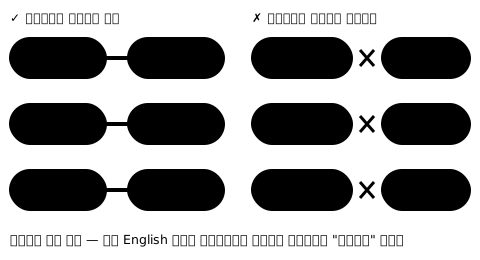
शब्द नहीं, जोड़ी सीखो
Collocation = दो शब्द जो आदत से साथ आते हैं: strong tea, heavy rain, make a mistake। इनका logic नहीं होता — इसलिए नया शब्द हमेशा उसके साथी के साथ लिखो और बोलो। "mistake" मत लिखो; "make a mistake" लिखो।
37.2 make या do?
Hindi में दोनों "करना" हैं, इसलिए ये सबसे बड़ी गड़बड़ है। एक मोटा नियम काफ़ी काम आता है — और जो नियम में न बैठे, वो बस जोड़ी में याद करने हैं।

- I made a few mistakes, but I did my best. गलती "बनती" है (make); कोशिश एक काम है (do)।
- Could you do me a favour and make a quick call to the bank? एक ही वाक्य में दोनों — favour = do, phone call = make।
make vs do
make = कुछ नया बनाना या पैदा करना (a decision, a mistake, money, a noise, a call)। do = काम, duty या क्रिया (homework, the dishes, exercise, a favour, your best)। "Do a mistake" सबसे आम Indian गलती है — गलती हमेशा make होती है।
37.3 have, take, give, get — चार छोटे verb, सैकड़ों जोड़ियाँ
ये चार verb इतने छोटे हैं कि इनका अपना मतलब लगभग खो जाता है — मतलब जोड़ी से आता है। इसलिए इन्हें अकेले नहीं, हमेशा साथी के साथ सीखो।
| Verb | पक्की जोड़ियाँ | सुनो |
|---|---|---|
| have | a meal · a bath · a good time · a look · a party · a chat | |
| take | a photo · a break · a seat · a bus · a chance · medicine | |
| give | a speech · advice · an example · a hand · a call · a smile | |
| get | ready · a job · home · lost · better · married |
Exam और दवाई — 'take'
Student exam take करता है (British: sit) — teacher exam give या set करता है। दवाई भी take होती है, "eat" नहीं: take your medicine। "I gave my exam" भारत में सब समझते हैं, पर बाहर इसका मतलब उल्टा लगता है — जैसे आपने exam लिया हो।
37.4 Adjective जोड़ियाँ — heavy rain, strong tea, high fever
Hindi में हम "तेज़ बारिश", "तेज़ चाय", "तेज़ बुखार" — सबके लिए एक "तेज़" बोल देते हैं। English में हर noun का अपना adjective है। यही जोड़ियाँ सबसे ज़्यादा पकड़ी जाती हैं।
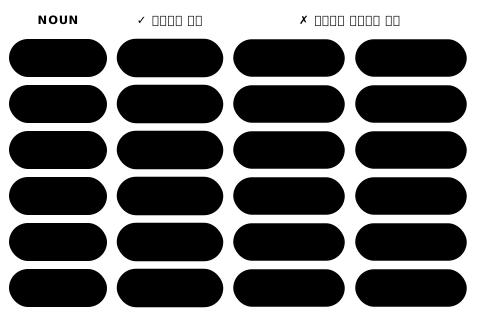
- There was heavy traffic because of the heavy rain. Traffic और बारिश दोनों "heavy" — "ज़्यादा" के लिए।
- She has a high fever, so she's in deep sleep now. बुखार "high", नींद "deep"।
- I need a cup of strong tea and some fresh air. कड़क चाय = strong tea। ताज़ी हवा = fresh air।
'तेज़' के छह रूप
heavy rain / traffic · strong tea / coffee / wind · high fever / price / temperature · deep sleep। Hindi का एक "तेज़" English में noun देखकर बदलता है। "big rain", "big fever", "expensive price" — तीनों से बचो।
37.5 Verb + preposition — depend on, listen to
कुछ verb अपने साथ एक खास preposition लाते हैं — और गलत preposition से मतलब बदल भी सकता है। इन्हें एक शब्द की तरह याद करो: depend-on, listen-to।
| जोड़ी | Example | सुनो |
|---|---|---|
| depend on | It depends on the weather. | |
| listen to | Listen to me carefully. | |
| wait for | I'm waiting for the bus. | |
| agree with (इंसान) | I agree with you. | |
| agree to (प्रस्ताव) | They agreed to our plan. | |
| apologise for | I apologise for the delay. | |
| look forward to + -ing | I look forward to meeting you. | |
| believe in | She believes in hard work. |
जिनके साथ कुछ नहीं लगता
कुछ verbs के बाद कोई preposition नहीं: discuss the plan, enter the room, reach Delhi, marry someone, answer the question। "discuss about", "reach at", "answer to the question" — तीनों गलत। और "look forward to" के बाद -ing: "looking forward to meeting you", "to meet you" नहीं।
37.6 बोलने वाले verbs — say, tell, speak, talk
चारों का मतलब "बोलना/कहना" है, पर जोड़ी अलग-अलग। यहीं "say a lie" और "tell me sorry" जैसी गलतियाँ जन्म लेती हैं। सबसे पहले say और tell का ढाँचा समझो।
- Always tell the truth, even when it's hard. सच "tell" होता है — और झूठ भी: tell a lie।
- He said sorry and told us what happened. say sorry · tell + us + बात।
- Do you speak Tamil? Let's talk about it later. भाषा "speak" होती है; किसी विषय पर "talk about"।
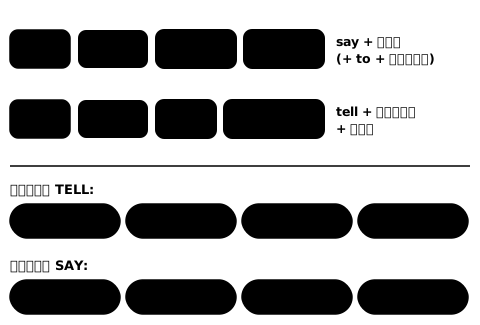
say vs tell
tell + इंसान (tell me, tell her) — और हमेशा tell the truth / a lie / a story / a joke। say + बात (say hello, say sorry, say thank you) — इंसान चाहिए तो say … to me। भाषा speak होती है, विषय पर talk about।
37.7 वो गलतियाँ जो हम सच में करते हैं
ये जोड़ियाँ भारत में इतनी आम हैं कि सही लगने लगती हैं। पर client call, interview या IELTS में यही छोटी जोड़ियाँ आपकी English को "translated" बना देती हैं।
Collocation की आम गलतियाँ
- गलत: I did a big mistake.
- सही: I made a big mistake.
-
क्यों: गलती हमेशा make होती है। "Do" काम के लिए है।
-
गलत: My son has big fever.
- सही: My son has a high fever.
-
क्यों: बुखार का नंबर होता है, इसलिए वो high होता है। और "a" मत भूलो: a high fever।
-
गलत: Don't say a lie.
- सही: Don't tell a lie.
-
क्यों: झूठ और सच दोनों tell होते हैं: tell a lie, tell the truth।
-
गलत: I gave my exam yesterday.
- सही: I took my exam yesterday. / I sat my exam yesterday.
-
क्यों: Student exam take करता है। "Give an exam" बाहर teacher का काम लगता है।
-
गलत: Please close the light.
- सही: Please switch off the light. / Please turn off the light.
- क्यों: "लाइट बंद करो" का अनुवाद। Light, fan, TV switch on / switch off होते हैं; दरवाज़ा close होता है।
ये भी ध्यान दो — और एक अच्छी खबर
eat medicine → take medicine · do a party → have / throw a party · strong rain → heavy rain।
अच्छी खबर: take a decision बिल्कुल सही है (British और Indian English), और make a decision भी — दोनों में से कोई भी बोलो।
37.8 Collocation कैसे सीखो — शब्द का जाल बनाओ
Collocation का कोई formula नहीं, इसलिए तरीका ही सब कुछ है। हर नए ज़रूरी noun के चारों तरफ़ उसके साथी लिखो — कौनसे verb, कौनसे adjective, कौनसा preposition। एक जाल, एक page।
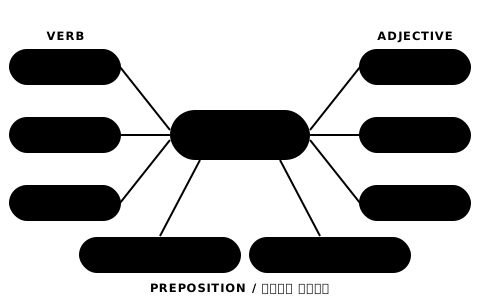
रोज़ की तीन आदतें
1. पढ़ते वक़्त शब्द नहीं, जोड़ी underline करो — "heavy traffic", "made a decision"।
2. Notebook में हर noun का छोटा जाल बनाओ, ऊपर जैसा।
3. शक हो तो जोड़ी को quotes में search करो — "big fever" vs "high fever" — जो ज़्यादा मिले, वही natural।
37.9 Practice — Collocations
अभ्यास 1
I need to ___ a phone call to the bank.
- make
- do
- give
- say
उत्तर
make
Phone call 'make' होती है — कुछ नया पैदा करना। 'Give me a call' भी चलता है, पर call करने वाला 'makes a call'।
अभ्यास 2
We had very ___ rain last night.
- heavy
- strong
- big
- high
उत्तर
heavy
बारिश 'heavy' होती है। 'Strong' हवा के लिए (strong wind), 'big rain' बिल्कुल नहीं।
अभ्यास 3
My son has a ___ fever. I'm taking him to the doctor.
- high
- big
- heavy
- strong
उत्तर
high
बुखार का नंबर होता है — इसलिए 'high fever', जैसे high temperature, high price।
अभ्यास 4
Can you do me a ___? Please pick up my parcel.
संकेत: एहसान — 'do' की पक्की जोड़ी।
उत्तर
favour / favor
'Do someone a favour' = किसी पर एहसान करना। Favour 'do' होता है, 'make' नहीं।
अभ्यास 5
It depends ___ the weather.
संकेत: depend के साथ कौनसा preposition?
उत्तर
on
हमेशा 'depend on' — 'depend upon' भी सही है पर पुराना लगता है। 'depend of' गलत।
अभ्यास 6
इस वाक्य में गलत verb पर टैप करो।
I did a big mistake in the exam.
उत्तर
गलत शब्द: did.
सही रूप: I made a big mistake in the exam.
गलती हमेशा 'make' होती है — make a mistake।
अभ्यास 7
एक शब्द गलत जोड़ी बना रहा है — ढूँढो।
Never say a lie to your parents.
उत्तर
गलत शब्द: say.
सही रूप: Never tell a lie to your parents.
झूठ और सच 'tell' होते हैं — tell a lie, tell the truth।
अभ्यास 8
Verb को उसकी पक्की जोड़ी से मिलाओ।
| A | B |
|---|---|
| make | a photo |
| do | a speech |
| take | a mistake |
| give | your homework |
उत्तर
make — a mistake; do — your homework; take — a photo; give — a speech
make = पैदा करना, do = काम, take a photo, give a speech — इन्हें जोड़ी में ही याद करो।
अभ्यास 9
Adjective को सही noun से मिलाओ।
| A | B |
|---|---|
| heavy | temperature |
| strong | sleep |
| high | traffic |
| deep | coffee |
उत्तर
heavy — traffic; strong — coffee; high — temperature; deep — sleep
Hindi का 'तेज़/ज़्यादा' English में noun देखकर बदलता है — heavy traffic, strong coffee, high temperature, deep sleep।
अभ्यास 10
सही क्रम में लगाओ — email की आखिरी लाइन।
शब्द: forward / you / I / to / meeting / looking / am
उत्तर
I am looking forward to meeting you
'look forward to' के बाद -ing: meeting। 'to meet you' यहाँ गलत है।
अभ्यास 11
ये वाक्य बोलो — दो पक्की जोड़ियाँ एक साथ।
I made a mistake, but I told the truth
उत्तर
बोलो: I made a mistake, but I told the truth
make a mistake + tell the truth। 'made a' को जोड़कर बोलो — 'मेई-डा'।
आगे क्या करो
इस हफ़्ते एक "जोड़ी डायरी" रखो। रोज़ जो भी English पढ़ो या सुनो, उसमें से तीन जोड़ियाँ लिखो। महीने के अंत तक नब्बे जोड़ियाँ — और उनमें से आधी आपकी ज़बान पर होंगी।