अध्याय 32: Small talk और राय देना
Small talk और राय देना — बात शुरू करना, चलाना, खत्म करना
ऑफिस की लिफ़्ट, शादी का बुफ़े, कॉन्फ़्रेंस का चाय ब्रेक — यही दो-तीन मिनट की बातें रिश्ते बनाती हैं। हममें से बहुत लोग यहाँ चुप हो जाते हैं, क्योंकि दिमाग में एक ही सवाल घूमता है: "क्या बोलूँ?" सच ये है कि small talk में कोई गहरी बात नहीं चाहिए — बस एक ढाँचा चाहिए: शुरू कैसे करो, आगे कैसे बढ़ाओ, अपनी राय कैसे रखो, और इज़्ज़त से कैसे निकलें। हर लाइन पर 🔊 है। सुनो, साथ में बोलो, और कल किसी से try करो।
- 1Small talk का नक्शा — चार कदम
- 2बात शुरू करना — मौसम, काम, और जहाँ आप दोनों हैं
- 3बात आगे बढ़ाना — follow-up सवाल
- 4अपनी राय देना — I think, In my view, To be honest
- 5सहमत और असहमत — बिना झगड़े के
- 6बात खत्म करना — इज़्ज़त से
- 7एक पूरी बातचीत — शुरू से अंत तक
- 8वो गलतियाँ जो हम सच में करते हैं
32.1 Small talk का नक्शा — चार कदम
जब दिमाग में रास्ता साफ़ हो, तो घबराहट आधी हो जाती है। हर अच्छी छोटी बातचीत इन चार कदमों से गुज़रती है — और बीच के दो कदम बार-बार घूमते हैं।
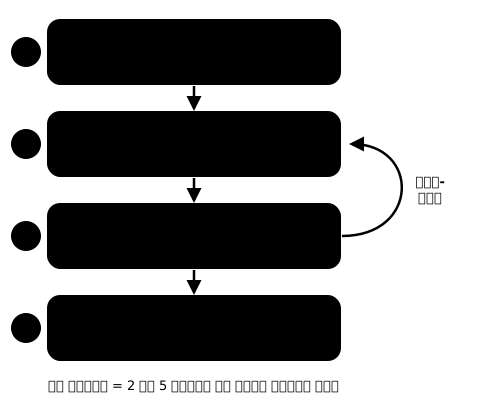
चार कदम
Open → Follow up → Share → Close. बीच के दो कदम (सवाल और अपनी बात) बार-बार घूमते हैं — यही बातचीत को ज़िंदा रखता है। Small talk का मक़सद जानकारी लेना नहीं, जुड़ना है।
पहली मुलाक़ात में ये topics मत छेड़ो
Safe: मौसम, ट्रैफ़िक, जिस event पर आप हो, खाना, काम, travel, movies, क्रिकेट।
Avoid: salary, "शादी कब कर रहे हो?", वज़न, धर्म, politics. हमारे यहाँ ये सवाल प्यार से पूछे जाते हैं, पर English बोलने वाले माहौल में ये बहुत personal लगते हैं।
32.2 बात शुरू करना — मौसम, काम, और जहाँ आप दोनों हैं
सबसे आसान opener वो है जो आप दोनों के सामने है — वही जगह, वही मौसम, वही खाना। एक छोटा statement, फिर एक सवाल। बस इतना।
| कहाँ | English line | सुनो |
|---|---|---|
| शादी / party | So, how do you know the bride and groom? | |
| Conference | Is this your first time at this conference? | |
| मौसम | It's so hot today, isn't it? | |
| बारिश | Looks like the rain's finally here. | |
| काम | What kind of work do you do? | |
| ऑफिस | How's your week going so far? | |
| खाना | Have you tried the paneer? It's really good. | |
| नया चेहरा | Hi, I don't think we've met. I'm Kavya. |
Opener का फ़ॉर्मूला
Statement + सवाल: "Great music tonight. Do you know the band?" Statement से माहौल बनता है, सवाल से सामने वाले को बोलने का मौका मिलता है। अकेला statement ("Hot day.") या अकेला सवाल ("Your name?") अधूरा लगता है।
Mini-dialogue — conference का चाय ब्रेक
हालत: conference में चाय ब्रेक है। आप अकेले खड़े हो, बगल में एक और इंसान भी अकेला है। पहले आप बोलो, फिर Meera की लाइन भी।
- आप: Hi! Is this your first time at this conference? शुरुआत — जगह के बारे में सवाल।
- Meera: No, second time, actually. Last year's was in Bengaluru. "actually" = असल में। उसने extra detail दी — अच्छा signal है।
- आप: Oh, nice. I'm Rohan, by the way. I work in logistics. "by the way" से नाम बीच में आराम से आ जाता है।
- Meera: Nice to meet you, Rohan. I'm Meera. I'm a data analyst. नाम के साथ काम — अब follow-up का रास्ता खुल गया।
- आप: So what brings you here this year? "इस साल यहाँ कैसे?" — बहुत natural follow-up।
- Meera: Mostly the AI sessions. My team wants to try some new tools. अब आप पूछ सकते हो: "Oh, which tools?" — बात चल पड़ी।
32.3 बात आगे बढ़ाना — follow-up सवाल
बातचीत अक्सर यहीं मर जाती है: सवाल आया, एक शब्द का जवाब गया, फिर चुप्पी। इससे बचने के दो हथियार हैं — ping-pong वाला जवाब, और अच्छे follow-up सवाल।
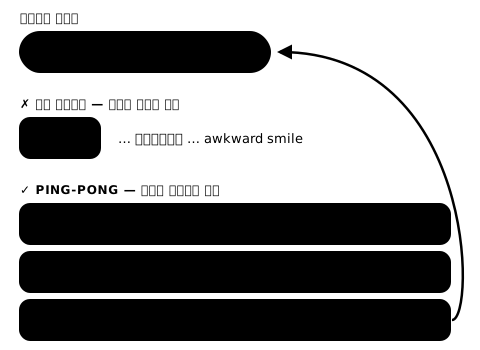
Ping-pong जवाब
जवाब + एक extra detail + सवाल वापस। "Pune. I moved here for work last year. What about you?" एक शब्द का जवाब बॉल को ज़मीन पर गिरा देता है — फिर दोनों खड़े रह जाते हैं।
- Oh, really? How did you get into that? उस काम में कैसे आए? — किसी के काम के बारे में सबसे अच्छा सवाल।
- What's that like? वो कैसा है? — नया शहर, नया काम, कुछ भी।
- That sounds interesting. What do you enjoy most about it? इसमें सबसे अच्छा क्या लगता है? — लोग अपनी पसंद के बारे में खुशी से बोलते हैं।
- How long have you been doing that? कब से कर रहे हो?
- And what about you? और आप? — बॉल वापस भेजने की सबसे छोटी लाइन।
बंद सवाल को खुला बनाओ
बंद: "Do you like Pune?" → जवाब सिर्फ़ हाँ या ना।
खुला: "What do you like about Pune?" → जवाब में कहानी आती है। What, how, why से शुरू होने वाले सवाल बात को लंबा चलाते हैं।
32.4 अपनी राय देना — I think, In my view, To be honest
राय देने से बात में जान आती है। पर हिंदी से सीधा अनुवाद करने पर राय अक्सर ज़्यादा सख्त सुनाई देती है। English में राय को थोड़ा नरम करके रखा जाता है — और कितना नरम, ये आप phrase से तय करते हो।
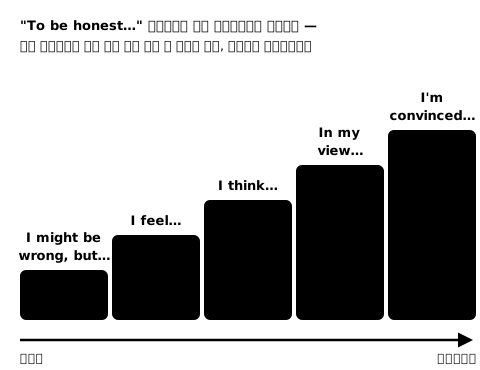
| Line | कब | सुनो |
|---|---|---|
| I think the new metro has really helped. | रोज़ की, normal राय | |
| In my view, the second half of the film was better. | सोच-समझ वाली, थोड़ी formal | |
| To be honest, I didn't enjoy the food much. | सच जो शायद पसंद न आए | |
| Personally, I prefer working from the office. | अपनी पसंद — दूसरों पर थोपना नहीं | |
| I might be wrong, but I think it's going to rain. | बहुत नरम, पक्का नहीं पता | |
| If you ask me, cricket is more fun in the stadium. | Casual, दोस्तों के बीच |
राय + वजह
राय अकेली कमज़ोर लगती है — उसे because के साथ दो: "I think remote work is great because I save two hours a day." और "According to me" की जगह "I think" या "In my view" बोलो।
32.5 सहमत और असहमत — बिना झगड़े के
असहमत होना बुरा नहीं है; तरीका बुरा हो सकता है। सीधा "No, you are wrong" बोलने से बात वहीं बंद हो जाती है। English बोलने वाले पहले सामने वाले की बात को मानते हैं, फिर अपनी रखते हैं।
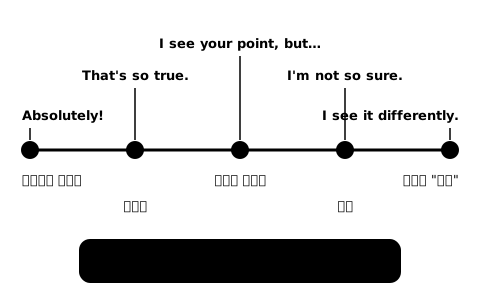
असहमत होने का फ़ॉर्मूला
मान लो + but + अपनी बात। "That's a fair point, but I think traffic is the bigger problem." पहला हिस्सा इज़्ज़त देता है, दूसरा आपकी राय। दोनों ज़रूरी हैं।
Mini-dialogue — work from home पर बहस
हालत: lunch पर colleague Aman कहता है कि घर से काम बेहतर है। आप आधे सहमत हो, आधे नहीं।
- Aman: I think working from home is so much better. राय — "I think" के साथ।
- आप: I know what you mean. No traffic, right? पहले मानो — "मैं समझ रहा हूँ"।
- Aman: Exactly! I save almost two hours a day. राय + वजह।
- आप: That's true. But to be honest, I find it harder to focus at home. मान लो + but + अपनी बात। बिना झगड़े की असहमति।
- Aman: Fair enough. I guess it depends on the person. "Fair enough" = ठीक है, बात में दम है।
- आप: Yeah, I suppose it does. दोनों खुश — बहस खत्म, दोस्ती बाकी।
32.6 बात खत्म करना — इज़्ज़त से
अच्छी बातचीत का अंत भी अच्छा होना चाहिए। बिना कुछ कहे मुड़ जाना, या अचानक "OK, bye" बोल देना rude लगता है। तीन छोटे कदम — और आप एक अच्छी याद छोड़कर जाते हो।

- Well, it was really nice talking to you. "Well…" — सबसे छोटा और सबसे साफ़ signal।
- I should let you get back to your friends. "मैं आपको रोके नहीं रखता" — वजह उनकी तरफ़ से, बहुत शरीफ़ तरीका।
- I'm going to grab some food before it's all gone. हल्की-फुल्की वजह — party में काम आती है।
- I need to catch up with a colleague, but let's talk later. "catch up with" = किसी से मिलकर हाल-चाल लेना।
- Let's stay in touch. Are you on LinkedIn? अगर रिश्ता आगे बढ़ाना है।
- Enjoy the rest of the evening! आखिरी गर्म लाइन।
तीन कदम का अंत
Signal ("Well…") + वजह ("I should go and say hi to my boss") + गर्म लाइन ("It was lovely meeting you")। वजह छोटी और सच्ची रखो। बिना बोले गायब होना या सीधा "OK, bye" — दोनों rude लगते हैं।
32.7 एक पूरी बातचीत — शुरू से अंत तक
अब सब कुछ एक साथ — opener, follow-up, ping-pong, राय, सहमति और अंत। दोनों roles बोलो; दूसरे की लाइन बोलने से आपका कान भी तैयार होता है।
Mini-dialogue — शादी का बुफ़े
हालत: reception में बुफ़े की लंबी लाइन। आगे Priya खड़ी है, आप उसे नहीं जानते।
- आप: This queue is moving so slowly! Everything looks delicious, though. Opener — जो सामने है उसके बारे में statement।
- Priya: I know! Someone told me the biryani is the best thing here. उसने बात पकड़ी और detail दी।
- आप: Good to know. So, are you from the bride's side or the groom's? शादी का सबसे आसान follow-up।
- Priya: The bride's. We went to college together. And you? Ping-pong: जवाब + detail + सवाल वापस।
- आप: I work with the groom. I'm Vikram, by the way. नाम "by the way" के साथ।
- Priya: I'm Priya. Nice to meet you. What do you two work on? खुला सवाल — "किस चीज़ पर काम करते हो?"
- आप: We build apps for hospitals. It's busy, but I really enjoy it. जवाब + feeling। अब Priya के पास बोलने को कुछ है।
- Priya: That sounds interesting. I think technology in healthcare is the future. राय — "I think" के साथ।
- आप: I couldn't agree more. Well, I'll let you get your food. It was lovely talking to you. सहमति, फिर signal + वजह + गर्म लाइन।
- Priya: You too, Vikram. Enjoy the biryani! अच्छा अंत — दोनों मुस्कुराकर अलग।
32.8 वो गलतियाँ जो हम सच में करते हैं
ये गलतियाँ grammar की कम, अनुवाद की ज़्यादा हैं — हिंदी का साँचा English में उतार देने से आती हैं। सुनने वाला समझ तो जाता है, पर बात अजीब लगती है।
Small talk की आम गलतियाँ
- गलत: What is your good name?
- सही: What's your name? / Sorry, I didn't catch your name.
-
क्यों: "Good name" = "शुभ नाम" का सीधा अनुवाद। हमारे यहाँ इज़्ज़त है, English में अजीब लगता है।
-
गलत: Myself Rahul, from Pune.
- सही: I'm Rahul. I'm from Pune.
-
क्यों: "Myself" से introduction शुरू नहीं होता। सीधा "I'm…" — छोटा और natural।
-
गलत: I am agree with you.
- सही: I agree with you.
-
क्यों: "Agree" खुद verb है — "am" की ज़रूरत नहीं। उल्टा भी: "I don't agree", "I am not agree" नहीं।
-
गलत: According to me, the film was boring.
- सही: I thought the film was boring. / In my view, it was boring.
-
क्यों: "According to" दूसरों के लिए है — according to the news, according to my doctor। अपनी राय = "I think"।
-
गलत: So, how much do you earn? When are you getting married?
- सही: So, what do you enjoy most about your job?
- क्यों: Salary और शादी पहली मुलाक़ात में बहुत personal माने जाते हैं। काम के बारे में पूछो, कमाई के बारे में नहीं।
32.9 प्रैक्टिस — Small talk
अभ्यास 1
Conference के चाय ब्रेक में किसी अनजान से बात शुरू करनी है। सबसे natural opener कौन-सा है?
- Is this your first time at this conference?
- What is your good name?
- How much salary do you get?
- Myself Rohan, tell me about you.
उत्तर
Is this your first time at this conference?
जो जगह आप दोनों share कर रहे हो, उसके बारे में सवाल — सबसे safe और सबसे natural। बाकी तीनों या तो अनुवाद हैं या बहुत personal।
अभ्यास 2
अपनी राय को मज़बूत बनाने के लिए उसके साथ क्या जोड़ना चाहिए?
- a reason with 'because'
- the word 'definitely' twice
- 'according to me' at the start
- a louder voice
उत्तर
a reason with 'because'
राय + वजह = मज़बूत राय। 'I think X because Y' — सुनने वाला असहमत हो सकता है, पर आपको हल्के में नहीं लेगा।
अभ्यास 3
Colleague की बात से आप असहमत हो। सबसे polite जवाब कौन-सा है?
- You are wrong.
- That's a fair point, but I see it differently.
- No, no, that is not correct.
- I am not agree.
उत्तर
That's a fair point, but I see it differently.
फ़ॉर्मूला: मान लो + but + अपनी बात। पहला हिस्सा इज़्ज़त देता है। 'I am not agree' तो grammar के हिसाब से भी गलत है।
अभ्यास 4
I ___ with you. The traffic is terrible these days.
संकेत: 'am' लगाने की ज़रूरत नहीं।
उत्तर
agree / totally agree / completely agree
'Agree' खुद verb है — 'I agree', 'I am agree' नहीं।
अभ्यास 5
Well, it was really nice ___ to you.
संकेत: बात खत्म करने की लाइन — verb + ing।
उत्तर
talking / speaking
'It was nice talking to you' — बातचीत के अंत की सबसे गर्म लाइन।
अभ्यास 6
इस introduction में एक शब्द अजीब है — उस पर टैप करो।
Myself Anjali and I work in a bank.
उत्तर
गलत शब्द: Myself.
सही रूप: I'm Anjali and I work in a bank.
Introduction 'Myself…' से नहीं, 'I'm…' से शुरू होता है।
अभ्यास 7
शब्दों को सही क्रम में लगाओ — एक खुला follow-up सवाल बनाओ।
शब्द: do / What / most / job / you / your / about / enjoy
उत्तर
What do you enjoy most about your job
Wh-word + do + you + verb — ये खुला सवाल है, इसका जवाब हाँ/ना में नहीं आता।
अभ्यास 8
Line को उसके काम से जोड़ो।
| A | B |
|---|---|
| How did you get into that? | politely असहमत होना |
| To be honest, I didn't like it. | बात खत्म करना |
| I see your point, but… | follow-up सवाल |
| I'll let you get back to it. | सच वाली राय |
उत्तर
How did you get into that? — follow-up सवाल; To be honest, I didn't like it. — सच वाली राय; I see your point, but… — politely असहमत होना; I'll let you get back to it. — बात खत्म करना
हर line का एक काम है — सवाल, राय, असहमति, अंत। यही कदम small talk को चलाते हैं।
अभ्यास 9
Party से निकलने की लाइन बोलो — गर्म और साफ़।
It was really nice talking to you
उत्तर
बोलो: It was really nice talking to you
'talking to you' को जोड़कर बोलो — 'tawking-tu-yu'। आखिरी 'you' पर आवाज़ नीचे।
अभ्यास 10
अब politely असहमत होकर दिखाओ।
That's a fair point, but I see it differently
उत्तर
बोलो: That's a fair point, but I see it differently
'but' के बाद ज़रा रुको — इससे लगता है आपने उनकी बात सच में सुनी।
अभ्यास 11
एक opener बोलो — सवाल के अंत में आवाज़ ऊपर।
Is this your first time here
उत्तर
बोलो: Is this your first time here
हाँ/ना वाले सवाल में आखिरी शब्द पर आवाज़ ऊपर जाती है — 'here?'
आगे क्या करो
इस हफ़्ते एक नए इंसान से चार कदम वाली बात करो — चाहे वो सोसाइटी का गार्ड हो या ऑफिस का नया intern। पहली बार अजीब लगेगा, तीसरी बार आदत बन जाएगी।