अध्याय 33: Phone और video call
फ़ोन और video call — बिना चेहरा देखे बात करना
आमने-सामने बात में हाथ, आँखें और मुस्कान मदद करती हैं। फ़ोन पर सिर्फ़ आवाज़ है — इसीलिए वहाँ English सबसे मुश्किल लगती है। अच्छी खबर ये है कि फ़ोन की English बहुत fixed होती है: गिने-चुने वाक्य बार-बार आते हैं। वो वाक्य रट लो, और आधी घबराहट खत्म। इस चैप्टर में कॉल उठाने से लेकर "You're on mute" तक सब है — हर लाइन पर 🔊 के साथ।
- 1कॉल उठाना और कॉल करना
- 2कौन बोल रहा है — पूछना, रुकवाना, message लेना
- 3सुनाई नहीं दिया, समझ नहीं आया
- 4नाम और नंबर spell करना
- 5Voicemail छोड़ना
- 6Video call — "You're on mute"
- 7कॉल खत्म करना
- 8वो गलतियाँ जो हम सच में करते हैं
33.1 कॉल उठाना और कॉल करना
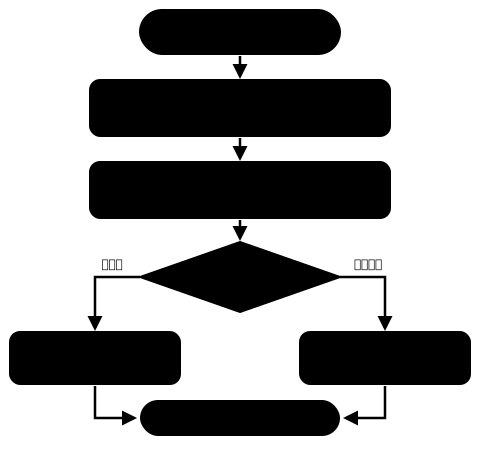
कॉल के पहले दस सेकंड तय करते हैं कि बाकी कॉल कैसी जाएगी। सामने वाले को तीन चीज़ें फ़ौरन चाहिए: आप कौन हो, कहाँ से हो, और क्यों कॉल किया।
- Hello, Priya speaking. कॉल उठाते वक़्त अपना नाम — ऑफिस में सबसे साफ़ तरीका।
- Good morning, Sharma Traders. How can I help you? कंपनी का फ़ोन उठाते वक़्त।
- Hi, this is Arjun from BlueLeaf Design. फ़ोन पर अपना नाम = "This is…", "I am…" नहीं।
- Could I speak to Ms Rao, please? किसी खास इंसान से बात करनी हो।
- I'm calling about the invoice you sent last week. "I'm calling about…" = मैं इस बारे में कॉल कर रहा हूँ।
- Is this a good time to talk? अभी बात कर सकते हो? — इज़्ज़त वाला सवाल, खासकर मोबाइल पर।
पहले दस सेकंड
Greeting + नाम + काम: "Hi, this is Arjun from BlueLeaf. I'm calling about the invoice." फ़ोन पर अपना नाम हमेशा "This is…" से — "I am Arjun this side" नहीं।
33.2 कौन बोल रहा है — पूछना, रुकवाना, message लेना
ऑफिस या घर का फ़ोन आप उठाओ और कॉल किसी और के लिए हो, तो तीन काम आते हैं: caller का नाम पूछना, उन्हें रुकवाना, या message लेना। तीनों के लिए सीधे "Who are you?" की जगह नरम लाइनें हैं।
| कहना है | English line | सुनो |
|---|---|---|
| आप कौन? | May I ask who's calling? | |
| एक मिनट रुको | Could you hold on a moment, please? | |
| मैं जोड़ देता हूँ | I'll put you through. | |
| वो अभी नहीं हैं | I'm afraid she's in a meeting right now. | |
| कुछ कहना है? | Can I take a message? | |
| उनसे callback करवा देना | Could you ask her to call me back? | |
| गलत नंबर | Sorry, I think you have the wrong number. |
नरम सवाल, साफ़ काम
"Who are you?" की जगह "May I ask who's calling?" और बुरी खबर देने से पहले "I'm afraid…" लगाओ — "I'm afraid he's not in today." "I'm afraid" यहाँ डर नहीं, "माफ़ करो, पर…" का मतलब है।
Mini-dialogue — office reception
हालत: आप reception पर हो। किसी का कॉल आता है जो आपकी manager Ms Rao से बात करना चाहता है, पर वो meeting में हैं।
- आप: Good afternoon, Zenith Travels. How can I help you? Greeting + कंपनी + मदद की पेशकश।
- Caller: Hi, could I speak to Ms Rao, please? Caller ने नाम नहीं बताया — अब आपको पूछना है।
- आप: Of course. May I ask who's calling? "Who are you?" नहीं — ये नरम तरीका है।
- Caller: It's Karan Mehta from Skyline Hotels. फ़ोन पर "It's…" या "This is…" — दोनों सही।
- आप: Thank you, Mr Mehta. I'm afraid she's in a meeting right now. Can I take a message? बुरी खबर "I'm afraid" के साथ, फ़ौरन हल के साथ।
- Caller: Yes, could you ask her to call me back before five? Message: पाँच बजे से पहले callback।
- आप: Sure. I'll make sure she gets the message. भरोसा दिलाने वाली लाइन।
33.3 सुनाई नहीं दिया, समझ नहीं आया
फ़ोन पर आधी गलतियाँ English की नहीं, नेटवर्क की होती हैं। डर ये होता है कि दोबारा पूछा तो बुरा लगेगा — पर अंदाज़े से "yes, yes" बोलना उससे कहीं ज़्यादा महँगा पड़ता है। Problem पहचानो, और उसकी लाइन बोलो।
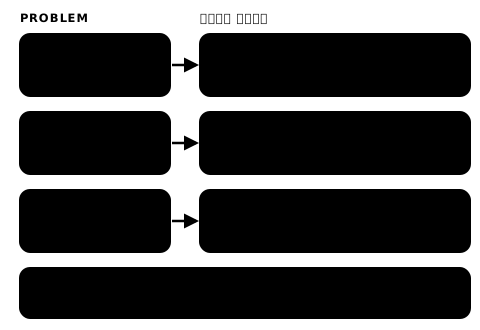
- Sorry, could you repeat that? सबसे काम की लाइन। "Sorry?" अकेला भी चलता है — आवाज़ ऊपर ले जाओ।
- Sorry, I didn't catch your name. "catch" = पकड़ना — नाम सुनाई नहीं दिया।
- Sorry, you're breaking up. Can I call you back? आवाज़ टूट रही है — मैं दोबारा कॉल करता हूँ।
- Could you speak a little more slowly, please? थोड़ा धीरे — कोई बुरा नहीं मानता।
- Just to confirm, you said Thursday at three? पक्का कर लूँ — गुरुवार, तीन बजे? गलतफ़हमी यहीं रुकती है।
अंदाज़ा नहीं, सवाल
समझ न आए तो "What?" या "हाँ?" नहीं — "Sorry, could you repeat that?" और हर ज़रूरी date, time, number को "Just to confirm…" के साथ दोहराओ। अंदाज़े से बोला गया "yes, yes" सबसे महँगी गलती है।
33.4 नाम और नंबर spell करना
फ़ोन पर B, D, P, V और T एक जैसे सुनाई देते हैं; M और N भी; F और S भी। इसलिए हर letter के साथ एक पहचान वाला शब्द जोड़ो। दुनिया भर में ये लिस्ट चलती है — रट लो, या कम से कम अपने नाम के letters।
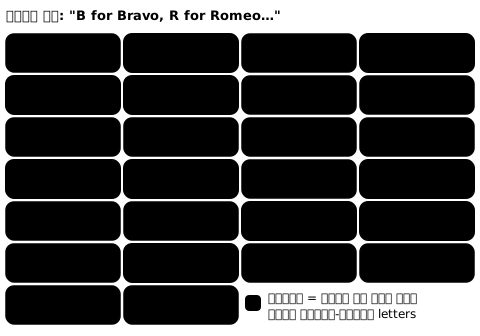
- My surname is Rawat. That's R for Romeo, A for Alpha, W for Whiskey, A for Alpha, T for Tango. "That's…" से spelling शुरू करो, हर letter के बाद ज़रा रुको।
- My number is nine eight two zero one, four five six seven eight. नंबर को 5 + 5 के टुकड़ों में बोलो, बीच में रुककर। एक साँस में दस अंक कोई नहीं लिख पाता।
- That's double seven, not one seven. "77" = double seven। India और UK में आम है; American लोग "seven seven" बोलते हैं।
- My email is priya dot sharma at gmail dot com. . = dot, @ = at, _ = underscore, - = hyphen या dash, / = slash।
Spell करने का तरीका
Letter + for + शब्द: "S for Sierra, H for Hotel." नंबर टुकड़ों में बोलो (98201 · 45678), और email में dot, at, underscore। अपने नाम, surname और email की spelling आज ही एक बार ज़ोर से बोलकर तैयार कर लो।
33.5 Voicemail छोड़ना
Beep के बाद कई लोग घबराकर कॉल काट देते हैं, या बिना रुके कुछ भी बोल देते हैं। Voicemail एक छोटा-सा script है — तीस सेकंड, पाँच हिस्से। पहले से सोचा हो तो आसान है।
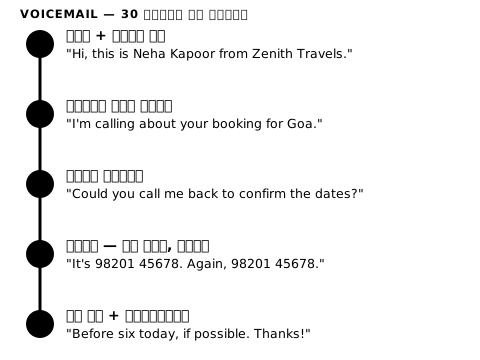
- Hi, this is Neha Kapoor from Zenith Travels. नाम + कंपनी।
- I'm calling about your booking for Goa next month. कॉल की वजह — एक लाइन में।
- Could you call me back to confirm the dates? उन्हें क्या करना है — साफ़ शब्दों में।
- My number is nine eight two zero one, four five six seven eight. Again, nine eight two zero one, four five six seven eight. नंबर दो बार, और जान-बूझकर धीरे।
- Before six today would be great. Thanks, bye! कब तक + शुक्रिया। बस — तीस सेकंड पूरे।
Voicemail का साँचा
नाम → वजह → क्या चाहिए → नंबर (दो बार, धीरे) → कब तक + thanks। तीस सेकंड से ज़्यादा नहीं। Beep से पहले ही पहली लाइन दिमाग में तैयार रखो — "Hi, this is…"
33.6 Video call — "You're on mute"
Video call में तीन नई मुसीबतें हैं — mute, camera और screen share। और इनके लिए English में बिल्कुल तैयार लाइनें हैं जो हर meeting में बार-बार आती हैं। इन्हें सुनते ही पहचान लो।
| हालत | English line | सुनो |
|---|---|---|
| शुरुआत में | Can everyone hear me OK? | |
| किसी का mic बंद | Sorry, I think you're on mute. | |
| आपका mic बंद था | Sorry, I was on mute. | |
| Screen दिखानी है | Let me share my screen. | |
| दिख रहा है? | Can you see my screen? | |
| Video अटक गई | You froze for a second there. | |
| दोनों एक साथ बोले | Sorry, go ahead. | |
| नेट कमज़ोर | I'll turn my camera off. My connection is a bit weak. |
Video call के चार नियम
ना बोलो तो mute। Camera आँख के level पर। दो मिनट पहले join करो। बड़ी meeting में बोलने से पहले नाम: "This is Ravi — quick question." और दोनों एक साथ बोल पड़े तो: "Sorry, go ahead." — पहले दूसरे को मौका।
33.7 कॉल खत्म करना
फ़ोन पर "bye" अचानक आता है तो लगता है कॉल काट दी। अंत में तीन चीज़ें: क्या तय हुआ, अगला कदम, और शुक्रिया। फिर bye — और bye के बाद थोड़ा रुककर फ़ोन रखो।
- So, just to sum up, you'll send the report by Friday. क्या तय हुआ — एक लाइन में दोहराओ।
- I'll send you an email with the details. अगला कदम — आपकी तरफ़ से।
- Is there anything else I can help you with? कुछ और? — जब आप मदद वाली तरफ़ हो।
- Thanks for your time. Talk to you soon. Bye! शुक्रिया + जल्द बात करेंगे + bye।
Mini-dialogue — vendor से कॉल का अंत
हालत: आपने printer कंपनी से order के बारे में बात की। अब कॉल समेट रहे हो।
- आप: Great. So, just to confirm, the delivery is on Tuesday morning? क्या तय हुआ — पक्का करो।
- Vendor: That's right, between nine and eleven. "That's right" = हाँ, सही।
- आप: Perfect. Could you send me the invoice by email? अगला कदम उनकी तरफ़ से।
- Vendor: Sure, I'll send it this afternoon. Anything else? "Anything else?" — अब अंत का signal।
- आप: No, that's everything. Thanks for your help. "बस इतना ही" — साफ़ और polite।
- Vendor: You're welcome. Have a good day! गर्म अंत।
- आप: You too. Bye! Bye के बाद एक सेकंड रुको, फिर फ़ोन रखो।
33.8 वो गलतियाँ जो हम सच में करते हैं
ये लाइनें India में रोज़ सुनाई देती हैं और देश के अंदर सब समझ भी लेते हैं। पर client, interview या विदेश की कॉल पर यही लाइनें फ़ौरन "translated" लगती हैं।
फ़ोन की आम गलतियाँ
- गलत: Hello, I am Rahul this side.
- सही: Hi, this is Rahul from Infotech.
-
क्यों: "इस तरफ़ से राहुल" का अनुवाद। फ़ोन पर अपना नाम = "This is…" या "It's…"
-
गलत: Who is speaking? / Who are you?
- सही: May I ask who's calling?
-
क्यों: सीधा "Who are you?" बहुत रूखा लगता है। ऑफिस में हमेशा नरम वाला सवाल।
-
गलत: Am I audible?
- सही: Can you hear me OK?
-
क्यों: "Audible" सही शब्द है, पर इस सवाल में Indian English ही बोलता है। दुनिया भर में "Can you hear me?"
-
गलत: Your voice is cutting.
- सही: You're breaking up. / The line is bad.
-
क्यों: "आवाज़ कट रही है" का अनुवाद। English में आवाज़ "break up" होती है।
-
गलत: (फ़ोन उठाते ही) Tell me.
- सही: Hi Rahul! How can I help? / Hi, what's up?
- क्यों: "हाँ, बोलो" का अनुवाद — English में हुक्म जैसा लगता है। पहले greeting, फिर सवाल।
33.9 प्रैक्टिस — फ़ोन और video call
अभ्यास 1
आप reception पर हो। Caller का नाम जानना है। सबसे polite लाइन कौन-सी है?
- May I ask who's calling?
- Who are you?
- Who is speaking there?
- Tell your name first.
उत्तर
May I ask who's calling?
'May I ask…' नरम सवाल है। 'Who are you?' फ़ोन पर रूखा और शक भरा लगता है।
अभ्यास 2
नेटवर्क खराब है और सामने वाले की आवाज़ टूट रही है। क्या बोलोगे?
- Sorry, you're breaking up.
- Your voice is cutting.
- Am I audible?
- What? What?
उत्तर
Sorry, you're breaking up.
English में फ़ोन की आवाज़ 'break up' होती है। 'Your voice is cutting' हिंदी का सीधा अनुवाद है।
अभ्यास 3
Email address में '_' को फ़ोन पर कैसे बोलते हैं?
- underscore
- dash
- slash
- dot
उत्तर
underscore
_ = underscore, - = hyphen या dash, / = slash, . = dot। Email गलत गया तो पूरा काम अटक जाता है।
अभ्यास 4
Hi, ___ is Arjun from BlueLeaf Design.
संकेत: फ़ोन पर अपना नाम बताने का शब्द — 'I am' नहीं।
उत्तर
this
फ़ोन पर 'This is Arjun' या 'It's Arjun'। सामने वाला आपको देख नहीं रहा, इसलिए 'this'।
अभ्यास 5
Sorry, could you ___ that, please? The line is bad.
संकेत: दोबारा बोलना।
उत्तर
repeat / say
'Could you repeat that?' — सुनाई न दे तो सबसे काम की लाइन। अंदाज़ा लगाने से बेहतर।
अभ्यास 6
Video call की इस लाइन में एक शब्द Indian English वाला है — उस पर टैप करो।
Hi everyone, am I audible?
उत्तर
गलत शब्द: audible.
सही रूप: Hi everyone, can you hear me?
'Am I audible?' सिर्फ़ India में बोला जाता है। दुनिया भर में 'Can you hear me?'
अभ्यास 7
सही क्रम में लगाओ — किसी खास इंसान से बात करनी है।
शब्द: to / Could / speak / Ms / I / Rao / please
उत्तर
Could I speak to Ms Rao please
Could I + verb… — request का सबसे polite साँचा।
अभ्यास 8
Line को उसके मतलब से जोड़ो।
| A | B |
|---|---|
| You're on mute. | वो नहीं हैं, कुछ कहना है? |
| I'll put you through. | आपकी video अटक गई |
| Can I take a message? | आपका mic बंद है |
| You froze. | कॉल आगे जोड़ रहा हूँ |
उत्तर
You're on mute. — आपका mic बंद है; I'll put you through. — कॉल आगे जोड़ रहा हूँ; Can I take a message? — वो नहीं हैं, कुछ कहना है?; You froze. — आपकी video अटक गई
ये चारों लाइनें इतनी आम हैं कि इन्हें सुनते ही मतलब समझ आना चाहिए — बिना अनुवाद के।
अभ्यास 9
सामने वाले की बात सुनाई नहीं दी। ये लाइन बोलो।
Sorry, could you repeat that
उत्तर
बोलो: Sorry, could you repeat that
'could you' को जोड़कर 'kud-ju' बोलो। 'Sorry' से शुरू करने से लाइन नरम हो जाती है।
अभ्यास 10
Meeting में एक colleague बोल रहा है पर आवाज़ नहीं आ रही। उसे बताओ।
You're on mute
उत्तर
बोलो: You're on mute
'You're' = 'yor'। तीन शब्द, एक साँस — और साथ में मुस्कुरा दो।
अभ्यास 11
Screen share किया है। अब पूछो।
Can you see my screen
उत्तर
बोलो: Can you see my screen
हाँ/ना वाला सवाल — 'screen' पर आवाज़ ऊपर।
आगे क्या करो
आज अपने नाम, surname और email की spelling "for" वाले शब्दों के साथ ज़ोर से तीन बार बोलो। अगली बार customer care को कॉल करो तो कम से कम एक लाइन यहाँ से use करो।