अध्याय 42: मिलते-जुलते शब्द
मिलते-जुलते शब्द — जो रोज़ धोखा देते हैं
कुछ शब्द जुड़वाँ भाइयों जैसे हैं — दिखते एक जैसे, सुनाई एक जैसे, पर काम बिल्कुल अलग। loose और lose, then और than, your और you're — ये गलतियाँ पढ़े-लिखे लोगों की emails में भी रोज़ दिखती हैं। Spell-check भी नहीं पकड़ता, क्योंकि दोनों शब्द सही हैं — बस गलत जगह पर। इस chapter में सोलह जोड़े हैं, समझदारी से गुच्छों में बाँटे हुए, और हर गुच्छे के साथ एक याद रखने की trick।
- 1तीन तरह के जोड़े — पहले पहचानो
- 2Apostrophe वाले — its/it's, your/you're, their/there/they're
- 3एक आवाज़, दो spelling — stationary/stationery, principal/principle
- 4Noun या verb — affect/effect, advice/advise
- 5एक अक्षर का फ़र्क — lose/loose, quite/quiet, then/than, accept/except
- 6दिशा वाले जोड़े — borrow/lend, bring/take, say/tell
- 7गिनती और रखना — fewer/less, lie/lay
- 8वो गलतियाँ जो हम सच में करते हैं
42.1 तीन तरह के जोड़े — पहले पहचानो
हर confusion की जड़ अलग होती है, इसलिए इलाज भी अलग। पहले ये पहचानो कि जोड़ी किस तरह की है — आधा काम वहीं हो जाता है।

कैसे पढ़ो
एक बार में एक गुच्छा। हर जोड़े की trick ज़ोर से बोलो, फिर अपना एक वाक्य बनाओ। Trick याद रही तो जोड़ी कभी नहीं उलझेगी।
42.2 Apostrophe वाले — its/it's, your/you're, their/there/they're
ये सबसे आम लिखित गलती है — WhatsApp से लेकर office email तक। बोलते वक़्त कोई फ़र्क नहीं पड़ता, क्योंकि आवाज़ एक है। पर लिखते वक़्त एक छोटा सा apostrophe पूरा मतलब बदल देता है।
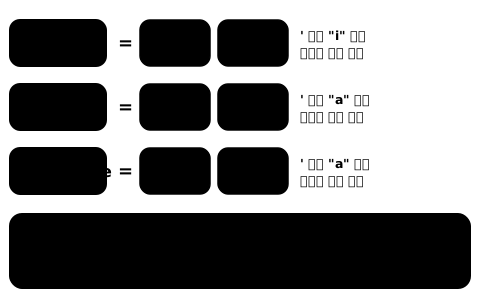
| शब्द | मतलब | Example |
|---|---|---|
| it's / its | it is / उसका (चीज़ का) | It's raining. · The phone lost its charge. |
| you're / your | you are / आपका | You're late. · Is this your seat? |
| they're | they are | They're coming at six. |
| their | उनका | Their car is new. |
| there | वहाँ / "है" (there is) | Put it over there. · There is a problem. |
खोलकर पढ़ो
Apostrophe = गायब अक्षर। "it's" को "it is", "you're" को "you are", "they're" को "they are" बनाकर पढ़ो — वाक्य सही बैठे तो apostrophe, न बैठे तो बिना apostrophe वाला (its / your / their)। "Your welcome" → "You are welcome"? हाँ! तो "You're welcome"।
42.3 एक आवाज़, दो spelling — stationary/stationery, principal/principle
ये दो जोड़े बिल्कुल एक जैसे बोले जाते हैं — सिर्फ़ एक अक्षर का फ़र्क है। इसलिए इनके लिए आवाज़ नहीं, तस्वीर वाली trick काम करती है।

- The bus was stationary, so I bought some stationery from the shop nearby. Bus रुकी हुई थी, तो मैंने पास की दुकान से pen-कॉपी ले ली।
- Our principal never breaks her principles. हमारी principal मैडम अपने उसूल कभी नहीं तोड़तीं।
- The principal reason was cost. "principal" adjective भी है = सबसे मुख्य। इसमें भी -al।
एक अक्षर, एक तस्वीर
stationAry = At rest (रुका हुआ) · stationEry = Envelope (pen-काग़ज़)। principAL = इंसान / मुख्य ("your PAL") · principLE = उसूल (ruLE)।
42.4 Noun या verb — affect/effect, advice/advise
इन दो जोड़ों में एक शब्द काम (verb) है और दूसरा चीज़ (noun)। वाक्य में देखो कि वहाँ verb चाहिए या noun — जवाब खुद मिल जाएगा।
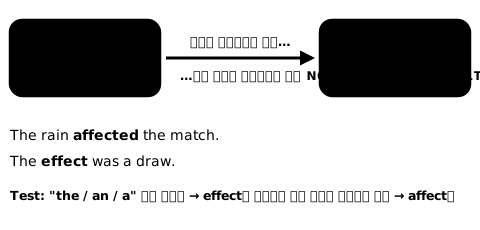
| शब्द | क्या है | Example | सुनो |
|---|---|---|---|
| affect | verb — असर डालना | Stress can affect your sleep. | |
| effect | noun — असर, नतीजा | The medicine had a quick effect. | |
| advice | noun — सलाह (s की आवाज़) | Can I give you some advice? | |
| advise | verb — सलाह देना (z की आवाज़) | I advise you to wait. |
A = Action, -ice = चीज़
Affect = Action (verb), Effect = End result (noun)। Advice ice जैसी एक चीज़ है (noun, "s" की आवाज़); advise एक काम है (verb, "z" की आवाज़)। और advice गिनती में नहीं होती: "some advice", "a piece of advice" — "an advice" या "advices" नहीं।
42.5 एक अक्षर का फ़र्क — lose/loose, quite/quiet, then/than, accept/except
इन जोड़ों में एक अक्षर इधर-उधर होता है, और पढ़ते वक़्त आँख उसे छोड़ देती है। हर जोड़ी की एक छोटी trick है — trick को शब्द के साथ जोड़ो, मतलब अपने आप आ जाएगा।
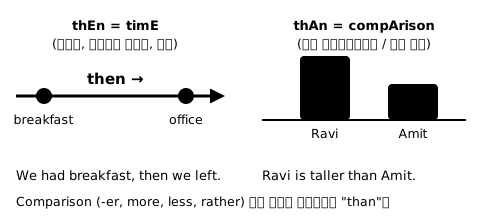
| जोड़ी | मतलब | Trick |
|---|---|---|
| lose / loose | खोना, हारना / ढीला | lose ने एक "o" खो दिया। loose में "oo" — ढीला, जगह ज़्यादा। |
| quite / quiet | काफ़ी / शांत | quite = एक syllable (क्वाइट)। qui-et = दो syllable (क्वाई-यट) — शांति में धीरे बोलो। |
| then / than | फिर / से (तुलना) | thEn = timE, thAn = compArison। |
| accept / except | स्वीकार करना / के अलावा | accept = अपनाना। except = exit — बाहर रखना। |
- These jeans are too loose. I must have lost weight! loose = "लूस" (s की आवाज़), lose = "लूज़" (z की आवाज़)। बोलने में भी फ़र्क है।
- The library is quite big, and it's always quiet. काफ़ी बड़ी, और हमेशा शांत।
- I accept all the changes except the last one. सारे बदलाव मंज़ूर, आखिरी वाले को छोड़कर।
चार tricks
lose ने एक "o" खो दिया (खोना) · loose = ढीला · quiet = दो syllable, शांत · quite = काफ़ी · thEn = timE · thAn = compArison · except = exit (बाहर), accept = अपनाना।
42.6 दिशा वाले जोड़े — borrow/lend, bring/take, say/tell
Hindi में "लेना-देना" और "लाना-ले जाना" अलग शब्द हैं — फिर भी English में ये उलझ जाते हैं, क्योंकि हम "उधार" या "ले आओ" जैसे एक शब्द से सोचते हैं। यहाँ सवाल है: चीज़ किस तरफ़ जा रही है?
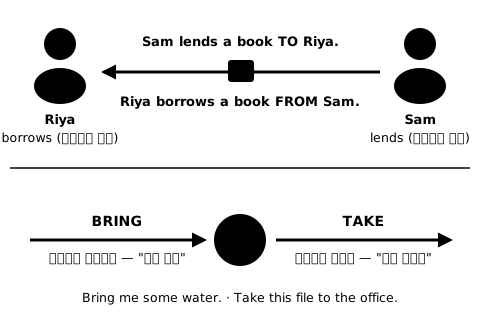
- Could you lend me your pen? / Could I borrow your pen? दोनों सही — पर "Can you borrow me…" कभी नहीं। सामने वाला देगा = lend।
- Please bring your ID card tomorrow, and take the old one home. यहाँ (office) लाओ = bring। घर ले जाओ = take।
- She told me the news and said it was a secret. tell + इंसान (told me), say + बात (said it was…)। "She said me" गलत।
चीज़ किस तरफ़ जा रही है?
lend = देना, borrow = लेना (lend to, borrow from)। bring = बोलने वाले की तरफ़, take = उससे दूर। tell के बाद इंसान (tell me), say के बाद बात (say something)।
42.7 गिनती और रखना — fewer/less, lie/lay
ये दो जोड़े सबसे "advanced" लगते हैं, पर नियम सीधा है। fewer/less में सवाल है: गिन सकते हो? और lie/lay में: कोई चीज़ रखी जा रही है, या आप खुद लेट रहे हो?
| Verb | मतलब | आज | कल (past) | कर चुका |
|---|---|---|---|---|
| lie | लेटना | lie · lying | lay | lain |
| lay | (कुछ) रखना, बिछाना | lay · laying | laid | laid |
| lie | झूठ बोलना | lie · lying | lied | lied |
- I'm tired. I'm going to lie down for a bit. खुद लेटना = lie। इसके बाद कोई चीज़ नहीं आती।
- Please lay the files on my desk. कुछ रखना = lay + चीज़ (the files)।
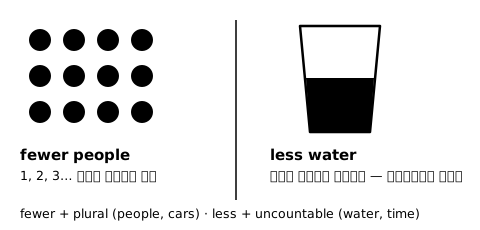
- There were fewer cars today, so it took less time. Cars गिन सकते हो → fewer। Time नहीं → less।
गिन सकते हो? कुछ रख रहे हो?
fewer + जो गिन सकते हो (fewer people), less + जो नहीं गिन सकते (less water)। lay के बाद हमेशा कोई चीज़ (lay the table); lie के बाद नहीं (lie down)। सबसे बड़ा जाल: lie का past "lay" है — "Yesterday I lay in bed all day."
42.8 वो गलतियाँ जो हम सच में करते हैं
ये सारी गलतियाँ असली emails, WhatsApp messages और class की कॉपियों से ली गई हैं। इनमें से एक भी आपकी आदत में है, तो आज ही उसे पकड़ो।
मिलते-जुलते शब्दों की आम गलतियाँ
- गलत: Can you borrow me your charger?
- सही: Can you lend me your charger? / Can I borrow your charger?
-
क्यों: देने वाला lend करता है, लेने वाला borrow। "Borrow me" कभी नहीं।
-
गलत: I don't want to loose this chance.
- सही: I don't want to lose this chance.
-
क्यों: खोना = lose (एक o)। Loose = ढीला — "loose shirt"।
-
गलत: The new rule will effect everyone.
- सही: The new rule will affect everyone.
-
क्यों: "will ___ everyone" में verb चाहिए → Affect = Action।
-
गलत: My brother is taller then me.
- सही: My brother is taller than me.
-
क्यों: तुलना (taller) के बाद than। "then" सिर्फ़ समय के लिए।
-
गलत: Your welcome!
- सही: You're welcome!
- क्यों: खोलकर पढ़ो: "You are welcome" — fit है, तो you're।
42.9 Practice — मिलते-जुलते शब्द
अभ्यास 1
शब्द को उसके काम से जोड़ो।
| A | B |
|---|---|
| affect | verb — सलाह देना |
| effect | noun — सलाह |
| advise | verb — असर डालना |
| advice | noun — असर, नतीजा |
उत्तर
affect — verb — असर डालना; effect — noun — असर, नतीजा; advise — verb — सलाह देना; advice — noun — सलाह
A = Action (affect, verb), E = End result (effect, noun)। Advice एक चीज़ है (noun), advise एक काम (verb)।
अभ्यास 2
एक अक्षर का फ़र्क — सही मतलब से जोड़ो।
| A | B |
|---|---|
| stationery | प्रधान, सबसे मुख्य |
| stationary | उसूल |
| principal | pen, paper, file |
| principle | रुका हुआ |
उत्तर
stationery — pen, paper, file; stationary — रुका हुआ; principal — प्रधान, सबसे मुख्य; principle — उसूल
E = Envelope (stationery), A = At rest (stationary)। The principal is your PAL; principLE = ruLE।
अभ्यास 3
इस वाक्य में गलत शब्द पर टैप करो।
Can you borrow me your charger for an hour?
उत्तर
गलत शब्द: borrow.
सही रूप: Can you lend me your charger for an hour?
सामने वाला देगा, तो वो 'lend' करेगा। आप लेते हो तो 'Can I borrow…?'
अभ्यास 4
Spelling का धोखा ढूँढो।
I don't want to loose my job.
उत्तर
गलत शब्द: loose.
सही रूप: I don't want to lose my job.
खोना = lose (एक o)। Loose = ढीला।
अभ्यास 5
Apostrophe गलत जगह है — उस शब्द पर टैप करो।
The dog wagged it's tail happily.
उत्तर
गलत शब्द: it's.
सही रूप: The dog wagged its tail happily.
खोलकर पढ़ो: 'wagged it is tail'? Fit नहीं — तो बिना apostrophe: its = उसका।
अभ्यास 6
I think ___ going to be late. The traffic is terrible.
- they're
- their
- there
- them
उत्तर
they're
खोलकर देखो: 'I think they are going to be late' — fit है, तो they're।
अभ्यास 7
Everyone came to the party ___ Rahul. He was ill.
- except
- accept
- expect
- excuse
उत्तर
except
except = के अलावा (ex = exit, बाहर रखना)। accept = स्वीकार करना।
अभ्यास 8
Please ___ the baby gently on the bed.
- lay
- lie
- lied
- lain
उत्तर
lay
किसी चीज़ या इंसान को रखना = lay + object (lay the baby)। खुद लेटना = lie।
अभ्यास 9
There are ___ people here than yesterday.
संकेत: People गिने जा सकते हैं।
उत्तर
fewer
गिन सकते हो → fewer। 'less people' बहुत आम गलती है; less सिर्फ़ uncountable के लिए (less water)।
अभ्यास 10
Please be ___. The baby is sleeping.
संकेत: शांत — दो syllable वाला शब्द।
उत्तर
quiet
quiet (क्वाई-यट) = शांत। quite (क्वाइट) = काफ़ी।
अभ्यास 11
सही क्रम में लगाओ।
शब्द: our / rain / heavy / will / affect / The / plans
उत्तर
The heavy rain will affect our plans
'will ___ our plans' में verb चाहिए — affect (A = Action)।
अभ्यास 12
ये polite request बोलो।
Could I borrow your pen, please
उत्तर
बोलो: Could I borrow your pen, please
आप ले रहे हो → borrow। 'borrow' में ज़ोर पहले हिस्से पर: BOR-row।
आगे क्या करो
अपनी पिछली दस emails या messages खोलो और सिर्फ़ तीन चीज़ें ढूँढो: your/you're, its/it's, then/than। जो गलती मिले, उसे इस chapter की trick के साथ एक बार दोबारा लिखो।