अध्याय 50: Email लिखना
ईमेल लिखना — साफ़, छोटा, और काम का
Office में आपकी पहचान अक्सर आपके ईमेल से बनती है — बहुत-से लोग आपसे मिलने से पहले आपका ईमेल पढ़ते हैं। अच्छा ईमेल लंबा या भारी-भरकम नहीं होता। वह पढ़ने वाले का समय बचाता है: पहली दो लाइन में बता देता है कि आप कौन हो, क्यों लिख रहे हो, और उनसे क्या चाहिए।
- 1Formal या informal — पहले reader को पहचानो
- 2Subject line — ईमेल खुलेगा या नहीं, यही तय करता है
- 3शुरुआत और अंत — greeting, opener, sign-off
- 4Body और call to action — काम की बात
- 5Model: एक पूरा formal ईमेल
- 6Model: एक पूरा informal ईमेल
- 7पुराने phrases जो अब retire करने हैं
- 8वे गलतियाँ जो हम सच में करते हैं
एक लाइन में
A good email tells the reader, in the first two lines, why you are writing and what you need from them — and by when. मकसद पहले, कहानी बाद में। पढ़ने वाले को अंदाज़ा न लगाना पड़े।
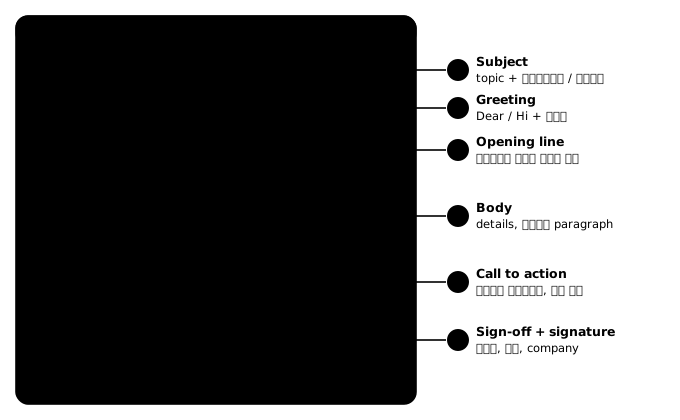
ईमेल के छह हिस्से
Subject → Greeting → Opening line → Body → Call to action → Sign-off। हर हिस्सा एक काम करता है। कोई एक भी छूट जाए तो ईमेल अधूरा या रूखा लगता है।
50.1 Formal या informal — पहले reader को पहचानो
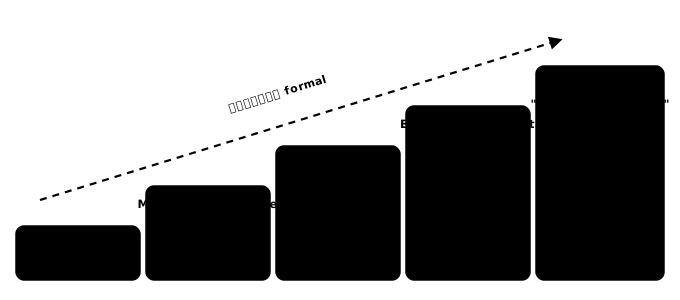
एक ही बात boss को, client को और दोस्त को अलग तरह लिखी जाती है। गलत tone — बहुत रूखा या बहुत दोस्ताना — सही grammar के बाद भी गलत छाप छोड़ती है।
एक सीधा test
क्या आप इस इंसान को उनके first name से बुलाते हो? हाँ → "Hi Priya"। नहीं, या पता नहीं → "Dear Mr Sharma"। शक हो तो थोड़ा ज़्यादा formal रहना safe है — जवाब में वे "Hi Arjun" लिखो, तो आप भी बदल लो।
| हिस्सा | Formal (boss, client, नया contact) | Informal (colleague, दोस्त) |
|---|---|---|
| Greeting | Dear Mr Sharma, | Hi Priya, |
| Opener | I am writing to… · Thank you for your email. | Hope you're well! · Quick one — |
| शब्द | I would like to… · Could you please… | Can you… · I'd love to… |
| Contractions | कम: I am, do not | ठीक हैं: I'm, don't |
| Emoji, "!!!" | बिल्कुल नहीं | कभी-कभी, सँभल के |
| Sign-off | Kind regards, · Best regards, | Thanks, · Cheers, · Best, |
50.2 Subject line — ईमेल खुलेगा या नहीं, यही तय करता है
Inbox में सौ ईमेल हों, तो लोग subject पढ़कर ही तय करते हैं कि कौन-सा अभी खोलना है। "Regarding" या "Urgent!!!" जैसी subject line कुछ नहीं बताती — और अक्सर बाद के लिए छोड़ दी जाती है।

Subject line का formula
Topic + action या date, 4–8 शब्द में। पढ़ने वाले को ईमेल खोले बिना समझ आ जाए कि यह किस बारे में है और उन्हें क्या, कब तक करना है।
| कमज़ोर subject | साफ़ subject |
|---|---|
| Regarding leave | Leave request: 12–14 March (family wedding) |
| URGENT!!! | Approval needed by Friday: vendor invoice |
| Hi | Notes from Q3 sales review, 4 October |
| Query | Question about delivery date for order 4521 |
| Meeting | Can we move Monday's review to 3 pm? |
| Fwd: Fwd: Re: Re: update | Updated budget — final figures attached |
50.3 शुरुआत और अंत — greeting, opener, sign-off
ईमेल की पहली और आखिरी लाइन tone तय करती हैं। "Respected Sir" school की application जैसा लगता है, और बिना sign-off का ईमेल रूखा। Business ईमेल के अपने सीधे नियम हैं।
Greeting का नियम
Business ईमेल में "Respected Sir" नहीं — "Dear Mr Sharma" या "Dear Ms Rao"। Mr/Ms के बाद surname, first name नहीं: "Dear Mr Verma", not "Dear Mr Rahul"। First name से बुलाते हो तो सीधा "Hi Rahul"।
| Greeting | कब |
|---|---|
| Dear Mr Sharma, | Formal, नाम पता है |
| Dear Ms Rao, | Formal, महिला — Ms; Mrs/Miss तभी जब वे खुद लिखती हों |
| Dear Dr Iyer, | Doctor या PhD — Dr + surname |
| Dear Hiring Manager, | नाम पता नहीं, पर role पता है |
| Dear Sir or Madam, | न नाम, न role — आखिरी option |
| Hi Priya, · Hello Priya, | Colleague, या जिन्हें first name से बुलाते हो |
| Hi team, · Hi all, | पूरे group को |
- I am writing to request a short meeting next week. सबसे साफ़ opener — पहली ही लाइन में मकसद।
- Thank you for your quick reply. जवाब देते वक़्त — गर्मजोशी भी, सीधापन भी।
- Following up on our call this morning, here are the next steps. पिछली बातचीत से जोड़ने के लिए।
| Sign-off | कब |
|---|---|
| Kind regards, · Best regards, | लगभग हर professional ईमेल |
| Yours sincerely, | Formal letter जो नाम से शुरू हुआ (Dear Ms Rao) |
| Yours faithfully, | Formal letter जो "Dear Sir or Madam" से शुरू हुआ |
| Thanks, · Many thanks, | जब आपने कुछ माँगा हो |
| Best, · Cheers, | Colleague, informal |
50.4 Body और call to action — काम की बात
Body में सिर्फ़ उतना लिखो जितना पढ़ने वाले को फ़ैसला लेने के लिए चाहिए। और ईमेल का अंत एक साफ़ माँग पर करो — वरना जवाब आता है, "ठीक है, पर करना क्या है?"
- एक ईमेल, एक मकसद दो अलग काम हैं (leave और budget)? दो अलग ईमेल भेजो — दोनों का जवाब जल्दी आएगा।
- छोटे paragraph — 2 से 3 लाइन फ़ोन पर लंबा paragraph दीवार जैसा दिखता है। तीन से ज़्यादा चीज़ें हों तो bullet points।
- तारीख़ के साथ दिन "Tuesday, 13 October" — गलती की गुंजाइश ही नहीं बचती।
Call to action = कौन + क्या + कब तक
"Could you please send the signed copy by Friday, 5 pm?" — पढ़ने वाले को सोचना न पड़े कि अब करना क्या है। एक ईमेल में एक ही मुख्य माँग रखो।
| ढीला अंत | साफ़ call to action |
|---|---|
| Please do the needful. | Could you please approve the invoice by Thursday? |
| Waiting for your reply. | Please let me know by Friday if 3 pm suits you. |
| Revert ASAP. | Could you send the figures by 4 pm? The client call is at 5. |
| Let me know. | Which of the two dates works better for you? |
- Could you please send the signed copy by Friday? विनम्र (could you please), साफ़ (signed copy), और समय-सीमा (by Friday)।
50.5 Model: एक पूरा formal ईमेल
अब सब हिस्से एक साथ। Arjun एक interior company में काम करता है और एक client से site visit की तारीख़ बदलवाना चाहता है। ध्यान दो कि हर लाइन क्या काम कर रही है।
Model: formal ईमेल — client को
Subject: Site visit — can we move it to Tuesday, 13 October?
Dear Mr Deshpande,
I am writing to ask if we can move Thursday's site visit to Tuesday, 13 October, at the same time (11 am).
The kitchen cabinets for your flat will now reach us on Monday. If we visit on Tuesday, you can see them installed rather than in boxes, and approve the finish on the spot.
Could you please confirm by Friday whether Tuesday works for you? If it does not, Wednesday morning is also free.
Kind regards,
Arjun Nair
Project Coordinator, Brightline Interiors
- Subject — सवाल + नई तारीख़ Mr Deshpande inbox में ही समझ जाते हैं कि क्या पूछा गया है।
- Dear Mr Deshpande, Client है, रिश्ता formal है — Dear + Mr + surname, और अंत में comma।
- I am writing to ask… पहली लाइन में ही मकसद। "Greetings of the day" या अपना परिचय नहीं।
- Body — वजह, और client का फ़ायदा सिर्फ़ "हमारी मजबूरी" नहीं, बल्कि "आपको क्या मिलेगा" — इससे हाँ जल्दी मिलती है।
- Could you please confirm by Friday… Call to action: क्या (confirm) + कब तक (Friday) + एक backup option।
- Kind regards + पूरा नाम + पद पढ़ने वाले को पता है कि कौन लिख रहा है और किस company से।
50.6 Model: एक पूरा informal ईमेल
Colleague को ईमेल भी ईमेल ही है — पर tone हल्की होती है। देखो कि दोस्ताना होने के बाद भी माँग उतनी ही साफ़ है।
Model: informal ईमेल — colleague को
Subject: Your slides for Monday + lunch on Friday?
Hi Priya,
Hope your week's going well!
Quick one: could you send me your three slides for Monday's review by Thursday evening? I'll put the full deck together on Friday morning.
Also, a few of us are trying the new dosa place near the office for lunch on Friday. Want to join?
Thanks,
Kabir
- Hi Priya, · Hope your week's going well! First name, contraction (week's), एक exclamation — colleague के लिए बिल्कुल ठीक।
- Quick one: could you send… दोस्ताना, पर काम की बात पहले — और deadline (Thursday evening) के साथ।
- Also, … Want to join? Informal ईमेल में एक छोटी दूसरी बात चल जाती है — पर काम के बाद, पहले नहीं।
- Thanks, Kabir सिर्फ़ first name। पद और company की ज़रूरत नहीं — Priya जानती है।
50.7 पुराने phrases जो अब retire करने हैं
ये phrases Indian offices में दशकों से चल रहे हैं, और गलत English भी नहीं हैं — बस पुराने हैं। आज के international और नए Indian offices में ये भारी, अधूरे या थोड़े रूखे लगते हैं।
| पुराना phrase | दिक्कत | आज का रूप |
|---|---|---|
| Please do the needful. | क्या करना है, यह बताता ही नहीं | Could you please approve the leave by Friday? |
| Kindly revert back. | revert = वापस जाना; "back" दो बार | Please reply. · Please let me know. |
| PFA | Short form, रूखा लगता है | I have attached the report. |
| Please find attached herewith… | "herewith" फ़ालतू और पुराना | Please find the report attached. |
| Thanks and regards (हर ईमेल में) | Thanking you के साथ दो बार शुक्रिया | Best regards, — या सिर्फ़ Thanks, |
| Greetings of the day! | कुछ नहीं कहता, जगह घेरता है | I hope you are well. — या सीधा काम |
| Respected Sir, | School application जैसा | Dear Mr Sharma, |
| Thanking you in anticipation. | पुराना, थोड़ा दबाव वाला | Thank you for your help. |
पुराने phrase की जगह — सीधी माँग
इन सब का एक ही इलाज है: phrase की जगह वह लिखो जो आपको सच में चाहिए। "Do the needful" की जगह वह काम लिखो। "Revert" की जगह "reply"। अगर कोई senior आज भी ये phrases use करे तो उन्हें टोकना नहीं — बस अपने ईमेल में नया रूप रखो।
50.8 वे गलतियाँ जो हम सच में करते हैं
ये गलतियाँ हर रोज़ Indian inboxes में दिखती हैं। इनमें से ज़्यादातर हिंदी से सीधे अनुवाद की वजह से आती हैं — और एक बार पहचान ली, तो फिर कभी नहीं होंगी।
ईमेल की असली गलतियाँ
- गलत: Myself Rahul from the accounts team.
- सही: I am Rahul from the accounts team.
-
क्यों: "Myself" अकेला subject नहीं बन सकता — वह सिर्फ़ "I did it myself" जैसे वाक्यों में आता है।
-
गलत: Dear Mr Rahul,
- सही: Dear Mr Verma, · Hi Rahul,
-
क्यों: Mr/Ms के साथ surname। First name चाहिए तो Mr हटाओ और "Hi" लगाओ।
-
गलत: I have send the file yesterday.
- सही: I sent the file yesterday.
-
क्यों: "Yesterday" = बीता हुआ खास समय → simple past (sent)। "have" के साथ V3 आता है: have sent — पर yesterday के साथ नहीं।
-
गलत: Waiting for your positive reply.
- सही: I look forward to hearing from you.
-
क्यों: "Positive reply" पढ़ने वाले पर दबाव डालता है, और "waiting" बेसब्री जैसा लगता है।
-
गलत: Hi Sir, please send the details asap!!!
- सही: Dear Mr Kumar, could you please send the details by 3 pm today?
- क्यों: "Hi Sir" न formal है न informal। "ASAP" कुछ नहीं बताता, और "!!!" चिल्लाने जैसा पढ़ता है — समय लिखो।
50.9 Practice — Emails
अभ्यास 1
Manager को leave के लिए ईमेल — सबसे अच्छी subject line कौन-सी?
- Leave
- Leave request: 12–14 March (family wedding)
- URGENT!!! Please read
- Regarding leave matter kindly see
उत्तर
Leave request: 12–14 March (family wedding)
Subject में topic + dates + छोटी वजह — manager को ईमेल खोले बिना पता चल जाता है कि क्या चाहिए और कब।
अभ्यास 2
आप client Anil Kapoor से कभी मिले नहीं। पहले ईमेल में greeting क्या होगी?
- Dear Mr Kapoor
- Respected Sir
- Hey Anil
- Dear Mr Anil
उत्तर
Dear Mr Kapoor
नाम पता है, रिश्ता नया है — तो 'Dear' + Mr + surname। 'Mr Anil' गलत है: Mr के बाद surname आता है, first name नहीं।
अभ्यास 3
इनमें से सबसे साफ़ call to action कौन-सा है?
- Please do the needful.
- Waiting for your reply.
- Could you please approve the invoice by Thursday?
- Revert ASAP.
उत्तर
Could you please approve the invoice by Thursday?
अच्छा call to action बताता है क्या करना है (approve), किस चीज़ को (invoice) और कब तक (Thursday)। बाकी तीन में से कोई भी यह नहीं बताता।
अभ्यास 4
'Yours faithfully' कब लिखते हैं?
- जब greeting 'Dear Sir or Madam' हो, यानी नाम पता न हो
- दोस्त को informal ईमेल में
- हर ईमेल के अंत में
- जब boss का नाम पता हो
उत्तर
जब greeting 'Dear Sir or Madam' हो, यानी नाम पता न हो
British नियम: नाम पता हो (Dear Ms Rao) तो Yours sincerely या Kind regards। नाम पता न हो (Dear Sir or Madam) तो Yours faithfully।
अभ्यास 5
Colleague को छोटे informal ईमेल का सबसे natural sign-off?
- Thanks
- Yours faithfully
- Thanking you in anticipation
- Yours obediently
उत्तर
Thanks
Colleague के साथ 'Thanks,' या 'Cheers,' + first name काफ़ी है। बाकी तीन formal letter के हैं — या बिल्कुल पुराने।
अभ्यास 6
एक शब्द बिल्कुल फ़ालतू है — उस पर tap करो।
Kindly revert back with your comments by Monday.
उत्तर
गलत शब्द: back.
सही रूप: Please reply with your comments by Monday.
'Revert' का मतलब ही है वापस आना — 'back' से बात दो बार हो गई। आज की business English में 'reply' या 'let me know' ज़्यादा साफ़ है।
अभ्यास 7
गलत शब्द ढूँढो।
I have send the invoice to your team yesterday.
उत्तर
गलत शब्द: send.
सही रूप: I sent the invoice to your team yesterday.
'Yesterday' = बीता हुआ खास समय, इसलिए simple past: sent। 'have send' तो कभी सही नहीं — 'have' के साथ V3 'sent' आता।
अभ्यास 8
PFA की जगह पूरा लिखो: Please find the report ___.
उत्तर
attached
PFA जैसे short forms हर कोई नहीं समझता। 'Please find the report attached' — या और भी सीधा: 'I have attached the report.'
अभ्यास 9
नाम न पता हो तो formal greeting: Dear Sir or ___,
उत्तर
Madam
'Dear Sir or Madam' — क्योंकि पढ़ने वाला कोई भी हो सकता है। सिर्फ़ 'Dear Sir' मान लेता है कि पढ़ने वाला आदमी ही है।
अभ्यास 10
पुराने phrase को उसके आज के रूप से जोड़ो।
| A | B |
|---|---|
| Please do the needful | I have attached the file |
| Kindly revert back | I hope you are well |
| PFA | Dear Mr Rao |
| Greetings of the day | Could you please approve it by Friday? |
| Respected Sir | Please reply |
उत्तर
Please do the needful — Could you please approve it by Friday?; Kindly revert back — Please reply; PFA — I have attached the file; Greetings of the day — I hope you are well; Respected Sir — Dear Mr Rao
हर नया रूप सीधा है: जो चाहिए वह साफ़ बोलो, short forms हटाओ, और school वाली formal भाषा office में मत लाओ।
अभ्यास 11
सही क्रम में call to action बनाओ।
शब्द: the / Friday? / copy / please / send / by / you / Could / signed
उत्तर
Could you please send the signed copy by Friday?
Could you please + verb (send) + क्या (the signed copy) + कब तक (by Friday) — विनम्र भी, साफ़ भी।
अभ्यास 12
ईमेल की opening line बोलकर देखो।
I am writing to request a short meeting next week.
उत्तर
बोलो: I am writing to request a short meeting next week.
'I am writing to…' सबसे साफ़ opener है — पहली ही लाइन में ईमेल का मकसद बता देता है। फ़ोन पर भी यही काम आता है: 'I am calling to…'
आगे क्या करो
अगला ईमेल भेजने से पहले तीन सवाल पूछो: क्या subject पढ़कर काम समझ आता है? क्या पहली लाइन में मकसद है? क्या अंत में साफ़ माँग और तारीख़ है? तीनों हाँ — तब Send दबाओ।