अध्याय 24: used to, wish, had better
"पहले मैं रोज़ क्रिकेट खेलता था", "मुझे आदत है", "काश मैंने पढ़ाई की होती", "जल्दी निकल जाओ वरना…" — ये चार बातें हम हिंदी में दिन में दस बार बोलते हैं। English में इनके लिए छोटे, पक्के structures हैं: used to, be used to, I wish, had better, would rather। इन्हें एक बार साफ़ समझ लो, तो आपकी English तुरंत ज़्यादा natural लगने लगेगी।
- 1पहले नक़्शा — कौन-सी "आदत" कब?
- 2used to + V1 — पहले होता था, अब नहीं
- 3would — पुरानी यादों की कहानी
- 4be used to / get used to + -ing — हिंदी बोलने वालों की नंबर 1 उलझन
- 5I wish / If only — तीन तरह के "काश"
- 6had better — सलाह जिसमें चेतावनी छुपी है
- 7would rather — "इससे अच्छा तो…"
- 8It's time — "अब तो वक़्त हो गया"
- 9असली ज़िंदगी में — एक phone call
एक लाइन में
used to + V1 = पहले होता था, अब नहीं। be used to + -ing = आदत है। wish + past = काश। had better + V1 = वरना मुश्किल होगी। हर structure के साथ verb का रूप पक्का है — यही इस chapter का असली खेल है।
24.1 पहले नक़्शा — कौन-सी "आदत" कब?
हिंदी में "आदत" एक ही शब्द है, पर English में तीन अलग structures हैं — और तीनों का मतलब बिल्कुल अलग है। गलती यहीं होती है। बोलने से पहले ख़ुद से एक सवाल पूछो: ये बात बीते कल की है, या आज की आदत की, या नई आदत बन रही है?
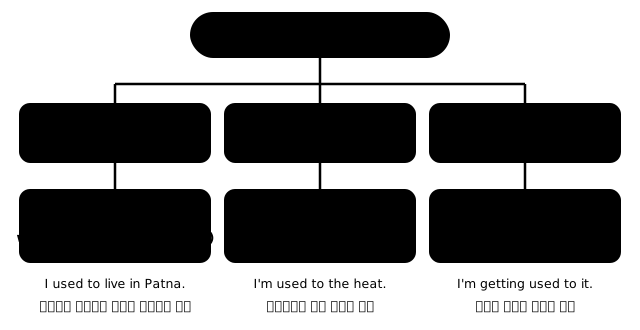
हिंदी से सीधा नक़्शा
"पहले करता था" → used to do · "आदत है" → be used to doing · "आदत पड़ जाएगी" → get used to doing।
24.2 used to + V1 — पहले होता था, अब नहीं
used to बीते समय की वो आदत या हालत बताता है जो अब ख़त्म हो चुकी है। इसके बाद हमेशा verb का पहला रूप (V1) आता है। ये action (करना) और state (होना, रहना, पास होना) दोनों के लिए चलता है।
- I used to live in Patna. मैं पहले पटना में रहता था (अब नहीं रहता)।
- We used to walk to school every day. हम रोज़ पैदल स्कूल जाते थे।
- Priya used to have very long hair. प्रिया के बाल पहले बहुत लंबे थे।
- There used to be a cinema hall here. यहाँ पहले एक सिनेमा हॉल हुआ करता था।
Negative और सवाल — "d" ग़ायब हो जाता है
जब did / didn't आ जाता है, तो past वो दिखा देता है — इसलिए used का "d" हट जाता है: didn't use to, Did you use to…? बिल्कुल वैसे ही जैसे didn't went नहीं, didn't go होता है।
| रूप | Formula | Example |
|---|---|---|
| Positive | used to + V1 | I used to smoke. |
| Negative | didn't use to + V1 | I didn't use to like coffee. |
| Negative (ज़ोर देकर) | never used to + V1 | He never used to call. |
| सवाल | Did … use to + V1? | Did you use to play cricket? |
- I didn't use to like coffee, but now I love it. पहले मुझे coffee पसंद नहीं थी, अब बहुत पसंद है।
- Did you use to play cricket in college? क्या तुम college में cricket खेलते थे?
उच्चारण: 'yoos-tuh'
used to को "यूज़्ड टू" मत बोलो। बोलते हैं /ˈjuːstə/ — "यूस-टा", "s" की आवाज़ के साथ, और use to भी बिल्कुल वैसे ही सुनाई देता है।
used to का present नहीं होता
ये सबसे आम Indian गलती है। आज की आदत के लिए use to नहीं — सीधा present simple, अक्सर usually के साथ (देखो सारे 12 tenses)।
✗
I use to drink tea every morning.
✓
I usually drink tea every morning.
✗
I used to go to Goa three times.
✓
I went to Goa three times.
24.3 would — पुरानी यादों की कहानी
पुरानी बातें सुनाते वक़्त (नानी के घर की गर्मियाँ, स्कूल के दिन) English बोलने वाले एक बार used to से माहौल बनाते हैं, और फिर would + V1 से कहानी आगे बढ़ाते हैं। ये थोड़ा किताबी, यादों वाला अंदाज़ है।
- Every summer, we used to go to Nani's village. हर गर्मी हम नानी के गाँव जाते थे।
- We'd climb the mango trees all afternoon. हम पूरी दोपहर आम के पेड़ों पर चढ़ते रहते थे।
- In the evening, Nani would tell us ghost stories. शाम को नानी हमें भूत की कहानियाँ सुनाती थीं।
would = सिर्फ़ बार-बार का काम
would पुरानी actions के लिए (खेलना, जाना, सुनाना), states के लिए कभी नहीं (be, have, live, like, know)। States के लिए सिर्फ़ used to।
✗
We would have a dog called Moti.
✓
We used to have a dog called Moti.
| Verb | used to? | would? |
|---|---|---|
| play, go, visit (action) | ✓ | ✓ |
| live, be, have (state) | ✓ | ✗ |
| like, love, know, believe | ✓ | ✗ |
| कहानी की पहली लाइन | ✓ (बेहतर) | पहले समय बताओ |
24.4 be used to / get used to + -ing — हिंदी बोलने वालों की नंबर 1 उलझन
यहाँ used एक adjective जैसा है (= आदी, accustomed) और to एक preposition है, infinitive वाला "to" नहीं। Preposition के बाद noun, pronoun या -ing आता है — कभी V1 नहीं। ये वही नियम है जो to do या doing? chapter में look forward to meeting के साथ देखा था।
- I am used to waking up early. मुझे जल्दी उठने की आदत है।
- She isn't used to spicy food. उसे तीखे खाने की आदत नहीं है।
- Are you used to the Delhi winters yet? क्या तुम्हें अब तक दिल्ली की सर्दी की आदत पड़ी?
- I'm getting used to my new job. मुझे नई नौकरी की आदत पड़ रही है।
- Don't worry, you'll get used to it. फ़िक्र मत करो, आदत पड़ जाएगी।
- It took me months to get used to driving in Bengaluru traffic. बेंगलुरु के traffic में गाड़ी चलाने की आदत पड़ने में महीने लग गए।
be used to vs get used to
be used to = आदत है (हालत)। get used to = आदत पड़ रही है / पड़ेगी (बदलाव)। दोनों के बाद -ing या noun, और "be/get" हर tense में बदल सकता है: was used to, will get used to, have got used to।
सबसे आम गलती
- गलत: I am used to wake up early.
- सही: I am used to waking up early.
- क्यों: यहाँ "to" preposition है, तो उसके बाद -ing। अगर मतलब "पहले उठता था" है, तो "am" हटाओ: I used to wake up early.
✗
I used to living alone, so I don't mind it.
✓
I'm used to living alone, so I don't mind it.
| Structure | मतलब | Example |
|---|---|---|
| used to + V1 | पहले करता था | I used to work nights. |
| be used to + -ing | आदत है | I'm used to working nights. |
| get used to + -ing | आदत पड़ रही है | I'm getting used to working nights. |
Formal शब्द
लिखते वक़्त be accustomed to + -ing भी चलता है: The staff are accustomed to working under pressure.
24.5 I wish / If only — तीन तरह के "काश"
"काश" बोलने के लिए English में I wish या ज़्यादा भावुक If only आता है। चाल ये है कि wish के बाद verb एक क़दम पीछे चला जाता है — क्योंकि हम जो चाहते हैं वो सच नहीं है। ये वही backshift है जो If वाले वाक्य chapter के second और third conditional में होता है।
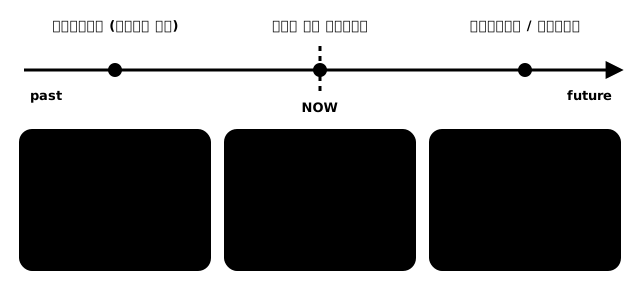
(a) अभी की इच्छा — wish + past simple
- I wish I had a car. काश मेरे पास car होती। (अभी नहीं है)
- I wish I knew the answer. काश मुझे जवाब पता होता।
- I wish I could swim. काश मैं तैर पाता।
- If only we lived closer to the office! काश हम office के पास रहते!
- I wish I were taller. काश मैं थोड़ा लंबा होता।
were या was?
I wish I were formal और exam-safe है; बोलचाल में I wish I **was भी बिल्कुल चलता है। Exam और formal लिखाई में were लिखो।
(b) बीते कल का अफ़सोस — wish + had + V3
- I wish I had studied harder for the exam. काश मैंने exam के लिए ज़्यादा मेहनत की होती।
- I wish I hadn't said that to her. काश मैंने उसे वो बात न कही होती।
- If only we'd left ten minutes earlier! काश हम दस मिनट पहले निकल गए होते! (train छूट गई)
(c) दूसरों से शिकायत — wish + would
wish + someone + would तब, जब कोई और (या मौसम!) कुछ करता रहे और आप चाहते हो कि वो बदले। इसमें हल्की चिढ़ होती है।
- I wish you would stop interrupting me. काश तुम मुझे बीच में टोकना बंद कर दो।
- I wish it would stop raining. काश बारिश रुक जाए।
✗
I wish I would speak French.
✓
I wish I could speak French.
wish या hope?
जो हो सकता है उसके लिए hope (+ normal tense)। जो सच नहीं है उसके लिए wish (+ past)। और wish + person + noun सिर्फ़ शुभकामना के fixed phrase में: I wish you a happy birthday.
✗
I wish you will pass the exam.
✓
I hope you pass the exam.
I wish you all the best for the exam.
- I hope you get the job. उम्मीद है तुम्हें नौकरी मिल जाए।
- I wish you all the best. तुम्हें ढेर सारी शुभकामनाएँ।
24.6 had better — सलाह जिसमें चेतावनी छुपी है
had better + V1 (बोलने में 'd better) का मतलब है "कर लो, वरना मुश्किल होगी"। नाम में "had" है, पर ये अभी या आगे की बात है, बीते कल की नहीं। और इसके बाद "to" कभी नहीं।
- You'd better leave now, or you'll miss the train. अभी निकल जाओ, वरना train छूट जाएगी।
- We'd better not tell Mummy about this. Mummy को ये बात न ही बताओ तो अच्छा।
- I'd better charge my phone before the meeting. Meeting से पहले phone charge कर लेना चाहिए, वरना दिक़्क़त होगी।
had better
'd better + V1 / 'd better not + V1 — "कर लो, वरना…"। "to" नहीं, past का मतलब नहीं, और should से ज़्यादा सख़्त।
✗
You had better to submit it today.
✓
You'd better submit it today.
had better not go
Boss को 'had better' मत बोलो
"Sir, you had better check the file." धमकी जैसा सुनाई देता है। Seniors को "You might want to check the file" या "It might be a good idea to…" बोलो। आम सलाह के लिए should काफ़ी है (देखो can, could, should, must)।
24.7 would rather — "इससे अच्छा तो…"
would rather ('d rather) पसंद या चुनाव बताता है — "मैं तो ये करना पसंद करूँगा"। इसके दो pattern हैं, और दूसरा वाला advanced learners को भी चौंका देता है।
(a) अपनी पसंद — would rather + V1 (than + V1)
- I'd rather walk than take an auto. Auto लेने से अच्छा मैं पैदल चल लूँगा।
- Would you rather have tea or coffee? आप चाय लेंगे या coffee?
- I'd rather not talk about it. मैं इस बारे में बात न करूँ तो बेहतर।
(b) दूसरे से चाहना — would rather + someone + past
जब आप चाहते हो कि कोई और कुछ करे, तो नया subject और verb past में — बिल्कुल wish की तरह, चाहे बात अभी की हो।
- I'd rather you didn't smoke in the car. अच्छा हो कि आप गाड़ी में cigarette न पिएँ।
- I'd rather you came on Monday. मैं चाहूँगा कि तुम Monday को आओ।
✗
I would rather to stay at home.
✓
I'd rather stay at home. / I'd prefer to stay at home.
I prefer tea to coffee.
| Pattern | Example |
|---|---|
| would rather + V1 | I'd rather stay. |
| would rather + V1 + than + V1 | I'd rather walk than wait. |
| would rather + person + V2 | I'd rather you stayed. |
| would prefer + to + V1 | I'd prefer to stay. |
| prefer + noun/-ing + to | I prefer tea to coffee. |
24.8 It's time — "अब तो वक़्त हो गया"
सीधा वक़्त बताना हो तो It's time to + V1 या It's time for + noun। पर अगर मतलब है "ये तो पहले ही हो जाना चाहिए था", तो It's (high / about) time + subject + past simple।
- It's time to go. चलने का वक़्त हो गया।
- It's time for lunch. Lunch का time हो गया।
- It's time we left — it's nearly midnight. अब हमें निकल जाना चाहिए — लगभग आधी रात हो गई।
- It's high time you got a proper job. अब तो तुम्हें ढंग की नौकरी ले ही लेनी चाहिए।
- It's about time the government fixed this road. सरकार को अब तक ये सड़क ठीक कर देनी चाहिए थी।
✗
It's high time you get married.
✓
It's high time you got married.
एक pattern, चार जगह
I wish you came · If only you **came · I'd rather you came · It's time you **came — "जो सच नहीं है" वाली बात में अभी का मतलब भी past simple से बनता है।
24.9 असली ज़िंदगी में — एक phone call
मीरा ने नया job join किया है और Pune shift हुई है। पापा का phone आता है। पूरी बात सुनो, फिर हर लाइन का structure पहचानो।
| कौन | क्या कहता है | सुनो |
|---|---|---|
| पापा | So, are you used to the new place yet? | |
| मीरा | Slowly. I'm still getting used to cooking for myself. | |
| पापा | At home you never used to enter the kitchen! | |
| मीरा | I know. I wish I'd learnt a few recipes from Mummy. | |
| पापा | Well, you'd better not live on Maggi! | |
| मीरा | Honestly, I'd rather order food than cook after work. | |
| पापा | Then it's high time you found a good tiffin service. |
| गलत | सही | क्यों |
|---|---|---|
| I am used to wake early. | I'm used to waking early. | to = preposition → -ing |
| I use to go to the gym. | I usually go to the gym. | used to का present नहीं |
| Did you used to…? | Did you use to…? | did के बाद "d" नहीं |
| I wish you will come. | I hope you can come. | मुमकिन बात = hope |
| You had better to go. | You'd better go. | had better + V1 |
| I'd rather you don't. | I'd rather you didn't. | दूसरा subject → past |
24.10 Practice — used to, wish, had better
अभ्यास 1
I moved to Shimla last year. I'm still not used to ___ in the cold.
- drive
- driving
- drove
- driven
संकेत: 'be used to' के बाद क्या आता है?
उत्तर
driving
be used to में 'to' preposition है, तो उसके बाद -ing: used to driving.
अभ्यास 2
When I was a child, I ___ to hate vegetables. Now I love them.
संकेत: पहले होता था, अब नहीं।
उत्तर
used
पुरानी आदत जो अब ख़त्म हो गई = used to + V1.
अभ्यास 3
Did you ___ to play cricket in school?
संकेत: 'did' के बाद 'd' रहता है क्या?
उत्तर
use
did / didn't past दिखा देते हैं, इसलिए 'use to' — 'Did you used to' गलत है।
अभ्यास 4
We ___ a dog called Moti when we lived in Lucknow.
- would have
- used to have
- are used to having
- got used to have
उत्तर
used to have
'have' (पास होना) state है। States के साथ 'would' नहीं, सिर्फ़ 'used to'.
अभ्यास 5
गलत शब्द पर tap करो।
After ten years in the army, he is used to wake up at five.
उत्तर
गलत शब्द: wake.
सही रूप: After ten years in the army, he is used to waking up at five.
'is used to' = आदत है, और preposition 'to' के बाद -ing: waking.
अभ्यास 6
I wish I ___ more free time. (अभी नहीं है)
- have
- had
- will have
- am having
उत्तर
had
अभी की इच्छा जो सच नहीं: wish + past simple.
अभ्यास 7
I wish I ___ (not / eat) that street food last night. My stomach hurts!
संकेत: बीते कल का अफ़सोस।
उत्तर
hadn't eaten / had not eaten
Past का अफ़सोस = wish + had (not) + V3.
अभ्यास 8
My neighbour plays loud music every night. I wish he ___ it.
- stops
- would stop
- will stop
- had stop
उत्तर
would stop
दूसरे के रवैये से चिढ़ = wish + someone + would + V1.
अभ्यास 9
Your friend has an interview tomorrow. You say: 'I ___ you get the job!'
- wish
- hope
- would rather
- had better
उत्तर
hope
नौकरी मिलना मुमकिन है — उम्मीद = hope + normal tense. 'wish' unreal के लिए है।
अभ्यास 10
फ़ालतू शब्द पर tap करो।
You had better to leave now or you will miss the bus.
उत्तर
गलत शब्द: to.
सही रूप: You had better leave now or you will miss the bus.
had better के बाद सीधा V1, 'to' नहीं।
अभ्यास 11
I'd rather you ___ (not / smoke) inside the house.
संकेत: would rather + दूसरा subject → past
उत्तर
didn't smoke / did not smoke
would rather + someone + past simple, चाहे मतलब अभी का हो।
अभ्यास 12
शब्दों को सही क्रम में लगाओ।
शब्द: time / it's / we / money / high / saving / started
उत्तर
it's high time we started saving money
It's high time + subject + past simple = ये तो पहले हो जाना चाहिए था।
अभ्यास 13
हर structure को उसके मतलब से मिलाओ।
| A | B |
|---|---|
| used to + V1 | आदत पड़ रही है |
| be used to + -ing | कर लो, वरना दिक़्क़त |
| get used to + -ing | पहले करता था, अब नहीं |
| had better + V1 | आदत है |
उत्तर
used to + V1 — पहले करता था, अब नहीं; be used to + -ing — आदत है; get used to + -ing — आदत पड़ रही है; had better + V1 — कर लो, वरना दिक़्क़त
तीन 'used to' — तीन अलग मतलब। और had better में चेतावनी छुपी है।
अभ्यास 14
What does the speaker do now?
इसे ज़ोर से पढ़ो, या किसी से पढ़वाओ:
When I was in college, I used to take the bus everywhere. Now I drive to work, but I'm still not used to the traffic.
- drives to work
- takes the bus
- walks to work
- works from home
उत्तर
drives to work
पाठ: “When I was in college, I used to take the bus everywhere. Now I drive to work, but I'm still not used to the traffic.”
'used to take the bus' = पहले। 'Now I drive to work' = अब।
अभ्यास 15
How does the speaker feel about the traffic?
इसे ज़ोर से पढ़ो, या किसी से पढ़वाओ:
When I was in college, I used to take the bus everywhere. Now I drive to work, but I'm still not used to the traffic.
- it still feels difficult
- they enjoy it
- they never notice it
- it was worse in college
उत्तर
it still feels difficult
पाठ: “When I was in college, I used to take the bus everywhere. Now I drive to work, but I'm still not used to the traffic.”
'still not used to' = अभी तक आदत नहीं पड़ी — मतलब मुश्किल लगता है।
अभ्यास 16
जो सुनाई दे, वो लिखो।
डिक्टेशन। किसी से यह वाक्य ज़ोर से पढ़वाओ, फिर लिख लो।
I wish I had listened to my mother.
उत्तर
I wish I had listened to my mother.
बीते कल का अफ़सोस: wish + had + V3 (listened).
अभ्यास 17
जो सुनाई दे, वो लिखो।
डिक्टेशन। किसी से यह वाक्य ज़ोर से पढ़वाओ, फिर लिख लो।
You had better take an umbrella. It is going to rain.
उत्तर
You had better take an umbrella. It is going to rain.
had better + V1 (take) — 'वरना भीग जाओगे' वाला भाव।
अभ्यास 18
ज़ोर से बोलो — 'used' में 's' की आवाज़।
I'm getting used to my new job
उत्तर
बोलो: I'm getting used to my new job
get used to + noun = आदत पड़ रही है। 'used to' = 'यूस-टा'.
आगे क्या करो
आज रात पाँच वाक्य लिखो: दो used to (बचपन की आदतें), एक I'm used to, एक I wish I had… और एक I'd rather…। फिर उन्हें ज़ोर से बोलो। अगला chapter, असरदार वाक्य, आपके वाक्यों में ज़ोर और वज़न जोड़ेगा।