अध्याय 54: छोटी कहानियाँ
छोटी कहानियाँ — सुनो, समझो, लिखो
Grammar पढ़ ली, शब्द याद कर लिए — पर जब कोई English बोलता है तो सब तेज़ लगता है। इसका इलाज एक ही है: रोज़ थोड़ा सुनना। इस चैप्टर में छह छोटी कहानियाँ हैं — Priya का पहला दिन, train में खोया फ़ोन, Sunday का बाज़ार, एक surprise party, बारिश का दिन और नए पड़ोसी। हर कहानी पहले सुनो, फिर transcript खोलो। आख़िर में quiz में सुनकर जवाब दोगे और सुनकर लिखोगे (dictation)।
- 1सुनने का तरीक़ा — पहले, बीच में, बाद में
- 2कहानी 1 — Priya's first day
- 3कहानी 2 — The lost phone
- 4कहानी 3 — Sunday at the market
- 5कहानी 4 — The birthday surprise
- 6कहानी 5 — A rainy day
- 7कहानी 6 — The new neighbour
- 8Dictation की तैयारी — सुनने की पाँच गलतियाँ
54.1 सुनने का तरीक़ा — पहले, बीच में, बाद में
अच्छा listener सीधे 🔊 दबाकर शुरू नहीं करता। वह तीन क़दम में सुनता है: सुनने से पहले अंदाज़ा लगाता है, सुनते वक़्त सिर्फ़ ज़रूरी चीज़ पकड़ता है, और सुनने के बाद transcript से मिलाता है।
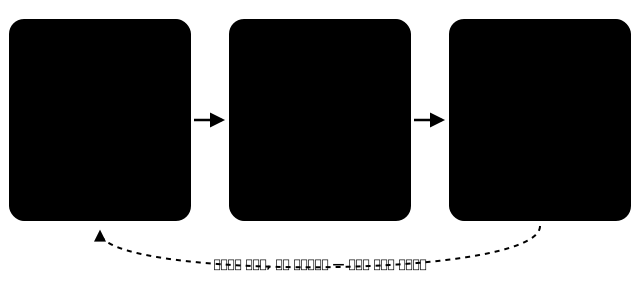
दो बार सुनो, फिर पढ़ो
पहली बार gist (मोटा-मोटा क्या हुआ), दूसरी बार detail (नाम, समय, जगह)। Transcript सिर्फ़ तीसरे क़दम में। हर शब्द समझना ज़रूरी नहीं — कहानी समझना ज़रूरी है।
हर कहानी के लिए पाँच सवाल दिमाग़ में रखो। यह "story map" हर कहानी पर लगता है — और quiz के ज़्यादातर सवाल इन्हीं से आते हैं।

54.2 कहानी 1 — Priya's first day
Priya पुणे में रहती है और उसकी नई नौकरी का पहला दिन है। कहानी past simple में है (woke, wore, took, was)। सुनो: Priya सुबह कैसा महसूस कर रही थी, और lunch पर उसके साथ कौन बैठा?
| शब्द | मतलब |
|---|---|
| nervous | घबराया हुआ |
| manager | boss, संचालक |
| introduced | परिचय कराया |
| colleagues | साथ काम करने वाले |
| wore | पहना (wear का past) |
🎧 पूरी कहानी सुनो
- Story 1 — Priya's first day पहली बार: क्या हुआ? दूसरी बार: नाम और समय पकड़ो।
Transcript
Priya is twenty-three years old, and she lives in Pune. Last Monday was her first day at a new job. She woke up at six o'clock and wore her new blue kurta. She took a bus to the office. She was a little nervous. Her manager, Mr Desai, was very kind. He showed her the office and introduced her to the team. At lunch, two colleagues, Neha and Farhan, sat with her. In the evening, Priya called her mother. She said that she loved her new job.
- She was a little nervous. वह थोड़ी घबराई हुई थी। "a little" = थोड़ा — बहुत नहीं।
- He showed her the office and introduced her to the team. उसने उसे office दिखाया और team से मिलवाया। "showed her" में "her" बहुत हल्का बोलते हैं — "sho-der"।
- She said that she loved her new job. उसने कहा कि उसे नई नौकरी बहुत पसंद है। शाम तक घबराहट ख़ुशी में बदल गई।
-ed की आवाज़ छोटी होती है
Past simple का -ed तीन तरह बोला जाता है: called (d), walked (t), wanted (id)। यह आवाज़ हल्की है — ध्यान से सुनो। Dictation में सबसे ज़्यादा यही -ed छूटता है।
54.3 कहानी 2 — The lost phone
Arjun मुंबई की local train से office जाता है। एक दिन भीड़ में उसका फ़ोन खो जाता है। सुनो: फ़ोन कहाँ मिला, और Arjun को जब फ़ोन नहीं मिला तो कैसा लगा?
| शब्द | मतलब |
|---|---|
| crowded | भीड़ भरा |
| got off | उतर गया |
| exit | बाहर जाने का रास्ता |
| explained | समझाया, बताया |
| thanked | शुक्रिया कहा |
🎧 पूरी कहानी सुनो
- Story 2 — The lost phone ध्यान दो: कहानी present से शुरू होती है (takes — रोज़ की आदत), फिर past में जाती है।
Transcript
Arjun takes the local train to work every day. On Friday, the train was very crowded. He got off at Dadar station and walked to the exit. Then he put his hand in his pocket. His phone was not there! He felt terrible. He ran back, but the train was gone. A railway policeman asked him what was wrong, and Arjun explained. The policeman called the next station. An hour later, a kind woman brought the phone to the station office. She found it under a seat. Arjun thanked her again and again.
- Arjun takes the local train to work every day. Arjun रोज़ local train से काम पर जाता है। "every day" = रोज़ की आदत → present simple।
- His phone was not there! He felt terrible. फ़ोन वहाँ नहीं था! उसे बहुत बुरा लगा। "terrible" = बहुत बुरा — यहाँ डर और परेशानी।
- She found it under a seat. उसे फ़ोन एक seat के नीचे मिला। "found it" जुड़कर "faun-dit" सुनाई देता है।
सुनने की गलती — जुड़े हुए शब्द
- गलत: He gotto fat Dadar station.
- सही: He got off at Dadar station.
- क्यों: बोलते वक़्त "got off at" एक लंबी आवाज़ बन जाती है — "go-to-fat"। जब अजीब शब्द सुनाई दे, सोचो: कौन-से दो-तीन छोटे शब्द जुड़ गए?
54.4 कहानी 3 — Sunday at the market
Meena हर Sunday अपने दादा जी के साथ सब्ज़ी मंडी जाती है। यहाँ present simple (आदत) और past simple (आज क्या हुआ) दोनों हैं। सुनो: वे जल्दी क्यों जाते हैं, और आज Meena ने क्या ख़रीदा?
| शब्द | मतलब |
|---|---|
| fresh | ताज़ा |
| stalls | ठेले, छोटी दुकानें |
| expensive | महँगा |
| instead | उसकी जगह |
| heavy | भारी |
🎧 पूरी कहानी सुनो
- Story 3 — Sunday at the market Numbers पर ध्यान दो: कितने बजे निकले, आम कितने के थे?
Transcript
Every Sunday, Meena and her grandfather go to the vegetable market near their house. They leave early, at seven, because the vegetables are fresh in the morning. Grandfather always buys tomatoes, onions and green chillies. Meena likes the fruit stalls. Today she wanted mangoes, but they were very expensive. They cost two hundred rupees a kilo! So she bought bananas instead. Grandfather talked to all the shopkeepers, because he knows everyone. They walked home slowly with two heavy bags.
- They leave early, because the vegetables are fresh in the morning. वे जल्दी निकलते हैं, क्योंकि सुबह सब्ज़ियाँ ताज़ी होती हैं। "because" के बाद हमेशा कारण आता है — "why?" वाले सवाल का जवाब यहीं मिलता है।
- So she bought bananas instead. तो उसने आम की जगह केले ख़रीदे। "instead" सुनते ही समझो — plan बदल गया।
- Grandfather talked to all the shopkeepers, because he knows everyone. दादा जी सब दुकानदारों से बात करते रहे, क्योंकि वे सबको जानते हैं। "knows" present में है — यह हमेशा का सच है।
because = कारण का दरवाज़ा
जब सवाल "Why…?" हो, तो कहानी में because या so का इंतज़ार करो। because के बाद कारण, so के बाद नतीजा। ये दो छोटे शब्द "why" का आधा जवाब ख़ुद दे देते हैं।
54.5 कहानी 4 — The birthday surprise
Rahul का जन्मदिन है, पर लगता है सब भूल गए। कहानी में एक मोड़ (twist) है — "but" और "when" पर ध्यान दो। सुनो: Rahul दोपहर में उदास क्यों था, और party कहाँ हुई?
| शब्द | मतलब |
|---|---|
| busy | व्यस्त, काम में लगा |
| terrace | छत |
| shouted | ज़ोर से बोले, चिल्लाए |
| planned | योजना बनाई |
| surprise | अचानक ख़ुशी |
🎧 पूरी कहानी सुनो
- Story 4 — The birthday surprise "but" के बाद परेशानी आती है, "When he opened the door" के बाद twist।
Transcript
Saturday was Rahul's birthday, but his wife, Anjali, said she was busy all day. Rahul was a bit sad. In the evening, she asked him to come up to the terrace for some fresh air. When he opened the door, the lights came on. All his friends were there! They shouted happy birthday and laughed. There was a big chocolate cake on the table. Anjali planned the party for two weeks, and Rahul knew nothing about it. He said it was the best birthday of his life.
- His wife said she was busy all day. Rahul was a bit sad. बीवी ने कहा वह पूरे दिन व्यस्त है। Rahul थोड़ा उदास था। कारण और भाव एक के बाद एक — यही "why was he sad?" का जवाब है।
- When he opened the door, the lights came on. जैसे ही उसने दरवाज़ा खोला, बत्तियाँ जल उठीं। "came on" = जल गई (light/TV के लिए)।
- It was the best birthday of his life. यह उसकी ज़िंदगी का सबसे अच्छा जन्मदिन था। उदासी से ख़ुशी तक — कहानी का पूरा सफ़र।
54.6 कहानी 5 — A rainy day
कोलकाता में ज़ोर की बारिश — school बंद, और एक बच्ची के लिए मज़ेदार दिन। इस कहानी में समय के शब्द हैं: on Tuesday morning, in the afternoon, in the evening। सुनो: Tara घर पर क्यों थी, और बच्चों ने क्या बनाया?
| शब्द | मतलब |
|---|---|
| heavily | बहुत ज़ोर से |
| closed | बंद हो गए |
| paper boats | काग़ज़ की नाव |
| sailed | (नाव) चलाई |
| the power went off | बिजली चली गई |
🎧 पूरी कहानी सुनो
- Story 5 — A rainy day समय के शब्द एक नक़्शा बनाते हैं: सुबह → दोपहर → शाम।
Transcript
On Tuesday morning, it rained very heavily in Kolkata. The streets were full of water, and the schools closed. Ten-year-old Tara was happy. She stayed at home with her little brother, Babu. They made paper boats and sailed them in the water near the gate. Their mother made hot pakoras and tea. In the afternoon, the power went off, so Tara read a story book by the window. In the evening, the rain stopped and the sky turned orange.
- The streets were full of water, and the schools closed. सड़कें पानी से भरी थीं, और school बंद हो गए। इसी लाइन में Tara के घर रहने का कारण है।
- Tara read a story book by the window. Tara ने खिड़की के पास कहानी की किताब पढ़ी। यहाँ "read" past है, बोला जाता है "red" — "reed" नहीं।
read — लिखने में same, बोलने में अलग
- गलत: Tara reads a story book. (dictation में गलत सुना)
- सही: Tara read a story book.
- क्यों: Past "read" की आवाज़ "red" है। कहानी past में चल रही है (rained, stayed, made), इसलिए यहाँ "reads" हो ही नहीं सकता। बाक़ी कहानी का tense भी clue है।
54.7 कहानी 6 — The new neighbour
यह कहानी "I" (मैं) बोल रहा है — कहानी सुनाने वाला ख़ुद किरदार है। सुनो: नया पड़ोसी कौन है, क्या काम करता है, और क्या लेकर आया?
| शब्द | मतलब |
|---|---|
| neighbour | पड़ोसी |
| moved into | रहने आए |
| doorbell | घंटी (दरवाज़े की) |
| nurse | nurse, परिचारिका |
| invited | बुलाया, न्योता दिया |
🎧 पूरी कहानी सुनो
- Story 6 — The new neighbour पहले past (moved, saw, rang), फिर present (is, works, teaches) — आज की सच्चाई।
Transcript
Last week, a new family moved into the flat next to ours. On the first day, I saw a lot of boxes on the stairs. The next morning, the doorbell rang. It was a young man with a plate of sweets. His name is Joseph, and he is from Kochi. He works at a hospital as a nurse, and his wife teaches music. My mother invited them for dinner on Sunday. Now our children play together every evening.
- It was a young man with a plate of sweets. दरवाज़े पर एक नौजवान मिठाई की plate लेकर खड़ा था। "a plate of" जुड़कर "uh-PLAY-tuv" सुनाई देता है।
- He works at a hospital as a nurse. वह hospital में nurse का काम करता है। "as a" = के रूप में। नौकरी बताने का सबसे आम तरीक़ा।
- Now our children play together every evening. अब हमारे बच्चे रोज़ शाम साथ खेलते हैं। कहानी का अंत — दोस्ती हो गई।
छोटे शब्द भी सुनो — a, the, of
तेज़ English में a, the, of, to, and बहुत हल्के बोले जाते हैं ("uh", "thuh", "uv")। Dictation में अगर वाक्य अधूरा लगे, तो इन्हीं को जोड़ो। a plate of sweets → "uh PLAY-tuv sweets"।
54.8 Dictation की तैयारी — सुनने की पाँच गलतियाँ
Quiz में चार dictation हैं: आप सुनोगे, और पूरा वाक्य type करोगे। हर शब्द अलग से check होगा। ये वो गलतियाँ हैं जो हिंदी बोलने वाले सबसे ज़्यादा करते हैं — पहले से जान लो।
Dictation में आम गलतियाँ
- गलत: He walk to the exit.
- सही: He walked to the exit.
-
क्यों: "walked" की आख़िरी "t" आवाज़ अगले "to" में मिल जाती है। कहानी past में है? तो verb पर -ed लगाओ।
-
गलत: They cost two hundred rupee.
- सही: They cost two hundred rupees.
-
क्यों: एक से ज़्यादा = plural -s। "two hundred" सुनते ही आगे का noun plural होगा, चाहे -s साफ़ सुनाई न दे।
-
गलत: Mangoes cost fifteen rupees a kilo.
- सही: Mangoes cost fifty rupees a kilo.
-
क्यों: fif-TEEN में ज़ोर आख़िरी हिस्से पर और "n" लंबी; FIF-ty में ज़ोर शुरू में, आख़िर में छोटा "tee"। यही फ़र्क 13/30, 14/40, 16/60 में भी है।
-
गलत: She took bus to office.
- सही: She took a bus to the office.
-
क्यों: हिंदी में articles नहीं होते, इसलिए कान उन्हें "छोड़" देता है। English में noun के आगे अक्सर a / the होता है — dictation के बाद हर noun के आगे check करो।
-
गलत: The sky turn orange in the evening.
- सही: The sky turned orange in the evening.
- क्यों: "turned orange" में -ed और "o" मिल जाते हैं: "tern-DOR-inj"। दो vowel या consonant मिलते ही एक शब्द का अंत दूसरे की शुरुआत बन जाता है।
- Fifteen. Fifty. Fifteen rupees. Fifty rupees. फ़र्क सुनो: fif-TEEN vs FIF-ty।
- Thirteen. Thirty. Fourteen. Forty. वही pattern — -teen में ज़ोर पीछे, -ty में आगे।
- He walked to the exit. He called his mother. "walkt" और "cawld" — -ed की दो आवाज़ें।
Dictation का तीन-step तरीक़ा
1. पूरा सुनो, कुछ मत लिखो। 2. दोबारा सुनो और लिखो। 3. Grammar से check करो: tense, -s, a/the। कान + grammar = सही dictation।
54.9 Practice — छोटी कहानियाँ
अभ्यास 1
कहानी पहली बार सुनते वक़्त सबसे ज़रूरी क्या है?
- Gist — मोटा-मोटा क्या हुआ
- हर शब्द का मतलब
- Transcript साथ में पढ़ना
- Spelling याद करना
संकेत: Before → While → After याद करो।
उत्तर
Gist — मोटा-मोटा क्या हुआ
पहली बार gist, दूसरी बार detail। Transcript सिर्फ़ आख़िर में।
अभ्यास 2
How did Priya feel in the morning?
इसे ज़ोर से पढ़ो, या किसी से पढ़वाओ:
Last Monday was Priya's first day at a new job. She woke up at six o'clock and wore her new blue kurta. She took a bus to the office. She was a little nervous.
- a little nervous
- very angry
- bored
- sick
उत्तर
a little nervous
पाठ: “Last Monday was Priya's first day at a new job. She woke up at six o'clock and wore her new blue kurta. She took a bus to the office. She was a little nervous.”
'She was a little nervous' — nervous = घबराई हुई।
अभ्यास 3
Who sat with Priya at lunch?
इसे ज़ोर से पढ़ो, या किसी से पढ़वाओ:
Her manager, Mr Desai, was very kind. He showed her the office and introduced her to the team. At lunch, two colleagues, Neha and Farhan, sat with her.
- Neha and Farhan
- Mr Desai
- her mother
- nobody
उत्तर
Neha and Farhan
पाठ: “Her manager, Mr Desai, was very kind. He showed her the office and introduced her to the team. At lunch, two colleagues, Neha and Farhan, sat with her.”
Mr Desai ने office दिखाया, पर lunch पर 'two colleagues, Neha and Farhan, sat with her'।
अभ्यास 4
Where did the woman find Arjun's phone?
इसे ज़ोर से पढ़ो, या किसी से पढ़वाओ:
The policeman called the next station. An hour later, a kind woman brought the phone to the station office. She found it under a seat.
- under a seat
- in his pocket
- at the exit
- on the platform
उत्तर
under a seat
पाठ: “The policeman called the next station. An hour later, a kind woman brought the phone to the station office. She found it under a seat.”
'She found it under a seat' — under = नीचे।
अभ्यास 5
How did Arjun feel when his phone was not in his pocket?
इसे ज़ोर से पढ़ो, या किसी से पढ़वाओ:
He got off at Dadar station and walked to the exit. Then he put his hand in his pocket. His phone was not there! He felt terrible.
- terrible
- happy
- sleepy
- calm
उत्तर
terrible
पाठ: “He got off at Dadar station and walked to the exit. Then he put his hand in his pocket. His phone was not there! He felt terrible.”
'He felt terrible' — बहुत बुरा लगा। फ़ोन खोने पर कोई calm नहीं रहता।
अभ्यास 6
Why do Meena and her grandfather go to the market early?
इसे ज़ोर से पढ़ो, या किसी से पढ़वाओ:
Every Sunday, Meena and her grandfather go to the vegetable market near their house. They leave early, at seven, because the vegetables are fresh in the morning.
- because the vegetables are fresh
- because the market closes at eight
- because it is hot later
- because Meena has school
उत्तर
because the vegetables are fresh
पाठ: “Every Sunday, Meena and her grandfather go to the vegetable market near their house. They leave early, at seven, because the vegetables are fresh in the morning.”
'because the vegetables are fresh in the morning' — because के बाद कारण।
अभ्यास 7
What did Meena buy?
इसे ज़ोर से पढ़ो, या किसी से पढ़वाओ:
Meena likes the fruit stalls. Today she wanted mangoes, but they were very expensive. They cost two hundred rupees a kilo! So she bought bananas instead.
- bananas
- mangoes
- tomatoes
- green chillies
उत्तर
bananas
पाठ: “Meena likes the fruit stalls. Today she wanted mangoes, but they were very expensive. They cost two hundred rupees a kilo! So she bought bananas instead.”
वह mangoes चाहती थी, पर महँगे थे — 'so she bought bananas instead'।
अभ्यास 8
Why was Rahul a bit sad?
इसे ज़ोर से पढ़ो, या किसी से पढ़वाओ:
Saturday was Rahul's birthday, but his wife, Anjali, said she was busy all day. Rahul was a bit sad.
- His wife said she was busy.
- He was ill.
- He lost his job.
- It was raining.
उत्तर
His wife said she was busy.
पाठ: “Saturday was Rahul's birthday, but his wife, Anjali, said she was busy all day. Rahul was a bit sad.”
जन्मदिन पर बीवी ने कहा 'I am busy all day' — इसलिए वह उदास था।
अभ्यास 9
Where was the party?
इसे ज़ोर से पढ़ो, या किसी से पढ़वाओ:
In the evening, she asked him to come up to the terrace for some fresh air. When he opened the door, the lights came on. All his friends were there!
- on the terrace
- in a restaurant
- at his office
- in the garden
उत्तर
on the terrace
पाठ: “In the evening, she asked him to come up to the terrace for some fresh air. When he opened the door, the lights came on. All his friends were there!”
'come up to the terrace' — terrace = छत। दरवाज़ा खुलते ही दोस्त वहीं थे।
अभ्यास 10
Why did Tara stay at home?
इसे ज़ोर से पढ़ो, या किसी से पढ़वाओ:
On Tuesday morning, it rained very heavily in Kolkata. The streets were full of water, and the schools closed. Ten-year-old Tara was happy. She stayed at home with her little brother.
- The schools closed.
- She was ill.
- It was a holiday.
- Her mother was away.
उत्तर
The schools closed.
पाठ: “On Tuesday morning, it rained very heavily in Kolkata. The streets were full of water, and the schools closed. Ten-year-old Tara was happy. She stayed at home with her little brother.”
बारिश से सड़कों पर पानी — 'the schools closed'।
अभ्यास 11
What did Tara and Babu make?
इसे ज़ोर से पढ़ो, या किसी से पढ़वाओ:
She stayed at home with her little brother, Babu. They made paper boats and sailed them in the water near the gate. Their mother made hot pakoras and tea.
- paper boats
- pakoras
- tea
- a kite
उत्तर
paper boats
पाठ: “She stayed at home with her little brother, Babu. They made paper boats and sailed them in the water near the gate. Their mother made hot pakoras and tea.”
बच्चों ने paper boats बनाईं; पकौड़े और चाय माँ ने बनाए।
अभ्यास 12
What is Joseph's job?
इसे ज़ोर से पढ़ो, या किसी से पढ़वाओ:
His name is Joseph, and he is from Kochi. He works at a hospital as a nurse, and his wife teaches music.
- a nurse
- a music teacher
- a doctor
- a shopkeeper
उत्तर
a nurse
पाठ: “His name is Joseph, and he is from Kochi. He works at a hospital as a nurse, and his wife teaches music.”
'He works at a hospital as a nurse.' Music तो उनकी wife सिखाती हैं।
अभ्यास 13
What did the new neighbour bring?
इसे ज़ोर से पढ़ो, या किसी से पढ़वाओ:
The next morning, the doorbell rang. It was a young man with a plate of sweets.
- a plate of sweets
- a lot of boxes
- flowers
- a cake
उत्तर
a plate of sweets
पाठ: “The next morning, the doorbell rang. It was a young man with a plate of sweets.”
'a young man with a plate of sweets' — boxes तो पहले दिन सीढ़ियों पर थे।
अभ्यास 14
How much do the mangoes cost?
इसे ज़ोर से पढ़ो, या किसी से पढ़वाओ:
Those mangoes are very good. They cost fifty rupees a kilo.
- fifty rupees
- fifteen rupees
- five rupees
- five hundred rupees
उत्तर
fifty rupees
पाठ: “Those mangoes are very good. They cost fifty rupees a kilo.”
FIF-ty — ज़ोर शुरू में। fif-TEEN में ज़ोर आख़िर में होता।
अभ्यास 15
कहानी के शब्द को उसके मतलब से जोड़ो।
| A | B |
|---|---|
| nervous | महँगा |
| crowded | पड़ोसी |
| expensive | घबराया हुआ |
| neighbour | भीड़ भरा |
उत्तर
nervous — घबराया हुआ; crowded — भीड़ भरा; expensive — महँगा; neighbour — पड़ोसी
ये चारों शब्द कहानियों की चाबी थे — Priya nervous, train crowded, आम expensive, Joseph neighbour।
अभ्यास 16
सुनो और लिखो।
डिक्टेशन। किसी से यह वाक्य ज़ोर से पढ़वाओ, फिर लिख लो।
She took a bus to the office.
उत्तर
She took a bus to the office.
ध्यान दो: 'a bus' और 'the office' — दोनों articles।
अभ्यास 17
सुनो और लिखो।
डिक्टेशन। किसी से यह वाक्य ज़ोर से पढ़वाओ, फिर लिख लो।
His phone was not there.
उत्तर
His phone was not there.
'was not' — past simple, एक चीज़ के लिए 'was'।
अभ्यास 18
सुनो और लिखो।
डिक्टेशन। किसी से यह वाक्य ज़ोर से पढ़वाओ, फिर लिख लो।
They walked home slowly with two heavy bags.
उत्तर
They walked home slowly with two heavy bags.
'walked' का -ed (t आवाज़) और 'bags' का -s मत भूलना।
अभ्यास 19
सुनो और लिखो।
डिक्टेशन। किसी से यह वाक्य ज़ोर से पढ़वाओ, फिर लिख लो।
The streets were full of water, and the schools closed.
उत्तर
The streets were full of water, and the schools closed.
'were' (plural streets), 'full of', और 'closed' का -ed।
अभ्यास 20
Rahul की तरफ़ से यह लाइन बोलो — जैसे आपका ही जन्मदिन हो।
It was the best birthday of my life
उत्तर
बोलो: It was the best birthday of my life
'best birthday' में दोनों b साफ़ बोलो; 'of my' जुड़कर 'uv-my'।
अगला क़दम
रोज़ एक कहानी तीन बार सुनो — बिना text, फिर text के साथ, फिर साथ-साथ बोलकर (shadowing)। जब यह सब आसान लगे, आगे बढ़ो रोज़ की कहानियाँ पर: office की meeting, customer care call और दोस्त का voice note।