अध्याय 19: to do या doing?
Gerund या Infinitive — doing या to do?
जब एक verb के बाद दूसरा verb आता है, तो दूसरा verb या तो -ing लेता है (enjoy reading) या to + V1 (want to read)। हिंदी में दोनों जगह "पढ़ना" ही रहता है — "पढ़ना पसंद है", "पढ़ना चाहता हूँ" — इसलिए हम अंदाज़े से चुनते हैं। इस chapter में अंदाज़ा नहीं, पक्का तरीका सीखेंगे।
- 1फ़ैसला पहला verb करता है
- 2Verb + -ing: enjoy, avoid, finish, suggest
- 3Verb + to: want, decide, hope, plan
- 4दोनों ले सकते हैं — पर मतलब बदल जाता है
- 5Preposition के बाद हमेशा -ing
- 6"to" का धोखा — look forward to meeting
- 7वो गलतियाँ जो हम सच में करते हैं
एक लाइन में
A gerund is a verb + -ing used as a noun (Swimming is fun). An infinitive is to + base verb (I want to swim). दोनों में verb "काम का नाम" बन जाता है — जैसे हिंदी में "तैरना"।
- I enjoy cooking. मुझे खाना बनाना अच्छा लगता है। — enjoy + -ing
- I want to cook tonight. मैं आज रात खाना बनाना चाहता हूँ। — want + to
19.1 फ़ैसला पहला verb करता है
सबसे ज़रूरी बात: दूसरे verb का रूप आप नहीं चुनते — पहला verb चुनता है। हर verb की अपनी पसंद होती है। इसलिए verbs को तीन डिब्बों में बाँटकर याद करना सबसे आसान रास्ता है।
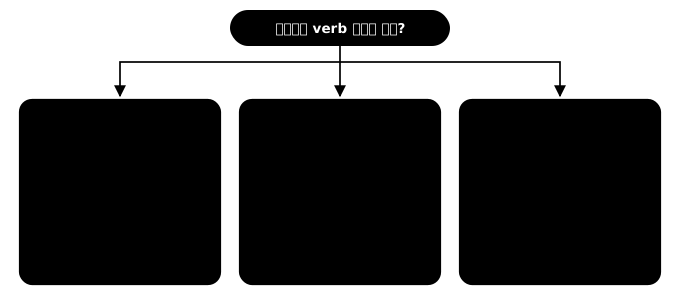
पहला verb तय करता है
दूसरे verb का रूप (-ing या to + V1) पहला verb तय करता है। मोटी पहचान: -ing असली, चल रहे या हो चुके काम की तरफ़ देखता है; to आगे होने वाले काम की तरफ़।
Subject की जगह -ing ज़्यादा natural
Walking is good for health. — सबसे आम और natural।
To walk is good for health. — सही है, पर किताबी लगता है।
19.2 Verb + -ing: enjoy, avoid, finish, suggest
ये verb अक्सर किसी असली या चल रहे काम की बात करते हैं — जो आपको पसंद है, जिससे बचते हो, जो ख़त्म किया। इनके बाद "to" लगाना सबसे आम गलती है।
| Verb | मतलब | Example |
|---|---|---|
| enjoy | मज़ा लेना | We enjoyed watching the match. |
| avoid | बचना | Avoid eating junk food. |
| finish | ख़त्म करना | Have you finished writing? |
| suggest | सुझाव देना | She suggested taking a taxi. |
| mind | बुरा मानना | Do you mind waiting? |
| keep | करते रहना | He kept calling me. |
| practise | अभ्यास करना | Practise speaking every day. |
| give up | छोड़ देना | My uncle gave up smoking. |
-ing वाले verbs
enjoy, avoid, finish, suggest, mind, keep, practise, consider, give up — इनके बाद हमेशा verb-ing, कभी "to" नहीं। ✓ I enjoy reading. ✗ I enjoy to read.
suggest के साथ इंसान कैसे लगाओ
- गलत: He suggested me to go by train.
- सही: He suggested going by train. / He suggested that I go by train.
- क्यों: "suggest" के बाद "इंसान + to" का pattern नहीं होता। या तो -ing लगाओ, या "that + इंसान + V1"।
19.3 Verb + to: want, decide, hope, plan
ये verb ज़्यादातर आगे की सोच बताते हैं — इच्छा, फ़ैसला, उम्मीद, योजना। काम अभी हुआ नहीं, होने वाला है। इसलिए "to" — जैसे काम की तरफ़ एक तीर।
| Verb | मतलब | Example |
|---|---|---|
| want | चाहना | I want to learn French. |
| decide | फ़ैसला करना | They decided to move to Pune. |
| hope | उम्मीद करना | We hope to see you soon. |
| plan | योजना बनाना | She plans to start a business. |
| agree / refuse | मान जाना / मना करना | He refused to sign. |
| promise | वादा करना | I promise to call you. |
| manage | किसी तरह कर पाना | We managed to finish on time. |
to वाले verbs
want, decide, hope, plan, agree, refuse, promise, manage, need, expect — इनके बाद to + V1। इंसान बीच में आए तो: want / ask / tell / advise someone to do।
- My mother wants me to become a doctor. माँ चाहती हैं कि मैं डॉक्टर बनूँ। — "that I become" नहीं, सीधा "me to become"।
- The teacher told us to sit down. tell, ask, advise, allow, remind — सब "इंसान + to" लेते हैं।
19.4 दोनों ले सकते हैं — पर मतलब बदल जाता है
कुछ verb दोनों रूप लेते हैं, और यही सबसे दिलचस्प हिस्सा है। यहाँ गलत रूप चुनने से गलती नहीं, बिल्कुल अलग मतलब निकलता है — इसलिए इन्हें ध्यान से समझो।
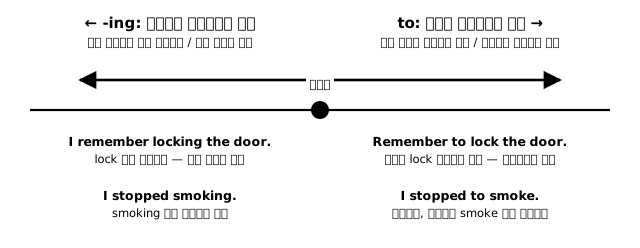
stop, remember, forget, try
-ing = पहले का या असली काम: remember meeting (मिल चुके)। to = आगे का काम: remember to meet (मिलना है)। try doing = करके देखो; try to do = कोशिश करो।
| Verb | + -ing | + to V1 |
|---|---|---|
| stop | काम बंद करना — stop talking | किसी और काम के लिए रुकना — stop to talk |
| remember | बीता काम याद होना — remember meeting her | आगे का काम याद रखना — remember to call |
| forget | बीता पल भूल जाना — I'll never forget seeing the Taj | करना भूल जाना — I forgot to lock it |
| try | तरीका आज़माकर देखना — try restarting the phone | मुश्किल काम की कोशिश — try to lift the box |
कुछ verbs में फ़र्क़ बहुत कम है
like, love, hate, start, begin, continue — दोनों रूप चलते हैं और मतलब लगभग वही रहता है: It started raining = It started to rain.
19.5 Preposition के बाद हमेशा -ing
यह इस chapter का सबसे आसान और सबसे पक्का नियम है। Preposition के बाद noun आता है — और जब वहाँ verb लगाना हो, तो उसे noun जैसा बनाना पड़ता है, यानी -ing।
- I am interested in learning Japanese. मुझे Japanese सीखने में दिलचस्पी है।
- She is good at solving puzzles. वो पहेलियाँ सुलझाने में अच्छी है।
- Thank you for coming. आने के लिए शुक्रिया।
- Wash your hands before eating. खाने से पहले हाथ धो लो। — before, after, without, instead of, by — सब के बाद -ing।
Preposition + -ing
in, at, of, for, about, before, after, without, by, instead of — इनके बाद verb आए तो हमेशा -ing: interested in learning, tired of waiting, without asking। कभी "to + V1" नहीं।
19.6 "to" का धोखा — look forward to meeting
हर "to" infinitive वाला नहीं होता। कभी-कभी "to" असल में preposition होता है — और पिछले section का नियम याद है? Preposition के बाद -ing। बस पहचानना है कि कौन सा "to" कौन सा है।
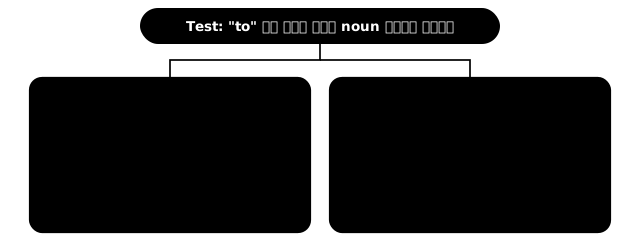
Preposition वाला 'to'
look forward to, be used to, get used to, object to, be committed to, when it comes to — इनमें "to" preposition है, इसलिए -ing: I look forward to meeting you.
- I am used to working late. मुझे देर तक काम करने की आदत है। (test: used to late nights ✓)
- When it comes to cooking, my father is the best. खाना बनाने की बात आए तो पापा सबसे आगे हैं।
19.7 वो गलतियाँ जो हम सच में करते हैं
-ing और to की सबसे आम Indian-English गलतियाँ
- गलत: I look forward to meet you.
- सही: I look forward to meeting you.
-
क्यों: हर formal email के आख़िर में यह गलती दिखती है। यहाँ "to" preposition है (look forward to the meeting ✓), इसलिए -ing।
-
गलत: I am interested to learn coding.
- सही: I am interested in learning coding.
-
क्यों: "interested" के साथ preposition "in" आता है, और preposition के बाद -ing। दिलचस्पी बतानी हो तो हमेशा "interested in + -ing"।
-
गलत: He suggested me to go home.
- सही: He suggested that I go home. / He suggested going home.
-
क्यों: "suggest" "इंसान + to" नहीं लेता। यह pattern "advise" का है: He advised me to go home.
-
गलत: I enjoy to travel.
- सही: I enjoy travelling.
-
क्यों: "enjoy" -ing वाले डिब्बे का verb है। हिंदी के "घूमना पसंद है" से "to" आ जाता है — पर "enjoy" के बाद कभी नहीं।
-
गलत: Thank you for give me this chance.
- सही: Thank you for giving me this chance.
- क्यों: "for" preposition है — उसके बाद verb हमेशा -ing रूप में।
19.8 Practice — Gerunds & infinitives
अभ्यास 1
We have decided ___ a new car.
- to buy
- buying
- buy
- to buying
संकेत: 'decide' कौन से डिब्बे में है?
उत्तर
to buy
'decide' आगे के फ़ैसले की बात है — to वाले डिब्बे का verb। इसलिए decide + to + V1।
अभ्यास 2
Please avoid ___ your phone while driving.
- using
- to use
- use
- used
उत्तर
using
'avoid' हमेशा -ing लेता है — avoid using, avoid eating। 'avoid to use' बहुत आम गलती है।
अभ्यास 3
I clearly remember ___ the gas. I'm sure it's off.
- switching off
- to switch off
- switch off
- to switching off
संकेत: काम पहले हो चुका है, और वो याद है।
उत्तर
switching off
Gas बंद करना पहले हो चुका — और अभी वो याद है। बीते काम की याद = remember + -ing।
अभ्यास 4
The driver stopped ___ some tea, then continued the journey.
- to have
- having
- have
- had
संकेत: वो किसलिए रुका?
उत्तर
to have
Driver चाय पीने के लिए रुका — यानी एक काम रोककर दूसरा काम करने के लिए। stop + to = रुकना ताकि कुछ कर सको। 'stopped having tea' का मतलब होता कि चाय पीना छोड़ दिया।
अभ्यास 5
I look forward to ___ from you soon. (hear)
संकेत: यह 'to' preposition है।
उत्तर
hearing
'look forward to' में 'to' preposition है (look forward to your reply ✓), और preposition के बाद -ing। इसलिए 'hearing'।
अभ्यास 6
She is very good at ___ people laugh. (make)
संकेत: 'at' के बाद क्या आता है?
उत्तर
making
'at' preposition है। Preposition के बाद verb हमेशा -ing रूप में — good at making।
अभ्यास 7
गलत शब्द पर tap करो।
My manager suggested me to take a short break.
उत्तर
गलत शब्द: me.
सही रूप: My manager suggested that I take a short break.
'suggest' के बाद 'me to' वाला pattern नहीं चलता। 'suggested that I take' या 'suggested taking' बोलो।
अभ्यास 8
एक शब्द गलत रूप में है — ढूँढो।
I am interested in join the music class.
उत्तर
गलत शब्द: join.
सही रूप: I am interested in joining the music class.
'in' preposition है, तो उसके बाद verb -ing लेगा — joining।
अभ्यास 9
Verb को उसके सही pattern से जोड़ो।
| A | B |
|---|---|
| enjoy | + verb-ing (preposition) |
| want | + to V1 (इंसान के बाद) |
| interested in | + verb-ing |
| advise someone | + to V1 |
उत्तर
enjoy — + verb-ing; want — + to V1; interested in — + verb-ing (preposition); advise someone — + to V1 (इंसान के बाद)
enjoy -ing डिब्बे का है, want to वाले डिब्बे का। 'in' preposition है तो -ing। advise के बाद इंसान और फिर to + V1।
अभ्यास 10
सही क्रम में वाक्य बनाओ।
शब्द: the / midnight / She / report / at / writing / finished
उत्तर
She finished writing the report at midnight
'finish' के बाद -ing आता है — finished writing। फिर object (the report) और समय (at midnight)।
अभ्यास 11
यह वाक्य बनाओ — 'इंसान + to' pattern।
शब्द: study / want / parents / me / to / My / abroad
उत्तर
My parents want me to study abroad
'want' के बाद इंसान (me) और फिर to + V1 (to study)। हिंदी की तरह 'want that I study' नहीं बोलते।
अभ्यास 12
Email की यह आख़िरी लाइन बोलो — 'meeting' पर ध्यान दो।
I look forward to meeting you
उत्तर
बोलो: I look forward to meeting you
यह लाइन इतनी बार गलत लिखी जाती है कि ज़ोर से सही बोलना सबसे अच्छा इलाज है। 'to' preposition है, इसलिए 'meeting'।
आगे क्या करो
तीन डिब्बे काग़ज़ पर बनाओ — "-ing", "to", "दोनों"। रोज़ जो भी नया verb पढ़ो, उसे किसी डिब्बे में डालो। एक महीने में आपके पास अपना खुद का sorter होगा, और अंदाज़े की ज़रूरत ख़त्म।