अध्याय 36: एक शब्द से दस शब्द (Word formation)
एक शब्द से दस शब्द — prefix और suffix का जादू
Vocabulary बढ़ाने का सबसे सस्ता तरीका नए शब्द रटना नहीं है — बल्कि जो शब्द आप पहले से जानते हो, उनके रिश्तेदार पहचानना है। happy जानते हो? तो आप unhappy, happiness, happily, unhappiness भी जानते हो — बस पता नहीं था। शुरू में जुड़े टुकड़े (prefix) मतलब बदलते हैं, और अंत में जुड़े टुकड़े (suffix) शब्द का काम बदलते हैं। इस chapter के बाद हर नया लंबा शब्द आपको टुकड़ों में दिखेगा।
- 1एक जड़, पूरा परिवार — word family
- 2Prefix — शुरू में जोड़ो, मतलब बदलो
- 3कौनसा "not" — un, dis, in, im, il, ir
- 4Noun बनाने वाले suffix — -tion, -ment, -ness
- 5Adjective और adverb — -ful, -less, -able, -ly
- 6-ize और कुछ पुरानी जड़ें
- 7छह परिवार — एक table में
- 8वो गलतियाँ जो हम सच में करते हैं
36.1 एक जड़, पूरा परिवार — word family
एक शब्द के परिवार को साथ सीखने से दो फ़ायदे हैं: एक की मेहनत में चार शब्द, और वाक्य में सही रूप चुनना आसान। "He spoke happy" या "Her happy was clear" जैसी गलतियाँ यहीं से रुकती हैं।
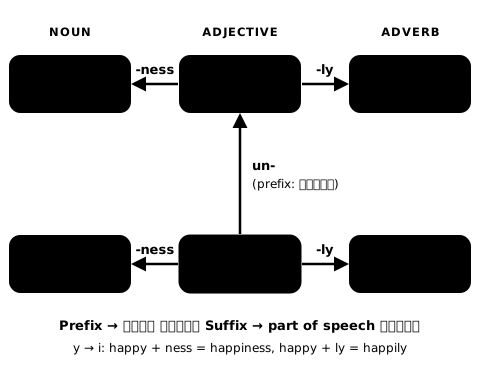
- She looks happy. She smiled happily. Her happiness was clear. एक ही जड़, तीन काम: कैसी दिखती है (adjective), कैसे मुस्कुराई (adverb), क्या दिखा (noun)।
दो तरह के टुकड़े
Prefix (शुरू में) शब्द का मतलब बदलता है: happy → unhappy। Suffix (अंत में) शब्द का काम बदलता है: happy (adj) → happiness (noun) → happily (adverb)।
36.2 Prefix — शुरू में जोड़ो, मतलब बदलो
सात prefix इतने आम हैं कि रोज़ की English के सैकड़ों शब्द इन्हीं से बनते हैं। इनका मतलब याद कर लिया, तो अनजान शब्द का अंदाज़ा भी लग जाता है — misread = गलत पढ़ना।
| Prefix | मतलब | Examples |
|---|---|---|
| un- | नहीं / उल्टा | unhappy · unfair · unlock |
| dis- | नहीं / उल्टा | dislike · disagree · disconnect |
| im- / in- | नहीं | impossible · incorrect · invisible |
| re- | दोबारा / वापस | redo · rewrite · return |
| mis- | गलत तरीके से | misunderstand · misspell · mislead |
| pre- | पहले | preview · prepaid · preheat |
| over- | ज़रूरत से ज़्यादा | overeat · overload · overconfident |
- I think you misunderstood me. Let me rephrase that. आपने मुझे गलत समझा। मैं दोबारा, अलग शब्दों में कहता हूँ।
- Don't overcook the rice, and please preheat the oven. चावल ज़्यादा मत पकाना, और ओवन पहले से गरम कर लो।
Prefix spelling नहीं छेड़ता
Prefix बस आगे जुड़ जाता है — जड़ की spelling वही रहती है। इसलिए कभी-कभी दो अक्षर साथ आ जाते हैं: un + necessary = unnecessary, mis + spell = misspell, dis + satisfied = dissatisfied।
36.3 कौनसा "not" — un, dis, in, im, il, ir
उल्टा मतलब बनाने के छह prefix हैं, और यही सबसे ज़्यादा गड़बड़ करते हैं — "unpossible", "unregular"। अच्छी खबर: आधे का पक्का नियम है, और वो नियम सिर्फ़ जड़ का पहला अक्षर देखता है।
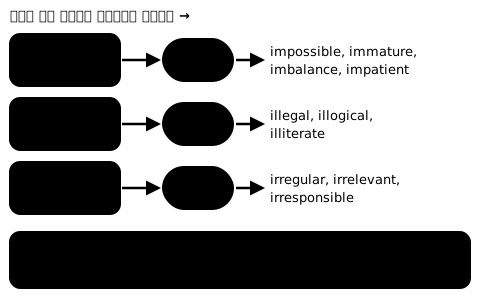
पहले अक्षर का नियम
p, m, b → im- (impossible) · l → il- (illegal) · r → ir- (irregular)। बाकी un- / dis- / in- का नियम नहीं — इन्हें शब्द के साथ जोड़ी में याद करो। शक हो तो dictionary — "unpossible" जैसा शब्द होता ही नहीं।
36.4 Noun बनाने वाले suffix — -tion, -ment, -ness
Formal English, emails और reports noun से भरी होती हैं — "We decided" की जगह "We made a decision"। तीन suffix से ज़्यादातर noun बन जाते हैं: काम का नाम (-tion, -ment) और गुण का नाम (-ness)।
| शब्द → noun | Suffix | Example |
|---|---|---|
| inform → information | -tion | Thanks for the information. |
| educate → education | -tion | Education changes lives. |
| decide → decision | -sion | It was a hard decision. |
| develop → development | -ment | The city needs development. |
| agree → agreement | -ment | We signed an agreement. |
| pay → payment | -ment | The payment is due today. |
| kind → kindness | -ness | Thank you for your kindness. |
| happy → happiness | -ness | Money can't buy happiness. |
काम का नाम, गुण का नाम
Verb + -tion / -ment = noun (inform → information, agree → agreement)। Adjective + -ness = noun (kind → kindness)। अंत का y, -ness से पहले i बन जाता है: happy → happiness। और अंत का चुप "e" अक्सर गिर जाता है: educate → education, decide → decision।
36.5 Adjective और adverb — -ful, -less, -able, -ly
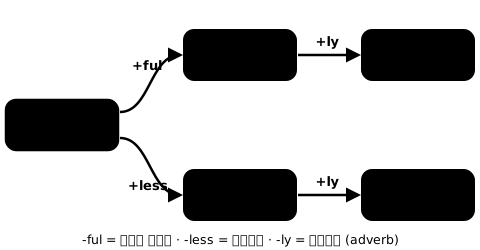
ये चार suffix description की जान हैं। एक ही noun से दो उल्टे adjective बन जाते हैं (-ful और -less), और उन पर -ly लगाओ तो वो verb को describe करने लगते हैं।
| Suffix | मतलब | Examples |
|---|---|---|
| -ful | से भरा | careful · useful · hopeful |
| -less | के बिना | careless · useless · hopeless |
| -able | किया जा सकता है | readable · washable · comfortable |
| -ly | adjective → adverb | quickly · carefully · happily |
एक l, दो l
-ful में हमेशा एक ही l: careful, useful, beautiful — "carefull" नहीं। पर उस पर -ly लगाओ तो दो l आ जाते हैं: careful + ly = carefully। ध्यान दो: friendly, lovely, lonely -ly पर खत्म होते हैं पर adjective हैं — "a friendly person"।
36.6 -ize और कुछ पुरानी जड़ें
-ize noun या adjective को काम (verb) बना देता है — office English में ये हर जगह है। और बहुत से लंबे शब्द पुरानी Latin जड़ों से बने हैं; एक जड़ पहचान ली, तो पूरा गुच्छा समझ आता है।
| शब्द | + -ize = verb | Example |
|---|---|---|
| modern | modernize | We need to modernize the office. |
| real | realize | I didn't realize it was so late. |
| summary | summarize | Can you summarize the report? |
| priority | prioritize | Let's prioritize the urgent tasks. |
| apology | apologize | I apologize for the delay. |
British spelling -ise (realise, apologise) भी बिल्कुल सही है, और भारत में दोनों चलते हैं। बस एक document में एक ही रखो।
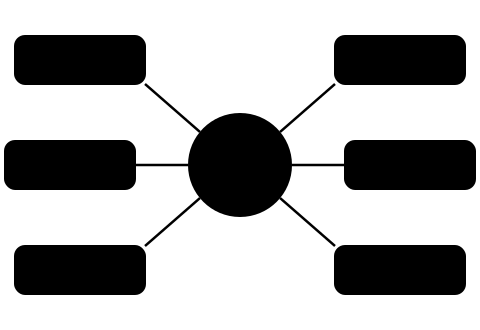
| जड़ | मतलब | शब्द |
|---|---|---|
| port | ले जाना | transport · export · portable |
| dict | बोलना | predict · dictionary · contradict |
| spect | देखना, ध्यान से | inspect · respect · spectator |
| vis / vid | देख पाना | visible · vision · video |
| scrib / script | लिखना | describe · script · subscribe |
लंबा शब्द? तोड़ के पढ़ो
Prefix + जड़ + suffix: in-spect-ion = अंदर देखने का काम (जाँच); pre-dict-able = पहले से बोला जा सके। अनजान शब्द को टुकड़ों में तोड़ो — आधा मतलब खुद निकल आएगा।
36.7 छह परिवार — एक table में
ये वो परिवार हैं जिनके रूप सबसे ज़्यादा गलत लगते हैं। हर लाइन को बाएँ से दाएँ ज़ोर से पढ़ो — एक बार में चार शब्द पक्के हो जाएँगे।
| Verb | Noun | Adjective | Adverb |
|---|---|---|---|
| decide | decision | decisive | decisively |
| succeed | success | successful | successfully |
| create | creation | creative | creatively |
| care | care | careful | carefully |
| differ | difference | different | differently |
| attract | attraction | attractive | attractively |
- She succeeded because she worked carefully. Her success was no accident. तीन परिवार, तीन काम — verb के साथ adverb, अकेला noun।
Notebook की आदत
नया शब्द लिखो तो उसके साथ उसका पूरा परिवार भी लिखो — verb, noun, adjective, adverb। जो खाना खाली रहे (जैसे "differ" का कोई आम adverb), वो भी एक जानकारी है।
36.8 वो गलतियाँ जो हम सच में करते हैं
ये गलतियाँ इसलिए होती हैं कि हम जड़ सही चुनते हैं पर रूप गलत — noun की जगह verb, adverb की जगह adjective, या गलत "not" वाला prefix।
Word formation की आम गलतियाँ
- गलत: This is unpossible.
- सही: This is impossible.
-
क्यों: "possible" p से शुरू होता है → im-। इसी तरह unregular → irregular, unlegal → illegal।
-
गलत: Her behave in the meeting was rude.
- सही: Her behaviour in the meeting was rude.
-
क्यों: "Her ___ was" के बीच noun चाहिए। behave = verb, behaviour (US: behavior) = noun।
-
गलत: He answered very confident.
- सही: He answered very confidently.
-
क्यों: Verb (answered) को describe करने के लिए adverb: -ly। "He is confident" में adjective ठीक है।
-
गलत: I am very boring in this class.
- सही: I am very bored in this class.
-
क्यों: -ed = आपकी feeling (bored, tired, interested)। -ing = जो feeling देता है (a boring class)। "I am boring" = मैं बोर करता हूँ!
-
गलत: Can you repeat it again?
- सही: Can you repeat it? / Can you say it again?
- क्यों: re- का मतलब ही "दोबारा" है — "repeat again" = दोबारा दोबारा। इसी तरह "revert back" में "back" फ़ालतू है।
36.9 Practice — Word formation
अभ्यास 1
'possible' का उल्टा क्या है?
- impossible
- unpossible
- dispossible
- nonpossible
उत्तर
impossible
जड़ 'p' से शुरू होती है, इसलिए im-। याद रखो: p, m, b → im-।
अभ्यास 2
'regular' का उल्टा क्या है?
- irregular
- unregular
- disregular
- misregular
उत्तर
irregular
जड़ 'r' से शुरू → ir-। इसी तरह irrelevant, irresponsible।
अभ्यास 3
इनमें से adverb कौनसा है?
- happily
- happiness
- unhappy
- happy
उत्तर
happily
-ly adjective को adverb बना देता है: happy → happily। happiness noun है, unhappy adjective।
अभ्यास 4
Please drive ___. The road is wet. (care)
संकेत: Verb 'drive' को describe करना है — adverb चाहिए।
उत्तर
carefully
care → careful (adjective) → carefully (adverb)। दो l, क्योंकि careful + ly।
अभ्यास 5
We need to make a ___ by Friday. (decide)
संकेत: 'a' के बाद noun।
उत्तर
decision
decide → decision। अंत का 'de' '-sion' बन जाता है। 'make a decision' पक्की जोड़ी है।
अभ्यास 6
Thank you for your ___. (kind)
संकेत: 'your' के बाद noun — गुण का नाम।
उत्तर
kindness
Adjective + -ness = noun: kind → kindness, dark → darkness।
अभ्यास 7
इस वाक्य में एक शब्द का रूप गलत है — उस पर टैप करो।
Her behave in the meeting was very rude.
उत्तर
गलत शब्द: behave.
सही रूप: Her behaviour in the meeting was very rude.
'Her ___ was' में noun चाहिए — behave verb है, behaviour noun।
अभ्यास 8
गलत prefix वाला शब्द ढूँढो।
Finishing this by tonight is unpossible.
उत्तर
गलत शब्द: unpossible.
सही रूप: Finishing this by tonight is impossible.
'possible' p से शुरू → im-possible। 'unpossible' शब्द ही नहीं है।
अभ्यास 9
Prefix को उसके मतलब से जोड़ो।
| A | B |
|---|---|
| re- | पहले |
| mis- | ज़रूरत से ज़्यादा |
| pre- | दोबारा |
| over- | गलत तरीके से |
उत्तर
re- — दोबारा; mis- — गलत तरीके से; pre- — पहले; over- — ज़रूरत से ज़्यादा
rewrite = दोबारा लिखना, misread = गलत पढ़ना, preview = पहले देखना, overeat = ज़्यादा खाना।
अभ्यास 10
जड़ को उसके मतलब से जोड़ो।
| A | B |
|---|---|
| port | देखना |
| dict | लिखना |
| spect | ले जाना |
| scrib | बोलना |
उत्तर
port — ले जाना; dict — बोलना; spect — देखना; scrib — लिखना
transport (ले जाना), predict (पहले बोलना), inspect (अंदर देखना), describe (लिखकर बताना)।
अभ्यास 11
सही क्रम में लगाओ।
शब्द: all / confidently / She / questions / the / answered
उत्तर
She answered all the questions confidently
Adverb (confidently) verb के काम को describe करता है, और अक्सर वाक्य के अंत में आता है।
अभ्यास 12
ये वाक्य बोलो — हर शब्द का पूरा suffix साफ़ सुनाओ।
It was a careful and creative decision
उत्तर
बोलो: It was a careful and creative decision
'careful' का -ful हल्का बोलो (केयर-फ़ल), और 'decision' में ज़ोर बीच पर: di-SI-zhn।
आगे क्या करो
आज के अखबार या किसी भी article से पाँच लंबे शब्द चुनो और उन्हें prefix + जड़ + suffix में तोड़ो। फिर हर एक का परिवार लिखो। दस मिनट, और vocabulary चुपचाप बढ़ जाएगी।