अध्याय 47: विराम चिह्न (Punctuation)
विराम चिह्न — छोटे निशान, बड़ा फ़र्क़
बोलते वक़्त हम साँस लेते हैं, रुक जाते हैं, आवाज़ उठाते हैं — इससे सुनने वाले को मतलब साफ़ हो जाता है। लिखी हुई English में यह काम विराम चिह्न करते हैं। यह सिर्फ़ "सुंदर लिखने" की बात नहीं है: एक comma इधर-उधर होने से मतलब बदल जाता है, और एक apostrophe गलत जगह लगने से पढ़ने वाले को तुरंत पता चल जाता है। अच्छी ख़बर — गिने-चुने rule हैं, और वो सब इस chapter में हैं।
- 1रुकने की लंबाई — एक सड़क की तरह देखो
- 2Full stop — सबसे ज़रूरी और सबसे अनदेखा
- 3Comma — सात असली काम
- 4Semicolon और colon — कम use, पर काम के
- 5Apostrophe — दो काम, तीन गलतियाँ
- 6Capital letters — आठ पक्के मौके
- 7Quotation marks — किसी के शब्द जैसे के तैसे
- 8Question और exclamation mark
- 9Hyphen और dash
- 10वो गलतियाँ जो हम सच में करते हैं
एक लाइन में
Punctuation marks tell the reader where to pause, where to stop, and how to read. विराम चिह्न पढ़ने वाले के लिए traffic के निशान हैं — कहाँ धीमा करना है, कहाँ रुकना है, और कहाँ सवाल है।
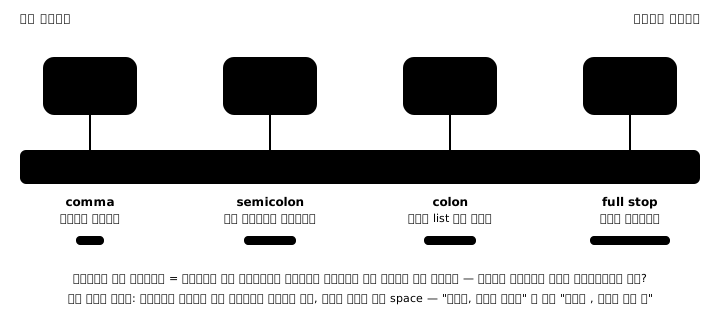
47.1 रुकने की लंबाई — एक सड़क की तरह देखो
सबसे पहले यह समझ लो कि कौन सा निशान कितनी देर रुकवाता है। यही एक तस्वीर आधी confusion ख़त्म कर देती है।
47.2 Full stop — सबसे ज़रूरी और सबसे अनदेखा
हिंदी में हम "।" लगाते हैं; English में एक छोटा बिंदु। लंबा WhatsApp message बिना full stop के एक ही साँस जैसा लगता है और पढ़ने वाला थक जाता है।
- I called him twice. He did not pick up. I will try again tomorrow. तीन छोटे वाक्य — पढ़ने में साफ़। एक लंबा वाक्य बनाने से बात उलझ जाती है।
Full stop short form में भी आता है — Dr. Sharma, Mr. Khan, a.m., p.m., etc. — पर आज की English में UK, USA, NGO, IIT जैसे नाम बिना बिंदु लिखे जाते हैं।
47.3 Comma — सात असली काम
| काम | Example |
|---|---|
| List बनाने में | I bought rice, dal, oil and sugar. |
| शुरुआती phrase के बाद | After the meeting, we went for tea. |
| दो पूरे वाक्यों को and/but/so से जोड़ते वक़्त | I called him, but he did not answer. |
| बीच में आई ग़ैर-ज़रूरी जानकारी | My uncle, who lives in Surat, is a tailor. |
| किसी को पुकारते वक़्त | Ravi, please close the window. |
| हाँ / नहीं के बाद | Yes, I understand. |
| तारीख़ और पते में | She was born on 14 March, 1998, in Kanpur. |
Comma मतलब बदल देता है
My brother, who lives in Pune, is a doctor. मेरा एक ही भाई है — वो Pune में रहता है (extra जानकारी)। My brother who lives in Pune is a doctor. मेरे कई भाई हैं — जो Pune में रहता है, वो doctor है (ज़रूरी जानकारी)।
Comma splice — दो वाक्य comma से नहीं जुड़ते
- गलत: It was raining, we stayed at home.
- सही: It was raining, so we stayed at home.
- क्यों: दो पूरे वाक्यों को जोड़ने के लिए comma काफ़ी नहीं। या full stop लगाओ, या comma के साथ and / but / so / because जैसा जोड़ने वाला शब्द लाओ, या semicolon use करो।
47.4 Semicolon और colon — कम use, पर काम के
| निशान | काम | Example |
|---|---|---|
| ; | दो पूरे वाक्य जो मतलब से जुड़े हैं | The road was blocked; we had to take a longer route. |
| : | आगे list आ रही है | Bring three things: a pen, a notebook and your ID card. |
| : | आगे वजह या ख़ुलासा आ रहा है | There was one problem: nobody had the keys. |
47.5 Apostrophe — दो काम, तीन गलतियाँ
Apostrophe ( ' ) सिर्फ़ दो काम करता है: किसका बताता है, या छूटा हुआ अक्षर दिखाता है। तीसरा काम — plural बनाना — वो कभी नहीं करता।
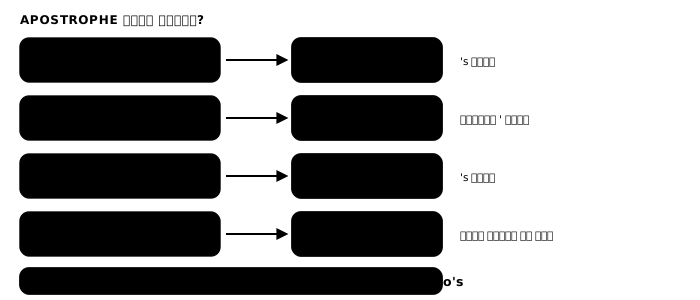
its vs it's — सबसे महँगा confusion
| रूप | मतलब | Example |
|---|---|---|
| it's | it is / it has | It's raining. · It's been a long day. |
| its | उसका (possessive) | The dog hurt its leg. |
पक्का test
जहाँ "it's" लिखा है, वहाँ "it is" बोलकर पढ़ो। अगर वाक्य बनता है तो apostrophe सही है; नहीं बनता तो "its" चाहिए। यही test your's/yours, their's/theirs के साथ भी चलता है — possessive pronouns में apostrophe कभी नहीं लगता: yours, hers, ours, theirs, its।
47.6 Capital letters — आठ पक्के मौके
| मौका | Example |
|---|---|
| वाक्य का पहला अक्षर | The bus was late. |
| "I" हमेशा बड़ा | Ravi and I went together. |
| लोगों के नाम | Anita Sharma |
| जगह, देश, नदी, शहर | Mumbai, India, the Ganga |
| दिन, महीना, त्योहार | Monday, August, Diwali |
| भाषा और देश वाले शब्द | Hindi, English, Indian |
| संस्था और किताब-फ़िल्म के नाम | Delhi University, The Guide |
| पदवी जब नाम के साथ हो | Dr. Verma, Prime Minister Nehru |
जहाँ capital नहीं लगता
मौसम (summer, winter), विषय (science, history — जब subject का official नाम न हो), दिशाएँ (north, south), और आम नाम (school, bank, doctor — जब किसी ख़ास का नाम न हो)।
I go to school in the summer. ✓ I go to School in the Summer. ✗
47.7 Quotation marks — किसी के शब्द जैसे के तैसे
जब किसी की बात जैसी की वैसी लिखनी हो, तो quotation marks लगते हैं। दो बातें याद रखो: बात का पहला अक्षर बड़ा होता है, और अंदर का विराम चिह्न quotes के अंदर रहता है।
- She said, "I will call you tomorrow." "said" के बाद comma, बात का पहला अक्षर बड़ा, full stop quotes के अंदर।
- "Where are you going?" he asked. सवाल पहले आया तो question mark quotes के अंदर, और "he" छोटा।
47.8 Question और exclamation mark
| निशान | कब | Example |
|---|---|---|
| ? | सीधा सवाल | Have you eaten? |
| . | Reported या शिष्ट सवाल जो असल में request है | He asked where I lived. · Could you pass the salt. |
| ! | तेज़ भाव — ख़ुशी, हैरानी, चेतावनी | What a match! · Watch out! |
एक ही काफ़ी है
Thank you so much!!! → Thank you so much!
तीन exclamation लगाने से बात तीन गुना ज़्यादा नहीं होती — बस कच्ची लगती है। Professional email में exclamation एक-दो से ज़्यादा नहीं।
47.9 Hyphen और dash
| निशान | काम | Example |
|---|---|---|
| - hyphen | दो शब्द जोड़कर एक adjective बनाना | a well-known singer · a five-year plan |
| - hyphen | गिनती के शब्द | twenty-one, sixty-five |
| — dash | अचानक जोड़ी गई बात | He agreed — after an hour of arguing. |
47.10 वो गलतियाँ जो हम सच में करते हैं
Punctuation की टॉप गलतियाँ
- गलत: Fresh Mango's available here.
- सही: Fresh mangoes available here.
-
क्यों: Plural बनाने में apostrophe कभी नहीं लगता। यह गलती दुकान के board पर सबसे ज़्यादा दिखती है।
-
गलत: The company has lost it's way.
- सही: The company has lost its way.
-
क्यों: "it is lost its way" नहीं बनता — इसलिए apostrophe नहीं। Possessive "its" चाहिए।
-
गलत: Please send the file , I need it today.
- सही: Please send the file. I need it today.
-
क्यों: दो अलग वाक्य हैं। Comma से नहीं जुड़ेंगे — full stop लगाओ (या "as" / "because" जोड़ो)।
-
गलत: Respected Sir ,
- सही: Dear Sir,
-
क्यों: विराम चिह्न से पहले space नहीं, बाद में space। और आज के English email में "Dear Sir" चलता है — "Respected Sir" पुरानी सरकारी भाषा है।
-
गलत: she lives in mumbai and speaks marathi.
- सही: She lives in Mumbai and speaks Marathi.
-
क्यों: वाक्य का पहला अक्षर, शहर का नाम और भाषा का नाम — तीनों capital।
-
गलत: My brothers bike is new. (एक भाई की बात)
- सही: My brother's bike is new.
-
क्यों: "किसका" बताने के लिए apostrophe ज़रूरी है। बिना apostrophe मतलब "मेरे कई भाई" हो जाता है।
-
गलत: He said that "he was busy".
- सही: He said that he was busy.
- क्यों: "that" वाले reported वाक्य में quotes नहीं लगते। Quotes सिर्फ़ तब जब शब्द जैसे के तैसे लिखे जाओ।
तीन आदतें जो लिखाई तुरंत सुधार देती हैं
1. एक वाक्य में एक बात। लंबा हो रहा है तो full stop लगाओ।
2. Apostrophe लगाने से पहले पूछो — "किसका?" या "कौन सा अक्षर छूटा?" दोनों नहीं, तो apostrophe नहीं।
3. निशान से पहले space नहीं, बाद में एक space।
47.11 Practice — विराम चिह्न
अभ्यास 1
कौन सा वाक्य सही है?
- The cat licked it's paw.
- The cat licked its paw.
- The cat licked its' paw.
- The cat licked it is paw.
संकेत: it's = it is। Test करके देखो।
उत्तर
The cat licked its paw.
यहाँ मतलब 'उसका पंजा' है — possessive। 'It is paw' बेमानी है, इसलिए apostrophe नहीं लगता।
अभ्यास 2
सही रूप चुनो: लड़कों का common room
- boy's common room
- boys's common room
- boys' common room
- boys common room
संकेत: 'boys' पहले से s पर ख़त्म है।
उत्तर
boys' common room
Plural noun जो s पर ख़त्म होता है, उसमें सिर्फ़ apostrophe लगता है — boys'। एक लड़के का होता तो boy's।
अभ्यास 3
कौन सा वाक्य सही punctuation के साथ लिखा है?
- It was late, we went home.
- It was late we went home.
- It was late, so we went home.
- It was late; so we went home.
संकेत: दोनों हिस्से पूरे वाक्य हैं या नहीं?
उत्तर
It was late, so we went home.
दो पूरे वाक्यों को comma अकेला नहीं जोड़ सकता (comma splice)। Comma के साथ 'so' जैसा जोड़ने वाला शब्द चाहिए, या full stop।
अभ्यास 4
इनमें से किस शब्द में capital letter नहीं चाहिए?
- monday
- diwali
- summer
- marathi
संकेत: मौसम और दिशाएँ सोचो।
उत्तर
summer
दिन (Monday), त्योहार (Diwali) और भाषा (Marathi) capital से लिखते हैं, पर मौसम (summer, winter) छोटे अक्षर से।
अभ्यास 5
दो पूरे वाक्यों को आपस में जोड़ने वाले निशान का नाम ___ है।
संकेत: Comma से बड़ा रुकना, full stop से छोटा।
उत्तर
semicolon
Semicolon ( ; ) दो पूरे वाक्य जोड़ता है जब उनका मतलब जुड़ा हुआ हो — 'The road was blocked; we took another route.'
अभ्यास 6
आगे आने वाली list को खोलने वाले निशान का नाम ___ है।
संकेत: दो बिंदु, एक के ऊपर एक।
उत्तर
colon
Colon ( : ) list या ख़ुलासा खोलता है — 'Bring three things: a pen, a notebook and your ID.'
अभ्यास 7
भाषा, शहर और दिन के नाम हमेशा ___ letter से शुरू होते हैं।
संकेत: बड़ा या छोटा अक्षर?
उत्तर
capital
English, Mumbai, Monday — ख़ास नाम हमेशा capital letter से। पर मौसम और दिशाएँ छोटे अक्षर से।
अभ्यास 8
इस वाक्य में एक शब्द गलत लिखा है — उस पर tap करो।
We sell fresh mango's and bananas.
उत्तर
गलत शब्द: mango's.
सही रूप: We sell fresh mangoes and bananas.
Plural बनाने में apostrophe कभी नहीं लगता। 'Mangoes' सही रूप है।
अभ्यास 9
गलत शब्द ढूँढो।
My father works in a bank and he speaks english fluently.
उत्तर
गलत शब्द: english.
सही रूप: My father works in a bank and he speaks English fluently.
भाषा का नाम हमेशा capital letter से — English, Hindi, Marathi, Tamil।
अभ्यास 10
एक शब्द गलत है — पकड़ो।
The company changed it's name last year.
उत्तर
गलत शब्द: it's.
सही रूप: The company changed its name last year.
यहाँ मतलब 'उसका नाम' है। 'It is name' बेमानी है, इसलिए apostrophe हटाना पड़ेगा — 'its'।
अभ्यास 11
सही क्रम में वाक्य बनाओ (comma अपने आप सही जगह आ जाएगा)।
शब्द: meeting / the / After / for / we / out / tea / went
उत्तर
After the meeting we went out for tea
लिखते वक़्त इसमें शुरुआती phrase के बाद comma लगेगा — 'After the meeting, we went out for tea.' शुरुआत में आए phrase के बाद comma लगता है।
अभ्यास 12
निशान को उसके काम से जोड़ो।
| A | B |
|---|---|
| , | आगे list या ख़ुलासा |
| ; | किसका, या छूटा अक्षर |
| : | तेज़ भाव |
| ' | छोटा रुकना, list और phrase |
| ! | दो जुड़े पूरे वाक्य |
उत्तर
, — छोटा रुकना, list और phrase; ; — दो जुड़े पूरे वाक्य; : — आगे list या ख़ुलासा; ' — किसका, या छूटा अक्षर; ! — तेज़ भाव
Comma सबसे हल्का break, semicolon दो वाक्य जोड़ता है, colon आगे की बात खोलता है, apostrophe possessive या contraction, exclamation भाव।
अभ्यास 13
अब यह लाइन बोलकर देखो — comma वाली जगह पर हल्का रुकना है।
After the meeting we had tea and then we went home
उत्तर
बोलो: After the meeting we had tea and then we went home
लिखने में यहाँ दो comma आएँगे — 'After the meeting, we had tea, and then we went home.' बोलते वक़्त वही दो जगह हल्का रुकते हैं। Punctuation असल में आपकी साँस का नक्शा है।
आगे क्या करो
सबसे बढ़िया practice: अपना लिखा हुआ ज़ोर से पढ़ो। जहाँ साँस लेने का मन करे, वहाँ comma चाहिए। जहाँ बात पूरी हो जाए, वहाँ full stop। आपके कान आपके व्याकरण से ज़्यादा जानते हैं — उनकी सुनो।