अध्याय 15: Tenses — सभी 12 काल
सारे 12 Tenses (काल) — एक ही नक्शा
लोग कहते हैं "English में 12 tenses हैं" और सुनने में लगता है 12 अलग-अलग चीज़ें रटनी पड़ेंगी। सच ये है कि 12 tenses 12 चीज़ें नहीं हैं — वो सिर्फ़ 3 × 4 है। तीन समय (past, present, future) और चार हालत (simple, continuous, perfect, perfect continuous)। बस इतना। जिस दिन ये 3 × 4 वाली table दिमाग़ में बैठ गई, उस दिन tense की tension ख़त्म।
- 1पहले ये समझ लो: 3 समय × 4 हालत
- 2पूरा नक्शा — timeline पर 12 tenses
- 3Verb के चार रूप — पूरी मशीन का पेट्रोल
- 4बारह formula, एक table में
- 5Present के चार tenses — पास से
- 6Past के चार tenses
- 7Future के चार tenses
- 8Signal words — tense का पता चलने वाले शब्द
- 9वो tense ग़लतियाँ जो हम सच में करते हैं
एक लाइन में
A tense tells you when the action happens and in what state it is — finished, going on, or completed before some point. Tense दो बातें बताता है: काम कब हुआ, और उस वक़्त उसकी हालत क्या थी।
15.1 पहले ये समझ लो: 3 समय × 4 हालत
कोई भी काम किसी एक समय में होता है — बीता हुआ (past), अभी (present), या आगे (future)। ये तीन column बन गए।
और हर समय में काम की चार हालत हो सकती हैं। यही चार row हैं, और यही असली जादू है:
| हालत (aspect) | मतलब | हिंदी feel |
|---|---|---|
| Simple | बस हुआ / होता है / होगा। एक point, या एक आदत। | "मैं गया", "मैं जाता हूँ" |
| Continuous | उस वक़्त चल रहा था / चल रहा है / चल रहा होगा। | "मैं जा रहा था" |
| Perfect | किसी point से पहले पूरा हो चुका था / है / होगा। | "मैं जा चुका था" |
| Perfect Continuous | कुछ देर से लगातार चल रहा है, और कितनी देर से — ये भी बताता है। | "मैं दो घंटे से जा रहा हूँ" |
नाम पढ़ने का तरीक़ा
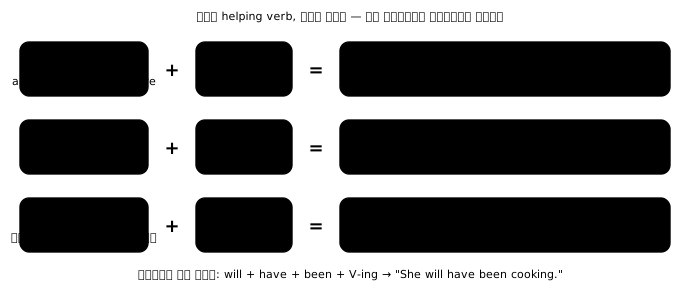
Tense का नाम ही उसका formula है। "Past Perfect Continuous" को उलटा पढ़ो: Continuous है तो -ing लगेगा, Perfect है तो had/have आएगा, Past है तो वो helping verb past form में होगा → had been + -ing। नाम से formula निकालना सीख गए, तो रटने की ज़रूरत ही नहीं।
15.2 पूरा नक्शा — timeline पर 12 tenses
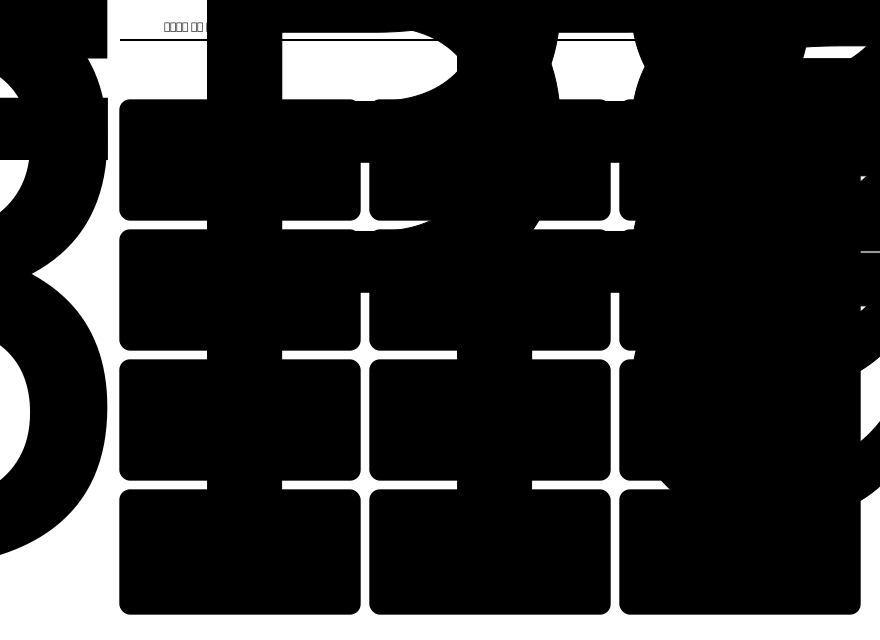
नीचे वाली तस्वीर इस पूरे chapter का निचोड़ है। एक बार ध्यान से देखो: बाएँ से दाएँ वक़्त चलता है, बीच वाली नारंगी लकीर अभी है। हर डिब्बे में छोटी timeline पर देखो काम कहाँ बैठा है — point पर, लकीर की तरह फैला हुआ, या किसी point से पहले ख़त्म।
Past
Present
Future
15.3 Verb के चार रूप — पूरी मशीन का पेट्रोल
Tense बनाने के लिए सिर्फ़ चार चीज़ें चाहिए होती हैं। इन्हें V1, V2, V3 और V-ing कहते हैं। अगर ये चार रूप पता हैं, तो 12 tenses अपने-आप बन जाते हैं।
| रूप | नाम | write | go | eat | play |
|---|---|---|---|---|---|
| V1 | base form | write | go | eat | play |
| V1-s | he/she/it form | writes | goes | eats | plays |
| V2 | past form | wrote | went | ate | played |
| V3 | past participle | written | gone | eaten | played |
| V-ing | present participle | writing | going | eating | playing |
15.4 बारह formula, एक table में
यहाँ सब कुछ एक जगह है। इसको एक बार लिख कर दीवार पर चिपका दो — दो हफ़्ते में याद हो जाएगा।
| Tense | Formula | Example | हिंदी |
|---|---|---|---|
| Present Simple | V1 / V1-s | She writes letters. | वो चिट्ठी लिखती है। |
| Present Continuous | am/is/are + V-ing | She is writing a letter. | वो चिट्ठी लिख रही है। |
| Present Perfect | have/has + V3 | She has written the letter. | वो चिट्ठी लिख चुकी है। |
| Present Perfect Cont. | have/has been + V-ing | She has been writing for an hour. | वो एक घंटे से लिख रही है। |
| Past Simple | V2 | She wrote a letter. | वो चिट्ठी लिखी। |
| Past Continuous | was/were + V-ing | She was writing a letter. | वो चिट्ठी लिख रही थी। |
| Past Perfect | had + V3 | She had written it before I came. | मेरे आने से पहले लिख चुकी थी। |
| Past Perfect Cont. | had been + V-ing | She had been writing since morning. | सुबह से लिख रही थी। |
| Future Simple | will + V1 | She will write a letter. | वो चिट्ठी लिखेगी। |
| Future Continuous | will be + V-ing | She will be writing at 5 pm. | 5 बजे लिख रही होगी। |
| Future Perfect | will have + V3 | She will have written it by Monday. | सोमवार तक लिख चुकी होगी। |
| Future Perfect Cont. | will have been + V-ing | She will have been writing for two hours. | दो घंटे से लिख रही होगी। |
15.5 Present के चार tenses — पास से
Present Simple — आदत और सच
ये tense "अभी इस वक़्त" के लिए नहीं है। ये आदत, routine, और हमेशा सच रहने वाली बात के लिए है। यही सबसे बड़ा confusion है।
- I catch the 8 o'clock bus every day. मैं रोज़ आठ बजे की bus पकड़ता हूँ। — रोज़ की आदत।
- Water boils at 100 degrees. पानी 100 degree पर उबलता है। — हमेशा सच।
- He does not like coffee. उसे coffee पसंद नहीं। — negative में "does not + V1", यहाँ "likes" नहीं।
-s सिर्फ़ he / she / it के साथ
I write · you write · he writes · we write · they write.
और जैसे ही do/does या कोई modal आ जाए, -s हट जाता है: He does not write**, not "does not writes"।
Present Continuous — अभी, इस वक़्त
- I am reading this chapter right now. मैं अभी ये chapter पढ़ रहा हूँ।
- We are moving to Pune next month. अगले महीने Pune shift हो रहे हैं। — पक्का plan हो तो future के लिए भी चलता है।
कुछ verbs -ing में नहीं जाते
- गलत: I am having a car.
- सही: I have a car.
-
क्यों: जब have का मतलब "पास होना" है, तो -ing नहीं लगता। पर जब इसका मतलब "खाना/करना" हो तो लगता है: I am having lunch — ये बिल्कुल ठीक है। ऐसे ही verbs: know, understand, like, want, need, believe, belong, see (देखना)।
-
गलत: I am knowing him since childhood.
- सही: I have known him since childhood.
- क्यों: "Know" एक हालत है, काम नहीं — इसलिए -ing नहीं।
Present Perfect — हो चुका, पर वक़्त नहीं बताया
Present Perfect का सबसे बड़ा नियम: इसके साथ past का वक़्त नहीं आता। अगर आप "yesterday", "last week", "in 2019" बोल रहे हो, तो Past Simple चाहिए।
- I have finished my homework. मैं homework कर चुका हूँ। — कब किया, ये मतलब का हिस्सा नहीं।
- She has just left. वो अभी गई है। — अभी-अभी हुआ, असर ताज़ा है।
- I have never seen snow. मैंने कभी बर्फ़ नहीं देखी। — ज़िंदगी भर का अनुभव।
Present Perfect Continuous — "कितनी देर से"
जब बताना हो कि काम कितनी देर से चल रहा है, ये tense use होता है। और यही वो tense है जहाँ Indian speakers सबसे बड़ी ग़लती करते हैं।
'since three years' — सबसे आम ग़लती
- गलत: I am working here since three years.
- सही: I have been working here for three years.
- क्यों: दो ग़लतियाँ एक साथ थीं। (1) जब काम past में शुरू हुआ और अभी तक चल रहा है, तो have been + -ing चाहिए, am working नहीं। (2) for = कितनी देर (three years), since = कब से (2022, Monday, morning)।
15.6 Past के चार tenses
| कब use करो | Tense | Example |
|---|---|---|
| ख़त्म हो चुका काम, वक़्त पता है | Past Simple | I met him yesterday. |
| Past में एक लंबा background, जिसके बीच कुछ हुआ | Past Continuous | I was cooking when he called. |
| दो past काम — जो पहले हुआ | Past Perfect | The train had left before we reached. |
| Past के किसी point तक कितनी देर से चल रहा था | Past Perfect Cont. | She had been waiting for an hour. |
Past Continuous + Past Simple की जोड़ी
कहानी सुनाते वक़्त ये जोड़ी बार-बार आती है: लंबी चीज़ Continuous में, अचानक होने वाली चीज़ Simple में।
I was crossing the road when the bike hit me. मैं सड़क पार कर रहा था जब bike ने टक्कर मारी।
15.7 Future के चार tenses
Future के लिए English में कई रास्ते हैं, और सब "will" नहीं होते। ये फ़र्क fluency में बड़ा दिखाई देता है।
| रूप | कब | Example |
|---|---|---|
| will + V1 | अभी लिया गया फ़ैसला, वादा, अंदाज़ा | OK, I will help you. |
| be going to | पहले से सोचा हुआ plan, या सामने दिखता नतीजा | I am going to start a shop. |
| am/is/are + V-ing | पक्का, time-table वाला plan | I am meeting her at six. |
| will be + V-ing | आगे किसी वक़्त चल रहा होगा | At nine I will be travelling. |
| will have + V3 | Deadline से पहले पूरा | By May I will have finished it. |
Time clause में future नहीं
when, if, after, before, until, as soon as के बाद will नहीं आता — चाहे बात future की हो।
I will call you when I reach home. "when I will reach" ग़लत है। एक वाक्य में will एक ही बार।
15.8 Signal words — tense का पता चलने वाले शब्द
कुछ शब्द लगभग हमेशा एक ही tense के साथ आते हैं। Exam में और बोलने में, ये shortcut बहुत काम आता है।
| शब्द दिखे तो | Tense |
|---|---|
| every day, usually, often, always, never, generally | Present Simple |
| now, right now, at the moment, look!, listen! | Present Continuous |
| just, already, yet, ever, never, so far, recently | Present Perfect |
| for + duration, since + point, how long, all day | Perfect Continuous |
| yesterday, last night, ago, in 2019, then | Past Simple |
| while, at that time, all evening | Past Continuous |
| before, after, by the time, already (past में) | Past Perfect |
| tomorrow, next week, soon, in future | Future Simple |
| by Monday, by then, by the end of… | Future Perfect |
15.9 वो tense ग़लतियाँ जो हम सच में करते हैं
Top tense ग़लतियाँ — और उनका सही रूप
- गलत: Yesterday I have gone to the market.
- सही: Yesterday I went to the market.
-
क्यों: "Yesterday" past का पक्का वक़्त है। Present Perfect के साथ past का वक़्त नहीं आता — वहाँ Past Simple (V2) आता है।
-
गलत: He don't know the answer.
- सही: He doesn't know the answer.
-
क्यों: He/she/it के साथ does। और does के बाद verb बिना -s: "doesn't know", not "doesn't knows"।
-
गलत: I am working here since 2019.
- सही: I have been working here since 2019.
-
क्यों: Past में शुरू + अभी तक चल रहा = have/has been + V-ing।
-
गलत: If I will get the job, I will shift to Mumbai.
- सही: If I get the job, I will shift to Mumbai.
-
क्यों: "if" के बाद present, main clause में will। दोनों में will कभी नहीं।
-
गलत: I am having two brothers.
- सही: I have two brothers.
-
क्यों: रिश्ते और चीज़ें "have" से बताते हैं, "am having" से नहीं।
-
गलत: She did not came to class.
- सही: She did not come to class.
-
क्यों: did ने past का काम कर दिया — अब verb V1 में ही रहेगा।
-
गलत: I will tell you when he will come.
- सही: I will tell you when he comes.
-
क्यों: Time clause (when/after/before/until) में future नहीं — present आता है।
-
गलत: He has came home.
- सही: He has come home.
- क्यों: have/has/had के बाद हमेशा V3, V2 नहीं। come-came-come, go-went-gone, see-saw-seen।
तीन नियम जो 80% ग़लतियाँ बचा लेते हैं
1. Past का वक़्त (yesterday, ago, last…) दिखे → V2, have/has नहीं।
2. have/has/had के बाद V3। do/does/did के बाद V1।
3. एक वाक्य में will एक ही बार — if/when वाले हिस्से में कभी नहीं।
15.10 Practice — सारे 12 tenses
अभ्यास 1
Yesterday she ___ a new phone.
- has bought
- bought
- have bought
- is buying
संकेत: Past का पक्का वक़्त दिया है।
उत्तर
bought
'Yesterday' past का वक़्त बताता है, और past के वक़्त के साथ Present Perfect नहीं चलता — सीधा V2 'bought'।
अभ्यास 2
Look! The baby ___ .
- cries
- cried
- is crying
- has cried
संकेत: 'Look!' का मतलब अभी, इस वक़्त।
उत्तर
is crying
Look! / Listen! / right now जैसे शब्द मतलब काम अभी चल रहा है — इसलिए Present Continuous।
अभ्यास 3
By next March, I ___ in this company for five years.
- will work
- will be working
- will have been working
- am working
संकेत: आगे की एक deadline तक कितनी देर।
उत्तर
will have been working
Future के एक point तक 'कितनी देर से' बताना हो तो Future Perfect Continuous — will have been + V-ing।
अभ्यास 4
The film ___ before we reached the hall.
- started
- has started
- had started
- was starting
संकेत: दो past काम — कौन सा पहले हुआ?
उत्तर
had started
दो past काम हों तो जो पहले हुआ उसमें Past Perfect (had + V3) आता है। Film पहले शुरू हुई, हम बाद में पहुँचे।
अभ्यास 5
She ___ (go) to the gym every morning.
संकेत: 'every morning' = आदत।
उत्तर
goes
आदत के लिए Present Simple, और 'she' के साथ verb में -s लगता है — goes।
अभ्यास 6
I ___ been waiting here since four o'clock.
संकेत: I के साथ कौन सा helping verb?
उत्तर
have
I/you/we/they के साथ 'have', he/she/it के साथ 'has'। काम पहले शुरू हुआ और अभी तक चल रहा है, इसलिए have been + -ing।
अभ्यास 7
He didn't ___ (come) to the office yesterday.
संकेत: didn't ने past का काम पहले ही कर दिया।
उत्तर
come
'did / didn't' के बाद verb हमेशा V1 में रहता है — 'didn't came' नहीं, 'didn't come'।
अभ्यास 8
इस वाक्य में एक ग़लती है — उस शब्द पर tap करो।
Yesterday I have gone to the market with my mother.
उत्तर
गलत शब्द: have.
सही रूप: Yesterday I went to the market with my mother.
Past का वक़्त (yesterday) है, इसलिए Present Perfect का 'have' ग़लत — सीधा 'went' आता है।
अभ्यास 9
ग़लत शब्द ढूँढो।
My father is having an old scooter.
उत्तर
गलत शब्द: having.
सही रूप: My father has an old scooter.
जब 'have' का मतलब 'पास होना' हो, तो -ing नहीं लगता। 'Having lunch' ठीक है, 'having a scooter' नहीं।
अभ्यास 10
एक शब्द ज़्यादा है — उसे पकड़ो।
Please call me when you reached the station.
उत्तर
गलत शब्द: reached.
सही रूप: Please call me when you reach the station.
बात आगे की है, इसलिए past 'reached' ग़लत है। 'when' वाले हिस्से में simple present आता है — 'when you reach'।
अभ्यास 11
सही क्रम में वाक्य बनाओ — Past Continuous और Past Simple की जोड़ी।
शब्द: off / the / went / a / when / lights / book / reading / was / I
उत्तर
I was reading a book when the lights went off
लंबी चलती चीज़ Past Continuous में (was reading), अचानक होने वाली चीज़ Past Simple में (went off)। यही कहानी सुनाने का क्रम है।
अभ्यास 12
Tense को उसके काम से जोड़ो।
| A | B |
|---|---|
| I write | हो चुका, असर अभी है |
| I am writing | दूसरे past काम से पहले ख़त्म |
| I have written | देर से चल रहा है, अभी भी |
| I had written | आदत या हमेशा का सच |
| I have been writing | अभी इस वक़्त चल रहा है |
उत्तर
I write — आदत या हमेशा का सच; I am writing — अभी इस वक़्त चल रहा है; I have written — हो चुका, असर अभी है; I had written — दूसरे past काम से पहले ख़त्म; I have been writing — देर से चल रहा है, अभी भी
Simple = point या आदत। Continuous = चल रहा है। Perfect = हो चुका। Perfect Continuous = कितनी देर से चल रहा है।
अभ्यास 13
अब ये लाइन बोल के देखो — 'have been' को बिना रुके जोड़ना है।
I have been learning English for two years
उत्तर
बोलो: I have been learning English for two years
बोलते वक़्त 'have been' लगभग 'हैव-बिन' सुनाई देता है। और ध्यान रखो — 'since two years' नहीं, 'for two years'।
आगे क्या करो
आज से एक छोटी आदत बनाओ: दिन में तीन वाक्य अपने बारे में लिखो — एक past, एक present, एक future। फिर उन्हें continuous और perfect में बदल कर देखो। एक हफ़्ते में 12 tenses रटने वाली चीज़ नहीं, महसूस होने वाली चीज़ बन जाएँगे।