अध्याय 35: Presentation देना
Presentation देना — शुरुआत, बीच, अंत
कॉलेज का seminar हो, ऑफिस की Monday meeting हो या client का pitch — सबके सामने खड़े होकर English बोलना सबसे बड़ा डर है। पर अच्छे presenter की English सबसे fancy नहीं होती; उसका ढाँचा सबसे साफ़ होता है। सुनने वाले को हर पल पता होता है कि हम कहाँ हैं और कहाँ जा रहे हैं। इस चैप्टर में वही ढाँचा है — तैयार लाइनें, एक कहानी का साँचा, सवाल-जवाब का तरीका, और घबराहट संभालने के नुस्खे।
- 1Presentation का ढाँचा — open, signpost, body, close
- 2शुरुआत — पहले तीस सेकंड
- 3Signposting — सुनने वालों को रास्ता दिखाना
- 4कहानी सुनाना — एक छोटा arc
- 5अंत — जो याद रह जाए
- 6सवाल-जवाब — जब पता हो, और जब न पता हो
- 7घबराहट, आवाज़ और रफ़्तार
- 8वो गलतियाँ जो हम सच में करते हैं
35.1 Presentation का ढाँचा — open, signpost, body, close
सुनने वाला पन्ना पलटकर पीछे नहीं जा सकता — जो एक बार निकल गया, वो गया। इसलिए बोलने वाली English में ढाँचा लिखने से भी ज़्यादा ज़रूरी है। पुराना नियम आज भी सबसे काम का है: बताओ क्या बताओगे, बताओ, फिर बताओ क्या बताया।
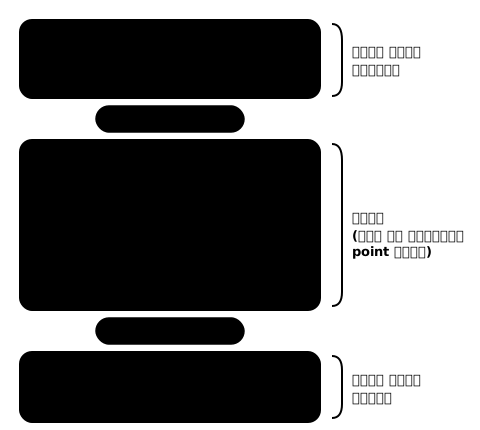
ढाँचा
Open → Signpost → Body → Close. बताओ क्या बताओगे, बताओ, फिर बताओ क्या बताया। Body में तीन point से ज़्यादा नहीं, और हर point के साथ एक example। तीन point लोग याद रखते हैं; सात point सब भूल जाते हैं।
35.2 शुरुआत — पहले तीस सेकंड
पहले तीस सेकंड में सुनने वाले तय कर लेते हैं कि फ़ोन देखना है या आपको। "Mic check" और "sorry" में वो वक़्त बर्बाद मत करो — सीधा एक hook दो, फिर अपना परिचय।
- Good morning, everyone. Thanks for being here. Greeting + शुक्रिया — साफ़ और गर्म शुरुआत।
- Let me start with a quick question. How many of you checked your phone in the last ten minutes? Hook: सवाल। लोग हाथ उठाते हैं — और जाग जाते हैं।
- Here's a number that surprised me: we lose three customers every single day. Hook: चौंकाने वाला number।
- I'm Neha, and I lead the design team at Brightline. परिचय — एक लाइन, बस। पूरा resume नहीं।
- Today, I'm going to talk about how we can fix that. आज का विषय — "talk about", "talk on the topic of" नहीं।
- I'll take about fifteen minutes, and there'll be time for questions at the end. कितना समय और सवाल कब — सुनने वाले को सुकून मिलता है।
Hook पहले, परिचय बाद में
शुरुआत सवाल, number या एक लाइन की कहानी से करो। कभी "Sorry, I'm not a good speaker" या "Am I audible?" से नहीं। माफ़ी माँगने से सुनने वाला आपको कमज़ोर मान लेता है — आपके बोलने से पहले ही।
35.3 Signposting — सुनने वालों को रास्ता दिखाना
सुनने वाले आपकी slide नहीं, आपकी आवाज़ follow कर रहे हैं। Signpost वो छोटे phrase हैं जो सड़क के बोर्ड की तरह बताते हैं: अब हम यहाँ हैं, अब यहाँ मुड़ रहे हैं।
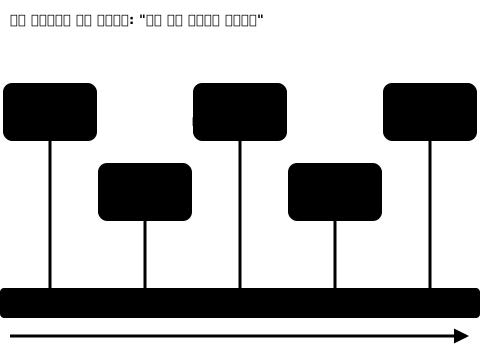
| काम | Signpost | सुनो |
|---|---|---|
| नक्शा देना | I've divided this talk into three parts. | |
| पहला point | Let's start with the problem. | |
| आगे बढ़ना | That brings me to my second point. | |
| मिसाल | Let me give you an example. | |
| पीछे जोड़ना | As I mentioned earlier, cost is the big issue. | |
| ज़ोर देना | The key point here is this. | |
| समेटना | So, to sum up, we need three things. |
हर मोड़ पर एक बोर्ड
हर नए हिस्से से पहले एक signpost: "Moving on…", "That brings me to…", "Let me give you an example.", "To sum up…" Signpost के बाद एक पल रुको — सुनने वाला मुड़ जाता है, फिर आप आगे बढ़ो।
35.4 कहानी सुनाना — एक छोटा arc
Number और bullet points लोग शाम तक भूल जाते हैं; कहानी हफ़्तों याद रहती है। हर अच्छी छोटी कहानी एक ही पहाड़ चढ़ती है — शांत शुरुआत, मुश्किल, कोशिश, मोड़, नतीजा और सीख।
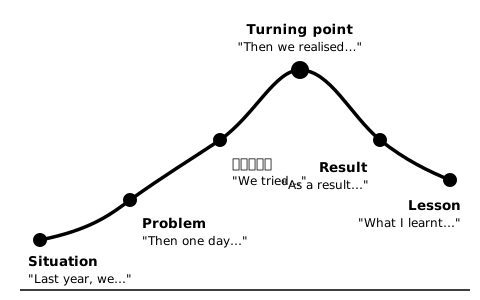
- Last year, our app had about ten thousand users. Situation — सब ठीक चल रहा था।
- Then, in March, half of them suddenly stopped using it. Problem — कहानी में जान यहीं आती है।
- We tried discounts, new features, even a new logo. Nothing worked. कोशिश — "Nothing worked" के बाद रुको।
- Then we called twenty users, and we realised the login was too slow. Turning point — "we realised" = हमें समझ आया।
- We fixed the login in two weeks, and people started coming back. Result।
- What I learnt was simple: ask your users before you guess. Lesson — यही लाइन लोग घर ले जाते हैं।
कहानी का साँचा
Situation → Problem → कोशिश → Turning point → Result → Lesson. एक मिनट से छोटी, past tense में, और अंत में हमेशा एक सीख। बिना lesson की कहानी सिर्फ़ किस्सा है; lesson उसे आपकी बात का सबूत बना देता है।
35.5 अंत — जो याद रह जाए
हम अक्सर अंत में सबसे कमज़ोर होते हैं — थक जाते हैं और "that's all" बोलकर भाग लेते हैं। पर सुनने वाले को आखिरी लाइन सबसे ज़्यादा याद रहती है। उसे पहले से लिखकर रखो।
- So, to sum up, we covered three things: the problem, the plan, and the cost. Summary — तीन point दोबारा, एक लाइन में।
- If you remember just one thing from today, remember this: speed matters more than features. एक takeaway — "remember this" के बाद रुको।
- So my request is simple: let's run a two-week trial. अगर कुछ चाहिए — साफ़ माँगो।
- Thank you. I'm happy to take any questions. "That's all from my side" की जगह — ये लाइन।
अंत का फ़ॉर्मूला
Summary + एक takeaway + शुक्रिया। "That's all from my side" की जगह: "Thank you. I'm happy to take questions." आखिरी लाइन पहले से लिख लो और ज़बानी याद रखो — घबराहट में भी निकल आएगी।
35.6 सवाल-जवाब — जब पता हो, और जब न पता हो
Q&A में लोग सबसे ज़्यादा डरते हैं, क्योंकि वहाँ script नहीं होती। पर जवाब का भी एक साँचा है — और सबसे बड़ी बात: जो पता नहीं, उसे बनाना नहीं है।
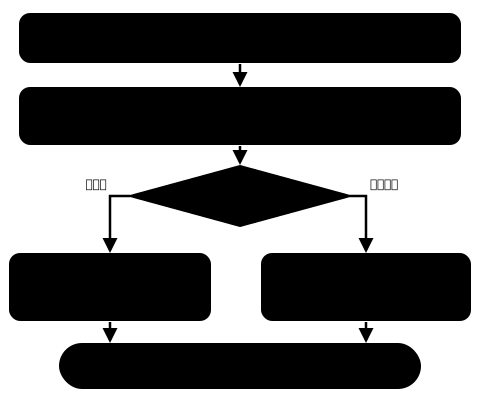
- That's a really good question. कभी-कभी — हर सवाल पर बोलोगे तो खोखला लगेगा।
- If I understand correctly, you're asking about the timeline. दोहराना — "अगर मैं सही समझा…"
- I don't have that number with me, but I'll email it to you today. न पता हो — ईमानदारी + वादा।
- Can I come back to that at the end? बीच में सवाल आए और अभी जवाब देने से flow टूटे।
- Does that answer your question? जवाब के बाद check — दरवाज़ा बंद करने का शरीफ़ तरीका।
पता न हो तो बनाओ मत
अकेला "I don't know" कमज़ोर लगता है, बनाया हुआ जवाब उससे भी बुरा। "I don't have that right now, but I'll get back to you by Friday" — ईमानदार भी, मज़बूत भी। और वादा किया है तो Friday तक email ज़रूर भेजो।
Mini-dialogue — presentation के बाद सवाल
हालत: आपने नए software का trial propose किया। Manager के दो सवाल हैं — एक का जवाब आपको पता है, एक का नहीं।
- Manager: How long will the trial take? Trial कितना लंबा चलेगा?
- आप: So you're asking about the timeline. It'll take about two weeks. दोहराओ + छोटा जवाब।
- Manager: And what will it cost us? अब मुश्किल सवाल — आपके पास exact number नहीं।
- आप: I don't have the exact figure with me, but I'll email it to you this afternoon. ईमानदारी + वादा, समय के साथ।
- Manager: That's fine. Thanks, Neha. बनाए हुए number से कहीं बेहतर असर।
- आप: Thank you. Does anyone else have a question? अगले सवाल के लिए दरवाज़ा खोलो।
35.7 घबराहट, आवाज़ और रफ़्तार
घबराहट सबको होती है — बड़े-बड़े speakers को भी। फ़र्क सिर्फ़ इतना है कि तैयार लोग उसे संभाल लेते हैं। और घबराहट का सबसे पहला असर होता है रफ़्तार पर: हम तेज़ बोलने लगते हैं।
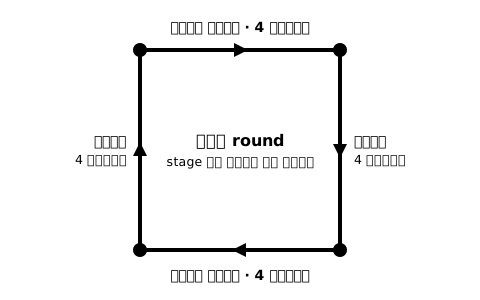
घबराहट के लिए पाँच काम
1. पहली तीन लाइनें ज़बानी याद करो — शुरुआत निकल गई तो बाकी निकल जाता है।
2. कम से कम तीन बार खड़े होकर, ज़ोर से practice — मन में पढ़ना practice नहीं है।
3. जाने से पहले box breathing के तीन round।
4. Audience में दो-तीन मुस्कुराते चेहरे ढूँढो और उनसे बात करो।
5. शब्द अटके तो "umm" मत भरो — एक पल चुप रहो। चुप्पी आपको जितनी लंबी लगती है, उतनी होती नहीं।
रफ़्तार और ज़ोर: जितना आपको "धीरे" लगता है, सुनने वाले के लिए वो बिल्कुल सही होता है। हर comma पर छोटा रुको, full stop पर पूरी साँस, और ज़रूरी शब्द पर ज़ोर। सुनो:
- Last year / we lost / our biggest client. // Today / I'll show you / how we won them back. / = छोटा रुको, // = पूरी साँस। मोटे शब्दों पर ज़ोर। Statement के अंत में आवाज़ नीचे।
35.8 वो गलतियाँ जो हम सच में करते हैं
इनमें से ज़्यादातर गलतियाँ कॉलेज के seminar से चली आ रही हैं — सबने सुना, सबने दोहराया। एक बार पकड़ लो, तो आपकी presentation फ़ौरन ज़्यादा professional लगेगी।
Presentation की आम गलतियाँ
- गलत: Myself Neha and today I will be presenting on the topic of sales.
- सही: Hi, I'm Neha. Today I'll talk about our sales.
-
क्यों: "Myself…" से परिचय नहीं होता, और "presenting on the topic of" भारी है। छोटा और सीधा।
-
गलत: I will explain about the new process.
- सही: I'll explain the new process.
-
क्यों: "Explain" और "discuss" के बाद "about" नहीं लगता। "Talk about" में लगता है।
-
गलत: Any doubts?
- सही: Any questions?
-
क्यों: Indian English में "doubt" = सवाल। बाकी दुनिया में "doubt" = शक — "Any doubts?" का मतलब लगता है "किसी को मुझ पर शक है?"
-
गलत: That's all from my side.
- सही: Thank you. I'm happy to take questions.
-
क्यों: "मेरी तरफ़ से इतना ही" का अनुवाद — अंत को फीका कर देता है। अंत में summary और गर्म शुक्रिया।
-
गलत: As you can see in this slide…
- सही: As you can see on this slide…
- क्यों: Slide, screen और page एक surface हैं — on the slide, on the screen, on page 5.
35.9 प्रैक्टिस — Presentations
अभ्यास 1
Presentation की सबसे अच्छी शुरुआत कौन-सी है?
- Let me start with a quick question.
- Sorry, I am not a good speaker.
- Am I audible to all?
- Myself Neha, I will present.
उत्तर
Let me start with a quick question.
Hook पहले — सवाल, number या कहानी। माफ़ी या mic check से शुरू करने पर पहले तीस सेकंड बर्बाद हो जाते हैं।
अभ्यास 2
पहला point खत्म हुआ, अब दूसरे पर जाना है। सही signpost कौन-सा है?
- That brings me to my second point.
- Now second point is coming.
- Next is the next point.
- Please see second.
उत्तर
That brings me to my second point.
'That brings me to…' सुनने वाले को साफ़ बताता है कि एक हिस्सा खत्म हुआ और नया शुरू।
अभ्यास 3
Q&A में ऐसा सवाल आया जिसका जवाब आपको नहीं पता। सबसे अच्छा जवाब?
- I don't have that figure now, but I'll email it to you today.
- (अंदाज़े से कोई भी number बता दो)
- That question is not relevant.
- (चुप रहकर अगली slide पर चले जाओ)
उत्तर
I don't have that figure now, but I'll email it to you today.
ईमानदारी + वादा। बनाया हुआ जवाब पकड़ा गया तो पूरी presentation से भरोसा उठ जाता है।
अभ्यास 4
So, to sum ___, we need more time and a bigger team.
संकेत: अंत का signpost — 'समेटना'।
उत्तर
up
'To sum up' = सार में कहूँ तो। अंत का सबसे आम signpost।
अभ्यास 5
Let me give you an ___. Last month, two clients left.
संकेत: मिसाल।
उत्तर
example
'Let me give you an example' — point के बाद मिसाल, ताकि बात ज़मीन पर उतरे।
अभ्यास 6
इस लाइन में एक preposition गलत है — उस पर टैप करो।
As you can see in this slide, sales went up.
उत्तर
गलत शब्द: in.
सही रूप: As you can see on this slide, sales went up.
Slide एक surface है — on the slide, on the screen, on page 5.
अभ्यास 7
सही क्रम में लगाओ — audience को नक्शा दो।
शब्द: have / I / talk / parts / divided / three / into / this
उत्तर
I have divided this talk into three parts
Present perfect (have divided) + 'into three parts' — शुरुआत में roadmap देने की लाइन।
अभ्यास 8
कहानी की लाइन को arc के हिस्से से जोड़ो।
| A | B |
|---|---|
| Last year, we had ten thousand users. | Turning point |
| Then half of them suddenly left. | Lesson |
| Then we realised the login was slow. | Situation |
| What I learnt was simple: ask first. | Problem |
उत्तर
Last year, we had ten thousand users. — Situation; Then half of them suddenly left. — Problem; Then we realised the login was slow. — Turning point; What I learnt was simple: ask first. — Lesson
Situation से शुरू, problem से tension, turning point पर मोड़, और lesson पर अंत — यही arc है।
अभ्यास 9
Presentation की पहली लाइन बोलो — मुस्कुराकर।
Good morning, everyone. Thanks for being here
उत्तर
बोलो: Good morning, everyone. Thanks for being here
'everyone' के बाद छोटा रुको। 'Thanks for' को जोड़कर — 'thanks-fer'।
अभ्यास 10
अब एक signpost बोलो।
That brings me to my second point
उत्तर
बोलो: That brings me to my second point
'second' पर ज़ोर दो — सुनने वाले को पता चले कि नया हिस्सा शुरू हुआ।
अभ्यास 11
Presentation का अंत — 'That's all from my side' की जगह।
Thank you. I'm happy to take questions
उत्तर
बोलो: Thank you. I'm happy to take questions
'Thank you' के बाद पूरी साँस। अंत में आवाज़ नीचे और आँखें audience पर।
आगे क्या करो
अपने काम या पढ़ाई पर दो मिनट की presentation बनाओ — एक hook, तीन point, एक छोटी कहानी, एक अंत। फ़ोन पर record करो, एक बार सुनो, और सिर्फ़ एक चीज़ सुधारो: रफ़्तार।